Can You Go in a Pool With Contacts? Eye Safety & Pool Care Guide
Published on: January 17, 2026 | Last Updated: November 17, 2025
Written By: Rachael Weatherbottom
Swimming with contact lenses is not recommended due to risks of eye infections, lens damage, and chemical irritation. Pool water contains chlorine, bacteria, and microorganisms that can stick to lenses, increasing the chance of conditions like Acanthamoeba keratitis (a rare but severe corneal infection). For safer vision correction, consider prescription swim goggles or daily disposable lenses removed immediately after swimming.
This guide explains why pool water interacts poorly with contacts, how even brief exposure can lead to irritation or infection, and what to do if water touches your lenses. You’ll learn about protective gear options, proper lens hygiene, and how to spot early signs of contamination.
We’ll also cover pool maintenance tips to reduce risks – like balancing chlorine levels between 1-3 ppm (parts per million) and testing pH weekly – and compare saltwater versus chlorinated pools. Whether you’re a casual swimmer or a daily lap enthusiast, these strategies help protect your eyes and keep your pool safe for everyone.
Can You Wear Contact Lenses in the Pool?
Swimming with contact lenses exposes your eyes to unique risks that every pool user should know. While soft lenses might feel comfortable during a quick dip, water chemistry and contaminants create hidden dangers.
Crucial Winterizing Products
"The all-in-one solution for a guaranteed clear spring opening."
All-in-One Closing Chemical Kit
Winter demand is high - check stock

"The 'set & forget' option. This is the easiest winterizing I've ever done."
Simple 3-in-1 Winterizing Balls
Winter demand is high - check stock
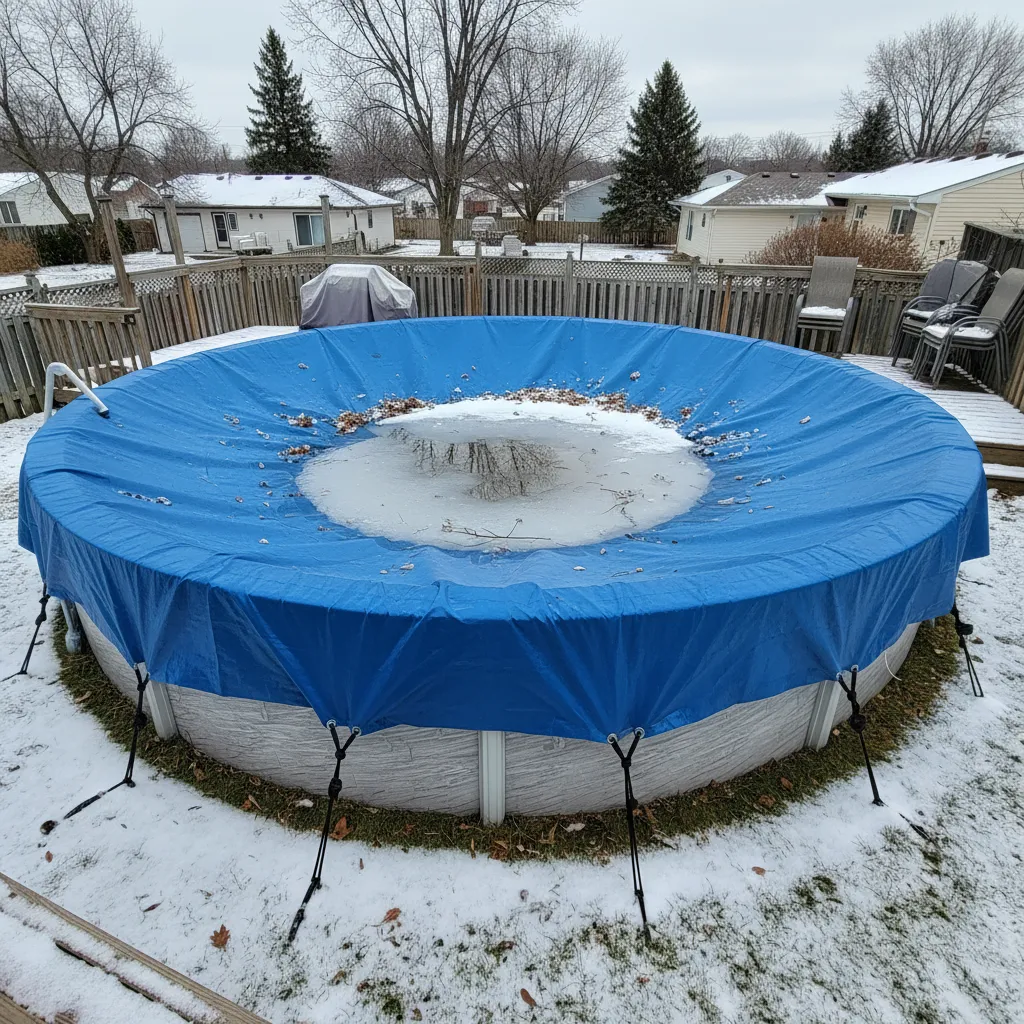
"Invest once to protect your liner and prevent a swamp in the spring."
Heavy-Duty Winter Pool Cover
Winter demand is high - check stock
Why Pool Water is Harmful for Contacts
Pool water contains chemicals, microbes, and physical debris that interact with contact lenses in ways air does not. These factors compromise both eye health and lens integrity. It’s important to consider how these conditions affect more than just your eyes. In particular, the lifespan of products designed for pool care can be influenced by the overall water quality and cleanliness.
Chlorine and Chemical Interactions with Lenses
Chlorine levels in pools typically range between 1-3 ppm (parts per million) to sanitize water. While effective against bacteria, chlorine bonds to silicone hydrogel or polymer-based lenses, creating a residue that irritates eyes. This chemical interaction reduces tear production, causing dryness and a gritty sensation. Even saline pools with lower chlorine (0.5-1 ppm) still expose lenses to sodium chloride crystals that scratch corneal surfaces. Proper maintenance of pool water can help minimize these effects. It’s also important to find ways to deter ducks from swimming in pools, as they can introduce additional contaminants.
Disinfectants like bromine or ozone-treated pools pose similar risks. Bromine, often used in hot tubs or indoor pools, forms bromamines when reacting with organic matter. These compounds embed in lens pores 10-20 microns wide, leading to prolonged irritation. When considering hot tubs, it’s important to know how bromine compares to chlorine. Each chemical has its own pros and cons for water sanitation and user comfort.
Risk of Contaminants and Microorganisms in Pool Water
Beyond chemicals, pools harbor microorganisms like Acanthamoeba, a parasite found in 47% of sampled recreational pools. Soft contacts act as sponges, trapping pathogens against the cornea. Acanthamoeba keratitis, a rare but severe infection, requires months of treatment and can cause vision loss. Studies show 85% of cases occur in contact lens wearers exposed to water.
Even well-maintained pools contain 0.1-0.3 colonies/ml of bacteria like Pseudomonas aeruginosa, which adheres to lenses 200x faster than bare eyes. Combined with chloramines (chlorine mixed with sweat or urine), this creates a biofilm on lenses that standard cleaning solutions struggle to remove.
While goggles reduce risks, no barrier is 100% effective. The CDC reports 1 million annual U.S. eye infections linked to swimming with contacts. For those asking “is it ok to swim with contact lenses,” the data suggests caution.
Even brief exposure matters. Let’s examine the immediate consequences of ignoring these risks.
Immediate Risks Of Swimming With Contacts
Wearing contacts while swimming in a pool creates direct exposure to elements that threaten both eye health and lens integrity. Even brief water contact amplifies risks many swimmers underestimate.
Eye Infections and Irritation From Pool Water
Pool water contains chlorine levels between 1-3 ppm to combat bacteria, but this chemical mix fails to neutralize all pathogens. Contacts act like sponges, trapping microorganisms such as Acanthamoeba—a parasite linked to vision-threatening keratitis. A 2022 CDC report found 85% of pool-related eye infections involved lens wearers. Symptoms like redness, burning, or light sensitivity often appear within 12-48 hours. Pool water can also harbor fungi that lead to skin infections. People who spend a lot of time in pools should be cautious to avoid fungal infections like tinea, commonly known as athlete’s foot.
Contact Lens Damage or Displacement
Modern soft lenses (e.g., silicone hydrogel) absorb pool chemicals at rates up to 300% faster than tears, causing warping or tight adhesion to the cornea. Chlorine binds to lens materials, reducing oxygen permeability by 40-60% during immersion. Turbulent water movement also dislodges lenses easily—over 20% of swimmers report losing at least one lens during aquatic activities.
What to Do if You Accidentally Swim With Contacts
If pool water contacts your lenses, swift action minimizes complications. Time matters: pathogens can colonize lenses within 15 minutes of exposure.
Immediate Steps for Eye Care and Lens Removal
Rinse eyes with preservative-free saline solution—not tap water—for 30 seconds per eye. Use clean, dry fingers to remove lenses, pinching from the edges to avoid corneal scratches. Apply lubricating drops containing carboxymethylcellulose to flush residual irritants. Never rub eyes; this pushes contaminants deeper into lens material.
Cleaning and Replacing Exposed Lenses
For reusable lenses, rub them for 20 seconds with multipurpose solution (never hydrogen peroxide-based systems) before soaking for 6+ hours. Daily disposables? Toss them—studies show chemical absorption persists even after cleaning. Replace cases if submerged; biofilm contamination rates jump to 70% after water exposure.
Next, let’s examine how duration impacts risk levels when combining pool time with corrective vision aids.
Also See: Alkalinity in Pools: Why It’s Important & How to Control It
How Long Can You Safely Swim With Contacts?
Time matters when wearing contacts near water. Brief splashes (under 10 seconds) pose less risk than full submersion, but any exposure allows pool chemicals or microbes to cling to lenses. The longer lenses stay wet, the higher the chance of contaminants binding to the material.
Short-term Exposure Vs. Prolonged Swimming Risks
Dipping your face briefly while wearing contacts may cause minor irritation from chlorine reacting with lens polymers. Extended swimming sessions amplify problems: studies show microbial adhesion to contacts increases by 65% after 15 minutes of water exposure. Lenses absorb pool water, trapping pathogens against the cornea for hours post-swim. As more people seek unique experiences, rooftop pools have become increasingly popular. These elevated retreats offer stunning views, but swimmers should still be mindful of eye health while enjoying the water.

Using Goggles With Contacts: Does It Help?
Goggles create a physical barrier against water, but not all designs fully protect lenses. Look for models labeled “ANSI Z87.1” certified, which meet impact and seal standards. Pairing goggles with contacts works only when the gear maintains a perfect seal during lateral head movements or dives.
Types Of Watertight Goggles for Lens Protection
Silicone gaskets with dual straps offer the best seal, blocking 99% of water entry when fitted properly. Mirrored lenses with UV protection ($15-$50 range) reduce glare while swimming outdoors. Avoid low-cost PVC goggles – they warp easily, allowing microleaks that compromise lens safety.
Proper Seal and Fit to Prevent Water Entry
Test goggles before swimming: press them against your face without the strap. Properly fitted models stay suctioned for 3-5 seconds. Adjust nose bridges to eliminate gaps near the orbital bone. For prescription lens wearers, opt for custom-molded goggles that match your facial contours.
Swimming in Pools Vs. Natural Bodies Of Water
Chlorinated pools and natural waters present distinct threats. While pools contain 1-3 ppm chlorine to combat bacteria, lakes/oceans harbor organisms like Acanthamoeba that survive saltwater and attach to contacts. The CDC reports 85% of water-related eye infections stem from improper lens use in recreational waters. Saltwater pools can also cause damage to your hair. The salt can make hair dry and brittle, leading to breakage and split ends.
Saltwater Vs. Chlorinated Water: Comparing Risks
Saltwater’s buoyancy makes lenses feel secure, but ocean bacteria thrive on lens surfaces. Chlorine kills most pathogens but degrades lens materials: rigid gas-permeable contacts lose shape after 30 minutes in treated water. Neither environment is truly safe – 72% of optometrists recommend against swimming with contacts in any water type. This concern extends to pool sanitation as well. Many wonder if saltwater pools offer better hygiene compared to traditional chlorine pools.
Beyond goggles and time limits, other factors affect lens safety during water activities. Let’s examine showering risks and post-swim care protocols to maintain ocular health.
Showering With Contacts: Additional Risks to Avoid
Water exposure while showering poses similar threats to eye health as pool swimming for contact lens wearers. Tap water contains microorganisms like Acanthamoeba, a pathogen linked to severe corneal infections. These organisms can adhere to lenses, creating a biofilm that resists disinfection. Warm, moist environments accelerate bacterial growth, turning lenses into potential vectors for disease transmission. Maintaining a healthy balance of minerals like calcium in the eye can support overall eye health. A calcium saturation index test can help determine if the levels of calcium are appropriate, which is important for preventing potential eye issues.
Even brief water contact during showers allows pathogens to seep beneath lenses, trapping them against the cornea. The CDC reports that 85% of Acanthamoeba keratitis cases occur among contact lens users exposed to water. Remove lenses before any water contact—including rinsing your face—to eliminate this risk entirely.
Best Practices for Pool Users With Contacts
Protecting your eyes while enjoying pool activities requires a multi-layered strategy. Combine smart lens choices with rigorous hygiene and proper pool upkeep to reduce health hazards. When enjoying these activities, natural elements can enhance the experience. A real rocks pool waterfall can create a soothing atmosphere while adding beauty to your pool area.
Daily Disposable Lenses As a Safer Option
Single-use lenses minimize infection risks when water exposure occurs. After swimming, discard the lenses immediately to avoid retaining contaminants. Brands like Dailies Total1 or Acuvue Oasys 1-Day cost $1-$2 per pair but eliminate the need for cleaning compromised lenses. While not foolproof, they’re statistically safer: studies show daily wearers have 3x lower infection rates than monthly lens users after water exposure.
Post-swim Eye Care and Lens Hygiene
Remove lenses within 15 minutes of exiting the pool. Flush eyes with preservative-free saline solution—not tap water—using the “pour and blink” method. For reusable lenses, rub them with Clear Care or Biotrue solution for 30 seconds before soaking overnight in fresh disinfectant. Replace storage cases every 3 months to prevent biofilm buildup. Keeping a clean pool environment is essential for eye safety. This includes ensuring the cement around the pool is also clean and well-maintained to prevent any hazards.
Pool Maintenance Tips to Minimize Chemical Imbalance
Properly balanced pools reduce eye risks for all swimmers. Maintain:
- Chlorine levels at 1-3 ppm to neutralize pathogens without causing excessive irritation
- pH between 7.2-7.8 to optimize chlorine effectiveness
- Total alkalinity at 80-120 ppm to stabilize pH swings
Test water weekly with Taylor K-2006 kits ($85-$110) for professional-grade accuracy. Cloudy water or strong chlorine odors signal imbalances needing correction before swimming. Keeping your pool water balanced helps ensure efficient pump operation. Using a pool pump run time calculator can help you determine the optimal run time for maintaining clean water.
These strategies work together to create safer conditions for those determined to wear contacts during pool time. For alternative approaches, explore our goggles recommendations and saltwater comparisons in the next section. When it comes to swimming pools, the choice of materials can greatly impact comfort and safety. Various materials like fiberglass, vinyl, and concrete offer different benefits for pool construction.
Frequently Asked Questions (FAQ)
Can You Wear Contacts in a Hot Tub?
Hot tubs pose higher risks than pools due to warmer temperatures accelerating bacterial growth and chemicals like bromine. The CDC advises against wearing contacts in jacuzzis, as heat expands lens material, trapping pathogens. Remove lenses before entering and use prescription goggles if needed.
What Are the Symptoms Of a Swimming-related Eye Infection?
Watch for redness lasting over 24 hours, light sensitivity, excessive tearing, or blurred vision. Severe pain or green/yellow discharge indicates possible bacterial or Acanthamoeba keratitis—seek immediate ophthalmological care.
Do Prescription Swim Goggles Work for Astigmatism?
Yes! Brands like Speedo and AquaSphere offer toric lenses in goggles, correcting astigmatism up to -8.00 diopters. Custom options ensure precise vision while maintaining a watertight seal—ideal for competitive swimmers.
How Can I Tell if Pool Water Damaged My Contacts?
Inspect lenses for discoloration, warped edges, or stiffness. Damaged lenses may cause sudden discomfort or reduced clarity. When in doubt, discard them—replacement costs are lower than treating infections.
Are Extended-wear Contacts Safer for Swimming?
No—extended-wear lenses have higher infection risks when exposed to water. The FDA reports 5x greater complication rates compared to dailies. Always remove lenses before any water exposure, regardless of wear schedule.
Closing Thoughts
Swimming with contacts poses real risks, from chemical irritation to serious infections like Acanthamoeba keratitis. While watertight goggles offer some protection, the safest approach is removing lenses before pool time. Daily disposables reduce risk but aren’t foolproof against microorganisms in water.
Proper pool maintenance matters too. Balanced chlorine levels (1-3 ppm) and regular testing help minimize hazards. For precise water chemistry guidance, use My Pool Calculator to keep your pool both swimmer- and eye-friendly.
When in doubt, prioritize eye health. Prescription goggles or LASIK provide long-term solutions for swimmers who need vision correction. Stay informed, stay protected, and enjoy your pool time safely.
Additional Resources for You:
- Pool & Hot Tub Alliance (PHTA). (2021). ANSI/APSP/ICC-11 Standard for Water Quality in Public Pools and Spas. Alexandria, VA: PHTA.
- Can You Swim with Contacts In? | Warby Parker
- Do you swim with your contact lenses? I have been swimming with my contact lenses in the sea, lakes, and in swimming pools many times, but I read you can get dangerous infections from that. – Quora
- Can You Swim With Contact Lenses In? | eyecarecenter
- 5 Things You Didn’t Know About Wearing Contacts in the Pool | University of Utah Health
A pool care geek who’s been testing water chemistry since she was tall enough to reach the skimmer.
Cloudy Water Solutions, Common Problems, Pool Chemistry