Can You Make a Pool Waterfall From Real Rocks?
Published on: January 22, 2026 | Last Updated: November 17, 2025
Written By: Rachael Weatherbottom
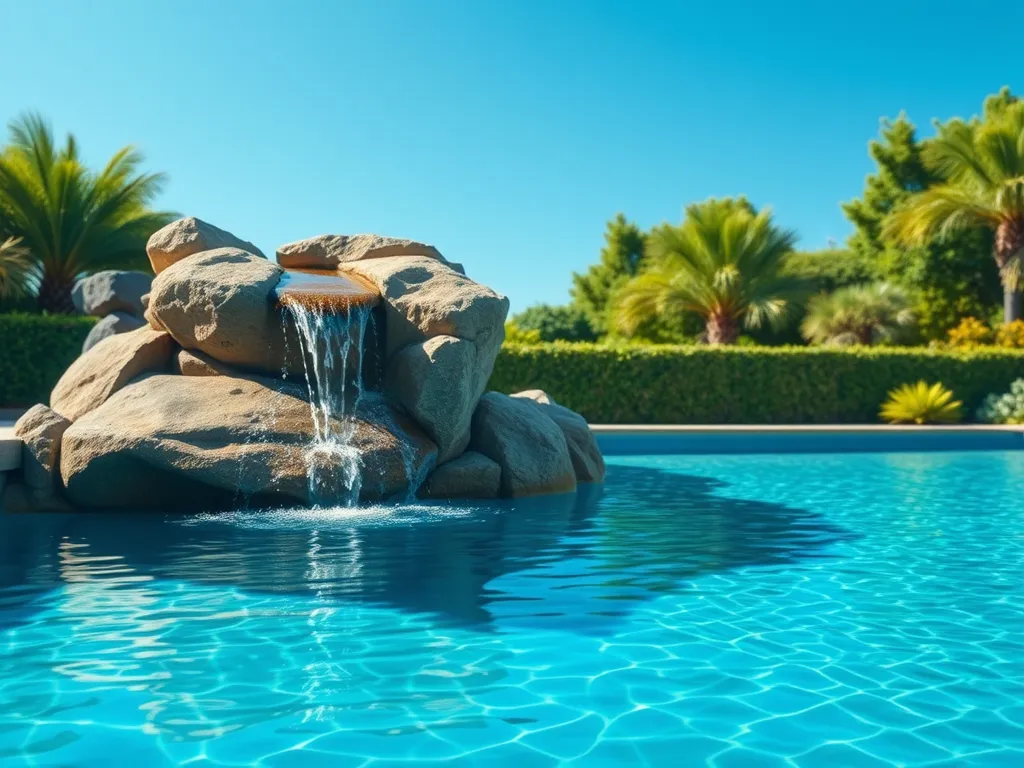
Yes, you can build a pool waterfall using real rocks by combining natural stone with proper engineering. This project requires selecting water-resistant rocks like granite or slate, installing a pump system with 1,500-3,000 gallons per hour (GPH) flow rates, and securing stones with waterproof epoxy or mortar. Costs range from $3,000 for a basic DIY setup to $15,000+ for professional designs. Success depends on evaluating your pool’s structural capacity, calculating water pressure needs, and planning rock placement for both visual appeal and safe water flow.
This guide breaks down how to design and build a natural rock waterfall that complements your pool’s style. Learn which stones withstand constant moisture, how to size pumps for optimal circulation, and local code requirements for water features. We’ll compare material costs, explore techniques for stacking rocks without shifting, and share pro tips for hiding plumbing behind cascades.
Get ready to transform your pool with a waterfall that looks carved by nature. From choosing the right adhesive for jagged edges to balancing flow rates for gentle sounds, we cover every step. Whether upgrading an existing pool or planning a new install, find out how to avoid common mistakes and create a focal point that boosts your home’s value.
Benefits Of a Real Rock Pool Waterfall
A natural rock waterfall transforms a standard pool into a resort-style retreat. Beyond visual drama, these features offer functional perks that synthetic materials struggle to match. Let’s explore why homeowners opt for real stone over prefabricated alternatives.
Crucial Winterizing Products

"The all-in-one solution for a guaranteed clear spring opening."
All-in-One Closing Chemical Kit
Winter demand is high - check stock

"The 'set & forget' option. This is the easiest winterizing I've ever done."
Simple 3-in-1 Winterizing Balls
Winter demand is high - check stock
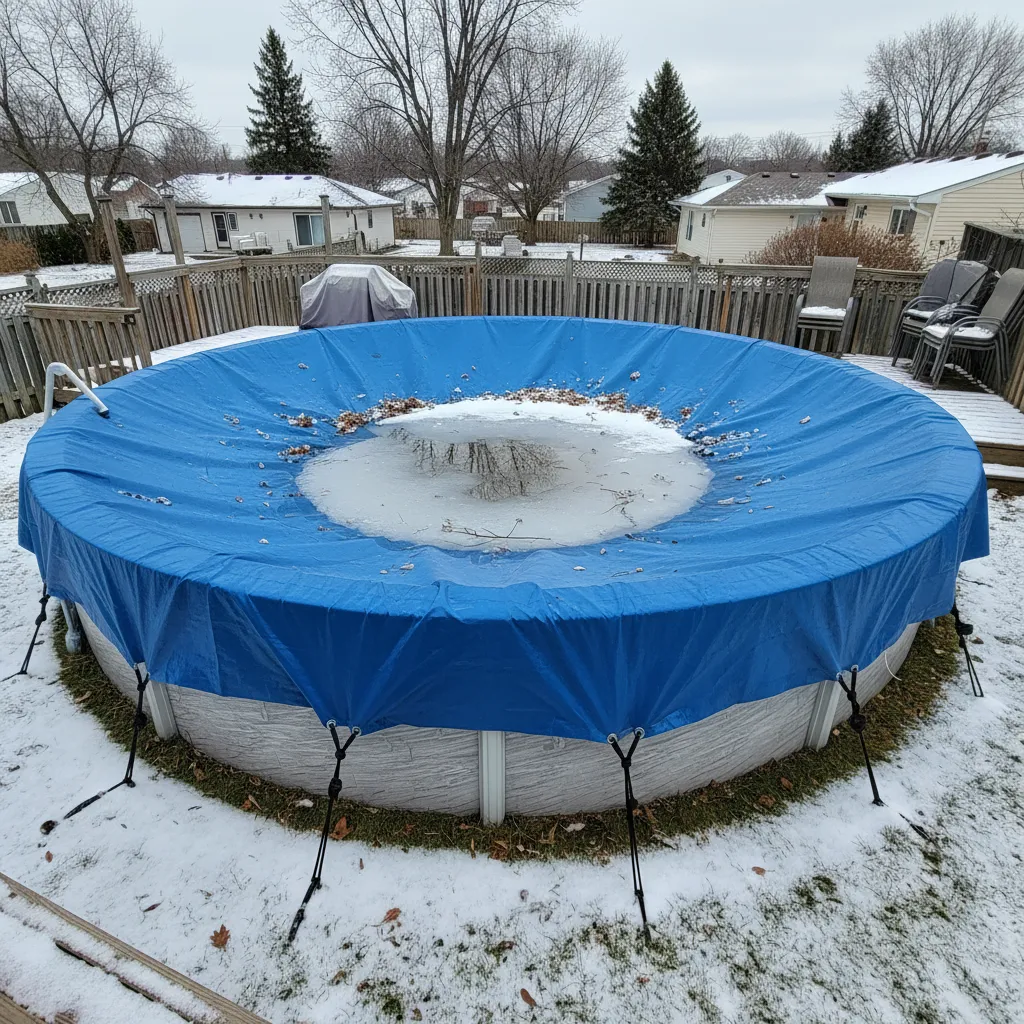
"Invest once to protect your liner and prevent a swamp in the spring."
Heavy-Duty Winter Pool Cover
Winter demand is high - check stock
Aesthetic Appeal and Natural Integration
Natural stone creates organic textures that blend with surrounding landscapes. Unlike faux rock veneers, genuine slate, sandstone, or granite offer unique veining and weathering patterns. These materials age gracefully, developing patinas that enhance character over time. Strategic placement of ledges and overhangs mimics geological formations found in nature, achieving seamless harmony with backyard ecosystems.
Enhanced Water Circulation &Amp; Filtration
Rock waterfalls act as natural aerators, churning water to boost oxygen levels. This movement helps distribute chlorine evenly while preventing stagnant zones where algae thrive. A well-designed cascade with a flow rate of 50-75 gallons per minute can improve overall filtration by 15-20% when paired with the pool’s main pump system. Rough stone surfaces also trap debris before it reaches skimmers, reducing filter workload.
Increased Property Value
Custom rock features elevate perceived home value through luxury appeal. Realtors note pools with natural stone waterfalls command 7-12% higher offers compared to basic designs. Buyers gravitate toward the tranquil ambiance and low upkeep of real stone, which outlasts resin or fiberglass alternatives by decades. Localized studies show such upgrades yield 65-80% return on investment upon resale.
While these benefits make rock waterfalls appealing, successful execution requires careful planning. Design choices directly impact both performance and long-term durability.
Planning Your Rock Waterfall Project
Creating a pool waterfall with real rocks demands careful preparation to ensure structural integrity and visual harmony. Start by analyzing your pool’s layout and surrounding landscape. When you think about adding features, consider how a few laps in the pool can enhance your experience. A few laps can be a great way to enjoy the water while appreciating the beauty of your waterfall.
Site Evaluation &Amp; Design Considerations
Map the waterfall’s position based on existing features like decking, landscaping, or retaining walls. Use a laser level to check elevation changes—ideal cascades need at least 18-24 inches of vertical drop for noticeable flow. Factor in sightlines from seating areas for maximum visual impact.
Pool Compatibility & Space Requirements
Confirm your pool shell can handle added weight. Natural stone features typically require 25-40 lbs per square foot of support. Leave 3-4 feet of clearance around the waterfall zone for plumbing access and future maintenance. For inground pools, check coping strength—reinforced concrete bases often need 6-8 inch thickness under rock formations. Keeping costs in mind is also important when planning your pool. Consider looking for the cheapest inground pool options that still meet all your needs.
Local Regulations &Amp; Safety Standards
Many municipalities classify rock waterfalls as “water features” requiring permits. Adhere to ANSI/APSP-7 safety codes for suction outlets—install VGB-compliant drain covers if modifying the pool shell. Maintain 20-30 inch diving clearances if positioning near deep ends. Safety is essential around any pool area. Installing an above ground pool fence helps protect children and pets from accidental falls.
Essential Materials for Construction
Quality materials prevent leaks and ensure lasting performance. Prioritize weather-resistant components rated for constant submersion.
Rock Selection Guidelines
Choose stones with flat, interlocking surfaces for stable stacking. Test porosity by pouring water—ideal rocks absorb less than 3% of their weight. Avoid sedimentary types like sandstone that degrade in chlorine.
Best Natural Stones for Water Resistance
- Granite: Non-porous, withstands freeze-thaw cycles (PSI rating: 18,000+)
- Slate: Layered structure creates natural spillways; seal annually
- Basalt: High iron content resists algae; ideal for tropical climates
Pump Systems &Amp; Plumbing Components
Calculate flow rates using the formula: (Waterfall width in inches × desired sheet thickness in inches) ÷ 24 = required GPH. For a 24-inch-wide cascade with 1/4″ water thickness: (24 × 0.25)/24 = 0.25 GPH × 60 = 15,000 GPH pump. Use 1.5-2″ schedule 40 PVC pipes to reduce friction loss. When planning your pool, it’s important to consider all associated costs. A pool construction cost calculator can help you estimate the expenses for your project effectively.
Waterproof Adhesives &Amp; Sealants
Epoxy-based products like Thioflex 5K or SikaFlex 291 bond stones while allowing flex. Apply marine-grade polyurethane sealant (NSF/ANSI 50 certified) between layers. For joints, inject hydraulic cement mixed with acrylic fortifier at 4:1 ratio.
With materials prepped and plans finalized, the next phase focuses on transforming these elements into a flowing masterpiece through precise construction methods.
Also See: Does Harrah’s New Orleans Have a Pool? Find Out Here!
Step-by-step Construction Process
Building a pool waterfall from actual stones starts with a strong plan. Work through phases to turn rocks into flowing art that lasts through sun, pool chemicals, and constant water contact. To keep your pool clean and clear, it’s important to consider how water will be filtered. There are different types of pool filters available, each with its own benefits for maintaining your pool’s water quality.
Preparing the Base Structure
A solid foundation stops shifting or sinking. Dig a trench 12-18″ deep around your pool’s target spot. Fill it with compacted gravel for drainage, making a flat surface for rocks to sit. Once your foundation is set, you can start decorating around the pool area. One fun idea is to paint pool noodles for colorful accents.
Reinforcing with Concrete or Mortar
Mix 3,500 PSI concrete with a 1:2:3 ratio (cement:sand:gravel) for footings. Apply mortar between rock layers using a trowel. Let it dry 48 hours before adding weight. For extra hold, insert stainless steel rebar rods into bigger stones.
Installing the Water Circulation System
Water must loop from pool to summit without loss. Fit 1.5″ or 2″ PVC pipes behind rocks, linking to a skimmer or dedicated drain. Add shut-off valves to control flow during upkeep. Keeping water clean is important for pool maintenance. If a dead animal is found, it is essential to sanitize the area to ensure safety and hygiene.
Pump Sizing & Flow Rate Calculation
A 2′ wide cascade needs 100 GPM (gallons per minute). Find pump strength using this formula: (Waterfall width in ft x 50) + (Vertical lift in ft x 10) = Total GPM. For a 3′ tall fall, a 1.5 HP pump handles most setups. Calculating the right flow helps ensure your water feature operates smoothly. A pool depth calculator can help you determine the right dimensions for any body of water.
Strategic Rock Placement Techniques
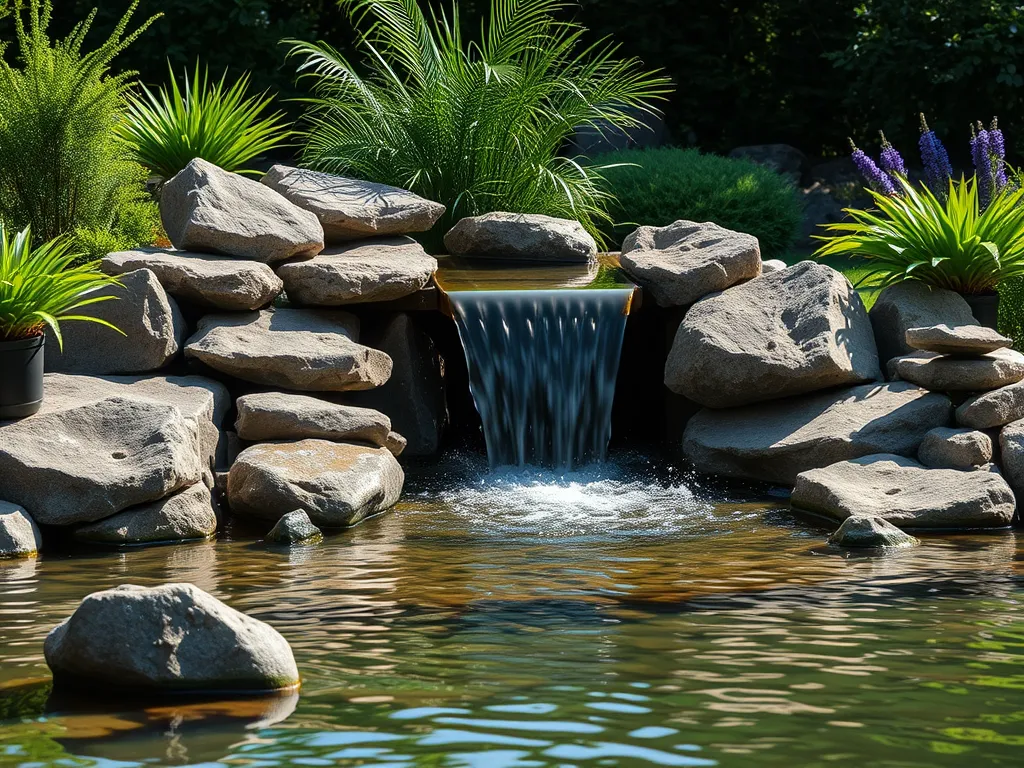
Flat stones work best for spillways; angular rocks add drama. Position bigger slabs at the bottom, sloping upward at a 15-20° angle. Leave 1-2″ gaps between stones for water to trickle through naturally.
Creating Natural-Looking Cascades
Copy how streams form in nature. Place a tall, narrow rock at the top to split flow into two paths. Add mid-size stones slightly off-center downstream to cause swirling motion. Finish with a thick base stone to diffuse splash.
Testing &Amp; Adjusting Water Flow
Run the pump at 50% power first. Check for dry spots or overflow. Tweak rock angles with shims—plastic wedges work without showing. Aim for a flow rate of 0.5-1 GPM per inch of spillway width to avoid spray drift. A well-functioning pump is essential for maintaining optimal water flow. Consider investing in a prime pool pump to ensure your system operates efficiently.
Cost Analysis: Real Rock Vs Alternatives
Actual stone costs vary by type and hauling needs. Compare options to pick what fits your funds and vision.
Material &Amp; Labor Breakdown
| Material | Cost Range | Lifespan |
|---|---|---|
| Local sandstone | $150-$300/ton | 25+ yrs |
| Faux fiberglass | $2,000-$5,000 (pre-built) | 10-15 yrs |
| Concrete cast | $80-$120/sq.ft | 20 yrs |
Labor runs $75-$125/hour for masonry work. Most rock falls take 40-60 hours to build from start to finish.
Long-term Maintenance Costs
Natural stone needs annual sealing ($200-$400) to fight mineral stains. Plan for pump parts: seals last 3-5 years ($120-$180), impellers 5-7 years ($90-$150). Faux rocks may crack under UV rays, requiring partial swaps every 8-10 years.
Maintenance &Amp; Cleaning Protocols
Rocks in water grow slick with biofilm and calcium crust if ignored. A strict routine keeps your fall looking sharp.
Preventing Mineral Deposits &Amp; Algae
Balance pool pH at 7.4-7.6 to slow scaling. Apply algaecide monthly (follow 6 oz per 10,000 gal ratio). Scrub rocks weekly with a nylon brush. For heavy buildup, mix 1 part muriatic acid with 10 parts water—rinse fast to avoid stone damage. Keeping your pool clean is essential for a great swimming experience. Harrah’s New Orleans Pool offers a relaxing atmosphere where you can enjoy your time in the water.
Seasonal Care for Rock Surfaces
In cold months, shut down the system. Blow out pipes with a 6 CFM air compressor. Cover rocks with UV-blocking tarps. Inspect mortar joints each spring—fill cracks using silicone-based caulk made for underwater use.
Thinking through how your rock fall fits with pool activities? Our final thoughts cover balancing looks with daily use.
Frequently Asked Questions
Can You Add a Rock Waterfall to an Existing Pool?
Yes, retrofitting is possible with proper structural assessment. Ensure your pool’s coping and shell can support additional weight (minimum 25 lbs/sq ft) and consult an engineer if modifying decking. Integrate plumbing through the pool wall or via an external channel, using flexible PVC pipes for easier routing around existing infrastructure. Many people enjoy the design options that come with pools. Exploring features under the pool can enhance both beauty and functionality.
Can You Create a DIY Rock Waterfall Without Professional Help?
DIY is feasible for small cascades using pre-assembled kits and stones under 100 lbs. Success requires intermediate masonry skills for mortar application and basic plumbing knowledge. Hire professionals for multi-tier designs, heavy boulder installations (>300 lbs), or if your pool requires electrical upgrades for high-wattage pumps. In addition to water features, building a pool hill can enhance the overall look of your backyard. A pool hill offers a fun place to relax and enjoy the surrounding environment.
How to Make Fake Rocks Look Natural in Water Features?
Use fiberglass or polyurethane faux rocks with textured surfaces, and apply mineral-based stains to mimic weathering. Embed natural pebbles or moss in crevices, and position them alongside real stones for visual blending. Angle artificial rocks to follow natural water paths, avoiding symmetrical arrangements that appear manufactured.
Closing Thoughts
Building a pool waterfall from real rocks transforms your backyard into a natural oasis. The combination of flowing water and rugged stone creates visual appeal while improving water circulation. Proper planning ensures your design blends function with aesthetics.
Selecting the right materials makes all the difference. Durable stones like slate or granite withstand constant water exposure. Pair them with a correctly sized pump—typically 1,500-3,000 GPH for most residential pools—to achieve the perfect cascade effect.
Maintenance keeps your waterfall pristine. Regular brushing prevents algae buildup, while sealants protect porous rocks. Seasonal inspections of plumbing components prevent costly repairs.
For precise calculations on pump sizing or flow rates, explore My Pool Calculator. Our tools help streamline your project from design to execution.
A rock waterfall elevates your pool’s ambiance and value. With careful construction and upkeep, this feature delivers years of relaxation and enjoyment.
Useful References for You:
- National Swimming Pool Foundation (NSPF). (2022). Pool & Spa Operator Handbook (4th ed.). Colorado Springs, CO: NSPF.
- Swimming Pool Waterfalls by RicoRock®, Inc. – A new way to build custom swimming pool waterfalls.
- How to Build a Pool Rock Waterfall for a DIY Homeowner in Four Steps | DoItYourself.com
- Natural Rock Waterfalls in Swimming Pools: 12 Inspiring Examples in Pictures
- natural rock waterfall & swimming pool? | Lawn Care Forum
A pool care geek who’s been testing water chemistry since she was tall enough to reach the skimmer.
Inground Pool, Pool Care By Type