Frogs in Pool: Safety Guide for Swimming &Amp; Removal
Published on: March 29, 2026 | Last Updated: November 17, 2025
Written By: Rachael Weatherbottom
Swimming in a pool with frogs is generally safe for humans, as most common species aren’t poisonous. The real risks come from bacteria frogs carry (like Salmonella) and dead frogs decomposing in the water. Always check that chlorine levels stay between 1-3 ppm for proper sanitation, and remove live or dead frogs quickly using a skimmer net.
This guide explains how frog visits impact your pool’s safety and water quality. You’ll learn why chlorine alone won’t keep frogs away, how long they survive in treated water, and what attracts them to your pool in the first place. We break down the differences between harmless tree frogs and species with mild toxins, like pickerel frogs.
Beyond safety, you’ll get step-by-step solutions: clearing eggs from filters, adjusting nighttime lighting to deter insects (and the frogs that eat them), and repairing cracks where tiny frogs enter. We also cover balancing pool care with local wildlife protection – because even unwelcome guests play a role in your backyard ecosystem.
Is It Safe to Swim in a Pool With Frogs?
Finding frogs in swimming pools creates questions about safety for swimmers. While most species pose minimal direct threats, specific factors require consideration before diving in.
Crucial Winterizing Products

"The all-in-one solution for a guaranteed clear spring opening."
All-in-One Closing Chemical Kit
Winter demand is high - check stock

"The 'set & forget' option. This is the easiest winterizing I've ever done."
Simple 3-in-1 Winterizing Balls
Winter demand is high - check stock
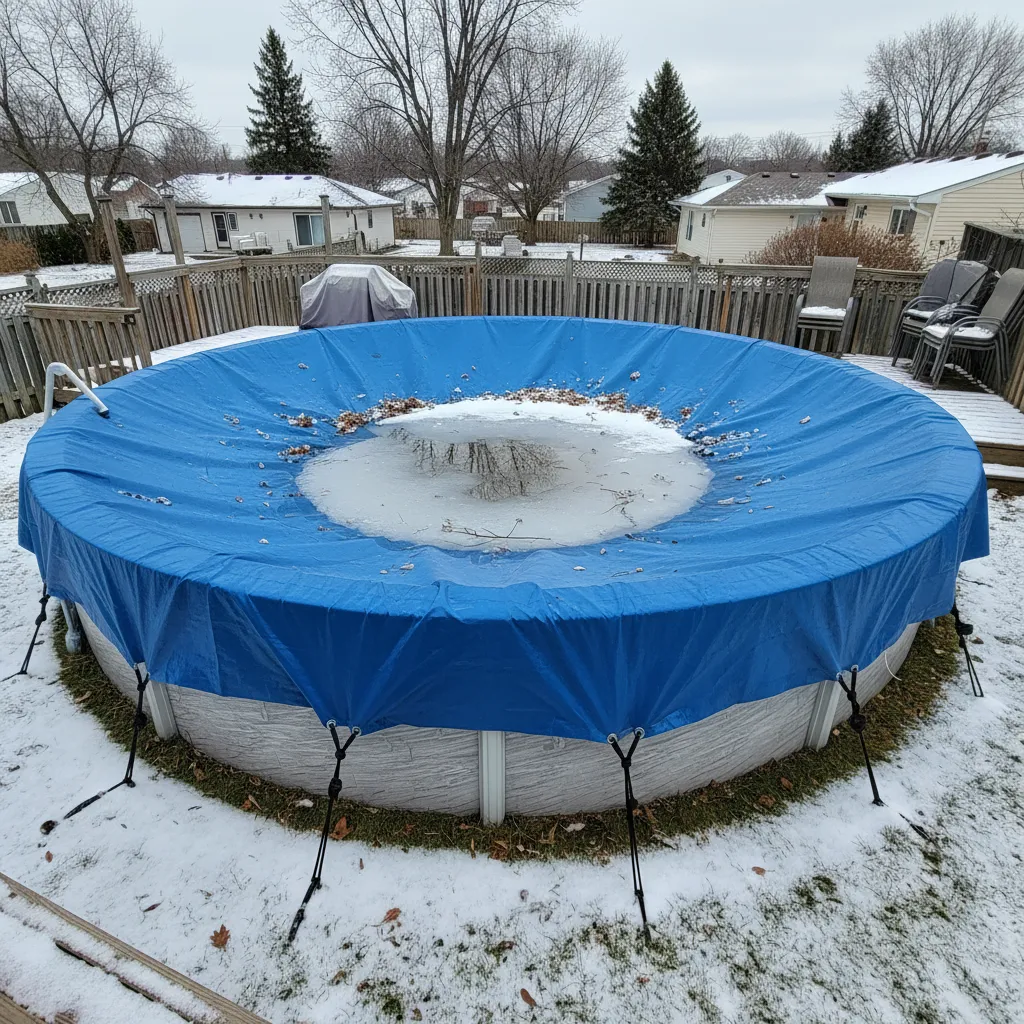
"Invest once to protect your liner and prevent a swamp in the spring."
Heavy-Duty Winter Pool Cover
Winter demand is high - check stock
Potential Risks to Swimmers
Live frogs in pool water rarely harm humans physically, but indirect risks exist. Certain species secrete mild toxins through their skin as defense mechanisms. These substances might cause skin irritation or rashes for those with sensitive skin. Bullfrogs, common in North America, carry pathogens like Salmonella in their waste, which could contaminate water if concentrations rise. Frogs swimming in pools might also startle swimmers, increasing slip risks near wet deck surfaces.
Safety Concerns With Dead Frogs in Pool Water
Decomposing frogs release organic matter that disrupts water chemistry. Rotting carcasses produce ammonia, lowering free chlorine levels below the CDC-recommended 1-3 ppm range. This creates conditions where harmful bacteria thrive. Dead frogs in filters or skimmers reduce circulation efficiency, requiring immediate removal. Use pool nets or gloves to dispose of carcasses, then test chlorine and pH levels with a digital kit to ensure proper sanitation.
Impact on Pool Water Sanitation
Frogs introduce organic debris like shed skin, eggs, or waste, which consumes chlorine faster. One adult frog can add 5-10 ppm of total dissolved solids (TDS) weekly, stressing filtration systems. Their presence often correlates with higher phosphate levels (above 100 ppb), promoting algae growth even in chlorinated water. To counter this, run filters for 12+ hours daily, brush pool walls to dislodge eggs, and consider non-toxic enzyme treatments to break down frog-related contaminants.
With these factors addressed, the next step involves learning how frogs enter pools—knowledge critical for preventing future encounters.
How Frogs Enter Swimming Pools
Frogs find pools through gaps, jumps, or slips. Their smooth skin lets them squeeze through small spaces. Once near water, they hunt for food or seek shelter.
Common Access Points for Pool Frogs
Check pool edges for cracks in decks or loose tiles. Frogs hop through broken fence slats or climb over low walls. Overhanging plants act as bridges. Pool covers with gaps or folds let them slide in. Open skimmer lids or filter bays also serve as entry points. Keeping the pool area free of gaps is important for reducing unwanted pests. This is also essential for preventing pool nitrates from building up, which can harm water quality.
Attractants That Bring Frogs to Pools
Pool lights draw bugs, which frogs eat. Still water mimics their natural homes. Algae growth feeds tadpoles. Nearby ponds or wet grass boost frog traffic. Pools with low chlorine (under 1 ppm) feel safer to frogs than treated water.
Frog Survival in Pool Environments
Frogs face harsh conditions in pools. Chlorine burns their skin, and filters trap them. Even in clean water, they struggle to find food or exit.
How Long Frogs Live in Chlorinated Water
At 1-3 ppm chlorine, most frogs survive 4-12 hours. Higher levels (over 3 ppm) can kill them in under 2 hours. Tadpoles last longer—up to 3 days—due to thicker mucus layers.
Can Frogs Survive in Pool Water Without Chlorine?
In chlorine-free pools, frogs may live 2-5 days. But pool pH (7.2-7.8) still irritates their skin. Without bugs or plants, they starve. Saltwater pools (2,500-4,000 ppm salt) dehydrate frogs in 6-10 hours. Keeping a pool clean and clear is important for its health and safety. This is where understanding pool pump run time comes into play, as it helps keep the water circulated and filtered properly.
Time Frame for Frog Survival Out Of Pool Water
Frogs removed quickly often recover if kept moist. Let them rest in shade for 1-2 hours before release. If injured or limp for over 3 hours, survival odds drop. Dry air speeds up dehydration, cutting life span to 30-60 minutes.
Now that we see how frogs get in and cope, let’s explore ways to remove them without harm.
Also See: Can You Leave Pool Vacuum in Pool Overnight? Find Out
Effective Frog Removal Methods
Frogs in the pool need quick action to keep swim areas safe. Use tools you already own to move frogs without harm.
Manual Removal Using Pool Equipment
Pool gear works well to catch frogs. Stay calm to avoid stress for you and the frog.
Using Skimmers as Frog Catchers
Slide a mesh skimmer under frogs in water. Lift slow to keep them steady. Place frogs in a bucket with pool water, then release them 50+ feet from the pool. Check skimmer baskets twice a day during frog season.
Clearing Frogs From Pool Filters
Turn off the pump before checking filters. Frogs may hide in the filter tank or pipes. Wear gloves to scoop them out. Rinse filter parts with a hose to flush small frogs or eggs. Run the pump 8-12 hours daily to stop new frogs from settling.
Handling Frog Egg Masses in Pool Water
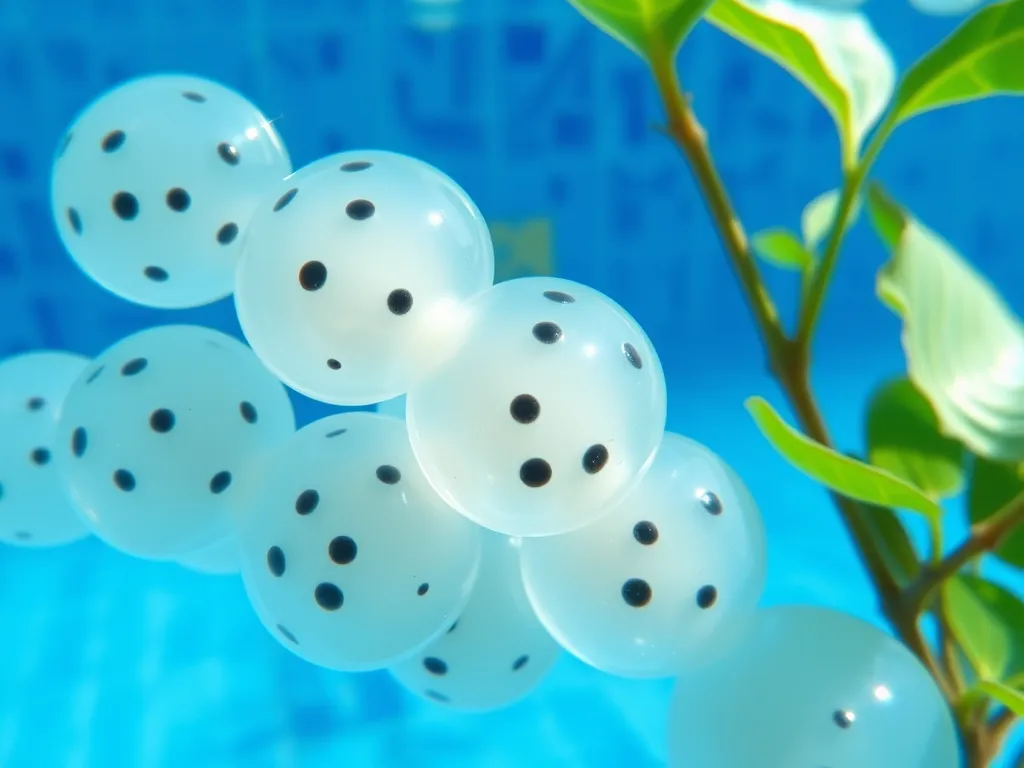
Eggs look like clear jelly blobs with black dots. Skim them fast – they hatch in 3-21 days. Use a fine net or cup to move eggs to a pond or ditch. Scrub the pool wall with a brush to stop leftover bits from sticking. Maintaining a clean pool area is important for overall pool health. Clean pool felt helps to keep the water clear and free from debris.
Eliminating Pool Frog Infestations
Big groups of frogs need a mix of quick fixes and long-term plans.
Breaking the Frog Breeding Cycle
Frogs lay eggs in still water. Run pool pumps at night to make waves. Add a fountain or bubbler to break up calm spots. Check for tadpoles weekly – vacuum them if seen.
Targeted Removal Strategies for Multiple Frogs
Use a pool net after dark when frogs are most active. Shine a dim light to spot them. Set up frog ramps (like mesh over pool edges) to help trapped frogs escape. For bad cases, wrap the pool with 18-inch plastic fencing to block new frogs.
Preventing Frogs in Swimming Pools
Stop frogs before they hop in. Focus on the pool zone and water care.
Pool Area Modifications to Deter Frogs
Change the space around your pool to make frogs leave.
Lighting Adjustments to Reduce Attraction
Switch white pool lights to yellow or amber LED bulbs. Bugs love bright light – frogs follow the food. Turn off lights by 10 PM or use motion sensors. Aim path lights away from the water. Keeping your pool clean can help reduce bugs too. One effective way to do this is by using a Turn Polaris pool cleaner.
Removing Nearby Water Sources
Dry up rain buckets, clogged drains, or pet bowls near the pool. Fill dirt spots that hold puddles. Keep plants 3 feet from the pool edge – frogs use them as shade.
Chemical Prevention Through Proper Pool Maintenance
Keep chlorine at 1-3 ppm and pH 7.2-7.8. Frogs avoid balanced water. Shock the pool weekly with 2-4 ppm chlorine if frogs keep coming. Use algaecide monthly – algae feed bugs that frogs eat. Proper levels of chlorine help to control the pool environment. Cyanuric acid plays a key role in stabilizing chlorine, ensuring it remains effective for a longer period.
Next up: Learn how frogs change your pool care routine and how to fix water issues they cause.
Impact Of Frogs on Pool Care
Frogs in swimming pools create unique challenges beyond momentary disruptions. Their presence triggers chemical imbalances, equipment strain, and labor-intensive cleanups requiring specialized strategies. Maintaining water clarity is essential for pool health and enjoyment. This can be efficiently achieved with a sand filter pool pump.
Effects on Water Quality and Filtration
Frogs introduce organic matter through shed skin, waste, and mucus secretions. Each frog releases 5-10 grams of debris daily, lowering chlorine effectiveness by 15-20% as sanitizer binds to contaminants. This process forms chloramines – compounds causing eye irritation and that distinct “pool smell.” These factors can also lead to inconsistent chlorine readings. When chlorine levels fluctuate, it becomes challenging to maintain a safe and enjoyable swimming environment.
Frog eggs pose specific threats. One egg mass contains 1,000-2,000 embryos that release proteins as they develop, clouding water within 48 hours. Sand filters lose 30% flow capacity when processing this biomass, while cartridge filters require cleaning cycles every 3-4 days versus the standard 7-day schedule.
Maintenance Challenges From Frog Debris
Decomposing frogs spike phosphate levels to 500-800 ppb, fueling algae blooms. Total dissolved solids (TDS) rise 200-400 ppm weekly with frequent frog visitors, necessitating partial drains when exceeding 1,500 ppm. Skimmer baskets fill twice daily during peak seasons, doubling chemical costs from $80 to $160 monthly for 15,000-gallon pools. Maintaining proper water balance is essential for pool care. Monitoring levels like the Langelier Saturation Index (LSI) helps ensure safe and clear pool water.
Manual removal remains critical. Netting frogs before they reach filters prevents pump damage – repair bills range $200-$600 for burnt-out motors. Enzyme treatments like Bio-Active Total Pool Cleaner ($25/quart) break down residual oils without harming wildlife when used biweekly. Keeping a clean pool is essential for maintaining its health and safety. A 10,000-gallon pool requires regular maintenance to ensure the water remains clear and inviting.
While managing water quality is vital, addressing frog-related issues raises common questions about health risks and removal timelines. Let’s explore frequent concerns from pool owners dealing with persistent amphibians.
FAQs: Swimming Pool Frogs
Are Pool Frogs Harmful if Accidentally Swallowed?
While rare, ingesting pool water with frog contaminants may cause gastrointestinal discomfort. Always supervise children and maintain chlorine levels at 1-3 ppm to neutralize pathogens. Rinse mouths thoroughly if accidental ingestion occurs.
Do Frogs Prefer Saltwater or Chlorinated Pools?
Frogs avoid saltwater pools (2,500+ ppm salt) due to osmotic stress but may temporarily enter both types. Saltwater causes faster dehydration, while chlorinated water damages their skin permeability over time. Birds, like frogs, can be sensitive to their environment. To keep birds from pooping in the pool, using simple deterrents can help maintain a clean space.
Can Frogs Climb Back Out Of Pool Drains?
Most frogs cannot escape smooth-walled drains. Install frog escape ramps (angled mesh platforms) or maintain a 2″ water gap between skimmer lids and pool level to help trapped amphibians exit safely. Keeping the pool clean will also help prevent other pests. By maintaining a clean swimming area, you can reduce incidents of thrips and make it easier to get rid of them.
Is It Legal to Relocate Pool Frogs?
Local regulations vary – many areas prohibit moving native species more than 100 yards. Always release frogs on your property away from the pool. For invasive species, contact wildlife authorities for proper removal procedures. Maintaining a healthy pool environment also involves managing total hardness. Total hardness, which refers to the concentration of calcium and magnesium in the water, is important for pool balance.
Do Ultrasonic Frog Deterrents Work in Pools?
Studies show mixed results – ultrasonic devices may reduce frog activity by 30-40% but aren’t standalone solutions. Combine with physical barriers and habitat modification for best results. Avoid models emitting sounds above 25kHz near pet areas.
How Do Frogs Impact Pool Liners?
Frog claws can create micro-tears in vinyl liners during attempted escapes. Inspect for 1-2mm punctures near waterlines monthly. Use patch kits immediately to prevent larger rips from developing.
Can Pool Frogs Survive Winter in Frozen Water?
Most species enter torpor below 50°F and drown if trapped under ice. Remove all frogs before closing pools for winter. Maintain proper antifreeze levels in plumbing to prevent accidental hibernation in pipes.
Closing Thoughts
Swimming with frogs in your pool isn’t inherently dangerous, but their presence can affect water quality and create maintenance headaches. While most frogs pose minimal direct risk to swimmers, dead frogs or egg masses require prompt removal to prevent contamination.
Effective prevention combines physical barriers, lighting adjustments, and consistent pool maintenance. Keep chlorine levels at 1-3 ppm and skim regularly to deter amphibians. For persistent infestations, manual removal paired with habitat modification works best.
Need help balancing pool chemistry after frog encounters? My Pool Calculator offers precise water treatment guidance to keep your pool safe and frog-free. Bookmark our tools for quick solutions to common pool problems.
Useful References for You:
- Pentair Residential Pool Resources (Maintenance Guides)
- How to Keep Frogs and Other Small Animals Out of Your Swimming Pool
- Keeping Frogs & Animals Out Of The Pool – PoolMagazine.com – Get The Latest Pool News
- Frogs & Your Pool – Watercrafters
- Swimming Pool Becomes a Frog Breeding Pool | Frogs Are Green
A pool care geek who’s been testing water chemistry since she was tall enough to reach the skimmer.
Pool Cleaning & Maintenance, Routine Care, Skimming & Debris Removal