
Pump Run Time Calculator
Published on: April 14, 2025 | Last Updated: April 13, 2025
Written By: Rachael Weatherbottom
Need to know how long your pump should run daily? This calculator helps find the optimal run time for water pumps. Simply enter your system’s details to get started. Proper pump run time saves energy and prevents equipment wear. We’ll calculate based on your water needs and pump capacity.
Pump Run Time Calculator
How to Use
- Enter your pump’s flow rate from its specifications
- Add your water storage tank size (if available)
- Input your total daily water needs
- Click calculate for required run time
Note: Actual run time may vary based on system efficiency and water pressure. Always consult a professional for critical systems.
Crucial Winterizing Products
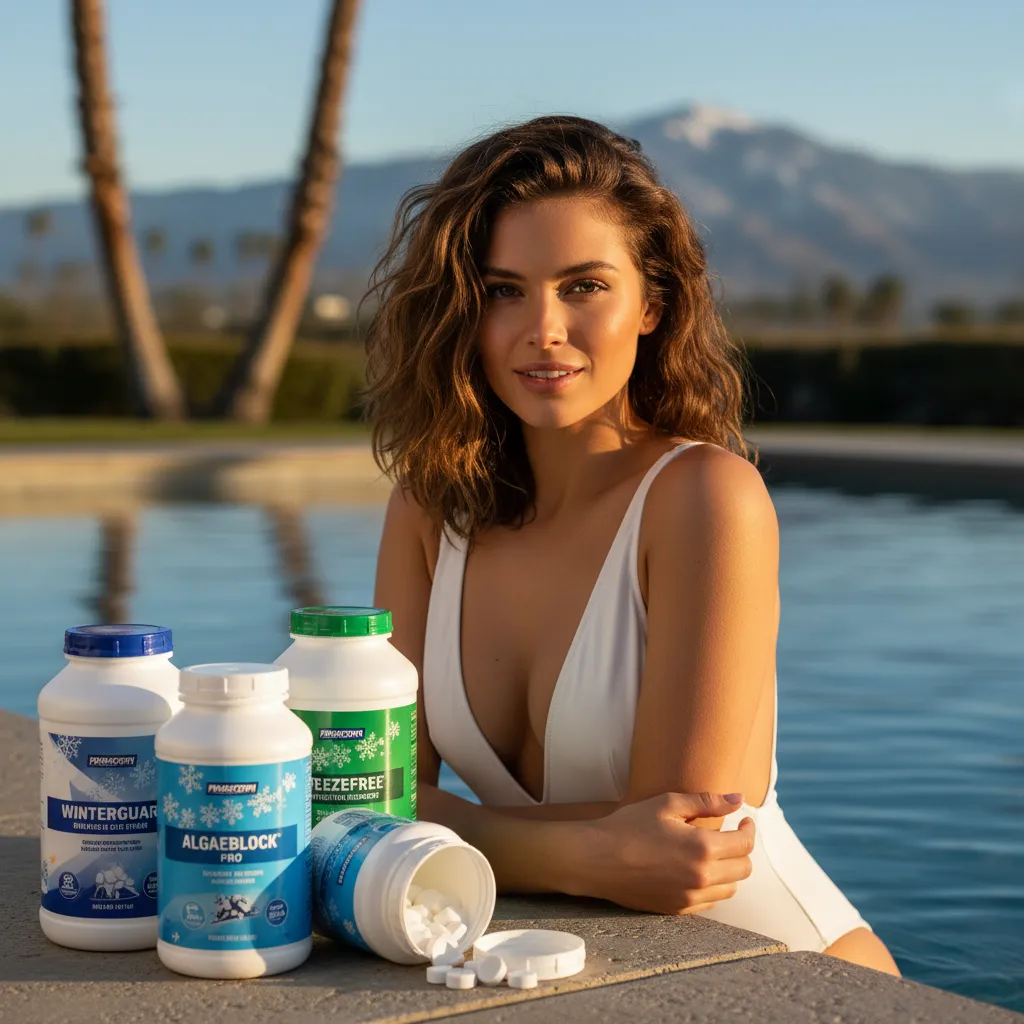
"The all-in-one solution for a guaranteed clear spring opening."
All-in-One Closing Chemical Kit
Winter demand is high - check stock

"The 'set & forget' option. This is the easiest winterizing I've ever done."
Simple 3-in-1 Winterizing Balls
Winter demand is high - check stock
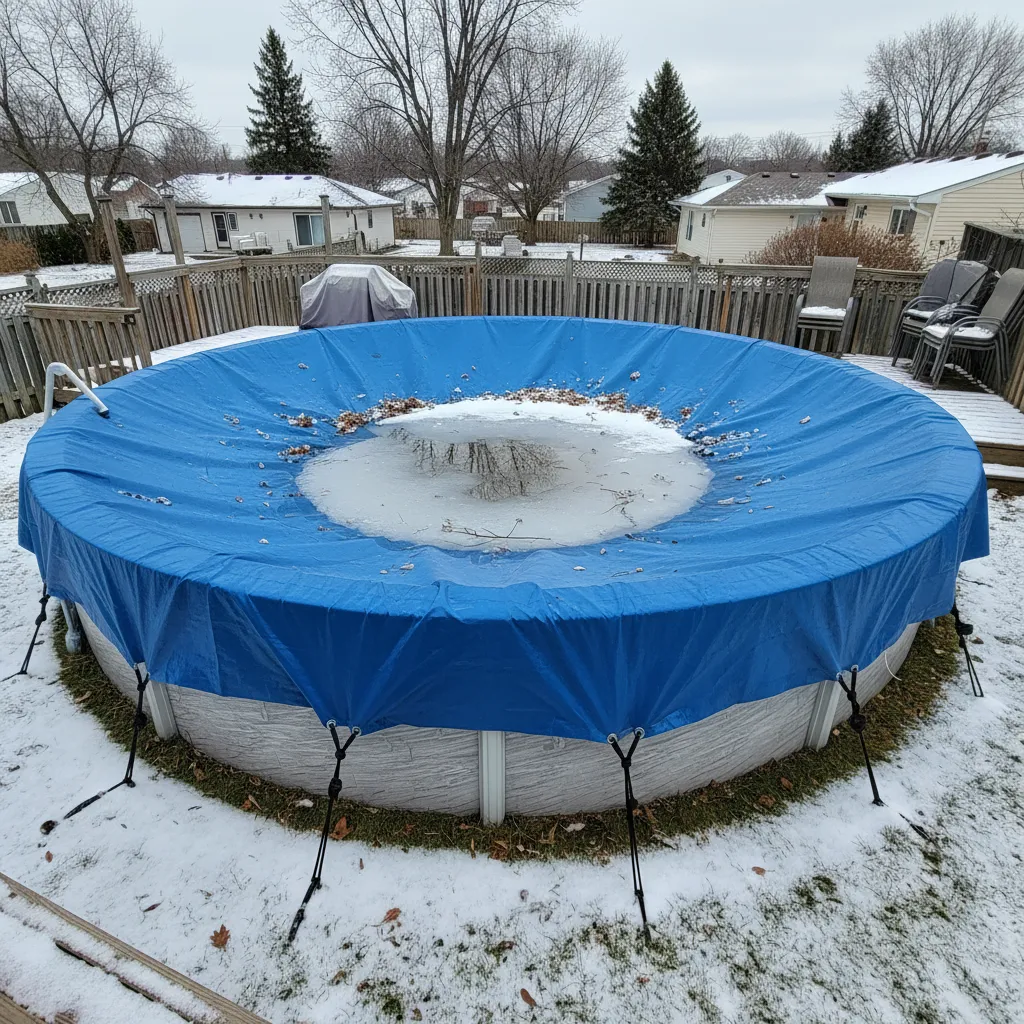
"Invest once to protect your liner and prevent a swamp in the spring."
Heavy-Duty Winter Pool Cover
Winter demand is high - check stock
Key Factors Affecting Pump Run Time Calculation
Properly determining your pool’s ideal pump run time requires analyzing multiple variables. Each influences hydraulic efficiency, water clarity, and operational costs.
Pool Volume and Hydraulic Dynamics
Total water volume (gallons) dictates baseline circulation needs. Calculate it using length × width × average depth × 7.48. A 16×32-foot pool with 4.5-foot depth holds 16×32×4.5×7.48 = 17,326 gallons. Larger volumes demand longer cycles to achieve full turnover. For those with a 16×32 pool, knowing the gallons helps in maintaining proper chemical balance. It’s important to manage these 17,326 gallons effectively for clean and healthy water.
Pump Flow Rate (GPM/GPH)
Measured in gallons per minute (GPM) or hour (GPH), flow rate depends on pump horsepower and total dynamic head (TDH). A 1.5 HP single-speed pump typically delivers 60 GPM (3,600 GPH), while a variable-speed model might operate at 40–80 GPM. Higher TDH from complex plumbing reduces effective flow. When considering a new pool, it’s important to factor in these flow rates. A pool construction cost calculator can help estimate the cost based on pump specifications and overall pool design.
| Pump Type | Flow Range (GPM) | Energy Use (kWh) |
|---|---|---|
| Single-Speed | 50–75 | 2.5–3.0 |
| Dual-Speed | 30–70 | 0.8–2.4 |
| Variable-Speed | 20–80 | 0.5–1.8 |
Turnover Rate Requirements
The industry standard recommends 1–2 full turnovers daily. For a 20,000-gallon pool needing 1.5 turnovers: 20,000 × 1.5 = 30,000 gallons. A 50 GPM pump moves 3,000 gallons hourly, requiring 10 hours (30,000 ÷ 3,000). When considering different pool sizes, the water volume can vary significantly. For example, a 10×30 pool typically holds around 6,000 gallons.
Sanitation and Filtration Needs
Pools with saltwater chlorine generators or ozone systems may reduce run time by 25%. Heavy debris loads or high bather counts often necessitate 20–30% longer cycles. UV exposure in sunny climates accelerates chlorine depletion, requiring extended filtration.
Climate and Seasonal Adjustments
Water temperature affects algae growth rates. Below 65°F, 6–8 hours often suffices. At 85°F+, 12+ hours may be needed. Humidity above 70% increases airborne contaminants, demanding 1–2 extra hours.
Pump Run Time and Energy Efficiency
Optimizing run time balances water quality with operational costs. Variable-speed pumps cut energy use by 70% compared to single-speed models.
Calculating Energy Costs
A 1.5 HP single-speed pump running 10 hours daily consumes 3 kWh × 10 = 30 kWh/day. At $0.18/kWh, that’s $5.40 daily or $1,971 annually. Switching to variable-speed at 1.2 kWh reduces costs to $2.16 daily ($788/year). Maintaining a well-balanced pool is also important for cost savings. Using an algaecide pool dose calculator can help determine the right amount of algaecide to keep your pool clean and clear.
Optimal Scheduling Strategies
- Run pumps during off-peak utility hours (8 PM–6 AM)
- Split cycles: 4 hours morning, 6 hours evening
- Align with solar heating periods for temperature stability
Also See: Concrete Pool Cost Calculator: Estimate Your Costs

Common Mistakes in Pump Run Time Estimation
Even experienced pool owners make these errors:
Overlooking Head Loss and TDH
Every 90-degree elbow adds 2–3 feet of head loss. Long pipe runs or clogged filters increase TDH, reducing actual GPM. A pump rated for 60 GPM at 40′ TDH might deliver only 45 GPM at 55′ TDH. These factors are important when considering your pool’s layout. A pool depth calculator can help you determine the ideal depth for efficient circulation and water flow.
Ignoring Filter Condition
A clean DE filter operates at 8–10 PSI. When pressure reaches 15–18 PSI, flow drops 20%, requiring longer cycles. Monthly backwashing maintains optimal flow rates.
Misjudging Seasonal Demand
Winterizing pools need only 2–4 hours daily for circulation, but pollen season may require 12+ hours. Adjust schedules quarterly using local climate data.
Advanced Considerations for Commercial Pools
Public pools follow stricter guidelines. Health codes often mandate 6 turnovers daily with continuous disinfection. A 50,000-gallon commercial pool needs 50,000 × 6 = 300,000 gallons daily. With a 150 GPM pump, that’s 33.3 hours—requiring multiple pumps or staged systems. This leads to the need for efficient systems that can handle such demands. A full should pool not only enhances safety but also ensures an enjoyable experience for all users.
Pump Maintenance and Its Impact on Run Time
Neglected equipment increases energy costs and run times:
- Clogged impellers: Reduce flow by 15–40%
- Worn seals: Cause air leaks, lowering efficiency 25%
- Unbalanced wet ends: Increase vibration and motor strain
Replace seals every 3–5 years and impellers every 7–10 years. Monitor motor amps—a 10% overdraw indicates mechanical issues.
FAQs – Pump Run Time Optimization
Why Does My Pump Need to Run Longer in Summer?
Warmer water (75°F+) accelerates chemical reactions and algae growth. Extended cycles maintain consistent sanitizer distribution and surface skimming.
Can a Solar Cover Reduce Pump Run Time?
Yes. Covers minimize debris and evaporation, potentially cutting run time by 1–3 hours. They also retain heat, reducing temperature-related chemical demand.
How Often Should I Recalculate My Pump Schedule?
Reevaluate whenever:
- Pool volume changes (renovations)
- New equipment installed
- Local weather patterns shift
Does Pool Shape Affect Circulation Efficiency?
Freeform pools with coves require strategic jet placement. Position returns to create a circular flow pattern. Use floor jets in lagoons to prevent dead zones.
What’s the Minimum Run Time to Prevent Algae?
Never run below 4 hours daily, even in winter. Algae spores germinate within 24–48 hours of stagnation. Combine circulation with algaecide dosing for prevention.
Benefits Of Optimizing Pump Run Time
- Extended equipment lifespan: Motors last 5–7 years vs 3–4 with overuse
- Chemical savings: Proper circulation reduces chlorine demand by 15–30%
- Environmental impact: Cutting 4 daily hours saves 1,460 kWh annually
Pro Tips for Fine-tuning Pump Operations
- Install flow meters: Track actual GPM, not manufacturer ratings
- Use smart timers: Adjust run times based on weather forecasts
- Conduct dye tests: Verify circulation patterns every 6 months
For precise calculations tailored to your pool’s specifications, visit My Pool Calculator. Our algorithms factor in over 12 variables to generate customized pump schedules.
Additional Resources for You:
- CDC – Healthy Swimming & Pool Safety Guidelines
- How to Calculate Swimming Pool Pump Run Time | Doheny’s – Pool Supplies Superstore
- Pool Pump Calculator
- How Long Should I Run My Pool Pump For | Zodiac Australia
- How long should I run my pool pump for? | Clark Rubber Blog
A pool care geek who’s been testing water chemistry since she was tall enough to reach the skimmer.
Pool Calculators, Pool Volume