Cruise Ship Pool Care: Maintenance, Design & Safety Essentials
Published on: March 12, 2026 | Last Updated: November 17, 2025
Written By: Rachael Weatherbottom
A cruise ship pool is a specially designed aquatic facility built to operate safely in marine environments. Unlike land-based pools, these systems account for ship motion, saltwater exposure, and high passenger turnover. Maintenance requires marine-grade disinfectants, compact filtration systems, and strict adherence to CDC Vessel Sanitation Program standards. Daily care includes pH balancing between 7.2-7.8, automated chlorine dosing, and debris removal using skimmers adapted for ocean winds.
This guide explores how cruise lines manage water quality and safety across diverse pool types. Learn why infinity edge pools need hourly flow checks due to wind exposure. Discover how adult-only pools implement UV sterilization between uses. We break down the engineering behind walk-in entries for accessibility and why most ship pools stay under 4.5 feet deep for stability.
Get actionable tips for travelers: optimal swim times, sanitization red flags, and how to identify upgraded filtration systems. We compare saltwater versus freshwater treatment costs ($2,500 vs $1,800 monthly per pool) and analyze lifeguard policies across major lines. Whether you’re planning a family cruise or adult getaway, understand what happens behind the scenes to keep shipboard pools safe and pristine.
Types Of Cruise Ship Pools and Hot Tubs
Cruise ship pools vary in design, use, and care needs. While most ships have a main hub for water fun, other spots cater to specific tastes or needs. Knowing the differences helps travelers pick the right cruise and crews keep waters safe.
Crucial Winterizing Products
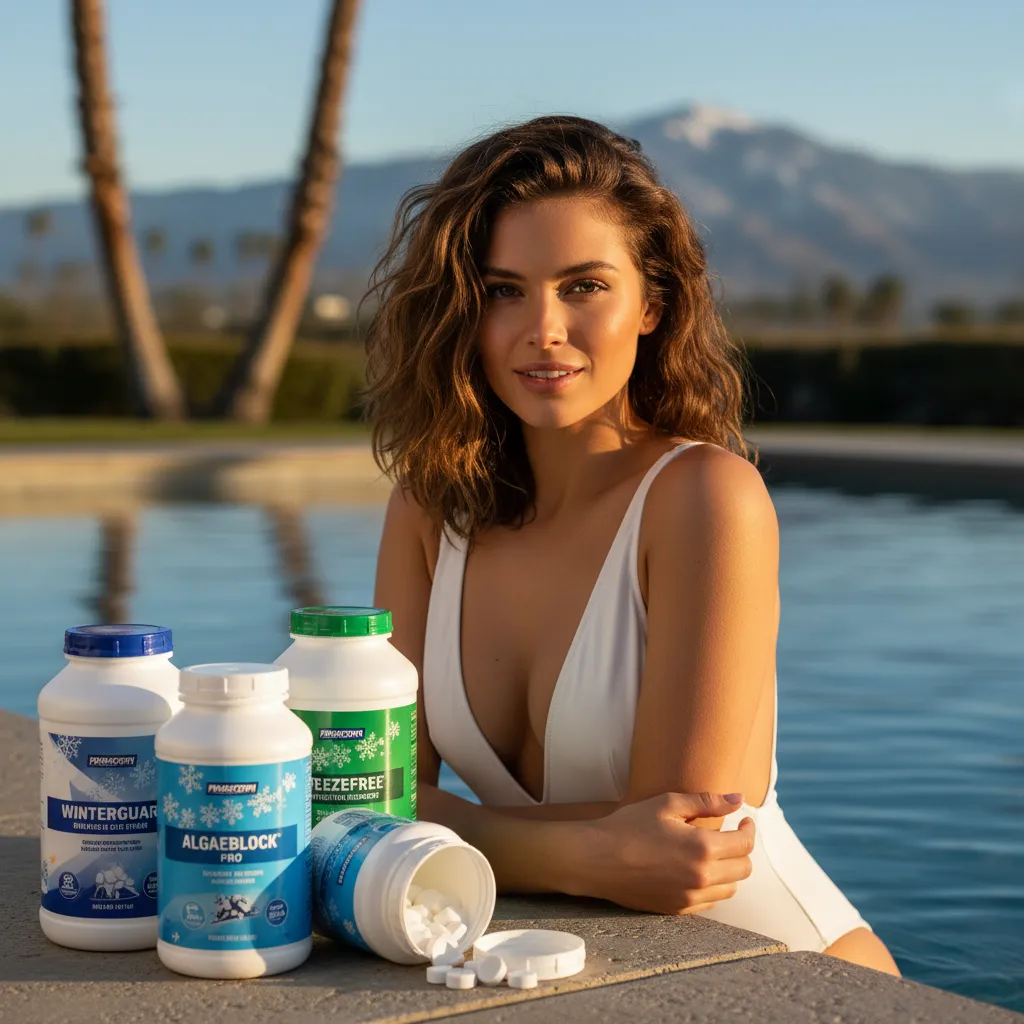
"The all-in-one solution for a guaranteed clear spring opening."
All-in-One Closing Chemical Kit
Winter demand is high - check stock

"The 'set & forget' option. This is the easiest winterizing I've ever done."
Simple 3-in-1 Winterizing Balls
Winter demand is high - check stock
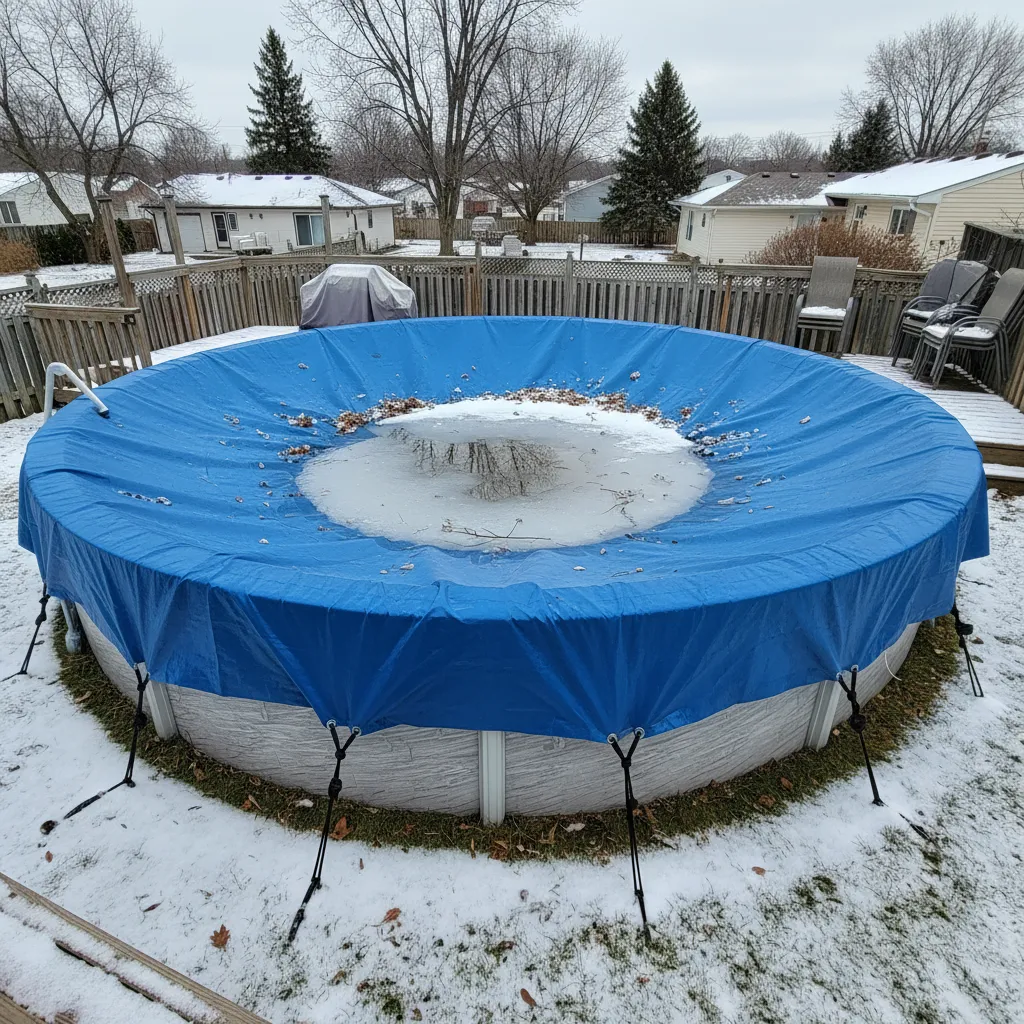
"Invest once to protect your liner and prevent a swamp in the spring."
Heavy-Duty Winter Pool Cover
Winter demand is high - check stock
Main Pool Vs. Specialty Pools
The main pool sits at the heart of the cruise pool deck. Built to hold crowds, these pools range from 12 to 30 feet long and hold up to 8,000 gallons. They use chlorine levels of 2-4 ppm (parts per million) for germ control. Specialty pools, like infinity or adult-only zones, serve smaller groups and need tailored care. To enhance the experience, fun pool floaters are often needed for relaxation. These floaters can turn an ordinary swim into a delightful adventure for cruise passengers.
Infinity Pools and Their Unique Care Requirements
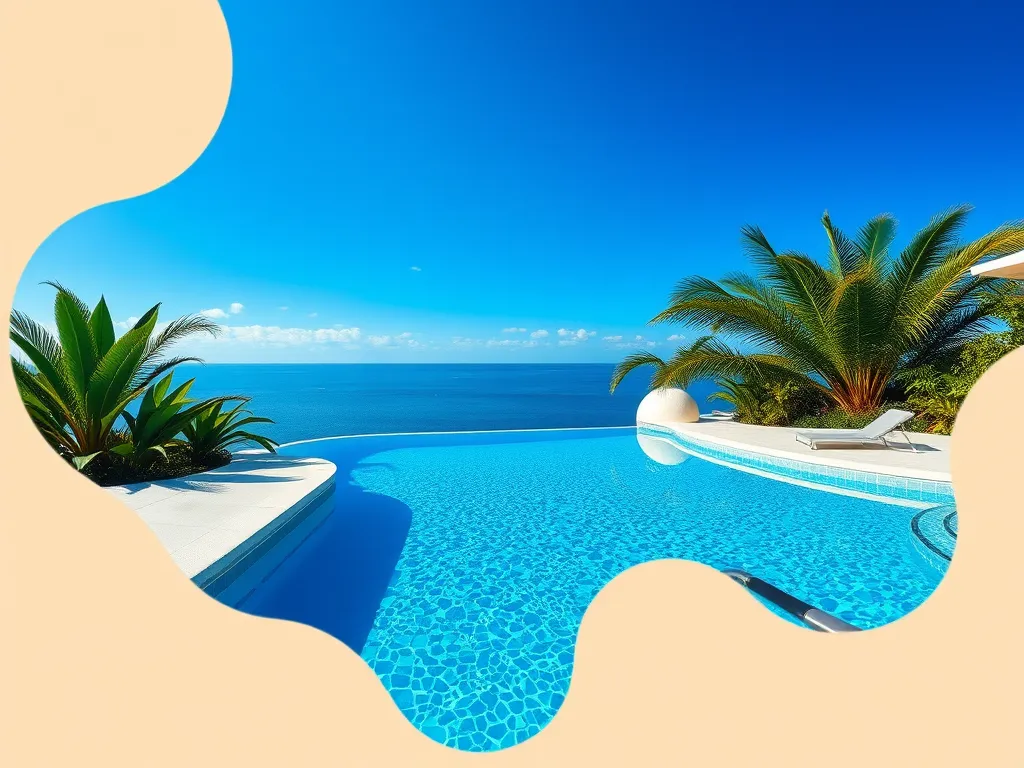
Infinity pools on ships create a “vanishing edge” effect, often on higher decks. Their pump systems work harder to move water—up to 20% faster flow rates than standard pools—to maintain the visual trick. Edge skimmers (devices that remove debris) run non-stop to handle wind-blown salt spray. UV filters add extra cleaning power since these pools face more sun and weather shifts.
Adult-Only Pools and Sanitation Protocols
Adult zones ban kids under 16 and ramp up hygiene steps. Crews test water every 30 minutes, keeping chlorine at 3-5 ppm—higher than family pools. Some lines use ozone tech (gas-based cleaning) to cut chemical smells. Surfaces get wiped down hourly with quat-based cleaners (a type of disinfectant) to fight norovirus risks.
Hot Tub Maintenance on Cruise Ships
Ship hot tubs face heavy use—up to 40 people per day in each unit. Water temps stay at 100-104°F, ideal for bacteria growth. To combat this, bromine levels stay at 4-6 ppm, and water cycles through filters every 15 minutes. Crews drain and scrub jets daily with acid washes to remove sunscreen build-up. Non-slip mats around tubs get replaced twice per voyage to prevent slips.
Up next: How ship design shapes pool size, access, and water flow in marine settings.
Cruise Ship Pool Design Factors
Cruise ship pools face unique design challenges due to marine settings. Space limits, weight rules, and guest needs shape how these pools get built.
Why Cruise Ship Pools Are Smaller Than Land-based Pools
Most cruise ship pools measure 15×30 feet, while land pools often span 40×75 feet. Ships must balance pool size with deck space for loungers, bars, and walkways. Weight matters too—a filled pool adds 100+ tons. Engineers use light materials like fiberglass to cut mass. As you consider different pool options, Building a gunite pool can enhance your backyard experience with endless design possibilities.
Walk-in Pool Designs for Accessibility
Zero-entry pools with sloped entries now appear on 60% of new ships. These designs help kids, older guests, and those with mobility issues enter safely. Some lines add grip tiles or rails for extra support.
Benefits of Gradual Entry Systems
Sloped pools let parents sit in shallow water while watching kids. They also work as splash zones when waves occur. Royal Caribbean’s Symphony of the Seas uses this style to serve 3x more guests per hour than ladder-access pools. When considering different pool designs, it’s important to look at their specific dimensions that help improve gameplay and accommodate athletes effectively.

Pool Water Composition &Amp; Quality
Cruise pools use advanced water care systems to handle heavy use and salt air. Each ship treats 20,000-50,000 gallons daily across multiple pools.
Saltwater Vs. Freshwater Cruise Pools
Saltwater pools (55% of fleets) pull ocean water through filters. Freshwater pools (45%) use desalinated water. Salt systems cost 15-30% less to run but need more corrosion checks. See key differences: In both types of pools, the balance of minerals, including calcium, plays a crucial role. The calcium saturation index helps determine if the water is balanced and can prevent issues like scaling or corrosion.
| Type | pH Range | Chlorine Use | Main Cost/Month |
|---|---|---|---|
| Saltwater | 7.2-7.6 | 1-2 ppm | $8,000 |
| Freshwater | 7.4-7.8 | 3-5 ppm | $12,000 |
Chemical Treatment Standards for Shipboard Use
Ships follow CDC VSP rules for water quality. Crews test pH and chlorine every 2 hours. UV filters run 24/7 to kill germs. Shock treatments happen nightly when pools close.
Heating Systems for Indoor/outdoor Pools
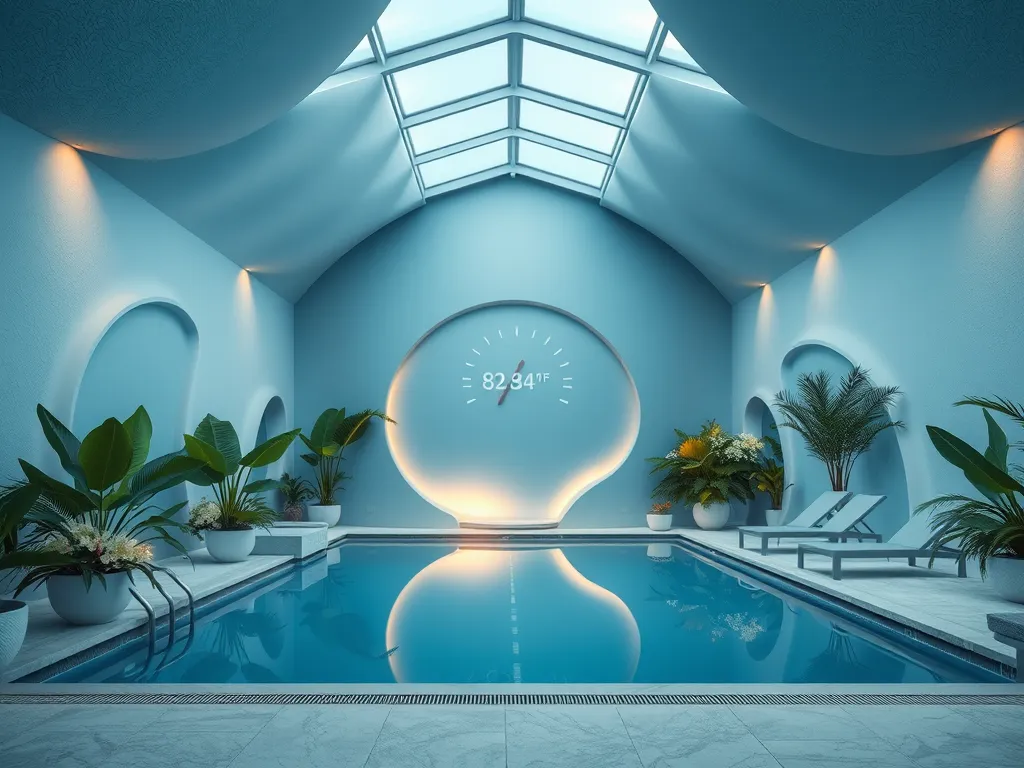
Outdoor pools stay at 75-80°F using waste heat from engines. Indoor pools reach 82-85°F with heat pumps. Norwegian Cruise Line’s thermal suites use glass roofs to trap sun warmth, cutting heating costs by 18%. Float pools can also benefit from efficient heating methods. They create a relaxing atmosphere, making them great additions to wellness facilities.
Up next: How crews keep these pools clean while sailing through storms and high seas.
Also See: Are HOA Swimming Pools Public or Private?
Pool Care &Amp; Maintenance at Sea
Keeping cruise ship pools clean takes strict routines. Crews face salt air, high use, and ship motion. Daily care keeps water safe and clear for guests.
Daily Cleaning Procedures for Cruise Pools
Teams skim leaves, test pH (7.2-7.8), and vacuum floors each morning. Walls get scrubbed with eco-safe cleaners. Hot tubs drain nightly for deep cleans. Sensors track chlorine (1-3 ppm) and bromine (3-5 ppm) every 2 hours. Proper maintenance is crucial for diving pools as well. The right pool depth ensures safety for divers and enhances the overall experience.
Filtration Systems in Marine Environments
Sand filters catch debris in saltwater pools. Multi-speed pumps run 24/7 to handle wave motion. Ships use UV light tech to kill germs without harsh chems. A 50-hp pump can cycle 20,000 gallons per hour. Pool filter systems work together to keep water clean and clear. A pool filter diagram shows how these parts connect and function together to maintain water quality.
Water Replacement Frequency and Methods
Pools don’t drain daily due to water limits. Partial refills add 10-15% new water each week. Full changes happen every 14-21 days using treated sea or onboard desalinated water. Closed-loop systems cut waste by 40% vs. land pools. However, stagnant water can lead to unwanted growth. Algae can thrive on pool covers if they are not properly maintained.
Safety Features in Cruise Pool Areas
Slip risks and crowd control drive design choices. Cruise lines follow ASTM F1637 standards for wet surfaces. Trained staff watch pools, but rules vary by brand.
Non-slip Deck Surfaces and Drain Covers
Decks use textured tile or rubber mats with 0.5-0.6 friction ratings. VGB-compliant grates prevent suction traps. All drain covers meet U.S. Pool & Spa Safety Act specs, tested weekly.
Lifeguard Policies Across Cruise Lines
Disney Cruise Line posts guards at all pools. Royal Caribbean uses them on ships with slides. Most lines post signs but no staff – guests swim at own risk. 70% of major brands now have guards on duty in peak hours.
Operational Considerations
Ship pools face unique limits. Space, weather, and guest counts shape how crews manage these areas.
Typical Pool Hours and Closure Protocols
Main pools open 8 AM-10 PM, hot tubs till midnight. Crews clear decks during drills or code alerts (e.g., “Alpha” for medical issues). Rough seas trigger auto-drain systems to stop sloshing. This keeps everything running smoothly for guests. The fast and slow pool options ensure there’s something for everyone to enjoy.
Weather-Related Pool Shutdowns
Wind over 25 knots closes outdoor pools. Rain doesn’t shut them unless lightning is within 6 miles. Heated indoor pools stay open in cold temps, set to 82-84°F.
Capacity Management Strategies
Signs post max guests (e.g., 25 per 300 sq ft). Staff hand out wristbands during busy times. Some ships use pool cams with AI counters – if 80% full, alerts tell guests to come back later.
With care routines and safety plans in place, the next step is picking the right pool for your trip. Let’s explore how ship layouts and features shape your swim experience.
Selecting the Ideal Cruise Pool Experience
Picking a ship with pool options that align with your trip goals can transform a vacation. Modern vessels mix splash zones for kids with calm spots for adults, but layout and amenities vary widely by brand and ship class. When planning your pool time, it’s also important to think about water quality. This brings up the difference between pool shock and chlorine, both of which are essential for keeping the pool safe and clean.
Comparing Pool Deck Layouts Across Ships
Carnival’s Horizon-class ships split aquatic zones into three distinct parts: a main hub with twin waterslides, a tranquil aft pool, and a covered retreat with a retractable glass roof. Royal Caribbean’s Oasis-class takes a different approach, placing a carousel-style setup with dual pools flanking a central island bar on Deck 15. MSC’s Seaside-class vessels stack pools on two tiers, linking them with glass bridges for panoramic views.
Family-Friendly vs. Serene Adult Areas
Norwegian’s Breakaway Plus-class reserves an entire top deck for adults-only sunning, pairing infinity pools with hot tubs that hang off ship edges. Disney Cruise Line dedicates 30% of its pool deck space to kid-focused spots like the AquaLab splash pad, while Princess Cruises uses smart zoning—separating loud pool games from quiet plunge pools by 50+ feet and installing sound-dampening glass barriers. Keeping these areas clean and accessible is important for all guests. A pool cover pump can help manage water accumulation and ensure safety on the pool deck.
Notable Pool Features to Prioritize
UV sanitation systems now appear in 68% of new-build ships, cutting chlorine use by up to 40% while maintaining 1-3 ppm levels required by maritime law. Multi-speed hydrotherapy jets in hot tubs (found on Celebrity’s Edge-class) offer targeted massage options, and 87% of major lines now install poolside air temps at 80-85°F via climate-controlled domes. For thrill-seekers, Royal Caribbean’s Perfect Storm slides drain 12,000 gallons per minute using magnetic propulsion tech.
As you weigh options, think about how onboard crews manage water quality—a factor impacting both safety and comfort. Our following breakdown shows what happens behind thе scenes to maintain ship aquatic zones.
FAQs: Cruise Ship Pool Care Essentials
Are Swim Diapers Allowed in Family-friendly Cruise Pools?
Most cruise lines prohibit swim diapers in main pools due to CDC sanitation guidelines, requiring children who aren’t fully toilet-trained to use designated splash zones instead. Ships with aquatic playgrounds like Disney’s Nephews’ Splash Zone feature UV-filtered water and separate drainage systems to accommodate younger guests safely.
Can Guests Access Pools During Embarkation Day?
Pools typically open 1-2 hours before departure once safety checks are completed. However, hot tubs may remain closed until the ship reaches international waters due to varying sanitation regulations. Crews prioritize filling and treating pools during boarding, with water quality tests displayed on digital boards near deck entrances. As the season winds down, many guests start to think about their last chances to enjoy the sunny pool scenes. This time of year marks the end of the lively Vegas pool parties that bring excitement and fun to the summer months.
How Do Cruise Lines Prevent Chair Reservation Abuse?
Many lines enforce 30-minute vacancy rules through staff patrols and electronic monitoring. Norwegian’s “Chair Hog” policy removes items from unattended loungers after 60 minutes, while Princess Cruises uses RFID tags to track occupancy. Premium ships like Virgin Voyages ban reservations entirely, allocating seats via app-based booking systems.
What Happens During Pool Contamination Incidents?
Immediate Code Alpha protocols activate, closing the pool for hyperchlorination (10-20 ppm chlorine surges) and full drainage. The CDC requires 4-8 hour closure windows for bacterial contamination, with surfaces treated using hospital-grade disinfectants. Passengers receive real-time updates via cabin TVs and the cruise line’s mobile app during such events.
Closing Thoughts
Cruise ship pools offer unique experiences with specialized designs, maintenance routines, and safety protocols. From saltwater systems to marine-grade filtration, every detail ensures passenger enjoyment while navigating the challenges of open-water operation.
When planning your next cruise, consider pool size, heating options, and deck layouts to match your preferences. Verify sanitation standards and operational hours with your cruise line for optimal swimming conditions.
For precise water chemistry calculations or maintenance guidance, visit My Pool Calculator. Our tools help maintain perfect balance in any aquatic environment—whether at home or aboard a luxury liner.
Useful References for You:
- Pentair Residential Pool Resources (Maintenance Guides)
- Explore The Magnificent Pools on Icon Of The Seas! – YouTube
- Why Are Cruise Ship Pools So Small? – YouTube
- What happens to the water in a pool on a cruise ship? – Quora
- Pools | Take a Dip in the Onboard Pools | Carnival Cruise Line
A pool care geek who’s been testing water chemistry since she was tall enough to reach the skimmer.
Commercial Pool Maintenance