Pool Shock Vs. Chlorine: What Every Pool Owner Needs to Know
Published on: March 16, 2026 | Last Updated: November 17, 2025
Written By: Marcus Thornfield
Pool shock adds chlorine to your pool but differs from regular chlorine in strength and purpose: shock contains concentrated chlorine (50-80% available chlorine) to eliminate contaminants fast, while daily-use chlorine (30-50% strength) maintains sanitizer levels. Though both use chlorine compounds like calcium hypochlorite or sodium dichlor, shock is designed for intensive cleaning after heavy use, algae growth, or storms, whereas standard chlorine tablets or liquid provide steady sanitation. Knowing when and how to use each product prevents water issues and keeps pools safe.
This article breaks down the science behind these chemicals, explains why shock treatments sometimes cause temporary chlorine drops, and provides step-by-step guidance for balancing your pool. You’ll learn how liquid chlorine differs from granular shock, why calcium hardness matters for certain products, and how to avoid common mistakes like over-shocking or mixing incompatible formulas.
We’ll also cover safety protocols—including when it’s safe to swim after treatment—and troubleshooting tips for cloudy water or chemical imbalances. Whether you’re handling a post-party cleanup or seasonal opening, these insights ensure you choose the right product for every situation.
What is Pool Shock?
Pool shock is a high-strength oxidizer that sanitizes water by destroying organic contaminants, algae, and chloramines. It acts as a reset button for pool chemistry, fixing cloudy water or strong odors from built-up waste. Shock works fast—it’s not for daily use but for tackling urgent issues or maintaining clarity during heavy swim loads. Knowing when and how to use pool shock is important for any pool owner. A saltwater pool cheat sheet can provide helpful tips on shock usage specifically for saltwater systems.
Crucial Winterizing Products
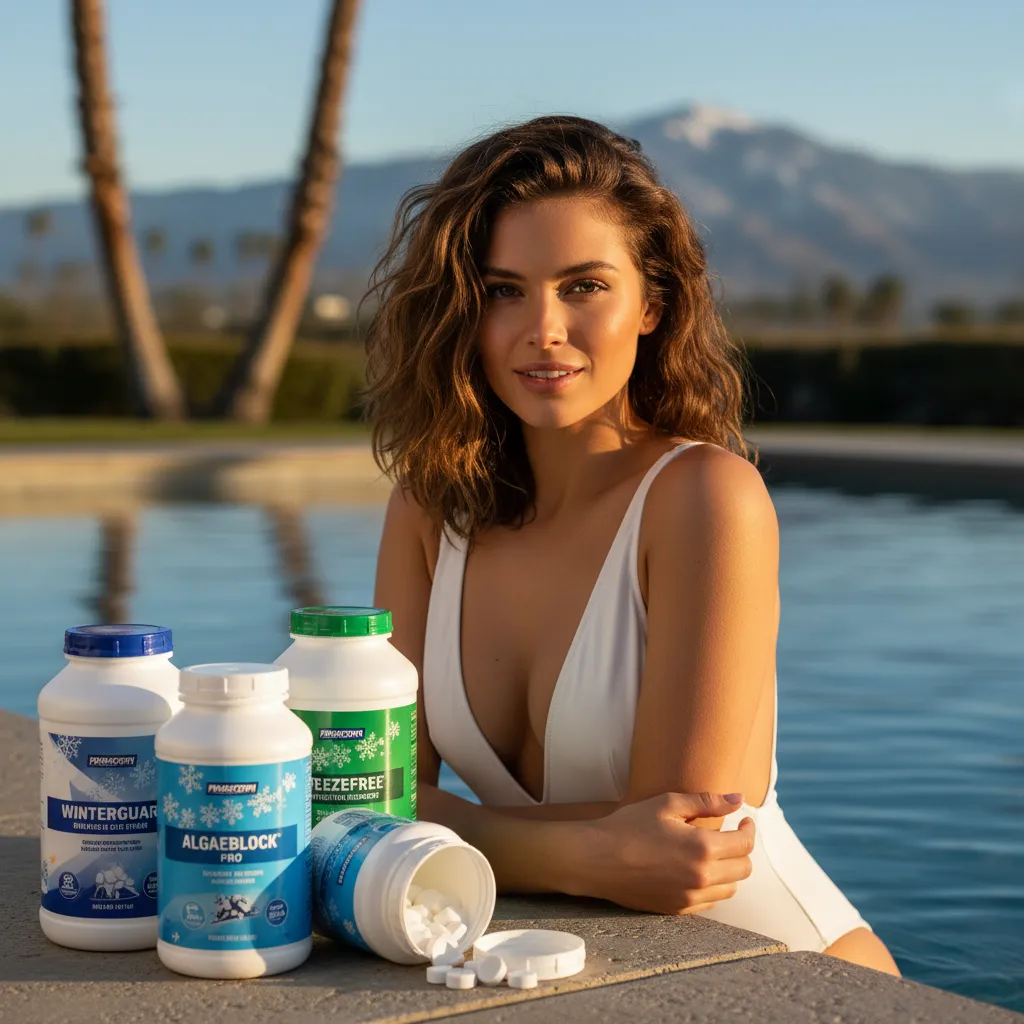
"The all-in-one solution for a guaranteed clear spring opening."
All-in-One Closing Chemical Kit
Winter demand is high - check stock

"The 'set & forget' option. This is the easiest winterizing I've ever done."
Simple 3-in-1 Winterizing Balls
Winter demand is high - check stock
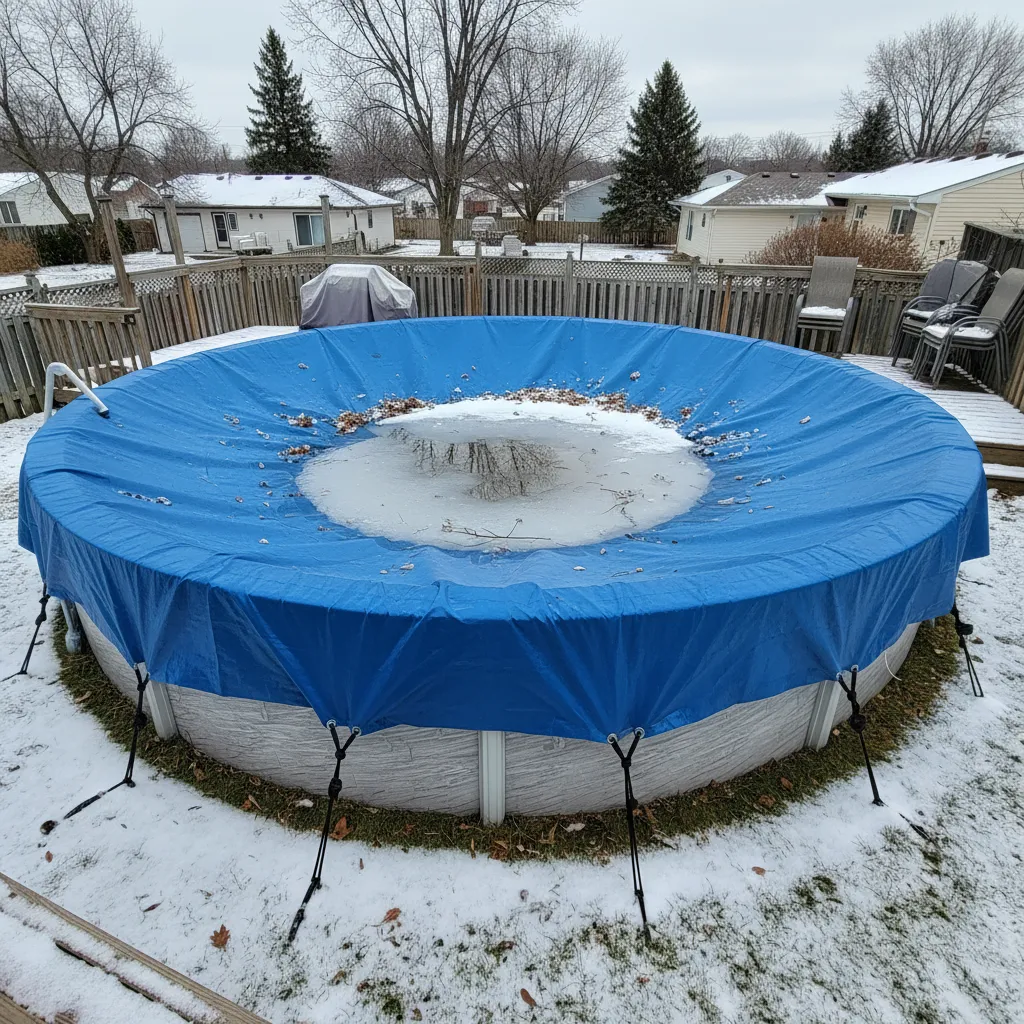
"Invest once to protect your liner and prevent a swamp in the spring."
Heavy-Duty Winter Pool Cover
Winter demand is high - check stock
Chemical Composition Of Pool Shock
Most pool shock products contain calcium hypochlorite (65-75% available chlorine), sodium dichlor (56% chlorine), or non-chlorine options like potassium peroxymonosulfate. Chlorine-based shocks dissolve in water to form hypochlorous acid, which attacks contaminants. Non-chlorine shocks use oxygen-based reactions to purify without altering chlorine levels.
Does Pool Shock Contain Chlorine?
Many shocks do add chlorine to pools, but not all. Calcium hypochlorite and sodium dichlor versions directly boost free chlorine by 5-10 ppm per pound in a 10,000-gallon pool. Non-chlorine shock (MPS) oxidizes waste without adding chlorine, making it ideal for saltwater pools or avoiding over-chlorination. Always check labels: a product listing “56% available chlorine” contains it, while “chlorine-free” won’t impact sanitizer levels.
High-calcium shocks can cloud water temporarily, but they’re cost-effective for outdoor pools. Sodium dichlor blends cyanuric acid (stabilizer), which slows chlorine loss from sunlight. For pools with stabilizer levels above 50 ppm, unstabilized calcium hypochlorite is a smart pick to avoid over-stabilization.
Now that you know how shock interacts with pool chemistry, let’s look at how standard chlorine products function in daily maintenance.
Understanding Pool Chlorine
Chlorine serves as the backbone of pool sanitation, eliminating bacteria, algae, and organic contaminants. Its effectiveness depends on maintaining 1-3 ppm (parts per million) in water. But not all chlorine products function identically – their forms and chemical structures dictate how they interact with your pool. To keep chlorine at optimal levels, it’s also important to check the salt level in your pool. Proper salt levels help ensure that saltwater chlorinators can produce the right amount of chlorine for effective sanitation.
Types Of Chlorine for Pool Care
Three primary chlorine types dominate pool maintenance: stabilized trichlor, calcium hypochlorite, and sodium hypochlorite. Stabilized trichlor (tablets) contains cyanuric acid to shield chlorine from UV degradation. Calcium hypochlorite (granular) offers high chlorine content without stabilizers. Sodium hypochlorite (liquid chlorine) works fast but degrades quickly under sunlight. When choosing the right chlorine type, it’s important to also consider how it fits into larger pool systems. Specific chemical management is often required for scale pools to ensure optimal performance.
Granular vs. Liquid vs. Tablet Forms
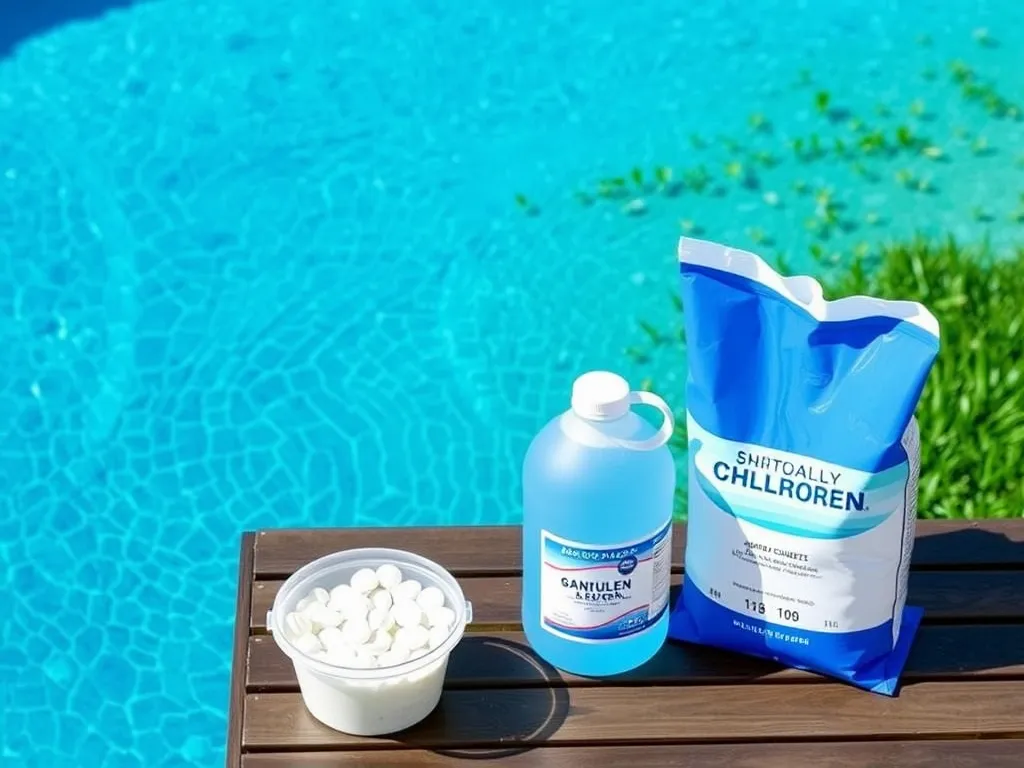
- Granular chlorine (65-75% chlorine): Dissolves quickly for rapid sanitation, ideal for spot treatments or shocking. Costs $4-$6 per pound.
- Liquid chlorine (10-12.5% sodium hypochlorite): Pre-dissolved for even distribution. Requires frequent dosing due to low stabilizer levels. Priced at $3-$5 per gallon.
- Tablets (90% trichlor): Slow-dissolving for sustained release. Contains stabilizers but can over-cyanurate pools if misused. Runs $80-$120 per 50lb bucket.
Pool Shock Vs. Chlorine: Key Differences
While both products contain chlorine, their roles diverge sharply in pool chemistry. Regular chlorine maintains daily sanitation, whereas shock tackles severe contamination through oxidation.
Purpose in Pool Maintenance
Chlorine tablets or liquid keep water sanitized by neutralizing pathogens continuously. Shock – whether chlorine-based or non-chlorine – breaks apart chloramines (combined chlorine) that cause eye irritation and “pool smell.” For every 10,000 gallons, 1 pound of calcium hypochlorite shock destroys chloramines 8x faster than standard chlorine. After using soda ash to raise pH, it’s important to let the pool sit for a bit. This waiting period ensures the chemicals mix properly for the best results.
Chlorine Concentration Levels
Pool shock packs 50-70% available chlorine compared to tablets (90% trichlor) or liquid (12.5% sodium hypochlorite). This potency allows shock to deliver 5-10 ppm chlorine bursts versus the 1-3 ppm maintained by daily chlorination.
Is Shock Stronger Than Regular Chlorine?
Yes – but strength isn’t the only factor. Calcium hypochlorite shock contains 65% chlorine versus trichlor’s 90%, yet its unstabilized formula creates more active hypochlorous acid. This makes shock 3x more effective at oxidizing contaminants per ppm. However, stabilized chlorine lasts longer against UV rays due to cyanuric acid content.
Now that we’ve compared their roles and potency, let’s examine how shocking impacts your pool’s chlorine readings – including why levels might plummet temporarily after treatment.
Also See: Can You Shock a Saltwater Pool? Best Types & Steps
Does Shocking a Pool Add Chlorine?
Shocking a pool introduces chlorine-based chemicals to eliminate contaminants, but it’s not the same as daily chlorination. Most pool shocks contain high doses of chlorine compounds like calcium hypochlorite (cal-hypo) or sodium dichlor, which rapidly oxidize organic matter and destroy chloramines (combined chlorine molecules that cause eye irritation). This process temporarily spikes chlorine levels but serves a different purpose than maintaining residual sanitizer levels. In saltwater pools, shocking is also important. It helps keep the water clean and clear while enhancing the effectiveness of the salt chlorinator.
How Shock Affects Chlorine Levels
Adding shock raises free chlorine to 5-10 ppm or higher, depending on product strength. Cal-hypo shock contains 50-70% available chlorine, while dichlor offers 55-60%. This surge breaks down waste, algae, and bacteria. However, the chlorine gets consumed during oxidation, leading to a rapid decline in measurable levels within hours.
Why Pools Show No Chlorine After Shocking
If test strips show zero chlorine post-shock, it’s likely due to the chlorine actively neutralizing contaminants. High demand from organic load or chloramines can deplete free chlorine entirely. Wait 24 hours, retest, and avoid swimming until levels drop below 5 ppm. Running the pump for 8-12 hours accelerates distribution and filtration.
Using Shock and Chlorine Together
While shock and chlorine share similar chemical bases, their roles differ. Shock addresses acute issues like algae blooms or cloudy water, while daily chlorine maintains sanitation. Using both requires strategic timing to avoid chemical conflicts.
Application Sequence: Which Comes First?
Always shock first when tackling severe contamination. For example, green pools need 2-3x the standard shock dose (2 lbs per 10,000 gallons) before balancing pH and alkalinity. Once chlorine levels stabilize below 5 ppm, resume daily chlorination with tablets or liquid. To keep your pool safe for swimming, it’s important to measure the levels of chlorine and pH regularly. Properly measuring pool chemicals ensures a healthy swimming environment and can prevent serious issues.
Shock vs. Chlorine in Hot Tubs
Hot tubs require lower doses due to smaller volumes and higher temperatures. Use dichlor shock (1 oz per 500 gallons) for spas, as it dissolves faster and contains stabilizer. Avoid cal-hypo in hot tubs—it can cloud water and scale equipment.
Timing Guidelines
After shocking, wait until free chlorine drops below 5 ppm before adding maintenance chlorine. Test every 4-6 hours using a FAS-DPD kit for accuracy. In direct sunlight, UV rays can halve chlorine levels in 2-3 hours, speeding up the process.
How Long to Wait Before Adding Chlorine After Shock
Most pools require 8-24 hours post-shock before introducing daily chlorine. For non-stabilized shock (like liquid chlorine), wait 4-6 hours if pH remains balanced (7.2-7.6). Always verify levels with testing—never guess. It’s also important to keep an eye on the pool water level. Maintaining the right water level helps ensure proper circulation and effective chemical distribution.
Choosing Between Shock and Chlorine
Selecting the right product depends on pool conditions, budget, and desired results. Liquid chlorine works for routine maintenance and light shocking, while granular formulas tackle severe issues. When dealing with unwanted wildlife, such as tadpoles, pool owners need to choose a method carefully. Killing tadpoles in a pool may involve specific treatments that ensure the water remains safe for swimming.
Liquid Chlorine Vs. Powder Shock Comparison
Liquid chlorine (10-12% sodium hypochlorite) costs $4-$6 per gallon and suits weekly maintenance. Powder shock (cal-hypo or dichlor) runs $2-$4 per pound and delivers concentrated doses for algae outbreaks. Cal-hypo raises calcium hardness by 2-3 ppm per lb/10,000 gallons, making it unsuitable for hard water areas.
When to Use Granular Chlorine As Shock
Granular dichlor (56% chlorine) doubles as a shock and sanitizer for vinyl or fiberglass pools. Use it when cyanuric acid (CYA) levels are below 30 ppm—each pound adds 3 ppm CYA. Avoid dichlor in saltwater pools, as stabilizer buildup reduces salt cell efficiency.
Balancing shock and chlorine requires precision, but even seasoned pool owners face unexpected chemistry shifts. Next, we’ll tackle troubleshooting murky water and ensuring swim-ready safety after treatment. Proper filtration is essential for clear water. A backwash pool cartridge filter helps maintain clean water by removing debris efficiently.
Safety and Troubleshooting
Proper handling of pool shock and chlorine requires attention to safety protocols and awareness of common post-treatment issues. Let’s address critical concerns about swimming safety and water clarity after shocking. After shocking your pool, it’s essential to monitor the chemical levels carefully. This helps maintain a safe and enjoyable swimming environment.
Swimming Safety After Shocking
Never enter a pool immediately after adding shock. Most products require 8–24 hours before safe swimming resumes, depending on the formula. Calcium hypochlorite (65-75% chlorine) needs 24 hours to dissipate, while sodium dichlor (56% chlorine) may clear in 8–12 hours. Always verify free chlorine levels drop below 5 ppm using a test kit. High chlorine concentrations can irritate skin, eyes, and respiratory systems. Proper maintenance practices can greatly extend the life of your inground pool. Regularly monitoring chemicals and caring for the equipment help ensure the pool lasts for many years.
How Long Until Pool Clears Post-Shock
Cloudiness after shocking typically resolves within 12–48 hours if the filtration system runs continuously. Delays occur with imbalanced pH (ideal range: 7.2–7.6), low alkalinity (<80 ppm), or clogged filters. For severe cloudiness, check these factors first: [flexible_link url="https://mypoolcalc.com/weak-pump-pressure" type="permanent"]Weak pump pressure can also impact how effectively your pool clears up.[/flexible_link] If the pump isn't working properly, it can prevent proper circulation and filtration of the water.
| Issue | Solution | Time to Clear |
|---|---|---|
| High Chlorine (>10 ppm) | Wait for levels to drop | 24–48 hours |
| Poor Circulation | Clean filter, run pump 12+ hours | 12–24 hours |
| Imbalanced Water | Adjust pH/alkalinity | 6–12 hours |
Common Cloudiness Causes
While shock add chlorine to combat contaminants, improper use can trigger cloudiness. Overdosing (e.g., adding 2 lbs shock per 10k gallons instead of 1 lb) creates temporary turbidity as excess chlorine reacts with organic matter. Calcium-based shocks (up to 78% chlorine) may leave residues in hard water areas. Non-chlorine shocks (e.g., potassium monopersulfate) avoid this but don’t sanitize – they oxidize waste without raising chlorine levels.
Persistent haze often stems from combined chlorine (chloramines) lingering after treatment. If total chlorine exceeds free chlorine by >0.5 ppm, another shock dose may be needed. Always retest 4–6 hours post-shock to confirm chemical balance.
With clarity restored, let’s examine frequent questions about chlorine and shock interactions in pools.
FAQ: Pool Shock and Chlorine Interactions
Can Non-chlorine Shock and Chlorine Be Used Together?
Yes, but timing matters. Non-chlorine shock (e.g., potassium peroxymonosulfate) oxidizes contaminants without altering chlorine levels, making it safe to use alongside regular chlorination. Apply non-chlorine shock during daytime swim sessions if needed, as it doesn’t require waiting periods. However, avoid mixing chlorine and non-chlorine shock directly—add them separately with at least 2 hours between treatments.
Does Shock Expire Faster Than Regular Chlorine?
Calcium hypochlorite shock degrades quicker than stabilized chlorine tablets when exposed to moisture. Store granular shock in airtight containers in cool, dry areas to maintain potency for 3-5 years. Liquid chlorine loses 50% strength within 6 months, while trichlor tablets remain effective for up to 5 years if kept dry.
How Does Rainwater Impact Shock Vs. Chlorine Needs?
Heavy rain dilutes chlorine levels and introduces organic debris, often requiring shock post-storm. Test free chlorine after rainfall—if below 1 ppm, use chlorine-based shock to restore sanitation. For light rain, standard chlorination may suffice. Always check combined chlorine levels; above 0.5 ppm indicates shock is needed regardless of weather.
Are Handling Precautions Different for Shock Vs. Chlorine?
Shock requires stricter safety measures due to higher concentration. Wear gloves, goggles, and a mask when handling granular shock to avoid respiratory irritation. Spilled chlorine tablets can be swept up, while shock powder requires immediate containment to prevent accidental chemical reactions. Never store shock near acids or organic materials.
Can Different Shock and Chlorine Types Be Mixed During Treatment?
Never mix chlorine products directly. Combining cal-hypo shock with trichlor tablets can create dangerous chlorine gas or explosive reactions. Always add chemicals separately to the pool, allowing full dissolution between applications. When switching shock types (e.g., cal-hypo to dichlor), drain and refill partially if calcium or cyanuric acid levels are too high.
Closing Thoughts
Pool shock and chlorine serve distinct roles in water sanitation. Shock rapidly destroys contaminants with high chlorine concentrations (50-80% available chlorine), while standard chlorine maintains residual sanitizer levels (typically 1-3 ppm). Though both contain chlorine compounds, their formulations and applications differ.
For precise chemical dosing, try My Pool Calculator. Our tools help balance shock treatments with daily chlorination, preventing overuse or ineffective sanitation. Proper sequencing—shocking at dusk, waiting 8-24 hours before rechlorinating—ensures optimal results.
Remember: shock isn’t a chlorine substitute but a complementary tool. Test water before and after treatments, and always prioritize swimmer safety by verifying chlorine levels drop below 5 ppm before re-entry.