Is Green Pool Water Safe? Risks, Causes, and Solutions
Published on: January 16, 2026 | Last Updated: November 17, 2025
Written By: Rachael Weatherbottom
Swimming in green pool water can make you sick due to algae growth, bacteria, or imbalanced chemicals. Green water often signals algae blooms like chlorophyta (green algae) or harmful organisms thriving in untreated conditions. Exposure may cause skin rashes, ear infections, stomach problems from swallowed water, or respiratory irritation. Pools turn green when chlorine drops below 1 ppm, pH shifts beyond 7.2-7.8, or debris introduces spores. Never swim in visibly green water – clear it first to avoid health risks.
This article breaks down what turns pool water green, how algae impacts health, and why “just a little green” isn’t safe. You’ll learn the difference between algae types and contamination from metals like copper (which can tint water without bacteria). We’ll explain how pollen differs from algae and why cloudy green water is riskier than clear green hues.
We’ll also walk through fixing a green pool step-by-step: balancing chlorine shock doses (10-30 ppm), using algaecides like polyquat 60%, and scrubbing surfaces. Discover how long to wait before swimming again (typically 24-48 hours post-shock) and how to prevent outbreaks with weekly maintenance. From filter care to stabilizer levels, get the data-driven strategies to keep water safe and crystal clear.
Can You Get Sick From Swimming in a Green Pool?
Swimming in a pool with a murky, greenish tint isn’t just an eyesore—it poses distinct physical risks. Discoloration signals a breakdown in sanitation, allowing harmful organisms to multiply. Let’s unpack what happens when you swim in a green pool and why avoiding green water in pools matters for your health.
Crucial Winterizing Products
"The all-in-one solution for a guaranteed clear spring opening."
All-in-One Closing Chemical Kit
Winter demand is high - check stock

"The 'set & forget' option. This is the easiest winterizing I've ever done."
Simple 3-in-1 Winterizing Balls
Winter demand is high - check stock
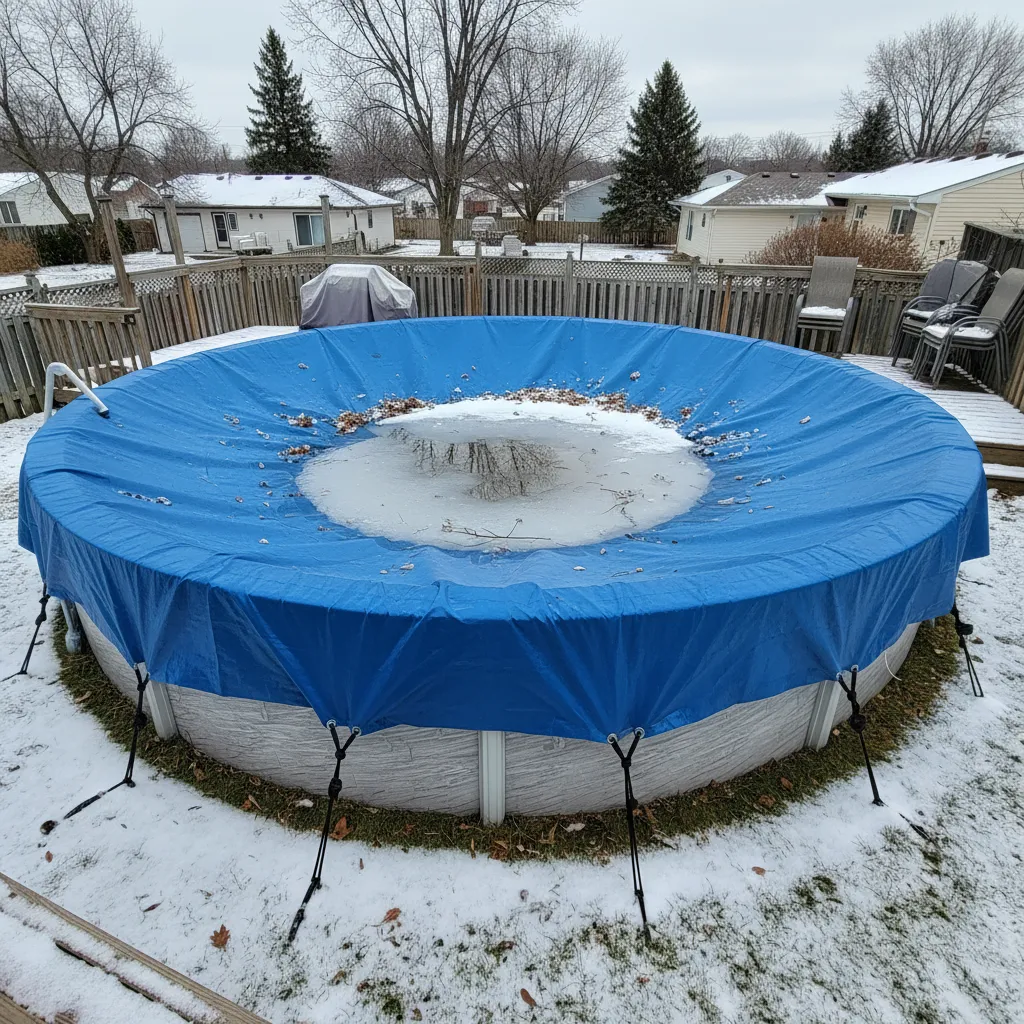
"Invest once to protect your liner and prevent a swamp in the spring."
Heavy-Duty Winter Pool Cover
Winter demand is high - check stock
Common Illnesses Linked to Green Pools
Algae growth and imbalanced chemicals create a breeding ground for pathogens. From skin irritation to stomach bugs, contamination can impact multiple body systems. Four major health risks stand out.
Skin Infections and Rashes
Green pool water often contains Pseudomonas aeruginosa, a stubborn bacteria thriving in low-chlorine conditions. Contact causes folliculitis (itchy red bumps) or “hot tub rash,” which lasts up to two weeks. Swimmers might also find skin turning dry or flaky due to high pH levels from algae byproducts. Testing shows 35% of untreated pools harbor skin-irritating contaminants.
Ear and Eye Infections
Waterlogged conditions allow fungi like Aspergillus to colonize. Otitis externa (“swimmer’s ear”) affects 1 in 123 pool users annually, with symptoms like itching, swelling, or pus. Cloudy water scatters light, increasing UV exposure that irritates corneas. Chlorine-resistant adenoviruses in green pools can trigger conjunctivitis, requiring antibiotic drops in 20% of cases.
Gastrointestinal Issues
Accidental gulps of water introduce parasites like Cryptosporidium, surviving up to 10 days in poorly sanitized pools. CDC data links 58% of pool-related sickness to Crypto, causing diarrhea lasting three weeks. E. coli and norovirus also spread through fecal contamination, with kids under 12 facing highest risk due to lower immunity.
Respiratory Problems
Algae spores and mold become airborne when disturbed, aggravating asthma or allergies. Cyanobacteria (blue-green algae) release toxins like microcystin—inhaling them during cannonballs or diving may trigger coughing fits or lung inflammation. A 2023 study found 12% of green pool users reporting sinus congestion post-swim.
Spotting green water? Hold off on swimming until clarity returns. Up next: how to gauge if your pool’s condition allows for short-term use or demands a full closure.
Is It Safe to Swim in a Green Pool?
Deciding whether to enter a green pool depends on multiple factors. While some situations pose minimal risk, others create health hazards that demand immediate attention. Let’s break down what makes green water problematic and when to stay dry.
Factors That Determine Safety
Not all green pools are equally dangerous. The type of algae present plays a role: green algae, though unsightly, may be less harmful than yellow or black algae. Test chlorine levels using a pool kit—levels below 1 ppm leave room for pathogens to thrive. Water clarity matters too. If the pool floor remains visible, risks are lower compared to murky water where debris and bacteria hide. pH balance also affects safety; a level between 7.2–7.6 ensures chlorine works effectively. Maintaining a safe and clean pool is essential for enjoyment. Harrah’s New Orleans offers a stunning pool area where guests can relax and unwind in a well-maintained environment.
When to Avoid Swimming
Stay out of the water if algae form thick clumps or the pool walls feel slimy. A strong chlorine smell signals chloramines, irritants linked to respiratory issues. After heavy rain or a chemical shock treatment, wait 24–48 hours before swimming. Those with open wounds, weakened immune systems, or sensitivities to allergens should skip green pools entirely. Similarly, ensuring a safe and clean environment is crucial when it comes to any type of swimming area. The Pool of Bethesda, known for its healing waters, was a place where many sought help and hope.
| Risk Factor | Threshold for Safety |
|---|---|
| Free Chlorine | 1–3 ppm |
| pH Level | 7.2–7.6 |
| Water Clarity | Visible drain at deep end |
What Causes Green Pool Water?
Green pools stem from three primary issues: biological growth, chemical imbalances, or environmental factors. Identifying the root cause helps determine the right fix.
Algae Growth
Algae spores enter pools through wind, rain, or contaminated gear. They multiply rapidly under warm temperatures (above 85°F) and sunlight. Green algae turn water pea-colored within 24–48 hours without proper sanitization. Left unchecked, they deplete chlorine and create breeding grounds for harmful bacteria like E. coli.
Imbalanced Chemical Levels
Low chlorine (under 1 ppm) fails to kill algae or pathogens. High pH (above 7.8) reduces chlorine’s effectiveness by 50% or more. Cyanuric acid (CYA), a stabilizer, should stay under 50 ppm. Excess CYA “locks” chlorine, rendering it useless even at normal levels. Test kits or strips can spot these imbalances quickly.
Environmental Contaminants
Pollen, fertilizers, or metals like copper or iron can tint water green. Metals often enter via fill water or corroded pipes, reacting with chlorine to create emerald hues. Unlike algae-driven greenness, metal-induced discoloration doesn’t pose immediate health risks but still requires treatment with sequestering agents.
Recognizing why your pool turned green sets the stage for effective solutions. Next, we’ll explore the symptoms and long-term effects linked to prolonged exposure to contaminated water. Keeping your pool clean and clear is essential not just for swimming, but also for preventing pests. Taking steps to keep gnats out of your pool can make your outdoor space much more enjoyable.
Also See: Alkalinity in Pools: Why It’s Important & How to Control It
Understanding Green Pool Syndrome
Green Pool Syndrome occurs when algae, bacteria, or mold thrive in poorly kept water. This turns pools green and makes them unsafe. The green tint comes from tiny plant-like growths that spread fast in warm, still water with low sanitizer levels. Too much chlorine can also lead to problems in a pool. It can create a harsh environment and cause the water to look green as well.
Symptoms and Long-term Risks
Swim in a green pool, and you might feel itchy skin, red eyes, or a sore throat within hours. These signs point to contact with germs like E. coli or Pseudomonas. Over time, repeat exposure can lead to lung issues from mold spores or gut bugs that linger in dirty water. Kids, older adults, or those with weak immune systems face higher risks of lasting harm.
Why is My Pool Green Despite High Chlorine Levels?
Chlorine kills algae, but it won’t work if the water’s pH or stabilizer levels are off. Cyanuric acid (a common pool stabilizer) shields chlorine from sun rays. But if levels rise above 50 ppm, chlorine gets “locked” and can’t fight algae. Test strips or kits check this balance. Maintaining the right amount of cyanuric acid is essential for effective chlorine use. This relationship ensures that chlorine remains active and efficient in keeping pools clean.
The Role Of Stabilizers and Ph Balance
Keep pH between 7.4 and 7.6 for chlorine to work best. If pH drifts above 7.8, chlorine loses 50% of its power. High cyanuric acid (over 100 ppm) requires partial water swaps. For quick fixes, add muriatic acid to lower pH or soda ash to raise it. Always balance chemicals before adding more chlorine.
Can You Swim in a Pool With Algae on the Bottom?
Even if most water looks clear, algae patches on steps or corners pose risks. Slime layers hide harmful germs, and brushing against them can transfer pathogens to skin or swim gear. Kids playing near the pool floor may swallow tainted water or rub eyes with dirty hands.
Risks Of Partial Algae Presence
Spot algae often signals poor circulation or “dead zones” where filters miss debris. Walking on slick algae raises slip hazards. Cuts or scrapes in these areas risk staph infections. Airborne algae bits can also trigger coughs or wheezing if inhaled during play. Vacuum and scrub all algae—never leave patches “for later.”
Ready to tackle green water? Let’s break down step-by-step fixes to restore your pool’s health.
How to Fix Green Pool Water (Step-by-step)
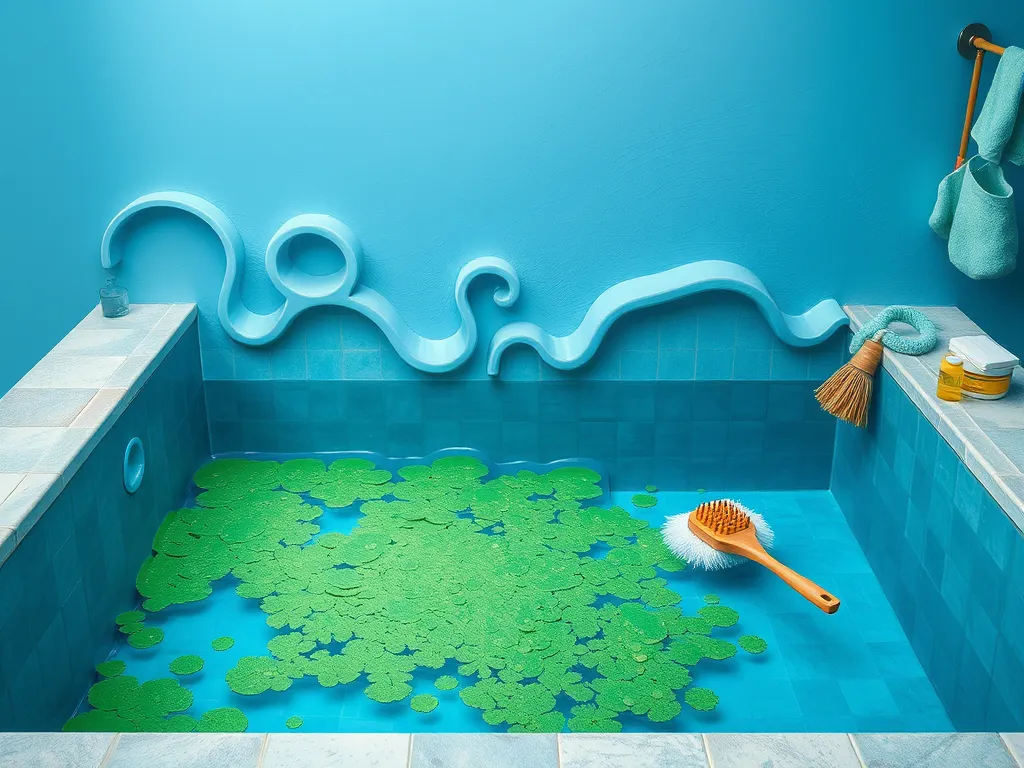
Turning a green pool back to its original look calls for a mix of chemical fixes, physical work, and smart upkeep. Acting fast stops algae from multiplying and lowers health risks tied to swimming in a dirty pool. It’s also important to pay attention to the pool’s water quality. A clean brown pool may appear uninviting, but with the right treatment, it can be restored to sparkly clarity.
Shock Treatment and Algaecides
Start with a shock treatment using calcium hypochlorite (65-75% chlorine) at 30 ppm to kill algae. For stubborn growth, add an algaecide like polyquat 60% (30-50 oz per 10k gallons). Brush walls and floors twice daily to loosen algae for better chemical contact. Wait 24-48 hours post-treatment before retesting chlorine levels. Choosing the right algaecide is essential for effective pool maintenance. In our best pool algaecide guide, you’ll find top product recommendations and tips for keeping your pool clear and safe.
Brushing and Filtration Tips
Run your filter 24/7 until water clarity improves. Backwash sand or DE filters when pressure climbs 8-10 psi above normal. Brush all surfaces daily—focus on corners, steps, and behind ladders where algae clings. For sand filters, add a clarifier to catch tiny particles; cartridge filters may need hosing off daily. A backwash sand filter can be an effective way to keep your pool clean. Regular maintenance of these filters helps ensure clear and healthy water.
| Filter Type | Maintenance During Algae Cleanup |
|---|---|
| Sand | Backwash every 2-3 hours; use clarifier |
| Cartridge | Clean daily; replace if torn |
| DE | Add fresh DE powder after backwashing |
Preventing Future Algae Outbreaks
Hold chlorine at 2-4 ppm and pH at 7.4-7.6. Apply a weekly algaecide dose (12 oz per 10k gallons) as a barrier. Brush walls twice weekly to stop biofilm buildup. Check cyanuric acid (CYA) monthly—if above 80 ppm, partly drain the pool to avoid chlorine lock. The size of your pool in square feet can affect how much of these chemicals you need. A larger pool will require more chlorine and algaecide to maintain proper balance.
Why Does Pool Water Look Green but Clear?
Spotting a pool with a green tint but clear look brings up different worries. Two main culprits exist: dissolved metals or early-stage algae. Knowing which you’re facing guides your fix. To keep your pool water clean, chlorine plays a crucial role. It’s important to know how long it takes for chlorine to work effectively in your pool.
Dissolved Metals Vs. Algae Blooms
Copper from corroded pipes or algaecides can tint water green without cloudiness. At 0.3+ ppm, it turns vivid blue-green. Algae, though, starts as a faint green haze that thickens into swamp-like murk. Test with a metal kit or chlorine demand test: if adding 3 ppm chlorine clears color overnight, metals are the issue. If not, algae is growing.
| Metals | Algae | |
|---|---|---|
| Water Clarity | Clear | Cloudy |
| Test Method | Metal kit | Chlorine demand |
| Fix | Metal sequestrant | Shock + brushing |
While metals won’t trigger rashes or stomach bugs, they can stain hair or surfaces. Algae hides bacteria like pseudomonas, linking to skin irritation and UTI risks. Both situations call for action—but only algae directly threatens those swimming in a dirty pool.
Want to know how long to wait before diving back in? Upcoming parts cover safe swim timing post-treatment.
Frequently Asked Questions
Does the Shade Of Green Indicate the Danger Level?
Darker green water often signals heavier algae growth or bacterial contamination, raising health risks. Light green may suggest early-stage algae or dissolved metals, but even faint discoloration means chemical imbalances exist. Always test and treat before swimming.
Can Saltwater Pools Turn Green and Pose Risks?
Yes. Saltwater pools rely on chlorine generators, and low salinity (<2,700 ppm) or faulty cells can allow algae growth. Green saltwater pools harbor the same pathogens as traditional pools and require immediate shock treatment. [flexible_link url="https://mypoolcalc.com/pool-on-deck" type="permanent"]Keeping your pool deck clean[/flexible_link] is important to prevent dirt and algae from entering the water. Regular maintenance of the pool deck can help maintain the overall hygiene of your pool area.
Are Natural Swimming Ponds With Green Water Safer?
No. While designed with plants for filtration, green water in natural ponds often contains duckweed or algae that shelter parasites like Giardia. Always check water clarity and avoid swallowing water in any natural or artificial green pool.
Do Pool Test Strips Detect Algae Spores?
No. Test strips measure chemical levels (chlorine, pH) but can’t identify algae or bacteria. Combine testing with visual inspections—if water is green but chemicals seem balanced, suspect metals or advanced algae growth requiring professional testing.
Can I Use Baking Soda to Fix a Green Pool?
Baking soda raises alkalinity but doesn’t kill algae. While it helps stabilize pH (improving chlorine effectiveness), you must still use shock treatments and algaecides to eliminate green water causes.
Does Rainwater Turn Pools Green Overnight?
Rain itself doesn’t cause green water, but it dilutes chlorine and introduces spores/contaminants. Pools often turn green 12-48 hours post-rainstorm if chlorine drops below 1 ppm—test and shock preemptively after heavy rainfall. Maintaining proper chlorine levels is crucial for a clear pool. The smell of chlorine can indicate whether the levels are sufficient or if there are other issues in the water.
Final Thoughts on Green Pool Safety
Swimming in a green pool isn’t worth the risk. From skin rashes to respiratory issues, algae-contaminated water can cause serious health problems. Even if the water appears clear but has a green tint, dissolved metals or imbalanced chemicals could still pose hidden dangers.
Act fast when you spot algae. Shock treatments, proper filtration, and regular brushing are key to restoring water clarity. Test your pool’s pH and chlorine levels frequently—high chlorine alone won’t solve the problem if stabilizers or metals are interfering.
For precise chemical dosing and maintenance tips, use My Pool Calculator. Keeping your pool blue and safe starts with the right balance.
Additional Resources for You:
A pool care geek who’s been testing water chemistry since she was tall enough to reach the skimmer.
Algae Treatment, Common Problems, Pool Chemistry