Buying Guide for the Best Pool Algaecide: How to Choose the Right Product
Published on: December 27, 2025 | Last Updated: November 17, 2025
Written By: Rachael Weatherbottom
Pool algaecides are chemical treatments that kill or prevent algae growth, but effectiveness depends on the type—copper-based formulas target black algae, quaternary ammonium (Quats) tackle green algae quickly, and polyquat blends prevent regrowth in saltwater pools. Key factors include your pool’s chlorine or saltwater system, algae species (green, black, or mustard), active ingredient concentration (typically 10-60%), and compatibility with other chemicals like shock treatments. Prices range from $15 to $50 per gallon, with dosage varying between 6 oz. to 1 quart per 10,000 gallons.
This guide breaks down how algaecides work with chlorine, compares copper, Quats, and polymer-based options, and explains why black algae requires higher copper concentrations (30-60%) versus green algae (10-30%). You’ll learn how to match algaecide types to your pool’s needs, avoid foaming from overuse, and apply treatments before or after shocking based on pH levels.
We’ll cover step-by-step dosing for vinyl, concrete, and fiberglass pools, review top-rated brands for specific algae types, and share safety tips for swimming after treatment. Whether you’re battling slimy walls or cloudy water, you’ll find data-driven recommendations to clear your pool without wasting money on incompatible products.
Understanding Algae in Swimming Pools
Algae grows when pools get sun, heat, and food like leaves or dirt. Poor flow, low chlorine, and high pH let it spread fast. Spotting the type of algae helps you pick the best algaecide for your pool.
Crucial Winterizing Products
"The all-in-one solution for a guaranteed clear spring opening."
All-in-One Closing Chemical Kit
Winter demand is high - check stock

"The 'set & forget' option. This is the easiest winterizing I've ever done."
Simple 3-in-1 Winterizing Balls
Winter demand is high - check stock
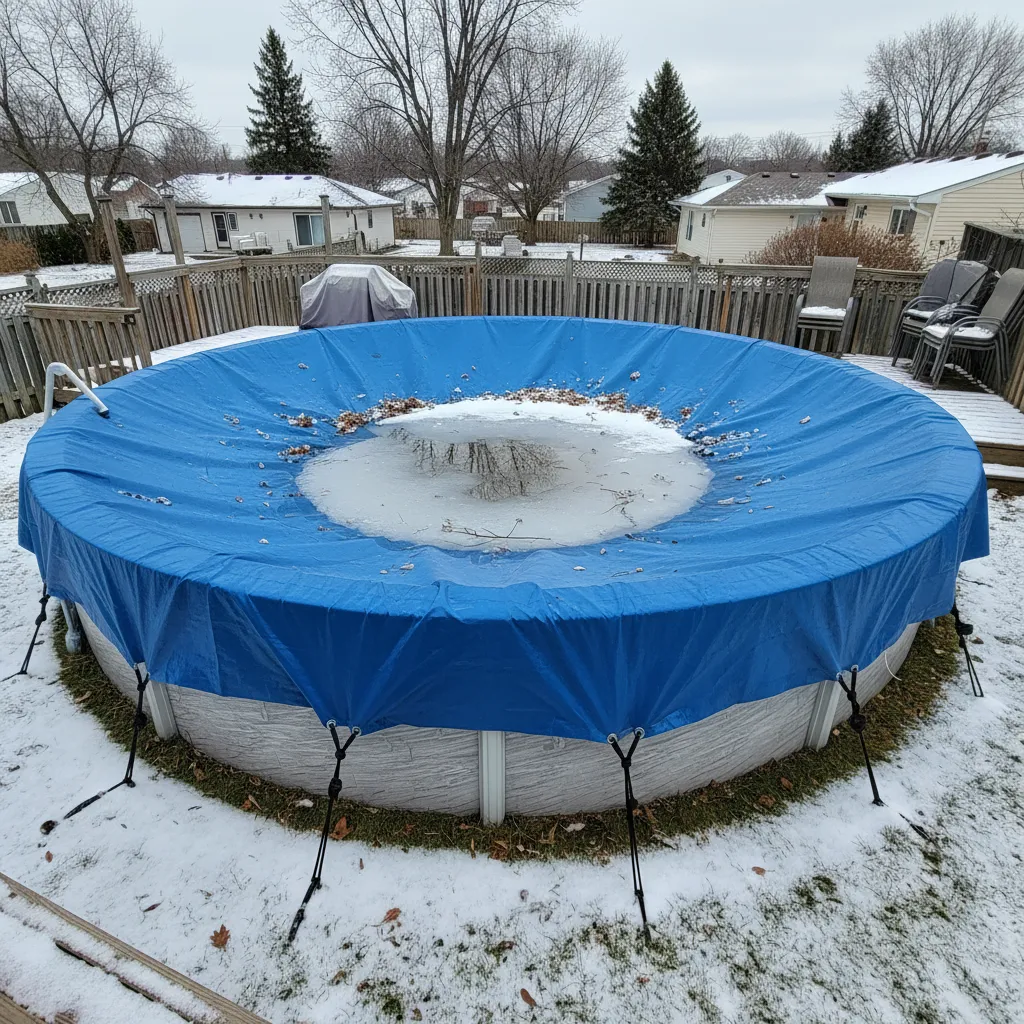
"Invest once to protect your liner and prevent a swamp in the spring."
Heavy-Duty Winter Pool Cover
Winter demand is high - check stock
Why Do Pools Develop Algae?
Algae needs three things: sun, warm water (above 70°F), and food like phosphates. Pumps that run less than 8 hours a day or filters with clogs can’t stop growth. Rain, swimmer waste, or old chlorine also tip the balance, letting green or black spots take hold.
Common Types Of Pool Algae
Not all algae act the same. Some cling to walls; others float in water. Your pool algaecide buying guide starts here—know which type you’re fighting.
Green Algae
Green algae turns water cloudy or coats surfaces in slime. It spreads fast but dies quick with a 60% chlorine shock and a copper-based algaecide. For light cases, use 6 oz of quat algaecide per 10,000 gallons.
Black Algae
Black algae digs roots into plaster or grout. It looks like small dark dots and resists normal chlorine levels. Kill it with a sodium hydroxide formula (like sodium tetraborate) brushed into the spots. Copper-free options work best to avoid stains.
Mustard Algae
Mustard algae looks dusty and sticks to shady spots. It survives chlorine up to 4 ppm. Use a polyquat algaecide (30% strength) and scrub walls twice a day. This type often needs a double dose—up to 16 oz per 10,000 gallons.
Picking the right treatment depends on the algae in your pool. Next, learn how each algaecide type works to stop growth for good.
What is Pool Algaecide and How Does It Work?
Pool algaecide is a chemical treatment designed to eliminate and prevent algae growth in swimming pools. Unlike chlorine, which sanitizes water by killing bacteria, algaecides target algae cells directly. They disrupt cellular functions, break down protective layers, or block photosynthesis, stopping algae from thriving. Think of it as a specialized defense system that tackles what standard sanitizers might miss. The effectiveness of algaecide can be influenced by the presence of other chemicals in the pool, including chlorine. In particular, understanding how chlorine interacts with cyanuric acid can help maintain optimal water balance and improve overall pool sanitation.
Role Of Algaecide in Pool Maintenance
Algaecide acts as a proactive barrier against algae outbreaks. Even with balanced chlorine levels, algae spores can enter pools through wind, rain, or contaminated swimwear. Adding algaecide weekly—especially during hot weather or heavy pool use—creates a hostile environment for algae. It’s particularly effective against stubborn strains like black or mustard algae, which often resist chlorine alone.
How Algaecide Complements Chlorine
Chlorine remains the primary sanitizer, but algae can develop resistance over time. Algaecide enhances chlorine’s effectiveness by attacking algae through different mechanisms. For example, copper-based formulas puncture cell walls, making algae more vulnerable to oxidation. Polyquat algaecides bind to algae surfaces, blocking nutrient absorption. This dual approach reduces chlorine demand by 20-30% in many cases, saving both time and money.
Types Of Pool Algaecides
Not all algaecides work the same way. Formulas vary by active ingredients, target algae types, and compatibility with pool surfaces or systems. Choosing the right type depends on your pool’s specific needs—whether battling persistent black spots or maintaining crystal-clear water in a saltwater setup.
Copper-based Algaecides
These algaecides use copper ions (30-60% concentration) to penetrate algae cell membranes. Ideal for black and green algae, they offer long-lasting residual effects. But excess copper (above 0.3 ppm) can stain plaster or vinyl liners and turn blonde hair green. Avoid using with mineral systems or low-pH water, which accelerate metal leaching.
Quaternary Ammonium (Quats) Algaecides
Quats are affordable, fast-acting formulas that smother algae by disrupting cell structures. Effective against green algae, they work best as a preventive measure. Downsides include foaming at high doses (over 8 oz per 10,000 gallons) and reduced efficacy in hard water. Avoid mixing with clarifiers, which can neutralize their effects.
Polyquat (Polymeric Quaternary) Algaecides
Polyquat algaecides are non-foaming, pH-stable alternatives to traditional quats. Their larger polymer molecules cling to algae longer, providing up to two weeks of protection. Safe for all pool types, they’re a top pick for closing pools or treating mustard algae. Look for 30-50% polyquaternium-7 or -10 formulations for optimal results.
Sodium Hydroxide Algaecides
Less common but versatile, sodium hydroxide algaecides raise water pH while attacking algae. They’re often paired with chlorine shocks for severe outbreaks. Use cautiously—overdosing can spike pH to unsafe levels (above 8.2), requiring acid adjustments. Best suited for concrete pools with pH buffers.
Polymer-based Algaecides
These newer formulas use synthetic polymers to encase and starve algae. Gentle on equipment and swimmers, they’re ideal for saltwater pools or spas with sensitive filtration systems. While pricier ($25-$40 per quart), they don’t stain or foam, making them a low-maintenance option for weekly use.
With these algaecide types in mind, evaluating factors like pool chemistry, algae species, and budget becomes simpler. Let’s break down what to prioritize when selecting a product.
Also See: Can You Go in the Pool With a UTI? Consider Your Health
Key Factors to Think About When You Buy Pool Algaecide
Pick the right algaecide by weighing these five points. Each shapes how well the product works with your pool setup and algae issues.
Pool Type (Saltwater Vs. Chlorine)
Saltwater pools need algaecides free of metals like copper to avoid stains. Chlorine pools work with most types, but check labels for mix warnings. For example, polyquat algaecides pair well with salt systems, while quats (quaternary ammonium) may foam if overused. It’s also important to consider how these choices affect the lifespan of your pool. A well-maintained pool can last many years, with the right products prolonging its life.
| Pool Type | Best Algaecide Picks | Avoid |
|---|---|---|
| Saltwater | Polyquat, sodium hydroxide | Copper-based |
| Chlorine | Quats, copper-based | High-metal formulas |
Algae Species Targeted
Match the algaecide to your algae type. Green algae dies fast with 30% copper or 60% quat blends. Black algae needs 50% copper or a mix with extra brushing. Mustard algae calls for 100% polyquat doses to stop regrowth. Keeping your pool clean is important for all aquatic life, including spiders. To keep spiders out of your pool, consider using fine mesh covers or regular skimming to reduce their access.
Active Parts and Blend
Copper kills fast but can stain. Quats (like benzalkonium chloride) work for mild cases but foam up. Polyquat (polyoxyethylene) is safe for all pools and stops algae for weeks. Sodium hydroxide breaks down cell walls but needs pH checks.
Strength and Dose
Higher strength means less product. A 10,000-gallon pool needs 12 oz of 30% copper algaecide or 24 oz of 60% quats. Always measure with a cup—guessing can waste cash or harm the water.
Works With Other Chems
Don’t mix algaecide and shock at the same time. Wait 24 hours after shock to add copper-based types. Quats clash with clarifiers—space doses by 3-4 hours. Check the maker’s guide for exact wait times.
How to Put Algaecide in Your Pool
Use algaecide right to get the best bang for your buck. Skip steps, and algae might bounce back fast.
Step-by-step How to Add It
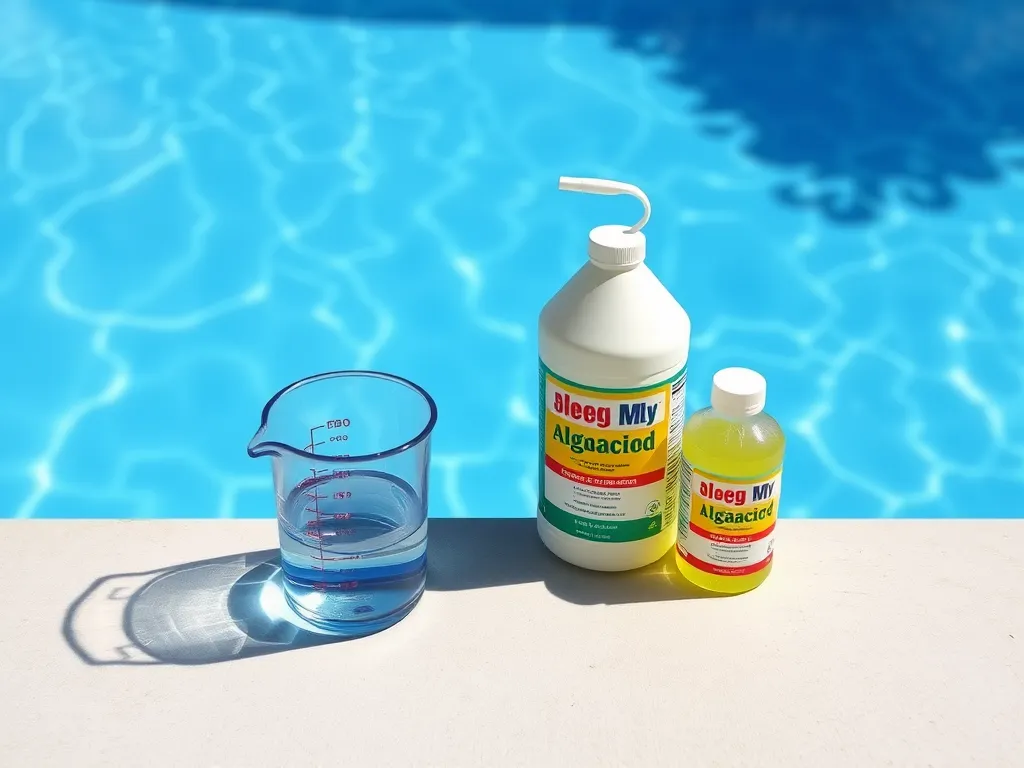
Brush walls first to break up algae. Fill a bucket with pool water. Pour in the dose (check the label for your pool size). Walk around the edge while pouring the mix in. Run the pump for 6 hours to spread it well. Once the pool is clean, it’s important to make sure all lines are in good condition. This includes conducting a pressure test on the pool lines to ensure there are no leaks or weaknesses.
When to Add It
Add algaecide after sunset for max effect. Sun breaks down some blends. If you shock the pool, wait till chlorine drops below 5 ppm. For weekly care, add it the same day you test the water. Maintaining pool water is important for keeping it clean and safe. Many people may wonder if it’s safe to drink pool water, but it’s best to avoid it due to the chemicals involved.
How Much to Use
Dose by pool size and algae level. Mild cases need 6 oz per 10,000 gallons. Bad blooms take 24 oz. For polyquat, use 12 oz weekly to stop growth. Overdosing wastes product and can cloud water.
Algaecide Vs. Pool Shock: What to Do When
Shock and algaecide do different jobs. Use both smart to clear up green fast.
Algaecide Before or After Shock?
Shock first to kill live algae. Once chlorine dips below 5 ppm, add algaecide to stop new growth. Never add them together—chlorine can wreck the algaecide’s power.
Mixing Treatments the Safe Way
After shock, wait a full day. Test chlorine with strips. If it’s 3 ppm or less, pour in algaecide. Run the pump for 8 hours to mix. Check pH (7.2-7.6) to keep both chems working right.
Now that you know how to pick and use algaecide, let’s tackle safe storage and swim times to keep your pool fun and algae-free.
Safety and Maintenance Tips
Proper handling and post-treatment care ensure algaecides work effectively without risking swimmer health or pool integrity. Follow these guidelines to maximize results while minimizing risks. In similar ways, the rituals and practices around the stirring of the waters at Bethesda show the importance of care and belief in healing. The stirring of the waters at Bethesda symbolized hope and renewal for those in need of healing.
Swimming After Algaecide Application
Wait times vary by product type. Copper-based formulas typically require 15-30 minutes before re-entry, while quaternary ammonium (quats) may need 4-6 hours. Always check labels for exact restrictions. Test water pH (7.2-7.6) and free chlorine levels (1-3 ppm) before allowing swimmers. High concentrations of algaecide combined with imbalanced chemistry can irritate skin or eyes.
Preventing Foam or Staining
Foaming often occurs with polymer-based algaecides when overdosed. Stick to manufacturer-recommended doses—usually 6-12 oz per 10,000 gallons. For metal-based products like copper algaecides, maintain proper sequestering agent levels to prevent blue-green staining on pool surfaces. Run the filtration system for 8-12 hours post-treatment to distribute chemicals evenly. It’s important to keep your pool water clear of unwanted metals. Regular testing and treatment can help remove metal pool water effectively.
Storage and Handling Best Practices
Store algaecides in a cool, dry place below 80°F to prevent degradation. Keep containers tightly sealed to avoid evaporation or contamination. Wear nitrile gloves and goggles when handling concentrated formulas like sodium hydroxide algaecides (pH 13+). Never mix different algaecide types in the same container—chemical reactions can produce toxic fumes.
Top Recommended Algaecide Types for Specific Needs
Algae species and pool setups demand tailored solutions. These picks balance efficacy, cost, and compatibility for common scenarios.
Best for Green Algae
Copper-based algaecides with 7-10% active CuSO4 eliminate green algae within 24-48 hours. Look for chelated copper formulas that resist staining. For vinyl pools, opt for lower concentrations (3-5%) to avoid liner discoloration. A clean pollen pool is also important for maintaining water quality. Regularly filtering out pollen helps keep the pool inviting and safe for swimming.
Best for Black Algae
Choose sodium hydroxide-based products with a pH booster. Black algae’s root-like structures require aggressive penetration—brush affected areas with a stainless-steel brush before applying 16 oz per 5,000 gallons. Repeat treatments every 72 hours until eradicated.
Best for Saltwater Pools
Polyquat (polymeric quaternary) algaecides work best with salt chlorinators. Their non-metallic formulation prevents corrosion of generator cells. Use 12-14 oz weekly per 20,000 gallons as a preventive measure. Avoid copper-based options to prevent metallic deposits. Keeping your pool deck clean and free of algae is essential for an enjoyable swimming experience. A well-maintained pool deck complements the aesthetics of the pool and provides a safe environment for users.
Best Budget-friendly Option
Quaternary ammonium chloride (quats) at 10% concentration provides reliable prevention for under $0.25 per ounce. Effective against mild algae blooms but may require higher doses (18-24 oz per 10,000 gallons) for severe cases. Monitor foam levels with this formula.
Best Multipurpose Formula
Combination algaecide-clarifier blends tackle algae while improving water clarity. Polymer-based variants with 50% active poly[oxyethylene(dimethyliminio)ethylene] eliminate particles as small as 5 microns. Ideal for pools with persistent cloudiness after algae treatment.
Selecting the right algaecide requires matching your pool’s unique conditions to product strengths. Next, we’ll answer the most common questions about application quirks and long-term algae management.
Frequently Asked Questions About Pool Algaecides
Can I Use the Same Algaecide for My Hot Tub and Pool?
Hot tubs require lower-dose formulas due to smaller water volume and higher temperatures. Check labels for spa compatibility—polyquat or polymer-based algaecides work best, as copper can stain acrylic surfaces. Use ⅓ to ½ the pool dosage to avoid foaming.
How Does Water Hardness Affect Algaecide Performance?
High calcium levels (above 400 ppm) reduce quat algaecide effectiveness by 20-40%. In hard water, opt for chelated copper or polyquat formulas, which remain stable. Test hardness monthly and add a sequestering agent if needed to optimize treatment.
Are There Non-chemical Alternatives to Algaecides?
UV pool systems and ozone generators can reduce algae growth by 50-70%, minimizing chemical use. However, they’re not standalone solutions—pair with occasional algaecide doses during peak season. For mild cases, weekly brushing and maintaining 1-3 ppm chlorine may suffice. Investing in a well-maintained pool can significantly enhance your property’s appeal. In Florida, homes with pools are often seen as more desirable and can lead to a higher property value.
Why Does My Pool Still Have Algae After Using Algaecide?
Residual algae often indicates incorrect dosing, poor circulation, or unbalanced pH (above 7.8). Retest water chemistry, clean filters, and reapply algaecide at 1.5x the initial dose. Stubborn black algae may require spot treatment with a stainless-steel brush and granular formula. It’s important to address these issues promptly to prevent them from worsening. Black algae pools can be particularly challenging due to their resilience and ability to cling tightly to surfaces.
Do Algaecides Expire, and How Can I Tell?
Most algaecides last 2-3 years unopened. Copper-based types may separate—shake well before use. Discard if liquid turns murky, smells rancid, or shows crystals. Expired products lose 50-90% efficacy, risking algae resurgence.
Can I Combine Different Algaecide Types for Better Results?
Avoid mixing copper and quat algaecides—they can form toxic compounds. For multi-algae issues, apply copper-based treatments first, wait 72 hours, then use polyquat. Always consult product guidelines and test water between applications.
How Do I Safely Dispose Of Unused Algaecide?
Never pour algaecide into drains or soil. Take copper-based products to hazardous waste facilities. Quaternary ammonium and polyquat formulas can be diluted (1:10 with water) and poured onto gravel areas away from plants. Check local regulations first.
Does Rainwater Dilute Algaecide Effectiveness?
Heavy rainfall (over 1 inch) can reduce algaecide concentration by 15-30%. After storms, retest water and add 25% of the original dose. For weekly maintenance in rainy climates, increase treatment frequency by 30%. Keeping an eye on water conditions is important for the overall health of your pool. In colder months, it’s also essential to consider how rain can affect a saltwater pool freeze.
Closing Thoughts
Choosing the right pool algaecide depends on your pool type, algae species, and maintenance routine. Copper-based formulas tackle stubborn black algae, while polyquat works best as a preventive measure. For green algae outbreaks, quaternary ammonium compounds deliver fast results.
Always check compatibility with your existing chemicals—especially in saltwater pools—and follow dosage instructions precisely to avoid foam or staining. Pair algaecide treatments with proper filtration and balanced water chemistry for maximum effectiveness.
Need help calculating the exact amount of algaecide for your pool size? Use our free My Pool Calculator tool to get precise measurements tailored to your gallons and algae type. Keep your water crystal clear all season with the right treatment strategy.
Useful References for You:
- National Swimming Pool Foundation (NSPF). (2022). Pool & Spa Operator Handbook (4th ed.). Colorado Springs, CO: NSPF.
- Which Algaecide Is Best For You? | Pool Resource Guide
- 7 Best Pool Algaecides In 2023 | Reviewed by Pool Enthusiasts – Globo Surf
A pool care geek who’s been testing water chemistry since she was tall enough to reach the skimmer.
Algae Treatment, Common Problems, Pool Chemistry