Are Pool Noodles Recyclable? A Pool Care Guide
Published on: December 20, 2025 | Last Updated: November 17, 2025
Written By: Rachael Weatherbottom
Pool noodles are not recyclable through standard curbside programs. Most noodles are made of polyethylene foam (EPE) or polyvinyl chloride (PVC), plastics rarely accepted by municipal recycling systems. These materials lack recycling codes, contain air pockets that complicate processing, and degrade after sun or chlorine exposure. While they can’t go in your blue bin, specialized facilities or repurposing projects offer eco-friendly solutions to keep them from landfills.
This guide explains why standard recycling fails for pool noodles and what you can do instead. We’ll break down the science behind EPE vs. PVC foam, share recycling facility requirements, and reveal how to identify recyclable noodles using density tests or manufacturer labels.
You’ll also find actionable steps for sustainable pool care. Discover DIY projects to transform old noodles into garden cushions or safety bumpers, compare biodegradable alternatives like algae-based foams, and learn how New Yorkers can use NYC’s Foam Recycling program. We’ll even cover cost comparisons: recycled noodles save 30-50% versus new ones when available.
What Are Pool Noodles Made Of?
Pool noodles float because of their lightweight foam structure. The majority are crafted from polyethylene foam, a plastic polymer derived from petroleum. Two specific types dominate production: expanded polyethylene (EPE) and cross-linked polyethylene (PE). These materials create air-filled cells that provide buoyancy and flexibility. When considering pool accessories, the appeal of dipping pools becomes clear. These shallow pools provide a refreshing space to relax, often enhanced by fun floatation options like pool noodles.
Crucial Winterizing Products
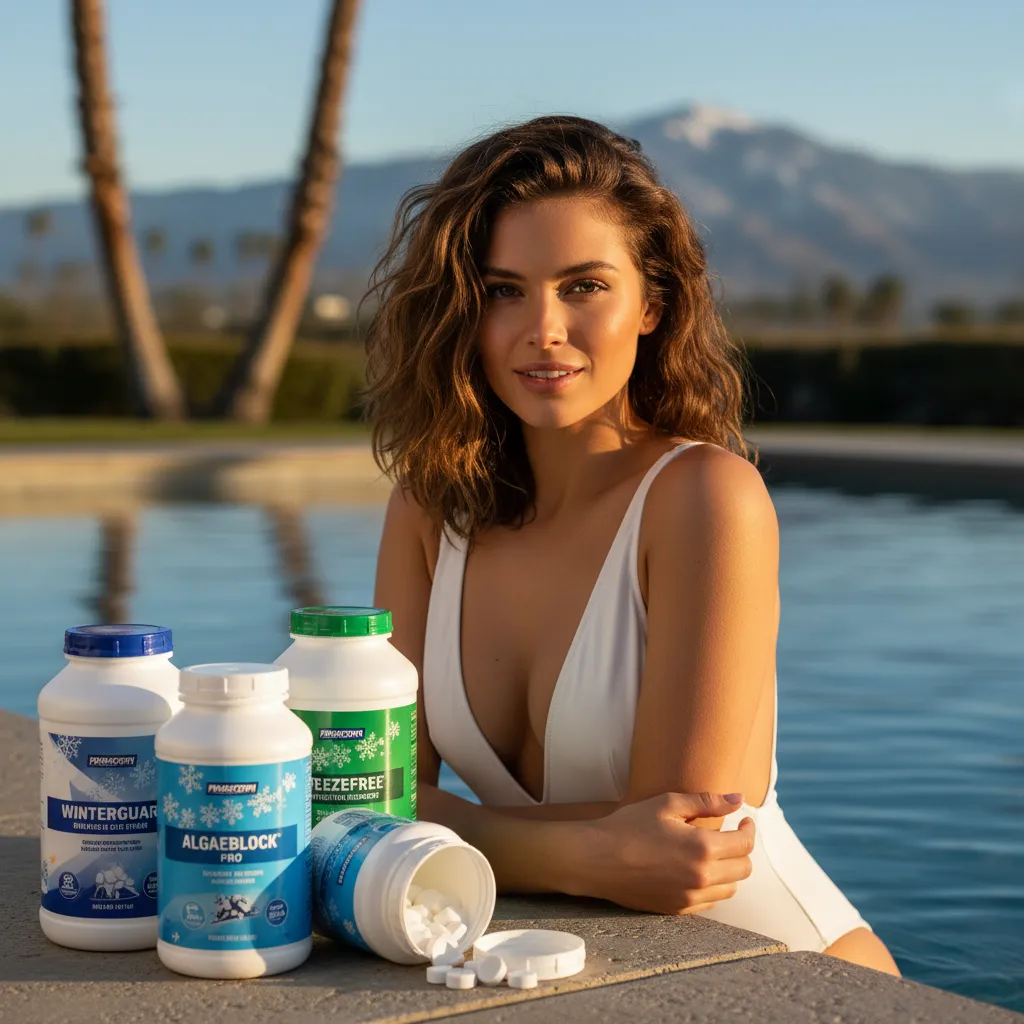
"The all-in-one solution for a guaranteed clear spring opening."
All-in-One Closing Chemical Kit
Winter demand is high - check stock

"The 'set & forget' option. This is the easiest winterizing I've ever done."
Simple 3-in-1 Winterizing Balls
Winter demand is high - check stock
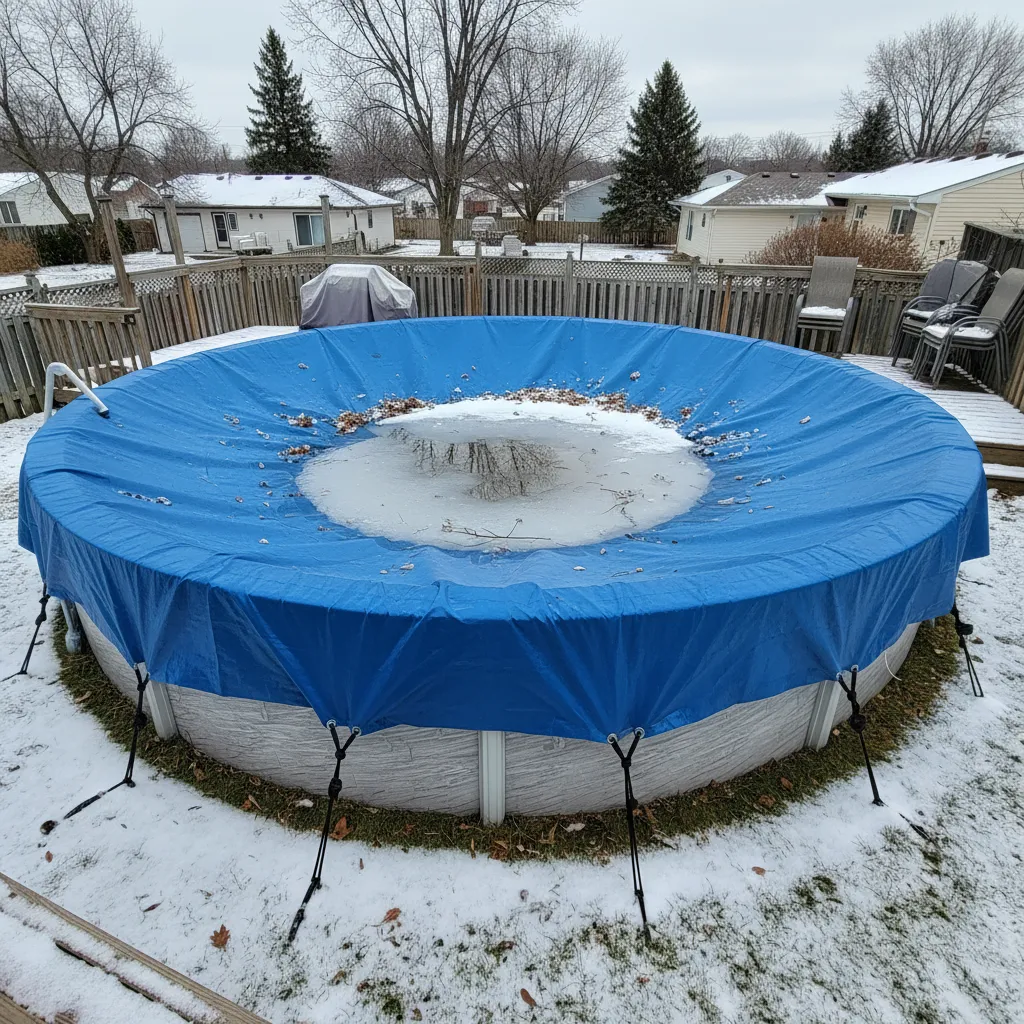
"Invest once to protect your liner and prevent a swamp in the spring."
Heavy-Duty Winter Pool Cover
Winter demand is high - check stock
Common Materials in Pool Noodle Production
EPE foam, used in 80% of pool noodles, is a closed-cell foam known for water resistance and durability. It’s the same material found in packaging insulation and yoga mats. A smaller percentage use PVC foam, which feels denser but cracks faster under UV exposure. Both plastics share a common trait: they’re marked as #4 (LDPE) or #6 (PS) resins, though many lack recycling symbols. Colorants, UV stabilizers, and texture-enhancing additives are mixed into the foam during manufacturing.
Do Pool Noodles Biodegrade?
Polyethylene and PVC foams don’t break down naturally in landfills. A single pool noodle can persist for 500+ years, slowly fragmenting into microplastics. While some manufacturers add starch-based blends to accelerate degradation, these hybrids still require industrial composting—a service unavailable in most U.S. cities. Over 10 million pool noodles enter landfills annually, leaching chemicals like phthalates (in PVC models) into soil and waterways.
While pool noodles don’t break down naturally, their recyclability depends on local facilities and material types. Let’s explore how plastic codes and regional programs affect your options.
Are Pool Noodles Recyclable? Understanding the Basics
Most pool noodles consist of expanded polyethylene (EPE) or polyvinyl chloride (PVC), materials known for buoyancy and flexibility. While these plastics technically fall under recyclable categories, standard municipal programs rarely accept them due to processing limitations. The answer to “are pool noodles recyclable” depends on material type, local facilities, and preparation methods. Pools can be fun but may also lead to unwanted life forms like tadpoles. Taking steps to kill tadpoles in a pool can help maintain the cleanliness and enjoyment of your swimming space.
Types Of Plastic in Pool Noodles
EPE foam, marked as #4 LDPE (low-density polyethylene), dominates 80% of pool noodle production. PVC-based noodles (marked #3) account for 15%, with some blends using cross-linked polyethylene (XLPE). EPE floats better but degrades faster under UV exposure, while PVC lasts longer but contains chlorine atoms complicating recycling. Check for stamped resin codes near manufacturer labels to confirm your noodle’s type. As you consider pool accessories, think about how different materials can impact your pool experience. Incorporating an Epsom salt pool can further enhance relaxation and enjoyment.
Challenges in Recycling Pool Noodles
Lightweight foam takes up disproportionate space in sorting facilities, often getting misdirected to landfills. Contaminants like sunscreen residue, algae, or sand further reduce recyclability. Most curbside programs exclude foam products entirely—only 9% of U.S. recycling centers process #4 LDPE. PVC noodles face stricter bans due to toxic fumes released during melting.

How to Recycle Pool Noodles: Step-by-step Guidelines
Specialized recycling exists but requires effort. Follow these steps to divert noodles from landfills.
Step 1: Identify the Material Type (EPE, PVC, Etc.)
Locate the resin code stamped on the noodle’s surface. EPE typically shows #4 or “LDPE.” PVC displays #3. No code? Test flexibility: EPE rebounds quickly when squeezed; PVC feels firmer. Contact the manufacturer if uncertain—brands like SwimWays often list materials online.
Step 2: Locate Specialized Recycling Facilities
Use Earth911’s search tool with “plastic foam” or “#4 plastic” filters. Foam recyclers like Foam Cycle (nationwide) or regional centers like Green Tree Recycling (CA) accept clean EPE. For PVC noodles, seek vinyl specialists: Certain Habitat for Humanity ReStores take #3 plastics for reuse in construction materials. Keeping your environment clean is important for both land and water. Proper disposal and recycling play a role in maintaining safe and healthy hot tubs and pools, where chlorine is used to keep the water clean.
Step 3: Preparing Pool Noodles for Recycling
Wash noodles thoroughly with mild soap to remove debris. Cut into 12-inch segments for compact bundling. Remove non-plastic parts—metal connectors, adhesive strips—and secure batches with twine. Confirm facility requirements: Some mandate drop-offs under 10 lbs; others charge $5-$20 per 50 lbs.
Recycling Pool Noodles in NYC
NYC residents can visit SIMS Municipal Recycling Sunset Park facility for EPE foam. Schedule a drop-off via NYC’s DSNY website—limit 2 bags per visit. PVC noodles go to GrowNYC’s Special Waste Drop-Off sites (check quarterly event dates).
Recycling Pool Noodles in NJ
Middlesex County’s Foam Recycling Program accepts #4 pool noodles at 22 recycling centers. Burlington County hosts annual foam collection events (June-August) for EPE and PVC. For immediate disposal, ReCommunity Recycling in Camden processes foam for $0.50/lb.
While recycling options exist, repurposing often proves more practical. Let’s explore inventive ways to extend your noodle’s lifespan before considering disposal.
Also See: Drain Water From Pool After Rain Safely
Creative Ways to Repurpose Old Pool Noodles
Before tossing used pool noodles, consider giving them new life through creative reuse. These versatile foam tubes can serve multiple purposes beyond flotation devices, reducing waste while solving everyday problems. When maintaining a pool, it’s important to think about all the materials involved. Proper care for a stainless steel pool ensures its longevity and keeps it looking great.
Pool Care Hacks With Repurposed Noodles
Cut noodles into 6-inch segments to create protective guards for pool equipment. Slide them onto sharp ladder edges, skimmer lids, or exposed PVC pipes to prevent scrapes. For above-ground pools, slit a noodle lengthwise and wrap it around the top rail as a cushioned edge. This simple upgrade improves safety while protecting vinyl liners from abrasion. It’s essential to keep your pool materials safe for long-lasting enjoyment. Investing in quality above ground pool liners can further enhance your swimming experience.
- Skimmer guards: Attach noodle rings around skimmer baskets to filter debris more efficiently
- Chemical float platforms: Secure tablets inside a noodle “raft” with zip ties for controlled dispersion
- Thermal insulation: Layer noodles under pool covers to reduce heat loss by up to 30%
DIY Projects for Home and Garden
Beyond pool maintenance, these foam cylinders shine in household applications. Create drawer dividers by cutting noodles to fit utensil trays, or craft child-proof corner guards for furniture. Gardeners can slice noodles into 1-inch rings to protect young plant stems from cutworms, or thread drip lines through them to prevent kinking. Swimming pools also require care and maintenance to keep them clean. An inground pool cleaner is a great tool to help maintain water clarity and hygiene.
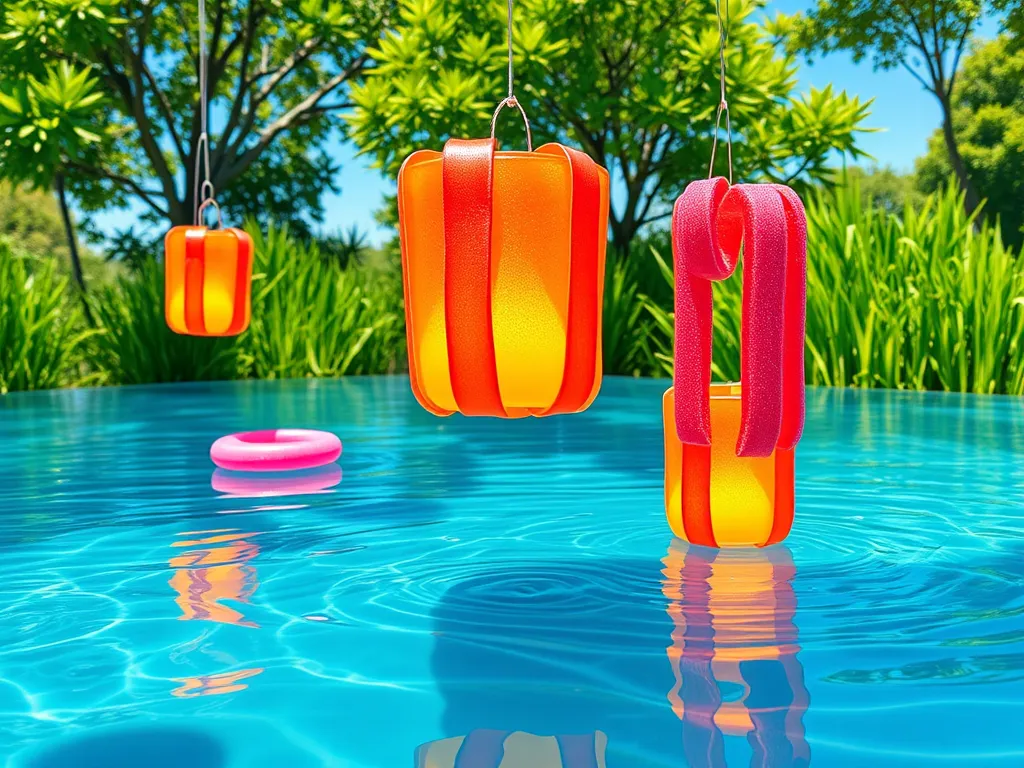
For seasonal projects, bend noodles into wreath forms or holiday decorations. Their buoyant properties make them ideal for crafting floating lanterns in water features. With spray paint and creativity, worn noodles transform into colorful outdoor art installations.
Eco-friendly Alternatives to Traditional Pool Noodles
While standard polyethylene foam noodles last 2-3 seasons, newer sustainable options combine durability with recyclability. Manufacturers now use materials meeting ASTM D6400 composting standards, offering greener choices for eco-conscious swimmers. Just like choosing better materials for pool toys, you can also enhance your above ground pool. One way to do this is by painting it, which not only improves its look but also protects the surface.
Sustainable Materials for Pool Accessories
Leading brands produce noodles from EVA (ethylene-vinyl acetate) foam, which contains 40% plant-based materials. These break down faster than traditional PE foam while maintaining 500-psi compression strength. Another innovation involves closed-cell polyethylene infused with recycled content – some products contain 70% post-consumer plastic.
Natural rubber noodles are emerging as premium alternatives, though they cost $12-$18 versus $5-$8 for standard versions. For budget-friendly options, look for PE foam blends with TerraCycle compatibility, allowing mail-back recycling programs.
Durable and Recyclable Pool Noodle Options
- EcoNourish Foam Tubes: Made from 100% recyclable EPE (expanded polyethylene), accepted at 1,200+ US drop-off centers
- Green Ride Swim Sticks: Cross-linked PE with UL ECOLOGO certification, lasts 5+ seasons
- AquaCycle Floaters: Manufactured using 50% ocean plastics, compatible with #4 LDPE recycling streams
When selecting sustainable noodles, verify material codes stamped on the product. Look for #2 (HDPE), #4 (LDPE), or #5 (PP) resins, which many facilities accept. Avoid #3 PVC noodles, as they contain phthalates and rarely get recycled.
As recycling options expand, these innovations make it easier to enjoy pool time without environmental guilt. For specific disposal methods in your area, check local guidelines for foam plastics – requirements vary between cities like New York and New Jersey. Keeping the pool safe during periods of non-use is crucial for both health and safety. Pool safety covers provide a reliable way to protect your pool and prevent accidents when not in use.
FAQs About Pool Noodle Recycling and Disposal
How Long Do Pool Noodles Take to Decompose in Landfills?
Pool noodles made from polyethylene or PVC can persist in landfills for over 500 years. As they degrade, they fragment into microplastics and may release additives like phthalates (in PVC) or UV stabilizers into the environment.
Can Biodegradable Pool Noodles Be Composted at Home?
Most “biodegradable” pool noodles require industrial composting facilities that maintain high temperatures (140°F+). Home compost systems rarely reach these conditions, meaning even starch-blended foams won’t break down effectively in backyard bins. When considering backyard improvements like a pool, it’s important to look at the long-term costs involved. Gunite pools can be a beautiful and durable option, but they also come with their own expenses that homeowners should factor in.
Are There Mail-in Recycling Options for Pool Noodles?
Select manufacturers and third-party services like TerraCycle offer mail-back programs for EPE foam. Costs typically range from $5-$50 per shipment, depending on weight. Always verify material compatibility—these programs usually exclude PVC noodles due to chemical content. When considering such options, it’s also important to think about other related expenses. For instance, the cost of painting a pool can vary significantly, impacting the overall budget for pool maintenance.
Do Degrading Pool Noodles Leach Toxic Chemicals?
PVC-based noodles release phthalates and chlorine compounds as they break down, which can contaminate soil and water. EPE foam primarily sheds microplastics but contains fewer hazardous additives. Always prioritize recycling over landfill disposal to mitigate environmental harm. It’s important to also consider fire safety when using pool noodles. Are pool noodles flammable? Exploring this question helps ensure safe enjoyment of poolside activities.
How to Locate Foam Recycling Facilities in Other States?
Use Earth911’s Recycling Locator with search terms like “plastic foam” or “#4 LDPE.” Many states have regional centers—for example, Foam Cycle in Texas or Green Tree Recycling in California. Always call ahead to confirm acceptance of cut or bundled noodles.
Final Thoughts on Pool Noodle Sustainability
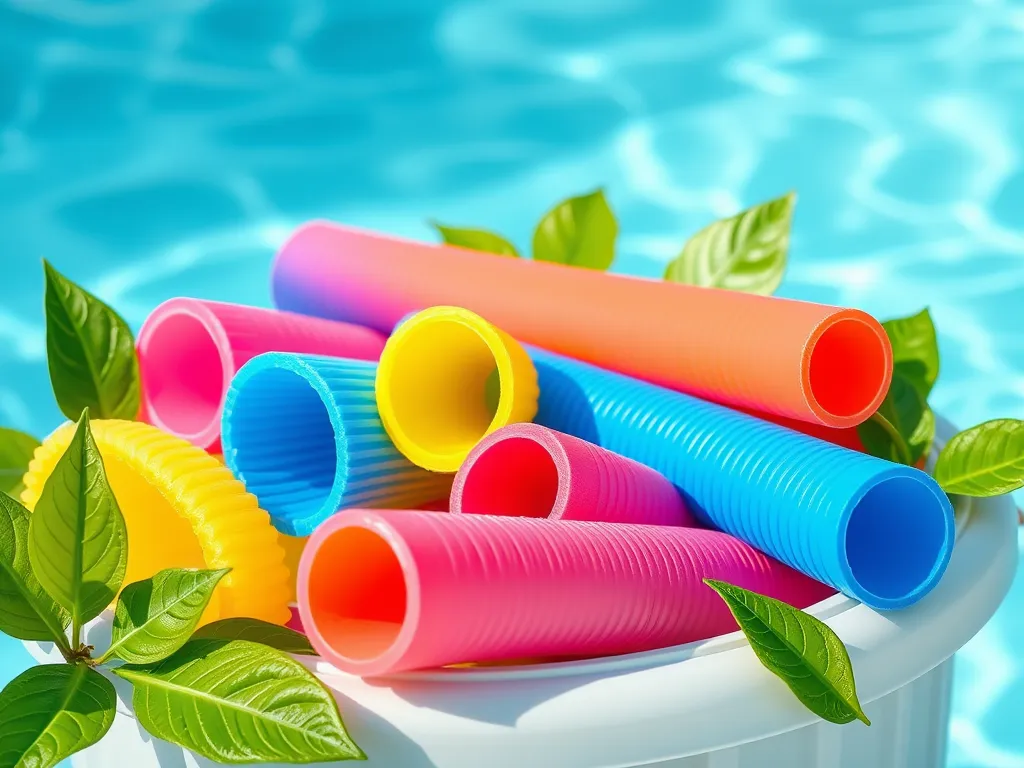
Pool noodles bring fun to the water but pose recycling challenges. Most are made of polyethylene foam (EPE) or PVC, which aren’t accepted in standard curbside programs. Specialized facilities or repurposing are your best bets.
Before tossing old noodles, consider creative reuse—cushioning for garden tools, DIY floats, or poolside bumpers. For eco-conscious pool owners, biodegradable or recyclable alternatives like cork or natural rubber noodles offer greener choices.
For more pool care tips and sustainability guides, explore My Pool Calculator. We break down maintenance, recycling, and cost-saving hacks to keep your pool pristine and planet-friendly.
Additional Resources for You:
- Pentair Residential Pool Resources (Maintenance Guides)
- How to dispose of or recycle Pool Noodles
- Recycle your old pool noodles into this fun DIY pom …
- Pool Noodles Are Not Recyclable — Here’s What You Can Do With Them – Stockton Recycles
- Pool Noodles – UC Berkeley Waste Guide
A pool care geek who’s been testing water chemistry since she was tall enough to reach the skimmer.
Cleaning Tools, Pool Cleaning & Maintenance