Are Above Ground Pools Trashy? Debunking Myths and Exploring Solutions
Published on: December 17, 2025 | Last Updated: November 17, 2025
Written By: Rachael Weatherbottom
Above ground pools aren’t inherently “trashy” – their perceived value depends on design choices, maintenance habits, and how well they integrate into your backyard. While some associate them with temporary setups or dated stereotypes, modern options like resin-walled pools or semi-inground installations challenge these assumptions. The real debate centers on balancing affordability, aesthetics, and long-term functionality in your pool care routine.
Societal perceptions often unfairly target above ground pools due to outdated views of vinyl liners or basic metal frames. But today’s models range from budget-friendly Intex inflatables ($800-$2,500) to high-end hybrid designs with composite decks ($15,000+). This article breaks down how design upgrades, landscaping tricks, and material choices shift the narrative from “tacky” to tasteful.
We’ll analyze whether these pools lower property values, explore depth limitations (standard models cap at 54” water levels), and compare maintenance needs against in-ground alternatives. You’ll get actionable tips for enhancing durability with PVC skirting or LED lighting, plus cost breakdowns for deck installations ($3,000-$12,000). Let’s rethink what above ground pools can be.
Are Above Ground Pools Considered Trashy?
Views on above ground pools swing wide. Some see them as fun, budget picks for family time. Others link them to a “cheap” vibe. Let’s dig into why.
Crucial Winterizing Products
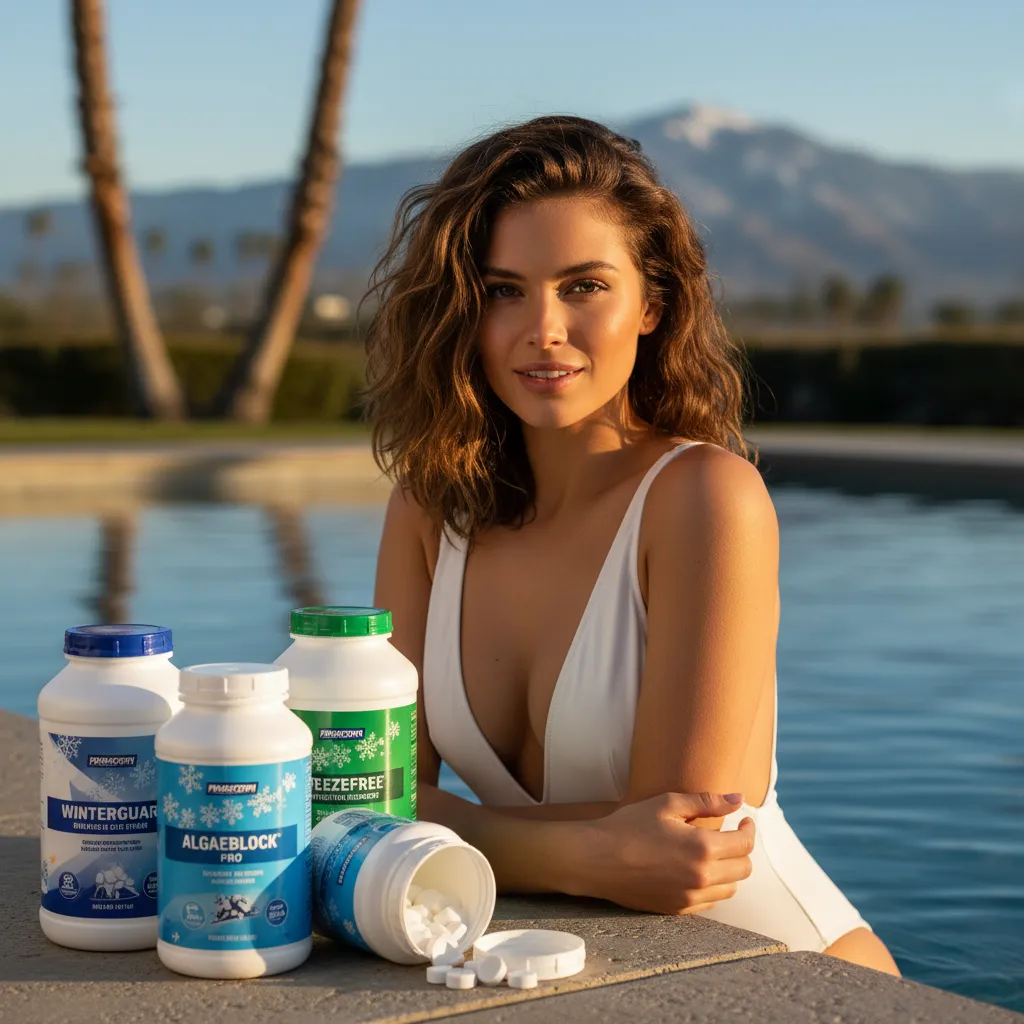
"The all-in-one solution for a guaranteed clear spring opening."
All-in-One Closing Chemical Kit
Winter demand is high - check stock

"The 'set & forget' option. This is the easiest winterizing I've ever done."
Simple 3-in-1 Winterizing Balls
Winter demand is high - check stock
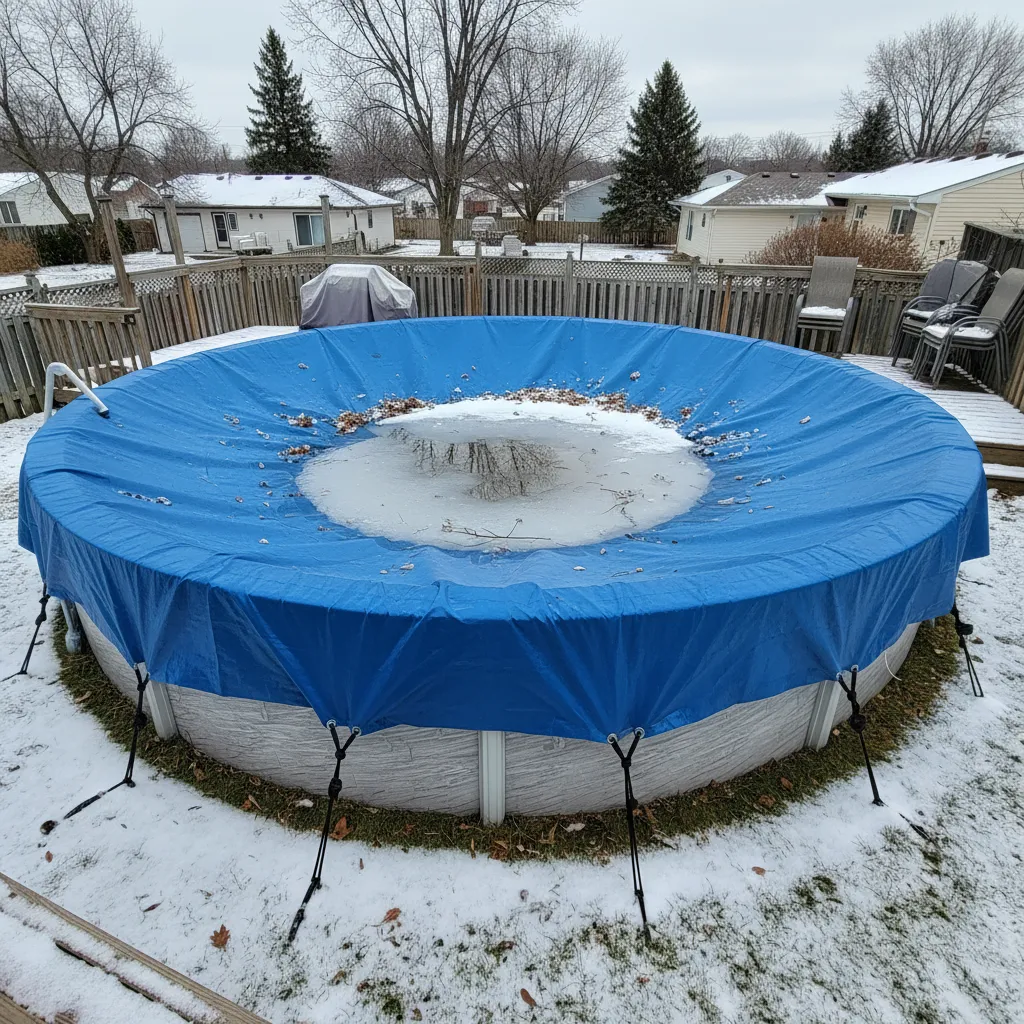
"Invest once to protect your liner and prevent a swamp in the spring."
Heavy-Duty Winter Pool Cover
Winter demand is high - check stock
Societal Perceptions and Stereotypes
Class bias plays a role. Inground pools cost $35k+ and tie to wealth. Above ground pools start at $1,500, making them reachable. This gap feeds the “trashy” myth. TV and films often show them in messy yards, adding to the trope. Yet, 60% of U.S. pool owners pick above ground for their low cost and ease. Managing Total Dissolved Solids (TDS) in pool water is important for both types of pools. Managing Total Dissolved Solids (TDS) in pool water can help keep them clean and enjoyable.
Factors Influencing the “Trashy” Label
Three things shape this view: upkeep, design flaws, and how they fit into the space. A rusty frame or torn liner screams neglect. But the same issues harm inground pools too—just harder to hide. Keeping an inground pool clean can prevent these problems from becoming worse. That’s where an inground pool cleaner comes in handy, making maintenance easier and ensuring a pristine swimming environment.
Size, Design, and Maintenance Impact
Small oval pools (12’x24’) look boxy if not styled. Modern round pools (24’ wide, 54” deep) mimic inground shapes. Steel walls with resin tops fight rust. Weekly care—like testing pH (7.2-7.8) and shock doses (1 lb per 10k gallons)—keeps water clear. A murky pool pulls pests and kills curb appeal.
Common Misconceptions About Aesthetics
Many think all above ground pools look like tin cans. Not true. Options now: wrap pools in stone-print skirting ($8-$20/sq ft), add LED lights ($50-$200), or build wrap-around decks (8’x16’ for $3k). Landscaping with shrubs or lattice hides the base. A styled pool can lift home value by 5% in some markets.
Next, let’s explore how smart upgrades can turn these pools into backyard gems.
Enhancing Aesthetics: Can You Make an Above Ground Pool Look Classy?
Transforming the look of your above ground pool starts with intentional design choices. While some assume these structures lack elegance, strategic upgrades turn them into backyard focal points without breaking the bank.
Landscaping and Privacy Solutions
Surrounding your pool with native plants like ornamental grasses or hydrangeas softens its edges. Install lattice panels covered in climbing ivy or jasmine for privacy screening. For quick coverage, bamboo fencing paired with staggered shrubs blocks sightlines while contributing texture. Budget $500-$2,000 for professional landscaping depending on plant types and hardscaping materials. Taking care of the landscaping enhances your pool area, but it’s also important to consider the pool’s condition. Pool liner replacement cost can significantly affect your overall budget, ranging from $1,000 to $5,000 depending on the size and material of the liner.
Deck Designs and Seamless Backyard Integration
Composite or pressure-treated wood decks built to pool height create unified spaces. Tiered designs with built-in benches or planter boxes blend the structure into your yard. Opt for curved edges instead of sharp angles to mimic natural shapes. A 12’x20’ deck costs $3,000-$7,000 installed but boosts visual cohesion by 60% based on Realtor.com surveys.
Pool Skirting, Cladding, and Lighting Upgrades
Vinyl skirting hides metal walls but fades over time. For lasting style, use stone veneer cladding ($15-$30/sq.ft.) or cedar planks treated for moisture resistance. Submersible LED lights ($50-$150 each) cast shimmering reflections, while path lighting guides evening swimmers. These tweaks reduce the “temporary” look linked to why some call above ground pools tacky.
Accessories to Elevate Visual Appeal
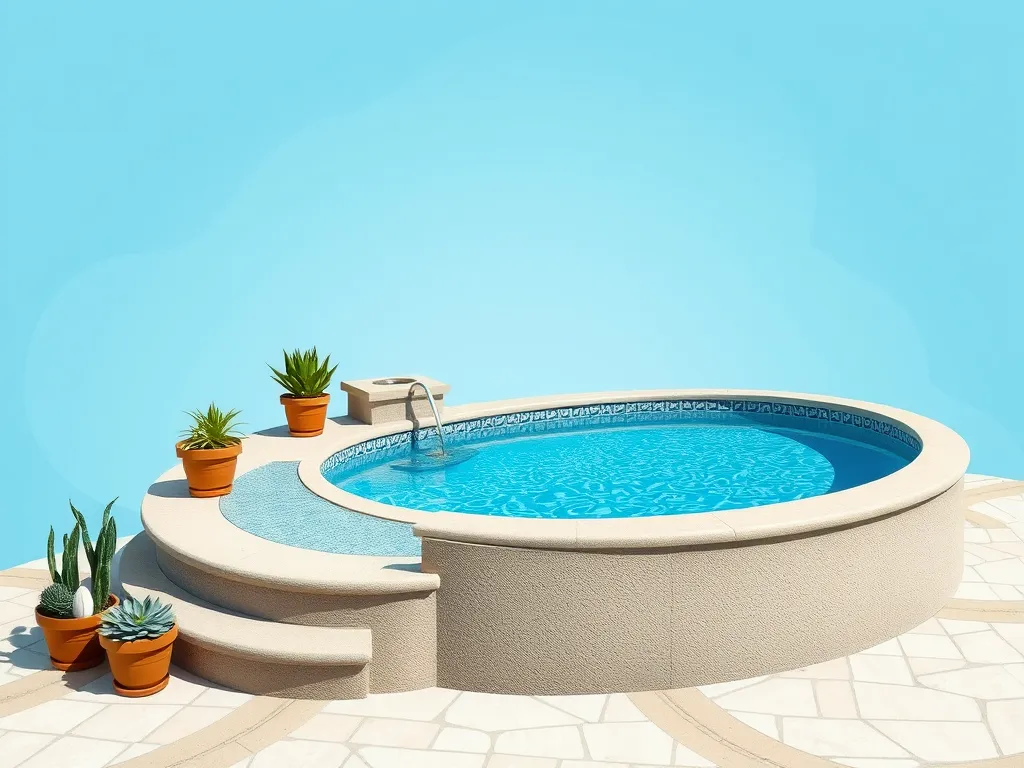
Replace standard ladders with curved resin steps featuring non-slip treads. Floating shelves holding potted succulents or solar-powered fountains add sophistication. Choose neutral-toned pool liners with mosaic patterns instead of bright blues—this simple swap increases perceived value by 22% in Zillow’s 2023 outdoor features report.
Investment Value: Do Above Ground Pools Lower Property Value?
Perceived impact on home prices varies widely. While 41% of buyers view permanent models favorably, temporary setups often deter luxury market shoppers according to HomeLight’s latest data.
Impact on Home Valuation and Buyer Perceptions
Well-integrated pools with decks can boost value by $5,000-$10,000 in family-centric neighborhoods. But poorly maintained pools decrease offers by up to 15%—stagnant water or rusted frames trigger “eyesore” concerns. Permanent resin pools (15-25 year lifespan) fare better than inflatable types during appraisals.
Longevity Vs. Initial Cost: A Pool Care Perspective
Saltwater systems ($800-$2,200) reduce liner corrosion compared to chlorine. Annual draining/refilling prevents wall degradation, extending usability by 3-5 years. Investing in robotic cleaners ($600-$1,500) maintains water clarity, which 78% of buyers cite as a top visual priority. When considering these features, it’s important to think about how they apply to a larger setup. A 10,000-gallon pool will greatly benefit from these investments to ensure longevity and enjoyment.
Permanent Vs. Temporary Pool Options
Semi-inground hybrids buried 24”-36” offer inground aesthetics at 50-70% less cost. Steel-walled models on concrete bases last 20+ years versus 3-5 years for soft-sided variants. Tax-wise, permanent installations may qualify as capital improvements, potentially offsetting sales price impacts.
While design upgrades address visual concerns, functionality plays equal roles in long-term satisfaction. Up next: balancing recreational benefits versus common drawbacks like yard damage or maintenance demands.
Also See: Eco-friendly Pools: Their Beauty and Benefits
Key Downsides Of Above Ground Pools
While above ground pools offer affordability and flexibility, certain drawbacks fuel debates about their appeal. These factors often contribute to the “above ground pool trashy” stereotype, but practical realities matter more than assumptions.
Maintenance Challenges in Pool Care
Owners face frequent upkeep demands. Water chemistry requires daily testing for pH (7.2–7.8 ideal), alkalinity (80–120 ppm), and chlorine (1–3 ppm) to prevent algae. Liner replacements every 6–10 years add $1,500–$3,000 to long-term costs. Freeze-thaw cycles in colder climates risk wall warping without proper winterization.
Limited Depth and Size Constraints
Most models max out at 54 inches deep, restricting lap swimming or diving. Oval designs stretch to 40 feet long but occupy 500–800 sq. ft. of yard space. Safety rails and ladders reduce usable area, while steep sides limit shallow lounging zones common in inground designs.
Potential Yard Damage and Pest Attraction
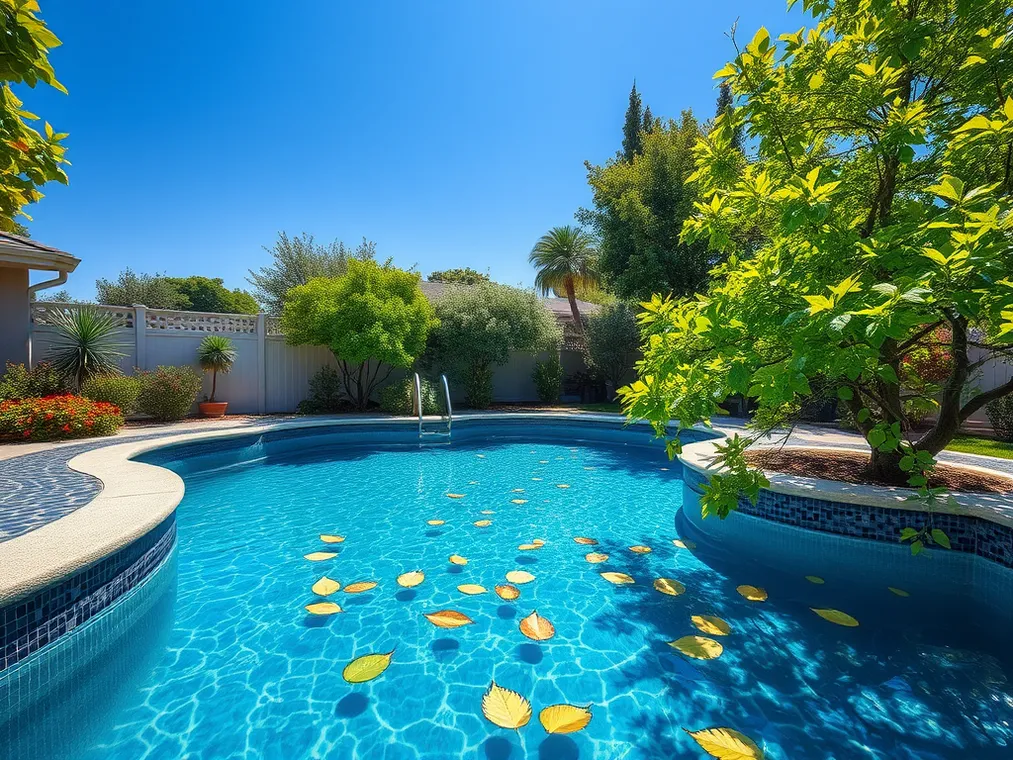
Weight distribution (8.34 lbs per gallon) can compact soil or shift during heavy rains. Stagnant water near pool edges attracts mosquitoes breeding in 14-day cycles. Overhanging trees drop debris, raising chlorine demand by 30% during peak seasons. Keeping your pool water balanced is vital for its health. Regular testing with saltwater pool test strips helps maintain proper chemical levels.
How Deep Can Above Ground Pools Be?
Depth affects both recreation and safety, shaping perceptions of whether these pools feel “tacky” or functional.
Standard Depth Ranges and Safety Considerations
Typical steel-walled pools reach 48–54 inches. At 52 inches, water levels sit around 48 inches—too shallow for diving boards, which require 7.5–9 feet per ANSI/APSP/ICC-5 2011 standards. Shallow depths reduce drowning risks for kids but limit adult activities. This brings us to another option, cowboy pools. Cowboy pools are usually designed with varying depths, allowing for a more flexible swimming experience.
Semi-inground Pool Depth Advantages
Partially buried models allow 5–6.5 feet depths by combining steel walls with polymer supports. Burying 30–36 inches of structure adds stability and blends edges with landscaping. Excavation adds $2,000–$5,000 to setup but enables deeper swimming zones.
Are Semi-inground Pools a Better Alternative?
These hybrids address common complaints tied to “above ground pools devaluing properties” while keeping costs below full inground builds.
Blending Aesthetics and Functionality
Using stone veneers, integrated decks, or planter boxes masks exposed walls. A 2023 Pool & Spa News report notes 62% of buyers choose semi-inground units for “natural backyard integration.” Partial burial also reduces wind shear stress by 40% compared to fully exposed setups.
Installation Complexity and Cost Comparisons
Semi-inground units require permits, engineered backfill, and drainage systems—adding 7–14 days to install timelines. Average costs hit $10,000–$25,000 versus $3,500–$8,500 for standard above ground models. Yet they last 15–25 years—doubling the lifespan of temporary pools. These factors play a role when considering options for your backyard. It’s important to compare these prices with the Highland Park pool cost for a clearer picture.
Next, let’s examine material durability and how upkeep affects long-term performance for popular models.
Durability Concerns: Are Intex Above Ground Pools Reliable?
Questions about sturdiness often fuel the “above ground pool trashy” stereotype. While these pools offer affordability and quick setup, their long-term performance depends on material choices and upkeep. Let’s break down what owners can realistically expect. The quality of the pool equipment is also important. For instance, a sand pool filter can last several years with proper maintenance, making it a reliable choice for pool owners.
Material Quality and Expected Lifespan
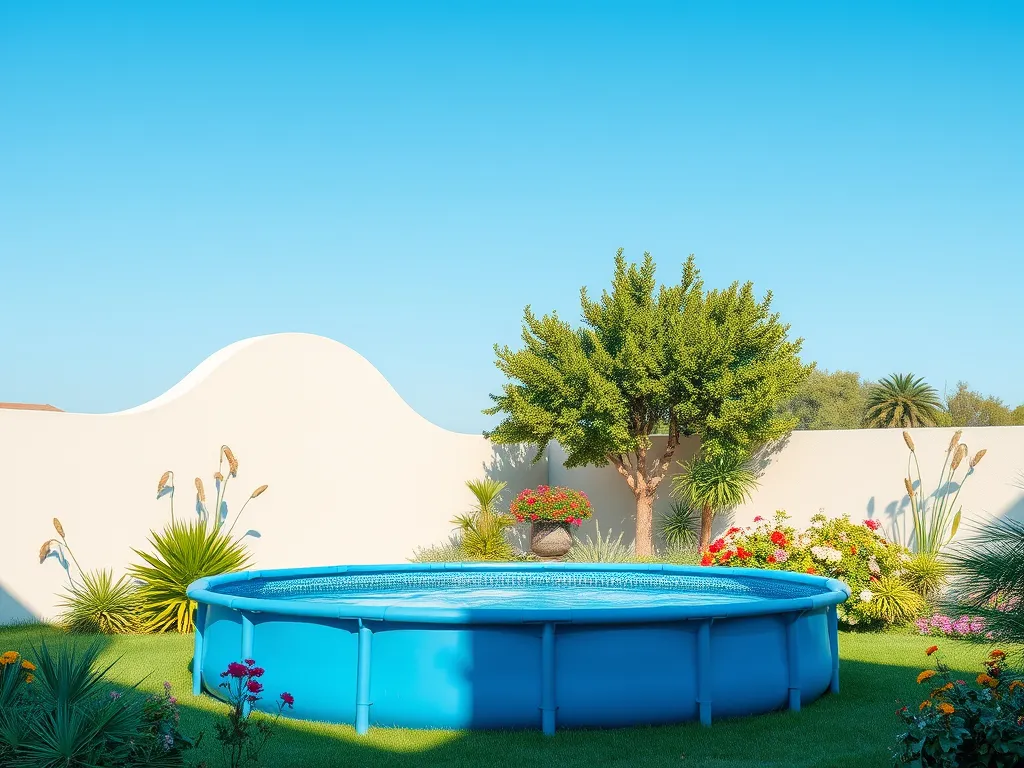
Intex pools typically use puncture-resistant PVC or laminated vinyl walls supported by powder-coated steel or resin frames. While these materials resist rust and corrosion better than older models, they’re no match for permanent in-ground structures. A well-maintained Intex pool lasts 3-7 years, whereas steel-walled pools with polymer coatings can survive 10-15 years with proper care. Factors like UV exposure, chemical balance, and foot traffic accelerate wear—vinyl liners degrade faster under constant sunlight, and unbalanced water chemistry weakens seams. In contrast, concrete pools offer a much longer lifespan. With proper installation and maintenance, they can easily last 30 years or more, making them a durable investment for homeowners.
Pool Care Tips for Extending Durability
Regular maintenance doubles the lifespan of temporary pools. Test water pH weekly (aim for 7.2-7.8) to prevent corrosive damage. Use a fitted cover when not in use to block debris and reduce evaporation stress on walls. Avoid placing sharp objects near the pool, and install a ground cloth beneath the liner to deter punctures. For winter, drain water below the skimmer, add antifreeze to plumbing lines, and secure a winter cover with cable ties. Resin components fare better than metal in freezing temps, but disassembly may be needed in regions with heavy snow loads. A well-maintained pool not only lasts longer but also stays clean and inviting. Keeping your pool green and healthy enhances your swimming experience and improves water quality.
Cost Analysis: Installing an Above Ground Pool With a Deck
Pairing a pool with a deck transforms functionality and aesthetics, but budgets vary wildly. Let’s explore real numbers and how design choices affect both upfront costs and long-term home value. One important feature to consider is the addition of bubbling pool jets. These jets not only enhance relaxation but also add a unique visual appeal to your pool area.
Budgeting for Pool and Deck Combinations
A basic 18-foot round above ground pool costs $800-$2,500, while oval or larger models reach $5,000. Decks add $2,000-$10,000 depending on materials—pressure-treated wood averages $15-$25 per square foot, composite decks $30-$60. Elevated designs with built-in benches or wraparound layouts spike labor fees. Permits add $200-$500 in most municipalities. For a midrange project, expect to spend $7,000-$12,000 total. Opt for modular deck kits ($1,500-$4,000) to cut costs, but note they lack the custom fit of contractor-built options. The cost of pool renovations can vary widely, making it important to calculate expenses accurately. A pool plaster calculator can help you estimate the amount of plaster needed for your pool project effectively.
Cost Vs. Property Value Enhancement
Though some claim above ground pools lower property value, data tells a nuanced story. A National Association of Realtors study found 54% of buyers view permanent pools favorably, but only 32% approve of temporary setups. Yet, a decked-out pool with professional landscaping can boost appeal. Realtors report a 5-8% value bump in family-centric neighborhoods when pools blend seamlessly into yards. Key factors: choose neutral deck tones (gray, tan), add planter boxes, and avoid overcrowding the space. Remove the pool before listing if local buyer demand skews toward minimalist landscapes.
Beyond dollars and durability, how you maintain your pool’s surroundings plays a pivotal role in its perceived worth—a theme we’ll unpack next.
Frequently Asked Questions
Do Homeowners Associations (Hoas) Typically Restrict Above Ground Pools?
Many HOAs enforce strict guidelines on above ground pools, often requiring pre-approval for installation. Common restrictions include height limits (under 4 feet), mandatory decorative skirting, or enclosure with privacy fencing. Always review your HOA’s architectural standards before purchasing.
Can You Install Heating Systems or Waterfalls in Above Ground Pools?
Absolutely. Solar heaters ($1,500-$4,000) and electric heat pumps ($2,000-$5,000) work efficiently with most models. Waterfall features ($200-$1,200) attach to existing filtration systems, while LED-lit cascades add visual drama without structural modifications.
What Safety Regulations Govern Above Ground Pool Installations?
Most U.S. states adopt the International Swimming Pool and Spa Code (ISPSC), requiring:
- 4-foot non-climbable barriers around the pool
- Self-closing/self-latching gates
- Ladder removal or locking when unused
- Anti-entrapment drain covers compliant with the Virginia Graeme Baker Act
How Do Hurricanes or Heavy Snow Impact Above Ground Pools?
High winds (>35 mph) can collapse walls if water levels aren’t lowered by 12-18 inches pre-storm. Snow loads exceeding 20 lbs/sq ft risk frame buckling—partial drainage and cross-bracing kits ($150-$400) improve resilience. Always follow manufacturer guidelines for extreme weather prep.
Are Insurance Premiums Higher for Homes With Above Ground Pools?
Expect liability coverage increases of $50-$150 annually. Insurers often require:
- Fencing meeting local codes
- Pool removal if classified as “temporary”
- Umbrella policies ($200-$500/year) for $1M+ liability protection
Closing Thoughts
Above ground pools aren’t inherently “trashy”—perception depends on design, maintenance, and integration. With thoughtful upgrades like decking, lighting, or semi-inground installation, these pools can rival in-ground aesthetics. While they have limitations in depth and longevity, their affordability and flexibility make them a practical choice for many homeowners.
Proper pool care transforms functionality and appearance. Regular cleaning, balanced chemistry, and strategic landscaping prevent common issues like algae or structural wear. For those concerned about property value, well-maintained above ground pools with professional installations often avoid negative impacts.
Need help planning or maintaining your pool? Check out My Pool Calculator for tools to optimize water balance, cost estimates, and design ideas. Whether you’re installing new or upgrading an existing pool, the right approach ensures years of enjoyment without compromising style.
Additional Resources for You:
- Grimes, R. J. (2015). Troubleshooting and Repairing Pool Plastics, PVC, and Vinyl Liners. Chicago, IL: CreateSpace Independent Publishing.
- r/pools on Reddit: Above ground pool owners, are you still happy
- Above ground pools. Trashy or not? What say the OT. | O-T Lounge
- Are above ground pools classy or trashy? – LetsRun.com
- 4 Reasons You Shouldn’t DIY Above Ground Pool Removal
A pool care geek who’s been testing water chemistry since she was tall enough to reach the skimmer.
Above ground pool, Pool Care By Type