What Temperature Should You Heat Your Pool in Winter?
Published on: December 13, 2025 | Last Updated: November 17, 2025
Written By: Rachael Weatherbottom
Heating your pool to 78-82°F (25-28°C) during winter balances comfort and energy efficiency, but exact settings depend on regional climate, heating systems like heat pumps or gas heaters, and personal preferences. Colder regions may require higher temperatures, while warmer areas like Florida or Texas can use lower settings. Lowering the temperature by 5°F reduces energy bills by 20-30%, but swimmers often prefer 80°F+ for extended use.
This guide breaks down winter pool heating for every situation. You’ll learn how to adjust temperatures based on your location—whether managing mild Texas winters or cooler northern climates. We compare heat pumps (ideal for 50°F+ air temps) with gas heaters (faster heating at 400,000+ BTU) and solar options needing 6-8 hours of sunlight. Cost charts show energy use per degree, and Celsius conversions help international readers.
Find actionable strategies: solar blankets retaining 70-80% of heat, windbreaks cutting heat loss by 30%, and thermostat programming to save $100+ monthly. We’ll also answer FAQs like heating timelines (8-24 hours for electric systems) and whether to warm water before cleaning. Get data-backed advice to swim comfortably without overspending.
Recommended Pool Temperature in Winter
Setting the right pool temperature in winter balances comfort and energy use. While personal preference plays a role, specific ranges and variables ensure safe, efficient operation.
Crucial Winterizing Products
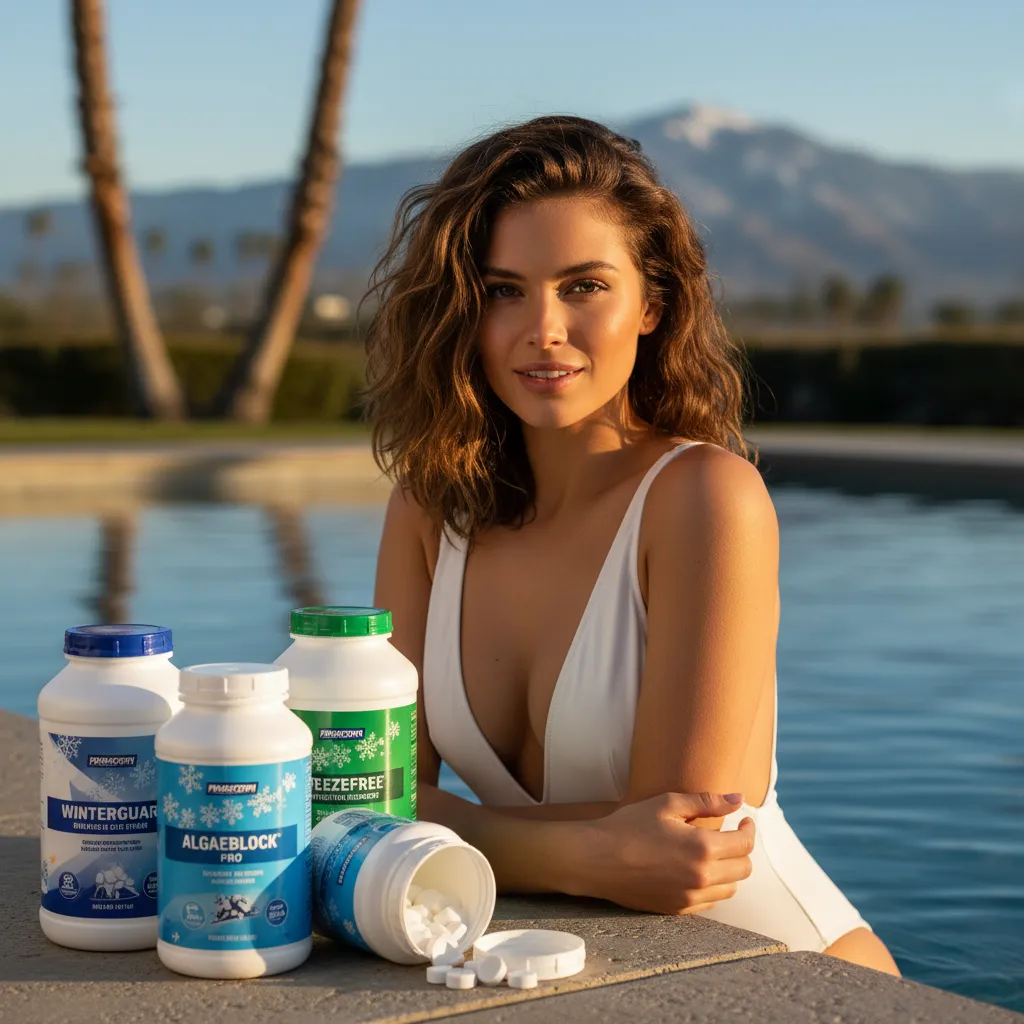
"The all-in-one solution for a guaranteed clear spring opening."
All-in-One Closing Chemical Kit
Winter demand is high - check stock

"The 'set & forget' option. This is the easiest winterizing I've ever done."
Simple 3-in-1 Winterizing Balls
Winter demand is high - check stock
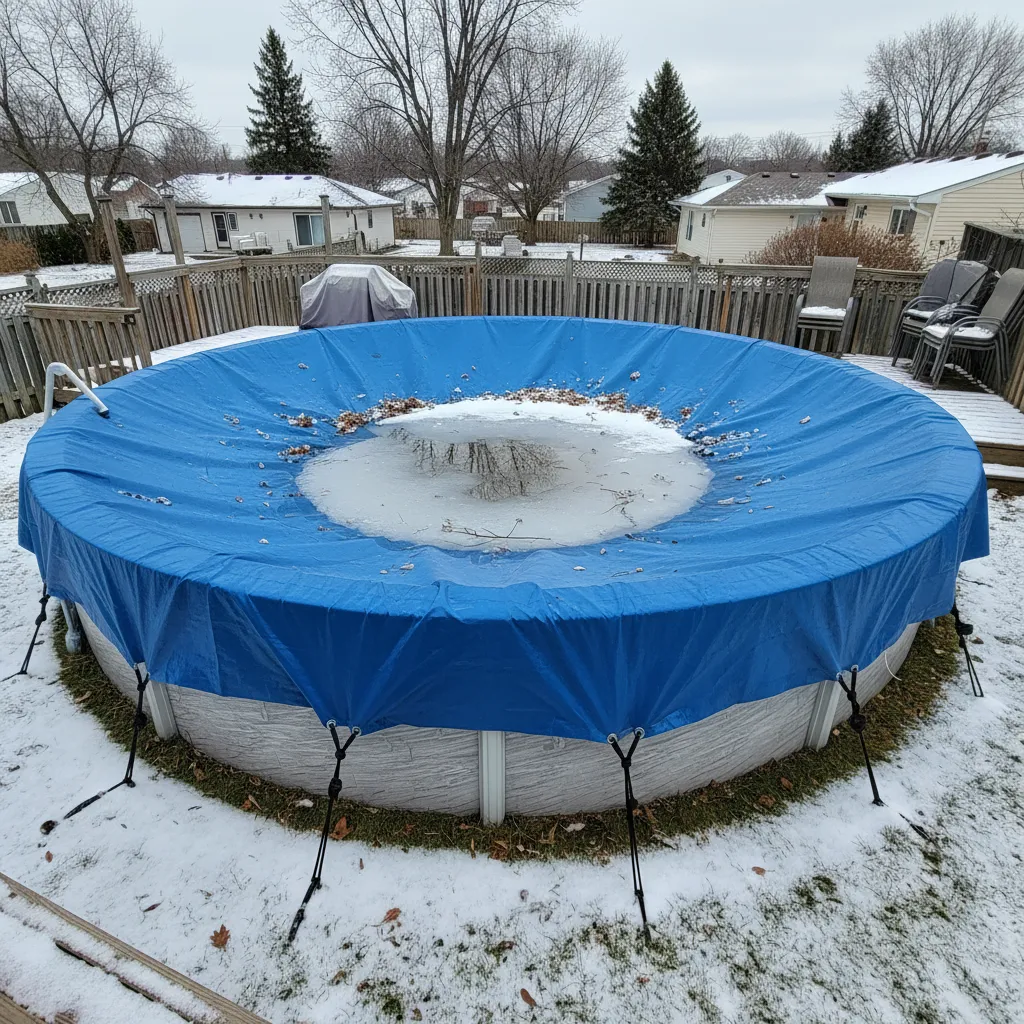
"Invest once to protect your liner and prevent a swamp in the spring."
Heavy-Duty Winter Pool Cover
Winter demand is high - check stock
Ideal Temperature Range for Winter Swimming
For most swimmers, the best temperature for a heated pool in winter falls between 78°F and 82°F (25.5°C to 27.7°C). This range keeps muscles relaxed during activity while preventing rapid heat loss. Competitive lap swimmers may prefer cooler settings around 77°F (25°C), while families with young children often push thermostats to 84°F (28.8°C). Keep water below 90°F (32.2°C) to avoid accelerated chemical evaporation and bacterial growth.
Factors Affecting Winter Pool Temperature Settings
Four key elements determine optimal pool temp in winter: usage patterns, heater type, climate zone, and energy costs. Gas heaters work faster than heat pumps but cost more per hour—a 400,000 BTU unit raises temps 2-5°F hourly, while heat pumps maintain steady warmth at 50-70% lower operating costs. Nighttime air temperatures matter most; when mercury drops below 50°F (10°C), heat pumps lose efficiency, requiring backup systems. Wind exposure can slash surface heat by 25%, making windbreaks or thermal covers critical for pools in open areas.
Regional climate patterns demand tailored approaches—let’s explore how location shapes winter heating strategies.
Regional Considerations for Heating Pools in Winter
Pool temperature settings shift dramatically based on geographic location. Winter weather patterns, average lows, and seasonal rainfall all impact heating needs. Tailoring your approach prevents energy waste while keeping swim sessions comfortable.
Adjusting Temperatures for Florida Winters
Florida’s mild winters allow lower heating settings compared to northern states. Maintain water between 78°F and 82°F for recreational swimming, with 80°F being the sweet spot for balancing comfort and costs. During rare cold fronts dropping below 50°F, raise temperatures by 2-3°F to offset heat loss. Solar covers reduce nightly temperature drops by up to 5°F in humid coastal areas. Heat pumps work efficiently here, as ambient air rarely dips below 45°F.
Heating Guidelines for Texas Winters
Texas pool owners face variable conditions: northern regions like Dallas average winter lows of 37°F, while southern areas like McAllen stay near 50°F. Set thermostats to 80-85°F in northern zones and 78-83°F in southern climates. Gas heaters perform better during sudden freezes in the Panhandle, while heat pumps suffice in the Gulf Coast. Windbreaks like privacy fences or hedges cut heat loss by 15-20% in gusty areas like Lubbock or Amarillo.
Cost Of Heating a Pool in Winter
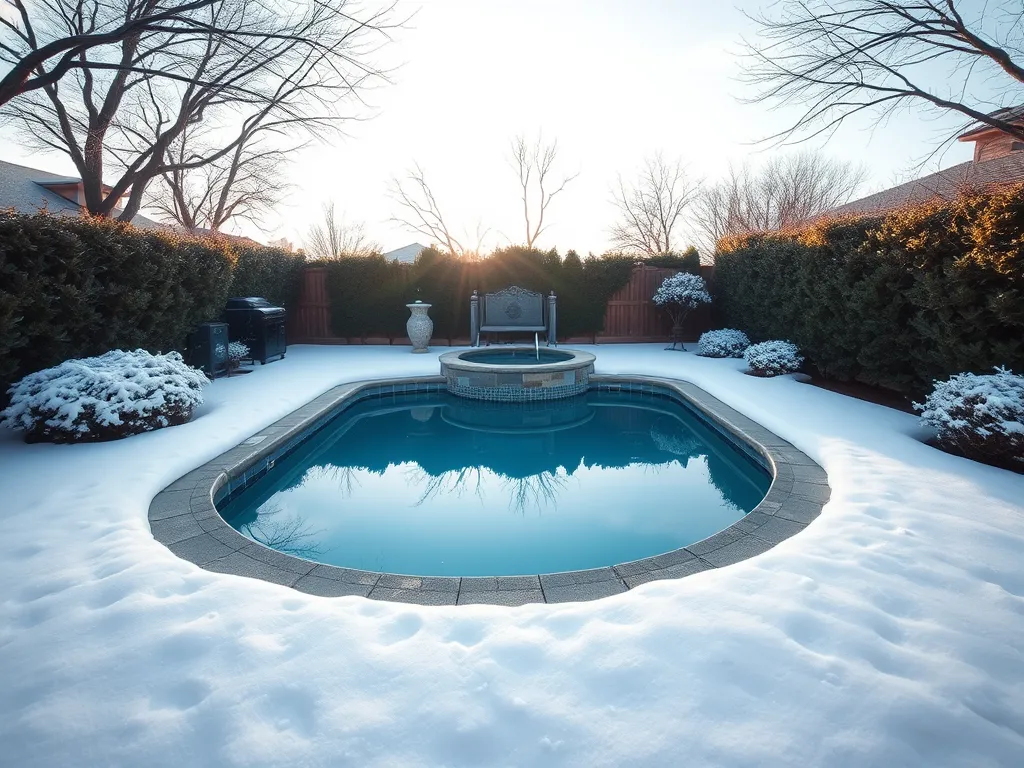
Winter heating expenses depend on three factors: target temperature, local energy rates, and equipment efficiency. Every 1°F increase adds 10-30% to operating costs, making smart temperature choices vital for budget-conscious owners.
Energy Consumption by Temperature Setting
Heating a 15,000-gallon pool from 70°F to 85°F costs $200-$400 monthly with a heat pump (assuming $0.13/kWh). Gas heaters cost $300-$600 for the same temperature jump due to higher propane or natural gas prices. Lowering the thermostat to 78°F slashes bills by 25-40%. For spas, limit use to 2-3 hours daily at 100-104°F to avoid $50+ weekly surcharges. When considering the types of heating methods, it’s also important to look at pool chiller costs. A pool chiller can help maintain a comfortable temperature, but its installation and operation can vary in expense.
Celsius Vs Fahrenheit Measurements
Most US pool systems use Fahrenheit, but Celsius conversions matter for imported equipment or solar controllers. A 25°C setting equals 77°F—ideal for light exercise. Heating from 15°C to 27°C (59°F to 81°F) requires 50% more energy than maintaining 21°C (70°F). Digital thermostats let owners toggle between units; analog models may need manual calculation (C° × 1.8 + 32 = F°).
Optimizing your heater’s performance starts with choosing the right system. Next, we’ll compare heat pumps, gas models, and solar options for winter readiness.
Also See: Can You Swim in Pool in Dominican Republic December?
Heating Methods for Winter Pool Maintenance
Selecting the right heating system impacts both comfort and operating costs when managing pool temperature in winter. Equipment choice depends on climate severity, energy rates, and desired temperature consistency. During winter, maintaining a pool can lead to cost-effectiveness. This raises the question: are pools cheaper to maintain in the winter months?
Heat Pumps Vs Gas Heaters
Heat pumps transfer ambient heat using refrigerant cycles, operating efficiently at outdoor temperatures above 50°F. A typical 140,000 BTU unit maintains pools at 80-85°F with a COP (Coefficient of Performance) of 5-6, generating 5-6 units of heat per 1 unit of electricity. Gas heaters burn propane or natural gas, producing 400,000 BTUs for rapid heating but lower efficiency (60-82% AFUE rating). In Texas winters, gas heaters raise temps 2-3°F per hour versus 1-1.5°F for heat pumps.
| Type | Cost per Hour | Best For |
|---|---|---|
| Heat Pump | $1.50-$3.00 | Mild climates (Florida) |
| Gas Heater | $4.00-$7.00 | Quick heat spikes (Texas) |
Based on 20,000-gallon pool; local energy rates vary
Solar Heating Options
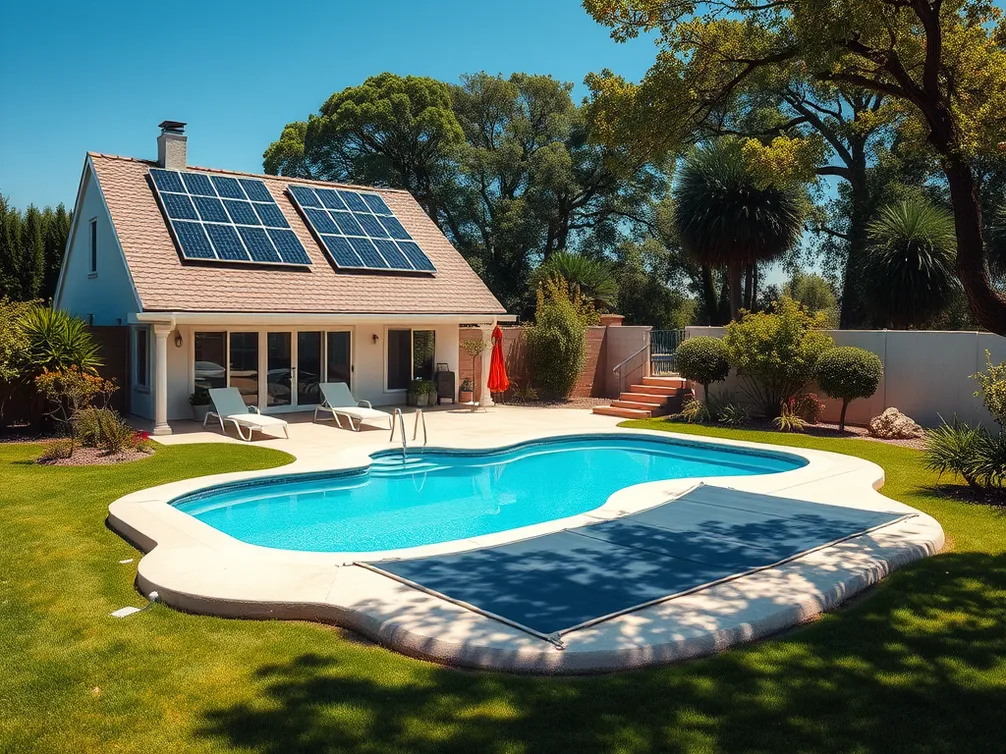
Solar panels or mats extend swimming seasons by raising pool water temperature in winter 5-10°F. Systems work best in sunny regions, requiring 50-100% of the pool’s surface area in collector coverage. Florida pools gain 2-3°F daily with solar, while cloudier areas see 1°F gains. Pair with solar blankets to reduce nighttime heat loss.
How Long Does It Take to Heat a Pool in Winter?
Heating duration depends on equipment capacity, starting temperature, and weather. A 20,000-gallon pool needs 125,000 BTUs to rise 1°F (Formula: Gallons x 8.34 lbs/gallon x 1°F = BTUs). When considering these factors, it’s also important to think about how heat is retained in the pool water. The long heat pool can help maintain warmth for extended periods, making it more efficient for swimming and leisure activities.
Electric Heater Timeframes
A 120,000 BTU heat pump requires ~10 hours to increase pool temperature in winter by 5°F. Gas heaters achieve the same rise in 2-3 hours but cost 3x more. For a 10°F jump, heat pumps need 20-24 hours versus 4-6 hours with gas.
Natural Heating Considerations
Sun exposure can passively elevate pool temp in winter by 2-5°F on clear days. Dark-bottom pools absorb more solar radiation. Combine with windbreaks and insulated covers to maximize gains. To keep your above ground pool in good condition, it’s important to prepare it properly for winter. Taking the right steps now can help you avoid costly repairs in the spring.
Raising Temperature by 5°F Vs 10°F
Heating from 70°F to 75°F costs 625,000 BTUs ($15-$25 with a heat pump). Going to 80°F doubles energy use but extends swim time by weeks in transitional seasons. Balance goals with regional frost dates – Texas pools may target 78°F, while Florida pools stay at 82°F. Pool heating costs can add up quickly, especially with higher temperature targets. It’s important to consider these costs when planning your pool heating strategy.
Maintaining Optimal Winter Pool Temperature
Consistent heat retention reduces heater runtime. Every 1°F drop overnight demands 10-20% more energy to recover.
Using Pool Covers and Solar Blankets
Evaporation causes 70% of heat loss. Bubble-style solar blankets cut this by 50-70%, adding 2-4°F daily. For 80°F target temps, covers trimmed to pool dimensions with 5-8 R-value insulation perform best. Automatic covers seal heat but cost $8,000-$15,000 installed. Using a solar blanket is a simple way to keep your pool warm. It helps reduce heat loss and saves on heating costs too.
Wind Protection Strategies
Wind chill accelerates cooling – 10 mph winds strip heat 2x faster. Install privacy fences, hedges, or mesh windbreaks 6-8 feet high on the pool’s windward side. In open areas, liquid pool blankets (alcohol-based films) reduce surface agitation. To maintain a comfortable temperature in your pool, it’s essential to minimize wind exposure. By combining windbreaks with other cooling methods, you can enjoy refreshing water all summer long.
With heating systems dialed in and heat loss minimized, the next step involves fine-tuning thermostat settings for maximum efficiency.
Energy-efficient Pool Heating Tips
Keeping your pool temperature in winter comfortable while managing energy use requires smart strategies. Focus on two core elements: thermostat management and system efficiency. These methods help maintain the best temperature for heated pool in winter without overspending. As winter ends, it’s important to also think about the condition of your pool. Cleaning your pool after winter ensures a safe and enjoyable swimming experience when the warm weather arrives.
Thermostat Programming Best Practices
Programmable thermostats cut energy waste by aligning heating cycles with usage patterns. Lower settings by 5-10°F when the pool isn’t used for 48+ hours. For example, reducing from 85°F to 78°F can slash heating costs by up to 30%. Use this table to gauge savings:
| Temperature Setting | Estimated Monthly Cost (Gas Heater) | Estimated Monthly Cost (Heat Pump) |
|---|---|---|
| 78°F | $180-$220 | $90-$120 |
| 82°F | $240-$290 | $130-$170 |
| 85°F | $310-$380 | $190-$240 |
Set the thermostat to raise temperatures 1-1.5°F per hour before swimming. Gradual heating prevents system strain and minimizes energy spikes. Pair this with solar blankets during off-hours to retain heat. This careful approach to temperature control is essential for creating a comfortable swimming environment. Warm-up pools can also help swimmers prepare effectively for their workouts.
Insulation and Equipment Checks
Heat loss through uninsulated pipes or faulty equipment undermines efforts to maintain the optimal pool temperature in winter. Foam sleeves on exposed plumbing reduce thermal transfer by 20-30%. Inspect heater igniters, pump motors, and filter pressure gauges monthly. Keeping pool pipes insulated is essential for energy efficiency. Insulating pipes prevents heat loss and helps maintain a warm pool without excessive energy consumption.
- Gas heaters: Clean heat exchangers to prevent efficiency drops below 80%
- Heat pumps: Clear debris from coils to sustain COP (Coefficient of Performance) above 3.5
- Pumps: Ensure PSI stays within 10-15 of the clean filter baseline
Seal gaps around equipment pads with expanding foam to block cold drafts. For solar heating systems, flush panels to remove mineral buildup that lowers heat transfer rates by up to 15%.
Combining precise thermostat control with proactive maintenance creates the ideal water temperature for pool in winter while keeping costs predictable. Next, we’ll tackle common queries about balancing swim comfort with operational limits. Finding the right temperature is essential for a pleasant swimming experience. The ideal pool temperature for most people is around 78 to 82 degrees Fahrenheit.
Frequently Asked Questions
Can Solar Heaters Work in Cloudy Winter Climates?
Solar heaters can still function in cloudy conditions but with reduced efficiency. While they perform best with 6+ hours of direct sunlight, modern panels may raise temperatures by 1-3°F even on overcast days. Pair them with insulated covers to maximize heat retention in low-sunlight regions.
Does Pool Size Affect Heating Efficiency in Winter?
Yes – larger pools require more energy to heat. A 30,000-gallon pool needs roughly twice the BTUs of a 15,000-gallon pool to achieve the same temperature increase. Compact pools (under 10,000 gallons) heat 40-50% faster with heat pumps or gas heaters. Choosing the right size pool heater is essential for efficient heating. A properly sized heater ensures your pool warms up quickly and maintains a comfortable temperature.
Is It Safe to Run Pool Heaters Non-stop During Winter?
Modern heaters are designed for continuous operation, but extended use increases wear. Program thermostats to maintain temperatures within 5°F of your target rather than constant heating. For gas heaters, limit runtime to 8-12 hours daily to prevent premature component failure.
How Do I Protect My Heater During Sudden Freezes?
Insulate exposed pipes with foam sleeves and install freeze guards that automatically circulate water when temps drop below 34°F. For heat pumps, shut off power during hard freezes and drain residual water from the unit to prevent ice damage.
Are Smart Thermostats Worthwhile for Winter Pool Heating?
Wi-Fi-enabled thermostats optimize energy use by adjusting temperatures based on weather forecasts and usage patterns. Models with “vacation modes” can save 15-20% on bills during extended absences by maintaining minimum temps (60-65°F) until your return.
Closing Thoughts
Finding the right winter pool temperature balances comfort, energy efficiency, and regional climate needs. Most swimmers prefer 78-82°F, but adjustments for humidity, wind exposure, and heating method impact both performance and costs.
Remember that each 1°F increase raises energy use by 10-30%. Solar covers cut heat loss by 50-70%, while windbreaks add 3-5°F retention. Heat pumps work best above 50°F ambient, whereas gas heaters excel in colder climates.
For precise calculations on heating times, costs, or temperature conversions, try My Pool Calculator. Our tools factor in pool size, heater type, and local weather to optimize your winter swimming experience.
Additional Resources for You:
- Pentair Residential Pool Resources (Maintenance Guides)
- r/pools on Reddit: Heating pool for the first time. What temps do you typically aim for?
- What is the Perfect Pool Temperature During Florida Winter? –
- How many days of warm temperatures does it take to warm up a pool to a comfortable temperature and what temperature do those days need to be? – Quora
- The Cold, Hard Facts About Pool Heaters | News from Paces Pool Service
A pool care geek who’s been testing water chemistry since she was tall enough to reach the skimmer.
Seasonal Care, Winterizing