Does Water Seep Through a Pool Cover? What You Need to Know
Published on: March 23, 2026 | Last Updated: November 17, 2025
Written By: Rachael Weatherbottom
Water can seep through some pool covers but not others—it depends on the type you use. Solid vinyl or thermoplastic covers block 100% of water when intact, while mesh covers allow controlled water flow through their permeable fabric. Automatic covers made from reinforced vinyl typically seal tightly but may let small amounts through seams or gaps. The real question isn’t just about seepage—it’s about how your cover manages water over time.
This guide breaks down how different covers handle water, from heavy rain to winter ice. You’ll learn why water pools on certain covers, how to spot leaks, and why material thickness matters. We’ll explore why a 12-mil solid cover outperforms an 8-mil version and how a torn mesh cover can flood your pool with debris.
Expect clear answers on preventing algae growth under covers, using pumps to remove standing water, and fixing installation gaps. We’ll also cover seasonal risks—like freeze-thaw cycles weakening seams—and cost-saving tips for extending your cover’s lifespan. Whether you’re battling leaf stains or worried about cover collapse, this article gives actionable steps to keep your pool protected.
Types Of Pool Covers and Their Water Resistance
Pool covers vary in design and how they handle water. The type you choose affects if water stays on top, seeps through, or gets under the cover. Let’s break down the three main types.
Crucial Winterizing Products
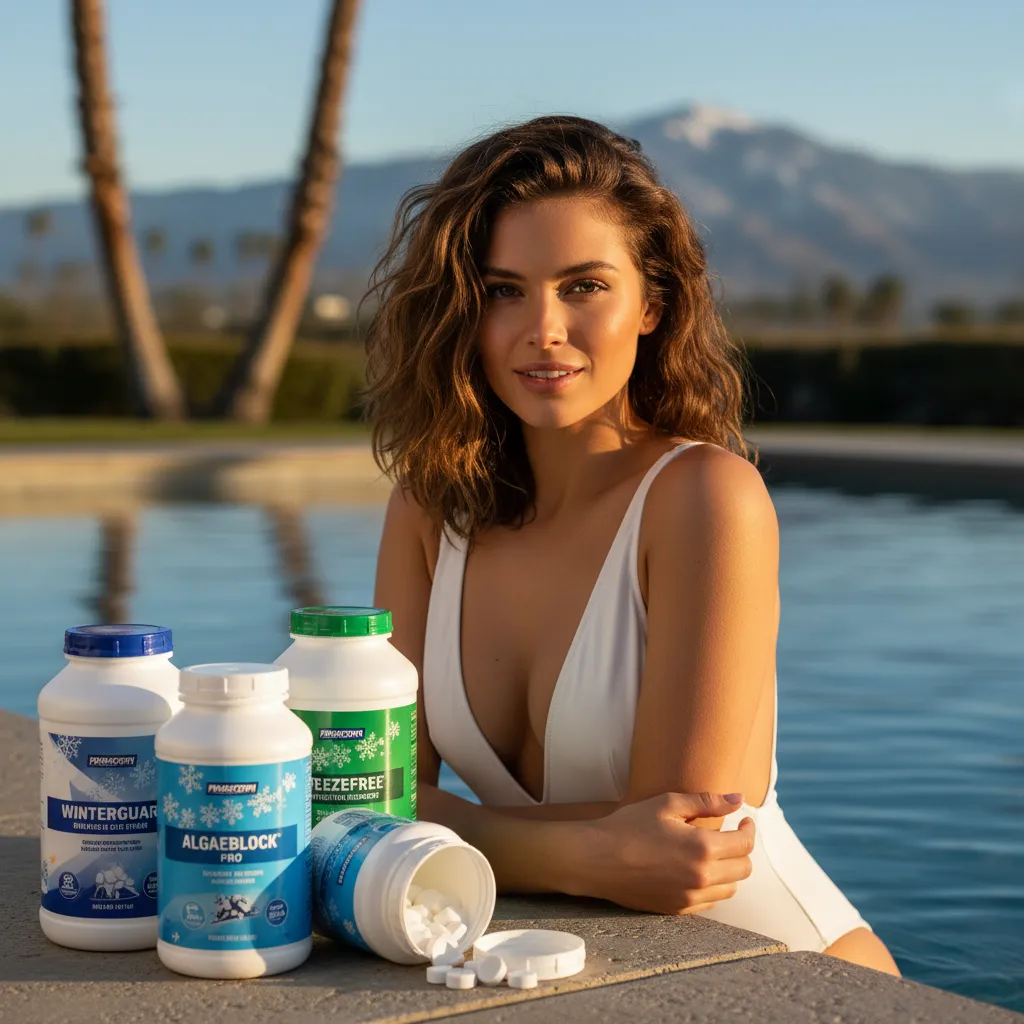
"The all-in-one solution for a guaranteed clear spring opening."
All-in-One Closing Chemical Kit
Winter demand is high - check stock

"The 'set & forget' option. This is the easiest winterizing I've ever done."
Simple 3-in-1 Winterizing Balls
Winter demand is high - check stock
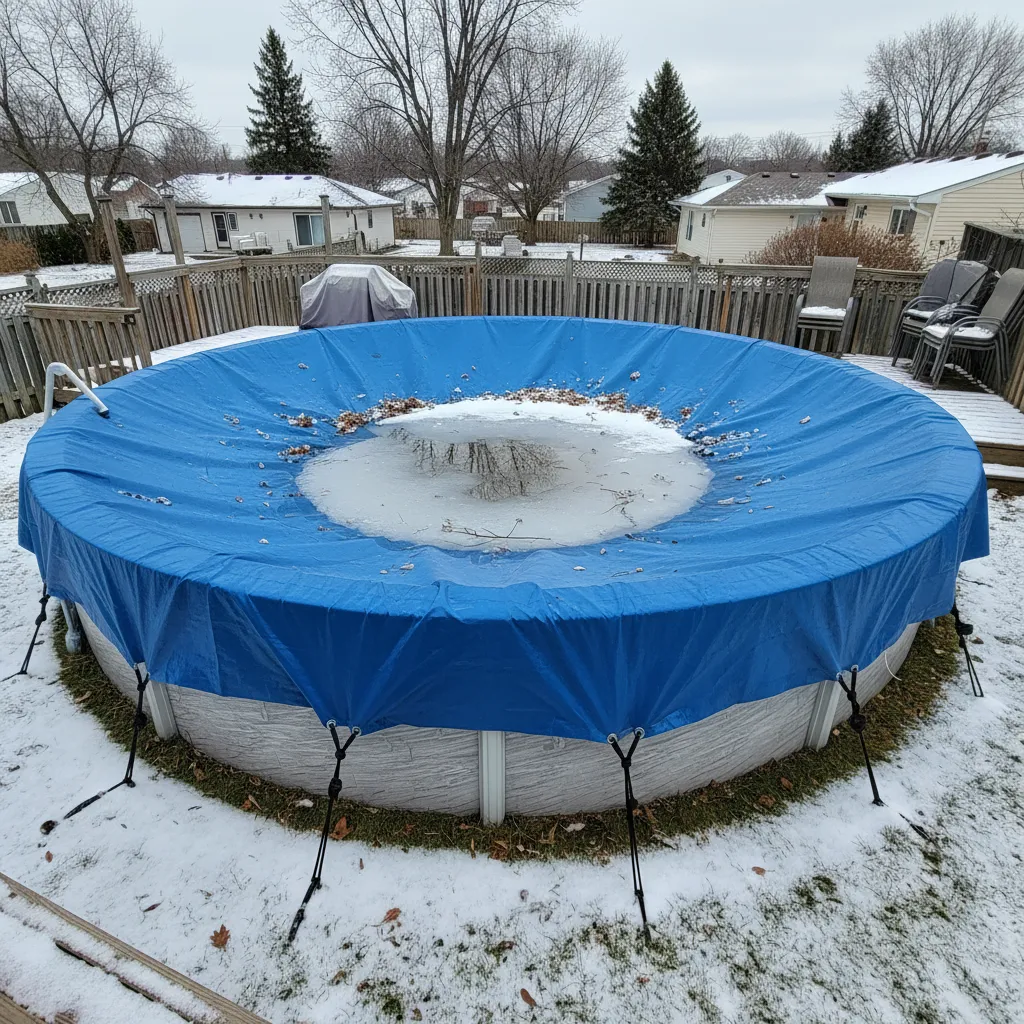
"Invest once to protect your liner and prevent a swamp in the spring."
Heavy-Duty Winter Pool Cover
Winter demand is high - check stock
Solid Pool Covers
Made from vinyl or thick plastic, solid covers block sunlight and debris. These sheets sit tight over the pool, often anchored with straps or weights.
Do Solid Covers Allow Water Penetration?
A new solid cover won’t let water through. Its tight weave stops rain and snow from seeping in. But if the cover has holes, worn spots, or sags, water can pool on top or slip through gaps. For example, a 16-mil solid cover holds up to 1,500 lbs of water but may leak if torn.
Mesh Pool Covers
Mesh covers use loose-woven fabric, like tight-knit netting. They’re light, let rain pass through, and stop leaves.
Can Water Pass Through Mesh Covers?
Yes—mesh lets 70-90% of water flow into the pool. This keeps the cover from sagging but means dirt and fine bits might enter. A “fine mesh” type with 95% blockage still allows some seepage, unlike solid styles.
Automatic Pool Covers
These motorized covers roll out on tracks. Made of strong fabric, they seal the pool when closed.
Does Water Get Under an Automatic Pool Cover?
When shut tight, automatic covers block most water. But if tracks get debris or the seal wears, water can creep in. Heavy rain might push water under the edges if the cover isn’t fully sealed. Check tracks each month for gaps.
Now that we see how each cover type handles water, let’s explore why some stay dry while others leak.
How Pool Covers Manage Water
Pool covers balance water containment with controlled permeability, depending on design and purpose. While no cover guarantees 100% waterproofing, engineering choices determine how moisture interacts with the material. The way a pool is maintained can affect its overall condition. For those considering a switch to saltwater systems, proper conversion methods are essential for optimal performance.
The Science Of Water Seepage
Water movement through pool covers depends on material density and molecular structure. Solid vinyl or thermoplastic covers use tightly woven layers to block liquid transfer, achieving up to 99% water resistance. Mesh covers, designed with woven polypropylene fibers, allow controlled seepage at rates between 70-100 gallons per hour per square foot. Hydrostatic pressure—the force exerted by standing water—can push moisture through microscopic gaps in seams or stitch lines, even on high-quality covers. Permeability tests show that covers rated below 16 mil thickness are more prone to capillary action, where water climbs through material fibers.
Why Water Pools on Top Vs. Seeps Through
Surface tension causes rainwater or melted snow to form puddles rather than penetrate immediately. On solid covers, water pools until weight exceeds 5 lbs/sq ft, at which point stress on seams or weak spots may lead to seepage. Mesh covers redirect water downward while filtering debris, but prolonged saturation can overwhelm their drainage capacity. Slope also plays a role: covers with less than 1.5% incline allow water to accumulate instead of sliding off.
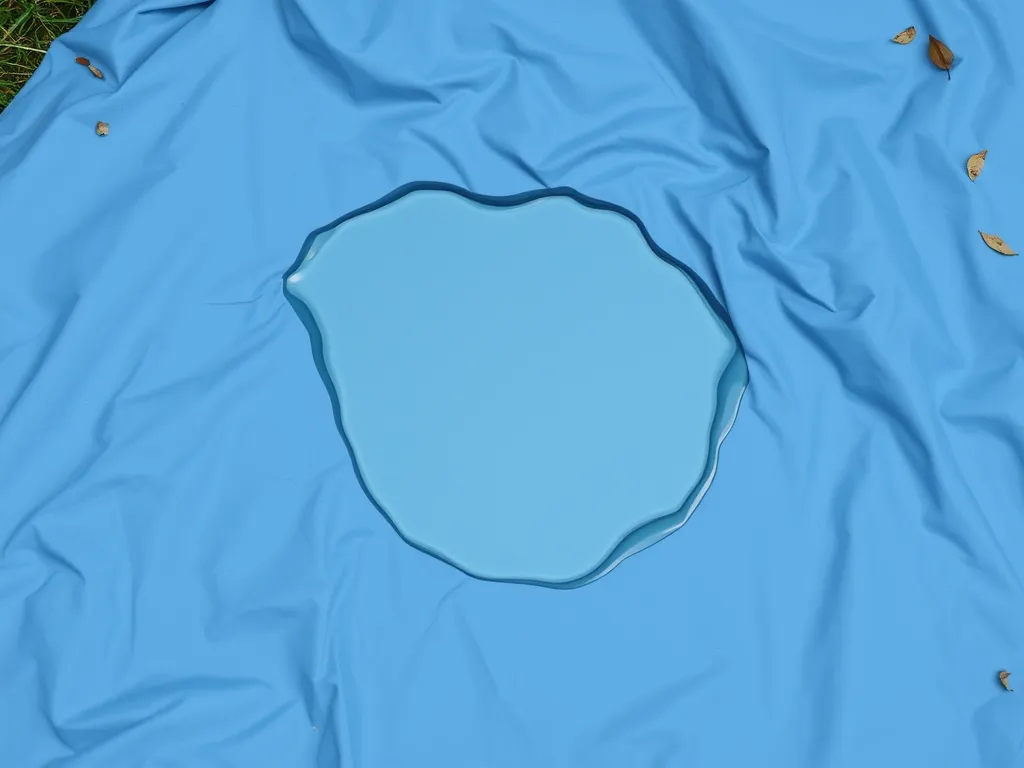
Key Factors That Allow Water Through Pool Covers
Four primary variables influence whether moisture breaches a pool cover. Recognizing these helps owners address vulnerabilities before leaks occur.
Material Quality and Thickness
Thinner covers (8-12 mil) permit up to 30% more seepage than heavy-duty 18-22 mil options. UV-resistant polyethylene retains integrity longer, while budget vinyl degrades faster, developing pinhole leaks within 2-3 seasons. Tests show that multi-layer laminated covers reduce seepage by 45% compared to single-ply designs.
Punctures, Tears, or Aging Materials
A 1/8” tear can allow 50+ gallons of water daily to enter the pool. Oxidation weakens covers over time, making them brittle and prone to cracking. Annual inspections should check for seam separation, a common failure point responsible for 68% of winter cover leaks. Keeping your pool covered can help reduce water loss and protect against debris. Properly attaching a solar pool cover can further enhance your pool’s efficiency and warmth.
Improper Installation and Fit
Gaps wider than 1/2” between the cover and pool edge let wind-driven rain bypass the material entirely. Sagging areas create low spots where water collects, exerting up to 12 PSI pressure that forces moisture through the cover. Proper tensioning with spring-loaded anchors reduces this risk by 80%.
Winter Conditions: Does Cold Weather Increase Seepage?
Freeze-thaw cycles cause materials to contract by 3-5%, opening seams. Ice sheets weighing 4-7 lbs/sq ft press water through covers at triple summer rates. Subzero temperatures make vinyl 40% more brittle, accelerating crack formation. Thermal shocks from rapid temperature swings account for 22% of cold-weather seepage cases.
Spotting early signs of leakage requires regular monitoring—a skill every pool owner should master. Next, we’ll explore practical methods to detect and diagnose water passing through your cover. Keeping your pool in top condition is essential, especially when you consider the benefits of a pool ionizer. A pool ionizer can help maintain water quality while reducing the need for harsh chemicals.
Also See: Can You Run Pool Filter With Solar Cover on?
How to Detect a Leaking Pool Cover
Spotting leaks early prevents long-term damage to your pool and cover. While some moisture transfer is normal with certain covers, excessive seepage indicates a problem needing attention. Regular maintenance of your pool system is key to avoiding complications. One important aspect to consider is whether it’s time to replace the pool pump motor for optimal performance.
Signs Of Water Seepage Under the Cover
Look for visible water accumulation between the cover and pool surface, which creates a “floating” appearance. Dark patches or algae growth under solid covers suggest trapped moisture. Sagging areas or stretched seams in mesh covers may signal material fatigue allowing water penetration. A musty smell near the pool deck often accompanies microbial growth from persistent dampness. Keeping water clear and free from contaminants is also vital for pool health. A no phos pool helps prevent algae growth and maintains cleaner water for everyone to enjoy.
Performing a Bucket Test for Leaks
Place a weighted bucket filled with pool water on the first step, marking levels inside and outside. After 24 hours, compare both measurements. If the pool level drops more than 1/4″ beyond the bucket’s loss, your cover likely allows excessive seepage. This test works best during dry weather to rule out rain interference.
Monitoring Water Level Changes
Track water levels weekly using a ruler placed vertically against the pool wall. Normal evaporation ranges from 1/8″ to 1/4″ daily depending on humidity. A sudden drop exceeding 1/2″ per day points to cover leaks or structural gaps. Document measurements seasonally—colder months typically show slower evaporation rates, making leaks easier to identify. To maintain proper water levels, it’s also essential to consider the effects of UV rays. A pool screen with UV block can help reduce evaporation and protect the water from harmful sun exposure.
Consequences Of Water Buildup on Pool Covers
Left unchecked, water seepage creates a cycle of damage affecting both your cover and pool system. Managing moisture isn’t just about clarity—it’s about protecting your investment.
Damage Risks From Standing Water
Accumulated water adds up to 8 lbs per gallon, straining cover materials. Freezing temperatures expand this weight, tearing seams in solid covers or warping vinyl layers. Mesh covers with standing water may develop mold in fibers, reducing breathability and shortening lifespan by 2-3 years.
Algae Growth and Water Contamination
Warm, stagnant water beneath covers becomes a breeding ground for algae spores and bacteria. Cyanuric acid from pool water can concentrate under covers, lowering sanitizer effectiveness. Test strips often show 0.5-1.0 ppm higher chlorine demand in covered pools with seepage issues compared to sealed systems. This can lead to the growth of undesirable pool cover algae. Managing these factors is crucial to keep your pool clean and safe.
Structural Stress on Cover and Pool
Hydrostatic pressure from trapped water pushes against pool walls, potentially cracking tile lines or shifting coping stones. Automatic covers suffer motor strain when moving against water weight, with repair costs averaging $300-$800 for gear replacements. Winter safety covers may exceed anchor capacity, bending stainless steel springs rated for 250-400 lbs tensile strength.
Preventing Water Seepage Through Pool Covers
Proactive strategies minimize seepage while extending cover performance. From material science to mechanical aids, solutions exist for every pool type.
Selecting the Right Cover for Your Climate
Heavy rainfall areas need solid covers with 18+ mil thickness and reinforced drain panels. Arid regions benefit from breathable mesh with 90% UV blockage and 500+ denier ratings. Hybrid “water-block” covers use layered polypropylene with hydrostatic vents, reducing seepage by 60% compared to standard models.
Proper Installation Techniques
Ensure 6-12 inches of overlap beyond the pool edge for all cover types. Use spring-loaded straps tightened to 25-35 lbs tension for safety covers, creating a drum-like surface that sheds water. Automatic tracks require 1/8″ gap tolerance—wider spacing allows wind-driven rain underneath. Always check manufacturer specs; a 16’x32’ cover needs 72+ anchor points for even weight distribution. For those looking to improve convenience, a DIY automatic pool cover can be a great option. It helps protect your pool while reducing maintenance effort and costs.
Using Support Pillars for Weight Distribution
Install inflatable air pillows ($15-$50) or rigid foam pillars under the cover’s center, creating a 2-4° slope. This directs water toward edges where submersible pumps can remove it. For large pools (30,000+ gallons), space support poles every 8-10 feet—angled at 15° from vertical to handle snow loads up to 50 lbs/sq ft. Keeping your pool in good condition is important for ensuring it holds the right amount of water. Knowing how many liters your swimming pool holds can help with maintenance and chemical balance.
With detection methods and prevention strategies in place, maintaining your pool cover’s integrity becomes the next critical step.
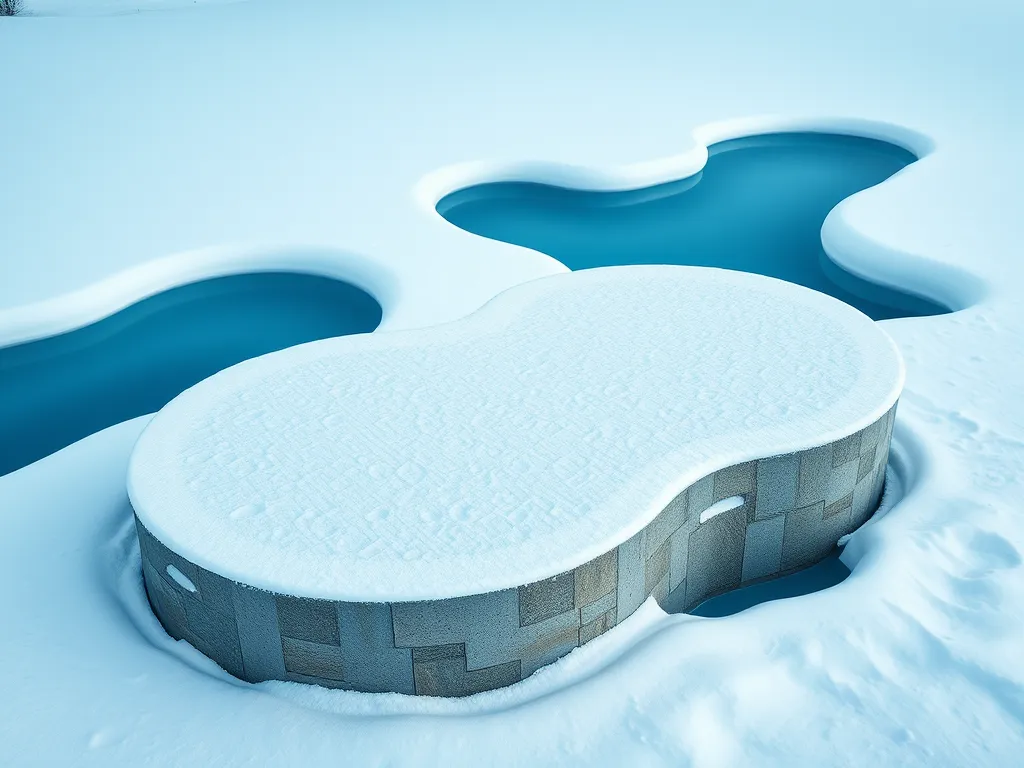
Vital Pool Cover Upkeep
Pool covers work hard to block H2O intrusion, but only if maintained right. Without routine care, tiny gaps or flaws can form, allowing liquid to trickle through. Focus on three primary tasks: cleaning, inspections, and knowing your cover’s lifespan. It’s also important to check for sagging, which can hinder a cover’s effectiveness. Sagging can lead to pooling water on the surface, putting additional stress on the cover and increasing the risk of damage.
Cleaning Debris to Stop Harm
Twigs, dirt, and leaves sitting on your cover do more than look bad. Sharp objects grind into materials during wind shifts, creating micro-tears. A 1/8-inch puncture in solid vinyl lets up to 50 gallons slip through monthly. Wash surfaces using a soft brush and pool-safe cleaner, avoiding harsh tools that scratch. For mesh variants, flush dirt downward with a garden hose—this stops grit from lodging in pores.
Checklists for Seasonal Reviews
Twice a year—before summer opening and winter closing—do a full scan. Look for fading (UV damage weakens fibers), stretched seams, or rust on grommets. Test automatic models by cycling them open/closed; misaligned tracks let rain slip under. Apply a silicone-based lubricant to moving parts. If your solid cover sags by over 2 inches when dry, it’s likely losing tautness.
Signs Your Pool Cover Needs Swapping
Covers don’t last forever. Solid types typically function 5-7 years; mesh lasts 8-10 with good care. If you spot cracks, fraying threads, or pooling that didn’t happen before, it’s time. A quick test: pour a bucket of H2O on a dry cover. If liquid shows under it within 24 hours, replacement is urgent.
Getting Rid Of H2O on Pool Covers
Liquid buildup atop a cover isn’t just heavy—it risks slip-throughs. A 12’x24’ solid cover holding 1 inch of rain holds roughly 180 gallons. That’s 1,500 pounds stressing fabric and anchors. Act fast to drain it.
Picking the Right Pump for Draining
Automatic pumps like the Superior Pump 91250 (1/4 HP) handle up to 1,800 gallons daily. Place it at the cover’s lowest spot, avoiding direct contact with fabric to prevent suction damage. For winter, opt for submersible models with freeze protection—they turn on when liquid hits 35°F. Run pumps 2-3 hours post-storm; constant cycling strains motors. While choosing the right equipment is important, so is selecting the standard length for pool sticks for your game. The standard length for pool sticks typically ranges from 57 to 58 inches, but players may prefer different sizes for comfort and control.
Hand Draining: Siphons and Wet/dry Vacs
No pump? A 1-inch diameter garden hose works as a siphon. Fill it with H2O, cap both ends, submerge one side on the cover, then drop the other end downhill. Gravity pulls liquid out at ~5 gallons per minute. Shop-vacs with a “blow” function can push puddles toward drains. Always avoid sharp nozzles that might pierce materials.
Stopping Rain Buildup Before It Starts
Air pillows under covers create a dome shape, guiding H2O to edges. Pair this with a slight slope (1-inch drop per 10 feet) for runoff. Trim nearby trees to limit leaf dams that trap liquid. In snowy zones, install a cover with a central raised panel—it splits weight loads and stops ice from forming flat sheets that melt into pools.
Now that you know how to fight H2O on top, what about what’s hiding below? Our next part digs into common myths and facts about covers and liquid intrusion.
FAQs: Water and Pool Cover Concerns
How Does UV Exposure Impact a Pool Cover’s Water Resistance Over Time?
Prolonged sunlight breaks down materials like vinyl and polypropylene, reducing thickness and creating micro-cracks. A cover losing 20% of its original thickness due to UV degradation may allow 3x more seepage than when new. Annual UV protectant sprays can slow this process by up to 40%.
Can Using Multiple Pool Covers Improve Water Blockage?
Layering covers often causes friction damage and traps moisture between layers, accelerating mold growth. Instead, opt for a single reinforced cover with laminated layers—dual-ply designs reduce seepage by 55% without the risks of DIY doubling.
Do Above-ground Pools Face Different Seepage Challenges Than In-ground?
Yes. Above-ground covers endure 30% more wind uplift force, which can create gaps. Their lighter construction (often 12-14 mil vs. 16-20 mil for in-ground) and curved edges require specialized tensioning systems to prevent rain from bypassing the cover entirely.
Should I Remove My Cover During Extreme Weather Events?
Never during storms—exposed pools risk contamination and structural damage. Instead, use a pump-rated cover (8,000+ GPH capacity) and ensure support pillars are installed. Covers designed for hurricane regions can withstand 60+ mph winds without lifting. As winter approaches, it’s important to think about draining the pool properly. Draining the pool helps prevent freeze damage and keeps it in good shape for spring.
Does Water Seeping Through Covers Alter Pool Chemistry?
Yes. Each 1,000 gallons of seeped rainwater can dilute chlorine by 0.8 ppm and lower pH by 0.3. Use a cover with <70% permeability to maintain balance, and test water within 4 hours after heavy rainfall if seepage occurs.
Closing Thoughts
Pool covers are designed to protect your pool, but water seepage depends on the type, quality, and condition of the cover. Solid covers block water best, while mesh allows some passage. Automatic covers need tight seals to prevent leaks.
Proper installation and maintenance make a difference. Check for tears, ensure a snug fit, and use cover pumps to manage standing water. Winter conditions can increase seepage risks, so inspect covers before cold weather hits.
For precise water level tracking or maintenance schedules, try My Pool Calculator. Our tools help pool owners stay ahead of leaks and keep their pools in top shape year-round.
Additional Resources for You:
- CDC – Healthy Swimming & Pool Safety Guidelines
- r/pools on Reddit: What do you do with water on pool cover when opening? Drain completely off or allow it back into your pool, shock & vacuum?
- The 7 Enemies of a Winter Pool Cover
- Swimming Pool Covers: The Good, the Bad, and the Ugly
- Here’s Why You Need to Keep Water Off Your Pool Cover
A pool care geek who’s been testing water chemistry since she was tall enough to reach the skimmer.
Pool Covers, Pool Equipment Repair, Safety Equipment