Can You Swim With a Pool Vacuum? Safety, Functionality, and Best Practices
Published on: February 9, 2026 | Last Updated: November 17, 2025
Written By: Rachael Weatherbottom
Swimming with an active pool vacuum is possible under specific conditions, but safety depends on your cleaner type and pool setup. Robotic cleaners using low-voltage electricity (24V-48V) pose minimal shock risk but create underwater movement, while suction-side vacuums connected to your pump system may reduce water circulation during use. Automatic pressure-side cleaners with booster pumps increase entanglement risks due to stronger water jets. Always prioritize manufacturer instructions and visible hazard warnings before entering the water.
This guide breaks down the science behind pool vacuum operation and swimmer safety. You’ll learn how different cleaners work during active use, from robotic models with obstacle detection to suction systems that alter pump performance. We analyze real-world scenarios: children playing near floating cords, adults swimming laps near active cleaner jets, and pets interacting with moving parts.
Explore detailed protocols for each vacuum category, including electrical safety standards (NEC Article 680), entanglement prevention strategies, and water chemistry impacts during simultaneous cleaning/swim sessions. Get time-tested maintenance schedules and pro tips for balancing pool hygiene with recreational use – because crystal-clear water shouldn’t mean compromised safety.
Understanding the Core Question: Can You Swim With a Pool Vacuum?
Many pool owners ask whether swimming with a pool vacuum poses risks. While some scenarios allow limited co-existence of swimmers and active cleaners, safety depends on multiple variables. Let’s break down the core elements influencing this decision. It’s important to consider safety equipment that can help protect swimmers. Pool safety covers are essential for preventing accidents when the pool is not in use.
Crucial Winterizing Products

"The all-in-one solution for a guaranteed clear spring opening."
All-in-One Closing Chemical Kit
Winter demand is high - check stock

"The 'set & forget' option. This is the easiest winterizing I've ever done."
Simple 3-in-1 Winterizing Balls
Winter demand is high - check stock
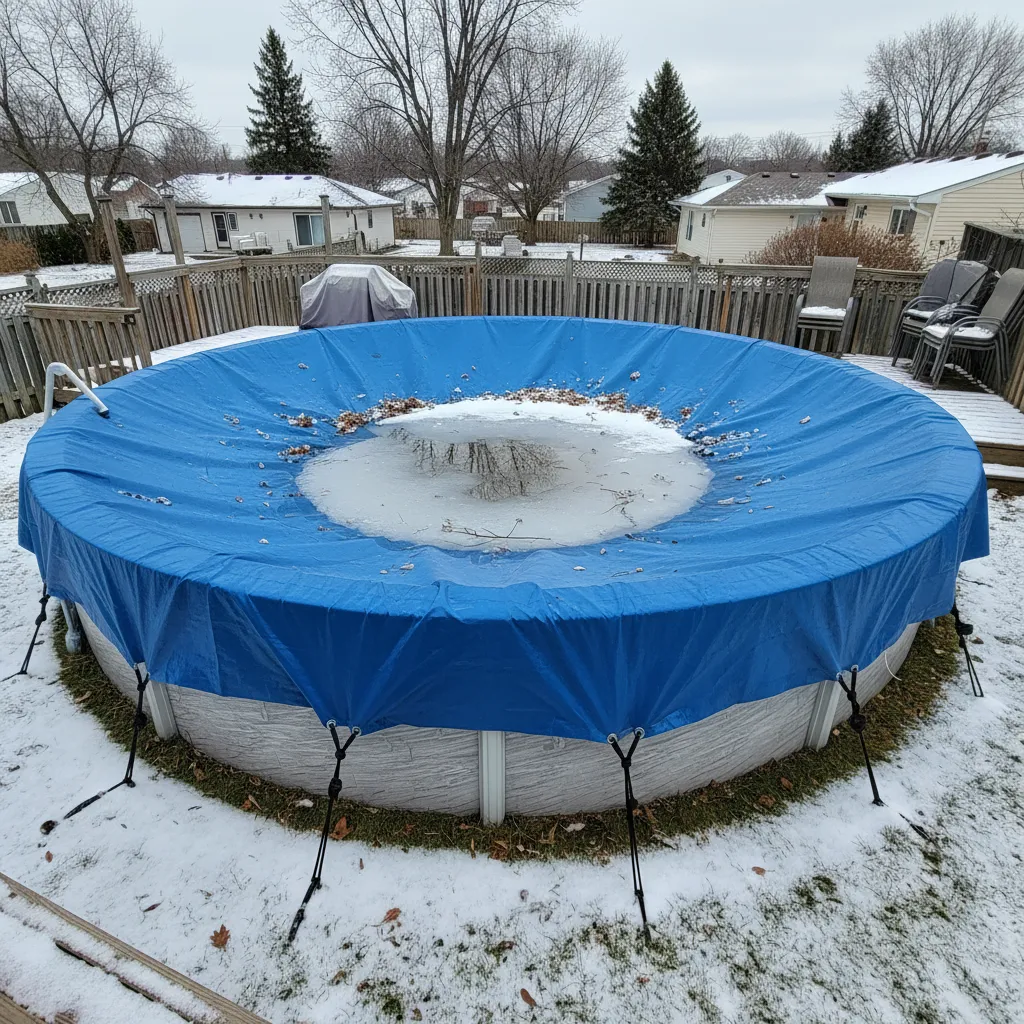
"Invest once to protect your liner and prevent a swamp in the spring."
Heavy-Duty Winter Pool Cover
Winter demand is high - check stock
Immediate Safety Considerations
Physical hazards top the list of concerns. Cords or hoses connected to suction-side or robotic vacuums create entanglement risks, particularly during vigorous swimming. Robotic models add electrical elements, as most operate on 24-32V DC systems. Though low-voltage, exposed wiring or damaged units can still deliver shocks. Suction-side vacuums pose entrapment dangers at skimmer or main drain ports, generating forces up to 300 pounds per square inch—enough to trap hair, limbs, or swimwear.
Chemical distribution also matters. Active vacuums stir water, potentially concentrating chlorine or algaecides in specific zones temporarily. Swimmers might encounter uneven levels, leading to skin irritation or eye discomfort.
Factors Influencing Safety (Vacuum Type, Pool Size, Activity Level)
Three key elements determine whether swimming with a pool vacuum is feasible:
- Vacuum Type: Robotic cleaners lack suction ports but have moving parts and electrical components. Suction-side models require the pump to run, activating strong intake currents. Pressure-side cleaners use return jets, creating less direct risk but still generating water turbulence.
- Pool Size: Compact pools under 12,000 gallons limit maneuverability, increasing swimmer-vacuum contact chances. Larger pools reduce but don’t eliminate this issue.
- Activity Level: Children playing games or adults doing laps heighten entanglement risks compared to gentle wading. High-energy activities demand stricter safety margins.
Manufacturers like Pentair and Hayward typically advise against swimming with active cleaners, citing liability and unpredictable scenarios. Yet some robotic models, such as the Dolphin Nautilus CC Plus, include proximity sensors to avoid collisions—though these aren’t foolproof.
Next, we’ll examine specific risks tied to different vacuum systems and how to mitigate them effectively.
Safety Risks Of Swimming With an Active Pool Vacuum
Pool vacuums keep water clean, but active units present unique risks during swimming sessions. These devices aren’t just cleaning tools—they create dynamic conditions requiring careful evaluation before entering the water. It’s important to ensure that everyone in the pool is safe while swimming. One solution being developed is the pool urine detector, which helps maintain cleaner and safer swimming environments.
Entanglement Hazards With Cords/hoses
Robotic cleaners and suction-side models use cords or hoses that drift freely in water. A 24-foot hose on suction vacuums or a 50-foot power cable on robotic units can wrap around limbs, particularly during active play. Children face higher risks due to smaller body size and unpredictable movements. Even slow-moving hoses pose snag threats near drains or ladders.
Water Circulation and Chemical Distribution Impacts
Active vacuums alter flow patterns designed for skimmers and filters. Robotic models moving at 15-20 feet per minute create localized currents that disrupt chlorine dispersion. This can leave pockets of under-treated water—a concern if swimmers ingest it. Pressure-side cleaners injecting filtered water at 20-30 PSI may temporarily concentrate chemicals near return jets, increasing eye/skin irritation risks. The speed of a vacuum pump plays an important role in how effectively it removes unwanted substances. Faster speeds can lead to better suction and cleaner water in pools.
Electrical Safety for Robotic/powered Cleaners
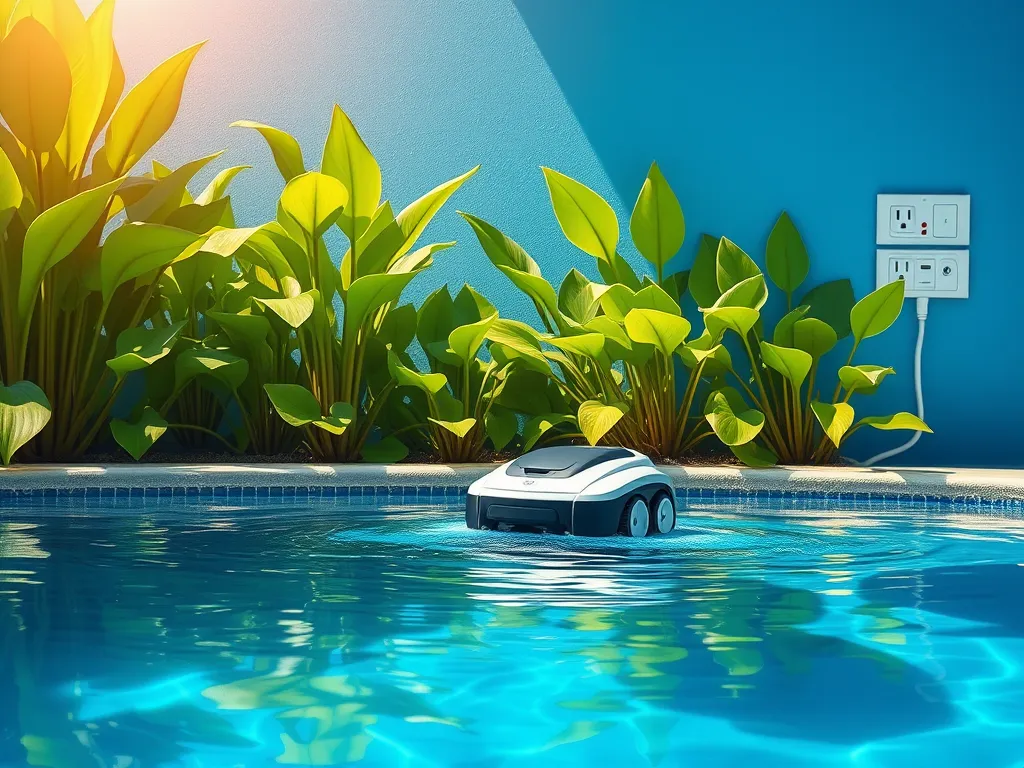
Robotic units operate on 24V-36V systems, but faulty wiring or damaged cords can expose swimmers to stray currents. Always verify GFCI (Ground Fault Circuit Interrupter) protection for power supplies—a critical safeguard that cuts power in 1/40th of a second if issues arise. Never handle power units with wet hands or let them dangle near pool edges.
Guidelines by Pool Vacuum Type
Safety protocols vary dramatically across cleaner categories. Matching precautions to your system’s mechanics prevents accidents while maintaining cleaning efficiency.
Robotic Pool Cleaners
These self-contained units lack direct pump connections but require strict power management. Most manufacturers specify a 3-foot swimmer clearance during operation.
Swimming Precautions with Robotic Units
Never touch a moving robotic cleaner—its brushes spin at 30-40 RPM, enough to trap hair or loose swimwear. Schedule runs during off-peak hours when possible, and always unplug the unit before entering if swimmers are present.
Best Run Times for Robotic Models
Run most residential robots 2-3 hours daily for upkeep. For pools seeing heavy use, split cycles into morning and evening sessions to avoid overlap with swimming times. Advanced models with programmable timers simplify this scheduling. Keeping the water at the right temperature is also important for a pleasant swim. A pool thermometer can help monitor the water temperature easily.
Suction-side Pool Vacuums
Connected directly to the pool’s filtration system, these cleaners rely on pump suction that demands careful power management during swim sessions.
Pump System Interactions During Swimming
Suction ports generate pull forces up to 45 gallons per minute—strong enough to trap limbs against drains. Always switch off the pump before entering the pool. If maintaining circulation during use, reduce pump speed to 1,200 RPM or lower and install vacuum relief vents. Ensuring the right balance in your pool’s chemistry is essential. One important factor is calcium hardness, which helps prevent damage to surfaces and equipment.
Pressure-side Pool Cleaners
These systems use return-line pressure to move and often include separate debris bags. Their high-output jets require specific handling.
Water Pressure Considerations
Operating at 15-30 PSI, pressure-side jets can propel debris at speeds unsafe for nearby swimmers. Keep cleaner heads at least 4 feet from pool walls when active, and check pop-up valves weekly to prevent sudden pressure surges. It is important to consider how these factors can affect bromine corrosion equipment. Proper maintenance and monitoring are essential to ensure that the equipment can withstand harsh conditions caused by bromine exposure.
Being aware of these mechanics helps balance pool cleanliness with swimmer safety. Up next: actionable steps to enjoy your pool while maintaining vacuum efficiency.
Also See: Can You Rent a Pool Vacuum? Here’s What to Know
How to Safely Swim While Using a Pool Vacuum
Swimming with a pool vacuum needs care to stop risks. Learn key steps to mix pool fun with cleaner use.
Pre-swim Checklist for Active Cleaners
Check these points before entering a pool with a working vacuum:
| Check | Why It Matters |
|---|---|
| Secure cords/hoses | Prevents loops that trap limbs |
| Test suction ports | Guards against hair/clothing grabs |
| Set pump to low mode | Reduces pull force at drains |
Supervision Requirements for Children/pets
Never let kids or pets swim with a pool vacuum alone. Watch for:
- Hands near moving parts on robotic units
- Chewing on floating cords
- Dive risks near cleaner paths
Signs to Exit the Pool Immediately
Leave the water if you spot:
- Twisted cords blocking swim lanes
- Sudden pump noise shifts
- Cloudy water from kicked-up debris
Operational Duration Guidelines
Run times affect both gear health and swim safety. Track use by cleaner type.
Maximum Continuous Use Times by Vacuum Type
| Type | Max Hours |
|---|---|
| Robotic | 3-4 |
| Suction | 2-3 |
| Pressure | 4-5 |
Leaning Cleaners in the Pool Overnight: Pros and Cons
All-night runs save time but risk wear. Robotic units may tangle in dark. Suction hoses can kink if left for 8+ hours. Weigh cleaner strain vs. next-day swim plans.
Maintenance Impact Of Extended Operation
Long cycles clog filters faster. Check baskets after each use. Motors last 2-3 years with 2-hour daily runs but fail sooner at 5+ hours. Balance clean needs with part costs. It’s also important to consider how this affects the lifespan of your pool salt cell. Regular maintenance can help extend the life of the salt cell significantly.
Pool Vacuum Maintenance for Swimmer Safety
Safe swims start with gear care. Keep your cleaner in top shape.
Regular Hose/cord Inspections
Check for splits, bulges, or frayed ends each week. Replace hoses every 2 years. Test robotic cords for shock risks with a volt meter monthly.
Cleaning Cycle Scheduling Around Pool Use
Run vacuums 1 hour before swim time. This clears debris without mixing kicks. Post-swim cycles work but add wear from leaves stuck on wet skin.
Storage Best Practices
After use:
- Coil cords/hoses loose – tight loops crack lines
- Dry robotic tracks – wet gears rust
- Store in shade – sun warps plastic parts
Knowing when to pause your pool vacuum leads to smarter swim plans. Up next: answers to common mix-use questions.
FAQs About Swimming With Pool Vacuums
Can Pets Safely Swim Near Active Pool Vacuums?
While pets can technically swim with vacuums active, their unpredictable behavior increases entanglement risks. Always supervise animals closely, secure cords away from play areas, and consider using robotic models with automatic shut-off sensors if pets frequent the pool.
What Emergency Steps Should Be Taken if a Swimmer Contacts a Running Vacuum?
Immediately power off the vacuum at the source (unplug robotics or shut off the pump for suction/pressure models). Do not pull entangled limbs forcefully—carefully unwind cords/hoses while keeping the swimmer calm. Seek medical help for suction-related injuries or electrical exposure. When it comes to swimming without pumps, it’s important to consider options that do not rely on pumps. Swimming without pumps can be safer and more natural for both swimmers and the environment.
Does Swimmer Activity Reduce a Vacuum’s Debris Collection Efficiency?
Yes, vigorous swimming creates water turbulence that disrupts vacuum paths and stirs settled debris. Robotic cleaners may avoid obstacles, while suction models struggle with disturbed dirt. For optimal cleaning, run vacuums during low-activity periods. Many people are turning to robotic pool cleaners for a hassle-free solution. These advanced devices efficiently handle dirt and debris, keeping pools clean with minimal effort.
Are Manual Pool Vacuums Safer for Use During Swimming Than Automatic Models?
Manual vacuums require direct human operation, making simultaneous swimming impractical and unsafe. Their unattended hoses still pose suction risks if left connected to active pump systems. Always remove manual equipment before allowing swimmers to enter. Keeping the pool clean is important, as it affects water quality. To ensure safe and clean drinking water, it’s essential to have a proper purification system for pool water.
Should Chemical Levels Be Adjusted When Vacuuming During Swim Sessions?
Vacuuming can temporarily concentrate chemicals near return jets. Test water before swimming and maintain free chlorine between 1-3 ppm with pH 7.2-7.6. Avoid adding chemicals during active swim/vacuum sessions to prevent localized irritation hotspots. Keeping the pool clean helps avoid dirt accumulation at the bottom. A clean dirt bottom pool not only looks better but also keeps the water healthy for swimmers.
How Do You Safely Remove a Stuck Vacuum Without Draining the Pool?
For stuck robotic units, use the manufacturer’s app or manual controls to reverse direction. For suction/pressure cleaners, turn off the pump to release suction, then gently dislodge the unit with a pool pole. Never dive to physically intervene with an active system. After addressing these issues, it’s also a good practice to think about safety around the pool. Removing the pool ladder can prevent accidents when the pool is not in use.
Closing Thoughts
Swimming with an active pool vacuum requires careful consideration of safety factors, equipment type, and manufacturer guidelines. While robotic cleaners often allow for simultaneous use, suction-side models pose greater risks. Always prioritize proper supervision, equipment maintenance, and clear pool access points.
For precise calculations on vacuum run times, chemical adjustments, or pump settings during swimming periods, visit My Pool Calculator. Our tools help balance pool maintenance with recreational use while keeping safety at the forefront.
When in doubt, err on the side of caution—schedule cleaning cycles during off-hours and always follow the specific recommendations for your vacuum model. A clean pool should never compromise swimmer safety.
Additional Resources for You:
- Lowry, R. (2018). Pool Chemistry for Service Pros: The Ultimate Guide to Water Balance. Laguna Hills, CA: Pool Chemistry Training Institute.
- Can you leave robotic pool cleaner in pool? – AlphaPools
- Using a pool vacuum to clean your pool: Top tips and step-by-step guide – Fluidra
- Can I swim while my Dolphin is cleaning the pool?
- Can we swim while the Dolphin M400 is cleaning? | Trouble Free Pool
A pool care geek who’s been testing water chemistry since she was tall enough to reach the skimmer.
Cleaning Tools, Pool Cleaning & Maintenance, Pool Vacuums