Can You Swim in a Purple Pool? Safety, Causes, and Solutions
Published on: February 6, 2026 | Last Updated: November 17, 2025
Written By: Rachael Weatherbottom
Swimming in a purple pool isn’t recommended due to potential health risks. The unusual color typically stems from chemical imbalances or metals like copper reacting with high cyanuric acid levels (a stabilizer in chlorine). These reactions create compounds like copper cyanurate, which can irritate skin and damage pool equipment. Purple water often signals a chemistry failure requiring immediate testing and treatment.
This article explains why pools turn purple, how to assess safety risks, and proven methods to restore water clarity. You’ll learn how copper interacts with cyanuric acid at levels above 80 ppm, why mineral stains differ from algae growth, and how regional factors like Florida’s hard water intensify these issues.
We’ll guide you through testing pH and metal levels, using sequestrants to remove stains, and preventing future discoloration. Discover how long-term exposure to purple water affects swimmers, when to drain a pool, and cost-effective strategies to avoid copper cyanurate buildup. Dive in to protect your pool—and your health.
What Causes Purple Pool Water?
Purple pool water often catches pool owners off guard. While unusual, the discoloration stems from specific chemical reactions or organic growth. Pinpointing the root cause determines treatment methods and safety protocols for swimming. Maintaining water clarity also involves using proper filtration systems. To keep the pool safe, sand filters may need to be complemented with chlorine to eliminate harmful contaminants.
Crucial Winterizing Products
"The all-in-one solution for a guaranteed clear spring opening."
All-in-One Closing Chemical Kit
Winter demand is high - check stock

"The 'set & forget' option. This is the easiest winterizing I've ever done."
Simple 3-in-1 Winterizing Balls
Winter demand is high - check stock
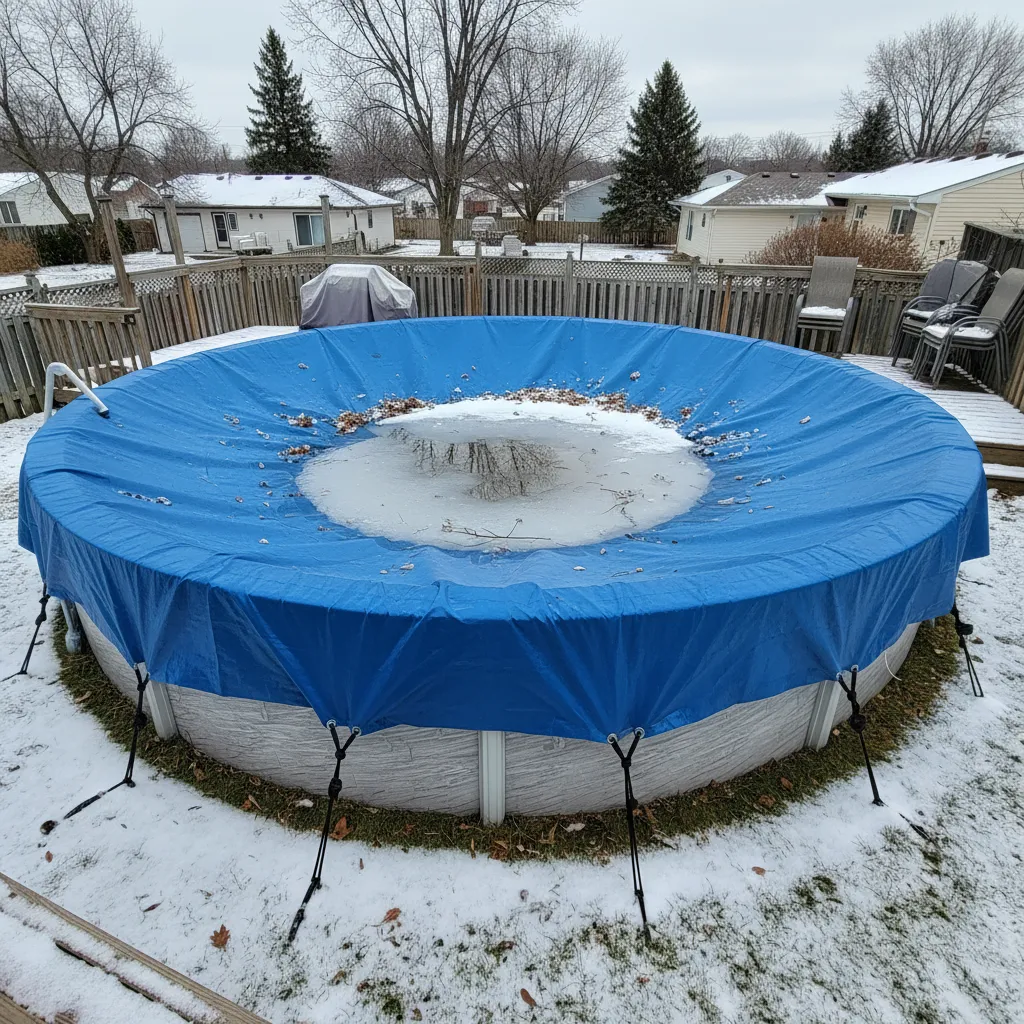
"Invest once to protect your liner and prevent a swamp in the spring."
Heavy-Duty Winter Pool Cover
Winter demand is high - check stock
Chemical Imbalances and Metal Reactions
Metals like copper or manganese reacting with imbalanced water chemistry frequently trigger purple hues. Copper enters pools through corroded heaters, algaecides, or mineral-rich fill water. When pH climbs above 7.8 or total alkalinity exceeds 120 ppm, metals dissolve faster. Oxidized copper ions then bind with other compounds, creating vivid shades ranging from lavender to deep violet. Test kits measuring metal concentrations (above 0.2 ppm copper indicates risk) help confirm this issue.
High Cyanuric Acid and Copper Interactions
Elevated cyanuric acid (CYA), a chlorine stabilizer, worsens metal-related discoloration. At CYA levels over 100 ppm, free chlorine efficiency drops. Inactive chlorine allows copper to remain dissolved instead of oxidizing into filterable particles. Worse, CYA bonds with copper ions to form copper cyanurate—a stubborn purple compound resistant to standard shocks. This combination requires specialized sequestrants like HEDP or citric acid treatments to break the bond.
Algae Vs. Mineral Stains: Identifying the Source
Distinguishing between organic growth and metal stains is critical. Purple-hued algae, though rare, thrives in low-chlorine environments. A quick test: brush the stained area. If color dissipates, it’s likely algae. Persistent stains point to metals. For confirmation, apply vitamin C tablets (ascorbic acid) to a stain. Fading indicates iron, while no change suggests copper cyanurate buildup. Metal-specific test strips or professional lab analysis provide definitive answers.
Determining the cause guides next steps for treatment. Once the source is identified, evaluating safety becomes critical before considering a swim.
Is It Safe to Swim in a Purple Pool?
A violet-hued pool might look intriguing, but jumping in requires caution. Water discoloration often signals chemical imbalances or metal contamination that affect safety and equipment. It’s essential to check the salt level in your pool regularly. Maintaining the right salt concentration ensures a safe and enjoyable swimming experience.
Potential Health Risks Of Swimming in Purple Water
Purple pool water frequently stems from elevated copper levels reacting with cyanuric acid (a stabilizer in chlorine). Exposure to copper concentrations above 1.0 ppm can irritate skin, eyes, and mucous membranes. Swallowing water with excess copper may trigger nausea or gastrointestinal distress. Those with metal allergies or sensitive skin may develop rashes or hives. Copper cyanurate, the compound causing purple hues, doesn’t dissolve easily, increasing the risk of prolonged exposure.
Impact Of Purple Water on Pool Equipment
Copper buildup doesn’t just affect swimmers—it’s harsh on infrastructure. Scale deposits can clog filters, corrode heater coils, and stain plaster or vinyl liners. Heat exchangers in gas heaters are particularly vulnerable; repair costs average $1,500-$3,000. High cyanuric acid levels (above 100 ppm) also reduce chlorine effectiveness, accelerating equipment wear. Ignoring the issue may lead to pump failures or liner replacements costing upwards of $5,000. Maintaining pool equipment is crucial to avoid additional expenses. When considering repairs, it’s also important to factor in the cost of fill pool dirt if you need to address underlying issues.
How to Remove Purple Stains and Discoloration
Fixing a purple pool demands a systematic approach. Quick fixes won’t tackle the root cause: metal-chemical reactions.
Step-by-step Treatment Process
Start by testing water chemistry. Use a digital kit or strips measuring pH, alkalinity, cyanuric acid, and metals. Ideal ranges: pH 7.4-7.6, alkalinity 80-120 ppm, cyanuric acid 30-50 ppm. Copper above 0.3 ppm requires action.
Testing and Balancing Water Chemistry
Adjust pH first with sodium bisulfate or soda ash. Lower cyanuric acid by partial drainage if levels exceed 100 ppm. For copper, add a metal sequestrant like HEDP (hydroxyethylidene diphosphonic acid) at 16 oz per 10,000 gallons. These agents bind metals, preventing stains.
Using Metal Sequestrants and Stain Removers
For existing stains, apply ascorbic acid (vitamin C) or citric acid-based treatments. Sprinkle 1 lb of ascorbic acid per 10,000 gallons, then scrub surfaces with a nylon brush. Follow with a clarifier to remove residual particles. Run the filter for 24-48 hours.
Addressing Copper Cyanurate Buildup
Copper cyanurate forms when stabilizer levels remain high for extended periods. Since it resists standard chemicals, partial water replacement (50-70%) is often necessary. After draining, refill and add a phosphate remover to prevent metal scaling. Switch to metal-free algaecides to avoid reintroducing copper.
While restoring water clarity takes effort, regional factors in areas like Florida can complicate the process. Let’s explore how local conditions influence safety protocols.
Also See: Chlorine Tablets: Keep Your Pool Sparkling Clean
Can You Swim in a Purple Pool in Florida?
Florida’s unique climate creates distinct challenges for pool owners dealing with purple water. High humidity, frequent rainfall, and intense sunlight accelerate chemical reactions in pools, increasing the risk of cyanuric acid buildup and metal oxidation. These factors can turn pool water purple faster than in drier states, especially if copper-based algaecides or mineral systems are used. This can also affect the smell of chlorine in the pool. A strong chlorine smell often indicates a reaction between chlorine and contaminants like sweat or urine, which can develop in poorly maintained pools.
Regional Factors Affecting Pool Water Safety
Florida’s groundwater often contains elevated metal concentrations, particularly copper and iron, which interact with sanitizers. Combined with stabilized chlorine products (common in sunny regions to slow UV degradation), cyanuric acid levels can exceed 100 ppm. At this threshold, copper cyanurate – a stubborn purple compound – forms rapidly. Saltwater pools are especially vulnerable due to corrosion of copper heat exchangers or ionizers. This situation highlights the importance of managing chemicals in wave pools. Proper chemical balance is essential for maintaining clean and safe water for swimmers.
Local Regulations and Recommendations
The Florida Department of Health advises maintaining cyanuric acid below 50 ppm and copper levels under 0.2 ppm. Many counties require weekly water testing for public pools, with specific thresholds for metals and stabilizers. For residential pools, professionals recommend using non-copper algaecides and opting for partial drain-and-refill methods if cyanuric acid exceeds 70 ppm. Violations can lead to fines if water quality issues affect neighboring wells or ecosystems. Keeping pool water balanced is crucial for a safe swimming experience. A well-shocked pool prevents harmful bacteria and ensures clear, inviting water for swimmers.

Understanding Copper Cyanurate in Pools
This lesser-known compound lies at the heart of many purple pool mysteries. Copper cyanurate forms when free copper ions bond with cyanuric acid molecules, creating a stable complex that resists standard filtration. Unlike algae, it won’t cloud water but leaves vivid purple stains on surfaces.
What is Copper Cyanurate?
A crystalline complex (chemical formula Cu(C3H3N3O3)2) that develops in pools with both copper contamination and high cyanuric acid. It’s chemically inert, meaning it doesn’t kill pathogens but interferes with chlorine’s effectiveness. At concentrations above 0.3 ppm, visible discoloration occurs. Proper pool maintenance includes using the right products to clear up water issues. This brings us to the comparison of pool clarifiers and flocculants, two options that serve different purposes in water clarity.
How It Forms and Affects Water Quality
The reaction accelerates when pH exceeds 7.8 or water temperatures climb above 85°F – common conditions in Florida. Copper cyanurate reduces free chlorine’s oxidation capacity by 40-60%, forcing pool owners to increase sanitizer use. This creates a cycle: more chlorine raises cyanuric acid levels when stabilized products are used, worsening the problem. This cycle can lead to a green pool, indicating too much chlorine in the water. It’s important to balance chlorine levels to maintain a clear and safe swimming environment.
Preventive Measures to Avoid Purple Pool Water
Stopping purple water starts with proactive chemistry management. Focus on three key areas: metal control, cyanuric acid moderation, and pH stability.
Regular Maintenance and Water Testing
Test water twice weekly using digital kits that measure cyanuric acid (ideal range: 30-50 ppm) and metals (copper <0.2 ppm, iron <0.3 ppm). For saltwater pools, inspect sacrificial anodes annually. Use a 50/50 blend of fresh and filtered water for testing to avoid skewed readings from localized contamination. Additionally, it's important to [flexible_link url="https://mypoolcalc.com/test-pool-alkalinity" type="permanent"]test pool alkalinity regularly[/flexible_link] to maintain balanced water chemistry.
Managing Cyanuric Acid and Metal Levels
Replace 20-30% of pool water when cyanuric acid exceeds 70 ppm. Install pre-filters on fill hoses to capture metals from municipal supplies. For persistent copper issues, add polyphosphate-based sequestrants (5-8 oz per 10,000 gallons) weekly. Avoid ionizers and switch to non-metallic algaecides like polyquat 60. If using well water, consider installing a whole-house oxidation filter. After adjusting calcium levels in the pool, it’s important to wait before swimming. This allows chemicals to properly balance and ensures a safe swimming environment.
While prevention helps maintain water clarity, knowing how long you can safely swim in discolored water requires examining exposure risks and equipment impacts.

How Long Can You Swim in a Purple Pool?
A purple pool may look fun, but time spent in the water depends on what’s causing the color. Quick dips pose less risk than long swims. Let’s break down the facts.
Short-term Vs. Prolonged Exposure Risks
A 10-15 minute swim in purple water with high copper (over 0.3 ppm) might cause mild skin itch or red eyes. These signs often fade fast. But staying in for hours? Copper cyanurate—a mix of cyanuric acid and copper—can soak into skin. This raises the chance of rashes or breathing issues if fumes are inhaled.
pH plays a role too. Water below 7.0 makes metals like copper more reactive. A swim in acidic purple water (pH 6.5) for 30 minutes may strip hair dye or leave green tints on light suits. Always check pH before entering.
When to Avoid the Pool Entirely
Skip the pool if the purple comes from both metals and algae. A slimy feel or musty smell means algae is present, even if the shade looks metallic. Mixing algae spores with copper raises infection risks, especially for kids or those with cuts. Maintaining a clean pool is essential for safety. No phos pools can help reduce algae growth and make water safer for everyone.
Stay dry if tests show cyanuric acid over 100 ppm paired with copper above 0.5 ppm. This combo forms sticky copper cyanurate that clings to skin and gear. High cyanuric acid also slows chlorine, letting germs thrive even in colored water.
Spotting the cause of purple hues helps decide swim safety. Next, we’ll answer top questions on clearing the water and long-term fixes.
FAQs About Purple Pool Water Safety
What Does Purple Pool Water Mean?
Purple pool water typically signals a chemical reaction between metals (like copper) and cyanuric acid, often forming copper cyanurate. It can also indicate high mineral levels or rare algae types, requiring immediate water testing.
How to Remove Purple From a Pool?
Use metal sequestrants to bind dissolved copper, balance pH and cyanuric acid levels, and scrub stains with ascorbic acid. Severe cases may require partial draining to dilute copper cyanurate concentrations.
Can You Swim in a Purple Pool?
Swimming is not recommended. Purple water often contains elevated copper levels that can irritate skin and eyes, while high cyanuric acid reduces chlorine’s ability to sanitize effectively.
How Long Can You Swim in a Purple Pool?
Brief exposure (under 15 minutes) may cause minor irritation, but avoid prolonged swimming. Copper absorption risks increase with time, especially if pH is imbalanced or cyanuric acid exceeds 100 ppm.
Can You Swim in a Purple Pool in Florida?
Florida’s hard water and frequent stabilizer use heighten risks. Follow local guidelines limiting copper to 0.2 ppm and cyanuric acid below 50 ppm. Always test before swimming.
Are Purple Pool Stains Dangerous?
Stains themselves aren’t toxic but indicate elevated metal levels. Copper-rich stains near fixtures may signal corrosion, while widespread discoloration often points to systemic chemistry failures needing correction.
How to Get Rid Of Copper Cyanurate in a Pool?
Partial water replacement (50-70%) is most effective, as copper cyanurate resists standard chemicals. Post-drainage, add phosphate removers and switch to non-metallic algaecides to prevent recurrence.
Is Copper Cyanurate Dangerous?
While not directly toxic, it reduces chlorine efficiency and indicates excessive copper/stabilizer levels. Prolonged exposure to the compound may degrade pool surfaces and equipment. This is particularly important when considering how cyanuric acid impacts chlorine function. The relationship between chlorine and cyanuric acid affects overall pool chemistry and water treatment.
Final Thoughts on Managing Purple Pool Water
Swimming in a purple pool isn’t ideal, but it’s often fixable. The discoloration usually stems from copper cyanurate or metal imbalances, not necessarily harmful bacteria. Still, prolonged exposure to high copper levels can irritate skin and eyes. Quick action—testing water, balancing chemicals, and using sequestrants—can restore clarity.
Florida pool owners face unique challenges due to hard water and intense sun accelerating cyanuric acid buildup. Regular testing keeps copper below 0.3 ppm and cyanuric acid under 50 ppm to prevent purple hues. Stubborn stains may require ascorbic acid treatments or partial draining.
For precise chemical adjustments, try My Pool Calculator. Our tools help diagnose issues like metal stains or chlorine lock, ensuring safe, crystal-clear water. A purple pool might look intriguing, but with the right steps, you’ll have it back to blue in no time.
Useful References for You:
- National Swimming Pool Foundation (NSPF) – Certification & Resources
- When Pools Turn Purple| Pool & Spa News
- PoolRx Causes Purple Dust on Pool Surface –
- Why Is My Pool Turning Purple? – SPS Pool Care
- How do I fix my clear purple pool water? – CuLator Metal Eliminator
A pool care geek who’s been testing water chemistry since she was tall enough to reach the skimmer.
Common Problems, Pool Chemistry, Stain & Scale Removal