Does Sunscreen Wash Off in the Pool? The Truth About Poolside Protection
Published on: March 26, 2026 | Last Updated: November 17, 2025
Written By: Rachael Weatherbottom
Yes, sunscreen does wash off in pools, but how much depends on its formula and your activities. Water-resistant sunscreens last longer (typically 40-80 minutes), while non-water-resistant versions degrade faster. Chemical sunscreens absorb UV rays but break down quicker in chlorinated water, while physical sunscreens with zinc oxide or titanium dioxide sit on top of skin, offering more durable protection. All sunscreen types leave residue in pool water, which can affect chlorine levels and filtration systems.
This article breaks down the science behind sunscreen durability during swimming and its effects on pool maintenance. Learn why “waterproof” labels are misleading, how chlorine interacts with UV filters, and why reapplication timing matters. We compare spray versus lotion applications, explain how sweat and towel-drying impact protection, and reveal why most people apply only 25-50% of the recommended amount (1 oz per full-body application).
Explore solutions for both swimmers and pool owners: mineral-based sunscreens that reduce chemical load, UV-protective swimwear rated UPF 50+, and optimized pool care routines. Get data-backed strategies to maintain skin safety without compromising water clarity – including pre-swim shower protocols that cut sunscreen contamination by up to 60%.
Understanding Sunscreen Basics for Pool Use
Swimming pools create unique challenges for sun protection. While sunscreen forms a barrier against UV rays, water exposure impacts its staying power. Let’s break down how different formulas behave when submerged. As people enjoy their time in the pool, it’s important to think about how to keep safe from the sun. Setting up a pool area with shaded spots and sunscreen reminders can help everyone stay protected.
Crucial Winterizing Products
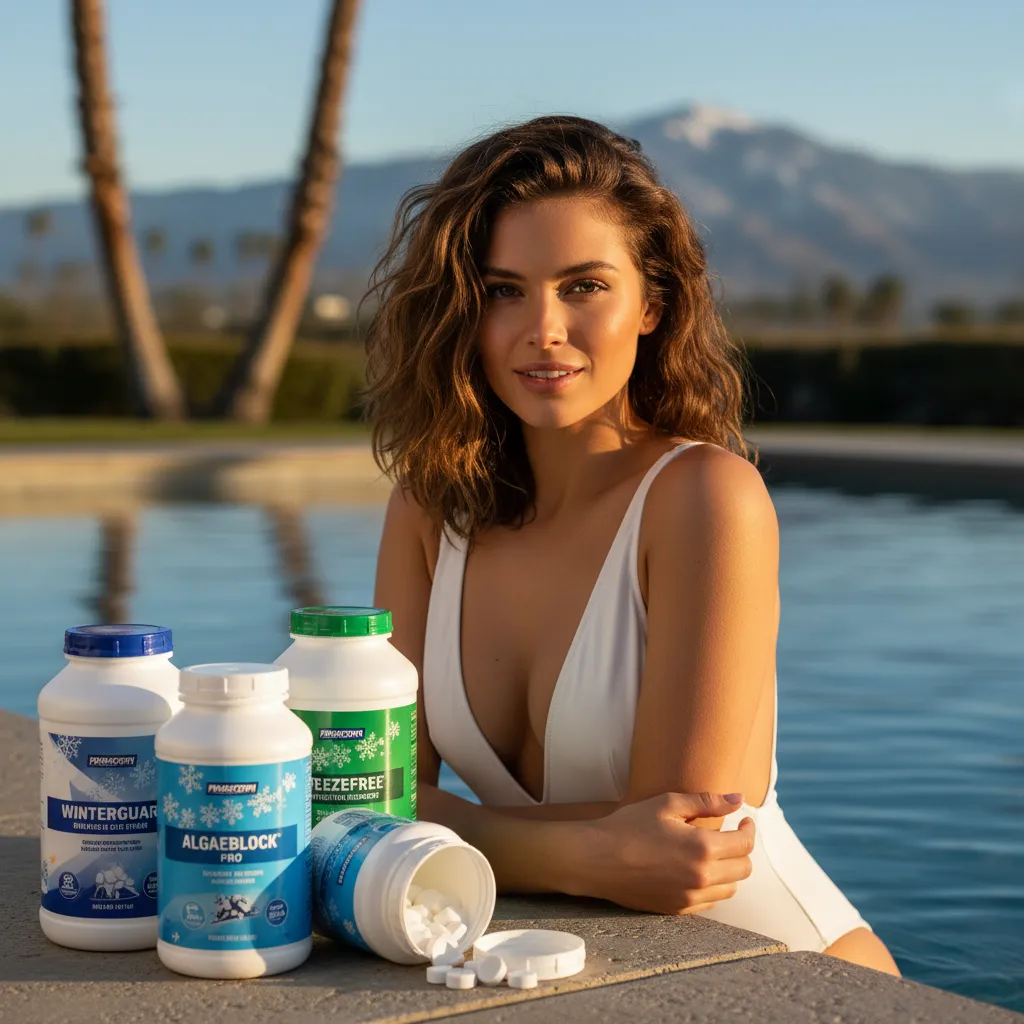
"The all-in-one solution for a guaranteed clear spring opening."
All-in-One Closing Chemical Kit
Winter demand is high - check stock

"The 'set & forget' option. This is the easiest winterizing I've ever done."
Simple 3-in-1 Winterizing Balls
Winter demand is high - check stock
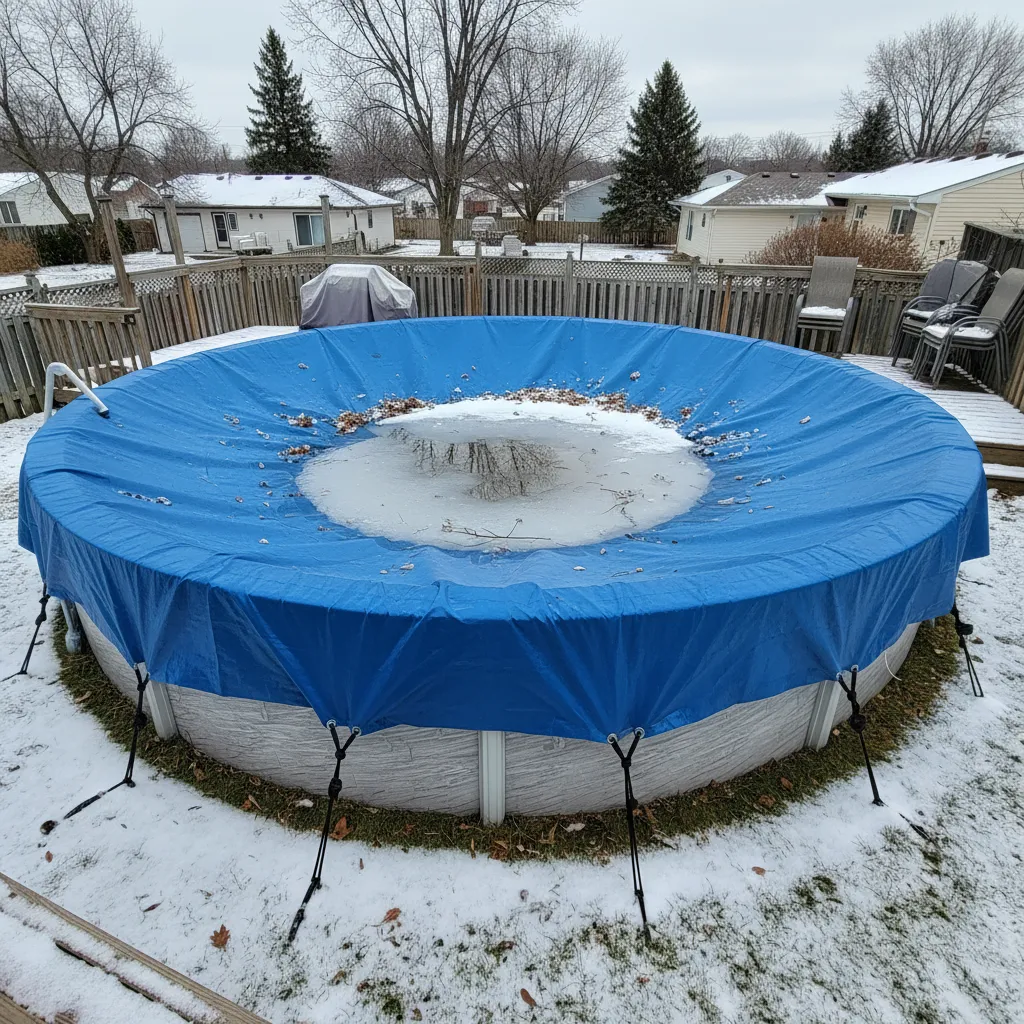
"Invest once to protect your liner and prevent a swamp in the spring."
Heavy-Duty Winter Pool Cover
Winter demand is high - check stock
How Sunscreen Works in Water
Sunscreen bonds with skin proteins to create a protective layer. In water, this bond faces constant stress from chlorine, bromine, and physical movement. Chemical sunscreens absorb UV radiation through ingredients like avobenzone or oxybenzone, while physical blockers (zinc oxide, titanium dioxide) reflect rays. Both types gradually degrade when submerged, but at different rates.
Chemical Vs. Physical Sunscreen Durability
Chemical sunscreens penetrate skin layers, making them prone to dissolving faster in chlorinated water. A 2022 study found chemical formulas lose 25% effectiveness after 40 minutes of pool immersion. Physical sunscreens sit atop the skin, forming a more resilient barrier—zinc oxide maintains 90% efficacy for 80 minutes in moving water. For chlorine resistance, mineral-based options often outperform chemical counterparts.
| Type | Active Ingredients | Avg. Pool Durability | Cost Per Ounce |
|---|---|---|---|
| Chemical | Avobenzone, Octinoxate | 40-50 minutes | $1.20 |
| Physical | Zinc Oxide, Titanium Dioxide | 80+ minutes | $2.10 |
Water-resistant labels matter, but even “80-minute” sunscreen sheds particles during cannonballs or laps. Now let’s explore how pool chemistry and activity levels accelerate this process.
Does Sunscreen Wash Off in the Pool?
Sun protection during swimming hinges on one question: will your sunscreen stay put? The truth lies in complex interactions between product formulas, pool environments, and swimmer behavior.
Factors Affecting Sunscreen Removal (Water Resistance, Pool Chemicals, Activity Level)
Water resistance labels indicate how long sunscreen maintains protection during immersion, tested under controlled conditions. Chlorine levels above 3 ppm degrade both chemical filters like oxybenzone and physical blockers like zinc oxide over time. Vigorous swimming or towel-drying removes up to 85% of topical applications compared to passive floating.
Does Waterproof Sunscreen Wash Off in Pool Water?
No sunscreen remains fully “waterproof.” The FDA now mandates “water-resistant” labeling with time limits (40 or 80 minutes). Even these tested durations shorten in chlorinated water: studies show chlorine breaks down UV filters 25% faster than fresh water. For optimal protection, treat 80-minute ratings as 60 minutes maximum in pools.
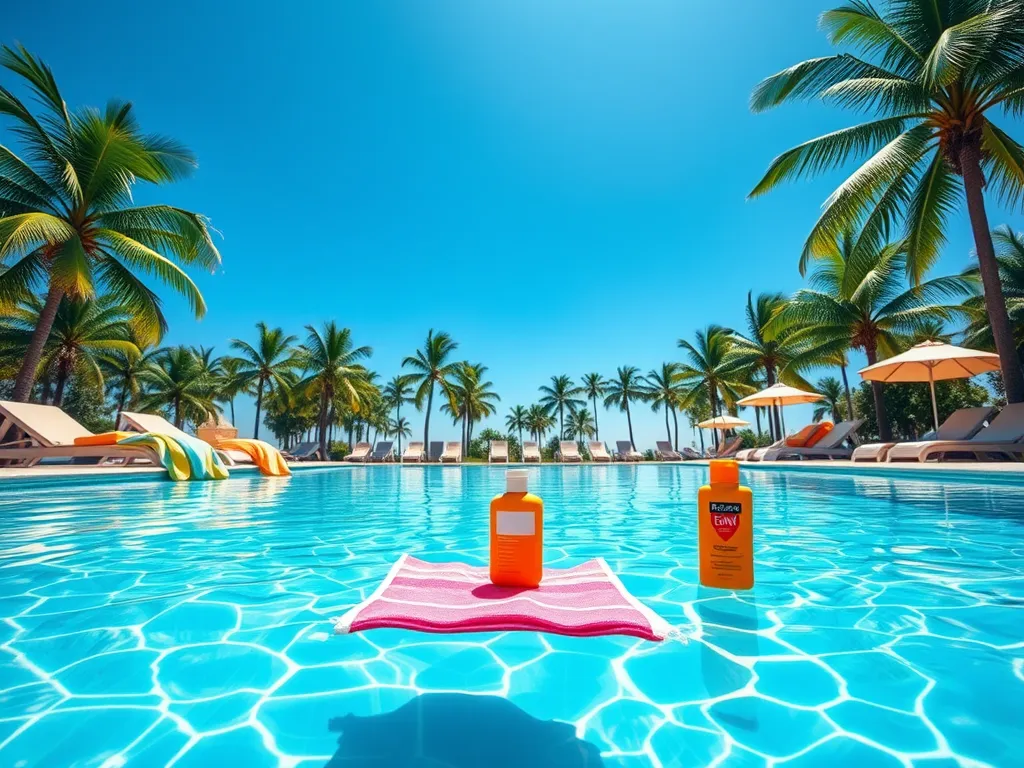
How Long Does Sunscreen Stay Effective in Water?
Protection longevity depends on multiple variables beyond printed labels. Salt systems, bromine-treated pools, or high UV indexes all influence degradation rates.
Water-resistant Ratings Explained (40 Vs. 80 Minutes)
These ratings stem from standardized tests where volunteers tread water for 20-minute cycles. Products maintaining SPF post-immersion earn 40-minute labels; those surviving four cycles get 80-minute claims. Real-world pool use with slides, diving, or children’s play often cuts efficacy by 30-50% compared to lab results.
When to Reapply Sunscreen During Pool Time
Dermatologists recommend reapplying every two hours regardless of ratings, plus immediately after exiting the pool. For heavy sweaters or those using spray sunscreens, increase frequency. Visible streaks or patchy skin texture signal compromised coverage needing refreshment. Keeping track of these reapplication times can be as important as knowing the pool permit time. Securing the right permit can help ensure a smooth and enjoyable swimming experience.
Proper application methods play just as vital roles in maintaining coverage during swim sessions.
Also See: Can You Shock a Saltwater Pool? Best Types & Steps
Applying Sunscreen Before Swimming: Best Practices
Smart application makes the difference between reliable UV protection and streaky, ineffective coverage. Timing and technique matter when preparing for pool time.
How Long to Wait After Application
Allow 15 minutes for sunscreen to fully bond with skin before entering water. This gives chemical sunscreens time to absorb and mineral formulas (like zinc oxide) to form a protective layer. Testing shows entering the pool sooner reduces SPF effectiveness by up to 50% due to premature dilution. Even water-resistant formulas require this curing period.
Proper Application Techniques for Swimmers
Use 1 ounce (about a shot glass full) for full-body coverage. Rub sprays thoroughly into skin from 6 inches away—never spray directly near pool edges where overspray enters water. Focus on high-wash zones: shoulders, back, and thighs. Missed spots like ear tips and hair part lines account for 34% of poolside sunburns. Reapply after 80 minutes of swimming or vigorous toweling. To keep your skin looking flawless, an airbrush tan can be a great option. This technique delivers an even, sun-kissed glow that pairs perfectly with fun days at the pool.
Error: Invalid image ID.
Sunscreen’s Impact on Pool Water Quality
Every swimmer adds roughly 0.25 ounces of sunscreen to pool water hourly. This creates a chemical soup that challenges maintenance systems.
How Sunscreen Residue Affects Pool Chemistry
UV filters like avobenzone react with chlorine, forming chlorinated byproducts that irritate eyes and skin. Studies show 1 ppm chlorine can drop to 0.5 ppm in 2 hours under heavy sunscreen load. Oils in sunscreens also lower pH, requiring frequent adjustments. A 20,000-gallon pool may need 2 extra pounds of shock weekly during peak swim season. This often leads to a search for alternatives like low chlorine pools. Enjoying a swim in a low chlorine pool can help minimize irritation while still keeping the water clean.
Long-term Effects on Filtration Systems
Sunscreen oils coat filter media, reducing flow rates by 15-40% in cartridge systems. Sand filters require 30% more backwashing cycles. Over time, this strains pumps and increases energy costs by $20-$50 monthly. Some facilities install secondary skimmer socks to capture lipids before they reach main filters. Proper maintenance of pool systems can help keep overall costs down. When considering pool enhancements like chillers, it’s important to factor in their installation and operating costs.
Protecting Your Skin While Swimming
Multiple barriers create the safest defense against UV damage during extended pool sessions.
Alternative Protection: UV Swimwear and Shade Solutions
UPF 50+ rash guards block 98% of UV rays without chemical runoff. Look for snug-fitting styles with titanium dioxide threads. Portable shade sails blocking UVA/UVB rays reduce direct exposure by 75% during peak hours between 10 AM and 4 PM. Taking care of your skin is essential, but maintaining clean water in pools is just as important. UV pool sanitation helps eliminate harmful germs and keeps the water safe for swimmers.
Combining Sunscreen With Other Protective Measures
Pair water-resistant sunscreen with UV-blocking hats and polarized sunglasses. Schedule breaks in shaded areas every 40 minutes—this lets skin recover while minimizing sunscreen reapplication needs. For laps, use silicone swim caps instead of chemical sprays on hair parts.
Managing sunscreen’s dual role in skin health and water quality leads us to examine targeted pool care solutions.

Pool Maintenance: Managing Sunscreen Residue
As swimmers take repeated dips, sunscreen residues create a chemical cocktail that alters water balance. Left unmanaged, these oils and UV filters form scum lines, clog equipment, and reduce sanitizer efficiency. Proactive maintenance keeps both skin and pool surfaces protected. Additionally, maintaining proper water balance is crucial for overall pool health. One way to assess this is through the calcium saturation index test, which helps determine if the pool water is corrosive or scaling.
Effective Filtration Strategies
High-efficiency systems capture up to 95% of sunscreen particles measuring 5-10 microns. Sand filters work best with 20-25 gpm flow rates, trapping larger debris but requiring weekly backwashing. Cartridge filters snag smaller particles down to 10 microns without water waste, while DE (diatomaceous earth) filters excel at removing 1-5 micron oils. Pair any system with skimmer socks—mesh nets catching 70% of surface-level lotions before they reach the main tank. To keep your pool clean and efficient, selecting the right pool cover size is also essential. A well-fitted cover can help reduce debris and maintain water quality throughout the season.
Shocking and Clarifying Contaminated Water
Oxidation breaks down stubborn sunscreen chemicals like avobenzone or oxybenzone. Use chlorine shock (1-2 ppm) weekly or after heavy pool use, but switch to non-chlorine shock (potassium monopersulfate) for pools with vinyl liners. For severe buildup, add 4 oz of clarifier per 10,000 gallons—the polymer binds to oils, creating clumps large enough for filters to remove. Test free chlorine levels post-treatment; sunscreen residue can drop effectiveness by 30% within two hours. Keeping your pool clean is essential for the right chemical balance. Clorox pool chemicals provide reliable options for maintaining a sparkling and safe swimming environment.
Preventing Buildup Through Swimmer Hygiene
A single swimmer carries up to 4 ounces of sunscreen into pools daily. Reduce this load with pre-swim showers (removing 50% of surface product) and UV-protective swimwear. Post signs encouraging reapplication at least 20 feet from pool edges. For groups, set up outdoor rinse stations with biodegradable soap—this simple step cuts oil accumulation by 40% and keeps skimmers from clogging mid-event. Additionally, maintaining a clean pool area will help keep unwanted pests away. To effectively get rid of any ants near the pool, it’s important to eliminate food sources and use safe repellents.
While managing residue keeps pools clean, swimmers still need answers about sunscreen performance during extended water exposure. Let’s explore common questions about product durability across different aquatic environments.
FAQ: Sunscreen and Pool Care
Does Reapplying Sunscreen Over Wet Skin Reduce Its Effectiveness?
Yes. Applying sunscreen to damp skin dilutes the formula, reducing SPF by up to 40%. Always towel-dry thoroughly before reapplying—especially with physical sunscreens, which require a dry surface to form an even protective film.
Do Pool Flotation Devices Accelerate Sunscreen Loss?
Rubber rafts and foam noodles create friction that strips sunscreen from shoulders and thighs. Tests show inflatable use removes 30% more sunscreen per hour compared to swimming alone. Reapply immediately after prolonged contact with pool toys. This loss of sunscreen can lead to problems in water clarity. It’s essential to know how these factors can contribute to cloudy pool water.
Can Sunscreen Residue Cause Pool Surface Staining?
Certain chemical filters react with concrete and plaster, creating yellow streaks. Avobenzone and oxybenzone are prime culprits—switch to titanium dioxide-based formulas if you notice discoloration around steps or ledges.
Does High Pool Water Temperature Degrade Sunscreen Faster?
Water above 85°F (29°C) increases sunscreen breakdown by 15-20%. This thermal effect combines with UV exposure to shorten protection windows—plan to reapply 10-15 minutes sooner than label recommendations in heated pools. Many people enjoy using float pools for relaxation and fun. Float pools provide a unique experience, allowing for leisurely activities while staying cool in the water.
Are Spray Sunscreens Less Likely to Contaminate Pool Water?
No. Spray formulas contain volatile alcohols that evaporate, leaving concentrated UV filters to settle on pool surfaces. Aerosolized particles also enter filtration systems more easily than rubbed-in lotions, increasing maintenance demands.
Closing Thoughts
Sunscreen does wash off in the pool, though water-resistant formulas last longer. Chemical sunscreens degrade faster than physical ones, especially with chlorine exposure. Reapply every 40-80 minutes depending on your sunscreen’s rating and swimming intensity.
For pool owners, sunscreen residue can affect water balance and filtration. Regular shocking and using a clarifier helps manage buildup. Swimmers should rinse off before entering to reduce contamination.
Pair sunscreen with UV-protective swimwear and seek shade during peak sun hours. Skin safety and pool maintenance go hand-in-hand.
Need help balancing your pool chemistry after sunscreen exposure? Check out My Pool Calculator for precise water treatment solutions.
Additional Resources for You:
- Pool & Hot Tub Alliance (PHTA) – Industry Standards & Training
- Importance of Wearing Sunscreen – Clark County Pool & Lawn
- does sunscreen help in the swimming pool?
- Sun Safety: What You Need to Know About Sunscreen and Swimming – Texas Swim Academy
- How Long Should You Wait to Swim after Applying Sunscreen?
A pool care geek who’s been testing water chemistry since she was tall enough to reach the skimmer.
Cloudy Water Solutions, Common Problems, Pool Chemistry