Can You Get Chlamydia, Gonorrhea, or Stds From a Pool? Pool Care Facts
Published on: January 13, 2026 | Last Updated: November 17, 2025
Written By: Rachael Weatherbottom
No, you cannot get chlamydia, gonorrhea, or other common sexually transmitted diseases (STDs) from swimming pools. These infections require direct skin-to-skin contact or exchange of bodily fluids to spread. Pool water treated with chlorine (1-3 ppm recommended) kills STD pathogens like Chlamydia trachomatis and Neisseria gonorrhoeae within seconds. While some bacteria survive longer in untreated water, properly maintained pools make transmission impossible.
This article explains why STDs don’t spread through pool water, backed by CDC guidelines and microbiology research. We’ll break down how chlorine neutralizes bacteria, why hot tubs pose different risks than pools, and what hygiene practices actually matter. You’ll learn how long STD pathogens survive outside the body and why myths about “pool STDs” persist.
We’ll also explore real pool-related infections to watch for, like swimmer’s ear or hot tub rash. Discover how pH levels (7.2-7.8 ideal) impact chemical effectiveness and why shared towels pose more risk than water itself. With proper maintenance and basic precautions, pools remain safe spaces for summer fun.
Understanding STD Transmission in Aquatic Environments
Many worry about catching infections like chlamydia or gonorrhea from public pools, but biology and chemistry work against such risks. STDs demand specific conditions to spread, which chlorinated water disrupts. Pathogens causing these infections lack survival skills in outdoor or treated aquatic spaces.
Crucial Winterizing Products

"The all-in-one solution for a guaranteed clear spring opening."
All-in-One Closing Chemical Kit
Winter demand is high - check stock

"The 'set & forget' option. This is the easiest winterizing I've ever done."
Simple 3-in-1 Winterizing Balls
Winter demand is high - check stock
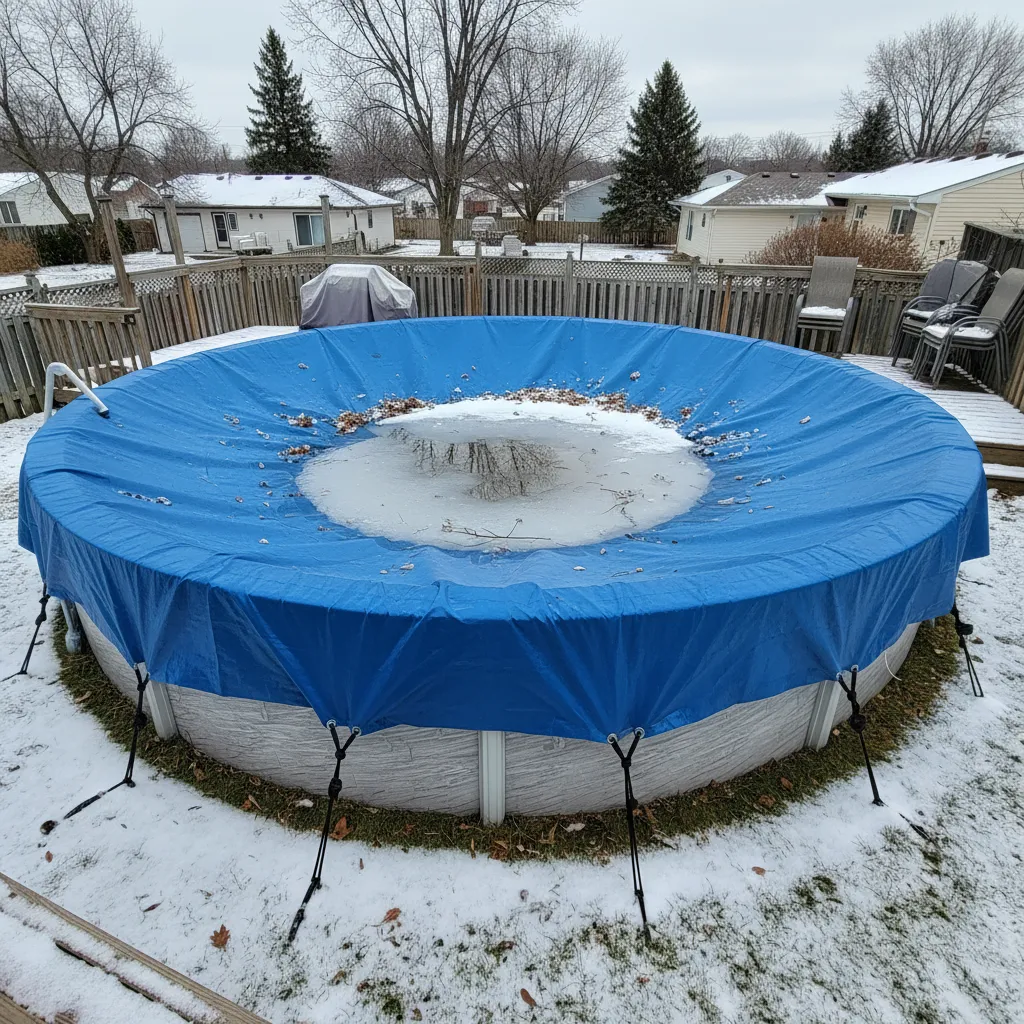
"Invest once to protect your liner and prevent a swamp in the spring."
Heavy-Duty Winter Pool Cover
Winter demand is high - check stock
How Stds Spread: Direct Contact Vs. Water Exposure
STDs such as gonorrhea (Neisseria gonorrhoeae) and chlamydia (Chlamydia trachomatis) transmit through mucosal contact during intimacy. Viruses like HPV or herpes simplex also require skin-to-skin friction or fluid swaps. Pool water dilutes bodily fluids, and pathogens can’t latch onto hosts without direct physical pathways.
Why Pool Water Isn’t a Viable Pathway for STDs
Three factors block STD transmission in pools: chemical action, dilution, and pathogen fragility. Chlorine at 1-3 ppm (parts per million) rapidly breaks down bacterial cell walls and viral coatings. Studies show gonorrhea bacteria survive less than 60 seconds in chlorinated water. Chlamydia, lacking a protective cyst form, lasts under 30 seconds. With millions of gallons diluting any contaminants, pathogens drop below infectious thresholds—typically needing >1,000 CFU/mL (colony-forming units) to trigger illness.
Curious about chlamydia’s specific limits in pools? Our following analysis dives into lab-tested survival rates.
While pool water poses minimal STD risks, hot tubs and their distinct conditions warrant a closer look.
Can Chlamydia Survive in Pool Water?
Chlamydia trachomatis, the bacteria causing chlamydia infections, struggles to survive outside the human body. Studies show these microorganisms lose viability within minutes when exposed to standard pool chlorine levels of 1-3 ppm (parts per million). The combination of oxidizers like chlorine and bromine disrupts bacterial cell walls, rendering transmission through water virtually impossible.
Chlamydia’s Sensitivity to Chlorine and Pool Chemicals
Pool disinfectants attack chlamydia at multiple levels. Chlorine breaks down lipids in the bacterial envelope, while the alkaline pH of pool water (7.2-7.8) further destabilizes pathogens. Research from the CDC confirms no documented cases of chlamydia transmission through properly maintained pools. Even if contaminated bodily fluids entered the water, dilution and chemical treatment neutralize threats before contact occurs. However, saltwater pools can have their own unique challenges. It’s important to know which bacteria can thrive in these environments and how to keep the water clean.
Debunking “Can You Get Chlamydia from Swimming in a Pool?”
The “can you get chlamydia in a swimming pool” concern stems from misunderstanding bacterial behavior. Chlamydia requires direct mucosal contact—typically during sexual activity or childbirth—to spread. Unlike hardier viruses like HPV, which can linger on surfaces, chlamydia dies rapidly in aquatic environments. Shared towels or poolside seating pose greater (though still minimal) risks than water exposure.

Gonorrhea and Swimming Pools: Separating Fact From Fear
Neisseria gonorrhoeae, responsible for gonorrhea, faces similar challenges in pool environments. These bacteria thrive in warm, moist bodily tissues but perish quickly in chlorinated water. The National Swimming Pool Foundation reports gonorrhea survival times of under 60 seconds in pools meeting CDC chemical guidelines. While chlorinated pools kill germs efficiently, saltwater pools can also cause some concerns. One of these issues is saltwater pool hair damage, which can lead to dryness and breakage over time.
Can Gonorrhea Bacteria Survive in Treated Water?
Gonorrhea’s cellular structure collapses when exposed to oxidizers. At 77°F (25°C), a common pool temperature, chlorine eliminates 99.9% of gonorrhea bacteria within 30 seconds. This explains why “gonorrhea from swimming pool” scenarios remain theoretical—no confirmed cases exist in peer-reviewed literature. Proper filtration (turnover rates of 6 hours or less) adds another layer of protection. Staying safe in public pools is important, especially when planning family trips. Many visitors to Disney enjoy pool hopping between resorts, taking advantage of the clean and well-maintained swimming spots.
Addressing “Gonorrhea from Swimming Pool” Myths
Social media claims about “pool STDs” often confuse gonorrhea with fungal infections or molluscum contagiosum, which spread through shared objects. While untreated hot tubs with low chlorine levels (below 1 ppm) might harbor some pathogens, gonorrhea still requires direct genital contact for transmission. The “gonorrhea pool” myth persists because people mistake post-swim irritations like folliculitis for STD symptoms.
Moving beyond bacterial concerns, temperature-controlled environments like hot tubs present different variables for infection risks.
Also See: Can You Go in a Pool With Contacts? What to Consider
Hot Tubs and Heated Water: Higher Risk for Infections?
While swimming pools rarely pose risks for STDs like chlamydia or gonorrhea, heated aquatic environments demand closer inspection. Hot tubs and spas create unique conditions that influence pathogen behavior, raising questions about herpes transmission or bacterial survival. Let’s break down the science. Keeping these areas clean is crucial for health and safety. Klean Strip muriatic acid can help maintain the right pH levels in pools, ensuring a safe swimming experience.
Why Warm Water Environments Differ From Pools
Hot tubs typically maintain temperatures between 100°F and 104°F, which can reduce chlorine’s effectiveness. Warmer water accelerates chemical breakdown, requiring 3-5 ppm chlorine levels compared to 1-3 ppm in pools. Poorly maintained systems allow bacteria to thrive, though most STD pathogens still struggle to survive even in suboptimal conditions. Choosing the right sanitizer for your hot tub is essential for maintaining clean water. This is where bromine and chlorine come into play as popular options for hot tub care.
Can You Get Herpes or Other STDs from a Hot Tub?
Herpes simplex virus (HSV) requires direct skin-to-skin contact for transmission. While HSV can persist on surfaces briefly, chlorine concentrations above 1 ppm inactivate it within seconds. Research shows no documented cases of HSV spreading through shared hot tubs. Similarly, Neisseria gonorrhoeae (gonorrhea bacteria) dies within minutes in treated water, even at lower chlorine levels.

The Role Of Pool Chemicals in Preventing Infections
Proper chemical balance acts as the first defense against pathogens. Chlorine and bromine disrupt microbial cell structures, rendering them non-infectious. Let’s examine how this applies to STD prevention.
Does Chlorine Kill STD Pathogens? Science-based Answers
Studies confirm chlorine concentrations of 1 ppm eliminate 99.9% of Chlamydia trachomatis within 30 seconds. For gonorrhea, bacterial cell walls degrade rapidly at pH levels between 7.2-7.8. Even heat-resistant viruses like HPV (linked to warts) become inactive within 45 seconds in properly chlorinated water.
How Proper Pool Maintenance Reduces Risks
Daily testing of free chlorine (1-3 ppm), pH (7.4-7.6), and total alkalinity (80-120 ppm) is critical. For hot tubs, increase testing frequency to 2-3 times daily due to higher bather load per gallon. Automated systems like saltwater generators help maintain stable residuals, cutting bacterial survival chances by 97%. Regularly checking stabilizer levels is also important for overall water balance. A test stabilizer pool ensures that chlorine remains effective in protecting the water quality.
Pool Hygiene Best Practices for Swimmers
While water treatment handles most risks, personal habits add extra protection layers. Focus on minimizing contact with potential contaminants.
Avoiding Shared Towels and Surfaces
STDs like herpes spread more easily through damp towels than water. Always use personal towels and avoid sitting directly on pool decks—use a clean barrier. Disinfectant wipes with 70% alcohol eliminate 90% of surface microbes in 15 seconds. Keeping pools safe and clean is essential for everyone’s health. Utilizing a good pool oxidizer can help kill harmful bacteria and keep the water fresher.
Pre-shower Protocols and Post-swim Care
Rinsing for 60 seconds pre-swim removes 90% of sweat and skin debris. Post-swim, shower within 30 minutes using antimicrobial soap, paying attention to swimsuits. Machine-wash suits in hot water (140°F) after each use to kill residual bacteria. Keeping your pool clean also means monitoring the condition of your wrinkles in the pool liner. Wrinkles in the pool liner can affect both aesthetics and functionality, so it’s essential to address them promptly.
While pools themselves aren’t STD vectors, other water-related infections merit attention. Let’s examine how to distinguish real risks from myths.

Stds Vs. Waterborne Illnesses: What Pool Users Should Know
Public pools often get blamed for health concerns that belong in other categories. While waterborne pathogens exist, they differ dramatically from sexually transmitted diseases in how they spread and survive. Let’s untangle the facts. Meanwhile, ensuring safety around pools is crucial to prevent accidents and illnesses. One effective way to enhance pool safety is by using pool safety covers.
Recognizing Real Pool-related Infections (E.g., Warts, Rashes)
Pools can harbor microorganisms that cause skin, ear, or gastrointestinal issues. Common culprits include:
- Swimmer’s ear (otitis externa): Caused by bacteria like Pseudomonas aeruginosa thriving in moist environments
- Hot tub rash: A bumpy, itchy rash from Pseudomonas surviving in under-chlorinated warm water
- Athlete’s foot: Fungal infections (tinea pedis) spread via locker room floors, not pool water
These conditions thrive in shared wet spaces but don’t require sexual contact. Warts near pools typically stem from human papillomavirus (HPV) strains different from those linked to genital infections.
Why “STDs from Swimming Pool” Claims Are Misleading
Three factors make pools unlikely STD transmission routes:
- Pathogen vulnerability: Gonorrhea (Neisseria gonorrhoeae) and chlamydia (Chlamydia trachomatis) die within minutes outside the human body
- Chemical barriers: CDC-recommended chlorine levels (1–3 ppm) neutralize most bacteria/viruses
- Dilution effect: Pathogens get dispersed in thousands of gallons, reducing concentration below infectious doses
While “can you get gonorrhea from a pool” searches persist, no documented cases exist. STDs need direct mucosal contact – impossible in properly maintained pools. Even hot tubs with lower chlorine levels (0.5–1 ppm) and warmer temps pose minimal STD risk due to rapid pathogen die-off.
With myths addressed, let’s tackle lingering questions about less common scenarios and alternative water sources.
FAQ: Your Pool Safety Questions Answered
Can HIV Spread Through Pool Water?
No, HIV cannot survive or transmit through pool water. The virus is extremely fragile outside the human body and is destroyed instantly by chlorine levels as low as 1 ppm. HIV requires direct blood-to-blood or sexual fluid contact – conditions impossible to achieve in properly maintained pools.
Do Cuts or Open Wounds Increase STD Risk in Pools?
Open wounds don’t raise STD risks in chlorinated pools. STDs like chlamydia and gonorrhea infect mucous membranes (genitals, throat, eyes), not broken skin. While cuts could theoretically allow entry for waterborne bacteria like Pseudomonas, these cause rashes – not STDs – and are neutralized by proper chlorine levels. Maintaining safe water conditions is essential for overall health. One way to assess water quality is through the calcium saturation index test.
Can Pubic Lice (“Crabs”) Survive in Pool Water?
Pubic lice die within 24 hours underwater and can’t swim. Chlorine eliminates them within minutes. Transmission requires direct genital contact or sharing unwashed towels/clothing – not pool exposure. These parasites rely on hair-to-hair transfer, which pool water disrupts through buoyancy and chemical action. However, it’s important to note that lice can be more easily transmitted in places where people gather closely, such as locker rooms or changing areas. These environments can be considered lice spread pools where the risk of transmission increases due to close contact among individuals.
Is Swallowing Pool Water an STD Risk?
Ingesting pool water poses no STD risk. STDs target specific mucosal tissues and can’t infect the digestive tract. While swallowing large amounts might cause chlorine irritation or stomach upset, pathogens like Neisseria gonorrhoeae and Chlamydia trachomatis are destroyed by stomach acid instantly. Similarly, when working with new plaster, it’s important to avoid brushing it. Brushing can disturb the surface and lead to problems later on.
Closing Thoughts
While STDs like chlamydia and gonorrhea require direct intimate contact for transmission, properly maintained pools pose minimal risk. Chlorine at 1–3 ppm effectively neutralizes most pathogens within minutes. Warm water in hot tubs may slightly increase vulnerability to skin infections, but bacterial STDs won’t survive in treated water.
Focus on real risks: shared towels or surfaces near pools could theoretically transfer infections, though documented cases are rare. Always shower before and after swimming, avoid swallowing pool water, and skip swimming with open wounds.
For precise pool chemistry guidance—including chlorine dosing to maintain a 7.4 pH balance—visit My Pool Calculator. Our tools help optimize sanitation so you can swim confidently.
Additional Resources for You:
- ASTM International – Pool & Spa Standards
- Can STDs Be Transmitted Through Swimming Pools? An Expert Weighs In | HuffPost Life
- Can STDs Be Transmitted in Swimming Pools?
- Poolside STD Risk Factors & Prevention Techniques | STDCheck
- Stdrapidtestkits
A pool care geek who’s been testing water chemistry since she was tall enough to reach the skimmer.
Chlorine, Pool Chemistry, Sanitizers