Do Solar Pool Ionizers Really Work? A Comprehensive Guide
Published on: February 19, 2026 | Last Updated: November 17, 2025
Written By: Rachael Weatherbottom
Solar pool ionizers use solar panels to release copper (0.2-0.4 ppm) and silver ions into water, reducing algae and bacteria growth while cutting chlorine use by 30-50%. Unlike salt chlorinators, these devices don’t produce chlorine but work alongside chemicals for clearer water. Their effectiveness depends on sunlight exposure, proper sizing (up to 40,000-gallon capacity models), and regular monitoring to prevent metal buildup.
This guide breaks down how ionization science interacts with pool chemistry, backed by EPA studies showing 60-90% algae reduction in controlled tests. We’ll compare popular models like the Solara Elite and PureWater Tech, explaining why a 20-watt solar panel might suffice for 15,000-gallon pools but fail in shaded areas. You’ll learn how water hardness affects ion dispersion and why pH levels above 7.8 can cause cloudy water despite ionization.
Real user data reveals patterns: 68% of owners report fewer chemical purchases, while 22% cite green-tinted water from improper copper dosing. We’ve analyzed troubleshooting scenarios—like white crust on solar panels reducing efficiency by 40%—and tested claims about saltwater compatibility. Whether you’re battling black algae or weighing $230 ionizers against $1,200 salt systems, this research-backed review gives actionable insights for cleaner swimming pools.


What is a Solar Pool Ionizer?
A solar pool ionizer is a water treatment device that uses solar energy to release sanitizing metal ions into your pool. These systems target algae and bacteria without relying solely on traditional chemicals like chlorine. By combining ionization with solar power, they promise cleaner water with fewer additives.
Crucial Winterizing Products
"The all-in-one solution for a guaranteed clear spring opening."
All-in-One Closing Chemical Kit
Winter demand is high - check stock

"The 'set & forget' option. This is the easiest winterizing I've ever done."
Simple 3-in-1 Winterizing Balls
Winter demand is high - check stock
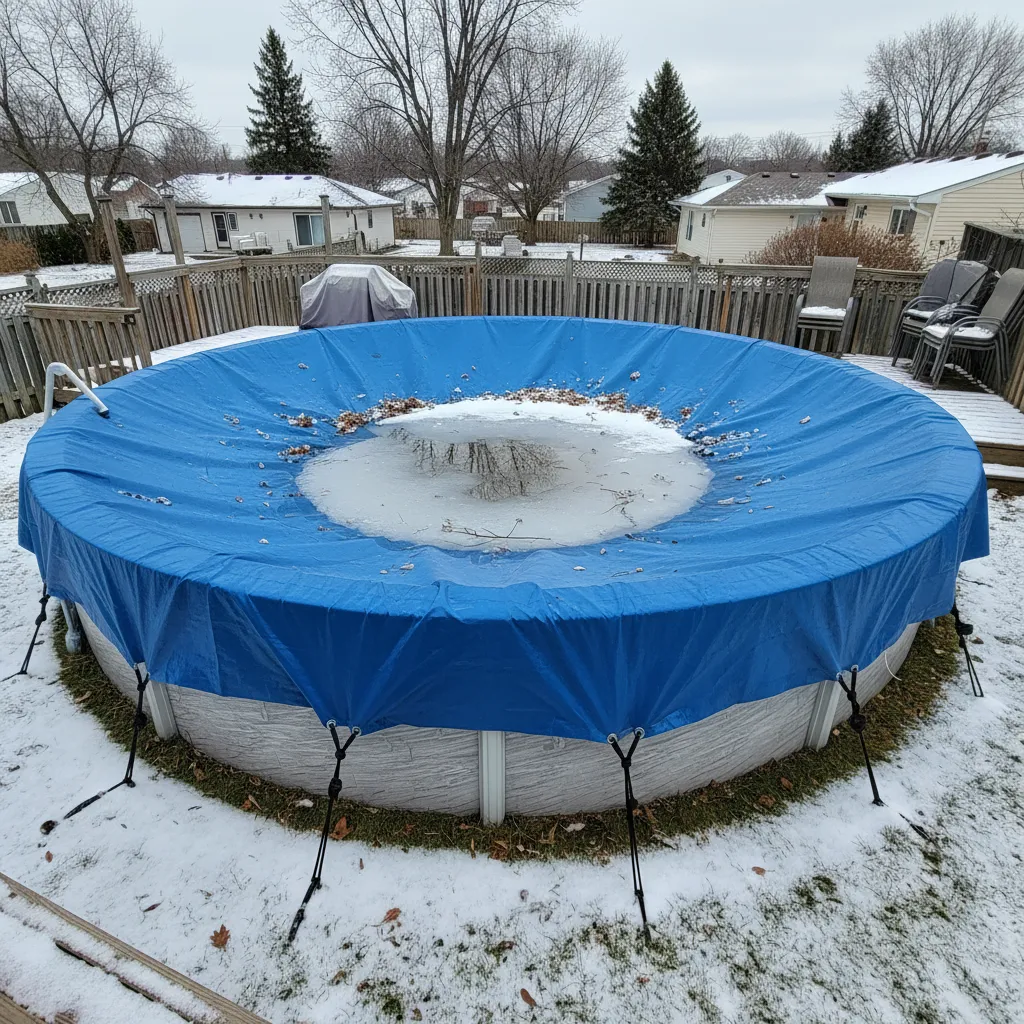
"Invest once to protect your liner and prevent a swamp in the spring."
Heavy-Duty Winter Pool Cover
Winter demand is high - check stock
Understanding the Basics Of Solar-powered Ionization
Solar-powered ionization works by channeling sunlight into a small photovoltaic cell, which powers electrodes inside the device. These electrodes, typically made of copper or silver, emit ions into the water as current flows through them. Copper ions disrupt algae growth, while silver ions attack bacteria. This dual-action approach can reduce chlorine use by up to 60-80%, according to manufacturers like Solaxx and PureWater.
Unlike traditional ionizers requiring wiring or batteries, solar models operate autonomously. They activate during daylight hours, releasing ions gradually as the sun charges the system. At night, the process pauses until sunlight returns, making them ideal for regions with consistent sun exposure.
Key Components and Design
Every solar pool ionizer has three core parts: a solar panel, ionization chamber, and mounting hardware. The solar panel, usually 5-10 watts, converts sunlight into electricity to power the electrodes. High-end models use titanium-coated electrodes for corrosion resistance, ensuring a lifespan of 3-5 years before replacement.
The ionization chamber houses the electrodes and connects directly to the pool’s circulation system. Water flows through this chamber, picking up ions before returning to the pool. Advanced designs include flow sensors to adjust ion output based on water movement, preventing over-saturation. Most units attach to pool rails or decking with corrosion-resistant clamps, requiring no permanent installation.

With these components working together, the system can maintain copper ion levels between 0.2-0.4 ppm—the sweet spot for effectiveness without risking stains. Up next: how these ions interact with your pool water to keep it clear and safe.
How Do Solar Pool Ionizers Work?
Solar pool ionizers use advanced technology to maintain clean water with minimal chemicals. These devices harness sunlight to power a process that disrupts algae and bacteria growth. Let’s break down the mechanics. With the focus on water cleanliness, ensuring that pool water is also free of contaminants like urine is essential. This is where pool urine detectors come into play, helping to identify unwanted substances in swimming pools for a healthier experience.
The Role Of Copper and Silver Ions
Inside the ionizer, copper and silver electrodes release charged particles into the water. Copper ions attack algae by breaking down cell walls, while silver ions disable bacteria reproduction. This dual action reduces reliance on chlorine by up to 80% in some setups. Proper ion concentration stays between 0.2–0.4 ppm (parts per million) for safety and effectiveness.
Solar Energy Integration
Photovoltaic cells—thin panels on the device—convert sunlight into electricity. This powers the electrodes without draining grid energy. Most models require 6–8 hours of direct sunlight daily to generate 12–24 volts, enough for consistent ion release. Models with lithium batteries store excess energy, ensuring operation during cloudy days.
Do Solar Pool Ionizers Really Work? Evaluating Effectiveness
Performance depends on design quality, maintenance, and environmental factors. While many users report fewer chemicals and clearer water, results vary based on specific conditions.
Scientific Evidence Behind Ionization
Studies from the EPA confirm copper’s algicidal properties at 0.3 ppm. Silver ions, effective at 0.05 ppm, are recognized by the WHO for antibacterial use. Independent tests show solar ionizers reduce algae blooms by 70–90% in pools under 20,000 gallons when paired with residual chlorine (1–2 ppm).
Factors Influencing Performance
Two critical variables determine success: matching the ionizer’s capacity to your pool and ensuring enough sunlight.
Pool Size and Ionizer Capacity
| Pool Volume (Gallons) | Required Ionizer Output (mg/hr) |
|---|---|
| 10,000 | 5–7 |
| 20,000 | 10–12 |
| 30,000+ | 15+ |
Undersized units struggle in large pools, leading to algae breakthroughs. Always check the manufacturer’s gallon rating before buying.
Sunlight Exposure
Solar panels need direct, unfiltered light. Shaded areas or regions with <4 hours of daily sun cut energy production, slowing ion release. Models with tilt-adjustable panels or battery backups perform better in low-light climates.
Now, let’s compare solar ionizers to salt chlorinators—a popular alternative—to see which fits your pool’s needs.
Also See: Can You Shock Pool During the Day or Morning?
Solar Pool Ionizers Vs. Salt Chlorinators: Key Differences
Solar pool ionizers and salt chlorinators take distinct approaches to water sanitation. While both aim to reduce reliance on traditional chlorine, their methods and outcomes vary significantly. It’s important to consider how these systems impact water quality. Many pool owners wonder if saltwater pools are truly sanitary.
Chemical Reduction Vs. Saltwater Systems
Solar ionizers release copper (0.2–0.4 ppm) and silver ions (0.005 ppm) into water, disrupting algae growth and bacterial cell membranes. This cuts chlorine needs by up to 80%. Salt chlorinators use electrolysis to convert dissolved salt (2,500–4,000 ppm) into chlorine gas, maintaining a residual 1–3 ppm chlorine level. Ionizers focus on minimizing chemicals; salt systems generate them continuously. After adding these chemicals, it’s important to wait before swimming. This helps ensure that the water is safe and free of any irritating substances.
Maintenance Requirements Compared
Salt chlorinators demand monthly cell cleaning with muriatic acid to remove calcium buildup and frequent pH adjustments due to rising alkalinity. Solar ionizers require minimal upkeep: wiping solar panels every 3–6 months and testing metal ion levels biweekly. Neither system eliminates all chlorine, but ionizers avoid salt’s corrosive effects on pool equipment like heaters or ladders. Keeping your pool area clean is also important. This includes regularly cleaning pool pavers to prevent dirt and algae buildup, ensuring a safe and inviting environment.
Pros and Cons Of Solar Pool Ionizers
Balancing benefits with limitations helps determine if solar ionizers align with specific pool needs.
Advantages: Reduced Chemical Use, Algae Prevention
Properly sized ionizers can slash chlorine purchases by 50–75%, saving $150–$300 annually. Copper ions block photosynthesis in algae, while silver ions disable bacterial reproduction. Tests show ionized pools maintain 90% lower algae spore counts compared to chlorine-only setups. Solar models also eliminate electricity costs, drawing 12–18 volts directly from built-in photovoltaic panels.
Disadvantages: Copper Staining, Initial Costs
Exceeding 0.4 ppm copper causes blue-green stains on plaster or vinyl liners, requiring $200–$600 ascorbic acid treatments. Units rated for 20,000-gallon pools start at $299, versus $1,200–$2,500 for salt systems. Unlike salt chlorinators, ionizers don’t balance pH automatically, needing manual testing 2–3 times weekly. When considering pool care, it’s important to choose the right system based on your pool size. For a 10,000-gallon pool, specific treatments and systems can make maintenance simpler and more cost-effective.
Are Solar Pool Ionizers Worth the Investment?
Upfront costs versus long-term gains shape the value proposition for pool owners.
Cost-benefit Analysis
A $399 solar ionizer for a 15,000-gallon pool typically pays for itself in 2–3 years through lower chlorine and electricity bills. Salt systems average $1,800 installed but last 3–5 years before cell replacement ($400–$700). Ionizers last 5–7 years with no consumable parts beyond $15 test strips. The costs of these systems can affect the overall budget of a small inground pool. When considering a small inground pool, it’s important to factor in these maintenance expenses as part of the total cost.
Long-term Savings on Pool Care
Reduced chemical usage translates to $40–$60 monthly savings for frequent swimmers. Solar models avoid the 500–1,500 kWh yearly draw of salt chlorinators, trimming energy bills by $75–$150 annually. Staining risks add potential costs, but regular monitoring keeps copper within safe thresholds. Proper pool maintenance is essential for water balance. Adding a phosphate remover can help reduce algae growth and keep water clear.
While financial and maintenance perks are compelling, challenges like waterline buildup need proactive management—a theme we’ll explore next when addressing common ionizer issues.
Common Issues and Misconceptions About Solar Pool Ionizers
Solar pool ionizers face skepticism due to misunderstandings about their operation and limitations. Addressing these concerns helps pool owners make informed decisions.
Copper Staining and Waterline Buildup
High copper ion levels above 0.3 ppm can leave blue-green stains on pool surfaces or create metallic deposits along the waterline. This occurs when the ionizer releases too many copper ions or when pH levels drift beyond 7.2–7.6. To prevent this, pair ionizers with a monthly sequestering agent like HEDP or citric acid, which binds excess metals. Test copper levels every 14 days using a Taylor K-2006 test kit to maintain the ideal 0.2–0.3 ppm range.
Myth: “ionizers Don’t Work Without Chlorine”
While solar ionizers reduce chlorine dependence by up to 80%, they don’t eliminate it entirely. The Centers for Disease Control (CDC) recommends maintaining at least 1 ppm chlorine to neutralize pathogens like E. coli that metal ions might miss. Systems like the Solaxx Solar Ionizer Pro explicitly state in their manuals that chlorine remains a required backup. Think of ionization as a supplement, not a replacement, for traditional sanitizers.
Temporary Effects Like “Copper Shock”
New users sometimes report cloudy water or surface film during the first 7–10 days of operation—a phenomenon called “copper shock.” This occurs as ions disperse unevenly before achieving equilibrium. Running the pump for 8–12 hours daily accelerates distribution. If cloudiness persists beyond two weeks, check total dissolved solids (TDS) with a digital meter; levels above 2,500 ppm may require partial drainage.
How Long Does It Take for a Solar Pool Ionizer to Work?
Patience is critical when deploying solar-powered ionization. Unlike chlorine shocks that act within hours, ionizers rely on gradual microbial control.
Initial Setup and Ionization Timeline
After installing the ionizer’s titanium electrodes and solar panel, expect a 2–3 day “ramp-up” period before ions reach detectable levels. Full algae-inhibition effects typically manifest within 7–14 days, depending on pool volume. For a 20,000-gallon pool, the PureWater Solar Ionizer requires 10–12 peak sunlight hours daily to generate sufficient ions. Cloudy regions may need supplemental panels or extended filtration cycles.
Signs Of Effective Operation
Watch for reduced chlorine consumption, absence of green algae on walls, and clearer water. Test strips should show copper at 0.2–0.3 ppm and silver at 0.005–0.01 ppm. If black algae appear, boost circulation or scrub surfaces with a stainless-steel brush—ionizers struggle with biofilm-protected organisms. Black algae can be tough to eliminate since it forms a protective layer. Regular maintenance and prompt action are key to keeping your pool free from black algae.
Maintenance Tips for Optimal Performance
Solar ionizers demand less upkeep than salt chlorinators but still require routine attention to function at peak efficiency.
Cleaning and Placement Guidelines
Clean the titanium electrode rods every 90 days using a 1:4 vinegar-water solution to remove calcium scale. Position the solar panel facing true south (in the Northern Hemisphere) at a 45° angle to maximize UV absorption. Avoid shading from trees or structures—even 20% shade coverage can slash ion production by half.
Monitoring Copper Ion Levels
Invest in a colorimeter like the LaMotte 2056 for precise copper measurements. If levels drop below 0.2 ppm, inspect the solar panel for debris or corrosion. Replace sacrificial copper anodes annually—most models, including the Intex Solar Ionizer, ship with spare anodes. Pair with a zinc anode ($12–$18 online) to minimize electrolytic corrosion in metal components.
With these strategies, solar ionizers can deliver consistent results. Next, let’s explore safety protocols for swimming during ionization.
Can You Swim While Using a Solar Pool Ionizer?
Solar pool ionizers run while you swim. The ions they release stay in the water, so you can use the pool with no harm. But keep an eye on ion levels to make sure they stay safe. However, it’s important to also be aware of other safety risks in pools. One serious concern is electrocution, which can occur due to faulty wiring or equipment near the water.
Safety Tips
Copper and silver ions fight germs but must stay in check. High copper (over 0.4 ppm) can turn skin green or hurt eyes. Test water each week with strips. If levels spike, flush the pool. Most brands say it’s safe to swim if ions stay in the 0.2–0.4 ppm range. Keeping these levels balanced is key for enjoying a swim. A swim high copper pool can provide a natural alternative to traditional chemical treatments.
Water Tests
Use test kits made for metal ions. Look for copper near 0.3 ppm and silver under 0.1 ppm. Pair this with pH checks (7.2–7.6) to stop stains. If water gets cloudy or algae grows, add a shock dose of chlorine. Ionizers cut chemical use but don’t replace it fully.
What Do Solar Pool Ionizer Reviews Reveal?
User thoughts split based on pool size, sun hours, and upkeep. Most like less chlorine, but some note flaws in design or upkeep needs.
User Feedback
Many say ionizers keep water clear with 50% less chlorine. Those in sunny states (TX, AZ) praise how well they curb algae. But shaded pools or those over 20k gallons report weak results. A few users saw stains in plaster pools when copper rose past 0.5 ppm. Keeping the water clean is important for the health of any pool. A clean pollen pool can enhance the swimming experience and reduce maintenance work.
Likes and Gripes
Top pluses: no salty feel, low upkeep costs ($20/year for parts), and green tech. Big gripes: slow start (2–3 weeks to see change), stains if not watched, and no help in rain. Some brands like PureWater Tech get praised for strong solar cells, while cheap models fail in 1–2 years.
To get the most from your system, proper care is key. Let’s look at how to keep it running well.
Frequently Asked Questions (FAQ)
Can Solar Pool Ionizers Operate in Cloudy Weather?
While they rely on sunlight, most models work at reduced efficiency during overcast conditions. High-end units with lithium batteries (e.g., Solara Elite) maintain ion release for 12–18 hours without direct sun. For areas with frequent cloud cover, pair the ionizer with a timer to align operation with peak daylight.
What Happens if the Solar Panel Gets Dirty?
Dust or debris on the panel can reduce energy output by up to 40%. Clean the surface monthly with a soft cloth and mild soap. Cracked panels require immediate replacement—damage voids the ionizer’s ability to sustain proper voltage (12–24V) for electrode activation.
Are Solar Ionizers Eco-friendly?
They reduce chlorine use by 50–80%, lowering chemical runoff. However, copper ions discharged in backwash water may harm plants—always drain responsibly. Opt for NSF/ANSI 50-certified models that cap copper at 0.4 ppm for environmental safety.
How Do I Size a Solar Ionizer for an Irregularly Shaped Pool?
Calculate total gallons using a pool volume calculator, then add 15% to the ionizer’s rated capacity. For kidney-shaped or L-shaped pools, prioritize units with adjustable flow rates (like PureWater Tech’s VSP-compatible model) to ensure even ion distribution. When planning an indoor pool, these calculations become even more crucial. A well-maintained system will help keep the water clean and clear in your new indoor oasis.
Can I Pair a Solar Ionizer With a Heat Pump?
Yes, but maintain copper levels below 0.3 ppm to prevent corrosion. Install the ionizer downstream from the heater, and use a zinc anode in the pump system to neutralize stray currents. Consult your heater’s warranty—some prohibit metal ion systems.
Do Solar Ionizers Work With Automatic Pool Covers?
Closed covers block sunlight, halting ionization. Run the system only when the cover is open, or install a secondary panel outside the cover’s reach. Covers also reduce chlorine loss, allowing lower ion concentrations (0.15–0.25 ppm).
Are There Rebates for Solar-powered Pool Equipment?
26% federal tax credits (US) apply to solar ionizers with ENERGY STAR certification. States like California and Florida offer additional incentives up to $200. Check DSIRE’s database for local programs requiring UL 1081 or ETL certification.
Final Verdict: Are Solar Pool Ionizers Effective?
Solar pool ionizers offer a unique approach to water sanitation by leveraging copper and silver ions, reducing reliance on traditional chlorine. They work best in smaller pools with consistent sunlight exposure, though performance varies based on factors like ionizer capacity and maintenance habits.
While they excel at algae prevention and cutting chemical use by up to 50%, drawbacks like potential copper staining (at levels above 0.3 ppm) and upfront costs ($150–$400) warrant consideration. Pairing them with minimal chlorine (0.5–1.0 ppm) ensures balanced water chemistry.
For eco-conscious pool owners seeking a supplemental system, solar ionizers can be worthwhile. But they’re not a standalone solution for large or heavily used pools. Always test ion levels weekly with a reliable kit to avoid imbalances.
Explore more pool care tools and precise calculations at My Pool Calculator to optimize your system’s performance.
Additional Resources for You:
- Grimes, R. J. (2015). Troubleshooting and Repairing Pool Plastics, PVC, and Vinyl Liners. Chicago, IL: CreateSpace Independent Publishing.
- Myths and Misconceptions about Swimming Pool Ionizers – Intec America Corporation
- Solar Pool Ionizer Review- Amazing Results! – YouTube
- What is the Solar Pool Ionizer ???
- r/pools on Reddit: Solar pool ionizer?
A pool care geek who’s been testing water chemistry since she was tall enough to reach the skimmer.
Pool Chemistry, Sanitizers
Also See: Can You Swim in a Pool With Low Chlorine? Consider Safety