
Can You Repair a Stucco Pool Without Draining Water?
Published on: February 1, 2026 | Last Updated: November 17, 2025
Written By: Lila Fairholme
Yes, you can repair stucco pool surfaces without draining water using waterproof materials like underwater epoxy, hydraulic cement, or specialized pool plaster. This method saves time and money—DIY kits start at $50 versus $2,000+ for full draining and resurfacing—and works for cracks up to 1/4 inch wide, minor chips, or surface stains. You’ll need a pool putty knife, wire brush, and temporary sealants like Aqua Bond or Fix-A-Leak to complete repairs while the pool remains filled.
This article explains how to identify which stucco issues qualify for non-draining fixes and which demand professional help. You’ll learn step-by-step techniques for patching cracks underwater, choosing materials rated for submerged use (like E-Z Patch or Pool Waterproof Epoxy), and avoiding common mistakes that lead to failed repairs. We break down costs, cure times, and how water chemistry affects different repair products.
Discover when partial draining becomes necessary for larger structural damage or deep plaster delamination. We compare DIY solutions against professional services, share maintenance tips to extend repair life, and reveal why ignoring minor cracks risks costly leaks or surface deterioration. Get ready to tackle everything from hairline fractures to 6-inch chips without losing a drop of water.
Understanding Stucco in Pool Construction
Stucco has been a go-to material for pool surfaces since the 1980s due to its smooth texture and waterproofing capabilities. Unlike exterior home stucco, pool stucco (often called plaster) combines white cement, marble dust, and additives like pozzolans to resist water absorption. This cement-based finish creates a non-porous barrier that protects the pool’s structural shell while providing a classic, bright appearance. As the industry evolves, other materials have gained popularity for their unique benefits. Micro cement pools offer a modern alternative with added versatility and design options.
Crucial Winterizing Products

"The all-in-one solution for a guaranteed clear spring opening."
All-in-One Closing Chemical Kit
Winter demand is high - check stock

"The 'set & forget' option. This is the easiest winterizing I've ever done."
Simple 3-in-1 Winterizing Balls
Winter demand is high - check stock
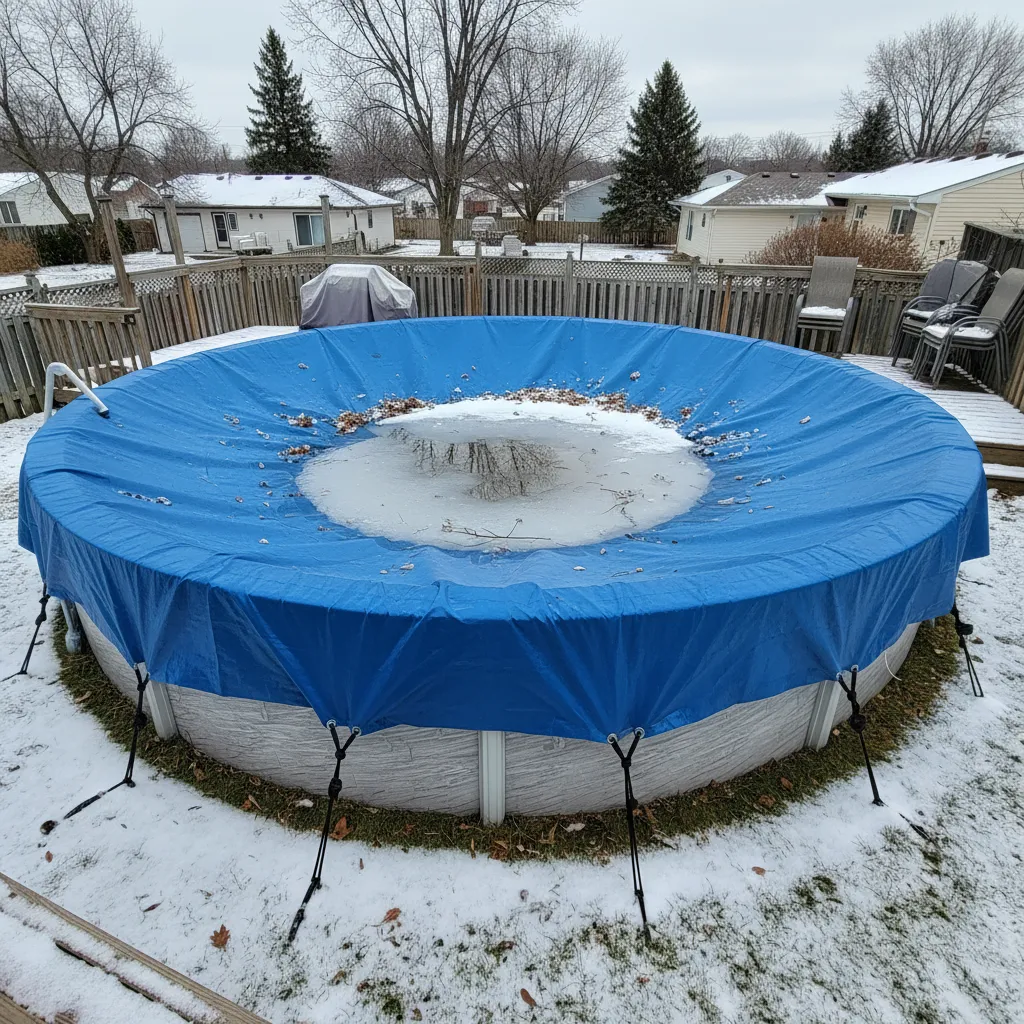
"Invest once to protect your liner and prevent a swamp in the spring."
Heavy-Duty Winter Pool Cover
Winter demand is high - check stock
What is Pool Stucco and Why is It Important?
Pool stucco is a ⅜”-½” thick layer applied over a gunite or concrete shell. Its primary role is to seal the pool, preventing leaks and protecting rebar from corrosion. Modern mixes often include polymers or quartz for increased durability. Without this layer, water would gradually seep into the substrate, causing costly structural damage. Its smooth surface also discourages algae growth, simplifying routine maintenance.
Common Types Of Pool Surface Materials
While stucco remains popular, alternatives like exposed aggregate (pebble or quartz finishes), fiberglass, and tile offer different benefits. Aggregate surfaces last 12-20 years but require more acid washing. Fiberglass has a 25+ year lifespan but limits customization. Tile offers unmatched aesthetics but costs 3-5x more than stucco. For repairs without draining, stucco’s cement composition allows hydraulic bonding with products like underwater epoxy or pool-specific hydraulic cement, making it uniquely suited for non-draining fixes compared to non-porous materials.
Recognizing early signs of damage ensures timely intervention before issues escalate.
Signs Your Pool Stucco Needs Repair
Spotting early warning signs in your pool’s stucco surface helps prevent minor issues from becoming major structural problems. Three key indicators demand attention before leaks or deterioration escalate.
Cracks and Chips
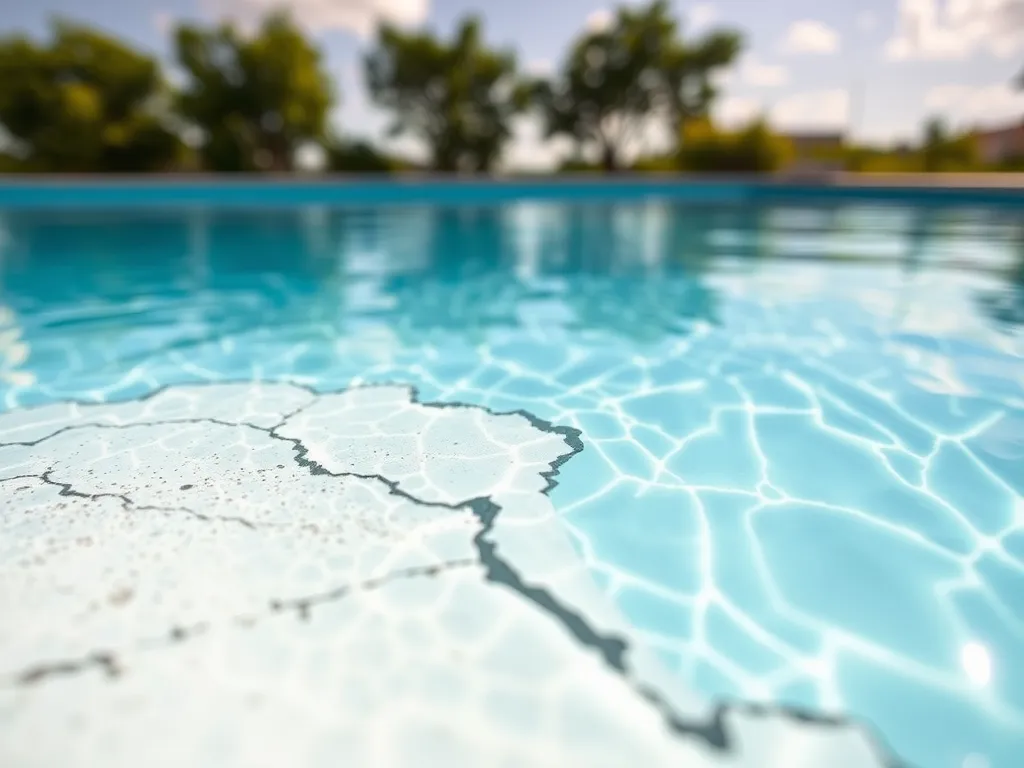
Hairline fractures or visible gaps in the stucco often start small but expand over time. Cracks wider than 1/8 inch allow water infiltration, risking damage to the gunite shell beneath. Chipped edges near steps or drains expose aggregate, creating rough patches that trap debris. Immediate patching with epoxy or hydraulic cement prevents further degradation.
Stains and Discoloration
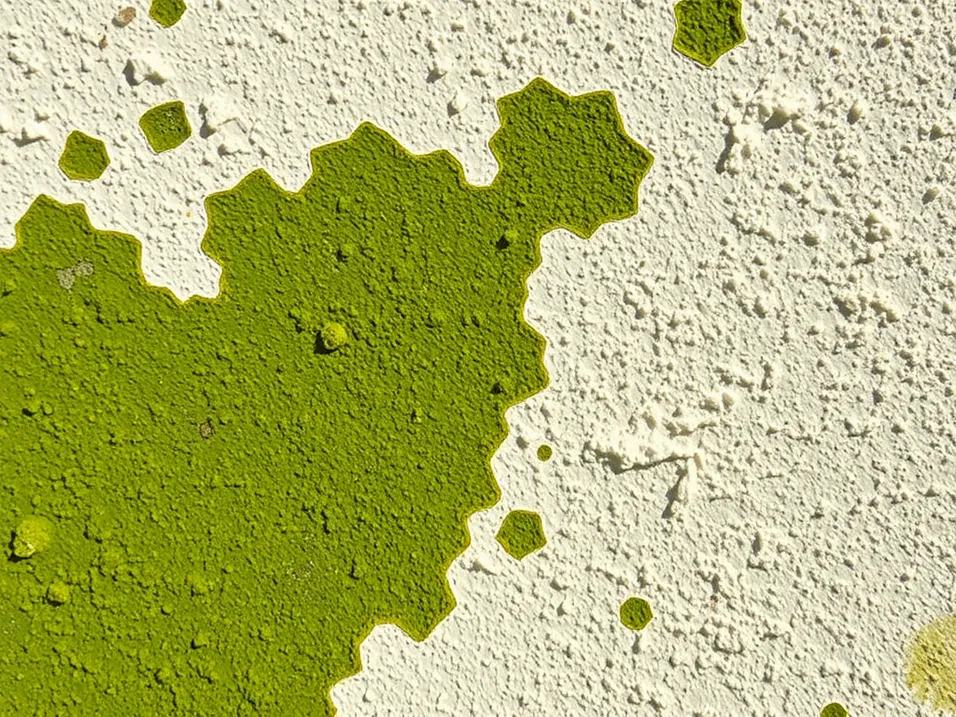
Persistent blotches or uneven coloring signal chemical imbalances or organic growth. Rust-colored streaks point to iron deposits in the water, while greenish-black spots suggest algae penetrating porous stucco. Acid washing might resolve surface stains, but deep-set discoloration often requires targeted resurfacing.
Rough or Peeling Surfaces
A gritty texture or flaking material indicates delamination—a separation between the stucco layer and substrate. This occurs from freeze-thaw cycles, improper pH levels (below 7.2 or above 7.8), or aging. Left unaddressed, peeling areas accelerate erosion, compromising the pool’s waterproof seal.
Can You Repair Pool Stucco Without Draining Water?
Addressing stucco damage without draining is possible for specific scenarios, blending convenience with practicality. Success depends on the repair method, material choice, and damage severity.
Advantages Of Non-draining Repairs
Leaving water intact saves time and resources. A typical 20,000-gallon pool costs $150-$300 to refill, plus 48-72 hours for chemical rebalancing. Submerged epoxy kits ($45-$90 per quart) bond to wet surfaces, curing in 2-4 hours. Hydraulic cement expands as it sets, sealing active leaks in minutes. These methods let swimmers return within 24 hours, avoiding prolonged downtime. Maintaining a pool also involves considering overall costs for repairs and upgrades. These factors can influence the cost of adding features like a Pebble Tec finish to your pool.
Limitations Of Repairing Without Draining
Non-draining fixes work best for cracks under 6 inches or isolated chips. Larger delaminated areas (over 1 sq.ft.) need draining for proper adhesion. Working submerged limits material options—standard plaster mixes fail in wet conditions, requiring pricier acrylic additives ($12-$18 per lb). Visibility issues underwater may lead to incomplete crack filling, reducing repair lifespan by 30-40% compared to dry methods.
Ready to tackle the job? The following section breaks down tools, techniques, and pro tips for lasting results.
Also See: Do You Need a Special Liner for a Saltwater Pool?
Step-by-step Guide to Repairing Stucco Without Draining
Fixing pool stucco with water still in the pool needs care and the right steps. Let’s break down how to do it right.
Essential Tools and Materials
Gather items that bond well when wet. These let you work fast and keep water out of the patch zone.
Epoxy Kits, Pool Putty, and Surface Repair Products
Underwater epoxy kits (like PoolBond or AquaEpoxy) stick to damp stucco and cure in 15-30 mins. Pool putty, made for wet fixes, works for cracks up to 1/4 inch wide. Surface repair gels fill small chips without mixing. Costs range from $20 for putty tubes to $150 for pro-grade epoxy sets.
| Product Type | Use Case | Cure Time |
|---|---|---|
| Epoxy Putty | Hairline cracks | 20 mins |
| Hydraulic Cement | Gaps over 1/2″ | 3-5 mins |
| Acrylic Patch | Surface flaws | 24 hrs |
Preparing the Damaged Area
Good prep stops leaks and makes fixes last. Work fast to keep water from messing up the patch.
Cleaning and Drying Techniques
Scrub the spot with a stiff brush to remove algae or loose bits. Use a wet/dry vac to suck out debris. For small areas, press a dry towel on the spot for 1-2 mins to pull moisture out. Keeping the area clean is important for a healthy environment. A clean pollen pool can help ensure better air quality and reduce allergies.
Temporary Water Diversion Methods
Push a foam pool noodle chunk over the crack to block water flow. For bigger holes, wedge a rubber plug wrapped in duct tape into the gap while you work. Remove once the patch sets. It’s important to keep your pool steps in good shape. Fixing fiberglass pool steps helps maintain safety and enjoyability.
Applying the Repair
Match the method to the damage size. Speed matters—water pressure can wash out fresh patches.
Patching Small Cracks and Chips
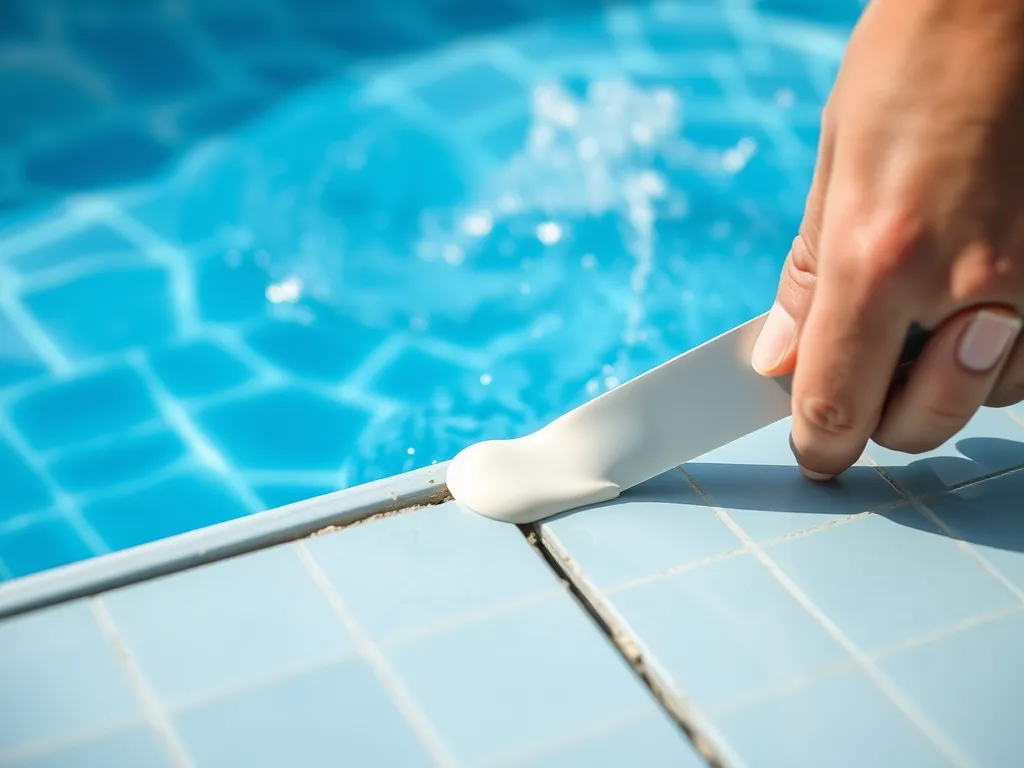
Knead epoxy putty until pliable, then press it into cracks. Smooth with a putty knife dipped in pool water. For chips under 2 inches, trowel on acrylic repair mix, feathering edges to blend.
Handling Larger Damages
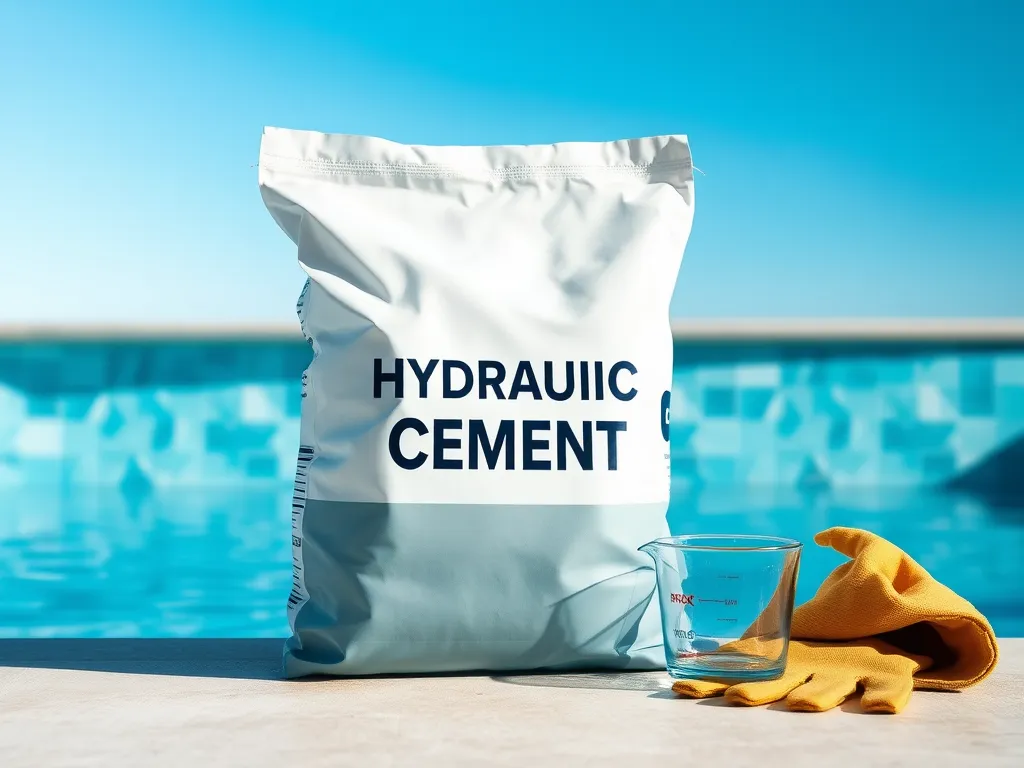
Use hydraulic cement for gaps wider than 1/2 inch. Mix small batches—it hardens in 3-5 mins. Pack it tightly, then cover with a vinyl patch held by pool-safe glue until cured.
When to Consider Partial Draining
Some fixes need less water to work safely. Lower levels by 6-12 inches if damage sits at the tile line or pump area.
Repairs Requiring Water Level Adjustments
Drain just below the crack if it’s near lights, skimmers, or tile borders. This lets you reach the spot without full drainage. Use a submersible pump ($80/day rental) to drop levels fast.
Safety Precautions for Water-level Work
Check pool walls for bends or shifts before pumping. Never drain more than 18 inches in one day—sudden pressure changes can crack walls. Keep kids and pets away from open pumps. Proper maintenance ensures all aspects of your pool are in good shape. This includes the lifespan of your pool lights, which can be affected by water quality and how well they are cared for.
Materials for Non-draining Stucco Repairs
Choose products made to set underwater. Common options:
Underwater Epoxy Solutions
Two-part epoxy sticks to wet stucco and seals against leaks. Brands like Fix-A-Leak cure in 30 mins and handle temps up to 120°F. Cost: $45-$75 per kit.
Hydraulic Cement Applications
Sets in 5 mins even with water flow. Use for holes up to 3 inches. Mix with a 1:3 powder-to-water ratio. Wear gloves—it can burn skin.
Specialized Pool Plaster Mixes
Pre-mixed plaster with additives for wet bonding. Apply in layers no thicker than 1/8 inch. White coat blends best with old stucco. Cures in 48 hrs. $30-$50 per bag.
Next, let’s look at how to care for your pool after the patch job to keep it solid for years.
Post-repair Care and Maintenance
After completing repairs on stucco pool surfaces without draining water, proper follow-up steps ensure lasting results. Balancing chemical levels and protecting fresh patches prevents premature wear. Caring for other parts of your pool, like the tile, is equally important. Clean calcium pool tile enhances the overall appearance and helps maintain clarity in the water.
Curing Time and Water Chemistry
Underwater repair materials like epoxy or hydraulic cement require 24-72 hours to fully set. Maintain pH levels between 7.2-7.6 and alkalinity at 80-120 ppm during this period—imbalanced water can weaken bonds. Avoid adding chlorine shock for 48 hours, as high concentrations may degrade curing compounds. Test kits or digital sensors help track calcium hardness (200-400 ppm) to prevent mineral buildup on new patches.
Long-term Surface Protection
Apply a stucco-safe sealant annually to shield against algae growth and chemical erosion. Brush walls weekly with nylon-bristle tools to distribute pool sanitizers evenly. For plaster-based repairs, monitor LSI (Langelier Saturation Index) values monthly to balance water aggressiveness. Install automatic covers to reduce UV exposure, which fades pigments and dries out surfaces. Keeping your pool clean and well-maintained is essential in preventing algae. This guide can help you find the best algaecide to protect your pool effectively.
Potential Risks Of Unchecked Repairs
Ignoring post-repair protocols or using substandard materials invites bigger problems. Minor cracks can escalate quickly in submerged environments.
Water Contamination Issues
Poorly mixed epoxy or low-grade pool putty may leach solvents like styrene or acetone into the water, causing cloudiness or skin irritation. Dissolved polymers from faulty patches often clog filters, reducing pump efficiency by 15-30%. Always choose NSF/ANSI 50-certified products designed for aquatic use. It’s equally important to ensure that the chemicals used to maintain the pool are safe and effective. Clorox pool chemicals have been reviewed for their ability to keep your pool clean and clear while ensuring swimmer safety.
Compromised Structural Integrity
Unaddressed cracks wider than 1/8 inch allow water infiltration behind the stucco, eroding gunite shells over time. A single compromised section can lead to leaks losing 200-500 gallons daily. Inspect repaired zones monthly for hairline fractures or discoloration—early detection prevents costly partial draining for major restorations.
Cost Comparison: DIY Vs Professional Repairs
Budget plays a role in deciding whether to tackle stucco repairs solo or call experts. While DIY kits save upfront costs, complex jobs demand specialized tools.
Material Expenses for Non-draining Fixes
A quart of underwater epoxy runs $50-$80, covering 3-5 square feet of minor damage. Pool-grade hydraulic cement costs $15-$30 per 10 lb bag but requires precise mixing ratios. Complete DIY kits with sealants and applicators average $120-$200. Comparatively, resurfacing an entire pool without draining starts at $4,000 for professional services. Maintaining the right chemical balance in pools is crucial for their longevity. One effective way to lower chlorine levels is by using hydrogen peroxide, which can help keep the water clean without harsh chemicals.
When to Hire a Pool Care Specialist
Persistent leaks after multiple DIY attempts signal deeper issues. Pros use endoscopic cameras ($1,500-$3,000 equipment) to inspect subsurface damage without draining. They also access commercial-grade materials like acrylic-modified thinset mortar, which bonds 2x faster than consumer products. For spas or vanishing-edge pools with intricate contours, expert application prevents future delamination.
Evaluating repair longevity and safety standards helps determine the right approach. Next, we’ll address common concerns about resurfacing timelines and seasonal closures.
Frequently Asked Questions
How Do Water Temperature and Weather Conditions Affect Underwater Stucco Repairs?
Water temperature impacts cure times—epoxy and hydraulic cement set 30-50% slower in water below 60°F. Avoid repairs during freezing conditions, as expanding ice can dislodge fresh patches. High humidity above 80% extends drying periods for surface-level gels. Ideal conditions: 70-85°F water with minimal rain forecast for 48 hours.
Are Non-draining Repair Kits Safe for Saltwater Pools?
Most epoxy and acrylic repair products rated for chlorine pools also work in saltwater systems, but verify NSF/ANSI 50 certification. Avoid zinc-based putties, as salt accelerates corrosion. For saltwater compatibility, choose stainless steel-reinforced patches or polymer-modified cement mixes designed for high-salinity environments. As pools evolve, so do maintenance solutions. Smart pool technology offers innovative ways to monitor and care for your pool efficiently.
Can You Color-match Repair Materials to Existing Pool Stucco?
Yes—quartz-based repair kits (like E-Z Patch 1WR) allow custom pigment mixing. For white stucco, blend titanium dioxide powder into acrylic patching compounds. Test samples on a submerged tile first. Note: UV exposure may cause slight fading disparities over 6-12 months.
What Are the Signs That an Underwater Repair Has Failed?
Watch for bubbling around edges, white calcium deposits forming on patches (indicating leaks), or debris accumulation in previously repaired cracks. A hollow sound when tapping the area with a pool brush suggests delamination. Failed hydraulic cement often crumbles when scraped with a fingernail. As colder weather approaches, it’s important to consider how seasonal changes affect your pool. Store pool floats properly this winter to keep them in great shape for next summer.
How Soon After Repairing Can You Use Pool Chemicals or Shock Treatment?
Wait 72 hours before adding chlorine shock or algaecides—chemical reactions can weaken curing bonds. Resume normal sanitization gradually: maintain 1-3 ppm chlorine initially, avoiding pH levels below 7.0 for the first week. Saltwater generators should operate at 50% capacity for 5-7 days post-repair. After this period, it’s important to monitor the water quality before swimming. Always wait for the recommended time after adding chemicals to ensure a safe swimming experience.
Closing Thoughts
Repairing stucco pool surfaces without draining water is possible for minor cracks and chips using underwater epoxy, hydraulic cement, or specialized pool plaster. These solutions save time and money while maintaining water balance. For larger structural issues, partial draining may be necessary to ensure lasting results.
Always assess damage severity before choosing a repair method. Small DIY fixes cost $20–$100 for materials, while professional repairs average $300–$1,500. Monitor water chemistry post-repair—pH should stay between 7.2–7.6 to prevent material degradation.
For precise calculations on chemical adjustments or water volume, try My Pool Calculator. Our tools help maintain optimal conditions after stucco repairs, ensuring your pool stays pristine year-round.
Additional Resources for You:
- National Swimming Pool Foundation (NSPF). (2022). Pool & Spa Operator Handbook (4th ed.). Colorado Springs, CO: NSPF.
- r/pools on Reddit: Cleaning pool plaster without draining?
- Thread: Plaster Woes! – The Pool Forum
- Can we repair stucco pool without draining water – cloudy pool
- How to Repair Plaster in a Pool Whether It’s Empty or Full