Can You Remodel an Inground Pool? A Practical Guide for Homeowners
Published on: January 29, 2026 | Last Updated: November 17, 2025
Written By: Rachael Weatherbottom
Yes, you can remodel an inground pool to update its features, materials, shape, or even size. The feasibility depends on your pool’s structural condition, budget, and local building codes—common projects range from $5,000 resurfacing jobs to $50,000+ transformations involving new tile, coping (the pool’s edge material), or expanded dimensions.
This guide examines key aspects of pool remodeling: assessing your pool’s shell integrity, comparing costs of different upgrade tiers, and exploring design trends like modern tile patterns or integrated spas. We’ll break down regional permit requirements (including California’s strict codes) and provide tips for vetting contractors.
Learn when resurfacing with materials like Marcite (a white plaster finish) makes sense versus full retiling. Find out how expanding or reducing pool size affects project timelines and budgets. Get clarity on warranties, drainage needs during renovations, and long-term maintenance impacts.
Assessing the Feasibility Of Remodeling Your Inground Pool
Before breaking ground on your remodeling an inground pool project, a thorough evaluation sets the stage for success. Start by asking: Does the existing structure support your vision, or will it demand compromises? Planning and assessing your needs can help you design the perfect layout. If you are considering building your own inground pool, careful preparation is essential to achieve your dream oasis.
Crucial Winterizing Products

"The all-in-one solution for a guaranteed clear spring opening."
All-in-One Closing Chemical Kit
Winter demand is high - check stock

"The 'set & forget' option. This is the easiest winterizing I've ever done."
Simple 3-in-1 Winterizing Balls
Winter demand is high - check stock
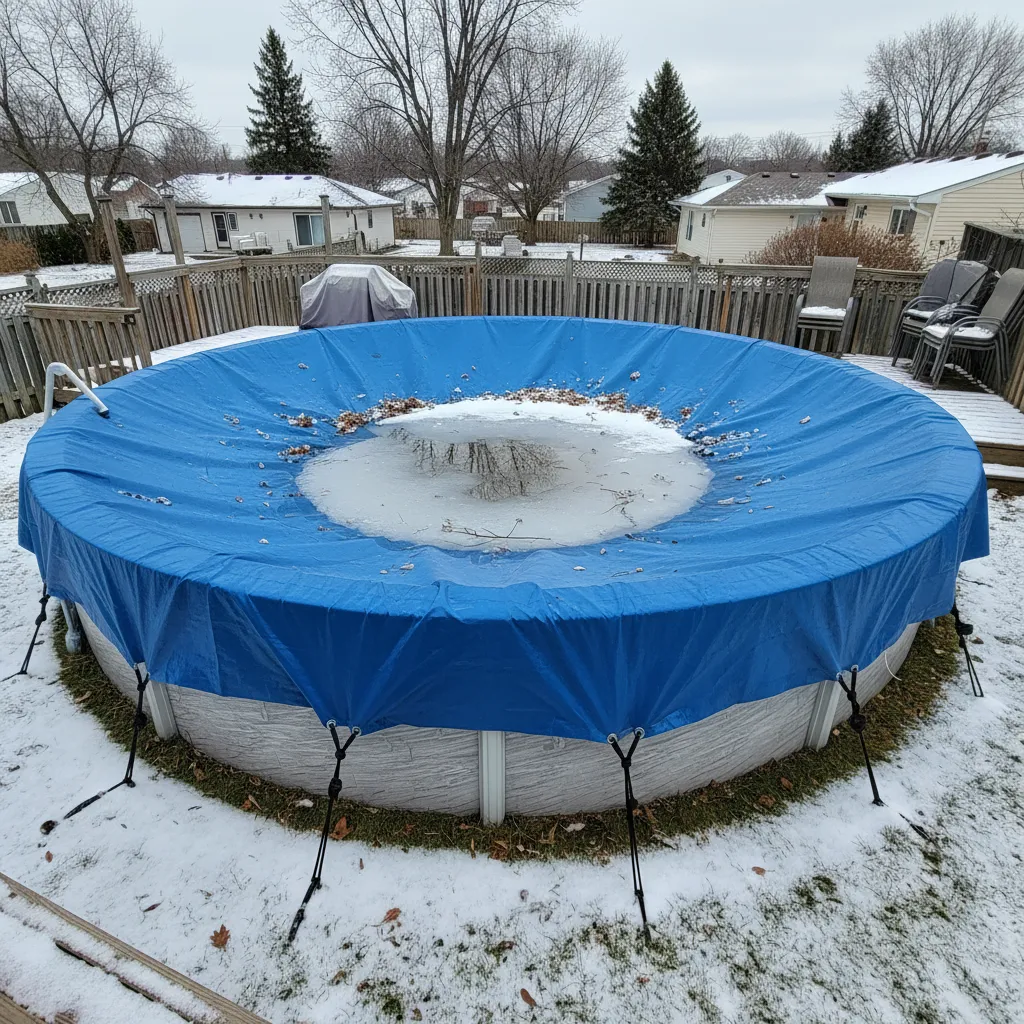
"Invest once to protect your liner and prevent a swamp in the spring."
Heavy-Duty Winter Pool Cover
Winter demand is high - check stock
Key Indicators Your Pool Needs Remodeling
Visible cracks in plaster, rusty rebar stains, or tiles that pop off signal structural stress. Persistent leaks losing ¼ inch of water daily often point to failing plumbing or compromised shells. Outdated designs like shallow-only depths or cramped decks may no longer suit your lifestyle. Safety risks, such as non-compliant drain covers from pre-2008 builds, require immediate attention under the Virginia Graeme Baker Pool Act. One way to protect your pool and improve its efficiency is by using a solar pool cover. When properly attached, a solar pool cover can help retain heat and reduce water evaporation.
Structural Limitations Vs. Upgrade Potential
Gunite pools with 6-8 inch thick walls typically handle expansions better than aging vinyl-lined structures. Fiberglass shells resist resizing due to their factory-molded forms. A 2023 National Pool Contractors Association report found 72% of concrete pools built after 1990 can support added features like spillover spas, while pre-1980 builds may need $8,000-$15,000 in shell repairs first. Choosing a pool with lower hardness levels can also enhance longevity. A lower hardness pool minimizes the risk of scale build-up, making maintenance easier and ensuring a more enjoyable swimming experience.
Evaluating Pool Shell Integrity
Contractors use steel probes to check for delamination (hollow spots) in gunite or shotcrete surfaces. Hydrostatic testing verifies if groundwater pressure causes floor heaving. Expect core samples costing $300-$500 per test to measure compressive strength—values below 2,500 psi may require partial rebuilds. Minor cracks under ⅛ inch wide can often be routed and sealed with epoxy injections.
Local Regulations Impacting Modifications
Setback rules in states like Florida require pools stay 10 feet from property lines—expanding might trigger variance requests. California’s Title 24 mandates energy-efficient pumps for all remodeled pools, adding $1,200-$2,500 to budgets. Coastal zones may limit saltwater system installations due to runoff concerns. Always check municipal codes: altering pool depth over 18 inches often needs permit approval.
With feasibility factors mapped, the next step involves aligning your vision with financial realities. Let’s examine cost breakdowns for popular remodeling an inground pool projects.
Cost Factors for Inground Pool Remodeling
Pool remodeling costs swing widely based on project scope. A basic refresh might run $5k-$15k, while full transformations can hit $50k+. Three factors dominate budgets: surface materials, structural changes, and added features. When planning renovations, it’s crucial to consider ongoing costs like energy use. A pool pump electricity cost calculator can help estimate how much you’ll spend on powering your pump after your remodel.
Breaking Down Common Renovation Expenses
Resurfacing eats 40-60% of typical remodels. Tile replacement averages $25-$50 per square foot installed. Plumbing upgrades add $2k-$8k depending on pipe rerouting needs. Energy-efficient pumps cost $800-$2,500 with installation. These factors can affect the total expenses involved in a pool project. It’s important to consider the specific costs associated with pebble tec finishes as well.
Resurfacing vs. Full Renovation Cost Comparison
A standard 14x28ft pool costs $4-$8 per sq.ft. for plaster resurfacing ($3k-$6k total). Full overhauls including decking, tile, and equipment run $15k-$50k. Full demo/rebuilds start at $60k but permit custom shapes. When thinking about a pool’s comfort, the heater size plays a big role. Using a pool heater size calculator can help you choose the right heater for your pool’s specific dimensions and desired temperature.
Marcite Pool Resurfacing: Costs and Benefits
The classic white plaster finish (called Marcite) costs $4.50-$6.50 per sq.ft.. While budget-friendly, it lasts just 7-12 years versus 20+ for pebble finishes. Pros choose Marcite for quick facelifts, blending 90% recycled marble dust with Portland cement.
Budgeting for Size Modifications
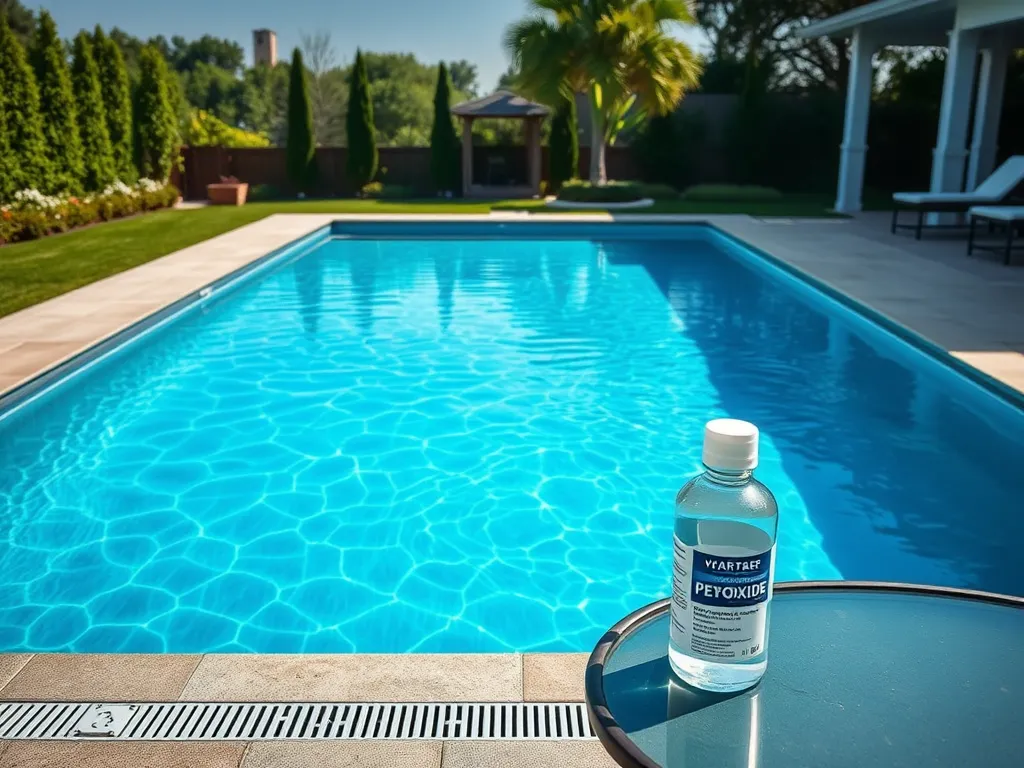
Expanding a 400sq.ft. pool by 10% adds $10k-$30k. Costs spike if breaking existing shell walls—steel-reinforced concrete averages $145 per cubic yard. Downsizing requires partial fills ($3k-$8k) but may reduce property value. Maintaining pool water quality is essential to protect your investment. One option is using hydrogen peroxide, which can effectively lower chlorine levels while keeping the water clean and safe for swimming.
Design Possibilities for Pool Remodels
Today’s remodels blend form and function. Over 60% of owners adding features like LED lighting or baja shelves during renovations.
Modern Aesthetic Updates
Glass tile mosaics ($100-$200 per sq.ft.) create shimmering waterlines. Cantilevered concrete coping ($35-$55 per linear foot) gives clean edges. Dark plaster finishes trending, absorbing heat while hiding stains.
Tile Replacement and Coping Styles
6×6 ceramic tiles cost $5-$15 per sq.ft. installed. Natural stone coping runs $20-$45 per foot. Bullnose travertine remains popular for slip resistance. New waterproof grout formulas prevent color fading.
Functional Feature Additions
Built-in spas (15-25k) share pool filtration systems. Tanning ledges (4-6ft wide) cost $4k-$8k with bubblers. Adding a swim jet system? Budget $7k-$12k for professional installation. When considering all these additions, it’s also important to think about the total costs involved. Overall, the installation cost for an above-ground pool can vary greatly depending on size and features.
Integrated Spas and Tanning Ledges
Spillover spas need 18″ elevation above pool waterline. Ledges require 12″-18″ water depth—perfect for loungers. Both features demand extra rebar during construction: #4 steel bars spaced 12″ on center. Maintaining the right pH alkalinity relationship in the water is important for these pools. The pH alkalinity relationship affects how effectively chemicals work to keep the water clean and safe.
With design plans finalized, the next step involves navigating size changes – from permit requirements to excavation methods.
Also See: Can You Put a Pool on a Deck? Find Out Here!
Changing Pool Dimensions: What You Need to Know
Altering your pool’s size opens new options but needs smart plan work. Check soil type, pipe spots, and deck space before moving walls. Most pools can shift shape if shell strength passes checks by pros. Additionally, paying attention to the plumbing is essential. A leak in the pool pump can lead to air getting into the system, which can affect the pool’s performance.
Expanding Your Pool: Methods and Costs
Adding 3-5 feet costs $15k-$30k based on build style. Shotcrete sprays make strong new walls that bond to old shells. Steel walls with vinyl work for fast fixes but last 7-12 years.
Sidewall Extension Techniques
- Cut-and-shoot: Saw old wall, add rebar, spray concrete ($120-$180 per foot)
- Overlay: Bolt new steel forms to edge, fill with cement mix ($90-$140 per foot)
- Vinyl drop-in: Attach track system, hang liner ($60-$100 per foot)
Reducing Pool Size: Practical Considerations
Shrink steps save cash but limit swim space. Fiberglass inserts cut 4-6 feet for $8k-$15k. Fill zones need drain lines sealed and packed dirt tests (85% comp rate). Check local codes – some towns ban size drops over 20%. Keeping your pool’s chemistry balanced is also important. If you’re facing chlorine lock, addressing the issue promptly will help maintain a healthy swimming environment.
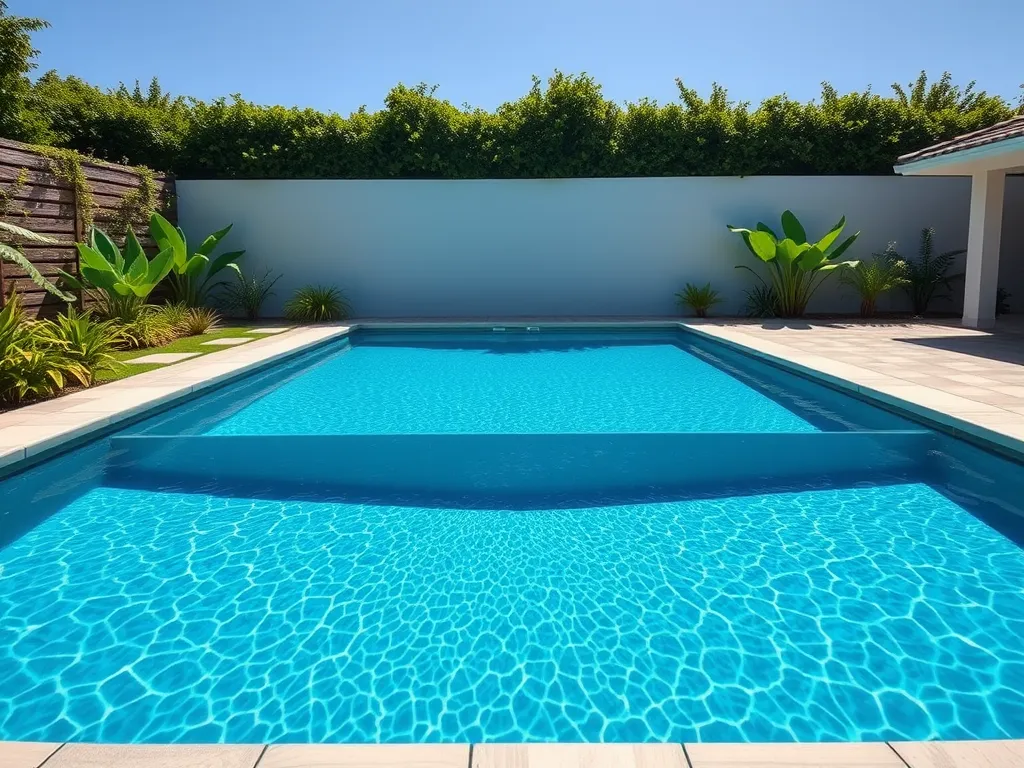
Pool Surface Renovation Options
Cracks, stains, or rough spots mean it’s time for new skin. Pick from 3 main types based on cash, look, and how long you want it to last.
Comparing Resurfacing Materials
- White plaster: $4-$6 per sq ft, lasts 7-12 years
- Pebble mix: $10-$15 per sq ft, lasts 15-25 years
- Glass tile: $25-$50 per sq ft, lasts 30+ years
When to Retile Vs. Replaster
Choose new plaster if under 20% tiles chip. Full retile suits pools with mosaic art or salt water damage. Acid wash old plaster first – pH must hit 7.2-7.8 before new layers go on. Tiles need epoxy grout to stop leaks. Just like the care you give to your pool, choosing the right pool stick name is important in games. A good name can reflect a player’s style and skill.
Navigating Permits and Regional Requirements
Rules vary by state – a CA pool job differs from TX plans. Always call your town office first. Most want stamped plans for any wall moves or pipe reroutes.
California-specific Remodeling Regulations
CA Title 24 needs 20% water save steps if you change over 50% of pool parts. Solar covers or VS pumps meet this rule. Fence heights must stay at 60″ post-work.
Permit Process for Structural Changes
- File plans with pool sketches (scale 1:100)
- Soil test reports for size shifts
- Drain plan showing no run-off to streets
- Wait 6-8 weeks for review
- Pay $800-$1,200 fee based on job size
With design plans set, the next step lies in picking the right crew for the work.
Finding Qualified Pool Remodeling Pros
Picking the right team makes or breaks your pool remodel. Look for pros with proof of work on jobs like yours. Ask to see photos of past projects and talk to past clients.
Vetting Contractors for Renovation Projects
Check licenses first. All 50 states need pool pros to hold trade licenses. Ask for proof of general liability coverage ($1M minimum). Search BBB for ratings and read Google reviews. Pros in groups like APSP or NSPF often meet higher standards.
Get 3 bids min. Compare line items. Watch for lowball bids missing key steps like drain work or permit fees. A full remodel bid should cover demo, new parts, debris haul-off, and post-job clean-up.
Understanding Service Scope and Warranties
Contracts must list all tasks. Example: “Remove old plaster, fix 3 shell cracks, install new quartz finish.” Avoid vague terms like “update pool area.” Verify who buys materials – some pros charge 15% markup on supplies.
| Warranty Type | Coverage | Avg. Length |
|---|---|---|
| Plaster | Cracks, flaking | 5 years |
| Tile | Loose pieces | 2 years |
| Pump | Motor fails | 3 years |
Note: Structural work like shell fixes may have 10-year warranties. Always get warranty docs in writing – don’t take verbal promises.
With your pro team locked in, let’s tackle common questions home owners ask before breaking ground.
Pool Remodeling FAQs
Can Smart Pool Technology Be Integrated During Remodeling?
Yes, modern remodels often include automation systems for lighting, temperature control, and cleaning robots. Many contractors install energy-efficient variable-speed pumps and smartphone-controlled systems that comply with regulations like California’s Title 24 requirements.
How Do Eco-friendly Material Choices Impact Renovation Costs?
Sustainable options like recycled glass tiles (15-20% premium) or pebble Tec finishes (30% more than standard plaster) may cost more upfront but often qualify for energy rebates. Solar-powered heaters add $3k-$7k but reduce long-term operating costs by 50-70%.
What Contingency Plans Exist for Hidden Structural Damage?
Reputable contractors typically include 10-15% budget buffers for unforeseen issues like compromised rebar or soil instability. Core sampling during feasibility assessments helps minimize surprises, but major shell repairs could add $5k-$20k depending on damage extent.
Are Specialized Permits Needed for Saltwater Conversions?
23 states now require drainage plans for saltwater systems due to environmental concerns. Coastal regions may mandate secondary containment systems ($1k-$3k add-on). Always verify local codes – some municipalities prohibit conversions in older neighborhoods with clay soil.
How Does Remodeling Timing Affect Project Costs?
Off-season renovations (October-February in most climates) often see 5-15% contractor discounts due to lower demand. However, cold weather may increase material curing times by 20-40%, potentially extending project timelines for concrete work.
Closing Thoughts
Remodeling an inground pool offers exciting possibilities to transform your backyard oasis. From surface upgrades to complete redesigns, most pools can be adapted to meet modern standards and personal preferences. The key lies in proper planning, realistic budgeting, and working with experienced professionals.
Before starting your project, verify local regulations and obtain necessary permits. Consider both immediate costs and long-term maintenance implications. Quality renovations typically increase property value while enhancing outdoor living enjoyment.
For precise cost estimates and pool maintenance calculations, visit My Pool Calculator. Our tools help homeowners make informed decisions about renovations and ongoing care. Whether you’re planning minor updates or major structural changes, proper planning ensures successful results.
Additional Resources for You:
- Grimes, R. J. (2015). Troubleshooting and Repairing Pool Plastics, PVC, and Vinyl Liners. Chicago, IL: CreateSpace Independent Publishing.
- Pool Renovations: What to Do With an Old Pool in Your New Backyard
- Can You Redesign an Existing Pool? Changing the Shape or Size of Your Pool
- r/pools on Reddit: Pool remodeling – can you fill in and make pool smaller?
- Step by step guide to the pool remodel process – My Favorite Pool Builder
A pool care geek who’s been testing water chemistry since she was tall enough to reach the skimmer.
Inground Pool, Pool Care By Type