Rain’s Impact on Pool Water: Alkalinity, Ph, & Maintenance
Published on: March 16, 2026 | Last Updated: November 17, 2025
Written By: Marcus Thornfield
Rainwater typically lowers pool pH due to its natural acidity (pH 5.0-5.5) but does not directly increase total alkalinity (TA). Instead, heavy rainfall dilutes alkalinity levels, disrupts chlorine effectiveness, and introduces contaminants like pollen or debris. Pool water’s balance depends on rainfall volume, existing chemical levels, and local air quality factors such as acid rain in industrial regions.
This article explains how to test and adjust pH and alkalinity after storms, including why rainwater’s acidity varies regionally. You’ll learn how to calculate dilution effects—for example, 2 inches of rain in a 20,000-gallon pool can lower TA by 10-30 ppm. We’ll cover step-by-step corrections using muriatic acid or sodium bicarbonate and how to prevent long-term damage to pool surfaces and equipment.
You’ll also find strategies for handling extreme weather patterns, like monsoon seasons or hurricane prep. We’ll break down how debris impacts filtration systems, why cloudy water develops post-storm, and when to shock your pool. Technical insights include testing methods, chemical dosing charts, and cost comparisons for DIY fixes versus professional maintenance.
How Rainwater Alters Pool Chemistry
Rain changes pool water balance fast. It acts like an uninvited guest, adding foreign elements that shift pH and alkalinity. Let’s break down how each part works.
Crucial Winterizing Products
"The all-in-one solution for a guaranteed clear spring opening."
All-in-One Closing Chemical Kit
Winter demand is high - check stock

"The 'set & forget' option. This is the easiest winterizing I've ever done."
Simple 3-in-1 Winterizing Balls
Winter demand is high - check stock
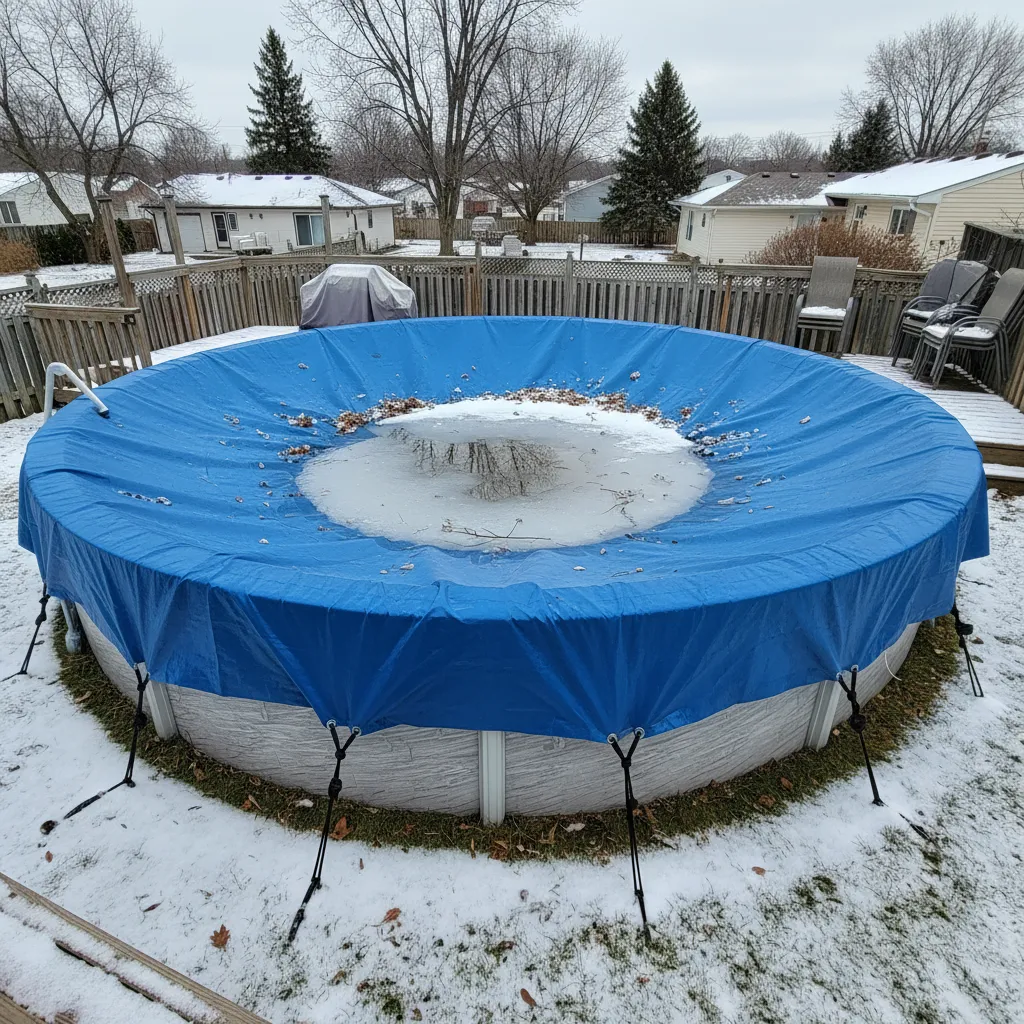
"Invest once to protect your liner and prevent a swamp in the spring."
Heavy-Duty Winter Pool Cover
Winter demand is high - check stock
Does Rainwater Raise or Lower Pool Ph?
Rainwater typically drags pH down. Pool water aims for 7.2-7.8 pH. Rain? It often sits at 5.0-5.5. This gap means even a small storm can tip the scale.
Is Rainwater Naturally Acidic or Alkaline?
Rain starts clean but grabs carbon dioxide as it falls. This mix makes carbonic acid, a weak acid with pH under 5.6. In areas with air pollution, pH drops lower—sometimes to 4.0. Acid rain hits harder, but all rain leans acidic.
How Fast Does Rainwater Lower Pool pH?
A 1-inch rain over 24 hours can drop pH by 0.2-0.5 in a 20,000-gallon pool. Heavy downpours work faster. A 3-inch storm might slash pH by 0.8 in 6 hours if alkalinity runs low (under 80 ppm). Test within 4 hours post-rain for best data.
Does Rain Increase Pool Alkalinity?
Rain rarely boosts alkalinity. Total alkalinity (TA) measures water’s buffering power. While rain itself has 5-20 ppm TA, heavy rain dilutes pool water. A 2-inch rainfall on a 15,000-gallon pool can cut TA by 10-20 ppm. But runoff from concrete or stone decks might add calcium, briefly lifting TA.
Factors That Determine Alkalinity Changes
Four elements shape TA shifts: – Starting TA level (low TA = bigger drops) – Rain volume (more water = more dilution) – Local soil/deck runoff (adds minerals) – Pool covers (block 70-90% of rain effects)
How Much Rainwater Affects Total Alkalinity
Use this rule: 1 inch of rain lowers TA by 5-8% in uncovered pools. For a pool with 100 ppm TA, expect 5-8 ppm loss. Pools near the ocean may see less change due to salt buffering. Always retest after storms over 0.5 inches.
Rain’s chemistry tricks don’t stop here. Next, we’ll explore how these shifts ripple through your pool’s health—and why quick fixes matter.
Key Effects Of Rain on Pool Water
Rainwater introduces immediate chemical shifts that demand attention to prevent lasting damage. Pool owners often notice changes within hours of a storm, but the extent depends on rainfall volume, pool size, and existing water balance. When it begins to rain, many pool owners must make quick decisions. Pools typically close during rain to protect both the water quality and the safety of swimmers.
Ph Fluctuations: Short-term Vs. Long-term Impact
Rain typically lowers pool pH rapidly due to its natural acidity. A light shower might drop pH by 0.2-0.3 units, while heavy downpours can slash levels by 0.8 or more. These changes appear dramatic but often stabilize as circulation systems redistribute diluted water. Persistent low pH becomes problematic when multiple storms occur without rebalancing, leading to corrosion of metal fittings or etching on plaster surfaces.
Alkalinity Shifts and Their Consequences
Total alkalinity (TA) acts as pH’s buffer, and rainwater’s near-zero TA (5-20 ppm) dilutes this critical parameter. A 1-inch rainfall on a 20,000-gallon pool can reduce TA by 10-15 ppm. While single events rarely crash alkalinity, repeated storms create cumulative effects that leave water vulnerable to pH swings. Maintaining the right alkalinity level is crucial for the overall health of the pool. Proper alkalinity helps prevent corrosion and creates a more enjoyable swimming environment.
Low Alkalinity Risks After Heavy Rain
TA levels below 60 ppm trigger a chain reaction: pH becomes erratic, chlorine loses effectiveness, and surfaces suffer. Vinyl liners may wrinkle, while concrete pools risk calcium leaching. Test TA within 12 hours post-storm using reliable methods to catch these drops before equipment damage occurs.

Measuring Rain’s Impact on Pool Chemistry
Quantifying rainwater’s effects requires specific tools and calculations. Pool size, storm duration, and pre-storm chemistry all influence outcomes.
Testing Ph and Alkalinity Post-rainfall
Begin tests once circulation runs for 2-4 hours to ensure uniform water mixing. Focus on pH and TA first, as chlorine readings often appear falsely low due to organic contaminants washed into the pool. Regular maintenance is important for your pool’s health. Proper care can significantly affect the overall lifespan of your inground pool.
Using Test Strips for Immediate Results
Dip-and-read strips provide instant pH and TA approximations (±0.4 accuracy). While not lab-grade, they help determine whether critical thresholds have been breached. Store strips in airtight containers to prevent humidity skewing results.
Liquid Test Kits for Precision
Taylor K-2006 or comparable kits measure pH to ±0.2 and TA within ±10 ppm. The acid demand test proves particularly useful for calculating exact chemical doses needed post-rain. These kits remain unaffected by water turbidity from debris.
Calculating Rainwater Dilution Effects
Use the formula: (Rainfall inches × 623 gallons) / Pool volume = Dilution percentage. For example, 2 inches on a 15,000-gallon pool equals 12.5% dilution. Multiply this percentage by current TA or pH levels to estimate post-storm values. After a heavy rain, balancing your pool chemistry becomes crucial. You might want to consider using a muriatic acid pool calculator for accurate adjustments.
Estimating pH Drop Based on Rainfall Volume
Each inch of rain lowers pH by approximately 0.1 × (Current pH – 5.6). A pool at pH 7.6 would drop 0.2 units per inch. This rule-of-thumb helps anticipate chemical needs before testing, though actual results vary with rain acidity and runoff contamination. After heavy rain, it is essential to check the pool’s chemistry. A swim shocked pool can help restore the balance and keep swimmers safe.
With precise measurements in hand, the path to restoration becomes clear. Addressing these imbalances promptly prevents secondary issues like algae blooms or equipment corrosion.
Also See: Do You Sweat in a Pool? Find Out!
Correcting Ph and Alkalinity After Rain
Rain shifts pool balance fast. Fix pH first, then alkalinity, then sanitizers. This order stops swings in water chems.
Step 1: Adjust Ph Levels First
Rain often drops pH below 7.2. Test water right after storms. Use a digital tester or strips for quick reads.
When to Use pH Increaser or Reducer
Add pH increaser (soda ash) if below 7.2. For 10k gallons, 6 oz raises pH by 0.2. If rain leaves pH above 7.8, use muriatic acid. Add 10 oz per 10k gallons to drop 0.2. Wait 4 hours, then retest. Maintaining water balance is crucial for your pool’s health. An above ground pool deck cost calculator can help you budget for additional features to enhance your pool area.
| pH Level | Chemical | Dose per 10k Gallons |
|---|---|---|
| <7.2 | Soda Ash | 6 oz |
| >7.8 | Muriatic Acid | 10 oz |
Step 2: Stabilize Total Alkalinity
Alkalinity buffers pH swings. Rain can drag it under 80 ppm. Fix this after pH settles. Low alkalinity eats pool walls and gear.
Adding Alkalinity Boosters Safely
Use sodium bicarbonate (baking soda). 1.5 lbs per 10k gallons lifts alkalinity by 10 ppm. Scatter it deep end, run pump for 6 hours. Test again in 24 hours. Do not add more until retested. Maintaining proper alkalinity helps create a balanced pool environment. Baking soda can also help with controlling phosphates, keeping your pool water clear and clean.
Step 3: Rebalance Chlorine and Sanitizers
Rain washes out chlorine. Shock with 1 lb cal-hypo per 10k gallons. Check cyanuric acid—if under 30 ppm, add 4 oz stabilizer. Run filter 8 hours, then test free chlorine (aim for 2-4 ppm). It’s important to measure your pool chemicals regularly. Accurate measurements ensure a safe and enjoyable swimming experience.
With pH and alkalinity fixed, focus shifts to keeping water clear. Next, learn how to guard your pool before storms hit.

FAQs: Addressing Common Rain-related Pool Concerns
How Does Rain Affect Chlorine Levels in My Pool?
Rain dilutes chlorine concentration and introduces organic debris (pollen, dirt), which consumes sanitizer. Heavy storms can reduce free chlorine by 50-70% within 24 hours. Always shock your pool after rainfall to restore sanitation levels.
Will a Pool Cover Prevent Rain-related Chemistry Issues?
Quality covers block 70-90% of rainwater infiltration and 100% of debris. However, acidic rain pooling on top of covers can still seep through seams. Remove standing water from covers within 12 hours to minimize chemical transfer. Proper maintenance is crucial for prolonging the life of your pool. One important step is to backwash the filter before vacuuming to ensure effective cleaning.
Can Rainwater Trigger Algae Growth in Pools?
Yes – rain introduces phosphates and nitrates (algae food) while lowering chlorine efficacy. A 1-inch rainfall increases algae risk by 40% if not shocked promptly. Brush walls and vacuum debris within 6 hours post-storm to prevent spores from settling. When it rains, pools can quickly turn into breeding grounds for algae. Taking quick action after a rainstorm is key to keeping your pool clear and clean.
Does Regional Acid Rain Impact Pool Water Differently?
Industrial areas with acid rain (pH 4.0-4.5) experience 3x faster pH drops compared to regions with clean rain (pH 5.6). Test kits showing pH below 7.0 after storms indicate possible acid rain influence – use borax instead of soda ash for safer pH adjustments. The impact of these changes can affect the overall maintenance of pools. Keeping track of pool chemicals can help manage costs effectively.
Why Does My Pool Turn Cloudy After Heavy Rain?
Cloudiness stems from suspended particles (dust, pollen) and calcium carbonate precipitating due to pH swings. Use clarifiers containing chitosan or enzyme-based formulas within 4 hours of rainfall. Run filters continuously until clarity returns – typically 12-36 hours.
Is Saltwater Pool Chemistry Less Affected by Rain?
Salt pools buffer pH better (ideal range 7.4-7.6) but still lose 15-25% salinity per inch of rainfall. Test salt levels after storms exceeding 0.5 inches – add 40 lbs of salt per 10,000 gallons for every 500 ppm drop. Rain doesn’t damage salt cells but accelerates corrosion on unprotected metal components. Keeping the pool at the right temperature is also essential for a great swimming experience. The ideal pool temperature typically ranges from 78°F to 82°F, promoting comfort and enjoyment for swimmers.

Closing Thoughts
Rainwater’s effect on pool chemistry isn’t just a minor concern—it’s a variable that demands attention. From pH drops to alkalinity shifts, understanding these changes helps maintain balanced water. Testing promptly after rainfall and adjusting pH before tackling alkalinity keeps corrections efficient.
Heavy storms might dilute sanitizers or introduce contaminants, but with the right tools—like test strips or liquid kits—you can quickly identify imbalances. For precise calculations on chemical adjustments, try My Pool Calculator to simplify the process.
Stay proactive: cover your pool before storms, skim debris afterward, and always retest within 24 hours of heavy rainfall. Consistent monitoring ensures rain won’t derail your pool’s clarity or safety.