Can You Power Wash a Pool Liner? Safety Tips & Expert Advice
Published on: January 24, 2026 | Last Updated: November 17, 2025
Written By: Rachael Weatherbottom
Power washing a pool liner is not recommended for most situations. High-pressure water jets (typically 300-500 PSI) can puncture vinyl, weaken seams, or fade patterns. While effective for concrete pools, this method risks permanent damage to flexible liners. Safer alternatives include soft washing with low-pressure nozzles or manual scrubbing using pool-safe cleaners.
This guide breaks down the risks of pressure washing and provides proven techniques for cleaning vinyl liners without causing tears or leaks. You’ll learn how to handle stubborn algae, mineral stains, and organic buildup while protecting your pool’s surface. We’ll also explore how water depth, nozzle types, and liner age impact cleaning choices.
By the end, you’ll know exactly when to avoid power washers, how to clean a filled or drained pool safely, and which tools extend your liner’s lifespan. From pH-balanced solutions to automatic pool vacuums, we cover methods that balance thorough cleaning with material preservation.
Is Power Washing Safe for Pool Liners?
Pool owners often ask whether power washing offers a quick fix for grimy vinyl surfaces. While the idea seems efficient, the answer depends on pressure levels, nozzle types, and the liner’s current condition. Let’s unpack the realities of blasting away dirt with high-powered equipment. Keeping the pool clean is important, but it also ties into maintaining the right chemical balance. Regularly checking and balancing pool chemicals helps prevent buildup and keeps the water safe for swimming.
Crucial Winterizing Products
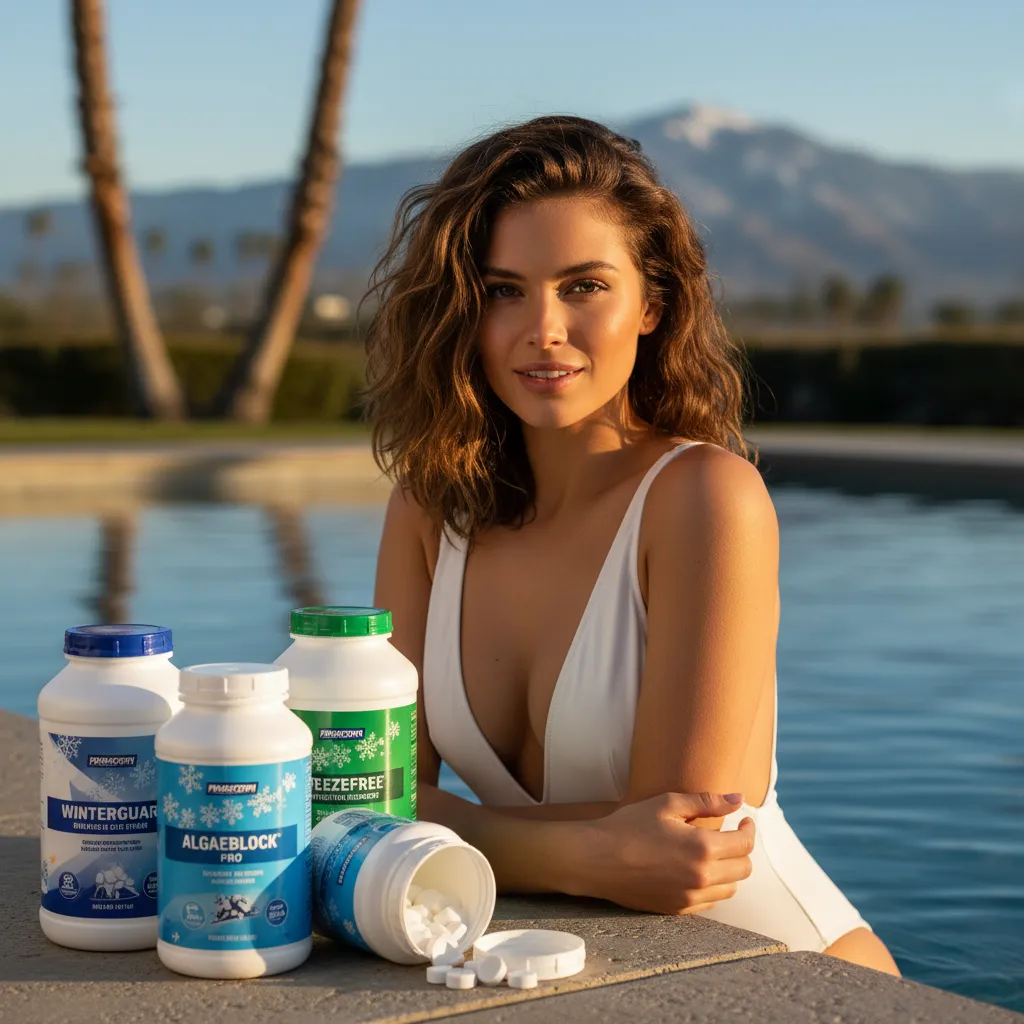
"The all-in-one solution for a guaranteed clear spring opening."
All-in-One Closing Chemical Kit
Winter demand is high - check stock

"The 'set & forget' option. This is the easiest winterizing I've ever done."
Simple 3-in-1 Winterizing Balls
Winter demand is high - check stock
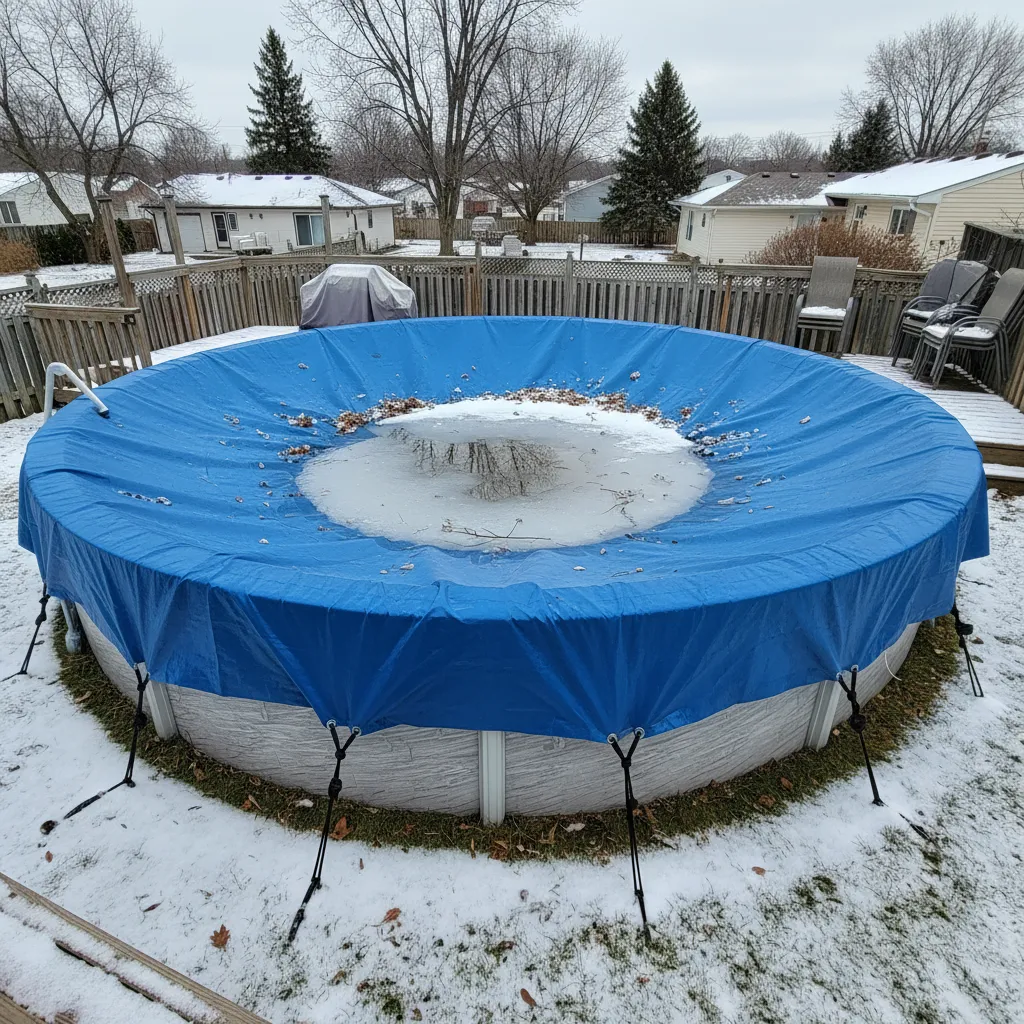
"Invest once to protect your liner and prevent a swamp in the spring."
Heavy-Duty Winter Pool Cover
Winter demand is high - check stock
Risks Of High-pressure Cleaning
Vinyl pool liners have a tensile strength of 20-30 MPa, far lower than materials like concrete. Power washers operate at 1,500-4,000 PSI—enough to puncture or delaminate the liner’s layers. Common damage includes:
- Microtears invisible during inspection
- Fading patterns from abrasive spray angles
- Compromised UV inhibitors, reducing lifespan by 2-5 years
Warranties often exclude pressure washing-related issues. A 40° fan nozzle at 12+ inches distance lowers risk but doesn’t eliminate it. Testing on a small corner first helps assess vulnerability.
When Power Washing Might Be Considered
Only two scenarios justify using a power washer on vinyl liners:
- Pre-replacement deep cleans: For liners scheduled for removal, 500 PSI settings can strip algae from textured surfaces.
- Concrete pool conversions: Professionals might use controlled washes before installing new liners over old substrates.
Always avoid direct spray on seams or overlaps. Combine low-pressure rinsing with oxygen-based cleaners like sodium percarbonate (0.5 lbs per 10k gallons) to lift stains without abrasion.
Spotting early signs of buildup helps determine whether standard cleaning suffices—or whether more drastic measures could become necessary.
Signs Your Pool Liner Needs Deep Cleaning
Persistent dirt or unusual textures on your vinyl liner often signal it’s time for more than basic skimming or vacuuming. These issues typically worsen over time, especially if ignored during routine pool maintenance.
Stubborn Stains and Discoloration
Brown, rust-colored, or chalky white patches indicate mineral deposits or organic staining. Copper or iron in water sources can leave blue-green streaks, while calcium scaling forms white crusts when pH levels exceed 7.8. Tannins from decaying leaves create tea-colored blotches that resist standard chlorine treatments. Unlike surface dirt, these stains bind to the liner’s porous texture, requiring targeted cleaning methods instead of high-pressure blasting, which risks tearing the material.
Algae, Mildew, or Organic Buildup
Slimy green, black, or mustard-yellow spots signal algae colonies, while grayish films often point to mildew. Both thrive in shaded areas or behind pool steps where circulation is poor. Biofilm—a sticky layer of bacteria and organic matter—can also develop, creating rough patches that feel like sandpaper. Power washing might seem effective for blasting away growth, but PSI over 500 can delaminate the liner’s protective coating, accelerating wear. Keeping phosphate levels low can help control these unwanted growths. A no phos pool actively prevents algae and other contaminants, contributing to cleaner, healthier water.
Best Way to Clean a Pool Liner
Manual cleaning balances effectiveness with liner safety. For severe cases, partial draining (lowering water 12-18 inches) provides access to problem areas without fully emptying the pool.
Step-by-step Manual Cleaning Process
Mix 1 gallon of warm water with 1 cup baking soda for general stains. Use a nylon-bristled brush to scrub in circular motions, working from the waterline downward. For submerged algae, apply a 3:1 water-to-white-vinegar solution through a garden sprayer, wait 15 minutes, then agitate with a pool brush. Rinse thoroughly with a low-pressure hose to avoid forcing debris into liner seams. Keeping the water clear is essential for a healthy pool. Using algaecide can help clear cloudy water and prevent algae growth.
Safe Cleaning Solutions for Vinyl Liners
Avoid bleach-based products, which degrade UV inhibitors in vinyl. Instead, use oxygen-based shock (like potassium monopersulfate) for organic stains or ascorbic acid (vitamin C) tablets dissolved in water for metal deposits. For calcium scaling, dilute 1 part muriatic acid in 10 parts water—apply with a sponge, never spray. Automatic pool cleaners with soft silicone rollers ($500-$1,500 depending on models) help maintain cleanliness between deep cleans. Additionally, muriatic acid can be crucial in balancing pool water chemistry. Regular use of muriatic acid helps keep your pool water safe and clean.
Recommended Cleaning Frequency
Inspect liners weekly during swim season for early stain detection. Perform spot treatments monthly and full-length scrubbing every 3-4 months. Pools under heavy tree cover or with saltwater systems may need quarterly attention. After major storms or pH spikes above 8.0, check for new mineral deposits. Keeping the pool clean is essential for health and safety. It’s important to weigh the benefits and drawbacks of different pool sanitation methods.
While manual cleaning addresses most issues, questions often arise about using pressure washers on filled pools—a method requiring strict precautions.
Also See: Can You Use CLR on Pool Tiles? Here’s What to Know
Can You Pressure Wash a Pool With Water in It?
Pressure washing a pool while it’s filled poses clear risks. While it might seem like a quick fix, the force of high-pressure water can harm both your liner and pool systems. It’s important to consider the safest methods for cleaning your pool. A power wash pool liner can effectively remove dirt and stains when done correctly.
Dangers Of Pressure Wash a Filled Pool
Pressure washers spray water at 1,500-4,000 PSI—far too strong for vinyl liners. This force can tear seams, create holes, or push water behind the liner, causing wrinkles or bulges. Debris blasted off the liner can clog filters or damage pumps. Even at low settings, pressure washing risks lifting the liner from the pool wall, leading to costly repairs.
Safer Ways to Clean Without Drain
Use a garden hose with a fan-spray nozzle (under 500 PSI) to rinse surfaces. Pair this with a soft pool brush for stuck-on grime. For algae, apply a mix of 70% water and 30% white vinegar, scrub gently, then rinse. Robotic cleaners with soft nylon brushes (like Dolphin Nautilus CC Plus) clean liners without harsh pressure. Keeping your pool clean can help prevent metal issues in the water. Regular maintenance and addressing any metal buildup will ensure a safe swimming environment.
| Method | PSI | Cost | Time |
|---|---|---|---|
| Garden Hose | 40-500 | $0 | 1-2 hrs |
| Robotic Cleaner | N/A | $800-$1,200 | 2-3 hrs |
| Hand Scrubbing | N/A | $20 (brush) | 3-4 hrs |
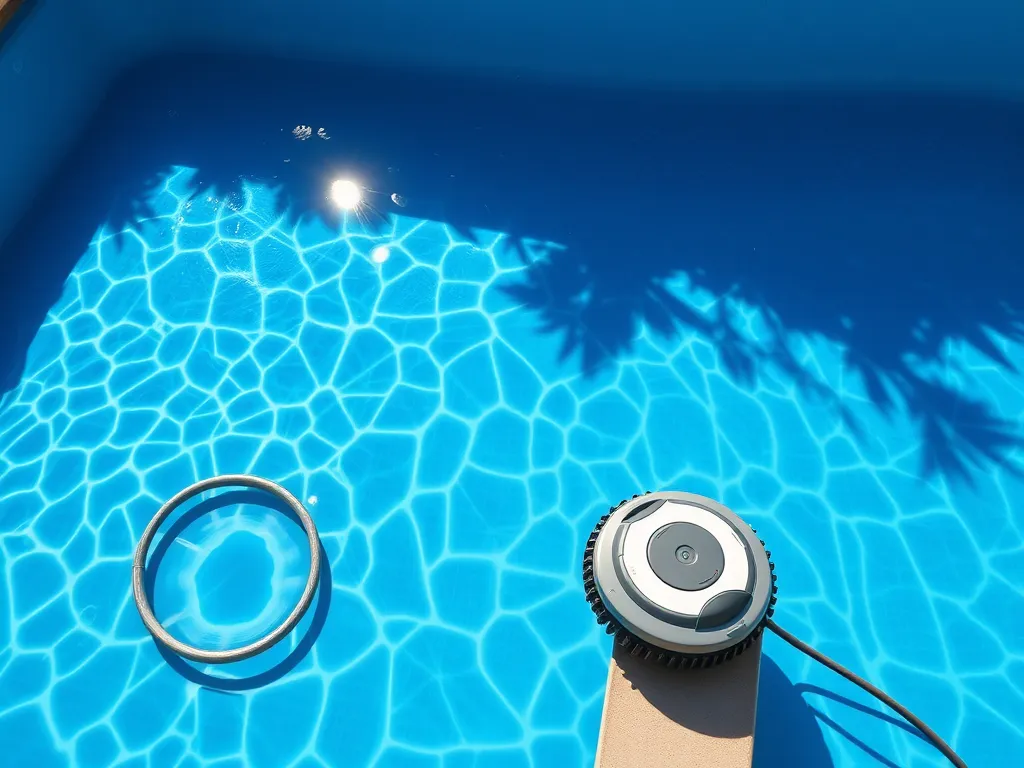
Other Ways to Clean Pool Liners
If pressure washing seems too risky, other methods protect your liner while tackling dirt.
Soft Brushes for Safe Scrubs
Opt for nylon-bristle brushes or pool mitts. Avoid metal tools that scratch surfaces. For stains, mix baking soda and water into a paste, apply with a sponge, then rinse. Weekly brushing stops buildup before it sticks. Keeping pools clean is important, especially for safety. Proper maintenance also ensures that the diving pool has enough depth for safe entry and use.
Let Robots Do the Work
Robotic cleaners (Pentair Warrior SE, Polaris 9550) scrub liners daily using soft wheels and brushes. Suction-side models (Hayward Poolvergnuegen) attach to skimmers and move debris toward filters. Both cut manual cleaning time by 80%. These efficient tools rely on a variety of parts to function effectively. A well-stocked parts pool ensures that repairs and maintenance can be done quickly, keeping pools in great shape.
Drain and Clean by Hand
If stains won’t budge, drain the pool. Keep the liner wet to avoid shrinkage—spray with water every 2-3 hours. Use a mild dish soap (Dawn Ultra) and soft cloth to clean. Refill within 8-12 hours to prevent liner damage. Expect to spend $150-$300 on water refill costs. Taking care of your pool is important, but inspections can add to your expenses. Pool inspection costs typically range from $100 to $300, depending on the service provider and the pool’s condition.
Keep Your Liner in Top Shape
Proper care extends liner life beyond 10 years. Focus on stain prevention and regular upkeep.
Stop Stains Before They Start
Balance water pH (7.4-7.6) to avoid scaling or metal stains. Use a pool cover to block leaves and dirt. Shock the pool weekly (1 lb. calcium hypochlorite per 10,000 gallons) to kill algae. Remove toys or gear that rub against the liner. Keeping a pool well-maintained is essential for a great swimming experience. At the pool offers a fantastic oasis for relaxation and enjoyment.
Stick to a Care Plan
Test water 2-3 times weekly. Brush walls every 7 days, vacuum twice monthly. Check for leaks or tears near steps and seams. Replace filter cartridges every 4-6 weeks during swim season.
Now that we’ve covered care steps, let’s tackle common myths about pool liner cleaning.

Frequently Asked Questions
Can I Use a Pressure Washer on an Empty Pool Liner?
While draining the pool reduces immediate water pressure risks, power washing an empty vinyl liner is still hazardous. Without water support, the liner may shift or wrinkle, increasing tear risk. Reserve pressure washing only for liners slated for replacement, using under 500 PSI and a 40° fan nozzle at 12″+ distance.
What Eco-friendly Cleaners Are Safe for Vinyl Pool Liners?
Baking soda paste (1:1 water mix), diluted white vinegar (3:1 ratio), and oxygen-based shock treatments are eco-friendly options. Avoid citrus-based or essential oil cleaners, which can degrade UV protection. For heavy stains, sodium percarbonate (a biodegradable oxygen cleaner) safely lifts organic buildup without harsh chemicals.
How Do I Clean the Waterline Without Damaging the Liner?
Use a magic eraser (melamine foam) or soft-bristled toothbrush dipped in a baking soda/water paste. Gently scrub in circular motions, then rinse with a low-pressure hose. For persistent scum, apply a vinyl-safe enzyme cleaner (like Pool Perfect) and let it sit 10 minutes before wiping.
What Should I Avoid When Cleaning a Vinyl Pool Liner?
Never use steel wool, bleach, or ammonia-based products. Avoid abrasive scrubbing pads (like Scotch-Brite) and acidic solutions stronger than 10% vinegar. Don’t let the liner dry completely during cleaning—mist with water every 15 minutes if drained. Always test cleaners on a 6″x6″ area first. Keeping a clean pool floor is essential for a safe swimming environment. Regular maintenance will help in preventing algae and dirt buildup.
Closing Thoughts
Power washing a pool liner can do more harm than good. The high-pressure spray risks tearing the vinyl, damaging seams, and voiding warranties. For most cases, manual cleaning with soft brushes and mild cleaners is the safer choice.
If stubborn stains or algae demand deeper cleaning, partial draining with gentle scrubbing works better than pressure washing. Always prioritize liner longevity—proper chemical balance and routine maintenance reduce the need for aggressive cleaning.
For precise water chemistry tips or maintenance schedules, explore My Pool Calculator. Our tools help keep your pool pristine without risking damage to the liner.
Additional Resources for You:
- National Swimming Pool Foundation (NSPF) – Certification & Resources
- Can I pressure wash a vinyl pool liner? – Quora
- Above ground pool: stained liner
- Can we “gently” power wash the liner before we refilling?? | Trouble Free Pool
- How to Clean an Above Ground Pool Liner | DoItYourself.com
A pool care geek who’s been testing water chemistry since she was tall enough to reach the skimmer.
Patching & Replacement, Pool Material Care, Vinyl-Lined