Can You Use Pool Water to Flush a Toilet?
Published on: March 4, 2026 | Last Updated: November 17, 2025
Written By: Rachael Weatherbottom
Yes, you can use pool water to flush a toilet in emergencies, but it’s not ideal for regular use. Pool water contains chlorine (typically 1-3 ppm), algaecides, and other chemicals that may degrade rubber seals or corrode metal components in your toilet tank over time. While a few flushes won’t cause immediate damage, repeated use risks plumbing issues like leaks or valve failures. Environmentally, reusing pool water reduces freshwater demand during shortages but may introduce chemicals into sewage systems.
This article breaks down the science behind toilet mechanics and pool chemistry. You’ll learn how chlorine levels impact PVC pipes and wax seals, why pH balance matters for plumbing health, and what happens when saltwater pool water enters your system. We’ll examine real-world scenarios where this method works—like hurricane prep in Florida—and situations where it could backfire.
We’ll also explore legal gray areas: some states restrict non-potable water reuse, while others allow it during declared emergencies. For DIYers, there’s a step-by-step guide to safely bypass your toilet’s fresh water supply without breaking local codes. Plus, cost comparisons show when using pool water saves money versus risking $200+ in plumbing repairs. Keep reading to make informed decisions for your home and pool.
Feasibility Of Using Pool Water to Flush Toilets
Understanding the Basic Requirements for Toilet Flushing
Toilets need 1.6 to 3 gallons of water per flush to create the siphon effect that removes waste. This water must flow freely through pipes and seals without causing blockages or mechanical damage. Modern systems rely on clean, debris-free water to maintain functionality. Pool water, while abundant during shortages, introduces variables like chemical content and particulate matter that standard plumbing isn’t designed to handle. Speaking of water usage, it’s interesting to consider how much water is needed to fill a pool. A 15-foot round pool typically holds about 5,500 gallons of water, which is significantly more than what a toilet uses in a month.
Crucial Winterizing Products
"The all-in-one solution for a guaranteed clear spring opening."
All-in-One Closing Chemical Kit
Winter demand is high - check stock

"The 'set & forget' option. This is the easiest winterizing I've ever done."
Simple 3-in-1 Winterizing Balls
Winter demand is high - check stock
"Invest once to protect your liner and prevent a swamp in the spring."
Heavy-Duty Winter Pool Cover
Winter demand is high - check stock
Is Pool Water Chemically Compatible With Toilet Systems?
Pool water contains chlorine (1-3 ppm), pH balancers (7.2-7.8), algaecides, and stabilizers like cyanuric acid. Chlorine degrades rubber flappers and tank seals over time, leading to leaks. Elevated pH levels can corrode metal components in fill valves, while calcium buildup from hard water clogs jets and traps. Even “balanced” pool water exceeds the mild mineral content of municipal supplies, accelerating wear on PVC pipes and ceramic surfaces.
Short-term use during emergencies may pose minimal risk, but repeated exposure creates cumulative damage. For example, a single flush with 2 ppm chlorinated water leaves residual oxidizers in the tank, which react with plastic fittings. Testing a sample’s TDS (total dissolved solids) helps gauge suitability—levels above 1,500 ppm often indicate corrosive potential.
While chemical factors present clear challenges, health and safety implications require equal attention.
Safety and Health Considerations
Before pouring pool water into a toilet tank or bowl, evaluate how treated water interacts with home systems and human health. While reusing water seems practical, risks exist.
Chemical Risks: Chlorine and Other Pool Additives
Pool water contains chlorine (1-4 ppm), algaecides, and pH balancers like sodium bicarbonate. These chemicals prevent bacterial growth in pools but degrade rubber toilet components. Flapper seals and tank gaskets exposed to chlorine may harden or crack within weeks, leading to leaks. Saltwater pools with 2,500-4,000 ppm salinity accelerate metal pipe corrosion, risking joint failures. To keep pools in better condition, new technologies are being developed. Smart pool technology monitors water quality automatically, ensuring clean and safe swimming environments.
Is Pool Water Sanitized Enough for Safe Flushing?
Though filtered, pool water isn’t sterile. The CDC notes that chlorine-resistant pathogens like Cryptosporidium survive for days in treated pools. Flushing introduces these contaminants into bathroom air during the flush cycle. Cross-contamination becomes a concern if toilet overflow occurs or plumbing vents malfunction, spreading aerosols. Maintaining water quality is crucial to prevent health risks. This is where tests like the calcium saturation index test come into play to evaluate water balance and quality.
Potential Health Hazards From Contaminants
Children, pets, or immunocompromised individuals face higher risks from accidental exposure. Splashed water may carry traces of cyanuric acid (used in chlorine stabilizers) or bromine, which irritate eyes and skin. Backflow incidents—where pool water enters home supply lines due to pressure changes—could introduce non-potable water into sinks or showers. It’s important to consider how often pool products need to be replaced to stay safe. The lifespan of products like Pool Rx can significantly affect water quality and maintenance.

Impact on Plumbing and Toilet Systems
Pool water’s composition challenges standard plumbing materials. Even short-term use demands careful evaluation.
How Pool Water Affects Pipes and Seals
PVC pipes handle chlorinated water better than metal, but prolonged exposure weakens solvent-welded joints. Older homes with galvanized steel pipes risk rust from salt or low-pH pool water. Toilet fill valves with rubber diaphragms lose flexibility after 30-60 days of chlorine contact, causing constant running or incomplete flushes. It’s important to think about the effects of water below the surface. The area beneath a pool can also face issues with plumbing and materials due to constant moisture and chemicals.
Long-term Plumbing Risks to Avoid
Scale buildup from calcium-rich pool water reduces pipe diameter by 15-20% over 2 years, lowering flow rates. Corroded valves or seals lead to leaks costing $150-$400 per repair. Municipalities may void warranties on toilets or supply lines if non-potable water use is proven. Maintaining your pool’s plumbing is essential for overall efficiency. This consideration ties into the broader costs associated with small inground pools, as repairs and maintenance can add up over time.
Next, let’s examine practical steps for those deciding to proceed with pool water flushing despite these challenges.
Also See: Can a Telescopic Pole Work With Any Pool Tool?
Step-by-step Guide to Flushing With Pool Water
Flush your toilet with pool water when fresh supply runs low. This guide helps you do it right.
Preparing the Toilet Tank for Pool Water
Before adding pool water, prep your tank to avoid mix-ups or harm to parts.
Turning Off the Water Supply
Find the shut-off valve behind the toilet. Turn it right to stop fresh water flow. Test by flushing once—if the tank refills, the valve isn’t closed all the way.
Draining Existing Tank Water
Flush the toilet to empty the tank. Soak up leftover water with a sponge. Check the tank floor for debris. Dry parts work best with pool water.
Adding Pool Water Safely
Use a clean bucket or pump to move pool water to the tank. Skip funnels—they can spill and waste water.
Recommended Quantities and Methods
New toilets need 1.6 gallons per flush. Older models use up to 7 gallons. Fill the tank halfway first. Test flush to check flow. Avoid filling past the overflow tube. Pool water should be free of leaves or dirt. Filter if needed.
Legal and Regulatory Factors
Using pool water for flushing may break local rules. Check codes before you start.
Local Regulations for Water Reuse (Including Florida)
Florida’s FDEP bars pool water from entering sewers in some zones. Fines up to $500 apply for misuse. Other states need permits for gray water reuse. Call your town office to verify rules.
Restrictions on Pool Water Disposal
Saltwater pools face tighter rules. Salt harms pipes and soil over time. Chlorine levels above 4 ppm may breach EPA limits. Drain to your yard, not toilets, if local codes demand it. Maintaining cleanliness is key for pool safety. It’s important to consider if saltwater pools can be as sanitary as traditional chlorine pools.
Cost and Resource Analysis
Pool water can cut costs, but weigh risks first.
Comparing Pool Water Vs. Fresh Water Costs
City water costs $0.005 per gallon on average. A 10,000-gallon pool holds $50 worth of flush water. But pumping needs power—$0.10 per kWh adds up. Chlorine tablets cost $0.15 each, needed to keep water safe. To cool the pool effectively, you may want to consider the cost of a pool chiller. The cost of a pool chiller can vary based on its size and efficiency, but it is an important investment for maintaining a comfortable swimming temperature.
When Does Using Pool Water Make Financial Sense?
Use pool water if you plan to drain it anyway—like before a storm. Droughts with water bans also make it smart. Avoid if your pool has algaecide ($20 per quart) or copper-based cleaners—these can stain tanks. Keeping the pool area clear of excess debris can lead to a cleaner environment. A clean pollen pool not only looks better but also helps improve air quality and health.
Next, explore other ways to save water when shortages hit hard.
Alternative Solutions for Water Shortages
While using pool water to flush toilets might seem like a quick fix during droughts or supply disruptions, other options exist that balance practicality and safety. These methods reduce strain on fresh water reserves without exposing plumbing systems or households to chemical risks tied to chlorinated pool water. Keeping your pool covered when not in use is also important. Pool safety covers help prevent accidents and keep the water clean.
Flushing With Buckets or Bottled Water
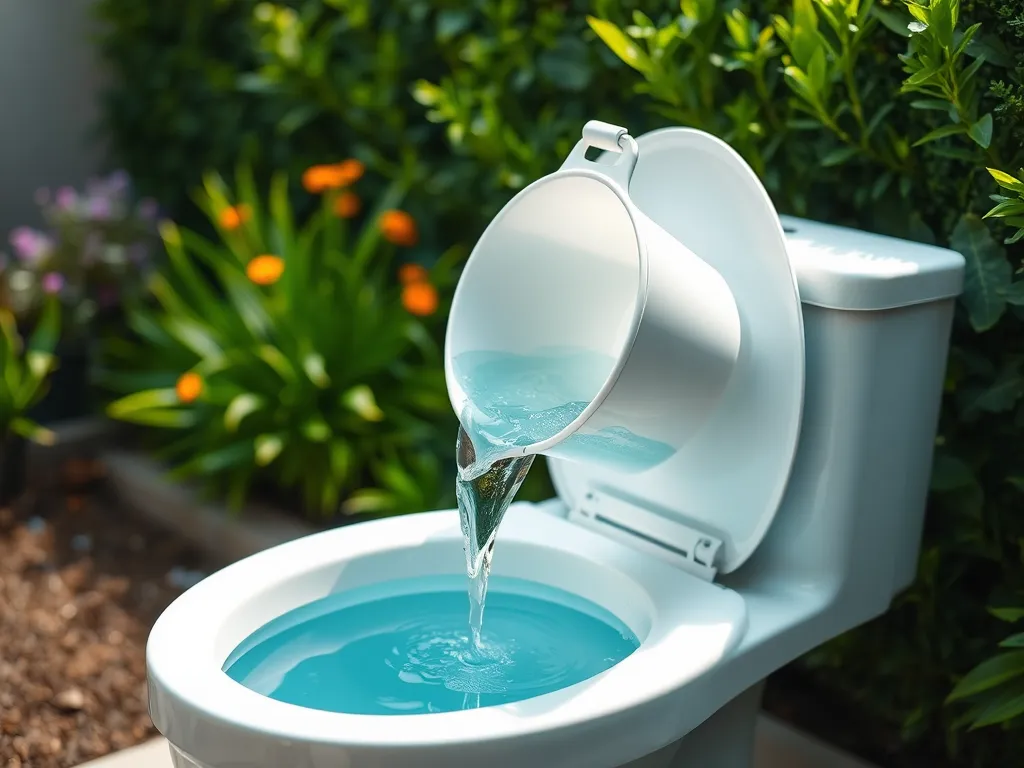
Manual flushing with a bucket offers a direct workaround when traditional systems fail. Pouring 1.6–3 gallons of water (depending on toilet age) directly into the bowl creates enough force to trigger a flush. This method avoids introducing pool chemicals into pipes but requires physical effort and precise pouring to prevent spills. Bottled water serves as a backup for short-term needs, though costs add up quickly—a 24-pack of 16.9-ounce bottles delivers just 3.2 gallons, enough for one flush in newer models.
Minimizing Water Use During Emergencies
Reducing flushes by 30–50% through “if it’s yellow, let it mellow” practices cuts household water waste immediately. Greywater from showers or sinks can substitute for fresh water in tanks, provided it’s free of soap residues that might damage seals. For prolonged shortages, installing dual-flush mechanisms or low-flow toilets (1.28 gallons per flush) slashes consumption without compromising function. These approaches sidestep debates about whether pool water is sanitized enough to flush toilets while addressing root causes of scarcity.
Before adopting any water reuse strategy, verifying local regulations ensures compliance with regional environmental policies.
Frequently Asked Questions
Does Using Pool Water Void My Toilet’s Warranty?
Most toilet manufacturers explicitly exclude damage caused by non-potable water sources like pool water from warranty coverage. Chemical corrosion of seals, valves, or metal components due to chlorine or salt content often voids protection. Always review your model’s warranty terms before proceeding.
How Does Pool Water Affect Septic Systems Vs. Municipal Sewers?
Septic systems rely on live bacteria to break down waste—chlorinated pool water (even at 1 ppm) can kill these microbes, disrupting treatment. Municipal sewers handle chemicals better but may incur higher treatment costs. Always consult local guidelines before flushing pool water into either system. The impact of pool water on septic tanks is an important issue for homeowners. Properly managing pool water can help maintain a healthy septic system.
Can Diluting Pool Water With Fresh Water Reduce Risks?
Mixing pool water 50/50 with fresh water lowers chlorine concentration to 0.5-1.5 ppm, reducing rubber degradation risks. However, pH imbalances and dissolved solids remain concerns. Limit diluted mixtures to 5-10 flushes maximum to avoid cumulative damage. Keeping ducks away from the pool can help maintain water quality. Simple barriers or nets can effectively deter ducks from swimming in your pool.
What Should I Do if Pool Water Causes a Toilet Leak?
Turn off the water supply immediately. Drain the tank and bowl completely. Inspect the flapper, fill valve, and tank bolts for corrosion—replace any warped or cracked parts. For persistent leaks, hire a licensed plumber to check pipe joints and seals.
Closing Thoughts
Using pool water to flush toilets is possible but comes with risks. The high chlorine levels and potential contaminants can damage plumbing over time. Health hazards from improper sanitation also exist. While it may help during water shortages, it’s not a long-term solution.
Always check local regulations before repurposing pool water. Florida and other states often have strict rules about water reuse. For emergency situations, simpler alternatives like bucket flushing may be safer.
For more precise calculations on water usage and chemical impacts, visit My Pool Calculator. Our tools help pool owners make informed decisions about water management and maintenance.
Additional Resources for You:
- CDC – Healthy Swimming & Pool Safety Guidelines
- Tenants With No Power Use Pool Water To Flush Toilets – WFTV
- Using Old Swimming Pool water to flush toilets | Trouble Free Pool
- Amazon.com: Customer Questions & Answers
- r/Austin on Reddit: Flushing your toilet with collected water? Pour it into the bowl not the reservoir. DIT.
A pool care geek who’s been testing water chemistry since she was tall enough to reach the skimmer.
Pool Cleaning & Maintenance, Water Level Management