Does Pool Water Evaporate at Night?
Published on: March 14, 2026 | Last Updated: November 17, 2025
Written By: Rachael Weatherbottom
Yes, pool water evaporates at night due to temperature differences between the water and air. While daytime heat speeds evaporation, nighttime cooling creates unique conditions. Humidity levels, wind exposure, and pool surface area determine how much water disappears after sunset. A typical pool loses 1/8 to 1/4 inch of water daily through evaporation alone, with nighttime contributing significantly under certain conditions.
This article breaks down the science behind nighttime pool evaporation. You’ll learn how relative humidity (the air’s moisture content) affects water loss when temperatures drop. We’ll explore why pools in arid climates like Arizona lose more water overnight than those in humid regions like Florida, even during winter months.
Practical solutions await pool owners tired of constant refilling. Discover how solar covers can slash evaporation by up to 95% and why wind direction matters more than you think. We’ll also share simple tests to distinguish normal evaporation from leaks – including the bucket method that takes 24 hours and costs nothing. From automatic fill systems to strategic landscaping, every strategy comes with real-world performance data to help you choose wisely.
Introduction to Pool Water Evaporation
Pool water transforms from liquid to vapor through evaporation, a constant process influenced by environmental conditions. Many ask: does swimming pool water evaporate at night? The answer lies in the balance between air temperature, humidity, and wind speed. Even without sunlight, pools can lose water when surface molecules gain enough energy to escape into the atmosphere.
Crucial Winterizing Products
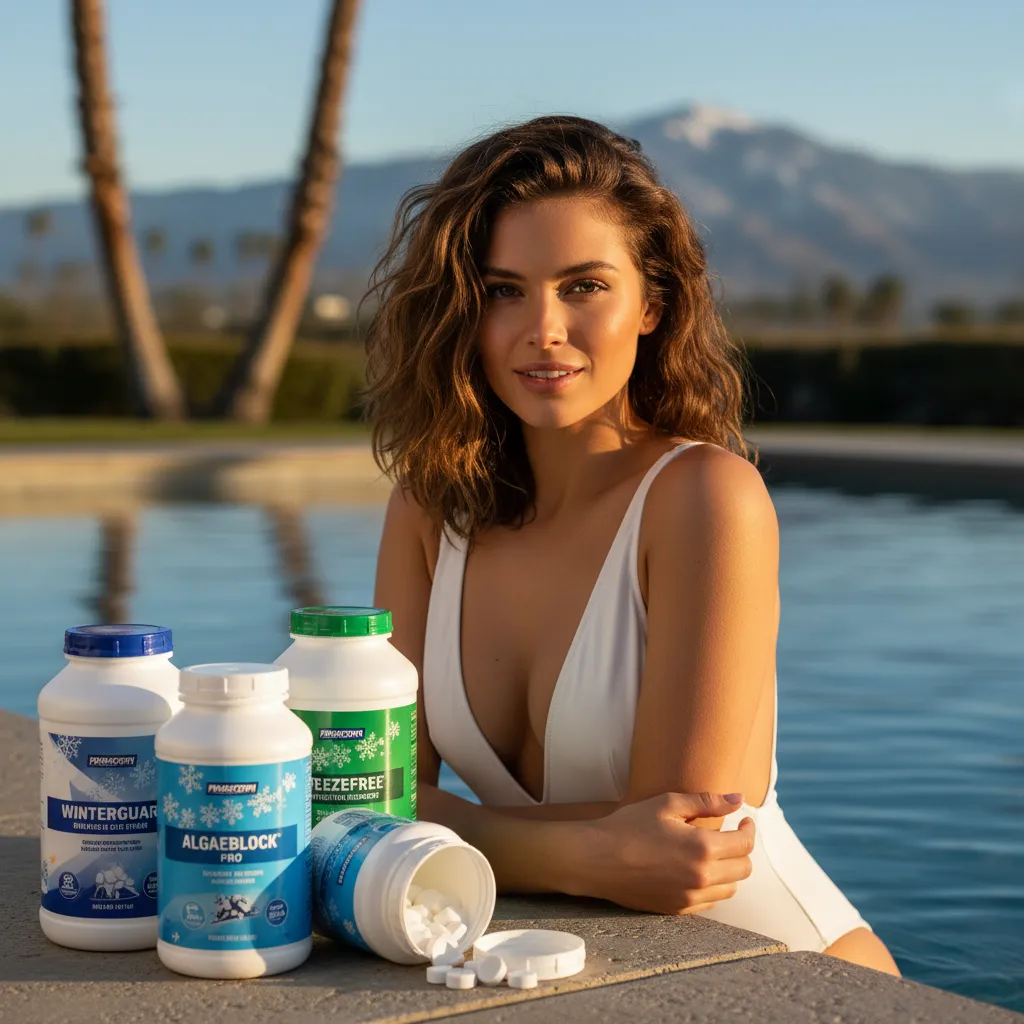
"The all-in-one solution for a guaranteed clear spring opening."
All-in-One Closing Chemical Kit
Winter demand is high - check stock

"The 'set & forget' option. This is the easiest winterizing I've ever done."
Simple 3-in-1 Winterizing Balls
Winter demand is high - check stock
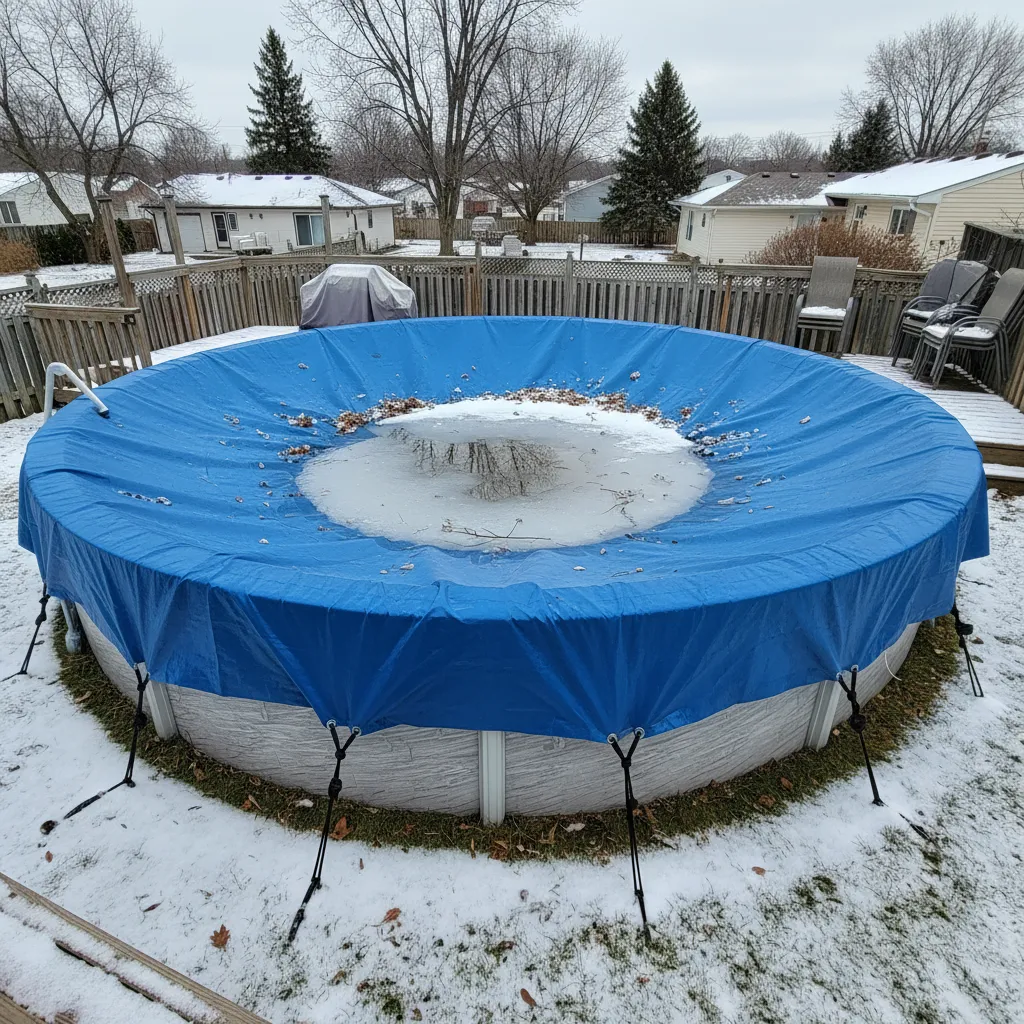
"Invest once to protect your liner and prevent a swamp in the spring."
Heavy-Duty Winter Pool Cover
Winter demand is high - check stock
Why Grasping Evaporation Matters for Pool Maintenance
Recognizing when pool water evaporates overnight helps owners address water loss efficiently. Unchecked evaporation strains budgets—filling a 20,000-gallon pool twice monthly adds $50-$150 to water bills in dry regions. Chemical concentrations also spike as water volume drops, risking equipment corrosion or skin irritation. Separating normal evaporation from leaks prevents unnecessary repairs; a pool losing 2 inches daily likely has structural issues rather than typical water loss.
To manage these challenges effectively, exploring the science behind evaporation provides clarity.
How Evaporation Works in Swimming Pools
Water leaves your pool as vapor when heat lets molecules escape into the air. This occurs all day, but rates shift with sun, wind, and air moisture. The bigger your pool’s surface, the more water can turn to gas. Maintaining water levels is important for pool health. A sand filter pool pump helps to keep your water clean and reduces evaporation, making it a great choice for pool owners.
The Science Behind Water Loss
Evap-o-ra-tion needs heat to break bonds between water mol-e-cules. Pool water gains heat from sun or warm air, then loses it as vapor. At night, no sun adds heat, but warm water still sends mol-e-cules up if air is dry.
Key Factors Affecting Evaporation Rates
Four elements speed up water loss:
| Factor | Effect |
|---|---|
| Air Temp | Hot air holds more vapor |
| Water Temp | Warm water sheds mol-e-cules faster |
| Humid-ity | Moist air slows evap-o-ra-tion |
| Wind Speed | Breezes carry damp air away |

Does Pool Water Evaporate More at Night or During the Day?
Daytime heat speeds evap-o-ra-tion, but night can catch up. It depends on your local climate and pool setup.
Temperature Differences and Their Impact
When water stays warmer than night air, evap-o-ra-tion stays high. In deserts, pools lose 1/4 inch nightly as water (80°F) meets cool air (50°F). Day loss may be less if shade covers the pool.
Humidity’s Role in Nighttime Evaporation
Humid air at night (like Florida’s 80% levels) traps vapor, cutting loss to 1/8 inch. Dry zones (Arizona’s 20% humid-ity) see twice as much. Check your local dew point—if air feels damp, less water escapes.
Now that we see how time and weather change water loss, let’s measure what’s normal for your pool.
Also See: Are Telescopic Pool Poles Rust-resistant? Key Facts
Measuring Pool Water Loss
Track water loss to spot issues early. Use tools like a tape or bucket to check drops over 24 hours.
How Much Water Can Evaporate From a Pool in a Day?
Most pools lose 1/4 inch of water per day. Hot, dry zones may see up to 1/2 inch. A 16×32 ft pool sheds 80-160 gal daily. High wind or low air damp speeds this up.
| Pool Size | Daily Loss (1/4 inch) | Daily Loss (1/2 inch) |
|---|---|---|
| 12×24 ft | 45 gal | 90 gal |
| 20×40 ft | 125 gal | 250 gal |
Why is My Pool Losing 2 Inches Of Water a Day?
Two inches a day points to leaks, not just air loss. Check pool gear, liner tears, or cracks in the shell. Use the bucket test: fill a bucket, set it on steps, mark levels. If pool drops more than the bucket, leaks exist. If leaks are found, it might be time to evaluate your pool pump motor. Replacing the pump motor can help improve efficiency and keep your pool water clean.
Evaporation Vs. Hot Days: Quantifying the Difference
Heat speeds up air loss. A 90°F day can triple rates vs. a 70°F night. But dry air at night keeps loss high. For example, a pool in Phoenix may lose 3/8 inch on summer nights with low damp air.
Seasonal and Regional Considerations
Where you live shapes how much water leaves your pool after dark. Cold or damp zones see less loss.
Does Pool Water Evaporate at Night in Winter?
Yes, but slower. Cold air holds less damp, so ice may form, yet dry winter air can still pull water up. A heated pool in 40°F air with 30% damp loses 1/8 inch nightly—half summer rates. As temperatures drop, the risk of freezing increases. It’s important to monitor your pool during winter to prevent any damage from freezing temperatures.
Does Pool Water Evaporate at Night in Florida?
High damp air in Florida cuts night loss. A pool at 80°F with 80% damp may lose just 1/10 inch. But warm Gulf winds can push it to 1/4 inch if damp drops below 50%.
Leak Detection Vs. Evaporation
Know the signs to save cash and stress. Leaks waste water and harm gear.
How to Know if Your Pool is Leaking or Evaporating
Shut off the pump. Mark water level. Wait 24 hours. Loss over 1/2 inch hints at leaks. Check for soggy soil, cracks, or loose tiles.
Warning Signs Of Structural Issues
Green spots near the pool, cracks in the deck, or pumps that run non-stop point to leaks. A leaky pool may lose 1 inch nightly even with a cover.
Once you rule out leaks, focus on steps to slow air loss. Up next: smart ways to shield your pool after dark.
Preventing Nighttime Water Loss
Keeping water in your pool after sunset requires targeted strategies. While evaporation slows without direct sunlight, factors like wind exposure and temperature shifts can still drain your pool by morning. One way to maintain your pool’s water level is to leave a pool vacuum on overnight. Leaving a pool vacuum on overnight can help collect debris while ensuring the water stays cleaner for longer.
Does Pool Water Evaporate When Covered?
A high-quality pool cover cuts nighttime evaporation by 95% or more. Solar covers and thermal blankets create a physical barrier, blocking vapor from escaping into cooler air. Automatic safety covers provide even better protection, with some models reducing water loss to less than 1/8 inch daily. Keeping your pool water clean is important, and regular maintenance helps with that. One effective way to prepare for vacuuming is to backwash the filter first.
Pool Cover Effectiveness and Selection Tips
Choose covers based on local climate and pool type. In arid regions, 12-mil thermal blankets ($80-$200) retain heat and moisture. For windy areas, motorized slatted covers ($2,500-$5,000) offer durability. Lightweight solar covers (8-12 mil) work best in mild climates, reducing evaporation while heating water by 5-10°F. It’s also important to consider how to drain your above ground pool when the season ends. Proper drainage prevents damage and keeps the pool area clean.
Strategic Use Of Windbreaks
Wind accelerates evaporation by stripping saturated air from the pool’s surface. Installing 6-foot privacy fences or dense shrubs 10-15 feet from the pool’s edge lowers wind speed by 50-70%. Lattice screens with climbing vines also disrupt airflow while adding aesthetic appeal. Keeping the pool area sheltered helps maintain water levels and reduces the need for frequent refills. This can lead to lower maintenance costs, especially with saltwater pools that are known for their many benefits.
Temperature Control After Dark
Lowering the pool heater to 78°F at night minimizes the water-to-air temperature gap. Heat pumps with programmable timers maintain this balance automatically, cutting evaporation rates by 30% compared to constant high temperatures. Solar rings or liquid pool blankets add extra insulation for unheated pools. Keeping pool steps stable is also important for safety. Using weights can help secure the steps and prevent them from floating away when the pool is not in use.
Evaporation Management Tools
Modern technology simplifies tracking and reducing water loss. These solutions work alongside covers and windbreaks for comprehensive protection.
Automatic Water Levelers
Devices like the Pentair Intellifill ($400-$600) or Hayward Levelor ($350-$500) connect to your home’s water line, maintaining pool levels within 1/4 inch. While they don’t prevent evaporation, they compensate for losses, ensuring pumps stay primed and chemical distribution remains consistent. Keeping water levels steady is important, especially in largest above ground pools. The largest above ground pool can require special attention to maintain proper water balance.
Evaporation Suppression Products
Liquid solar films like Aqua Blanket ($25-$40 per quart) form a molecule-thin layer on the pool’s surface. Applied weekly, these biodegradable products reduce evaporation by 40-60% without affecting filtration. For commercial pools, octadecanol-based tablets (C18H38O) offer month-long protection, suppressing 70% of surface vaporization. Keeping your pool water level stable is important for maintaining a well-lit ambiance. One great way to enhance that atmosphere is by installing LED pool lights, which provide both style and energy efficiency.
Monitoring these systems regularly ensures they function optimally. Pairing them with routine leak checks helps distinguish normal evaporation from potential structural issues.
FAQs About Nighttime Pool Evaporation
Do Saltwater Pools Evaporate Faster at Night Than Traditional Chlorine Pools?
No, saltwater and chlorine pools experience similar evaporation rates at night since salinity doesn’t significantly affect water’s vapor pressure. However, salt pools may require more frequent monitoring as evaporated water leaves behind concentrated salt, potentially affecting equipment corrosion risks. In maintaining pool water quality, it’s important to consider chlorine evaporates from pools, impacting sanitation and water balance.
Does Lowering the Pool Heater Temperature at Night Reduce Evaporation?
Yes. Keeping water temperatures closer to nighttime air temperatures reduces the temperature gradient, slowing molecular escape. Lowering the heater setting by 5-10°F after dark can decrease water loss by up to 30% while maintaining swimmer comfort.
How Do Different Pool Surfaces Impact Nighttime Evaporation Rates?
Dark-colored plaster absorbs daytime heat, keeping water warmer longer into the night, which may increase evaporation. Light-colored vinyl liners reflect more heat, potentially reducing nighttime temperature differentials and water loss by 15-20% compared to darker finishes.
Does Nighttime Evaporation Affect Pool Chemical Balance?
Yes. As pure water evaporates, minerals and sanitizers become more concentrated. This can raise pH levels by 0.2-0.4 weekly and increase total dissolved solids (TDS) by 5-10% in uncovered pools, requiring more frequent adjustments to maintain safe swimming conditions. To counteract these changes, pool owners may need to shock the pool regularly. A swim shocked pool can ensure clean and clear water, making it safe and enjoyable for everyone.
Closing Thoughts
Pool water does evaporate at night, though the rate varies based on temperature, humidity, and wind exposure. While daytime evaporation often dominates due to solar radiation, nighttime losses still contribute significantly—especially in dry climates or during temperature swings. A typical pool loses 1/4″ to 1/2″ of water daily, with uncovered pools in arid regions seeing higher rates.
Distinguishing between evaporation and leaks is critical. Use the bucket test for clarity: Place a filled bucket on the pool steps and compare water loss levels over 24 hours. Mismatched results suggest a leak requiring professional inspection.
Proactive measures like solar covers (reducing evaporation by 95%) or liquid blankets (50% reduction) preserve water and cut refill costs. Windbreaks and automated fill systems further optimize water retention.
For precise evaporation calculations tailored to your pool size and local climate, try our My Pool Calculator. It factors in surface area, average temperatures, and humidity—giving you data-driven insights to manage water loss efficiently.
Useful References for You:
- ASTM International – Pool & Spa Standards
- Pool Evaporation | How Much is Normal & It’s Causes | Pools By Bradley
- Why does your pool water evaporate fast in your in-ground pool? – Quora
- A pool with vapor over it at night
- How can you prevent pool water from evaporating? | Abrisud
A pool care geek who’s been testing water chemistry since she was tall enough to reach the skimmer.
Pool Cleaning & Maintenance, Water Level Management