Can You Leave a Dolphin Robot in the Pool?
Published on: January 19, 2026 | Last Updated: November 17, 2025
Written By: Rachael Weatherbottom
Yes, most Dolphin robotic pool cleaners can stay in the water temporarily during cleaning cycles or overnight, but manufacturers strongly advise against permanent underwater storage. These automated cleaners use motors, filters, and smart navigation systems designed for intermittent use, not constant exposure to pool chemicals like chlorine or salt. Leaving them submerged for days or weeks risks corrosion, reduced suction power, and premature wear on parts like drive belts and brushes compared to manual or suction-side cleaners.
This article breaks down how Dolphin robots handle pool environments, from their waterproof casing to sensor-driven navigation. You’ll learn why newer models like the Dolphin Nautilus CC Plus tolerate occasional extended immersion better than older versions, and how water chemistry affects internal components over time. We’ll compare risks across scenarios – leaving the robot in during swimming sessions versus chemical treatments or seasonal closures.
Detailed sections cover manufacturer guidelines for specific models, impacts on pool filtration, and real-world data on component failure rates after prolonged submersion. You’ll get actionable advice on balancing convenience with equipment care, including step-by-step storage routines, chemical level thresholds, and safety checks for cords or moving parts. Whether you’re managing a saltwater pool or battling heavy debris, these insights help maximize both your robot’s lifespan and your pool’s health.
Understanding Dolphin Robotic Pool Cleaners
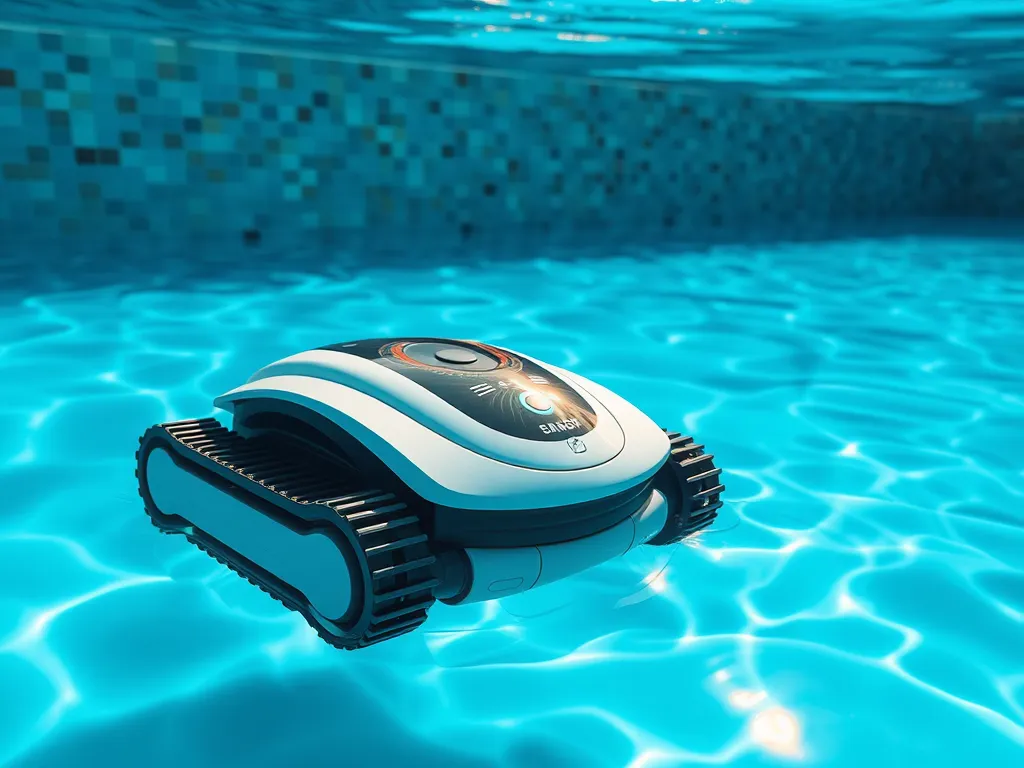
Dolphin robots clean pools with smart tech and tough parts made to handle water. These tools move on tracks, scrub floors, and suck up dirt. Their design lets them work alone, but pool owners often ask: can you leave dolphin robot in pool for days or weeks? Let’s break down how they work and what keeps them safe.
Crucial Winterizing Products

"The all-in-one solution for a guaranteed clear spring opening."
All-in-One Closing Chemical Kit
Winter demand is high - check stock

"The 'set & forget' option. This is the easiest winterizing I've ever done."
Simple 3-in-1 Winterizing Balls
Winter demand is high - check stock
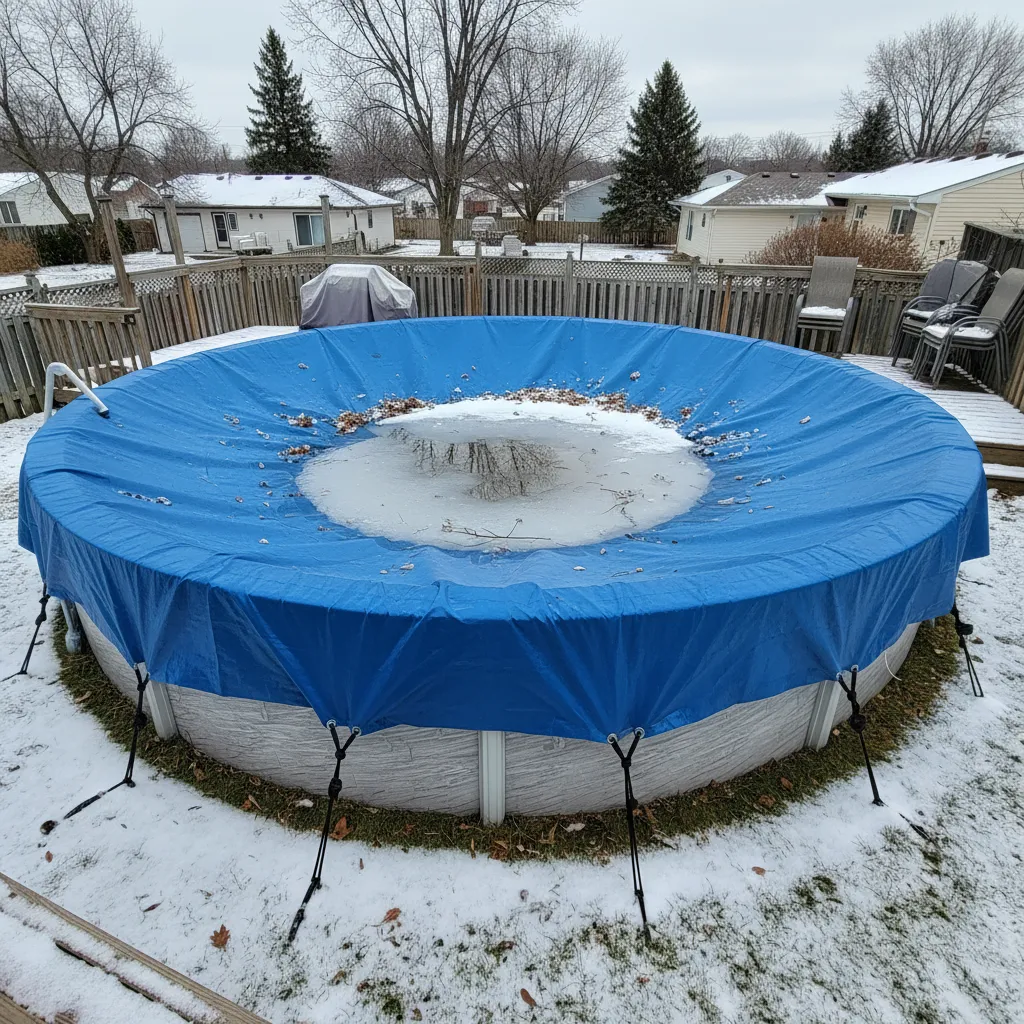
"Invest once to protect your liner and prevent a swamp in the spring."
Heavy-Duty Winter Pool Cover
Winter demand is high - check stock
How They Operate in Pool Environments
Dolphin robots use smart paths to cover every inch of your pool. Built-in sensors help them dodge walls, steps, and drains. They climb slopes, clean tile lines, and pick up leaves as small as 2mm. Most models run for 2-3 hours per cycle, powered by low-voltage motors (24V-48V) that pose no shock risk.
Waterproof parts let them work while fully sunk. The pump pulls in water, traps dirt in filters, and shoots clean water back out. Newer units like the Dolphin Nautilus CC Plus have Wi-Fi for remote starts. But even with tough builds, leaving a dolphin pool cleaner in pool water non-stop can strain parts over time.
Key Components and Durability Features
Dolphin cleaners rely on parts made to resist pool chemicals and sun damage:
- ABS plastic shells – Tough, UV-safe material that won’t crack or fade
- Rubber tracks – Grippy treads that last 3-5 years with care
- Swivel cords – Tangle-free cables rated for 50,000+ rotations
- Sealed motors – Class X insulation blocks water leaks
While these parts can handle short dips, saltwater or high chlorine (above 4 ppm) speeds up wear. Models made after 2020, like the Dolphin Premier, add anti-rush tech to shield circuits from sudden power hits. Still, makers warn against leaving dolphin robot in pool water for more than 72 hours straight.
Next, let’s check what Dolphin’s manuals say about long-term pool stays – and why older bots need more care.
Manufacturer Guidelines for Leaving Dolphin Robots in Pools
Dolphin robotic pool cleaners are engineered for regular submersion, but extended pool stays require adherence to specific usage rules. Brand guidelines vary by model generation and design specs, affecting how long units can remain submerged without risking damage. To keep these cleaners working well, it’s important to maintain proper chemical balance. Proper chemical balance not only protects your pool cleaner but also ensures a safe swimming environment.
General Recommendations Across Models
Maytronics, the maker of Dolphin cleaners, advises removing most units from the pool after each cleaning cycle. The Dolphin E20, Nautilus CC Plus, and Active 30 series feature watertight motor housings and anti-corrosion components rated for 2-4 hours of continuous operation. Models with built-in timers automatically shut off post-cycle, reducing wear from extended runtime. Always power down the unit before extraction to protect electrical connections.
Differences Between Older and Newer Designs
Pre-2020 models like the Dolphin S200 lack full polymer casings, making their internal sensors vulnerable to mineral buildup when left submerged for over 24 hours. Newer releases such as the Premier and Sigma series use reinforced thermoplastic shells and triple-sealed bearings that tolerate up to three days of pool exposure. Check your manual’s “Continuous Operation” section—units with blue status lights typically support longer submersion than those with red indicators.
Risks Of Prolonged Exposure to Pool Water
While modern Dolphin robots withstand repeated pool use, leaving them submerged for weeks accelerates component degradation. Saltwater pools pose higher risks due to chloride corrosion rates 40% faster than freshwater environments. This situation can impact the overall pool quality, including water balance. Monitoring elements like the calcium saturation index becomes important to prevent damage and maintain equipment longevity.
Impact on Robot Lifespan and Performance
Continuous pool exposure wears drive motors 2-3x faster than recommended use cycles. Brushes tangled with debris can warp axles, reducing scrubbing efficiency by 15-30%. Power supplies left outdoors near pool edges risk moisture intrusion, with repair costs averaging $180-$350 for control panel replacements. All of these factors contribute to the overall maintenance expenses of owning a pool. When considering a small inground pool, it’s important to factor in these potential costs for repairs and upkeep.
Effects on Pool Chemistry and Filtration
Cleaners left in treated water with chlorine levels above 3 ppm experience accelerated rubber track deterioration. Units blocking main drains or skimmer baskets lower circulation rates by 22%, creating dead zones where algae thrives. Some models release microplastics (up to 0.8 mg/L) when polymer parts degrade, requiring extra filtration cycles. Pool size can greatly affect how well these cleaners operate. Knowing the square footage of your pool helps you choose the right cleaner and maintain water quality.
Knowing these factors helps determine safe usage periods. Next, let’s examine how long Dolphin robots can operate without compromising pool health or mechanical reliability.
Also See: Are Telescopic Pool Poles Rust-resistant? Key Facts
How Long Can a Dolphin Robot Safely Stay in the Pool?
Most Dolphin models handle short dips of 2-4 hours per clean cycle. This keeps parts like motors and gears from wear linked to long soaks. Some newer bots have timers to auto-stop after jobs. Check your manual for exact times.
Short-term Use Vs. Continuous Storage
Leaving the bot in the pool for days? Not smart. Water eats seals over time. Chlorine or salt can rust metal bits or crack plastic. Take it out after each run. Dry it well before next use. Store it in shade to block sun harm. It’s also a good idea to keep your pool area clear of pests. Keeping iguanas away from the pool can help maintain a cleaner and safer swimming environment.
Leaving the Cleaner Overnight: Pros and Cons
Let it work all night? Pros: scrubs more dirt, saves time. Cons: cords twist, pumps clog if debris piles up. High chlorine (over 3 ppm) at night? Pull the bot. Newer Dolphin bots with smart stops handle overnight better than old ones.
Using the Dolphin During Pool Maintenance
Pair your bot with routine care. Sync runs with skimmer use for top flow. If the pool pump dies, shut the bot off fast. It needs water move to not burn out.
Compatibility With Pool Shocking Procedures
Shock the pool? Take the bot out. Shock levels (5-10 ppm chlorine) melt rubber parts and stain plastic. Wait 24 hours post-shock. Test water (below 5 ppm) before dropping the bot back in. Keeping a balanced pool is important for the clarity and safety of the water. If there is too much clarifier in the pool, it can lead to cloudy water and ineffective sanitization.
Efficiency in Algae or Debris Removal
Algae blooms? Run the bot twice a day. Use fine filters to trap spores. For leaves or sand, pick models with big debris bags. A stuck bot? Clear the jam first. Never let it sit clogged in the pool. To keep your pool clean and free of algae, it’s important to choose the right algaecide. This guide will help you find the best pool algaecide for your needs and ensure a sparkling clean swimming experience.
Safety and Practical Usage Tips
Keep the bot safe. Check cord clips each month. Use a pool cover? Take the bot out first. Covers trap heat, which warps parts.
Swimming With the Dolphin Cleaner in the Water
Swim with the bot? Yes, but stay 3 feet away. Brushes can pinch skin. Turn it off if kids play near it. New bots have motion sensors to pause when touched.
Avoiding Obstacles and Entanglement Risks
Trim loose ladders or lights. Tie up float ropes. Bots get stuck on ledges over 1 inch tall. Use guide poles for steep pools. Check wheels weekly for hair or string knots.
Want your bot to last? Let’s talk care steps next.
Maintenance Practices for Optimal Performance
Keeping your Dolphin robotic cleaner in top shape requires regular care and attention to pool conditions. Proper maintenance prevents wear caused by extended exposure to water and chemicals, ensuring your device works efficiently for years. In addition to maintaining your cleaner, it’s important to focus on the pool’s cleanliness as a whole. A clean dirt bottom pool not only looks better but also helps your cleaner function more effectively.
Cleaning and Storing the Robot
After each use, remove the Dolphin pool cleaner from the water. Rinse its filter cartridges, brushes, and tracks with fresh water to eliminate debris, chlorine residue, or calcium buildup. Check the intake vents for leaves or twigs that could strain the motor. Allow all parts to air-dry completely before reassembling.
Store the unit in a shaded, cool area—direct sunlight weakens plastic components over time. Avoid leaving the Dolphin pool robot in the pool between cleanings. While newer models feature UV-resistant materials, continuous submersion accelerates seal degradation. For weekly cleaning schedules, limit water exposure to 6-8 hours per cycle. Proper maintenance of your pool equipment ensures a clean environment for swimming. One important aspect to consider is the calcium saturation index test, which helps prevent scaling and corrosion in the pool water.
Monitoring Water Temperature and Chemical Balance
Pool chemistry directly impacts your Dolphin cleaner’s durability. Maintain chlorine levels between 1-3 ppm and pH at 7.2-7.8. High acidity (below 7.0) corrodes metal parts, while alkalinity above 8.0 causes scale deposits in the pump system. Test water weekly with strips or a digital kit. The lifespan of a pool cleaner can be significantly influenced by proper chemical balance. By ensuring your pool’s chemistry is in check, you can extend the life of your Dolphin cleaner.
Heat matters too. Prolonged use in water exceeding 95°F (35°C) stresses the motor and reduces its 5-7 year lifespan. During summer heatwaves, run the robot during cooler morning hours. In saltwater pools, rinse the cleaner thoroughly after each cycle to prevent chloride corrosion—even models rated for salt use benefit from this step. Keeping your pool at the right temperature can help maintain its cleanliness. A clean pool is an inviting space for everyone to enjoy a healthy swim.
| Parameter | Safe Range | Risk Threshold |
|---|---|---|
| Chlorine | 1-3 ppm | >5 ppm |
| pH | 7.2-7.8 | <7.0 or >8.0 |
| Water Temp | <95°F (35°C) | >104°F (40°C) |
| TDS | <1,500 ppm | >3,000 ppm |
Total Dissolved Solids (TDS): Combined minerals, salts, and metals in water.
Balancing these factors helps avoid costly repairs. For those wondering how daily use affects their device, let’s address common concerns in the next section.
Frequently Asked Questions
Does Leaving a Dolphin Robot in a Saltwater Pool Cause More Damage Than in Freshwater?
Yes – saltwater accelerates corrosion of internal components 40% faster than freshwater, even in salt-rated models. Rinse the robot thoroughly with fresh water after each use and avoid continuous submersion beyond 24 hours in saltwater environments.
What Warranty Protections Exist if My Dolphin Cleaner Fails Due to Extended Pool Submersion?
Most manufacturers void warranties for damage caused by improper storage. Maytronics explicitly excludes coverage for corrosion or electrical failures linked to leaving the unit submerged beyond recommended durations (typically 72 hours max). Always check your model’s warranty terms for water exposure clauses.
Can I Store My Dolphin Robot in the Pool During Winter Months?
No – freezing temperatures can crack plastic housings and damage drive motors. Remove the cleaner before winterization, drain all water from its components, and store it indoors where temperatures remain above 50°F (10°C).
How Do Freezing Temperatures Affect a Dolphin Cleaner Left in the Pool?
Water inside seals and bearings expands when frozen, warping critical parts. Just one freeze cycle can reduce climbing ability by 60% and increase motor noise due to misaligned gears. Never leave the robot in water below 40°F (4°C).
What Visible Signs Indicate My Robot Has Been Damaged by Prolonged Water Exposure?
Look for white calcium deposits on brushes, stiff/swollen rubber tracks, or cloudy motor compartment windows. Electrical issues like erratic movement or error codes often signal corroded sensors. Address these promptly to avoid irreversible damage.
Does Using a Pool Cover Influence Whether I Should Leave the Dolphin in the Water?
Yes – covers trap heat and chemicals, creating a harsh microenvironment. Chlorine levels under covers can spike to 8-10 ppm, degrading filters and cords. Always remove the robot before covering the pool, even for short periods. Taking care of your pool cleaner helps it work better. Robotic pool cleaners keep your pool clean by moving around and picking up dirt and debris.
Final Thoughts
Leaving a Dolphin robot in the pool depends on usage duration, water chemistry, and model specifications. While short-term submersion (24-48 hours) is generally safe, prolonged exposure risks motor wear, seal degradation, and chemical imbalance. Newer Dolphin models with reinforced polymer shells and corrosion-resistant components handle extended use better than older versions.
For optimal performance, remove the cleaner after each cycle, rinse filters, and store it in shaded areas. Avoid running the robot during shock treatments with chlorine levels above 5 ppm. Swimming with an active Dolphin is safe, but ensure cords are secured to prevent entanglement.
For precise calculations on pool chemistry adjustments or cleaner runtime, explore tools at My Pool Calculator. Proper maintenance ensures your Dolphin robot lasts 3-5 years while keeping your pool pristine.
Useful References for You:
- Pool & Hot Tub Alliance (PHTA) – Industry Standards & Training
- Dolphin Robot FAQs – Pool Partz
- Can you leave robotic pool cleaner in pool? – AlphaPools
- Avoid damaging your pool robot with these maintenance tips! – Pool Robots Australia
- How long can I leave my Dolphin in the pool?
A pool care geek who’s been testing water chemistry since she was tall enough to reach the skimmer.
Cleaning Tools, Pool Cleaning & Maintenance, Pool Vacuums