Can You Ask the Fire Department to Fill Your Pool?
Published on: January 8, 2026 | Last Updated: November 17, 2025
Written By: Marcus Thornfield
Yes, some fire departments will fill residential pools using fire hydrants, but availability varies by location. This service isn’t universally offered and often requires permits, fees, or proof of water conservation compliance. Costs typically range from $100 to $500 depending on local rates and pool size, with additional charges for hydrant meters or administrative approvals. Departments prioritize emergency needs, so requests may be denied during droughts or high-demand periods.
This article breaks down the legal and practical aspects of using fire department services for pool filling. You’ll learn how local policies differ between states like Florida and California, where water scarcity laws heavily influence approvals. We’ll outline the step-by-step process for requesting assistance, including required paperwork like right-of-way permits or flow tests.
Beyond logistics, we address environmental concerns like municipal water restrictions and drought-related bans. Compare fire hydrant filling to alternatives like commercial water trucks (averaging $175-$400 per load) or garden hoses (taking 24-48 hours for 20,000 gallons). Discover how rainwater harvesting systems or partial fills can reduce costs while complying with conservation laws in your area.

Can the Fire Department Legally Fill Your Pool?
Local fire departments manage water resources for public safety, not private projects like filling pools. While some departments offer limited assistance, legal restrictions often apply. Policies vary based on location, water availability, and local infrastructure demands.
Crucial Winterizing Products

"The all-in-one solution for a guaranteed clear spring opening."
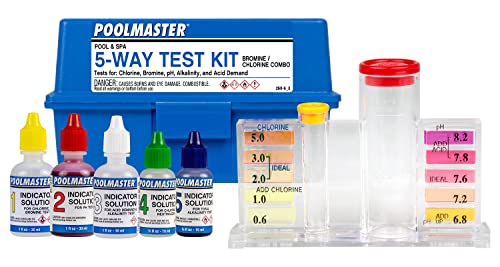
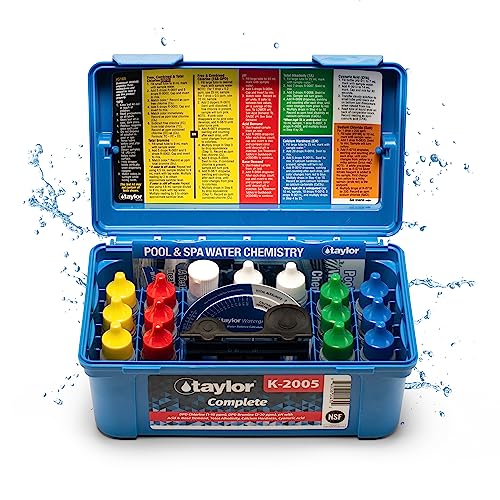
All-in-One Closing Chemical Kit
Winter demand is high - check stock

"The 'set & forget' option. This is the easiest winterizing I've ever done."
Simple 3-in-1 Winterizing Balls
Winter demand is high - check stock
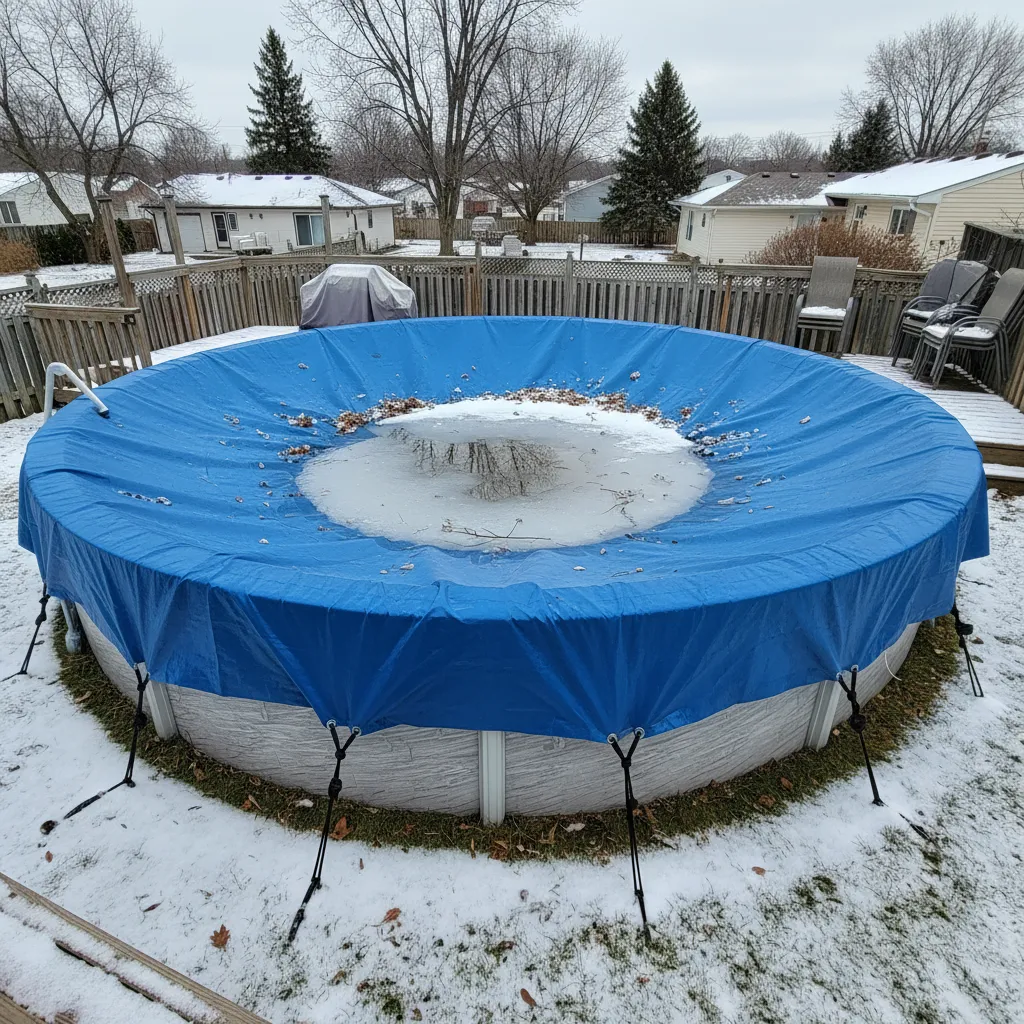
"Invest once to protect your liner and prevent a swamp in the spring."
Heavy-Duty Winter Pool Cover
Winter demand is high - check stock
Local Policies on Fire Department Pool Assistance
Most cities prohibit fire departments from filling private pools. Fire hydrants and tankers hold water reserved for emergencies, and diverting it for personal use may violate municipal codes. Exceptions exist in rare cases, like rural areas with no alternative water sources. For example, Phoenix, Arizona, allows hydrant use for pools with a $50 permit and meter rental. Houston, Texas, bans it outright unless approved for post-disaster recovery. Always check with your city’s public works department before requesting service.
State-specific Rules (Florida, California, Etc.)
State laws add another layer of complexity. Florida’s strict water conservation laws, under Florida Statute 403.192, restrict hydrant access to licensed contractors. Unauthorized use can lead to fines up to $500. California’s Water Code § 357 limits non-emergency hydrant use during droughts, with penalties reaching $1,000 per violation. In contrast, New Hampshire permits residential hydrant access through a $75 annual permit. These rules ensure water remains available for firefighting and critical needs during shortages.
While legal factors set the groundwork, costs and logistics also play a role in accessing fire department water services. Let’s break down what you’ll spend…
Costs and Fees for Fire Department Pool Filling
Many pool owners wonder if fire departments provide free water for filling residential pools. While policies differ, most departments charge fees tied to water usage or service time. Let’s break down what you might expect financially. The costs involved in filling a pool don’t stop at water. There are additional expenses, like fill dirt, that can add to your overall budget.
Is Fire Department Pool Filling Free?
Fire departments rarely fill pools without cost. Some may offer complimentary services during training drills where crews practice deploying hoses, but these opportunities are sporadic and location-dependent. Most municipalities treat hydrant water as a billed resource, requiring payment based on volume used or flat rates. While many families enjoy having a cool place to swim, temporary pools have become increasingly popular for summer fun. These pools offer a more affordable and flexible option for those looking to beat the heat without the commitment of a permanent installation.
Average Cost Of Fire Department Water Services
Costs typically range from $200 to $500 depending on pool size and local water rates. For example, filling a 20,000-gallon pool might incur fees of $0.50 to $2 per gallon in cities like Phoenix or Tampa. Departments often require permits ($50-$150) plus hydrant meter rentals ($75/day) to track usage. Always confirm rates with your local fire station and water authority before requesting service. Keeping these expenses in mind can help you plan better for additional costs, such as those associated with pool chillers. The price of a pool chiller can vary based on its capacity and features, adding to your overall budget considerations.

Using a Fire Hydrant to Fill Your Pool
Directly connecting to a fire hydrant without permission violates laws in nearly every state. Hydrants are reserved for emergencies, but legal pathways exist for accessing their water supply under specific conditions.
Is It Legal to Use a Fire Hydrant for Pool Filling?
Using hydrant water without authorization carries fines up to $1,000 or more. Exceptions apply if you obtain permits from your municipal water provider. Cities like Los Angeles and Miami allow hydrant use for pool filling through licensed contractors who follow strict protocols, including installing backflow preventers to protect water quality.
Steps to Access a Fire Hydrant Legally
First, contact your local water utility to inquire about hydrant permits. If approved, you’ll need to rent a meter to measure consumption and pay associated fees. Contractors must use specialized hydrant wrenches and follow flow-rate limits to prevent pressure drops in the system. Violating these rules risks penalties or revoked access.
Navigating permits and conservation laws ensures compliance while managing costs. Next, let’s explore how regional regulations impact water usage for pools.
Also See: Can You Pressure Wash a Pool With Water in It?
Legal Requirements and Water Conservation
Fire hydrant use for pool fills must follow local laws. Many towns ban private hydrant access without a permit. Even if your fire department allows it, strict rules often apply to stop water waste or harm to public systems. Maintaining a pool properly is just as important as following these rules. Keeping your pool clean and balanced helps ensure a safe and enjoyable swimming experience.
Permits and Authorization for Hydrant Use
To fill your pool from a fire hydrant, you need a permit. This paper grants short-term access but may need proof of safe use. Some states like Florida ask for a cross-link preventer to keep pool water from flowing back into pipes. Fees range from $50 to $200, plus water costs per gallon. As you consider filling your pool, it’s important to think about the costs involved in building a pool in Arizona. Overall, understanding the total expenses can help you plan your budget effectively.
Water Usage Restrictions and Conservation Laws
Drought zones like California or Texas may block hydrant fills during dry months. Fire crews focus on saving water for homes or fires. Check your town code for yearly caps—some limit pool fills to 10,000 gallons unless you show need. Breaking these rules can lead to fines up to $500 per day. In these times, some people may think about alternative sources of water. However, drinking pool water is not safe due to chemicals and bacteria that can be harmful to health.

How to Request Fire Department Pool Filling
Not all fire units offer pool fills. Start by calling your local station—ask if they help with private water needs. If yes, they’ll guide you through their steps. If no, they may point you to paid water haulers. Pool owners often look for efficient ways to fill their pools. One option gaining attention is the pool water flush toilet, which uses pool water for flushing to save fresh water.
Contacting Your Local Fire Department
Call the non-emergency line or visit the fire house in person. Have your address, pool size, and planned fill dates ready. Some crews only do this in off-peak hours to keep trucks free for emergencies. Wait times can stretch 2-4 weeks in busy towns.
Required Documentation and Approvals
You’ll likely need a site plan showing hydrant and pool spots. A signed form may list fees, liability terms, and meter use for tracking gallons. Fire staff might check your hose setup before opening the hydrant. Keep copies of all papers in case of disputes.
Alternative Methods to Fill Your Pool
If fire crews can’t help, try these options. Costs and speed vary, but each avoids legal risks tied to hydrant use.
Professional Water Delivery Services
Water trucks bring 5,000-9,000 gallons per load. Prices range from $175 to $400 per load, based on distance. Most pools need 2-4 loads. Pros use fast pumps—filling a 20,000-gallon pool takes 3-6 hours. When considering a small swimming pool, it’s important to factor in these costs. Overall, water delivery can contribute significantly to the total expense of installing a small pool.
Using a Garden Hose
A standard hose flows 9-17 gallons per minute. Filling a 15,000-gallon pool takes 2-3 days. Check your water bill—some towns charge higher rates for big usage jumps. Insulate pipes to prevent leaks during long fills. When considering pool options, you might want to explore a long drain pool. These pools are designed to efficiently manage and drain water, making maintenance much simpler.
Rainwater Harvesting and Other Solutions
Add a pool cover to catch rain—1 inch adds 500 gallons to a 20’x40’ pool. Some hire firms to pump clean water from nearby ponds, but permits may apply. Greywater systems (from home drains) are rare due to health codes. Knowing how much water your pool holds is also important. A 21 foot round pool typically holds around 12,000 gallons of water.
Now let’s tackle common questions about fire crews and pool fills.

Frequently Asked Questions (FAQs)
Who is Liable if a Fire Hydrant Malfunctions During Pool Filling?
If a hydrant is damaged during authorized use, liability typically falls on the permit holder. Most municipalities require users to sign waivers accepting responsibility for repairs or water system issues caused by improper connections. Insurance may cover damages if you’re working with a licensed contractor.
Does Using Fire Department Water Affect Home Insurance Rates?
Generally, no—filling your pool through approved methods won’t impact premiums. However, unauthorized hydrant use that results in fines or property damage could trigger policy reviews. Always notify your insurer if contractors are involved to ensure coverage for accidents. If you have a pool, keeping it clean is essential for enjoyment and safety. Starting a pool cleaning business can be a great way to help others maintain their pools and make some extra money.
How Long Does Fire Department Approval Take for Pool Filling?
Processing times vary from 3-10 business days, depending on permit backlogs and inspections. Drought-prone areas like California may delay non-essential requests during summer months. Expedited services are rarely available due to emergency response priorities.
Are Safety Inspections Required After Using Hydrant Water?
Some jurisdictions mandate post-fill inspections to verify backflow prevention devices function correctly and no contaminants entered the public supply. These checks are often included in permit fees but may add 1-2 days to the process.
Do Fire Departments Prioritize Certain Pool Filling Requests?
Departments prioritize emergency calls over pool fills, which are considered low-priority. Requests may be paused or canceled during wildfires, droughts, or infrastructure emergencies. Commercial pools (e.g., public swim centers) sometimes receive faster approvals due to community impact. It’s important to be aware of these factors when planning your pool. Consider using tips to save money while maintaining your pool during the off-seasons.
What Environmental Factors Should Influence My Filling Method Choice?
Hydrant use strains municipal supplies during droughts, while water trucks increase carbon emissions. Garden hoses are energy-efficient but slow. Rainwater harvesting or partial fills balance cost and conservation. Always cross-check local drought tiers before deciding.
Closing Thoughts
Filling a pool with the help of the fire department is possible in some areas, but local regulations, costs, and water conservation laws play a major role. While some fire departments offer this service for free, others charge fees ranging from $50 to $500. Always check with your municipality before making arrangements.
If fire hydrant access isn’t an option, professional water delivery or a standard garden hose may be more practical. Rainwater harvesting can also supplement your pool’s water supply while staying eco-friendly.
For more detailed calculations on pool filling costs, water volume, or maintenance tips, visit My Pool Calculator. Our tools help simplify pool ownership, whether you’re filling, balancing chemicals, or planning upgrades.