DIY Solar Pool Heater: Build Guide, Costs, and Comparison With Gas/electric Options
Published on: March 21, 2026 | Last Updated: November 17, 2025
Written By: Rachael Weatherbottom
A DIY solar pool heater uses solar panels or collectors to warm your pool water naturally, offering a budget-friendly alternative to gas, propane, or electric heaters. These systems harness sunlight—eliminating fuel costs—and can boost water temperatures by 10-15°F with proper setup. Unlike gas heaters (avg. $3,000+) or electric heat pumps, DIY solar versions cost under $200 using materials like black irrigation tubing, PVC pipes, or repurposed solar panels. This guide explains how to build one, compares solar to traditional heaters, and calculates long-term savings.
This article walks through every step of creating a solar heater tailored to your pool’s size and climate. Learn which materials work best for floating systems versus panel-based racks, how to connect them to your pump, and why solar outperforms propane in ongoing costs. We’ll also cover hybrid setups that pair solar with gas heaters for consistent warmth on cloudy days.
Discover how much heat you can realistically gain based on panel square footage, why 50-75% of your pool’s surface area needs coverage, and how solar covers can boost efficiency by 50%. Whether you’re heating a 10,000-gallon backyard pool or a smaller plunge pool, we break down costs, layout designs, and maintenance tips to maximize your investment.
Why Choose Solar Pool Heating?
Switching to solar heating pool systems brings distinct perks over gas, propane, or electric heaters. With rising energy prices pushing pool ownership costs higher, solar options cut reliance on grid power while keeping water temps comfortable. Let’s break down the core benefits.
Crucial Winterizing Products

"The all-in-one solution for a guaranteed clear spring opening."
All-in-One Closing Chemical Kit
Winter demand is high - check stock

"The 'set & forget' option. This is the easiest winterizing I've ever done."
Simple 3-in-1 Winterizing Balls
Winter demand is high - check stock
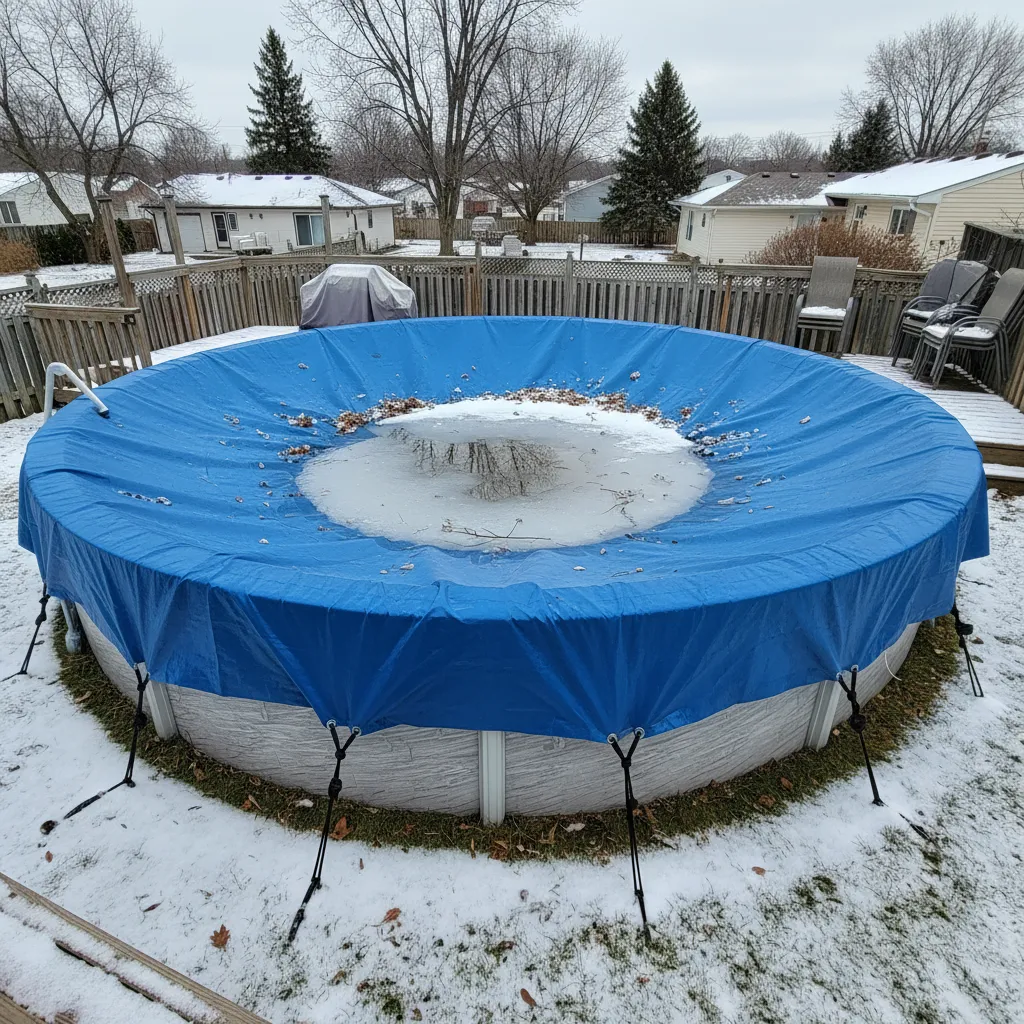
"Invest once to protect your liner and prevent a swamp in the spring."
Heavy-Duty Winter Pool Cover
Winter demand is high - check stock
Cost Savings and Environmental Benefits
DIY solar pool heater setups slash energy bills by up to 70% compared to gas or electric models. Gas heaters burn through $3-$5 worth of fuel per hour, while electric units consume 5-10 kWh, costing $1.50-$3 hourly. Solar systems, once installed, use free sunlight—translating to $0 in ongoing fuel costs. Building your own cuts upfront investment: professional solar heating systems run $3,000-$6,000, but DIY versions cost $300-$1,500 using materials like poly tubing, PVC pipes, or repurposed panels.
Beyond dollars saved, solar heating pool setups reduce carbon footprints. Gas heaters emit 1.5-2.5 pounds of CO2 per hour, while grid-powered electric models indirectly contribute to fossil fuel pollution. Solar thermal collectors produce zero emissions during operation, making them eco-friendly for year-round use. For every 10,000 gallons heated, solar prevents 2-3 tons of CO2 annually.
Long-term Efficiency in Pool Care
Solar pool heating systems outlast gas or propane heaters by decades. Gas units last 5-10 years, while solar panels function for 15-20 years with minimal upkeep. Thermal collectors operate at 70-80% efficiency, converting sunlight directly into heat without moving parts prone to wear. Properly maintained DIY setups require only occasional flushing to prevent debris buildup in pipes or panels.
Pairing solar with pool covers boosts efficiency further. Covers reduce heat loss by 50-70%, letting solar systems maintain temps even on cloudy days. Hybrid setups—linking solar to existing gas/electric heaters—offer backup heating during rare cold snaps without sacrificing long-term savings. This flexibility makes solar viable in most climates, even cooler regions like the Pacific Northwest.
Ready to see how solar stacks up against traditional heaters? Let’s compare performance specs, installation needs, and hybrid configurations.
Solar Pool Heaters Vs. Gas, Propane, and Electric Heaters
Pool owners aiming to warm their water face a choice: solar, gas, propane, or electric. Each option brings distinct mechanics, costs, and impacts on both your wallet and surroundings. Knowing how these stack up helps pick a fit for your goals. After analyzing your heating options, it’s also important to consider the proper timing for your pool care. Waiting after shocking your pool is essential to ensure the chemical levels stabilize and the water is safe for swimming.
Key Differences in Operation and Costs
Gas and propane units burn fuel to generate heat quickly, with propane costing $1,500-$3,500 upfront plus $300-$800 monthly for a 20,000-gallon pool. Gas models hit similar upfront ranges but may run slightly cheaper monthly. Electric heat pumps sit at $2,500-$5,500 initially, using 5-6 kW per hour but maintaining temps longer. Solar systems, by contrast, need no fuel—just sunlight. DIY builds can start at $150-$1,200, relying on panels or mats to absorb solar radiation. Annual costs for gas/propane hit $800-$2,000; solar stays near $0 beyond setup.
Hybrid Systems: Combining Solar With Gas/propane
Mixing solar with gas or propane tackles limitations. A hybrid setup uses solar for daily warming and fires up gas only when temps dip below targets. Install a control valve or smart thermostat to auto-switch sources. This cuts fuel use by 40-60% while adding 4-6 weeks to your swimming season. For pools in zones with shifting weather, hybrids balance reliability with sustainability.
Types Of DIY Solar Pool Heating Systems
Building a solar pool heater offers flexibility. Options vary by complexity, materials, and output. Match your climate, pool size, and budget to these three common designs.
Floating Solar Pool Heaters
Floating systems use UV-resistant mats or panels that sit directly on your pool’s surface. These trap heat from sunlight, transferring it to the water below. A basic version costs under $200 using black irrigation tubing coiled into a 4’x8’ mat. Pros: simple setup, no pumps needed. Cons: less effective in windy or cool areas, with a typical temp lift of 3-5°F. As you consider upgrading your pool experience, it’s important to think about the options available. The largest above ground pool can offer ample space for relaxation and fun, making it a popular choice for families.
Panel-based A-frame or Rack Systems
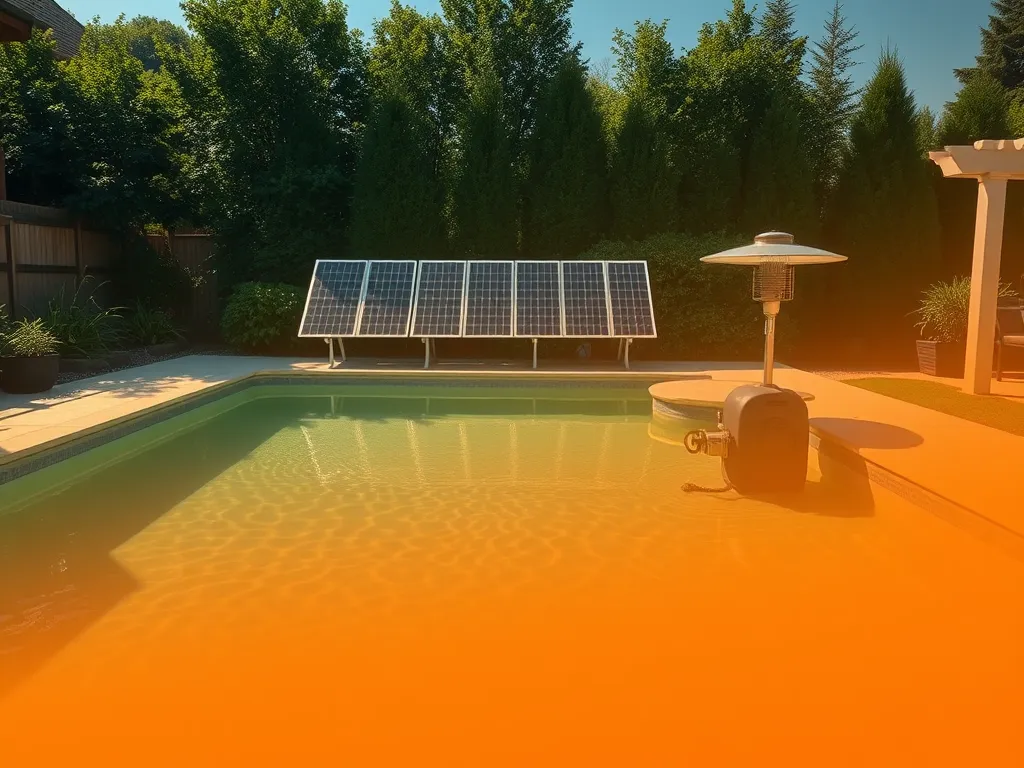
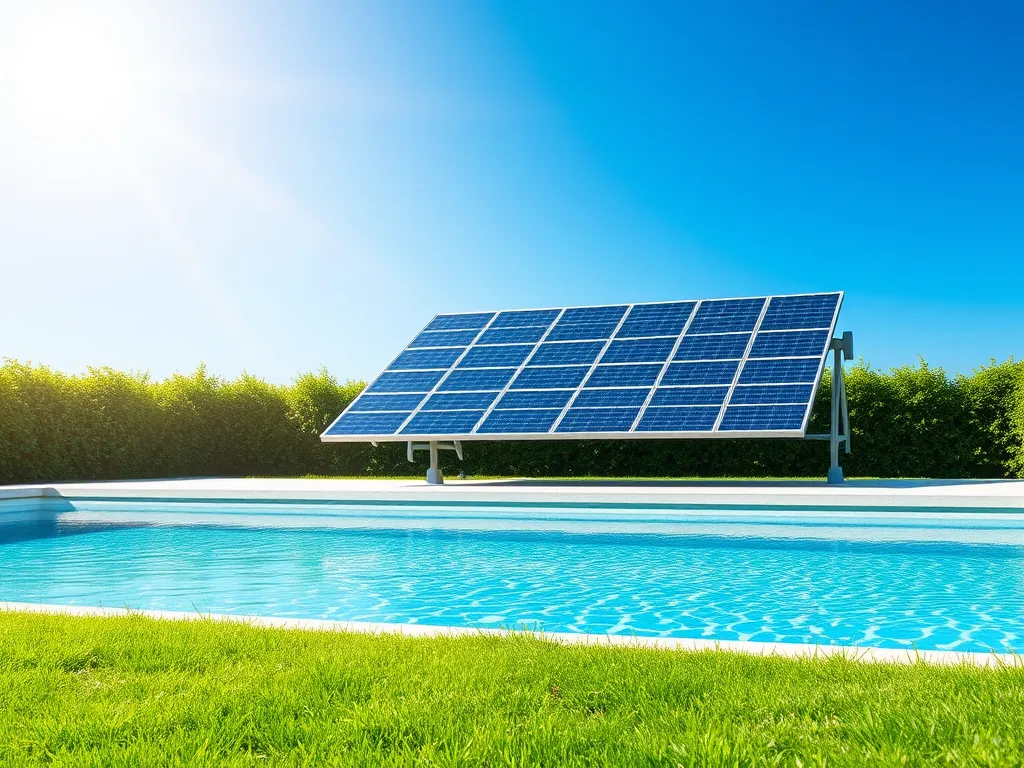
Rigid solar panels mounted on angled racks boost efficiency. Positioned near the pool on rooftops or frames, these connect to your filtration system via PVC pipes or rubber hoses. Water pumps through the panels, absorbing heat before returning to the pool. A 100 sq.ft panel array (about 4-6 panels) can raise temps 8-12°F, costing $500-$1,200 DIY. Use dark-colored polypropylene panels for optimal absorption.
Homemade Batch Heaters
Batch heaters recycle materials like black PVC piping or old rain barrels. Water flows through a series of tubes inside an insulated, glass-topped box, heating via the greenhouse effect. These work best in sunny spots, adding 5-7°F at a cost of $300-$600. Add a 12V pump to circulate water if gravity flow lags. Though bulky, batch systems last 8-12 years with minimal upkeep.
Looking to gather parts for your build? Up next: sourcing panels, pumps, and controls to make your system hum.
Also See: Can You Use a Pool Noodle to Insulate Pipes? Here’s How
Essential Components Of a DIY Solar Pool Heater System
Building your own solar heating pool setup requires core parts working together to capture sunlight, move water, and regulate temperature. Proper component selection directly impacts system performance, durability, and heat output.
Solar Panels/collectors
Solar collectors form the core of your setup. Polypropylene panels or coiled black PVC tubing work best due to UV resistance and heat retention. Commercial options like SunPower pool heater panels offer 85-92% thermal efficiency, while homemade versions using 100-200 feet of ½” irrigation tubing provide budget-friendly alternatives. Position panels on south-facing roofs or ground racks tilted at your latitude angle plus 15° for winter optimization.
Pumps, Piping, and Distribution Hoses
Your pool’s existing circulation pump typically handles flow rates up to 30 GPM for solar heating systems. Upgrade to a variable-speed pump if flow drops below 20 GPM. Use 1.5” Schedule 40 PVC pipes for main lines paired with flexible rubber hoses for panel connections. Include ball valves to isolate the solar loop during maintenance. Maintaining proper flow and efficiency is important for your pool heater’s performance. A well-cared-for heater can last many years, greatly enhancing your swimming experience.
Control Systems and Return Fittings
Install a solar controller like the Goldline GL-235 to automate water routing based on temperature differentials. Pair it with motorized valves diverting water through collectors when they’re 8-10°F warmer than the pool. Use adjustable return jets to spread heated water evenly, preventing hot spots near the surface. A hot tub pool can also benefit from similar heating techniques. Adding a hot tub will enhance relaxation and provide a great way to enjoy warm water all year round.
Step-by-step Guide to Building a DIY Solar Heater
Constructing a functional solar pool heating system demands careful planning, material prep, and seamless integration with your pool’s infrastructure. Follow these phases to ensure reliable operation. A well-planned pool area can greatly enhance the overall experience. Adding elements like pool fountains can create a relaxing atmosphere and improve aesthetics.
Material Selection and Sourcing
Source UV-stabilized black poly tubing ($0.50/ft) or repurpose retired garden hoses for budget builds. For frames, choose pressure-treated lumber or rust-proof aluminum extrusions. Purchase silicone sealant, stainless steel clamps, and threaded unions from local hardware stores. Solar-specific parts like vacuum relief valves can be ordered from pool supply retailers. Once the structure is built, it’s important to look after the pool’s water quality. Aerating the pool can help improve circulation and oxygen levels, leading to a healthier swimming environment.
Assembly: Frame Construction and Panel Layout
Build a sloped frame matching panel dimensions—typically 4’x8’ for roof-mounted units. Secure collectors using zip ties through pre-drilled holes. Leave 1” gaps between tubing rows to permit thermal expansion. Test the assembled panel bank for leaks by capping ends and pressurizing to 20 PSI before installation.
Connecting to Your Pool’s Circulation System
Split the return line post-filter using a T-fitting. Route one branch through the solar array via ¾” flex hose. Install check valves to prevent backflow into the pump. Prime lines by running the pump on high speed for 15 minutes, then adjust flow rates to maintain 6-8 GPM per panel for optimal heat transfer. Keeping your system well-maintained is important for efficiency. Regular checks can help you enjoy the benefits of a run filter solar cover, which helps retain heat and reduce cleaning time.
Cost Vs. Benefits Of DIY Solar Pool Heaters
While upfront investments vary, solar heating pool systems slash operational costs compared to gas or electric units. Let’s break down the numbers.
Budget-friendly Options Under $200
Simple systems using coiled black poly tubing ($75), used pool hoses ($30), and basic fittings ($45) can extend swim seasons by 4-6 weeks. Floating designs with vinyl panels cost under $100 but provide limited 2-4°F gains. For under $200, ground-mounted racks with four 4’x4’ panels boost temps by 8-10°F in sunny climates. These heating options play a role in pool maintenance and enjoyment. When considering a fiberglass pool in Florida, it’s important to think about the overall cost and how heating options can influence your budget.
Long-term Savings Compared to Gas/electric
Propane heaters consume 1.5 gallons hourly, costing $4.50/hr versus solar’s $0.10/hr pump electricity. Over six months, solar saves $300-$1,500 depending on climate. Electric heat pumps cost $0.85/kWh—solar cuts those bills by 70%. With no fuel costs beyond initial setup, most DIY systems pay for themselves within two swim seasons.
Next, we’ll examine real-world performance metrics—including temperature gains per square foot of collector space—to help size your system properly.
Solar Heater Performance and Efficiency
Solar pool heating systems can add heat to your water with no fuel cost. But how well do they work? Let’s break down real-world gains and what shapes their power.
How Many Degrees Can You Expect to Gain?
A DIY solar pool heater can lift temps by 5-15°F. In zones with 6+ sun hours per day, systems using panels sized at 50-80% of pool area often hit 10-15°F gains. For example, a 20×40-foot pool in Texas may reach 85°F using solar alone. Floating solar heaters add less heat—about 5-8°F—but cost under $100 to build. When planning your pool area, it’s also important to consider the cost of filling dirt for any landscaping needs. This cost can vary based on local rates and the amount of dirt needed.
Factors Affecting Heating Capacity
| Factor | Impact | Key Data |
|---|---|---|
| Panel Size | Larger panels = more heat | Use panels equal to 50-80% of pool area |
| Sun Hours | 4-6 hours needed for good gains | South-facing roofs get 20% more heat |
| Flow Rate | Slow flow = better heat grab | 20-40 GPM works best for DIY setups |
| Start Temp | Heats faster if water is 70°F+ | Base temps below 60°F limit solar gains |
Shade, panel tilt, and pipe insulation also play roles. Use black ABS pipes—they absorb 90% of sun energy vs. 60% for PVC.
Integrating DIY Solar Heaters With Existing Systems
Pair solar with gas or electric heaters to cut costs and boost range. Smart control keeps all parts working as one.
Using Solar Alongside Gas or Electric Heaters
Set your solar heater as the first stage. When sun heat dips, gas or electric kicks in. A solar controller like SunPower’s SPP30 ($220) auto-switches sources. For a 20×40 pool, this hybrid plan can save $300+ per year vs. gas-only heat. Link systems with 2-inch PVC lines and check valves to stop backflow. To keep your pool water balanced, it’s important to monitor the alkalinity levels. A soda ash pool calculator can help you determine the right amount of soda ash needed to maintain optimal water chemistry.
Optimizing With Solar Pool Covers
Covers slash heat loss by 50-70%. Use them when the pool’s not in use. A 12-mil UV-resistant cover ($80-$150) paired with solar heating can add 10-15°F total. For best gains, leave the cover on at night and remove it before solar panels start their cycle at 10 AM. Keeping your pool covered also helps maintain water levels. When it’s time to drain your above ground pool, doing so safely is important for your yard and the environment.
Next up: answers to common questions about DIY solar pool heater builds and use cases.
DIY Solar Pool Heater FAQs
How Long Do DIY Solar Pool Heaters Typically Last?
Well-built DIY systems using UV-resistant materials like black polypropylene tubing or commercial-grade panels can last 8–12 years. Lifespan depends on climate: systems in harsh sun may require tubing replacement every 5–7 years, while shaded setups last longer. Regular maintenance—like flushing debris and checking seals—extends longevity by 2–3 years vs. unmaintained units.
Can DIY Solar Heaters Work With Saltwater Pool Systems?
Yes, but use corrosion-resistant components. Opt for silicone-lined hoses, brass fittings, and epoxy-coated clamps. Avoid aluminum frames—choose stainless steel or PVC. Saltwater accelerates wear, so inspect panels and pipes every 3 months for mineral buildup. Flush systems monthly with fresh water to reduce salt residue.
What Are Common DIY Solar Heater Maintenance Tasks?
Key tasks include:• Monthly: Clean panels with vinegar/water to remove algae or calcium.• Seasonally: Check for leaks at pipe joints and secure loose fittings.• Annually: Replace worn O-rings, test pump pressure, and inspect valve actuators.Winterizing? Drain all water and cover panels to prevent frost damage.
How Do I Winterize a DIY Solar Pool Heating System?
Follow these steps:1. Shut off and bypass the solar loop using isolation valves.2. Drain panels/pipes completely with a wet-dry vacuum.3. Disconnect hoses and store indoors if temperatures drop below 20°F.4. Cover roof-mounted panels with tarp to protect against ice/snow. Reattach in spring after inspecting for cracks.
Are DIY Solar Heaters Safe for Vinyl-lined Pools?
Yes, if return water temps stay below 104°F. Use a temperature sensor ($25–$50) to monitor heated water entering the pool. Position return jets 12–18” below the surface to prevent hot spots. For vinyl pools, avoid rigid metal mounting hardware near walls—opt for ground racks 3+ feet from the pool edge. Temperature has a big impact on algae growth in water. Warmer temperatures can speed up algae formation, making it crucial to keep the pool water at safe levels.
Final Thoughts: Is a DIY Solar Heater Right for Your Pool?
Building a DIY solar pool heater offers a budget-friendly way to extend your swimming season while cutting energy costs. With options ranging from simple floating mats to panel-based systems, solar heating can boost pool temperatures by 5-10°F—enough to make a noticeable difference. Compared to gas or electric heaters, solar setups save $300-$1,500 annually in operational costs after the initial investment.
For best results, pair your solar heater with a pool cover to minimize heat loss. Hybrid systems combining solar with gas/propane backup provide reliability in cooler climates. While DIY projects require effort, materials like PVC panels or repurposed hoses can keep costs under $200 for small pools.
Ready to calculate your potential savings? Use My Pool Calculator to estimate solar panel requirements, heating capacity, and payback periods for your specific pool size and location.
Additional Resources for You:
- Pool & Hot Tub Alliance (PHTA) – Industry Standards & Training
- How to Make a DIY Pool Heater – Understand Solar
- How to Make a Solar Pool Heater | Easy DIY Steps
- Solar System to Run Electric Pool Heater Off Grid | DIY Solar Power Forum
- 3 Ways to Build a DIY Solar Pool Heater
A pool care geek who’s been testing water chemistry since she was tall enough to reach the skimmer.
Heating Systems, Plumbing System Care & Repair, Solar Heating