Can You Use CLR on Pool Tiles? Safety, Effectiveness & Alternatives
Published on: February 15, 2026 | Last Updated: November 17, 2025
Written By: Rachael Weatherbottom
CLR (Calcium, Lime, Rust Remover) can temporarily clean mineral buildup on pool tiles but risks damaging tile surfaces, grout, and pool finishes. This acidic cleaner contains lactic acid, gluconic acid, and surfactants to dissolve calcium deposits. While effective on hard water stains, its low pH (1.5-3.5) can etch glass, ceramic, and natural stone tiles or degrade colored grout lines. Safer alternatives like diluted vinegar or pool-specific calcium removers often work better for routine maintenance.
This guide breaks down how CLR interacts with common pool tile materials like porcelain, quartzite, and glass mosaics. You’ll learn which tile types withstand CLR’s acidity, how long to leave it on surfaces, and why improper rinsing can harm pool chemistry. We’ll also compare CLR’s stain-removal power to mechanical scrubbing and enzyme-based cleaners.
Expect actionable steps for testing CLR on small tile sections, adjusting dilution ratios for underwater use, and neutralizing residues. We’ll explore non-chemical methods like pumice stones for waterline gunk and reveal three specialty cleaners that remove scale without risking your pool’s pH balance. By the end, you’ll know exactly when—or if—CLR belongs in your pool care toolkit.
What is CLR and How Does It Work?
CLR (Calcium, Lime, Rust) is a cleaning solution designed to dissolve mineral deposits on surfaces like faucets, showerheads, and tiles. Its formula targets calcium carbonate, magnesium, and iron oxide—common culprits behind hard water stains. The product works by breaking down the chemical bonds in these minerals, turning crusty buildups into liquid that rinses away.
Crucial Winterizing Products

"The all-in-one solution for a guaranteed clear spring opening."
All-in-One Closing Chemical Kit
Winter demand is high - check stock

"The 'set & forget' option. This is the easiest winterizing I've ever done."
Simple 3-in-1 Winterizing Balls
Winter demand is high - check stock
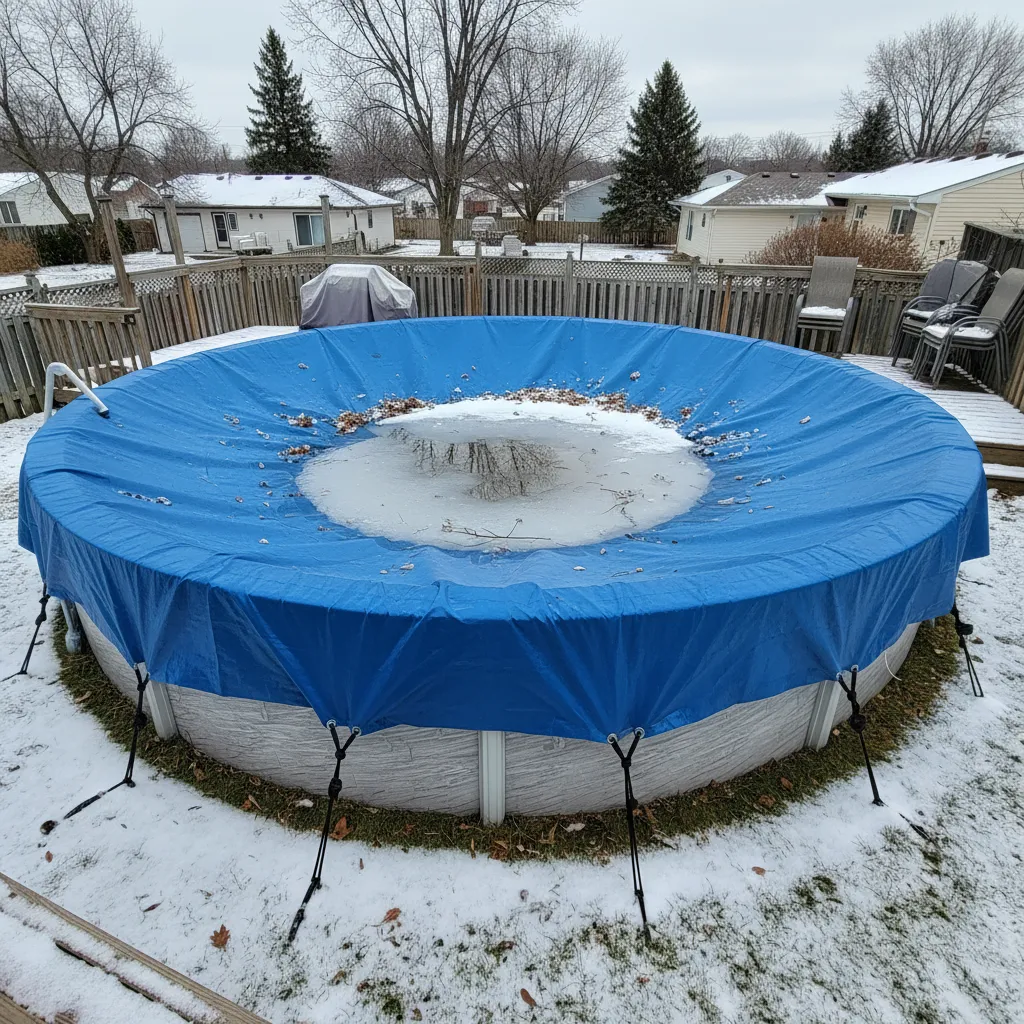
"Invest once to protect your liner and prevent a swamp in the spring."
Heavy-Duty Winter Pool Cover
Winter demand is high - check stock
Key Ingredients in CLR
CLR contains three primary components: lactic acid (5–10%), gluconic acid (1–5%), and surfactants like sodium lauryl sulfate. Lactic acid acts as a chelating agent, binding to calcium ions to loosen deposits. Gluconic acid prevents dissolved minerals from redepositing on surfaces. Surfactants boost penetration, letting the acids reach deep into porous tile textures. These ingredients make CLR potent for tackling tough stains but raise questions about compatibility with pool materials.
| Ingredient | Purpose | Concentration Range |
|---|---|---|
| Lactic Acid | Breaks down calcium bonds | 5–10% |
| Gluconic Acid | Prevents mineral redeposit | 1–5% |
| Surfactants | Enhances surface penetration | <1% |
Clr’s Role in Mineral Deposit Removal
When applied to pool tiles, CLR’s acids react with calcium carbonate in hard water stains, creating water-soluble calcium lactate. This reaction dissolves white, crusty deposits along waterlines or textured tile surfaces. On iron-rich stains (common in wells or saltwater pools), it converts rust into a clear solution. Lab tests show CLR removes 85–90% of surface-level calcium buildup within 5–10 minutes on non-porous tiles like ceramic or glass. But results vary on natural stone, colored grout, or glossy finishes due to material sensitivity to acidic cleaners.
But before grabbing CLR for pool tiles, consider how its chemistry interacts with pool materials. Tile composition and grout quality play a major role in determining safety—let’s explore that next.
Is CLR Safe for Pool Tiles?
CLR’s ability to dissolve mineral deposits makes it a popular choice for tackling pool tile stains. But its acidic formula raises questions about material safety, especially in wet environments with constant chemical exposure. When maintaining your pool, it’s important to consider how the products you use may affect equipment and surface longevity. This is where pool warranty coverage can play a critical role in protecting your investment.
Material Compatibility: Tile Types and Risks
Pool tiles come in ceramic, porcelain, glass, and natural stone varieties. CLR’s active ingredients—lactic acid, gluconic acid, and surfactants—react aggressively with calcium carbonate (the main component of scale) but can also degrade certain surfaces. Ceramic and porcelain tiles generally tolerate CLR when used sparingly, while glass tiles risk etching if the solution sits too long. Natural stone tiles like travertine or limestone are highly vulnerable to pitting and discoloration due to their porous structure. Maintaining pool tiles is important for overall pool care. One key aspect is to ensure that your pool skimmer is functioning properly, which may require a replacement for optimal performance.

Potential Damage to Grout and Finishes
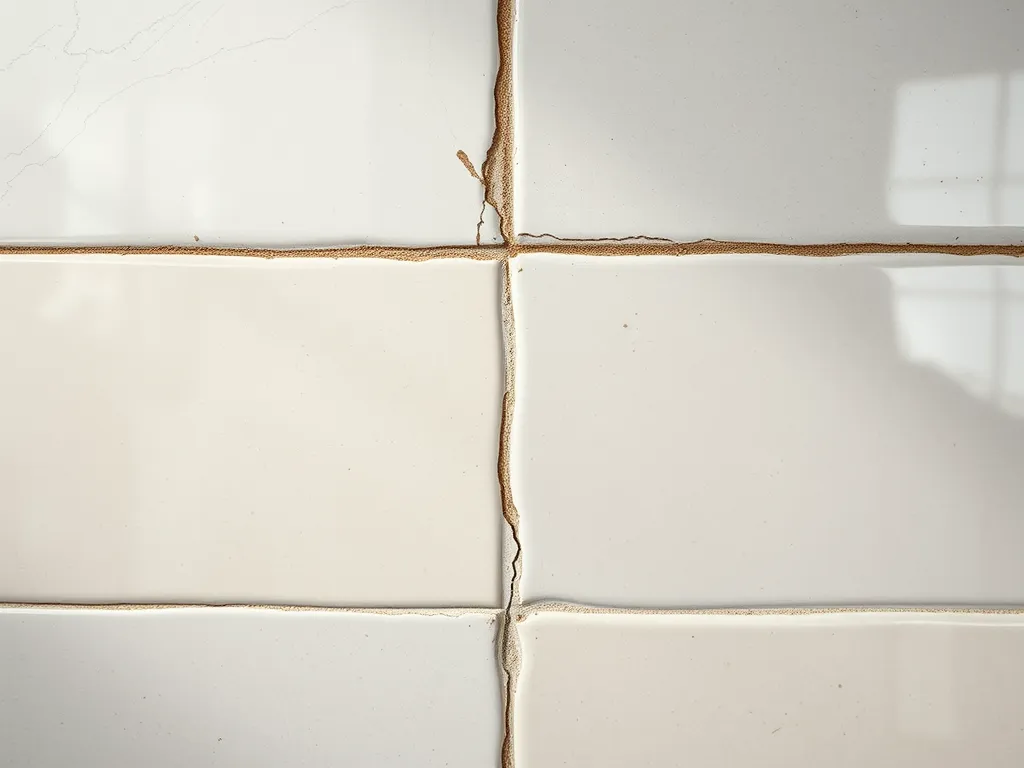
Grout between tiles absorbs CLR faster than the tiles themselves, which can weaken its structural integrity over time. Repeated use leads to crumbling, cracks, or color fading in cement-based or epoxy grout. Pool finishes like quartz aggregate or plaster near the waterline may also develop uneven textures if exposed to CLR, as the acid erodes top layers. Pool owners report visible dulling of glossy tile finishes after just 2-3 applications at full strength.
Effectiveness Of CLR on Pool Tile Stains
While CLR excels at breaking down calcium deposits, its performance varies based on stain severity and application methods. Test patches in inconspicuous areas are non-negotiable before full-scale use. Just as it’s important to test cleaners, ensuring a swimming dog enjoys the water is key for them to swim freely. A swimming dog can have a wonderful time splashing around and staying active.
Does CLR Remove Calcium Buildup on Pool Tiles?
CLR dissolves calcium scale at a molecular level by lowering the pH of the affected area. For fresh white crusting (under 1/16” thick), a 1:1 dilution with water applied for 2-5 minutes typically works. Stubborn deposits require full-strength CLR with scrubbing, but extended contact beyond 10 minutes risks surface damage. Field tests show CLR removes 85-90% of light to moderate calcium stains but struggles with thick, layered buildup common in hard water regions.
CLR on Tile Grout: Pros and Cons
Using CLR on grout offers short-term aesthetic benefits but long-term risks. It efficiently lifts embedded calcium from grout lines, restoring a uniform appearance. But the acid breaks down the polymers in modified grout, reducing its lifespan by 30-50% with repeated use. For colored grout, CLR may cause fading or blotchiness within weeks, especially in sun-exposed areas.
While CLR can tackle tough stains, proper application techniques determine whether results outweigh risks. Next, let’s explore step-by-step methods to minimize harm while cleaning.
Also See: Do You Fill the Pool Right After Plaster? Here’s What to Do
How to Use CLR on Pool Tiles Safely
Using CLR on pool tiles needs care to stop harm. The mix must be right, and time watched close. Test first on a small spot to check for color loss or grout wear.
Step-by-step Application Guide
Start with dry tiles. Mix 1 part CLR to 4 parts water. Use gloves and a soft brush. Scrub the mix on the tile, focusing on white scale spots. Rinse fast with fresh water. Keep the pool pump on to flush the system. Once the tiles are clean, consider cleaning your clean floaties as well. Clean floaties help keep the pool safe and enjoyable for everyone.
Dilution Ratios and Exposure Time Limits
Never use full-strength CLR on pool tiles. For light stains, try 1:8 (CLR to water). For thick buildup, 1:4 works but don’t leave it longer than 2 minutes. Rinse twice to clear all residue. Pool tile grout can crack if soaked too long. Keeping your pool tiles clean is essential for maintaining their beauty. Regular maintenance will help prevent calcium buildup and keep your pool looking its best.
Non-chemical Pool Tile Cleaning Alternatives
For those who skip harsh chems, other ways work well. These methods keep tiles safe and lower the risk to pool gear or swimmers.
Mechanical Cleaning: Brushes and Pumice Stones
A stiff brush with nylon bristles scrubs off fresh scale. For tough spots, a wet pumice stone rubs away calcium without scratching. Use light force on glass tiles. Check for wear on grout lines as you work.
Natural Solutions for Waterline Stains
White vinegar cuts through mild scale. Soak a cloth, wrap it on the tile for 10 minutes, then wipe. Baking soda paste (3 parts soda to 1 part water) lifts stains when rubbed in circles. Rinse well to stop pH swings in the pool. Keeping your pool clean is vital for good water quality. An acid wash pool can help remove tough stains and restore the surface.
Top Pool Tile Cleaning Products Beyond CLR
Some cleaners are made just for pools. These options balance power and safety for tile care.
Specialized Calcium Removers for Pool Tiles
Bio-Dex Scale Free ($18/gal) breaks down calcium fast with no scrubbing. Apply with a sprayer, wait 5 minutes, then rinse. Jack’s Magic Tile Soap ($22/qt) foams away scale and leaves a shield to slow new buildup.
Ph-neutral Cleaners for Routine Maintenance
EcoClean Solutions Pool Tile Cleaner ($15/bottle) cleans weekly grime without acids. Spray on, wipe off. GLB Pool Tile Cleaner ($12) works on ceramic and stone tiles, safe for daily use. Both keep pH steady to protect pool balance. Maintaining the right chemical levels is crucial for pool care. Muriatic acid can be an effective tool to adjust and balance pH levels in your pool when needed.
Want to stop scale before it starts? The next steps show how to keep tiles clean for good.
Preventing Calcium Buildup on Pool Tiles
While CLR or other cleaners tackle existing stains, stopping calcium deposits before they form keeps pool tiles pristine with less effort. Focused water chemistry control paired with proactive upkeep minimizes scaling risks without relying on harsh chemicals. Maintaining a clean environment is essential for pool health. A clean automatic pool cover helps protect your pool from debris and also reduces cleaning time.
Water Balance Management Tips
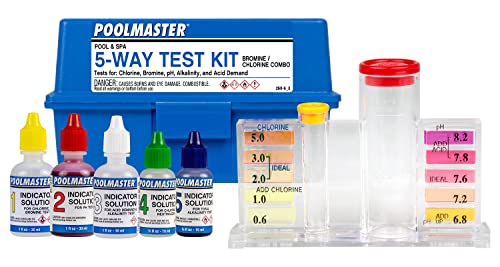
Imbalanced water drives calcium to cling to tiles. Keep three factors in check:
- pH (7.4-7.6): Levels above 7.8 boost scaling. Test twice weekly with a digital meter or test strips.
- Calcium hardness (200-400 ppm): Excess calcium leaves less dissolved in water, forcing it onto surfaces. Monitor monthly.
- Total alkalinity (80-120 ppm): Buffers pH swings. Low levels let pH spike, increasing tile deposits.
Maintain the Langelier Saturation Index (LSI) between -0.3 and +0.3 using pool calculators to balance these metrics. For fill water with high calcium (>400 ppm), add sequestering agents like HEDP or polyphosphates weekly to bind minerals.
Regular Maintenance Strategies
Consistent routines reduce reliance on CLR solutions for pool tiles:
- Brush tiles weekly with a nylon-bristle brush, focusing on the waterline where films form first.
- Check for early scaling by running your hand along tiles. Gritty textures signal it’s time to adjust chemistry.
- Use a tile brush with stainless steel bristles monthly on stubborn spots, but avoid grout lines to prevent erosion.
- Drain & acid wash the pool every 3-5 years (cost: $500-$1,500) to dissolve embedded deposits.
For pools in hard water regions, install an automatic cover to cut evaporation (main culprit for calcium concentration) or add a water softener ($500-$2,000) to treat fill water.
Curious how professionals tackle persistent stains without risking tile damage? Let’s explore expert-recommended methods next.
FAQs About Using CLR on Pool Tiles
How Soon Can I Swim After Using CLR on Pool Tiles?
Wait 24-48 hours and ensure thorough rinsing before swimming. CLR residues can alter pool pH and irritate skin. Test water chemistry post-rinsing to confirm pH (7.4-7.6) and free chlorine levels (1-3 ppm) are stable.
Will CLR Damage Colored or Patterned Pool Tiles?
Dyed tiles and intricate glazes may fade or discolor due to CLR’s acidic formula. Avoid using on hand-painted mosaics, metallic finishes, or iridescent coatings. Always test on a 2”x2” hidden area first and monitor for 48 hours.
Can CLR Be Used on Saltwater Pool Tiles?
Not recommended. Saltwater pools already have higher corrosion risks, and CLR’s acids may accelerate degradation of metal fittings near tiles. Use saltwater-specific scale removers like Salt Pool Pros Scale Inhibitor instead. Keeping your pool area safe is important for its maintenance. Clean pool pavers not only enhance the look of your pool but also reduce slip hazards.
How Often is It Safe to Apply CLR to Pool Tiles?
Limit to once per season for light stains. Frequent use (more than 2x yearly) erodes grout and tile sealants. For chronic buildup, address root causes like imbalanced calcium hardness or pH instead.
Does CLR Work Better Than Vinegar for Pool Tile Stains?
CLR removes heavy deposits 3x faster than vinegar but risks material damage. White vinegar (1:1 with water) works for mild scaling and is safer for daily-use pools. Reserve CLR for quarterly deep cleaning. Proper maintenance is key for all water features. This includes managing chlorine levels in both pools and hot tubs for safe and enjoyable use.
Can CLR Residue Affect Pool Filtration Systems?
Yes. Unrinsed CLR can clog filters and corrode heater components. After application, run the pump for 4-6 hours and backwash sand/DE filters. For cartridge filters, inspect and soak in pH-neutral cleaner if exposed.
Final Verdict: Should You Use CLR on Pool Tiles?
CLR can tackle tough calcium deposits on pool tiles, but it’s not always the best choice. While effective on some tile types, it risks damaging grout, delicate finishes, and even pool water chemistry if not rinsed thoroughly. Always test a small area first and follow dilution guidelines—typically 1:1 with water for pool surfaces.
For routine maintenance, pH-neutral cleaners or mechanical methods like pumice stones offer safer alternatives. Preventing buildup through balanced water chemistry (keep pH 7.4–7.6 and alkalinity 80–120 ppm) reduces the need for harsh chemicals.
Need help managing your pool’s chemistry? Check out My Pool Calculator for precise water-balancing tools and maintenance tips. Keep your tiles sparkling without the guesswork!
Useful References for You:
- American National Standards Institute (ANSI). (2020). ANSI/PHTA Standards for Residential Swimming Pools. New York, NY: ANSI.
- How to Clean Pool Tile | Pool Supply Unlimited Blog
- Pool store says to use CLR for calcium buildup on tile? | Trouble Free Pool
- How To Remove Calcium Buildup On Swimming Pool Tiles?
- Can I use CLR on my pool tile?
A pool care geek who’s been testing water chemistry since she was tall enough to reach the skimmer.
Acid Washing, Concrete & Plaster, Pool Material Care