Do You Leave a Chlorine Floater in the Pool All the Time?
Published on: February 20, 2026 | Last Updated: November 17, 2025
Written By: Rachael Weatherbottom
Yes, you can leave a chlorine floater in your pool continuously to maintain sanitizer levels, but proper adjustment and monitoring are necessary to prevent over-chlorination. A chlorine floater is a plastic device that holds chlorine tablets, releasing them slowly to kill bacteria and algae. Safe use depends on factors like pool size, daily swimmer load, and weather conditions. Leaving it in 24/7 works for many pools, but incorrect settings or tablet quantities can spike chlorine levels above 3 ppm (parts per million), risking skin irritation or surface damage.
This guide explores when and how to use chlorine floaters effectively. You’ll get clarity on balancing convenience with water safety, including the pros and cons of permanent placement versus timed usage. We break down how tablet dissolution rates, pool covers, and seasonal temperature changes affect your approach. Real-world scenarios like heavy rain, pool parties, or extended vacations are also addressed.
You’ll learn specific techniques to optimize your floater’s performance. Topics include adjusting vent openings to control chlorine release (typically 1-3 tablets per 10,000 gallons), checking chlorine levels twice weekly with test strips, and preventing liner bleaching in vinyl pools. We also compare floaters to automated chlorinators and liquid chlorine systems, helping you choose the right fit for your maintenance routine.
What is a Chlorine Floater?
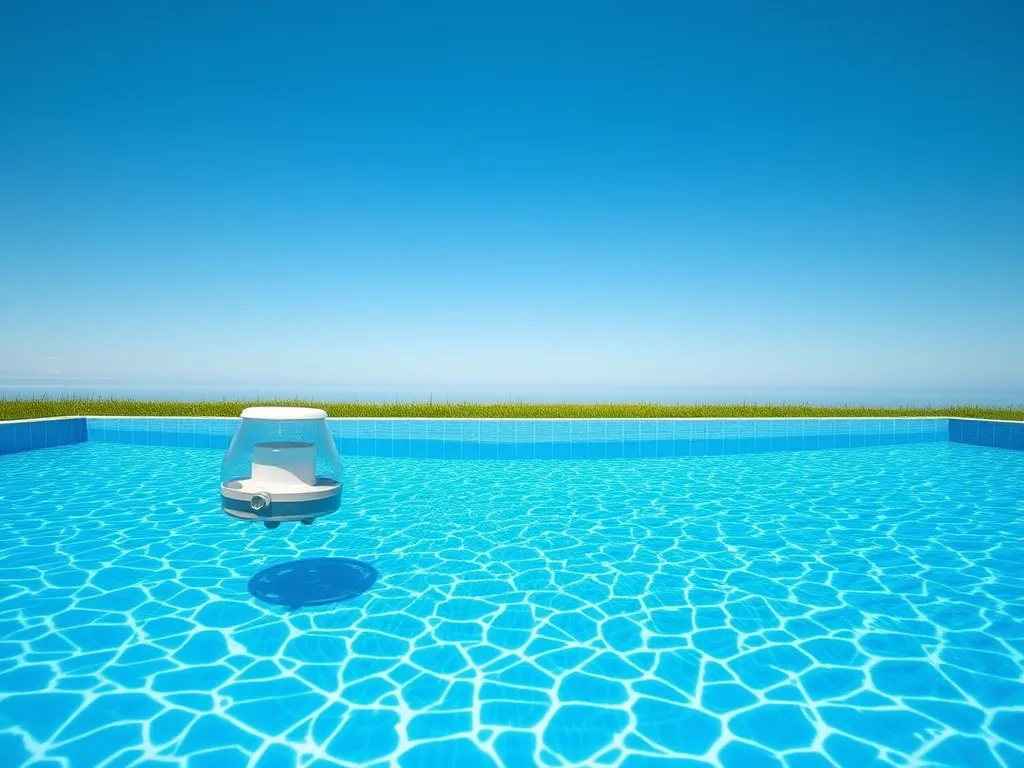
A chlorine floater serves as a portable dispenser designed to release sanitizing tablets into pool water. Constructed from durable plastics like polyethylene, these devices drift freely on the surface, distributing stabilized chlorine tablets over time. Their primary role involves maintaining consistent sanitizer levels without requiring daily manual dosing.
Crucial Winterizing Products

"The all-in-one solution for a guaranteed clear spring opening."
All-in-One Closing Chemical Kit
Winter demand is high - check stock

"The 'set & forget' option. This is the easiest winterizing I've ever done."
Simple 3-in-1 Winterizing Balls
Winter demand is high - check stock
"Invest once to protect your liner and prevent a swamp in the spring."
Heavy-Duty Winter Pool Cover
Winter demand is high - check stock
Basic Function and Purpose
Chlorine floaters house slow-dissolving trichloroisocyanuric acid (trichlor) tablets, which contain cyanuric acid to shield chlorine from UV degradation. As water flows through the floater’s vents, tablets dissolve gradually, releasing 1–3 ppm of chlorine per day. This method prevents localized high-concentration zones that could bleach liners or damage vinyl surfaces. Floaters work best in pools without saltwater systems, as trichlor can disrupt saline generator performance. Many pool owners prefer using chlorine tablets for their convenience. Chlorine tablets help maintain clean and sanitized water effectively.
Components Of a Typical Floater
Most floaters include four key elements:
- Housing: A hollow, buoyant shell with slots for water circulation.
- Adjustable Vents: Control dissolution rates—open vents speed up chlorine release, while closed vents prolong tablet life.
- Tablet Chamber: Holds 2–4 standard 3-inch tablets (200g each), lasting 5–7 days depending on water temperature.
- Buoyancy Ring: Ensures the device stays on the surface; weighted models prevent tipping in turbulent water.
Proper vent settings matter: for 10,000-gallon pools, medium openings (40–50% exposed tablet surface) balance chlorine output without oversaturating the water.
With the mechanics clarified, let’s explore variables influencing whether continuous use aligns with your pool’s needs.
Should You Leave a Chlorine Floater in the Pool All the Time?
Leaving a chlorine floater in your pool 24/7 can keep the water clean with less work. But this choice has upsides and risks based on your pool’s needs. Let’s break down what works and what doesn’t. It’s also important to check the salt level in your pool regularly. Maintaining the right salt level helps ensure the chlorine system works efficiently.
Pros and Cons Of Continuous Use
Steady chlorine levels (1-3 ppm) stop algae and germs from growing. Floaters add small doses of sanitizer as tablets dissolve, which cuts down on daily testing. For pools that get a lot of sun or use, this method keeps things simple. In places like Harrah’s New Orleans, a well-maintained pool is essential for guest enjoyment. The pool area offers a relaxing oasis in the heart of the city, making it a perfect spot to unwind.
But that’s not all. High heat or rain can cause chlorine to drop fast. A floater fights this by topping up levels non-stop. On the flip side, too much chlorine (over 5 ppm) can bleach vinyl liners, irritate skin, or damage pool gear like pumps and filters. Tablets also have cyanuric acid (CYA), a stabilizer that builds up over time. If CYA passes 50 ppm, chlorine stops working well, forcing a partial drain. The balance between chlorine and cyanuric acid is crucial for effective pool maintenance. Maintaining the right levels helps ensure that chlorine remains effective in keeping the water clean and safe.
Factors Influencing This Decision
Pool size matters most. A 10,000-gallon pool needs 2-3 tablets weekly, while a 5,000-gallon spa might use just one. Bather load counts too—pools with kids or pets need more sanitizer. Check chlorine levels 2-3 times a week if you leave the floater in all the time.
Sunlight and water temp play big roles. Hot days burn off chlorine faster, so a floater helps. But if you use a solar cover, chlorine gas gets trapped, spiking levels. In shady spots, tablets last longer. Match your floater’s dial settings (like 1-5 openings) to your pool’s needs. For example, set it to 3 in summer heat and 1 in cooler months.
How Long to Leave a Chlorine Floater in the Pool
Timing is key. Too short, and germs thrive. Too long, and you risk harm. Balance is everything.
Ideal Duration for Effective Sanitation
Most 3-inch tabs last 5-7 days in a floater. Keep it in until tablets fully dissolve. Test strips or a liquid kit will show if levels stay in range. For pools open year-round, floaters can stay in but adjust tablet count with the seasons—3 tabs in summer, 1-2 in winter.
If chlorine drops below 1 ppm, add a new tab right away. For a quick boost, pair the floater with liquid chlorine (1 gallon per 10,000 gallons raises ppm by 5). Never mix tabs and liquid in the same spot—it can cause fumes.
Impact Of Pool Covers on Floater Usage
Covers change the game. Solid covers trap chlorine gas, which can push levels over 5 ppm in hours. Take the floater out before covering the pool, or use a mesh cover that lets gas escape. For auto-covers, leave at least one side open for airflow. However, when covers sag, they can create problems. Regular checks and maintenance can help prevent sagging and ensure proper function.
Solar covers cut UV loss by 60%, so tabs dissolve slower. If you cover the pool for 3+ days, check chlorine daily. Covers also slow cyanuric acid buildup, which helps in the long run.
Next, let’s dive into how to stay safe when using floaters—from swim times to gear checks.
Also See: Does High Ph in Pool Cause Algae? Does Low Ph?
Safety When Using a Chlorine Floater
Leaving a floater in the pool all the time needs care to keep swimmers safe. Let’s break down key risks and rules.
Swim With a Chlorine Floater in the Pool
Yes, you can swim with a floater in the water. But keep it moving. Stagnant floaters may drift near swimmers, raising skin or eye contact risk. Most floaters have vents to slow chlorine release, but direct tablet contact can harm. Check the floater stays 3-4 feet from people. For kids’ pools, remove the floater during play to prevent tampering.
Risks Of Too Much Chlorine
High chlorine levels (over 3 ppm) cause red eyes, dry skin, or lung stress. Floaters left in non-stop can spike levels if not checked. Saltwater pools face fewer swings, but tablet floaters add cyanuric acid (CYA) that builds up over time. At 100 ppm CYA, chlorine loses punch, needing partial drain/refill. Test weekly to keep chlorine 1-3 ppm and CYA under 50 ppm.
Chlorine Tablet Use & Life Span
Tablet choice and floater setup shape how well they work. Let’s dive into the details.
How Many Tablets to Use in a Floater
A standard 8-inch floater holds 2-3 tablets for a 10k-gallon pool. More tablets mean stronger dose. In heat over 90°F or heavy rain, add 1 extra tablet. Never stack tablets tight—water needs flow to dissolve them evenly. Overstuffing blocks vents, causing uneven sanitizer spread. Proper water balance is key for keeping your pool safe. This is where bags shock pool comes into play, as it rapidly boosts chlorine levels.
Change Amount for Pool vs. Hot Tub
Hot tubs need fewer tablets due to small size. Use half a tablet in a floater made for spas. Hot water (100°F+) breaks down tabs 30% faster, so check levels daily. For pools, full tablets work, but adjust based on floater vents and bather load.
How Long Tablets Last in Water
One 3-inch tablet lasts 3-7 days in a pool. Heat, water flow, and tablet size affect this. At 85°F, a tablet may vanish in 4 days. Cooler temps (60°F) stretch it to 7 days. If tablets crumble fast, close floater vents halfway. For slow dissolve, open vents wider.
Care and Checks
Regular tweaks keep chlorine steady. Here’s how to stay on top of it.
Set Floater for Best Release
Vent slots control chlorine speed. Open vents 25% for slow release (indoor pools) or 75% for heavy sun/use. If levels drop too quick, add a tablet and open vents 10% more. For vinyl pools, avoid letting tabs touch walls—they bleach liner patterns. Use floaters with guards to block direct contact. Keeping your pool clean is important for maintaining its condition. Proper use of pool chlorine is essential to protect and clean vinyl surfaces effectively.
How Often to Test Chlorine
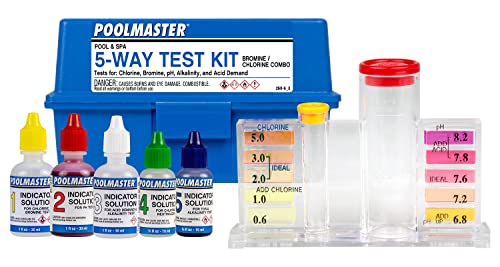
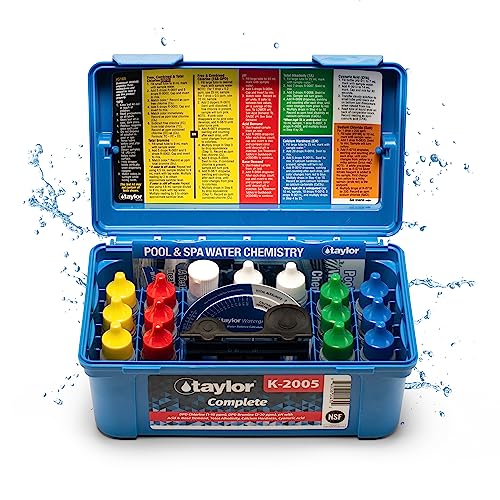
Test chlorine 2-3 times weekly with strips or a kit. After storms, parties, or top-offs, test next day. Digital testers give exact ppm, but basic kits work. Note: tabs take 4-6 hours to fully mix. Test in evening when floater has cycled water.
Next, let’s explore common issues that pop up when floaters stay in non-stop.
Potential Problems With Chlorine Floaters
Leaving a floater in the pool non-stop can lead to issues if not checked. While handy, these tools need close care to stop harm to water balance or gear.
Overuse Of Chlorine Tablets
Floaters left full-time may dump too much chlorine if set wrong. One 3-inch tablet treats 5,000 gallons, but pools vary in size and use. High chlorine (over 4 ppm) burns eyes, fades swimsuits, and eats at pool parts. Low pH from too much tablet use also etches plaster and hurts metal parts like ladders. It’s also important to manage pH levels after adding soda ash. Waiting some time after using soda ash helps the water balance before swimming.
Damage to Pool Surfaces or Equipment
Tablets piled near the floater can bleach vinyl liners or crack concrete floors. Stray floaters stuck near skimmers let undiluted chlorine suck into pumps, warping seals. Saltwater pools face extra risk—chlorine tabs add cyanuric acid that builds up over time, forcing partial drain jobs every 2-3 years. It’s important to manage these chemicals carefully. A bleach pool offers a different option, using liquid bleach for sanitation instead of traditional chlorine tablets.
Alternatives to Chlorine Floaters
For those seeking steadier control, other methods cut risks tied to floaters. Each option suits different setups and budgets.
In-line Chlorinators Vs. Floaters
In-line systems hook to pool pipes, feeding tablets as water flows. These spread chlorine evenly, stopping “hot spots” common with floaters. Models like Hayward CL200 cost $150-$300 but slash tablet waste by 30%. They work best with variable-speed pumps running 8+ hours daily. Building a pool in Arizona is an important factor to consider when constructing a pool. The cost of adding features like in-line systems can influence the overall budget for your new pool.
Liquid Chlorine As a Supplement
Liquid chlorine (sodium hypochlorite) adds fast dose without cyanuric acid. Pour 1 gallon per 10,000 gallons to boost levels by 5 ppm. At $0.50-$1 per jug, it’s cheap for quick fixes but needs daily adds in peak heat. Pair it with floaters for steady base + shock boosts. For those considering alternatives, sodium bisulfate pools can be a safer choice. Sodium bisulfate pools help maintain optimal pH levels while being easier on skin and eyes.
Now let’s tackle common questions about floaters in special cases, like covered pools or stormy weather.
FAQ: Leaving a Chlorine Floater in the Pool
Can Chlorine Floaters Damage Vinyl Pool Liners?
Yes, prolonged direct contact between tablets and vinyl can cause bleaching or weakening. To prevent damage, use floaters with mesh guards or weighted bases that maintain distance from walls. Position the floater in the pool’s center and ensure tablets are fully secured inside the chamber.
How Do You Clean and Maintain a Chlorine Floater?
Monthly maintenance prevents clogs: empty residual tablet debris, scrub vents with a soft brush, and soak the floater in a 1:10 vinegar-water solution to dissolve calcium buildup. Rinse thoroughly before refilling. Inspect buoyancy rings for cracks that could cause sinking.
Does Poor Water Circulation Reduce Floater Effectiveness?
Low circulation creates “dead zones” where chlorine isn’t distributed evenly. Run the pool pump 8–12 hours daily to ensure proper flow. If the floater lingers in corners, adjust return jets or use a pool brush to redirect water movement. Keeping a balanced circulation is essential for maintaining a clean pool. This is especially important in low chlorine pools, where even distribution helps keep the water safe and pleasant for swimming.
Are Chlorine Floaters Compatible With Automatic Pool Cleaners?
Most robotic or suction-side cleaners won’t interact with floaters. However, pressure-side cleaners with strong jets may push the floater into skimmers. Use a floater with a tether or position it away from cleaner paths during operation.
Can Chlorine Tablets Cause Surface Staining?
High cyanuric acid (CYA) from tablets can lead to calcium scaling on tile or concrete. Test CYA monthly and keep levels below 50 ppm. For stained surfaces, use a stain inhibitor or scrub with a pH-neutral cleaner. Balance alkalinity (80–120 ppm) to minimize mineral deposits.
Closing Thoughts
Leaving a chlorine floater in your pool all the time depends on factors like pool size, usage, and weather conditions. While continuous use maintains sanitizer levels, monitoring is key to prevent over-chlorination or damage to surfaces.
For precise chlorine adjustments, try My Pool Calculator to balance your pool chemistry effortlessly. Proper floater settings, regular testing, and occasional removal during heavy swimming sessions will keep your water safe and clear.
When in doubt, consult a pool professional to tailor your sanitization approach. A well-maintained floater system simplifies pool care—just stay vigilant with water testing.
Additional Resources for You:
- PoolPro Magazine (Industry News & Technical Articles)
- How to Properly Add Chlorine Tablets | Swimming Pool Installation In Kent
- Chlorine Tablets: Dos and Don’ts
- How to Keep Your Kiddie Pool Clean Without a Pump | Bre Pea
- How long do people leave a chlorine tablet in a pool? – Quora
A pool care geek who’s been testing water chemistry since she was tall enough to reach the skimmer.
Chlorine, Pool Chemistry, Sanitizers