The Best Pool Shock: A Comprehensive Guide to Pool Care
Published on: December 26, 2025 | Last Updated: November 17, 2025
Written By: Rachael Weatherbottom
The best pool shock treatments eliminate contaminants, restore water clarity, and prevent algae growth using concentrated chlorine or non-chlorine formulas. Top-rated options like In The Swim’s Cal Hypo Shock (68% chlorine), Clorox Pool&Spa XtraBlue (55% dichlor), and PoolRx Non-Chlorine Shock differ in strength, cost ($50-$120 per 25 lbs), and use cases. This guide compares brands, breaks down calcium hypochlorite (cal hypo), sodium dichlor (dichlor), potassium peroxymonosulfate (non-chlorine), and liquid chlorine, and explains how to match shock type to your pool’s needs.
We’ll explore how each shock chemical works in saltwater systems, vinyl-lined pools, and hard water conditions. Learn why cal hypo packs 65-75% chlorine for heavy algae outbreaks but risks clouding high-calcium water. Discover why dichlor’s pH-neutral formula suits weekly maintenance, while non-chlorine shock lets you swim in 15 minutes. Detailed charts reveal dosage rates (1 lb per 10k gallons for cal hypo vs. 2 lbs for non-chlorine), residual effects, and safety steps for vinyl or fiberglass pools.
From tackling green pools overnight to balancing pH after heavy rain, this article provides step-by-step methods for every scenario. Compare leading brands like Leisure Time, Rx Clear, and BioGuard. Learn when to pair shock with algaecides, how to store granules safely, and why shocking weekly prevents $500+ filter repairs. Get ready to transform murky water into a sparkling oasis—no chemistry degree required.
What is Pool Shock and Why is It Essential?
Pool shock refers to concentrated chlorine or non-chlorine treatments designed to oxidize contaminants like sweat, bacteria, or algae in pool water. Think of it as hitting the reset button on water quality—breaking down organic matter that routine sanitizers struggle to eliminate. Without shocking, chlorine becomes tied up fighting waste particles, leading to cloudy water or eye irritation. Maintaining good water quality also involves proper equipment care. Regularly rinsing your pool filter helps remove debris and ensures better circulation.
Crucial Winterizing Products
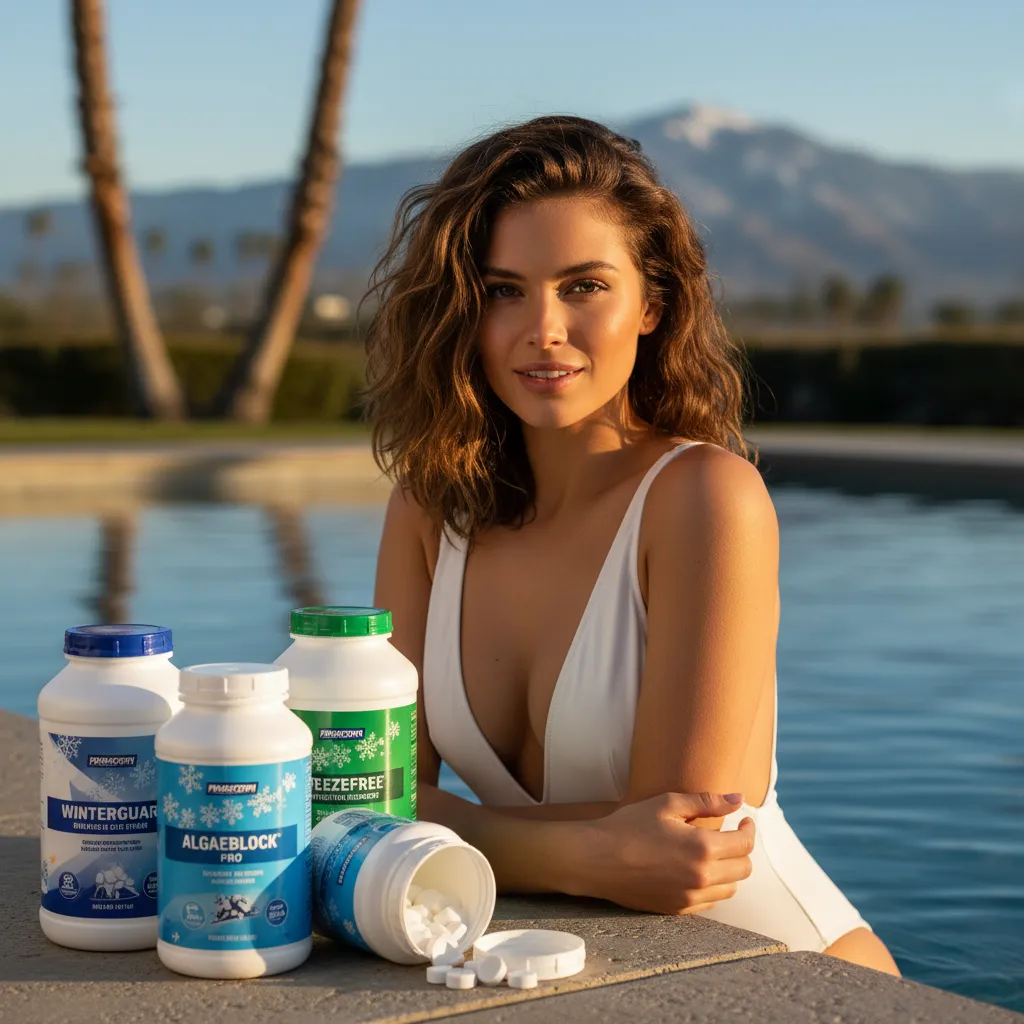
"The all-in-one solution for a guaranteed clear spring opening."
All-in-One Closing Chemical Kit
Winter demand is high - check stock

"The 'set & forget' option. This is the easiest winterizing I've ever done."
Simple 3-in-1 Winterizing Balls
Winter demand is high - check stock
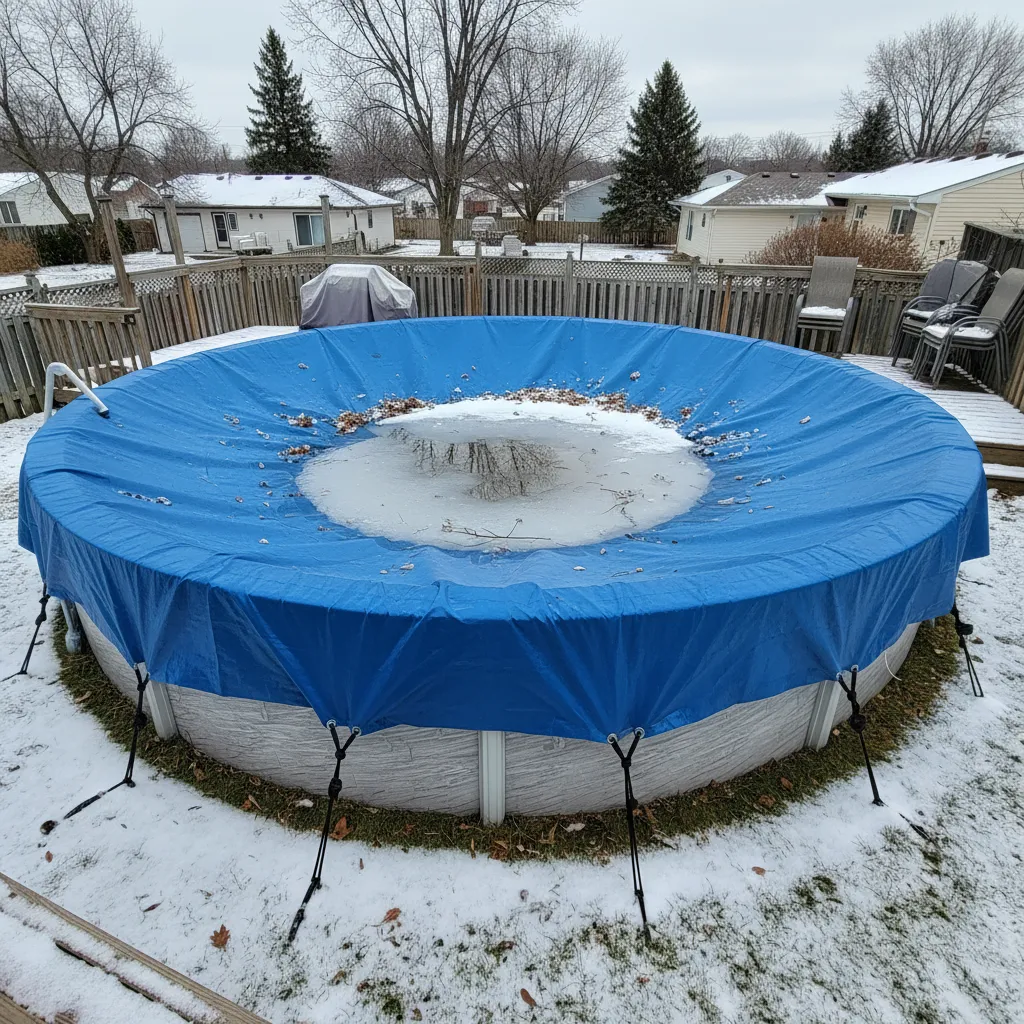
"Invest once to protect your liner and prevent a swamp in the spring."
Heavy-Duty Winter Pool Cover
Winter demand is high - check stock
Understanding the Role Of Pool Shock
The primary function of pool shock revolves around destroying chloramines (combined chlorine molecules formed when free chlorine reacts with contaminants). These chloramines reduce sanitizer efficiency while emitting that harsh “pool smell.” High-strength shocks—like calcium hypochlorite (cal hypo) or liquid chlorine—release 65-73% available chlorine, rapidly oxidizing debris. For saltwater pools, sodium dichloroisocyanurate (dichlor) works well due to lower pH impact. Non-chlorine shocks, such as potassium peroxymonosulfate, target organic buildup without altering chlorine levels, ideal for weekly maintenance. Keeping your pool in top condition also involves monitoring the salt levels regularly. Checking salt levels ensures that your saltwater system functions effectively and maintains proper sanitation.
Benefits Of Regular Pool Shocking
Consistent shocking keeps water visibly clear while preventing algae spores from gaining traction. For green pools, cal hypo remains the best pool shock for algae bloom scenarios, delivering 65% chlorine strength to break down cell walls. Saltwater systems benefit from dichlor’s cyanuric acid content, which stabilizes chlorine under UV exposure. Vinyl-lined pools often require non-chlorine shocks to prevent liner degradation. Regular treatment reduces filter strain, extends pump life, and lowers long-term chemical costs by 15-20% through proactive care.
Shocking also minimizes health risks tied to waterborne pathogens. After heavy rain or swimmer loads, using the best shock for pool sanitation—like liquid chlorine—neutralizes introduced contaminants within hours. Proper dosage (1-2 pounds per 10,000 gallons) ensures residual protection without over-saturating water with calcium or cyanuric acid. Pairing shock with a clarifier can tackle cloudy water by binding microscopic particles for easier filtration.
Ready to explore which shock type matches your pool’s unique demands? Let’s break down the pros, cons, and ideal use cases for each chemical variant.
Types Of Pool Shock Chemicals
Pool shock formulas vary in composition, potency, and application. Picking a product that aligns with your pool’s chemistry and goals is vital for maintaining clarity and sanitation. Keeping your pool properly balanced is important, and that includes the right amount of salt. A pool salt calculator can help you determine how much salt you need to add for optimal performance.
Calcium Hypochlorite (Cal Hypo)
Cal Hypo, a granular shock with 65-75% available chlorine, is a popular choice for tackling severe contamination. It works quickly to oxidize organic mater and kill algee. Dissolve it in a bucket before adding to the pool to prevent undissolved residues.
Pros and Cons
- Pros: High chlorine output (up to 75%), cost-effective (around $4-$6 per pound), long shelf life.
- Cons: Raises calcium hardness (adds 5-8 ppm per 10,000 gallons), can bleach vinyl liners if not pre-dissolved.
Sodium Dichloroisocyanurate (Dichlor)
Dichlor contains cyanuric acid (CYA) to stabilize chlorine against UV rays. Its pH-neutral formula (6.8-7.0) minimizes the need for adjustments. Use it for routine maintenance or post-storm treatment.
Pros and Cons
- Pros: Dissolves instantly, won’t cloud water, safe for most surfaces.
- Cons: Adds CYA (7 ppm per 10 lbs per 10,000 gallons), less potent than Cal Hypo (55-62% chlorine).
Non-chlorine Shock (Potassium Peroxymonosulfate)
This oxidizer clears cloudy water without chlorine, making it ideal for vinyl liners or pools with high TDS (Total Dissolved Solids). It won’t alter pH and allows swimming in 15-30 minutes.
Pros and Cons
- Pros: No chlorine odor, compatible with all pool types, works in sunlight.
- Cons: Does not kill algee or bacteria, requires frequent application (2-3 times per week).
Liquid Chlorine Shock
Liquid chlorine (sodium hypochlorite) delivers 10-12.5% chlorine strength and is preferred for large-scale treatments. It’s pH-basic (13.0), so balance water before application. To maintain a clean and inviting pool, consider adding features that enhance the swimming experience. A tanning ledge pool can provide a shallow area perfect for relaxing and sunbathing.
Pros and Cons
- Pros: No pre-dissolving, minimal residual, fast-acting.
- Cons: Short shelf life (3-6 months), adds salt, heavier containers (up to 15 lbs per gallon).
Choosing the Right Pool Shock for Your Pool Type
Pool materials, filtration systems, and local water conditions dictate which shock formula will work best.
Best Shock for Saltwater Pools
Saltwater pools (2,500-4,000 ppm salt) benefit from Dichlor or non-chlorine shock. Cal Hypo can lead to calcium scaling in salt cells, while liquid chlorine may upset the generator’s balance. Maintaining proper chemical levels is important for pool health. Acid pools serve a specific purpose by adjusting pH levels for better sanitation and clarity.
Best Shock for Inground Vs. Above-ground Pools
Inground pools with concrete or fiberglass can handle Cal Hypo’s high chlorine levels. For above-ground pools (often vinyl or metal-framed), non-chlorine shock or Dichlor prevents corrosion and liner damage.
Compatibility With Vinyl Liners
Avoid granular shocks that sit on vinyl surfaces. Dissolve Cal Hypo fully, or opt for Dichlor/non-chlorine variants. High chlorine concentrations (>5 ppm) can brittle liners over time.
Solutions for Hard Water Conditions
In areas with hard water (>400 ppm calcium), non-chlorine shock or liquid chlorine prevents scaling. If using Cal Hypo, monitor calcium hardness monthly and drain/refill partial water if levels surpass 500 ppm.
Now that you’ve matched your pool type to the right shock, let’s examine how chlorine strength and algee treatment impact your decision.
Also See: Can You Mix Salt and Chlorine in a Pool? Key Insights
Key Factors When Selecting Pool Shock
Selecting the right pool shock requires matching your pool’s needs with product capabilities. Four critical elements determine which formula works best for your situation.
Chlorine Type and Strength
Chlorine-based shocks dominate the market, but concentrations vary. Calcium hypochlorite (cal hypo) packs 65-75% chlorine, making it a heavy hitter for severe contamination. Sodium dichlor (55-60% chlorine) dissolves faster and adds cyanuric acid, which stabilizes chlorine in sunlight. For saltwater pools, sodium hypochlorite (liquid chlorine) at 10-12.5% strength integrates smoothly with salt systems without scaling risks. Choosing the right algaecide is just as important as selecting the right shock. In our best pool algaecide guide, you’ll find tips on how to effectively combat algae and maintain crystal-clear water.
Algae Treatment Effectiveness
Not all shocks tackle algae equally. Green algae responds well to cal hypo’s high chlorine levels, while yellow/mustard algae may require a 30-60 ppm chlorine boost combined with algaecides. Non-chlorine shock (potassium peroxymonosulfate) oxidizes debris but won’t kill algae—reserve it for preventive maintenance.
Speed Of Action and Residual Impact
Dichlor works in 15-30 minutes due to rapid dissolution, ideal for quick treatments. Cal hypo takes 1-2 hours to fully activate but provides longer residual protection. Liquid chlorine acts fastest (10-15 minutes) but offers minimal lasting effect, needing frequent reapplication.
Water Volume Coverage
Shock dosage depends on pool size. One pound of cal hypo treats 10,000 gallons, while dichlor requires 1.5 pounds for the same volume. Always check labels: under-dosing leaves contaminants, over-dosing bleaches liners or corrodes equipment.
Best Pool Shock for Specific Needs
Match your pool’s condition to these targeted solutions for maximum efficiency.
For Algae Blooms and Green Pools
Cal hypo reigns supreme here. Its high chlorine concentration (up to 73%) delivers a 30+ ppm spike to break down chlorophyll in algae. Pair with a polyquat algaecide for stubborn cases. Avoid dichlor—stabilizers can reduce chlorine’s algae-killing potency.
For Routine Maintenance and Cloudy Water
Dichlor’s balanced formula (55% chlorine + cyanuric acid) prevents chlorine burnout during weekly shocks. Non-chlorine shock works for vinyl pools needing gentle oxidation—it clears cloudy water without fading liners.
For Fast-acting Results
Liquid chlorine (sodium hypochlorite) is your go-to. Pre-dissolved and pH-neutral, it raises chlorine levels within minutes. Use it post-party or before unexpected rainstorms. Requires precise dosing: 1 gallon treats 10,000 gallons to boost chlorine by 10 ppm. Knowing how to measure your pool chemicals accurately is important. This ensures your pool stays safe and clean for everyone.
For Combined Sanitation and Clarification
Multi-action shocks like dichlor with clarifiers bind microscopic particles while sanitizing. These reduce filter strain and prevent post-shock cloudiness. Ideal for pools with high swimmer loads or organic debris.
Step-by-step Guide: How to Shock Your Pool Properly
Proper technique ensures shock treatments work as intended. Follow these stages to avoid common pitfalls.
Pre-shock Preparation
Begin at dusk—UV rays degrade chlorine’s effectiveness. Remove pool covers and clear debris with a net or vacuum.
Testing Water Chemistry
Use test strips or a digital tester. Free chlorine should read below 5 ppm before shocking. Total alkalinity needs to stay between 80-120 ppm to stabilize pH.
Adjusting pH Levels
Balance pH to 7.2-7.6 using muriatic acid or soda ash. High pH (above 7.8) cuts chlorine efficiency by 50%.
Calculating the Correct Dosage
Multiply pool gallons by desired ppm increase, then divide by the shock’s chlorine percentage. Example: 20,000-gallon pool needing a 10 ppm boost with cal hypo (65% chlorine): (20,000 x 10) / (65 x 10) = 3.1 pounds. Keeping the pool water clean is important for enjoyment and safety. Using bleach in a 10,000-gallon pool can help maintain the right chlorine levels effectively.
Application Methods for Different Shock Types
- Granular shock: Broadcast evenly across the deep end. Pre-dissolve cal hypo in a bucket to prevent bleaching.
- Liquid chlorine: Pour slowly in front of return jets while the pump runs.
- Dichlor: Sprinkle directly into skimmer for even distribution (avoid with cartridge filters).
Post-shock Procedures
Keep the pump running for 6-8 hours to circulate chemicals. Brush walls and floors to eliminate dead algae spots.
Pump Runtime Recommendations
Run variable-speed pumps on high for 4 hours, then medium for 4 more. Single-speed pumps require a full 8-hour cycle.
When Is It Safe to Swim?
Wait until free chlorine drops below 5 ppm. Test strips should show 1-4 ppm—typically 8-24 hours post-shock. Saltwater pools may clear faster due to lower stabilizer levels.
Proper storage and handling ensure your shock remains effective for future treatments. Let’s explore safety protocols to keep your pool maintenance hazard-free.
Pool Shock Safety and Maintenance Tips
Proper care when using pool shock keeps your pool safe and extends the life of your gear. Follow these rules to avoid harm and get the best clean.
Storage and Handling Best Practices
Store shock in a cool, dry spot away from sun. Keep it in its original bag inside a sealed plastic bin to block moisture. Cal hypo shock can catch fire if wet. Never mix shock types—chemical reactions can release toxic gas. Wear gloves and goggles when handling. Keep away from kids and pets.
Post-rain or Heavy Usage Shocking
Rain washes dirt, pollen, and bugs into pools. Heavy swimmer loads add sweat and oils. Both lower free chlorine fast. Test water after storms or parties. If chlorine drops below 2 ppm, use 2x the normal shock dose. For green tint or slimy walls, pick cal hypo (65% chlorine) or dichlor (55% chlorine). Shock at dusk for max sun-free work time. Keeping chlorine levels stable helps prevent the growth of bacteria. This is especially important in saltwater pools, where bacteria can still thrive if not properly monitored.
Combining Shock With Algaecide
Shock kills live algae. Algaecide stops new growth. Use them together for tough green pools. Match the shock type to your algaecide—non-chlorine shock pairs with any formula, but chlorine shock needs a non-bromine algaecide to stay stable. When enjoying your pool, safety is key. Knowing the pool noodle weight limit is important to prevent accidents.
Order of Application: Shock vs. Algaecide
Add shock first. Wait until chlorine drops below 5 ppm (about 4-8 hours) before adding algaecide. High chlorine breaks down some algaecides. For non-chlorine shock (like potassium peroxymonosulfate), you can add algaecide right after. Always run the pump for 6 hours to mix well.
Got more questions? Check our FAQ section next for quick answers on shock types, timing, and saltwater pool tips.
Pool Shock FAQs
Can Pool Shock Expire, and How Can I Tell if It’s Still Effective?
Yes, pool shock has a shelf life. Calcium hypochlorite (cal hypo) lasts 1-2 years if stored in a cool, dry place, while liquid chlorine degrades faster (3-6 months). Check granules for clumping or discoloration—if they’re hardened or yellowed, they’ve likely lost potency. For non-chlorine shock, a vinegar-like smell indicates breakdown. Always check expiration dates and store in airtight containers.
What Should I Do if I Accidentally Add Too Much Shock to My Pool?
Over-shocking can bleach liners or irritate skin. Immediately stop circulation, dilute the water by partially draining and refilling the pool, and test chlorine levels. Use a chlorine neutralizer (sodium thiosulfate) for severe cases. Avoid swimming until free chlorine drops below 5 ppm, and run the pump continuously to disperse chemicals. It’s important to maintain the right balance of chemicals for a safe swimming environment. Managing shock levels helps keep your pool clean and enjoyable for everyone.
Is It Safe to Shock a Pool During the Day, or Should It Only Be Done at Night?
Shocking at night is ideal because UV rays from sunlight degrade chlorine’s effectiveness by up to 90%. For non-chlorine shock, daytime application is acceptable since it’s UV-stable. If using cal hypo or liquid chlorine, wait until dusk to maximize oxidation before sunrise.
Can I Use Pool Shock in a Hot Tub or Spa?
Yes, but adjust dosage carefully. Most spa shocks use non-chlorine formulas (e.g., potassium peroxymonosulfate) to avoid harsh fumes. For chlorine spas, use dichlor granules—never cal hypo, as its high calcium content can damage jets and heaters. Always follow spa-specific dosage guidelines (typically 1-2 oz per 500 gallons).
Are There Eco-friendly Pool Shock Options?
Non-chlorine shocks like potassium peroxymonosulfate break down into harmless sulfates, making them environmentally friendly. Look for OMRI-certified brands for organic compliance. Saltwater systems also reduce chemical reliance by generating chlorine naturally, minimizing shock frequency.
Why Did My Pool Turn Cloudy After Shocking, and How Do I Fix It?
Cloudiness post-shock often stems from dissolved particles or imbalanced pH. Test and adjust pH to 7.2-7.6, then add a clarifier to bind debris for filtration. For persistent haze, backwash/clean your filter or use a flocculant to settle particles overnight. Avoid over-shocking, as excess calcium hypochlorite can also cause clouding. After enjoying your inflatable pool, it’s essential to care for your grass. The area may need some attention to prevent damage from the waterlogged ground.
Closing Thoughts
Choosing the best pool shock depends on your pool type, water conditions, and specific needs. Whether battling algae blooms with cal hypo or maintaining clarity with non-chlorine shock, proper application ensures a safe, sparkling pool. Test water chemistry before shocking, follow dosage guidelines, and allow adequate circulation time before swimming.
For precise chemical calculations tailored to your pool’s volume and conditions, try My Pool Calculator. Our tools simplify maintenance, helping you achieve balanced water with minimal guesswork.
Regular shocking paired with routine care keeps your pool inviting all season. Stick to a schedule, store chemicals safely, and adjust treatments based on weather or usage. With the right approach, crystal-clear water is just a shock away.
Additional Resources for You:
- CDC – Healthy Swimming & Pool Safety Guidelines
- Q&A: What’s the Best Type of Pool Shock to Use? | Leslie’s
- Best Rated – Pool Shock – The Home Depot
- Amazon.com : HTH 52027 Ultimate Shock Treatment Swimming Pool Chlorine Cleaner, 1 lb : Patio, Lawn & Garden
- Our 6 Best Pool Shock Picks (2025) – This Old House
A pool care geek who’s been testing water chemistry since she was tall enough to reach the skimmer.
Chlorine, Pool Chemistry, Sanitizers