Are Public Pools Clean? A Comprehensive Guide to Hygiene & Safety
Published on: December 20, 2025 | Last Updated: November 17, 2025
Written By: Rachael Weatherbottom
Public pools can be safe and clean when properly maintained, but water quality varies based on sanitation practices and regulatory compliance. Cleanliness depends on chlorine levels (1-3 ppm), pH balance (7.2-7.8), filtration system performance, and regular health department inspections. Risks like bacteria (E. coli), viruses, or parasites such as Cryptosporidium (a chlorine-resistant parasite) increase with poor maintenance. To stay safe, check for visible debris, clear water (no cloudiness), and a faint chlorine smell—strong chemical odors signal chloramine buildup from urine or sweat reactions.
This guide breaks down how public pools stay clean, what germs to watch for, and how to spot red flags. You’ll learn about CDC-recommended chlorine levels, the role of sand or cartridge filters, and why pH matters for disinfectant effectiveness. We’ll also cover how often pools should backwash systems (weekly) or replace water (annually), plus how outbreaks of swimmer’s ear or gastrointestinal illnesses occur.
Beyond water clarity, you’ll get actionable tips: using test strips to check free chlorine, avoiding peak hours when contaminants spike, and spotting lax maintenance. Discover how health inspections work, why some states require UV secondary sanitation, and how to protect yourself from common pool-related health issues. From filtration facts to post-swim hygiene, we’ll help you make informed decisions about public pool safety.
Understanding Public Pool Cleanliness Standards
Public pool operations follow strict protocols designed to protect swimmers. These standards blend science-backed water treatment methods with routine oversight to address potential risks. Ensuring clean and safe environments goes beyond just water quality. It’s also important to manage pests, like ants, to keep the pool area enjoyable for everyone.
Crucial Winterizing Products
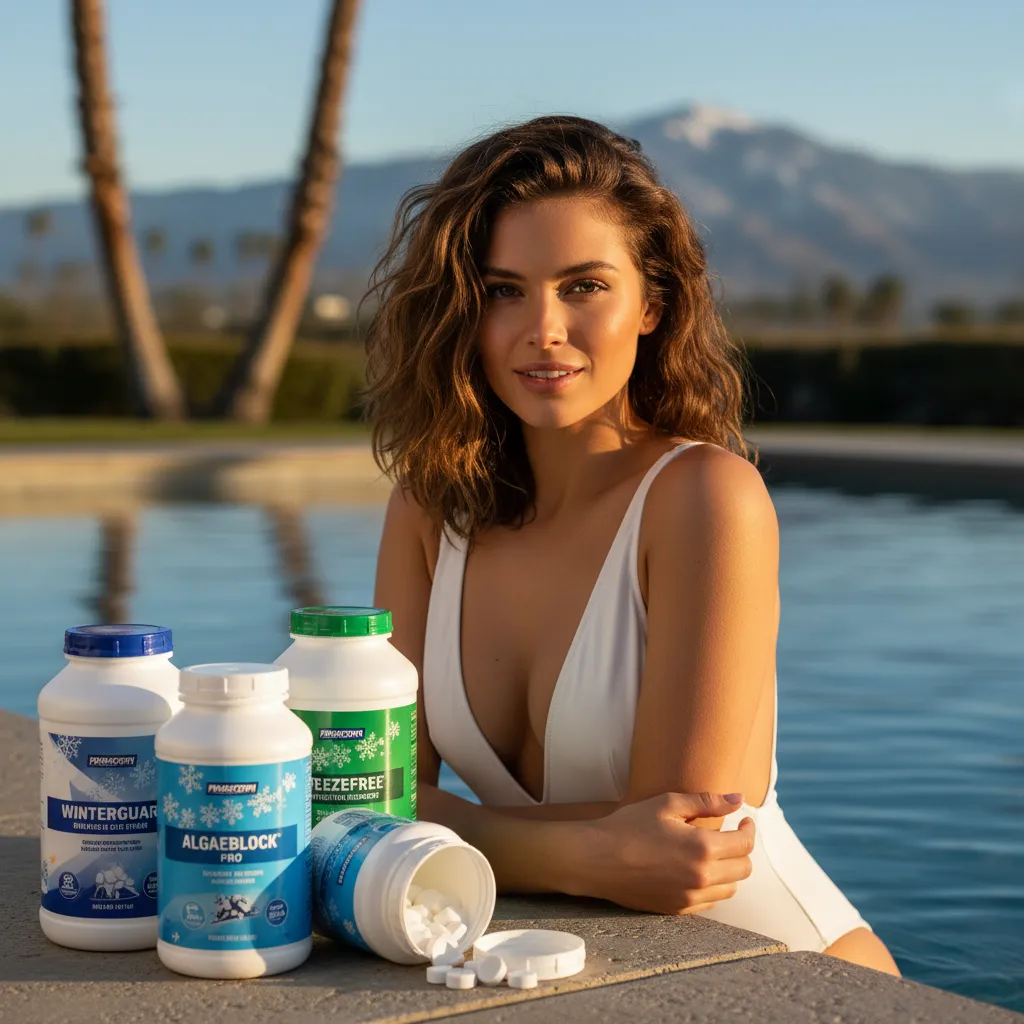
"The all-in-one solution for a guaranteed clear spring opening."
All-in-One Closing Chemical Kit
Winter demand is high - check stock

"The 'set & forget' option. This is the easiest winterizing I've ever done."
Simple 3-in-1 Winterizing Balls
Winter demand is high - check stock
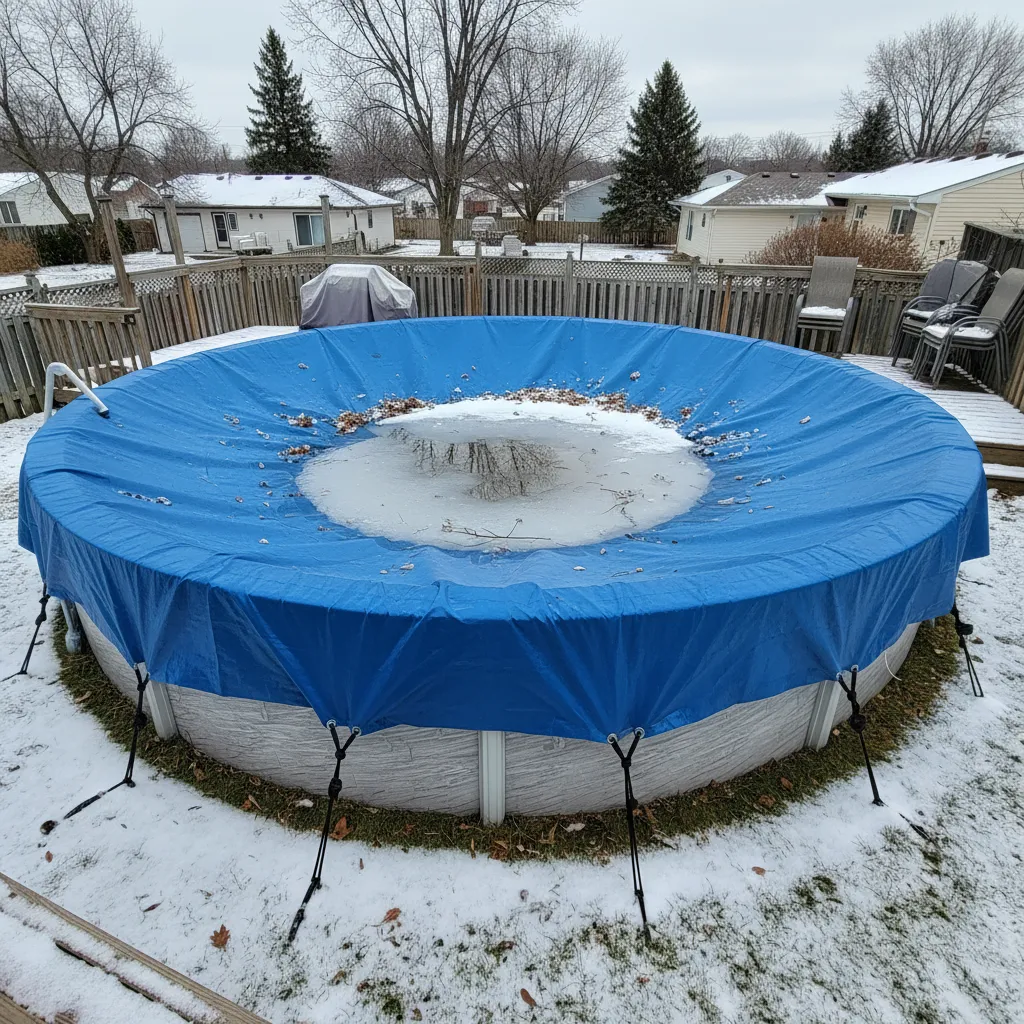
"Invest once to protect your liner and prevent a swamp in the spring."
Heavy-Duty Winter Pool Cover
Winter demand is high - check stock
Who Regulates Public Pool Sanitation?
The Centers for Disease Control (CDC) sets national guidelines through the Model Aquatic Health Code (MAHC), a framework for pool safety. State and local health departments enforce these rules, conducting unannounced inspections to check chlorine levels, pH balance, and record-keeping. Facilities failing inspections face fines or closure until violations resolve. For example, Los Angeles County requires 2-4 annual inspections per pool, with results publicly posted.
Key Components Of Pool Water Treatment
Effective pool care relies on two pillars: chemical balance and mechanical filtration. Together, they neutralize pathogens and maintain water clarity.
Chlorine and pH Balance
Chlorine acts as the primary disinfectant, targeting germs like E. coli and norovirus. The CDC recommends 1-3 parts per million (ppm) in pools. pH levels—ideally 7.2-7.8—determine chlorine’s potency. A pH above 7.8 reduces chlorine’s germ-killing power by over 50%, while levels below 7.2 irritate eyes and skin. Automated chemical feeders now standard in many pools help maintain this balance with minimal human error.
Filtration Systems in Pool Care
Filters trap debris and microorganisms missed by chemicals. Sand filters capture particles as small as 20 microns, cartridge filters handle 10-15 microns, and diatomaceous earth (DE) filters screen down to 3 microns—small enough to remove Cryptosporidium cysts. High-rate systems cycle the entire pool volume every 6-8 hours. Secondary technologies like UV-C light or ozone generators supplement filtration, destroying 99.9% of chlorine-resistant parasites when properly calibrated.
With these systems in place, pools can mitigate most health risks. Still, swimmers play a role in maintaining water quality—a factor explored in the next section on transmission risks.
How Safe Are Public Swimming Pools?
Public pools remain popular for recreation, but concerns about pathogens and chemical management linger. Water quality directly ties to maintenance rigor and visitor hygiene. Let’s break down the invisible threats and how they spread. When considering safe swimming environments, it’s worth thinking about how natural settings can provide a healthier alternative. Ducks pool offers a serene space where water is often cleaner and animals like ducks thrive.
Common Germs and Contaminants in Pool Water
Pool water hosts microorganisms that survive even treated environments. Three categories dominate:
Bacteria, Viruses, and Parasites
- Bacteria: Pseudomonas aeruginosa causes hot tub rash, while E. coli signals fecal contamination.
- Viruses: Norovirus spreads through accidental water ingestion, leading to gastrointestinal issues.
- Parasites: Cryptosporidium (“Crypto”) survives chlorine for 7+ days, causing severe diarrhea.
The CDC reports 154 pool-related outbreaks from 2015–2021, with Crypto responsible for 75% of cases. Chlorine-resistant pathogens pose the greatest challenge for pool operators. To keep pools safe, proper sanitation methods are vital. One effective solution is using a pool oxidizer to help eliminate harmful contaminants.
Transmission Risks for Swimmers
Pathogens enter through ingestion, inhalation, or skin contact. Crowded pools during peak hours increase exposure likelihood. Children, pregnant individuals, and immunocompromised swimmers face higher risks.
Skin Infections and Respiratory Concerns
Folliculitis (itchy red bumps) develops when Pseudomonas bacteria invade hair follicles. Chloramines—chemicals formed when chlorine reacts with sweat or urine—irritate eyes, nasal passages, and lungs. Prolonged exposure may trigger asthma-like symptoms in sensitive individuals.
Public Pool Maintenance Practices
Regular upkeep determines whether a pool stays sanitary. Operators follow protocols set by agencies like the CDC’s Model Aquatic Health Code (MAHC).
How Often Are Public Pools Cleaned?
Daily and weekly tasks maintain water quality:
Daily vs. Weekly Maintenance Routines
- Daily: Skim debris, test chlorine (1–3 ppm) and pH (7.2–7.8), backwash filters if pressure rises by 8–10 psi.
- Weekly: Scrub tiles to prevent biofilm, check O-ring seals on pumps, replace diatomaceous earth in filters.
High-traffic pools may run filters 24/7, cycling all water every 4–6 hours. Sand filters last 5–7 years before requiring media replacement ($300–$800).
Signs Of Proper Chemical Management
Visual and sensory cues reveal water quality:
Clear Water vs. Cloudy Water Indicators
- Clear water: Visible drain covers at the deep end signal adequate filtration.
- Cloudy water: Indicates poor circulation, low chlorine, or failing filters.
A strong chemical smell doesn’t mean “extra clean”—it signals chloramine buildup. Well-managed pools have minimal odor and leave skin feeling neutral post-swim.
While proper maintenance reduces risks, neglected pools create environments where pathogens thrive. Next, we’ll examine specific health issues linked to poor sanitation and how to spot trouble before diving in. Maintaining a safe pool environment also includes using a pool safety cover when the pool is not in use. These covers help keep contaminants out and provide an extra layer of protection for swimmers.
Also See: Are HOA Swimming Pools Public or Private?
Health Risks in Poorly Maintained Pools
Public swimming pool cleanliness directly impacts swimmer safety. When sanitation protocols fail, harmful pathogens thrive, turning a fun activity into a health hazard.
Swimmer’s Ear and Skin Irritations
Otitis externa, known as swimmer’s ear, impacts 1 in 123 Americans annually (CDC). This infection occurs when water lingers in auditory canals, allowing bacterial growth. Poorly chlorinated pools raise risks—chlorine below 1 ppm fails to kill Pseudomonas aeruginosa, a common culprit. Skin rashes from folliculitis or “hot tub rash” signal pH imbalances. Optimal pool water stays between 7.2–7.8 pH to avoid irritation.
Cryptosporidium and Giardia Outbreaks
Cryptosporidium causes 58% of U.S. pool-related illness outbreaks. This chlorine-resistant parasite survives up to 7 days in treated water. Giardia, another protozoan, triggers intestinal distress and spreads through fecal contamination. Both thrive when filtration systems malfunction or pool operators skip UV secondary treatment. A single diarrheal incident can release 10^8 Crypto germs into 110,000 gallons of water. As the temperatures drop and pools are emptied for winter, the risk of contamination needs to be considered. Proper maintenance and cleaning during this season are crucial to prevent any lingering issues once spring arrives.
Respiratory Issues From Chloramine Exposure
That “pool smell” isn’t chlorine—it’s chloramines. Formed when chlorine reacts with sweat or urine, trichloramine vapors irritate lungs. Prolonged exposure worsens asthma; a 2023 study linked indoor pool lifeguards to 30% higher bronchial sensitivity. Proper ventilation and maintaining free chlorine at 2–4 ppm minimize this risk. Inconsistent chlorine readings can make it harder to keep the right levels. This can lead to higher amounts of chloramines and increased health risks for swimmers.
How to Assess Pool Cleanliness
Visitors can spot red flags before diving in. Trust instincts—if something looks off, skip the swim.
Visual Inspection Checklist
Scan the facility for visible dirt, algae, or grime. Check drains for suction covers (VPoolSS compliance) and tiles for biofilm buildup.
Water Clarity and Surface Cleanliness
Dip a foot into shallow water. Can you spot drain grates clearly? Murky water suggests poor filtration or high total dissolved solids (TDS) above 1,500 ppm. Skim the surface—leaves or floating debris hint at infrequent skimming.
Using Test Strips for DIY Water Analysis
Carry test strips like AquaChek TruTest. Dip into water for 15 seconds:
| Parameter | Safe Range |
|---|---|
| Free Chlorine | 2–4 ppm |
| pH | 7.2–7.8 |
| Alkalinity | 80–120 ppm |
Avoid pools with bromine above 4 ppm or combined chlorine exceeding 0.5 ppm.
Best Practices for Safe Swimming
Personal habits matter as much as pool upkeep. Follow protocols to cut contamination risks by 60% (Water Quality Council).
Pre-swim Hygiene: Showering Essentials
Rinse for 60 seconds pre-swim. Showers remove lotions, sweat, and 0.14 grams of fecal matter per person (CDC). Skip oils or makeup—they deplete chlorine’s germ-fighting power. Taking care of your pool is just as important as preparing your body for swimming. One common issue pool owners face is wrinkles in the liner, which can affect both the appearance and function of the pool.
Avoiding Peak Contamination Times
Post-3 PM crowds raise germ loads. Kids’ swim lessons often occur mid-morning, but UV rays help neutralize pathogens. Check pool schedules—lap swim hours typically draw fewer patrons.
Are Morning Swims Safer?
Data shows chlorine works best overnight. Facilities adding sodium hypochlorite at closing maintain 3 ppm by dawn. Morning tests often show optimal levels before swimmers arrive. Proper maintenance is essential for keeping pools in good condition. This upkeep plays a significant role in extending the lifespan of inground pools.
Spotting a clean pool is just part of staying safe. Up next: what laws exist to hold facilities accountable for public swimming pool cleanliness?
Public Pool Regulations and Compliance
Public pools must meet strict operational rules to protect swimmers. These standards address water quality, equipment, and facility design to minimize health risks.
Health Department Inspection Criteria
Local health departments use the CDC’s Model Aquatic Health Code (MAHC) as the baseline for evaluations. Inspectors verify six core metrics during unannounced checks:
- pH levels: Maintained between 7.2-7.8 to optimize disinfectant effectiveness
- Free chlorine concentration: 1-3 parts per million (ppm) in standard pools; 2-5 ppm for spray parks
- Filtration cycles: Full water turnover every 4-6 hours based on pool type
- Bacterial counts: Less than 200 colony-forming units (CFU) per milliliter
- Chemical logs: Documentation of 4+ daily water tests
- Staff certifications: Active CPO® (Certified Pool Operator) licenses
21 states now require digital monitoring systems that alert staff when pH or chlorine drifts outside safe ranges. Facilities scoring below 85% on inspections face closure until violations resolve.
Mandatory Safety Equipment Standards
Beyond chemical management, pools need specialized gear to prevent accidents and contamination:
- UV-C sanitation units: Installed in 68% of municipal pools to neutralize chlorine-resistant parasites like Cryptosporidium
- Automatic chemical feeders: Dose sanitizers precisely, reducing human error
- VGB-compliant drains: Anti-entrapment grates meeting the Virginia Graeme Baker Pool & Spa Safety Act
- ADA access: Pool lifts with weight capacities over 300 lbs and zero-depth entry points
- Emergency oxygen kits: Required within 90 seconds of all competition pools
High-traffic pools increasingly install $15,000-$30,000 ozone purification systems to supplement traditional chlorine treatments. These cut chloramine levels by 50%, reducing eye irritation and foul odors. To maintain a clean environment, pool owners need to consider other factors as well. One effective solution is to add a phosphate remover to the pool.
While regulations create a safety framework, individual choices impact overall pool hygiene. Let’s explore how swimmers can identify well-maintained facilities.
FAQ: Addressing Key Concerns
Do Indoor and Outdoor Pools Have Different Contamination Risks?
Indoor pools face higher chloramine buildup due to limited ventilation, increasing respiratory irritation risks. Outdoor pools are more prone to debris and UV-driven chlorine degradation, requiring more frequent chemical adjustments. Both types follow the same sanitation standards but combat unique environmental challenges.
What Should I Do if I Suspect a Pool is Unsanitary?
Report concerns to the facility manager immediately and contact your local health department. Provide specifics like cloudy water, strong odors, or inspection certificate expiration dates. Many states mandate public access to recent inspection reports—check posted signage or official websites for compliance history.
Can Pool Toys or Equipment Harbor Germs?
Yes. Shared kickboards, noodles, and diving gear can transmit pathogens if not disinfected. Well-maintained facilities soak toys in chlorine solutions (10–50 ppm) between uses. Bring your own equipment or rinse rentals thoroughly with fresh water post-use.
How Does Heavy Rainfall Impact Pool Water Quality?
Rain dilutes chlorine levels and introduces contaminants like dirt or bird droppings. Pools should temporarily close during storms, test water post-rainfall, and adjust chemicals. Look for “Closed for Maintenance” signs after severe weather—proper facilities will rebalance pH and chlorine before reopening. As summer winds down, many pools prepare for seasonal closures. Labor Day marks the unofficial end of summer and often signals the last chance for a swim.
Are Saltwater Pools Safer Than Traditional Chlorinated Pools?
Both rely on chlorine for disinfection—saltwater systems generate chlorine electrolytically. While saltwater pools have lower chloramine levels (reducing irritation), they require strict pH control and offer no inherent protection against parasites like Cryptosporidium. Safety depends on maintenance, not the chlorine source. This brings attention to the cleanliness of public pools. Many people question whether public pools are clean enough to ensure safety for all swimmers.
Closing Thoughts
Public pool cleanliness depends on proper maintenance, chemical balance, and regular inspections. While risks exist, most facilities follow strict protocols to keep swimmers safe. Visual checks and simple test strips help assess water quality before diving in.
Staying informed about pool hygiene standards allows you to enjoy swimming while minimizing health concerns. Showering before entering the water and avoiding overcrowded pools further reduces contamination risks.
For precise water chemistry calculations and maintenance tips, visit My Pool Calculator. Our tools help both pool operators and swimmers understand proper sanitation practices.
Useful References for You:
- Is it ever truly sanitary to swim in a pool? – Quora
- r/askscience on Reddit: How sanitary are public pools, really?
- How Are Swimming Pools Kept Clean? | U.S. Masters Swimming
- Swimming pool sanitation – Wikipedia
A pool care geek who’s been testing water chemistry since she was tall enough to reach the skimmer.
Commercial Pool Maintenance