Are Fiberglass Pools Slippery? Safety, Comparisons & Solutions
Published on: December 19, 2025 | Last Updated: November 17, 2025
Written By: Rachael Weatherbottom
Fiberglass pools have a smooth gel coat surface that can become slippery when wet, but they generally offer better traction than concrete or vinyl liner pools when properly maintained. The gel coat—a durable resin layer fused to the fiberglass shell—creates a naturally glossy finish that interacts with water differently than textured materials. Compared to concrete’s porous surface or vinyl’s flexible liner, fiberglass strikes a balance between comfort and slip resistance, though environmental factors like algae growth or weather can affect safety.
This article explores how fiberglass pool surfaces behave in real-world conditions. We’ll break down the science behind their slipperiness, including how rain, humidity, and aging gel coats impact traction. You’ll learn how fiberglass compares to gunite, vinyl, and concrete pools in terms of slip risk, backed by industry data on surface roughness ratings.
We’ll also share actionable fixes, from DIY anti-slip sprays ($20–$50 per gallon) to professional sand-infused epoxy coatings ($3–$7 per square foot). Discover maintenance routines to prevent algae buildup and chemical imbalances that worsen slipperiness. Whether you’re installing a new pool or upgrading an existing one, these insights will help you make informed decisions to keep your family safe.
Introduction to Fiberglass Pool Slipperiness
Fiberglass pools have a smooth gel coat finish. This gel coat is a thin, glossy layer that seals the pool shell. While sleek to the touch, this surface can pose slip risks when wet. The lack of rough texture means less grip for bare feet, especially near steps or ledges where water pools.
Crucial Winterizing Products
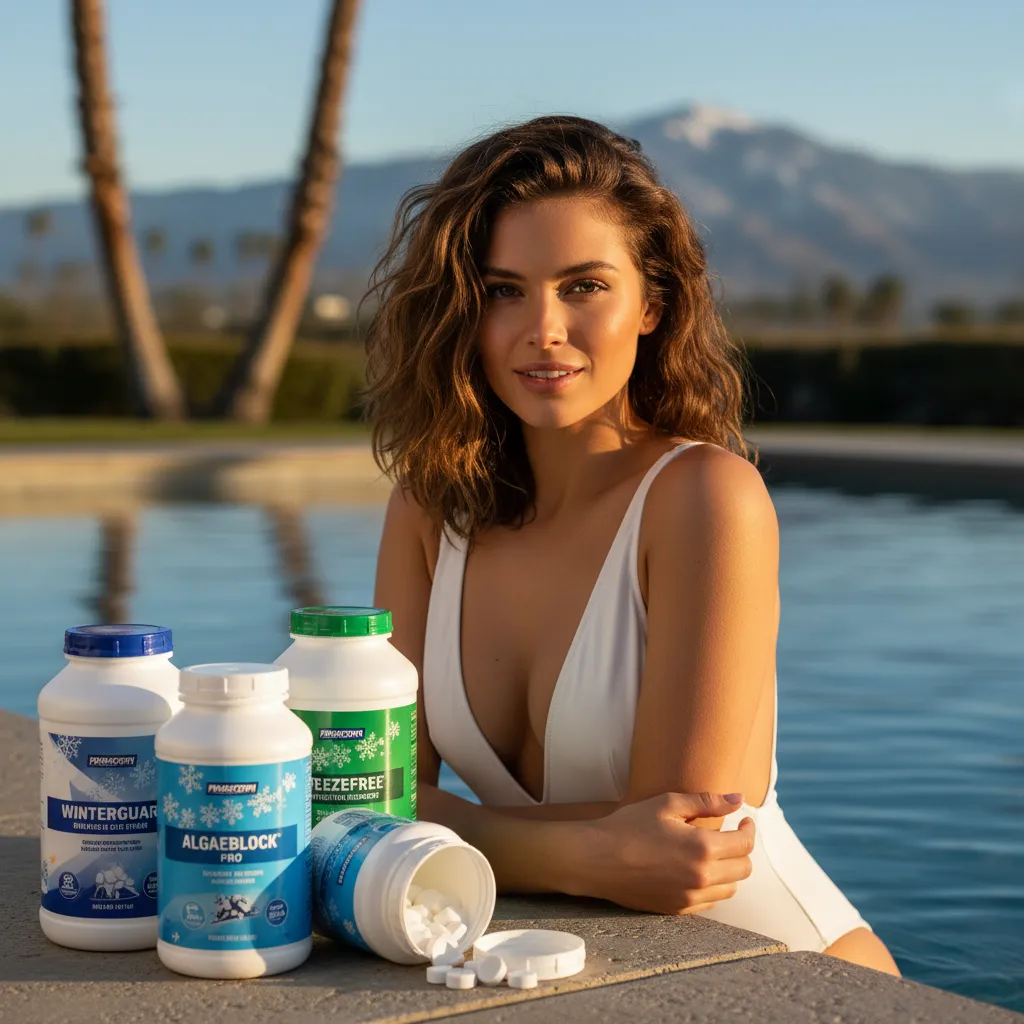
"The all-in-one solution for a guaranteed clear spring opening."
All-in-One Closing Chemical Kit
Winter demand is high - check stock

"The 'set & forget' option. This is the easiest winterizing I've ever done."
Simple 3-in-1 Winterizing Balls
Winter demand is high - check stock
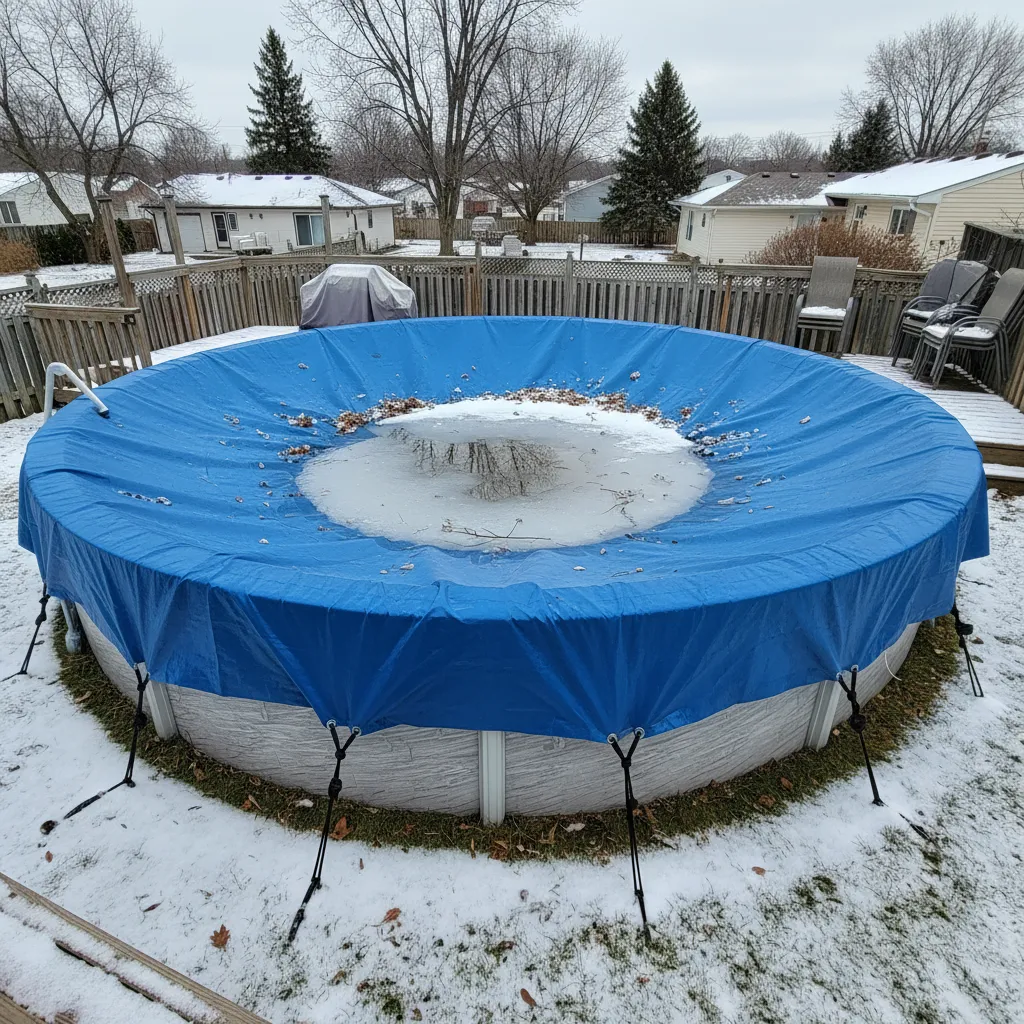
"Invest once to protect your liner and prevent a swamp in the spring."
Heavy-Duty Winter Pool Cover
Winter demand is high - check stock
Why Slipperiness Matters in Pool Safety
Slips near pools cause over 300,000 ER trips each year in the US, per CDC data. Kids sprinting poolside or older adults with slow reflexes face the most risk. A single slip can lead to breaks, sprains, or head trauma. Fiberglass pools, while low-maintenance, need extra focus on slip-proofing due to their smooth shells.
Now that we see why slip risks matter, let’s break down how water changes the game.
Are Fiberglass Pools Slippery When Wet?
The slipperiness of fiberglass pools depends on surface design and environmental factors. These pools feature a factory-applied gel coat finish with slight texturing to improve grip. The smooth surface becomes more slick when water creates a thin film between feet and the pool shell. While slip hazards are a concern, another important consideration for pool owners is the durability of fiberglass. Many people wonder if fiberglass pools can crack over time.
Surface Texture and Water Interaction
Fiberglass pool manufacturers use mold patterns that create micro-textures on the gel coat surface. These textures measure 0.5-1.2mm in depth, disrupting water flow to reduce hydroplaning. Unlike rough concrete finishes, this subtle texture maintains comfort while walking but requires proper maintenance to prevent algae growth that can worsen slipperiness. The contact angle between water and the gel coat surface averages 60-75 degrees, affecting how quickly water sheets off versus pooling.
Impact Of Weather Conditions (Rain, Humidity)
During rainfall, fiberglass pool decks can reach a dynamic coefficient of friction (DCOF) as low as 0.35, compared to 0.42-0.55 under dry conditions. High humidity above 70% accelerates condensation on the surface, creating temporary slick spots. Proper grading that allows 1/4″ per foot of slope helps water drain quickly, reducing prolonged exposure to wet conditions. Morning dew or sprinkler overspray poses more risk than direct rainfall due to uneven wetting patterns.
Fiberglass Pools Vs. Other Pool Types: Slipperiness Comparison
Surface traction varies dramatically between pool materials. The American Society for Testing and Materials (ASTM) rates pool surfaces using DCOF standards, where values below 0.42 warrant caution.
Fiberglass Vs. Concrete Pools
New concrete pools with exposed aggregate finishes provide DCOF values of 0.55-0.60 but degrade to 0.30-0.40 after 5-7 years as surfaces polish smooth. Fiberglass maintains more consistent traction, starting at 0.45-0.50 when new and stabilizing around 0.40-0.45 after a decade. Acid washing concrete every 3 years temporarily restores texture but accelerates surface erosion.
Fiberglass Vs. Vinyl Liner Pools
Vinyl liners develop wrinkles over time that trap algae and biofilm, creating localized slippery zones with DCOF as low as 0.25. Fiberglass resists microbial growth better due to its non-porous surface, maintaining 30-40% higher traction in shaded, damp areas. Both surfaces benefit from weekly brushing, but vinyl requires 50% more frequent cleaning to prevent slime buildup.
Fiberglass Vs. Gunite Pools
Gunite pools use a cement mixture that can be textured during application, but surface roughness depends heavily on finishing techniques. A typical gunite pool has 20-30% higher initial traction than fiberglass but loses this advantage faster. After 3-5 years, gunite’s DCOF often matches fiberglass levels (0.40-0.45) unless resurfaced every 7-10 years at costs averaging $10,000-$15,000. Keeping the surface smooth is important to maintain pool safety. In pool games, fouls can occur when players miscue, leading to penalties that affect gameplay.
While material choice plays a role, daily maintenance habits and environmental factors ultimately determine slip resistance. Next, we’ll examine how surface treatments and aging affect long-term traction performance.
Also See: Do You Need a Special Liner for a Saltwater Pool?
Factors That Influence Slipperiness in Fiberglass Pools
How slick a fiberglass pool feels depends on four main factors. From manufacturing quality to ongoing upkeep, each plays a part in creating a safe or risky surface.
Surface Finish Quality
Fiberglass pools start with a gel coat layer that acts as their top shell. High-quality installations use molds with subtle textures—think orange-peel patterns or faint ridges—to boost grip. Budget builds might skip this step, resulting in a glass-like finish that turns into a hazard pool owners must fix later. A study by the National Swimming Pool Foundation found pools with factory-applied textures reduce slip incidents by 34% compared to smooth surfaces. The materials used in pool accessories can also impact safety and usability. For instance, pool noodles, often made from foam, provide support and buoyancy for swimmers, making them a popular choice for poolside fun.
Algae or Debris Accumulation
Organic growth turns any pool into a skating rink. Fiberglass’s nonporous surface resists algae better than concrete, but pollen, leaves, or biofilm can still build up. A slimy layer forms when combined with body oils or sunscreen residue, dropping friction levels by up to 60% based on data from Pool Safety Council trials.
Pool Chemical Imbalances
Water chemistry directly impacts slipperiness. High pH (above 7.8) causes scaling—a chalky film that feels gritty at first but becomes slick when wet. Low sanitizer levels (under 1 ppm chlorine) allow oils to cling to the gel coat. Maintaining 7.4-7.6 pH and 3 ppm chlorine minimizes this risk.
Age and Wear Of the Gel Coat
Fiberglass pools lose traction as their gel coat degrades. UV rays break down resins over 10-15 years, smoothing out any original texture. Areas with heavy foot traffic—like steps or tanning ledges—show wear first. Annual inspections using a durometer gauge can spot hardness drops below 85 Shore D, signaling it’s time for resurfacing.
How to Make Your Fiberglass Pool Less Slippery
Owners don’t need to live with a slick pool. From DIY fixes to pro upgrades, solutions exist for all budgets.
Non-slip Coatings and Treatments
Modern coatings add grip without rough textures. Two options dominate the market:
Anti-Slip Spray Applications
Spray-on products like SharkGrip ($45 per 500 sq ft coverage) mix acrylic polymers with micro-aggregates. Applied with a paint sprayer, they dry clear and add a sandpaper-like feel. Lasts 2-3 years before reapplication.
Sand-Infused Epoxy Solutions
For lasting results, pros mix 60-grit silica sand into two-part epoxy. This creates a pebbled surface that lasts 5-7 years. Costs run $8-$12 per sq ft installed. Avoid aluminum oxide blends—they’re too harsh for bare feet.
Installation Of Traction Mats or Safety Strips
Self-adhesive strips (3M Safety-Walk, $25 per 10 ft roll) work on steps and entry points. Full-floor mats from companies like Poolmaster ($120-$300) use suction cups for temporary grip boosts. Ideal for rentals or seasonal use.
Regular Cleaning and Maintenance Routines
Twice-weekly brushing with a nylon-bristle tool prevents biofilm. For stubborn films, a mix of 1 cup citric acid per 5 gallons water dissolves minerals without damaging the gel coat. Always rinse with a pressure washer set below 1,200 PSI.
Adding Handrails or Grab Bars
Stainless steel rails ($150-$400 each) bolted into the pool shell provide stability. Position them within 4 ft of high-traffic zones—near slides, diving boards, or deep-end transitions. ADA guidelines suggest 1.25” diameter for optimal grip.
Downsides Of Fiberglass Pools Related to Traction
While solutions exist, fiberglass has inherent traits that complicate slip prevention.
Gel Coat Smoothness Over Time
All fiberglass pools grow slicker as their surface oxidizes. A 2023 study in the Journal of Pool & Spa showed a 0.02 friction coefficient drop yearly—enough to turn a “safe” surface into a hazard within a half-decade without intervention. To keep pools safe, many owners consider adding salt to their pools. A salt pool system can help maintain water quality while also reducing the frequency of cleaning and chemical balancing.
Limitations in Retrofit Options
Unlike concrete pools that can be acid-washed or retroweled, fiberglass resists major texture changes. Grinding the gel coat risks exposing the structural laminate. Most upgrades are topical coatings, which add 0.5”-1” to floor height—a problem for pools with tight coping clearances.
Cost Vs. Safety Tradeoffs
Anti-slip treatments add $1,200-$5,000 to a pool’s lifetime costs. Insurance discounts (up to 15% with safety features) help offset this, but upfront pricing deters some owners. Balancing budgets and risk remains a common struggle. When considering a small inground pool, it’s important to factor in these additional costs. This can help you make a better budget plan for your overall pool investment.
Looking ahead, how a pool’s surface holds up through sun, swims, and storms shapes its long-term safety—topics we’ll unpack next.
Lifespan Of Fiberglass Pools and Surface Durability
Fiberglass pools typically last 25-30 years with proper care, but their slip resistance shifts as surfaces age. Original gel coat finishes start with a smooth texture that can gain slickness from UV rays, pool chemicals, and foot traffic. Factors like pH swings (aim for 7.2-7.6) or calcium buildup (>400 ppm) speed up this process. In comparison, the lifespan of concrete pools can vary widely based on maintenance. Properly maintained, a concrete pool may last over 50 years.
How Aging Affects Slipperiness
UV radiation breaks down the top resin layer, causing oxidation that polishes the surface. A 10-year-old pool might show a 20-30% drop in slip resistance compared to its original state. Cracks or chips from freezing climates (common in zones below 20°F) can also trap algae, adding slick spots. In Florida, maintaining a pool’s condition is especially important due to the warm climate. A well-kept pool can significantly boost a home’s value in this sunny state.
Maintaining Traction Over Decades
Annual inspections catch early signs of wear. Applying anti-slip sprays ($3-$5 per sq. ft.) or sand-infused epoxy coatings every 5-7 years restores grip. Brushing walls twice a week with nylon tools stops biofilm formation. For pools in humid regions, installing a saltwater chlorinator (cost: $1,500-$2,500) minimizes chemical fluctuations that degrade surfaces. Taking care of these details is important whether you have a small or large pool. Maintaining a 10,000-gallon pool also requires regular checks and upkeep to ensure a safe and enjoyable swimming environment.
Pool Safety Tips to Prevent Slips
While fiberglass pools lack the rough texture of concrete, combining physical upgrades with smart habits cuts slip risks. Focus on zones with high foot traffic: steps, entry points, and diving areas. When considering safety in pools, it’s also important to think about the type of pool liner used. Concrete pool liners offer durability and can be customized for both safety and style.
Proper Lighting Around Pool Edges
Low-glare LED fixtures (3000K-4000K color temp) along coping illuminate wet spots without blinding swimmers. Space lights 4-6 feet apart for uniform visibility. For night safety, maintain a minimum lux level of 50 at the pool’s edge—a $20 light meter can verify this. Proper lighting is crucial for safe swimming, but maintaining water quality is equally important. Overusing algaecide can introduce harmful chemicals that may pose risks to swimmers and the environment.
Pool Deck Modifications for Traction
Upgrade surrounding surfaces to materials with a high coefficient of friction (COF >0.6). Textured concrete (broom finish), rubber pavers, or composite decking with drainage grooves work well. A 3-foot-wide traction mat ($12-$18 per linear foot) around the pool perimeter adds a grippy buffer zone. To keep your backyard fun and safe, consider adding a kiddie pool for your chickens. These pools can provide a refreshing splash, helping your chickens stay cool during hot days.
Supervision Guidelines for Families
Assign a “water watcher” during gatherings to monitor activity near slippery zones. Kids under 12 should stay within arm’s reach of an adult when on pool steps. For homes with aging family members, install ADA-compliant handrails (height: 34-38 inches) near entry points.
Looking ahead, many pool owners find proactive planning stops minor slip risks from turning into big hazards. Up next: tackling common worries about fiberglass surfaces in our FAQ section.

FAQ: Addressing Common Concerns
Does Waxing a Fiberglass Pool Make It More Slippery?
Yes, using automotive or marine waxes designed for glossy finishes can reduce traction. These products create a hydrophobic layer that causes water to bead up, increasing slip risks. Instead, choose pool-specific conditioners that enhance UV protection without compromising grip.
How Does Temperature Extremes Impact Fiberglass Pool Slipperiness?
In freezing conditions, surface contraction can create micro-cracks that trap moisture, leading to icy patches in winter. During heat waves above 95°F, the gel coat may temporarily soften, slightly reducing friction. These effects are typically minor compared to weather-related water exposure.
Can Pool Toys or Accessories Increase Slipping Risks?
Toys left on steps or ledges can channel water flow into concentrated streams, creating localized slippery zones. Inflatable floats with PVC coatings may leave plasticizer residues that reduce traction. Store toys away from walk areas when not in use.
Does Saltwater Vs. Chlorine Sanitation Affect Slipperiness?
Saltwater pools (2500-4000 ppm salinity) experience 15-20% less biofilm buildup than chlorine-treated pools, reducing slime-related slips. However, salt crystallization on edges can create gritty deposits that become slippery when wet. Monthly acid washes (1:10 vinegar solution) prevent this issue. Cleanliness is essential for any type of pool. This raises questions about how clean public pools really are.
How Do I Safely Use Cleaning Chemicals Without Affecting Traction?
Avoid acidic cleaners (pH <4) that degrade the gel coat’s texture. Opt for enzymatic cleaners that break down oils without scrubbing. Always rinse thoroughly—chemical residues can create temporary slick spots until fully diluted.
Closing Thoughts
Fiberglass pools offer a smooth, low-maintenance surface, but their slipperiness depends on factors like texture, maintenance, and age. Compared to concrete or vinyl, fiberglass generally provides better traction when properly cared for. Simple solutions like anti-slip coatings, mats, and regular cleaning can significantly improve safety.
Pool owners should prioritize routine inspections—checking for algae buildup, gel coat wear, and chemical balance. Adding handrails or textured decking enhances security without compromising the pool’s sleek design. While aging may reduce traction, proactive measures keep surfaces safe for years.
For more insights on pool maintenance and safety, explore tools and guides at My Pool Calculator. Whether you’re comparing pool types or optimizing your current setup, informed choices ensure a safer swimming experience.
Useful References for You:
- Pentair Residential Pool Resources (Maintenance Guides)
- The Scoop on Fiberglass Pools – Pros & Cons, Cost & Options
- Good morning I hope someone can help me I have a …
- Why Fiberglass Pools Are a Bad Idea (and What’s a Better Option for My Northern Virginia Home)
- Are fiberglass pools too slippery for comfort? — Albert Group Landscaping & Swimming Pools
A pool care geek who’s been testing water chemistry since she was tall enough to reach the skimmer.
Fiberglass, Pool Material Care