Does a Pool Add Value to a Home in Florida?
Published on: February 26, 2026 | Last Updated: November 17, 2025
Written By: Rachael Weatherbottom
Installing a pool in Florida can increase a home’s value by 5-15% due to the state’s hot climate and outdoor lifestyle demand. Return on investment (ROI) ranges from 30-50% for inground pools, depending on materials like concrete or fiberglass, location within Florida, and buyer preferences in neighborhoods like Miami or Orlando. Yet the financial equation isn’t simple—property taxes, maintenance costs averaging $3,000-$7,000 annually, and buyer hesitation in certain markets can offset gains.
This article breaks down how pools impact Florida home values with data-driven insights. You’ll learn which pool types deliver the best ROI, how tax assessors calculate added value for screened enclosures or saltwater systems, and why buyer demand shifts in coastal vs. inland areas. We’ll compare long-term costs of solar pool heaters to traditional gas systems and explain how aging pools with cracked decks or outdated filters can slash resale prices.
Beyond numbers, we’ll explore design trends that maximize appeal—think LED lighting, automated cleaners, or hurricane-rated safety covers. You’ll get actionable tips for documenting upgrades like quartz aggregate finishes or energy-efficient pumps to boost appraisals. Whether you’re selling a Tampa bungalow with a plunge pool or a Naples estate with a lagoon-style design, we’ll show how to position your pool as an asset, not a liability.
How Much Value Does a Pool Add to a Florida Home?
In Florida’s sun-soaked real estate market, a well-maintained pool often boosts a home’s resale price by 7%–15%, depending on regional demand. Appraisers typically assign pools a contributory value of $15,000–$50,000 in coastal markets like Miami or Naples, where outdoor living thrives year-round. But not all pools deliver equal returns—installation quality, design choices, and local buyer preferences shape final numbers. Maintaining a pool comes with ongoing costs that homeowners should consider. A pool maintenance cost calculator can help estimate these expenses accurately for better budgeting.
Crucial Winterizing Products

"The all-in-one solution for a guaranteed clear spring opening."
All-in-One Closing Chemical Kit
Winter demand is high - check stock

"The 'set & forget' option. This is the easiest winterizing I've ever done."
Simple 3-in-1 Winterizing Balls
Winter demand is high - check stock
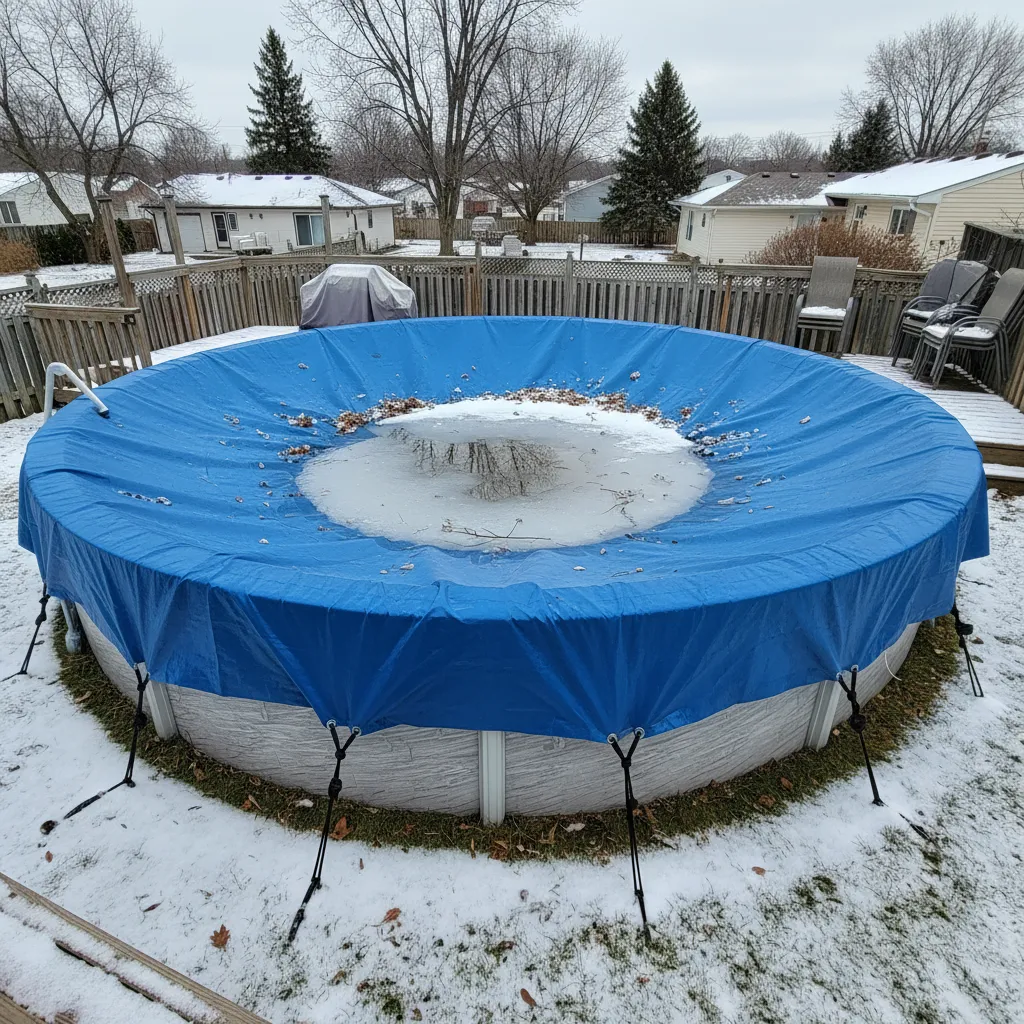
"Invest once to protect your liner and prevent a swamp in the spring."
Heavy-Duty Winter Pool Cover
Winter demand is high - check stock
Factors Influencing Added Value (Climate, Pool Type, and Location)
Florida’s tropical climate makes pools nearly expected in luxury markets, with heated pools in cooler northern regions like Jacksonville adding 5%–8% more appeal. Inground concrete or fiberglass pools yield higher returns than vinyl-lined models, while saltwater systems attract buyers seeking low-maintenance options. Proximity to beaches alters dynamics: oceanfront homes may see smaller value bumps, whereas inland suburbs like Orlando show stronger demand for backyard oases. Age matters too—pools installed post-2010 with energy-efficient pumps or smart controls often appraise higher.
ROI Comparison: Inground Vs. Above-ground Pools
Inground pools deliver 50%–70% ROI in Florida, with mid-range installations costing $35,000–$65,000 potentially adding $25,000–$40,000 to home value. Above-ground models, priced at $8,000–$20,000, rarely return over 30%–40% due to perceived impermanence and styling limitations. Data from Tampa’s Multiple Listing Service reveals homes with inground pools sell 14 days faster than those without, while above-ground pools show negligible speed advantages. High-end upgrades—think LED lighting, automatic covers, or integrated spas—can push returns toward the 70% threshold for permanent installations.
While pools can lift property appeal, their financial impact ties directly to Florida’s property tax structure. Let’s explore how added value translates into annual costs.
Does a Pool Increase Property Taxes in Florida?
Adding a pool may raise your home’s tax bill. Florida uses market value to set tax rates. A pool counts as a “value add” that can boost your home’s tax worth by 5-15%, based on size and features. As a result, homeowners should be aware of how this increase in value can impact their overall expenses. Higher property taxes can strain budgets, making it essential to consider potential costs before installing a pool.
Understanding Tax Assessments for Swimming Pools
Florida tax teams check pools as part of your home’s worth. They note the pool type (inground vs. above-ground), age, and extras like heaters or decking. For example, an inground pool adds $15,000-$50,000 to your home’s tax value. Use your county’s millage rate (tax per $1,000) to guess yearly costs. A $30,000 pool in Miami-Dade (2% rate) adds $600 per year. As property values shift, some homeowners may find that the added tax costs from pools can become burdensome. It’s important to keep track of how pool costs can impact overall expenses when valuing your home.
Long-term Financial Implications Of Pool Ownership
Tax hikes last as long as you own the pool. Florida’s Save Our Homes law caps tax jumps at 3% per year for homes with homestead perks. But new pools may push taxes past this cap. Plan for $500-$1,200 extra each year in taxes, plus $300-$800 in added home insurance fees. Energy bills rise too—pool pumps cost $30-$100 monthly in Florida’s heat.
How Pool Maintenance Affects Home Value
A clean, working pool lifts home worth. A dirty one can slash it. Buyers check pool health first—green water or cracked tiles signal high fix costs.
Average Annual Maintenance Costs in Florida
Florida’s heat and storms mean pools need more care. Yearly costs break down like this:
- Chemicals: $600-$1,200
- Power for pumps: $400-$900
- Cleaning: $800-$1,500 (or $75-$150 per month)
- Repairs (cracks, leaks): $300-$2,000+
Saltwater pools cost 10-20% less in chemicals but need $1,500-$2,500 for cell swaps every 5-7 years.
Impact Of Neglected Pool Care on Resale Value
Poor care can drop home value by 10-15%. Buyers see a bad pool as a $5,000-$20,000 problem. Stains, broken pumps, or unsafe gates force sellers to cut prices or pay for fixes pre-sale. A 2022 Florida Realtors study found homes with clean pools sold 14 days faster than those with “fixer” pools. Maintaining a pool includes using the right chemicals and stabilizers. A stabilizer is essential for a 10,000-gallon pool to help keep the chlorine effective and the water clear.
Up next: How pools shape buyer interest and sale speed in Florida’s hot market.
Also See: DIY Pool Landscaping Ideas for Your Backyard Oasis
Does a Pool Make a Home Harder to Sell in Florida?
In Florida’s real estate market, pools often act as double-edged swords. While many buyers prioritize them for year-round use, others view maintenance or safety risks as dealbreakers. Local demand patterns and buyer demographics heavily influence how quickly a pool-equipped home sells.
Buyer Preferences and Market Demand Analysis
A 2023 study by Florida Realtors® found 68% of buyers in coastal regions like Miami or Tampa consider pools “non-negotiable.” Inland areas like Orlando or Gainesville see lower demand, with only 42% prioritizing pools. Families with children often prefer shallow-entry designs or screened enclosures to deter pests, while luxury buyers expect features like infinity edges or heated spas. Age demographics matter too: 55% of retirees in communities like The Villages prioritize low-maintenance pools with ADA-compliant access. The increasing demand for pools comes with higher costs. This can be attributed to factors such as materials, installation, and ongoing maintenance expenses.
Pros and Cons for Sellers With Pools
Pros include faster sales cycles in high-demand ZIP codes (e.g., 33139 in Miami Beach) and price premiums up to 12% over comparable homes without pools. Cons involve limited buyer pools in rural areas and safety concerns; Florida law requires at least one barrier (fence, screen, or alarm) around residential pools. Sellers should also address maintenance costs upfront—providing service records for equipment like Hayward pumps or Pentair filters can ease buyer hesitations.
Key Features That Maximize a Pool’s Value
Not all pools boost home value equally. Strategic upgrades tailored to Florida’s climate and lifestyle trends yield the highest returns. Focus on features that enhance usability, aesthetics, and energy efficiency. One popular addition is a duck pool, which can create a playful and serene backyard atmosphere. Duck pools are inviting spaces that not only attract wildlife but also provide a fun environment for families.
High-roi Pool Additions (Spas, Lighting, and Automation)
Adding a spa (hot tub) can deliver a 50–70% ROI due to Florida’s mild winters. LED lighting systems with color-changing options cost $1,200–$2,500 but increase nighttime appeal. Smart automation systems (e.g., Jandy Aqualink or IntelliCenter) let users control pumps, heaters, and cleaners via apps—a selling point for tech-savvy buyers. Saltwater systems also attract attention, reducing chlorine costs by 30–50% annually.
Landscaping and Safety Features That Boost Appeal
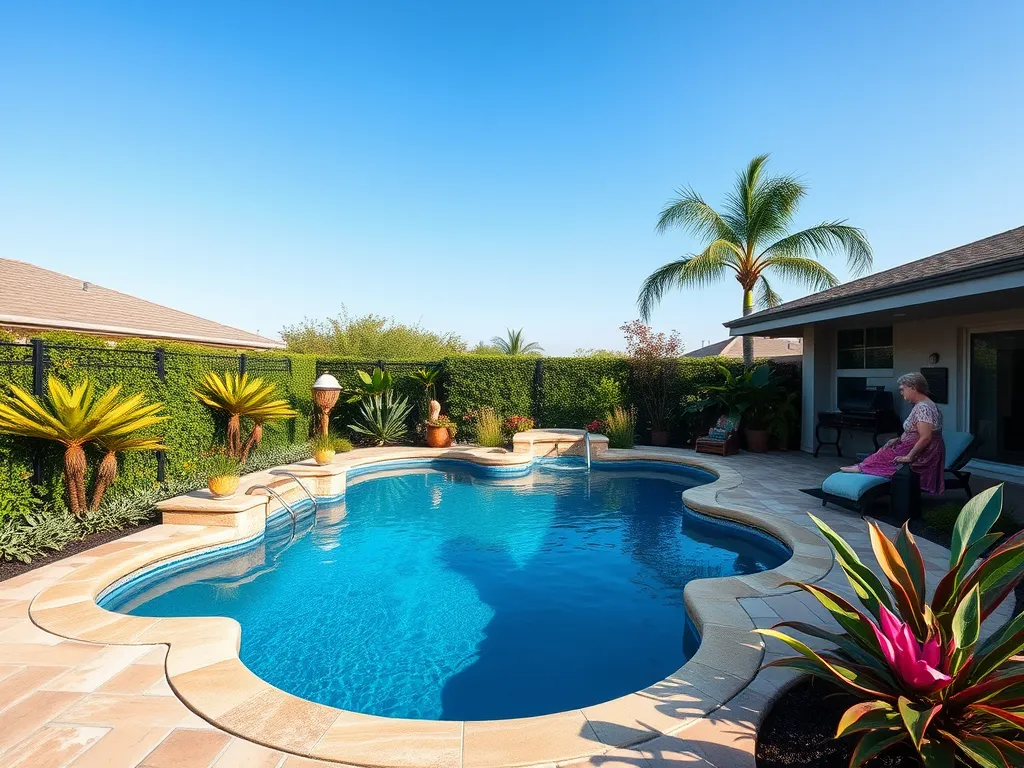
Palms, hibiscus, or privacy hedges create a resort-like atmosphere but avoid plants that drop debris into the water. Travertine or pavers around the pool deck add slip resistance and visual warmth. For safety, install removable mesh fences ($15–$20 per linear foot) or child-proof self-latching gates. Florida’s Building Code requires drain covers compliant with the Virginia Graeme Baker Act to prevent entrapment hazards. Maintaining a beautiful pool environment involves various factors, including the cost of replacing the pool liner. This replacement can vary widely, often ranging from $1,000 to $5,000 depending on size and material choices.
Appraisal Insights: How Pools Impact Home Valuation
Appraisers assess pools differently based on local comps and functionality. In Florida, pools are typically valued using the “cost approach,” which factors in installation expenses minus depreciation.
How Appraisers Evaluate Pools in Florida
Appraisers note the pool’s size (standard: 14’x28’), materials (shotcrete vs. vinyl), and equipment age. A 10-year-old pool with a cracked liner or outdated single-speed pump may only add $5,000–$10,000, while a newer pebble-tech pool with a variable-speed pump can contribute $15,000–$30,000. Heated pools in cooler regions like Jacksonville gain extra weight during valuations. The condition of a pool can also impact maintenance costs. When considering a pool purchase, it’s important to factor in the cost of repainting or resurfacing as part of your overall budget.
Documenting Upgrades for Maximum Appraisal Credit
Keep receipts for major upgrades—appraisers often overlook unpermitted work. For example, adding a $12,000 solar heater with proper permits can boost value by $8,000–$10,000. Note warranties on components like Pentair Intelliflo pumps (up to 3 years) or Zodiac salt cells (5 years). Time-stamped photos of the pool’s condition during listing prep also strengthen appraisal reports.
Next, let’s explore the most common questions Floridians ask about balancing pool ownership costs with long-term property value gains.
Frequently Asked Questions
How Do Florida’s Building Codes Influence Pool Installation Costs and Value?
Florida’s hurricane-resistant building codes require pools to meet strict structural standards, including reinforced decks and anchored equipment. These regulations add $5,000–$15,000 to installation costs but enhance durability—a key appraisal factor. Pools with code-compliant features like tempered safety glass fences or upgraded drainage systems can increase home value by 6–10% in storm-prone regions like Fort Myers or the Keys.
Are Solar-powered Pool Heaters Worth the Investment in Florida?
Solar heaters reduce energy costs by 50–80% in sun-rich markets like Tampa or Naples. Though initial installation ranges from $3,000–$7,000, they typically add $4,000–$8,000 to home value and attract eco-conscious buyers. Federal tax credits (26% through 2032) and Florida-specific rebates further improve ROI for energy-efficient upgrades. Maintaining a balanced pool is also key to maximizing the benefits of solar heaters. Using a soda ash pool calculator can help determine the right amount of soda ash needed to keep your pool water clear and comfortable.
What Legal Safety Standards Apply to Florida Residential Pools?
Florida Statute 515 requires all pools to have at least one safety barrier: a 4-foot non-climbable fence with self-latching gates, an approved pool cover, or alarms on all home doors leading to the pool. Non-compliance can delay sales and force sellers to credit buyers $2,000–$5,000 for retrofits during negotiations. The costs of maintaining a pool can add up quickly. One important expense to consider is the electric bill associated with operating pool equipment.
Can a Pool Decrease Home Value in Certain Florida Markets?
In flood-prone coastal areas or 55+ communities like The Villages, pools may deter buyers wary of maintenance or insurance hikes. MLS data shows such homes sell 8–12% below pool-equipped comps in family-centric suburbs. Inland markets with smaller lots (under 0.25 acres) also see weaker demand for pools.
How Does a Pool’s Age Impact Its Contribution to Home Value?
Pools older than 20 years depreciate by 30–50% unless renovated. Appraisers deduct $8,000–$15,000 for cracked plaster or single-speed pumps but reward upgrades like quartz finishes ($10,000–$20,000) or variable-speed pumps ($1,800–$2,500), which can restore 70–90% of lost value. Renovating a pool can also lead to a more modern surface option, such as Considering a Pebble Tec finish, which might impact your overall pool cost but can increase the value and enjoyment of your pool.
What Pool Issues Commonly Surface During Florida Home Inspections?
Inspectors frequently flag leaking plumbing ($1,200–$3,500 repairs), outdated electrical systems ($2,000–$4,000 upgrades), or missing anti-entrapment drain covers ($300–$600 per drain). Proactively addressing these issues preserves value—homes with inspection-ready pools sell 11 days faster on average. Maintaining a pool can also involve costs related to filters. Knowing the price of a good pool filter can help you budget for future maintenance.
Closing Thoughts
A pool in Florida can boost your home’s value by 5-15%, depending on factors like pool type, location, and maintenance. Inground pools typically offer better ROI than above-ground options, but proper upkeep is critical—neglect can slash resale appeal.
While pools may increase property taxes slightly, they align with Florida’s lifestyle demand. Features like saltwater systems, smart controls, and safety covers maximize returns. Appraisers weigh these upgrades, so keep records of improvements.
For precise cost-benefit analysis, use My Pool Calculator to estimate installation, maintenance, and potential ROI tailored to your Florida property. The right pool investment pays off in enjoyment and equity.
Additional Resources for You:
- National Swimming Pool Foundation (NSPF). (2022). Pool & Spa Operator Handbook (4th ed.). Colorado Springs, CO: NSPF.
- Can a Pool Add Value to Your Florida Home? | Paterson Project Management
- Does a Pool Add Value to a Home in Florida?
- Does a pool increase home value in Florida? Here’s what the experts say. – Signet Pool
- Does A Pool Add Value To Your Home? | Bankrate
A pool care geek who’s been testing water chemistry since she was tall enough to reach the skimmer.
Inground Pool, Pool Care By Type