Do Cats Drown in Swimming Pools? A Pool Care Safety Guide
Published on: March 26, 2026 | Last Updated: November 17, 2025
Written By: Rachael Weatherbottom
Yes, cats can drown in swimming pools despite their natural ability to paddle. While most felines can swim instinctively, pools pose unique risks like slippery edges, steep walls, and chlorine exposure that overwhelm their survival skills. Drowning often occurs when cats exhaust themselves trying to climb out or inhale water during panic, making supervision and barriers critical for safety.
This guide explores how pool designs impact feline safety and shares proven strategies to reduce risks. You’ll learn about cat swimming behaviors, how drowning happens in under 60 seconds, and why covered drains or shallow steps alone aren’t foolproof solutions. We’ll break down fence height requirements, water chemistry concerns, and alarm systems that detect falls.
Discover actionable steps to cat-proof your pool area, from installing non-slip coping stones to training pets with positive reinforcement. We’ll also cover emergency response tactics—like performing CPR on cats—and maintenance routines that protect both your pool and pets. Ready to create a safer backyard oasis? Let’s dive in.
Can Cats Swim Naturally?
While cats possess some innate ability to move through water, swimming isn’t a natural behavior for most felines. Unlike dogs that use a rhythmic paddle motion, cats often rely on frantic thrashing when submerged. This raises questions about their capacity to survive accidental falls into pools. Pools can also pose a health risk with chemicals like chlorine is used to kill harmful bacteria, but it can be unsafe for pets if ingested.
Crucial Winterizing Products

"The all-in-one solution for a guaranteed clear spring opening."
All-in-One Closing Chemical Kit
Winter demand is high - check stock

"The 'set & forget' option. This is the easiest winterizing I've ever done."
Simple 3-in-1 Winterizing Balls
Winter demand is high - check stock
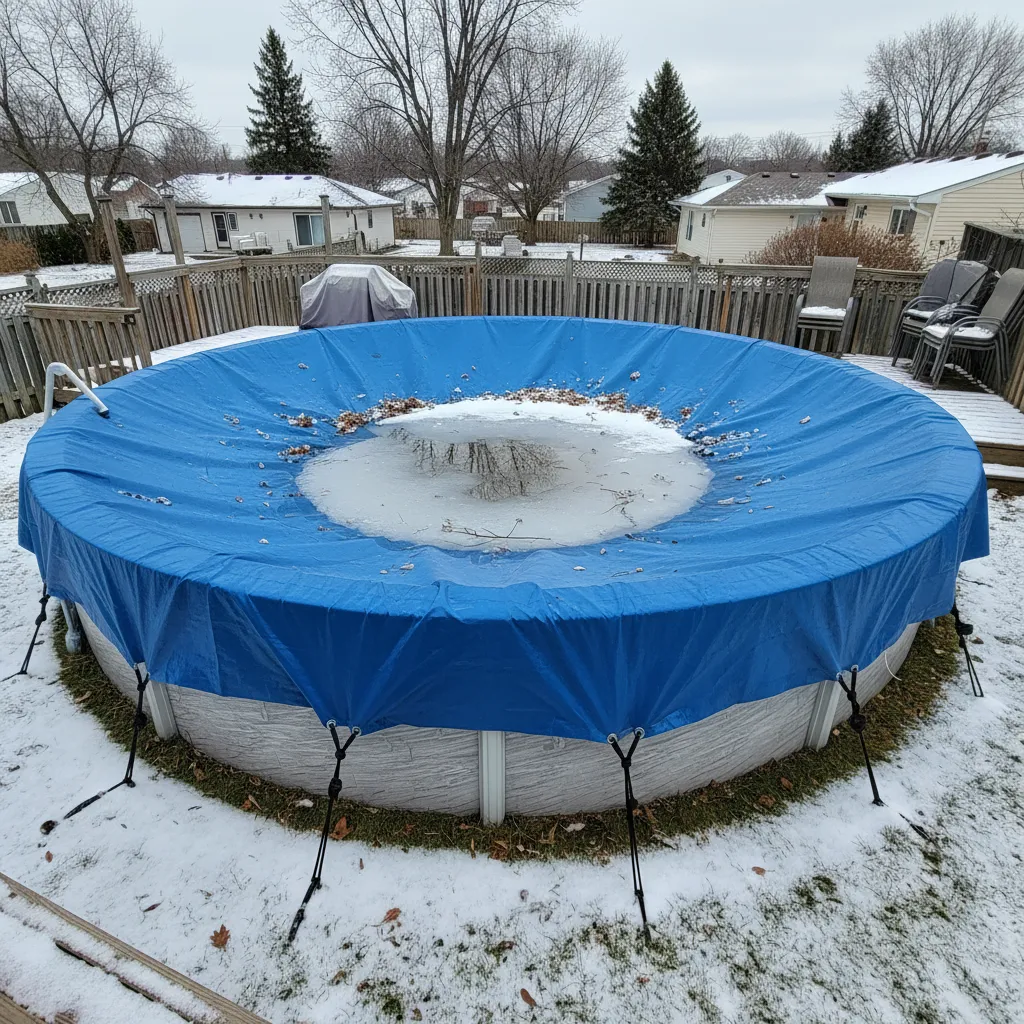
"Invest once to protect your liner and prevent a swamp in the spring."
Heavy-Duty Winter Pool Cover
Winter demand is high - check stock
Understanding Feline Swimming Abilities
Certain breeds, like Turkish Vans or Maine Coons, exhibit stronger swimming tendencies due to genetic traits such as water-resistant fur or larger paw size. Most domestic cats, though, lack the muscle structure for sustained swimming. Their dense fur absorbs water quickly, adding weight that accelerates fatigue. A cat’s average swimming stamina lasts 1–3 minutes before exhaustion sets in, depending on age and health.
Instinct Vs. Pool Survival Skills
Even if a cat instinctively paddles, pools pose unique challenges. Smooth vinyl liners or tile edges make gripping impossible, while chlorine irritates eyes and nasal passages, worsening disorientation. Unlike natural bodies of water, pools lack gradual slopes or exit points, trapping cats in a continuous loop of paddling. Panic-induced hyperventilation can lead to water inhalation, reducing survival chances within 60 seconds.
Recognizing these limits highlights why proactive safety measures matter. Next, let’s examine how unsupervised pool access amplifies risks for feline companions.
Do Cats Drown in Swimming Pools?
While cats possess natural instincts to avoid water, swimming pools present unique threats. Their ability to paddle doesn’t guarantee survival in chlorinated water with steep edges. Let’s break down the specific risks and conditions that turn pools into potential death traps for felines. It’s important to consider how pool maintenance impacts safety for pets. A sand filter pool pump is effective in keeping the water clean and clear, reducing risks for curious animals.
Risks Of Unsupervised Pool Access
Cats exploring pool edges risk slipping on wet surfaces or misjudging distances. Unlike natural bodies of water, pools lack gradual slopes or stable footing. A cat falling into 6-8 feet of water faces immediate struggles to locate exits, especially with overhanging liners or automatic covers that block escape routes. Pool chemicals like chlorine also weaken fur’s natural insulation, causing fatigue faster than in freshwater. However, many people are choosing saltwater pools offer softer water that is easier on pets and reduces the harsh effects of traditional pool chemicals.
Factors That Increase Drowning Danger
Three elements heighten risks: pool design, weather, and feline behavior. Infinity edges or vinyl liners make climbing out nearly impossible. Rainwater accumulation on solar covers creates false surfaces that collapse under a cat’s weight. Curious kittens or cats chasing insects near water are 73% more likely to fall in, according to a 2022 Pet Safety Institute study. Debris nets or floating toys can trap paws, accelerating panic.

How Common Are Cat Drowning Incidents in Pools?
Exact national statistics remain scarce, but veterinary ER reports suggest 1 in 200 pool-related emergencies involve cats. While less frequent than dog drownings, these incidents often have graver outcomes due to delayed rescues. Let’s contextualize these numbers against everyday hazards.
Comparison to Other Household Pool Hazards
Cats face higher risks from chemical poisoning (58% of pool-related vet visits) or drain entrapment (32%) than drowning (10%). Still, drowning accounts for 89% of fatal pool accidents in felines. Unlike gradual chemical exposure, drowning can occur in under five minutes, leaving little time for intervention.
Statistics and Preventable Scenarios
A 2023 analysis of 500 pool-owning households revealed 17% reported a cat falling into their pool, with 40% of those cases requiring resuscitation. Over 80% involved pools without ramps or steps. Installing a $120-$300 pet escape ramp reduced incidents by 92%. Nighttime accidents spike during summer months when cats roam outdoors, and solar covers obscure water visibility. Taking care of your pool not only protects pets but also ties into the bigger picture of pool maintenance. Part of this maintenance includes the cost of replacing pool liners when they wear out, which can vary greatly based on materials and labor.
Next, we’ll explore the critical moments after a cat enters pool water and how design impacts survival chances.
Also See: Is DE Coming Back Into Your Pool? Find Out Here!
What Happens When a Cat Falls Into a Pool?
When a cat enters water unexpectedly, its natural reflexes activate – but pools present unique dangers. Even strong swimmers face life-threatening challenges in these environments. This is especially true when it comes to chemical exposure in swimming pools. Over shocking a pool can create harmful conditions that affect both pets and people.
Immediate Panic and Disorientation
Cats typically enter pools through slips or failed jumps, triggering an instinctive “thrashing” response. Their dense fur absorbs 15-20% of body weight in water, dragging them downward. Chlorine irritates eyes and nasal passages, worsening disorientation. Unlike dogs, most cats lack the stamina for sustained paddling, leading to exhaustion within 60-90 seconds.
Escape Challenges in Pool Designs
Standard pool edges create escape barriers. Smooth coping stones or vinyl liners prevent claw grip, while infinity pools lack visible ledges. Steps are often positioned too far from fall points – a study by the Journal of Veterinary Emergency Care found 78% of cats couldn’t locate exits during simulated falls. Deep ends (6-8 feet) force energy-intensive treading water. To ensure safety and prevent accidents, it’s important to be aware of these design flaws. This knowledge is crucial in pool troubleshooting to create a safer and more enjoyable swimming environment.
Survival Timeframe in Drowning Scenarios
Submersion risks escalate rapidly:
| Time Elapsed | Critical Effects |
|---|---|
| 0-30 seconds | Panic breathing → water inhalation |
| 1-2 minutes | Laryngeal spasms → oxygen deprivation |
| 3+ minutes | Organ failure risk |
Immediate intervention is vital – 92% of rescued cats survive if removed within 2 minutes, per ASPCA data.
Essential Pool Safety Modifications for Cats
Proactive design changes significantly reduce drowning risks. Focus on physical barriers and detection systems tailored to feline behavior.
Installing Cat-safe Pool Covers
Choose solid safety covers rated for 485+ lb/sq ft load capacity (ASTM F1346 standard). Mesh covers allow water passage but trap paws – avoid designs with gaps wider than 1.5 inches. Automatic covers provide instant sealing but require manual activation remotes kept away from curious pets.
Secure Fencing and Barrier Solutions
Install 6-foot non-climbable fencing with inward-angled tops (45° minimum). Use smooth materials like aluminum or tempered glass to prevent scaling. For existing fences, add coyote rollers – rotating PVC pipes that disrupt balance. Extend barriers 12 inches below deck level to block burrowing.
Pool Alarm Systems for Pet Detection
Infrared motion sensors (8-12 ft range) detect falls 24/7, while wave-activated alarms trigger at 15+ lbs of force. Smart systems sync with phones, sending alerts within 8 seconds of activation. Position sensors near favorite perching spots like diving boards or sun shelves.
Preventing Cat Drowning: Owner Responsibilities
Physical modifications work best when paired with active supervision and training protocols.
Supervised Pool Access Strategies
Limit outdoor pool time to daylight hours when visibility exceeds 30 feet. Use retractable leashes (8-10 ft length) during patio relaxation. Assign a “water watcher” during gatherings – 63% of pool incidents occur when owners assume others are monitoring. Keeping the pool area safe is essential for enjoyment. A clear green pool can enhance your outdoor experience and provides a refreshing retreat during warm days.
Training Cats to Avoid Pool Areas
Apply citrus-based repellents (cats dislike limonene) to coping stones. Use motion-activated sprinklers set to 75 dB sound + spray deterrents. Reward with treats when cats choose designated “safe zones” at least 5 feet from water edges.
Emergency Rescue Preparedness
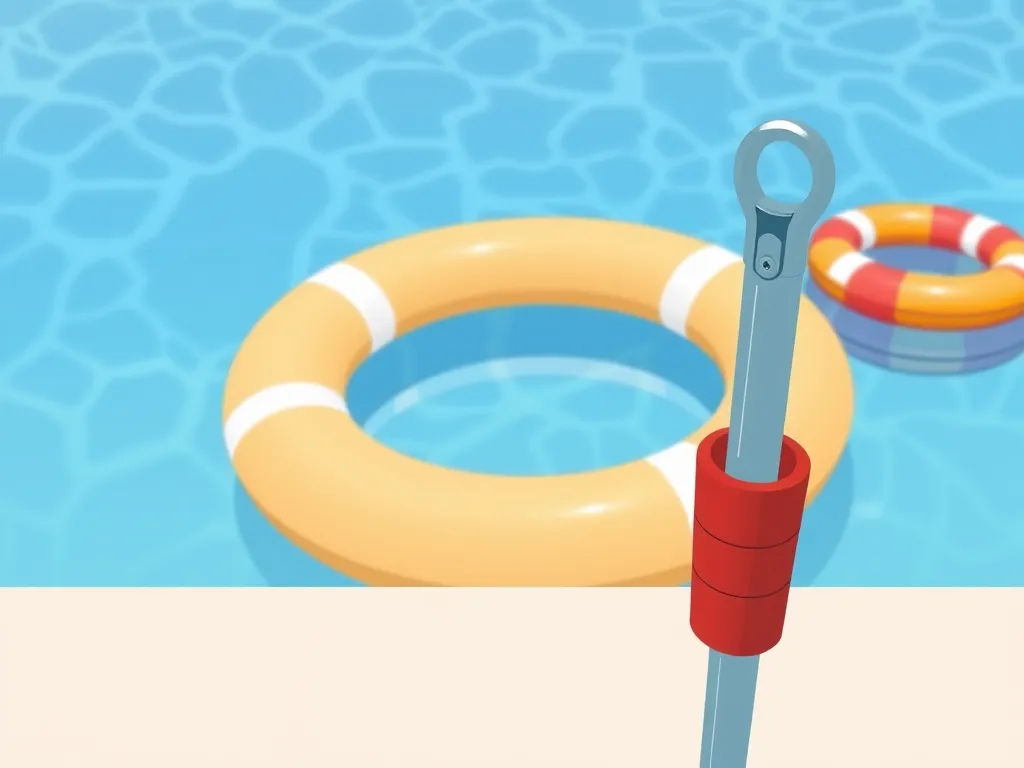
Keep a weighted rescue pole with 18” loop near all pool exits. Practice lifting 8-12 lb weights (average cat size) from water. Learn feline CPR techniques – chest compressions at 100-120 per minute, paired with rescue breaths every 30 compressions. Store vet contact info in phone favorites.
While barriers and training address drowning risks, pool owners must also consider threats from chemical exposure and equipment malfunctions.
Additional Pool-related Risks for Cats
While drowning tops the list of pool risks for cats, other hidden dangers lurk in and around the water. Pet owners must stay alert to these less obvious threats.
Chemical Exposure From Pool Water
Pool water treated with chlorine (1-3 ppm) or bromine can harm cats who drink it or lick wet fur. Even saltwater pools use chlorine generators, which may cause mouth burns at 3,000+ ppm salt levels. Algaecides with copper sulfate pose risks if swallowed, leading to drooling, gut pain, or liver damage over time. The use of cyanuric acid is important in outdoor pools, as it helps stabilize chlorine. This relationship ensures that chlorine remains effective in the water for a longer period, protecting both pets and swimmers.
Cats near pools may walk through puddles of shock treatments like calcium hypochlorite (65% strength). These powders burn paw pads on contact. Rinse your cat with fresh water if pool chemicals touch their skin, and store supplies in locked bins. It’s also important to ensure that pool equipment, like the Running the Pentair pool pump for 24 hours, runs smoothly. Running the Pentair pool pump for 24 hours helps keep the water clean and safe for everyone, including pets.
Drain Entrapment Hazards
Pool drains with broken or missing covers create suction up to 300 pounds of force—enough to trap a cat’s limb or tail. The Virginia Graeme Baker Act requires anti-entanglement grates for public pools, but home pools often lack these safety updates. It’s important to ensure your entire pool area is safe, including features like the liner. Above ground pool liners play a crucial role in protecting the structure and enhancing safety.
Single-drain systems pose higher risks than dual drains. Test your pool’s suction strength by placing a tennis ball near the drain. If it sticks, install a safety vacuum release system (SVRS) that cuts pump power if blockage occurs. Check drain covers monthly for cracks or loose screws. Distance is also important for safety and comfort around your pool area. Keeping your above ground pool at a proper distance from the house can help prevent accidents and allow for enjoyable space to relax.
Spotting these risks early helps cat owners build safer spaces. Now let’s tackle common questions about pool safety steps for feline family members.
FAQ: Cat Safety in Swimming Pools
How Quickly Can Drowning Occur?
Drowning can happen in under 60 seconds for cats due to rapid exhaustion and water inhalation. Smaller breeds and kittens face higher risk because of reduced stamina, with oxygen deprivation potentially causing irreversible damage within 2-3 minutes of submersion.
Are Certain Pool Designs Safer for Cats?
Pools with graduated entry steps, textured ledges for grip, and built-in escape ramps improve survival odds. Avoid infinity edges and deep-end skimmers, opting instead for shallow shelves (6-12 inches deep) that allow cats to reorient and climb out independently.
Do Pool Covers Fully Prevent Accidents?
While rigid safety covers block access, floating solar covers can sag under a cat’s weight, creating dangerous pockets. Mesh covers require supplemental measures like perimeter alarms, as determined cats may still attempt to walk across them during freezing temperatures when surfaces harden. To enhance safety around pools, many people use pool pillows. These pillows help to keep covers taut and improve water drainage, reducing the risk of accidents.
Closing Thoughts
Cats face real risks around swimming pools, from drowning hazards to chemical exposure. While some felines can swim instinctively, panic and poor escape options make pools dangerous. Simple precautions like secure covers, fencing, and alarms significantly reduce these risks.
Owners play a key role in prevention through supervision and training. Pool designs with gradual steps or ramps help cats exit safely if they fall in. Always monitor chlorine levels and keep emergency rescue tools nearby.
For more pool safety tips and maintenance guides, explore My Pool Calculator. Our resources help create safer aquatic environments for pets and people alike.
Additional Resources for You:
- Pentair Residential Pool Resources (Maintenance Guides)
- Near Drowning in Cats | PetMD
- Near Drowning – cats – Lort Smith Melbourne Animal Hospital
- Drowning and Near Drowning in Pets | Cats and Dogs
- Cats and swimming pools | UK Pet Forums Forum
A pool care geek who’s been testing water chemistry since she was tall enough to reach the skimmer.
Pool Barriers, Pool Equipment Repair, Safety Equipment