Choosing the Right Swimming Pool Stabilizer: A Clear Water Guide
Published on: March 6, 2026 | Last Updated: November 17, 2025
Written By: Rachael Weatherbottom
A swimming pool stabilizer is a chemical that shields chlorine from sunlight, keeping it active longer. The right choice depends on your pool type (saltwater or chlorinated), local weather patterns, and current water chemistry. Options like cyanuric acid (CYA) in granular or liquid forms and potassium cyanurate alternatives each have unique benefits. Matching these to your pool’s needs prevents chlorine loss, controls costs, and maintains safe swimming conditions.
This article explains how stabilizers bond with chlorine molecules to block UV damage—a process critical in sunny climates. You’ll see why saltwater pools need lower stabilizer levels than traditional chlorine pools and how to test your water before adding any product. We compare top brands, break down dosage calculations, and highlight pitfalls like over-stabilization, which can reduce chlorine’s effectiveness.
Explore solutions for high or low stabilizer levels, including partial drain-and-refill methods or using non-stabilized chlorine tablets. Learn why liquid stabilizers work faster than granules but cost more, and when UV pool covers can supplement chemical options. With real-world examples and dosage charts, you’ll gain the confidence to maintain a 30-50 ppm stabilizer range—the sweet spot for most pools.
What is a Swimming Pool Stabilizer?
A swimming pool stabilizer acts as a shield for chlorine, slowing its breakdown under sunlight. Often called cyanuric acid (CYA) or conditioner, this chemical bonds with free chlorine molecules to form a protective layer. Without it, chlorine degrades rapidly, leaving pools vulnerable to algae and bacteria. In addition to stabilizers, using the right pool bleach is essential for maintaining clean water. Many brands offer effective pool bleach options specifically designed for this purpose.
Crucial Winterizing Products
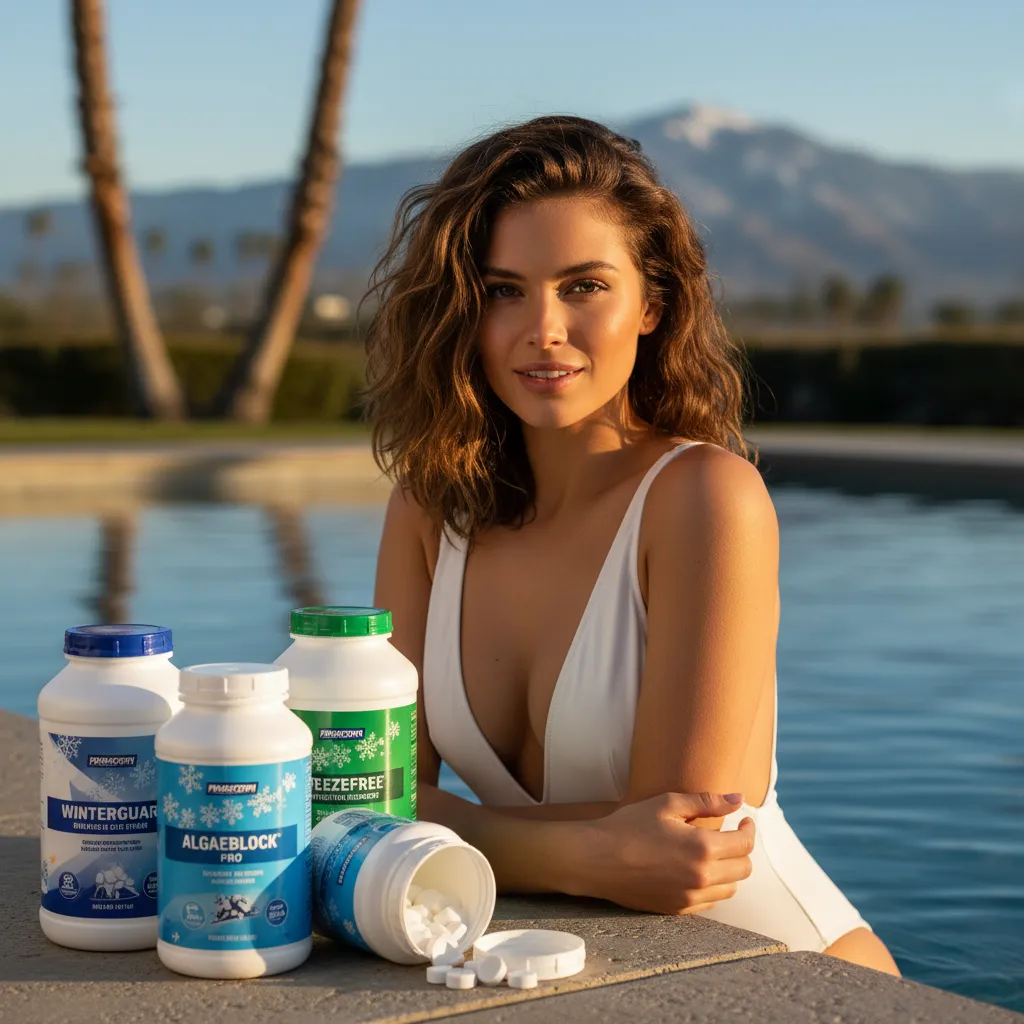
"The all-in-one solution for a guaranteed clear spring opening."
All-in-One Closing Chemical Kit
Winter demand is high - check stock

"The 'set & forget' option. This is the easiest winterizing I've ever done."
Simple 3-in-1 Winterizing Balls
Winter demand is high - check stock
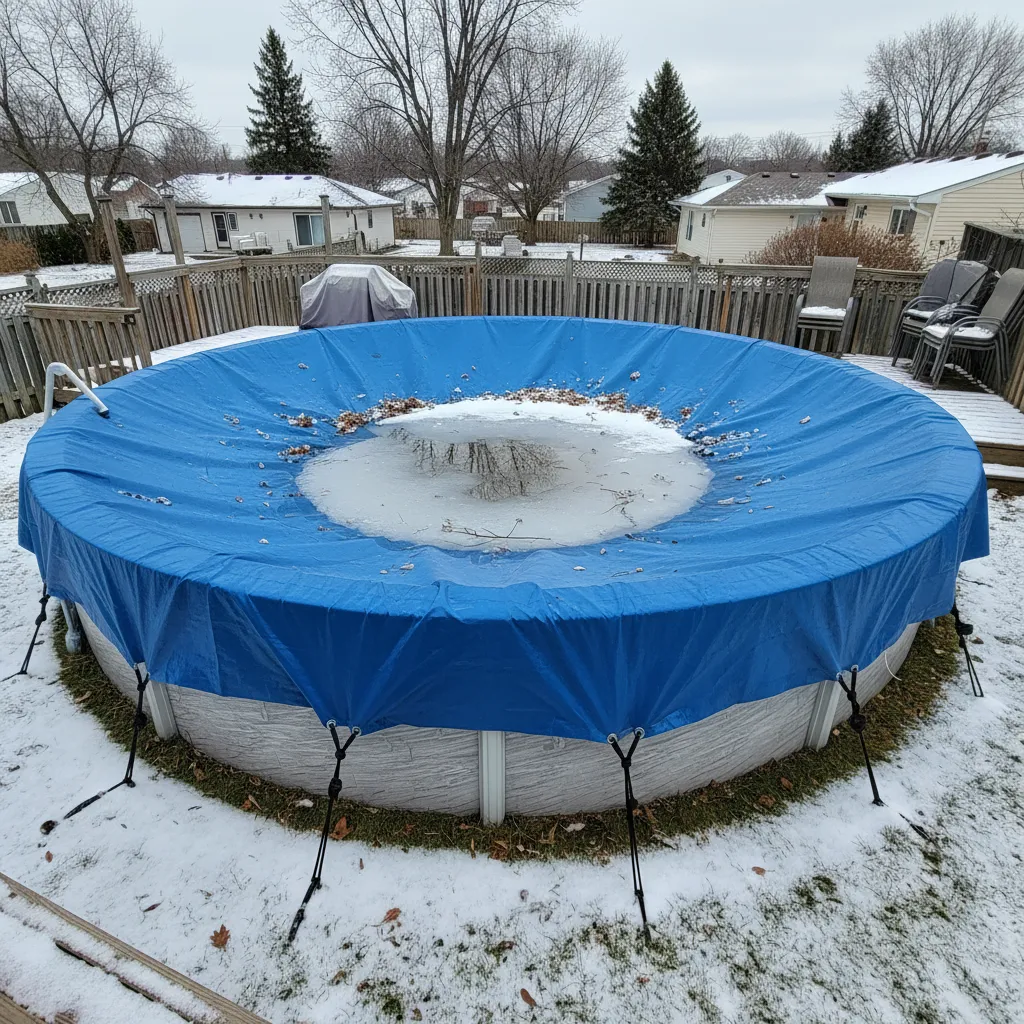
"Invest once to protect your liner and prevent a swamp in the spring."
Heavy-Duty Winter Pool Cover
Winter demand is high - check stock
Core Functions and Importance in Pool Care
Stabilizers perform two primary roles: preserving chlorine efficiency and reducing chemical waste. They extend chlorine’s lifespan by up to 5x, cutting costs linked to frequent reapplication. For every 10 ppm of CYA, chlorine’s degradation rate drops by roughly 50%. Proper stabilization also prevents pH swings caused by constant chlorine additions, keeping water balanced and swimmer-friendly.
How Stabilizers Protect Chlorine From UV Degradation
UV rays break chlorine into inactive compounds at a rate of 90% loss within 2 hours in direct sunlight. Stabilizers counteract this by forming a temporary bond with chlorine molecules, blocking UV absorption. At 30–50 ppm CYA, chlorine retains 75% of its strength under peak sun exposure. Higher concentrations (above 100 ppm) can reduce effectiveness, emphasizing the need for precise dosing.
| Stabilizer Level | Chlorine Loss (2 Hours, Full Sun) |
|---|---|
| 0 ppm | 90% |
| 30–50 ppm | 25% |
| 100+ ppm | 40%+ |
Selecting the right stabilizer requires matching your pool’s needs to the product’s formulation. Next, let’s compare granular cyanuric acid, liquid stabilizers, and alternative options like potassium cyanurate.
Types Of Pool Stabilizers
Selecting the correct stabilizer for swimming pools requires knowing the chemical options available. Two primary choices dominate the market, each with distinct properties suited for different scenarios.
Cyanuric Acid (Granular and Liquid Forms)
Cyanuric acid (CYA) is the most common stabilizer for pools, acting as a sunscreen for chlorine. It binds to free chlorine molecules, slowing UV degradation by up to 95%. Available in granular or liquid forms, each has pros and cons:
- Granular CYA: Cost-effective (around $5-$8 per pound) but requires pre-dissolving in water. Ideal for initial treatment or large adjustments.
- Liquid CYA: Faster-acting with no dissolving needed, priced higher ($15-$20 per gallon). Better for quick corrections in saltwater or chlorinated pools.
Maintain CYA levels between 30-50 ppm. Exceeding 100 ppm reduces chlorine’s sanitizing power, requiring partial water replacement.
Potassium Cyanurate (Alternative Formulas)
Potassium cyanurate, a salt derivative of cyanuric acid, offers a lower-acidity alternative. Often found in pre-mixed chlorine tablets or shock treatments, it prevents pH drops common with granular CYA. Popular in commercial pools or areas with strict pH regulations, it dissolves faster but costs 20-30% more than standard CYA. Test levels monthly to avoid over-stabilization. Choosing the right materials is crucial for maintaining a pristine pool. Inground pool liners are an essential part of this, providing a smooth and durable surface that enhances both the look and functionality of your pool.

How Pool Stabilizers Work
Stabilizers shield chlorine from sunlight, but their effectiveness depends on chemical interactions and application methods.
Interaction With Chlorine and Sunlight
When cyanuric acid binds to chlorine, it forms a protective molecular barrier. Without stabilizer, chlorine loses 90% of its potency within two hours under direct UV rays. Stabilized chlorine maintains 70-80% effectiveness for 6-8 hours, reducing chemical consumption by up to 25% annually.
Long-term Stabilization Vs. Short-term Solutions
CYA-based stabilizers provide lasting protection (4-6 weeks per application), ideal for outdoor pools in sunny climates. Short-term fixes like UV-resistant pool covers or non-stabilized chlorine (e.g., lithium hypochlorite) offer temporary relief but require daily monitoring. For saltwater pools, combining CYA with a chlorine generator ensures consistent sanitizer production without rapid burnout. When it comes to maintaining a pool, understanding the effects of pool scratches can also make a difference in your pool care routine. Scratch pool issues can lead to unsightly damage, so it’s important to address them promptly for better overall pool maintenance.
Balancing stabilizer levels with environmental factors ensures optimal performance. Next, evaluating pool type, climate, and existing chemical levels helps refine your pool stabilizer selection. A clean filtration system is essential for maintaining these levels. Backwash pool cartridge filters play a crucial role in keeping the water clear and free of debris.
Also See: Does Rain Increase Alkalinity in Pools? Effects on Ph
Factors to Consider When Choosing a Pool Stabilizer
Picking a stabilizer for swimming pools isn’t a one-size-fits-all task. Your pool’s unique traits and conditions will sway which product works best. Start by analyzing three critical factors. One important factor to consider is how the stabilizer works with your pool’s water environment. For those interested in swim low stabilizer pools, the right stabilizer can help maintain a smooth and safe swimming experience.
Pool Type (Saltwater Vs. Chlorinated)
Saltwater pools naturally maintain a stabilizer level of 20-30 ppm through salt chlorination, but might still need a boost in harsh sunlight. Chlorinated pools typically require 30-50 ppm cyanuric acid for UV protection. Liquid stabilizers mix faster in salt systems, while granular formulas suit traditional pools with manual chlorine dosing. The taste of saltwater pools can be quite different from traditional chlorine pools. Many people find the taste of saltwater pools to be milder and less harsh on the palate.
Climate and Sunlight Exposure
Pools in Arizona’s 300+ sunny days annually need stabilizer levels at 50-80 ppm to shield chlorine from rapid UV breakdown. Cloudy regions like Washington might function at 30-40 ppm. Stabilizer for pools in humid zones must account for both UV intensity and frequent rainfall diluting chemical concentrations.
Current Chemical Balance and Stabilizer Levels
Always test with a digital kit or test strip first. A pool with 100+ ppm cyanuric acid risks chlorine lock, requiring dilution. For fresh fills, add 4 oz of granular stabilizer per 1,000 gallons to hit 30 ppm. Pair readings with pH (7.2-7.6) and total alkalinity (80-120 ppm) for optimal function. Keeping track of stabilizer levels is essential for pool maintenance. Regular testing of the stabilizer pool ensures effective chlorine use and a healthy swimming environment.

Proper Application Of Pool Stabilizers
Adding stabilizer for swimming pools demands precision. A wrong move can throw off water harmony for months.
Step-by-step Guide for Adding Stabilizer
1. Test current stabilizer levels using a Taylor K-2006 kit 2. For granular types: Fill a sock with 12 oz per 5,000 gallons 3. Hang sock near a return jet, letting water dissolve granules over 6 hours 4. Liquid stabilizers: Pour slowly into skimmer basket at 1 quart per 10,000 gallons 5. Retest after 24 hours before swimming
Common Mistakes to Avoid (Overuse, Improper Mixing)
Dumping powder directly into skimmers clogs filters. Adding during rainstorms dilutes potency. Going beyond 100 ppm forces partial drain-and-refill cycles, costing $150-$300 for a 15,000-gallon pool. Always pre-dissolve solids to avoid cloudy water. Maintaining the right chemical balance is crucial for pool efficiency. This is where considering the cost of a pool chiller becomes important, as it can help preserve water quality and reduce additional expenses.
Managing Stabilizer Levels in Your Pool
Keeping swimming pool stabilizer leveling on track stops small issues from becoming big headaches.
Signs Of High Stabilizer Levels and How to Fix Them
Cloudy water, algae blooms despite normal chlorine, and “stabilizer lock” signal ppm above 100. Drain ⅓ of pool volume, refill, and retest. A reverse osmosis filtration service ($300-$500) can lower ppm without water loss in drought areas.
Risks Of Low Stabilizer Levels and Remediation
Chlorine burns off within 2 hours under strong sun if stabilizer dips below 30 ppm. Add 1.5 lbs cyanuric acid per 10,000 gallons to boost by 30 ppm. Stabilizer tablets in floaters offer slow-release correction at 1 tablet per 5,000 gallons weekly.
Balancing Stabilizer With Other Pool Chemicals
| Chemical | Ideal Range | Interaction With Stabilizer |
|---|---|---|
| Free Chlorine | 2-4 ppm | High stabilizer needs higher chlorine (up to 5 ppm) |
| pH | 7.4-7.6 | Alkalinity below 80 ppm makes stabilizer less active |
| Calcium Hardness | 200-400 ppm | No direct impact but affects overall balance |
For those exploring options beyond traditional pool stabilizers, UV covers and lithium hypochlorite systems present distinct trade-offs.

Pool Stabilizer Alternatives
While cyanuric acid remains the go-to solution for protecting chlorine from UV degradation, some pool owners explore other methods. These options might suit specific situations but come with trade-offs worth evaluating. One method that comes up often is the use of pool clarifiers. Another option, flocculants, works differently and can be beneficial depending on the pool’s needs.
UV Pool Covers and Their Limitations
UV-resistant pool covers block up to 99% of sunlight, slowing chlorine loss by shielding water from direct UV exposure. These covers work by using tightly woven materials or reflective layers to deflect rays. Though effective during periods of non-use, they don’t eliminate the need for stabilizers. Once removed for swimming, chlorine remains vulnerable to rapid degradation without cyanuric acid present in the water. It’s important to maintain proper water chemistry for a safe swimming experience. Checking the salt level in your pool regularly ensures the water remains balanced and properly sanitized.
Physical limitations also exist. Covers require frequent removal for pool access, which might prove cumbersome for daily use. They degrade over time due to weather exposure, needing replacement every 3–5 years. Costs range from $200–$500 for standard sizes, versus $15–$30 for granular stabilizer treating the same pool volume. While helpful for reducing evaporation, UV covers function best as supplements rather than replacements for chemical stabilizers.
Non-stabilized Chlorine Options
Liquid chlorine (sodium hypochlorite) or calcium hypochlorite tablets lack cyanuric acid, making them popular for pools with existing high stabilizer levels. These products let you sanitize water without boosting CYA concentrations. But without stabilizer protection, chlorine burns off 2–3 times faster under direct sunlight—requiring daily dosing in sunny climates to keep levels above 1 ppm. For pool owners looking for an effective sanitization option, calcium hypochlorite is often preferred. It works well to keep the pool water clean and safe for swimming.
Saltwater pool owners sometimes consider non-stabilized chlorine systems to avoid CYA buildup. Yet even salt-generated chlorine needs stabilizers, since UV rays break down hypochlorous acid just as quickly. Frequent testing becomes critical: without balancing cyanuric acid, salt pools might need double the runtime for chlorine generators, increasing energy costs by $20–$40 monthly. This careful monitoring is also important for maintaining a healthy calcium saturation index. A proper calcium saturation index helps prevent scale formation and corrosion in the pool system.
Exploring alternatives helps tailor your strategy, but consistent testing ensures your chosen method aligns with current water chemistry. Up next: tackling common questions about stabilizer use cases and troubleshooting.
Frequently Asked Questions
How Often Should I Test My Pool’s Stabilizer Levels?
Test stabilizer levels at least monthly during peak swimming season. Use a digital test kit or strips specifically calibrated for cyanuric acid. In regions with heavy rainfall or frequent backwashing, test every 2 weeks to account for dilution effects.
Can Switching Stabilizer Types Affect My Pool’s Chemical Balance?
Yes. Transitioning from granular cyanuric acid to liquid stabilizer may temporarily lower pH due to liquid formulas’ acidity. Always retest pH and alkalinity 24 hours after switching types, adjusting as needed to maintain 7.4–7.6 pH range.
Do Stabilizers Impact Saltwater Pool Generator Performance?
Excess stabilizer (above 80 ppm) can reduce salt cell efficiency by 15–20%, forcing longer run times. Keep cyanuric acid between 30–50 ppm for salt systems and clean cells monthly to prevent scale buildup from imbalanced water.
Are There Eco-friendly Stabilizer Disposal Methods?
Never drain stabilized water into natural waterways. For partial drains, divert water to sewer systems or turf areas with good drainage. Neutralize pH first (7.0–7.5) and avoid runoff near sensitive plants—high CYA concentrations can affect soil microbiology.
How Does Stabilizer Interact With Shock Treatments?
Stabilized chlorine shocks (dichlor/trichlor) add 0.6 ppm CYA per pound per 10,000 gallons. For weekly shocks, factor this into your total stabilizer budget. Use non-stabilized shock (calcium hypochlorite) if CYA exceeds 50 ppm.
Can I Use Stabilizers in Vinyl-lined Pools?
Yes, but liquid stabilizers are preferable for vinyl. Granular CYA settled on the liner can cause bleaching if not fully dissolved. Pre-dissolve granules in a bucket before pouring near return jets to prevent contact with the lining.
Do Stabilizers Lose Potency Over Time?
Unopened granular CYA lasts 2–3 years in cool, dry conditions. Liquid stabilizers degrade faster—use within 6 months of opening. Discard if crystals form in liquid formulas or granules clump beyond breaking.
How Does Stabilizer Affect Combined Chlorine Levels?
Proper stabilization (30–50 ppm) helps prevent combined chlorine formation by maintaining active sanitizer levels. However, over-stabilization (>100 ppm) creates “chlorine lock,” allowing combined chlorine to accumulate despite normal FC readings.
Closing Thoughts
Selecting the right swimming pool stabilizer keeps your water balanced and chlorine effective. Whether you use cyanuric acid or potassium cyanurate, proper application prevents UV degradation and extends chemical efficiency.
Monitor stabilizer levels monthly with test strips or liquid kits. Ideal ranges fall between 30-50 ppm for most pools. Saltwater systems and sunny climates may need adjustments up to 80 ppm.
For precise calculations on stabilizer dosing or chemical balancing, explore My Pool Calculator. Our tools simplify maintenance with instant measurements tailored to your pool’s volume and conditions.
Consistent testing and gradual adjustments prevent overcorrection. Pair stabilizers with routine shock treatments for optimal water clarity and sanitation year-round.
Additional Resources for You:
- National Swimming Pool Foundation (NSPF). (2022). Pool & Spa Operator Handbook (4th ed.). Colorado Springs, CO: NSPF.
- How to Protect Your Chlorine Level with Pool Stabilizer
- Choosing the right Swimming Pool Stabilizer – Pool Calculator
- Pool Water Stabilizer: 5 Things You Need To Know | Colony Pool Service
- Pool Stabilizer: Definitions and Advice – iopool
A pool care geek who’s been testing water chemistry since she was tall enough to reach the skimmer.
Cyanuric Acid (CYA), Pool Chemistry, Sanitizers