Can You Wear 14K Gold in the Pool? A Guide for Pool Owners
Published on: March 6, 2026 | Last Updated: November 17, 2025
Written By: Rachael Weatherbottom
Wearing 14k gold in the pool is possible for short periods, but not risk-free. Pool water contains chlorine, salt, and pH-altering chemicals that react with the metals mixed with gold in 14k jewelry. Since 14k gold is 58.3% pure gold blended with alloys like silver, copper, or zinc, these metals can corrode or discolor when exposed to harsh chemicals over time. While 14k gold is more durable than higher-karat options, repeated pool use weakens prongs, thins chains, and dulls surfaces.
This guide explains how pool environments affect 14k gold jewelry and how to minimize damage. You’ll learn how chlorine interacts with different gold alloys, why hot tubs and saltwater pools pose unique risks, and how jewelry design impacts vulnerability. We’ll compare 10k, 18k, and 24k gold behaviors in water to help you choose pool-safe pieces.
Discover actionable care strategies, including post-swim rinsing techniques and professional maintenance schedules. We’ll also address whether showering with gold accelerates wear and how ocean swimming compares to chlorinated pools. By the end, you’ll know exactly when to wear your 14k gold near water – and when to leave it safely stored.
What is 14K Gold?
14K gold is a mix of 58.3% pure gold and 41.7% alloy metals. This combo boosts its ability to hold up against daily wear. Common alloys include silver, copper, zinc, or nickel, which add firmness but also impact how it reacts with pool chemicals.
Crucial Winterizing Products
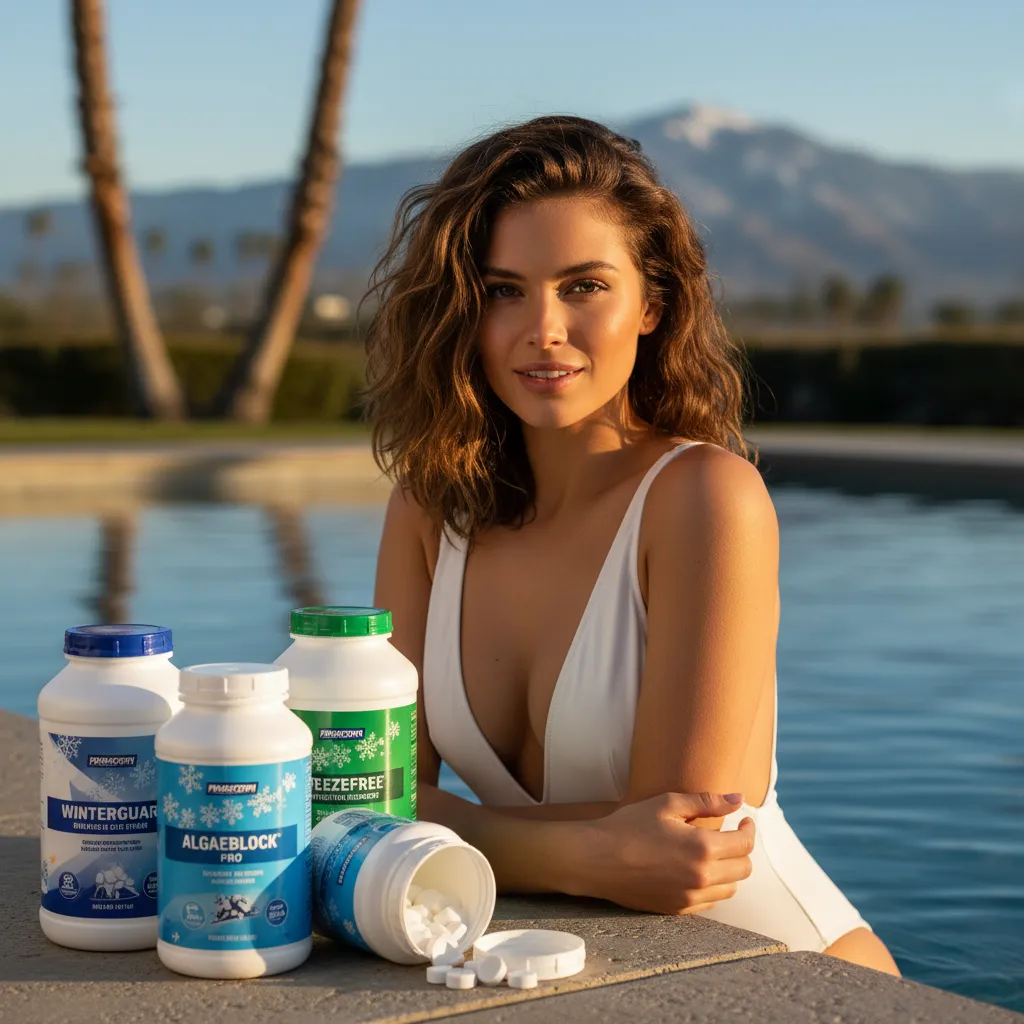
"The all-in-one solution for a guaranteed clear spring opening."
All-in-One Closing Chemical Kit
Winter demand is high - check stock

"The 'set & forget' option. This is the easiest winterizing I've ever done."
Simple 3-in-1 Winterizing Balls
Winter demand is high - check stock
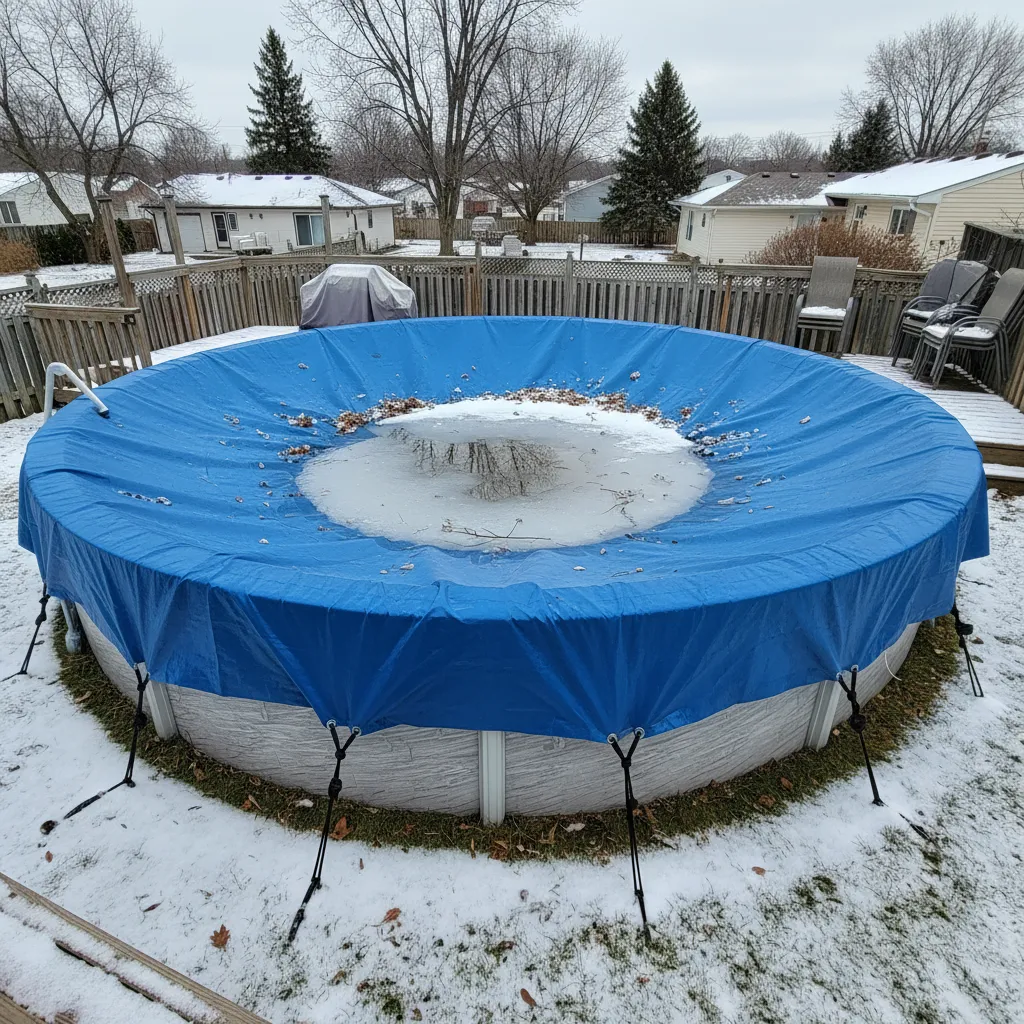
"Invest once to protect your liner and prevent a swamp in the spring."
Heavy-Duty Winter Pool Cover
Winter demand is high - check stock
Composition and Durability Explained
With just under 60% gold, 14K’s alloy blend makes it sturdier than higher-karat options. Copper and silver aid in resisting scratches, while nickel adds rigidity. But this mix also means parts of its makeup can interact with pool substances like chlorine or salt. Over hours in water, alloys may oxidize, leading to surface dullness or gradual thinning of prongs holding gems.
Though 14K gold can handle short dips, long swimming sessions risk harm. Chlorine bonds with alloy metals, forming compounds that weaken structural integrity. Saltwater speeds up corrosion, particularly in joints or intricate designs. Rings or chains with thin links might show wear faster than solid bands.
For pool owners curious about wearing 14K gold jewelry, its survival hinges on factors like chemical levels, how long it stays wet, and jewelry design. A plain 14K chain fares better than a ring with gemstones, as prongs can loosen if metal degrades.
Up next: How pool chemicals like chlorine specifically target 14K gold’s weak spots—and what that means for your jewelry’s lifespan.
Can You Wear 14K Gold in the Pool?
When asking “can you wear 14k gold in the pool,” the answer depends on multiple variables. While 14k gold resists tarnish better than higher-karat options, pools present unique risks. Let’s break down what makes this jewelry safe—or unsafe—during swim sessions.
Factors That Determine Safety
Chlorine concentration plays a big role. Pools typically contain 1-3 parts per million (ppm) of chlorine, but hot tubs may reach 5 ppm. Higher levels accelerate metal corrosion. Exposure time matters too: a quick dip poses less risk than hours in the water. Jewelry design also affects durability. Pieces with thin chains or delicate prongs are more prone to damage than solid bands. When considering water activities, it’s important to be aware of how chlorine impacts both pools and hot tubs. Keeping the right chlorine levels in hot tubs helps protect your jewelry and ensures a safe, enjoyable experience.
The alloy mix in 14k gold—41.7% metals like silver, copper, or zinc—reacts differently to chemicals. Copper alloys, for example, can form greenish compounds when exposed to chlorine. Maintenance habits also matter. Regular cleaning with mild soap removes residual chemicals that weaken metal over time.

How Chlorine Affects 14K Gold
Chlorine’s impact on 14k gold isn’t immediate but becomes evident with repeated exposure. While pure gold (24k) resists corrosion, the alloys in 14k gold are vulnerable to chemical reactions.
Does Chlorine Damage 14K Gold?
Yes, chlorine gradually degrades 14k gold. The metal bonds in alloys break down when exposed to chlorine, leading to surface pitting, discoloration, or weakened structural integrity. For instance, silver alloys may develop black sulfides, while copper can form brittle chloride deposits. A study by the Gemological Institute of America found that prolonged chlorine exposure reduced the tensile strength of 14k gold chains by up to 15% after 50 hours of immersion.
Is It Safe to Wear 14K Gold in Chlorinated Water?
Occasional, brief swims in pools with standard chlorine levels (1-3 ppm) are generally low-risk. Remove jewelry before entering heavily chlorinated spaces like hot tubs or superchlorinated pools. After swimming, rinse pieces under lukewarm water to remove chlorine residue. Avoid using abrasive cloths—pat dry with a soft microfiber towel instead. It’s also important to keep an eye on the salt levels in saltwater pools. Regularly checking the salt level helps maintain optimal water quality and ensures a safe swimming experience.
For those who swim daily, consider leaving jewelry at home. Cumulative damage from chlorine can lead to prong erosion in rings or link separation in chains. Repair costs for such issues range from $50 for soldering a broken chain to $200+ for prong replacements on gemstone settings. As you plan your pool area, it’s important to consider the overall expenses involved. The cost of a small inground pool typically ranges from $20,000 to $40,000, depending on features and materials.
Up next: Learn how 10k, 18k, and 24k gold compare in pool environments—and why higher karat isn’t always better.
Also See: Can You Repair Stucco Pool Without Draining Water? Yes!
Comparing Different Gold Types in Pool Water
Gold purity impacts how jewelry holds up in pools. While 14K gold balances durability and gold content, other alloys behave differently in chlorinated water. Let’s break down how 10K, 18K, and 24K gold react. Keeping track of chemical levels is essential for maintaining your pool. Pool chemical calculator apps can help simplify this process by providing tailored recommendations for water balance.
| Gold Type | Gold Content | Durability | Chlorine Resistance |
|---|---|---|---|
| 10K | 41.7% | High | Moderate (prone to tarnish) |
| 14K | 58.3% | Balanced | Good (avoid prolonged exposure) |
| 18K | 75% | Softer | Low (higher corrosion risk) |
| 24K | 99.9% | Very Soft | Poor (scratches easily) |
Can You Wear 10K or 18K Gold in the Pool?
10K gold contains more alloy metals like nickel or zinc, making it harder but less resistant to chlorine. Frequent pool use may cause faster tarnishing compared to 14K. 18K gold’s higher purity makes it prone to scratches and chemical reactions, especially in pools with bromine or chlorine levels above 3 ppm. For swimmers, 14K remains the safer middle ground. It’s important to monitor the water quality in pools to protect jewelry. Pool test strips can help detect harmful metal levels that may accelerate tarnishing.
Why 24K Gold Isn’t Ideal for Swimming
Pure 24K gold bends and scratches easily due to its softness. Even brief contact with pool chemicals can leave visible marks. Its lack of alloy metals also means it lacks structural strength, making it unsuitable for active wear in water. Similarly, soft foam material is used in pool noodles, which are lightweight and flexible. This makes them ideal for fun and safe activities in the water.

Hot Tubs, Showers, and Saltwater: Additional Risks
Beyond pools, water environments pose unique threats to 14K gold. Heat, soaps, and salt amplify chemical reactions, accelerating damage.
Can You Wear 14K Gold in a Hot Tub?
Hot tubs combine chlorine or bromine (up to 5 ppm) with temperatures exceeding 100°F. Heat speeds up metal corrosion, causing alloys in 14K gold to weaken faster. Chains or prongs may loosen over time, increasing the risk of losing gemstones or links. Choosing the right sanitizer can impact the overall experience in your hot tub. Many people wonder whether bromine or chlorine is better for their hot tub needs.
Is Showering With 14K Gold Safe?
Shampoos and soaps leave residues that dull 14K gold’s shine. Hard water minerals, like calcium, build up in crevices, leading to long-term discoloration. For lasting luster, remove jewelry before showering.
Can You Wear 14K Gold in the Ocean or Saltwater Pools?
Saltwater corrodes metal alloys through a process called galvanic corrosion. Ocean swims expose 14K gold to sodium chloride and sulfates, which eat away at zinc or copper in the alloy mix. Rinse jewelry with fresh water within 30 minutes to minimize pitting or surface erosion. Similarly, saltwater can also impact the materials used in pools. A saltwater stainless steel pool offers a durable and corrosion-resistant option for enjoying a swim without the worries of traditional metal corrosion.
Protecting Your 14K Gold Jewelry Around Pools
Preventative care keeps 14K gold looking new, even with occasional pool use. Follow these steps to reduce wear.
Immediate Care After Pool Exposure
Rinse jewelry under lukewarm tap water for 15 seconds to remove chlorine or salt. Gently pat dry with a microfiber cloth, focusing on intricate designs. Avoid paper towels, which can scratch softer alloys. Just like jewelry, clean pool pavers are essential for maintaining a beautiful outdoor space. Regular cleaning helps prevent dirt and algae build-up, keeping your pool area looking fresh and inviting.
Long-term Maintenance Tips
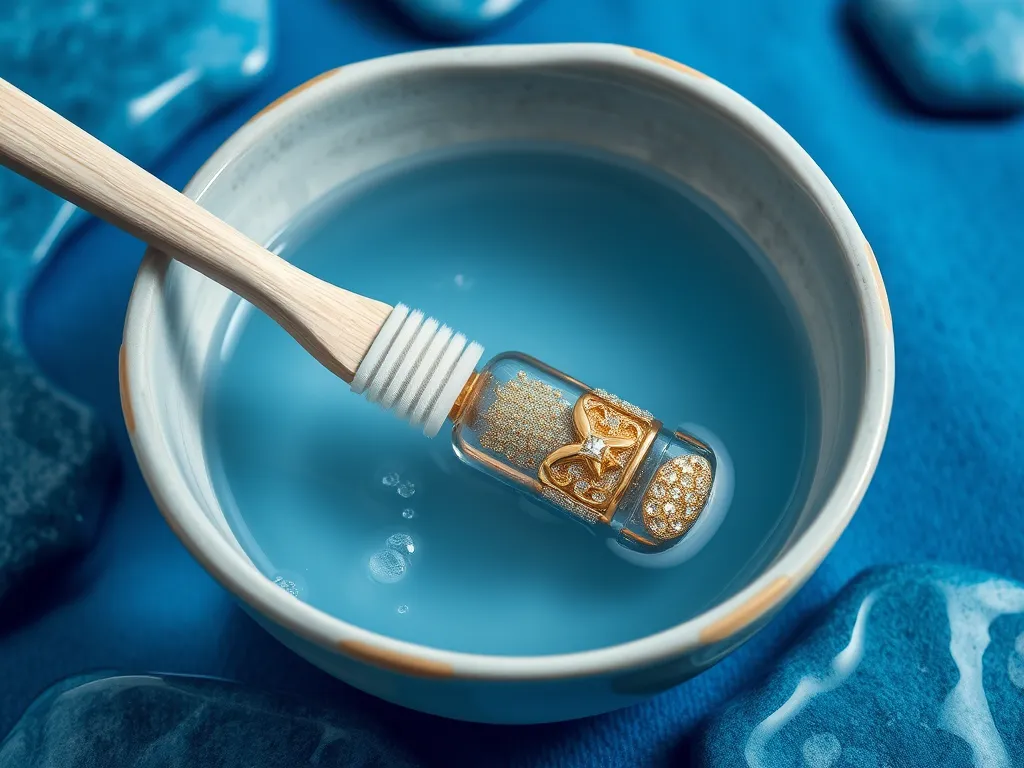
Clean 14K gold monthly using a mix of dish soap and warm water. Soak pieces for 10 minutes, scrub with a soft-bristle toothbrush, and rinse. Store items separately in felt-lined boxes to prevent scratches. Schedule professional cleanings every 6-12 months to check prongs or clasps for weakness.
Knowing how to care for 14K gold is half the battle—next, let’s tackle the most frequent questions pool owners have about jewelry safety.
FAQs About Wearing Gold Jewelry in the Pool
How Does Sunscreen Affect 14K Gold in Pool Environments?
Sunscreen residues interact with 14K gold alloys, trapping chlorine and accelerating tarnishing. Ingredients like titanium dioxide or zinc oxide create abrasive films on jewelry surfaces. Remove pieces before applying skincare products, or rinse them immediately after swimming.
Can Pool-damaged 14K Gold Jewelry Be Fully Restored?
Minor surface corrosion can often be polished away, but deep pitting or weakened prongs may require professional rebuilding. Costs range from $30 for basic polishing to $150+ for structural repairs. Early intervention prevents irreversible damage.
Are Alternative Metals Safer Than 14K Gold for Pool Use?
Titanium, platinum, and surgical stainless steel offer superior corrosion resistance in pools but lack gold’s aesthetic appeal. For gold lovers, 10K’s higher alloy content provides slightly better chlorine resistance but sacrifices purity. When considering materials like copper pipes, it’s important to weigh their benefits and drawbacks. Copper pipes, for example, are known for their durability and resistance to bacterial growth, but they can be more expensive and prone to corrosion.
Does Wearing 14K Gold in Pools Void Jewelry Insurance?
Many policies exclude “gradual damage” from chemical exposure. Check your insurer’s fine print—some require removing jewelry during “high-risk activities” like swimming. Document pre-existing condition with photos to avoid claim disputes.
How Can I Test My Pool’s Chemical Impact on 14K Gold?
Use test strips to measure free chlorine (1-3 ppm ideal) and pH (7.2-7.8 safe range). High alkalinity (pH >8) accelerates alloy corrosion. For saltwater pools, keep salinity below 4,000 ppm to minimize metal erosion. Maintaining the right water balance also helps protect your pool’s coping. Lay pool coping provides a durable and stylish edge that enhances both safety and aesthetics.
Is Oxidized 14K Gold More Vulnerable to Pool Damage?
Deliberately oxidized finishes wear faster in chlorinated water, as the darkened surface represents compromised metal. Pool chemicals may strip intentional patinas, requiring more frequent re-oxidation by jewelers. This highlights the importance of considering the impact of pool chemicals on materials. Proper chemical balance in wave pools can help maintain the integrity of various surfaces.
Can Ultrasonic Cleaners Remove Pool Chemical Residue Safely?
Ulasonic cleaners effectively dislodge chlorine particles from crevices but shouldn’t be used on gemstone settings or weakened alloys. Reserve this method for sturdy pieces and limit to 2-3 minute cycles monthly.
Final Verdict: Should You Wear 14K Gold in the Pool?
14K gold can handle occasional pool exposure, but it’s not ideal for frequent swimming. Chlorine, saltwater, and hot tub chemicals accelerate wear and tarnish. The alloy’s durability helps, but prolonged contact risks damage.
For poolside jewelry, opt for lower-maintenance pieces or remove valuables before swimming. Quick rinses with fresh water and proper storage extend your gold’s lifespan. Higher karat gold (18K+) is softer, while 10K offers more resilience but less purity.
Need help balancing pool chemistry to minimize metal corrosion? My Pool Calculator provides precise water balance tools to protect both your pool and accessories.
Additional Resources for You:
- American National Standards Institute (ANSI). (2020). ANSI/PHTA Standards for Residential Swimming Pools. New York, NY: ANSI.
- How to Care for Your Gold Chain: Showering and Beyond
- r/jewelry on Reddit: Swimming and solid gold 14k jewelry
- Poolside Glam: The Ultimate Guide to Wearing Jewelry in the Pool
- Wearing Gold in a CHLORINE Pool? #jacoje #goldchain #pool #wearingvsstyling #gold #jewelry #diamond #14kt #jacojefinejewelry #chain | TikTok
A pool care geek who’s been testing water chemistry since she was tall enough to reach the skimmer.
Acid Washing, Concrete & Plaster, Pool Material Care