Can You Swim in a Pool With Low Chlorine?
Published on: February 5, 2026 | Last Updated: November 17, 2025
Written By: Rachael Weatherbottom
Swimming in a pool with low chlorine levels is not recommended due to increased health risks. Chlorine acts as a sanitizer, neutralizing harmful bacteria, algae, and contaminants. When levels drop below 1 ppm (parts per million), the water loses its ability to kill pathogens effectively. Immediate risks include skin irritation, eye redness, and gastrointestinal issues from accidental ingestion. Long-term exposure to improperly sanitized water can lead to infections or respiratory problems.
This article explains how low chlorine impacts pool safety and water quality. You’ll learn the ideal chlorine range for swimming, signs of unsafe conditions, and how quickly contamination can occur. We break down how algae blooms form, why cloudy water signals trouble, and steps to test your pool’s chemistry accurately.
You’ll also find actionable solutions—like boosting chlorine with tablets or shock treatments—and alternative sanitizers such as saltwater systems or UV technology. We cover prevention strategies, including routine maintenance and pH balancing, to keep your pool safe. Whether you’re troubleshooting murky water or planning long-term care, this guide provides clear steps to protect swimmers and maintain crystal-clear water.
Is It Safe to Swim in a Pool With Low Chlorine?
Pool chlorine serves as the frontline defense against harmful contaminants. When levels drop below 1 ppm (parts per million), the water’s ability to neutralize germs weakens. While brief exposure might not trigger immediate symptoms, the risks rise with time spent in the water. One key aspect of maintaining pool safety is ensuring proper filtration. Sand filters work efficiently, but they still require chlorine to keep the water clean and safe.
Crucial Winterizing Products
"The all-in-one solution for a guaranteed clear spring opening."
All-in-One Closing Chemical Kit
Winter demand is high - check stock

"The 'set & forget' option. This is the easiest winterizing I've ever done."
Simple 3-in-1 Winterizing Balls
Winter demand is high - check stock
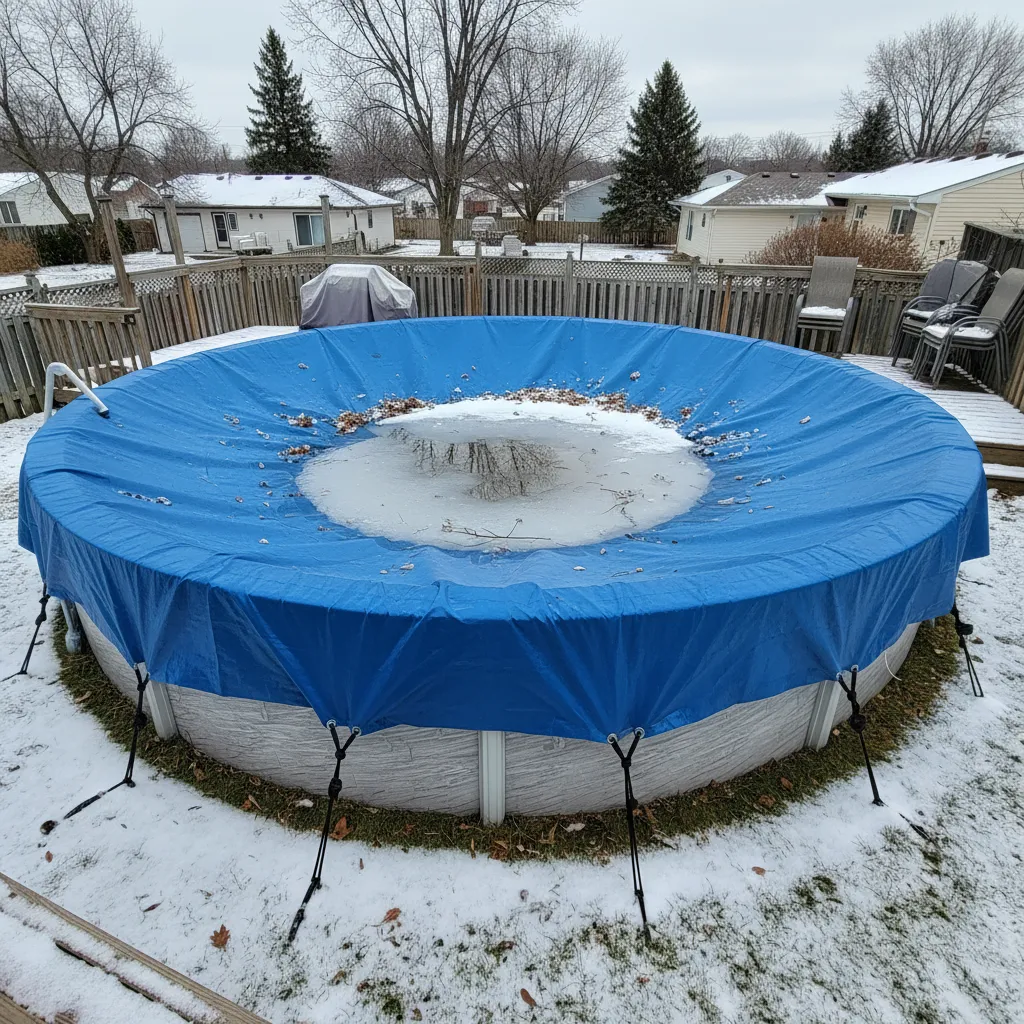
"Invest once to protect your liner and prevent a swamp in the spring."
Heavy-Duty Winter Pool Cover
Winter demand is high - check stock
Immediate Risks Of Swimming in Low Chlorine Water
Chlorine below 1 ppm allows pathogens like E. coli, Pseudomonas, or Legionella to thrive. Swallowing even small amounts of contaminated water could lead to gastrointestinal distress within hours. Skin contact with unbalanced water often causes rashes or itching, while eyes might turn red or feel irritated due to pH shifts or lingering bacteria.
Open cuts or wounds become entry points for infections. For example, Pseudomonas can trigger folliculitis, resulting in itchy, pus-filled bumps. Pools crowded with swimmers deplete chlorine faster, multiplying these risks. Testing with a digital kit before entering the water helps verify sanitizer levels.
Long-term Health and Hygiene Concerns
Persistently low chlorine fosters biofilm—slimy layers of bacteria clinging to pool walls or plumbing. These microbial colonies shield pathogens from residual sanitizer, making outbreaks harder to control. Over weeks or months, swimmers might face recurring ear infections, urinary tract issues, or respiratory troubles linked to mold spores from algae growth.
Neglected pools often require costly fixes like draining, scrubbing, or replacing filters. Cloudy water signals poor sanitization, raising the chance of inhaling airborne irritants. Children, older adults, or those with weakened immune systems face heightened vulnerability to chronic conditions stemming from repeated exposure.
Testing your pool’s chemistry regularly ensures chlorine stays within the safe zone. Next, let’s break down the exact levels needed for worry-free swimming.
Recommended Chlorine Levels for Safe Swimming
Maintaining proper chlorine levels keeps pool water clean while protecting swimmers from harmful contaminants. Let’s break down the numbers every pool owner should know.
Ideal Chlorine Range: 1–3 Ppm
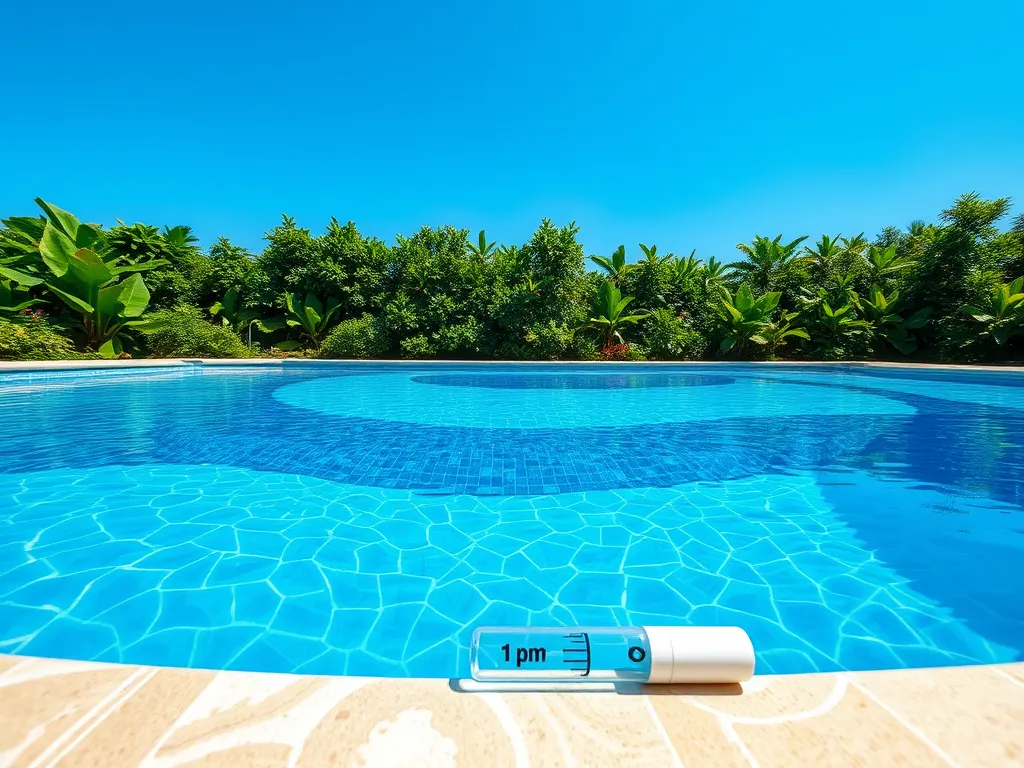
The CDC recommends keeping free chlorine between 1–3 parts per million (ppm) for residential pools. This range effectively neutralizes pathogens like E. coli, norovirus, and Cryptosporidium. Free chlorine refers to the active sanitizing form available to combat contaminants. Levels below 1 ppm struggle to keep up with organic matter introduced by swimmers, debris, or rainwater. To maintain proper chlorine levels, it’s essential to have a good pool filtration system. Adding a pool filter can help remove debris and keep the water clean and clear.
When Chlorine Levels Become Unsafe (Below 1 Ppm)
Once chlorine drops below 1 ppm, the water’s ability to kill germs diminishes rapidly. Studies show bacteria like Pseudomonas aeruginosa (linked to skin rashes) can double every 20–30 minutes in under-sanitized water. At 0.5 ppm, chlorine takes over 10 minutes to neutralize common pathogens—far slower than the 30–60 seconds needed at 1–3 ppm. Swimmers risk exposure to waterborne illnesses, including staph infections or gastroenteritis, in these conditions.
How Low Chlorine Affects Pool Water Quality
Insufficient chlorine doesn’t just raise health risks—it visibly degrades water clarity and balance. Here’s what happens when sanitizer levels dip too low.
Algae and Bacterial Growth in Low Chlorine Conditions
Chlorine acts as a barrier against microorganisms. Below 1 ppm, algae spores multiply, turning walls slimy or tinting water green. Harmful bacteria like Legionella pneumophila, which thrives in warm water, may also proliferate. These contaminants cling to pool surfaces or float freely, increasing the likelihood of rashes, ear infections, or respiratory issues.
Cloudy Water and Reduced Sanitization Efficiency
Low chlorine allows organic particles (sweat, oils, sunscreen) to accumulate, causing turbidity. Cloudy water isn’t just unappealing—it shields pathogens from remaining chlorine. Combined with unbalanced pH (below 7.2 or above 7.8), chlorine’s sanitizing power drops by over 50%, creating a cycle of worsening water quality. Test strips or liquid kits help monitor these changes weekly.
Recognizing these signs early helps prevent bigger issues. Next, we’ll explore how long swimmers can stay in under-chlorinated water before risks escalate.
Also See: Does Baking Soda Help Your Pool? Effects on Ph & Alkalinity
How Long Can You Swim in a Pool With Low Chlorine?
Time spent in a pool with low chlorine depends on water state and swimmer health. While brief dips may seem harmless, risks rise as minutes pass. Always check levels before entering. Pools with low chlorine can also encourage the growth of bacteria. Being aware of saltwater pool bacteria helps keep swimmers safe and healthy.
Factors Influencing Safe Exposure Time
Chlorine levels below 1 ppm speed up germ growth. Warm water (above 85°F) and lots of swimmers boost this risk. Kids or those with weak immune systems face higher threats. A pool used by 10 people for 30 mins needs more care than one used by two. Sunlight can burn off chlorine faster, cutting safe swim time. To maintain a clean and safe swimming environment, it’s also important to check the salt levels in your pool. Regularly testing the salt level helps ensure the right chemical balance and enhances chlorine production.
Visible Signs to Exit the Pool Immediately
Leave if water looks cloudy or green. Feel for slime on walls or floors. Red eyes, strong smells, or skin itch mean chemicals are off. These signs hint at algae or germs taking over. Don’t wait—get out, shower, and test the water.
Testing and Maintaining Proper Chlorine Levels
Test kits keep your pool safe. Aim for 1–3 ppm chlorine. Check every 2–3 days, or daily in hot weather or after storms.
Using Pool Testing Kits for Accurate Results
Dip test strips or add drops from liquid kits. Match colors to the guide. Strips show chlorine in 15 seconds. Liquid kits cost more but give precise ppm reads. Digital testers ($50–$150) track pH and chlorine with no guesswork. Maintaining proper chemical levels is important for the overall health of your pool. Neglecting this can lead to problems like rust in stock tank pools.
Balancing Ph to Optimize Chlorine Effectiveness
Chlorine works best when pH is 7.2–7.8. High pH (above 7.8) cuts chlorine power by 50%. Use muriatic acid to lower pH or soda ash to raise it. Test after adding—it takes 4–6 hours to settle.
How to Raise Low Chlorine Levels Quickly
Act fast if levels drop below 1 ppm. Choose between slow fixes (tablets) or quick boosts (shock).
Adding Chlorine Tablets or Shock Treatments
Use 1–2 tablets in a floater for steady chlorine (3–7 days to rise). For fast results, add shock (calcium hypochlorite) at 1 pound per 10,000 gallons. Wait 8–24 hours to swim. Shock costs $10–$20 per bag and kills germs in 30 mins.
Addressing Underlying Water Chemistry Issues
Check cyanuric acid (30–50 ppm) to shield chlorine from sun. Low alkalinity (60–120 ppm) causes pH swings. High phosphates (above 100 ppb) feed algae—use removers. Fix these to keep chlorine stable. A well-maintained pool can enhance the overall experience at a resort. At the pool at Harrah’s New Orleans, the pool is a perfect spot to relax and enjoy the vibrant atmosphere.
While boosting chlorine works, other ways exist to keep pools safe. Let’s look at options beyond basic chemical care.
Alternative Sanitization Methods for Pools
When chlorine drops too low, other systems can help keep water safe. These options work with or without traditional chlorine, giving flexibility for pool owners.
Saltwater Chlorination Systems
Saltwater pools make chlorine from salt through a process called electrolysis. A salt cell converts salt (2,500–4,000 ppm) into chlorine gas, which dissolves into the water. This keeps levels steady at 1–3 ppm, like standard pools. Salt systems cut the need for daily tabs and feel gentler on skin. Startup costs run $1,500–$2,500 for gear but save cash long-term. These benefits can also be enjoyed in above ground pools. Creating a saltwater system for an above ground pool is a smart way to enhance your swimming experience.
UV or Ozone-based Sanitation Options
UV lights zap germs as water passes through a chamber, killing 99.9% of pathogens in seconds. Ozone units inject O3 gas to break down waste. Both methods let you use 50% less chlorine while keeping water clean. UV units start near $400; ozone systems hit $2,000+. Pair them with a small chlorine dose (0.5–1 ppm) for backup safety. When considering water quality, it’s also important to look at the calcium saturation index test. This test helps determine if water has the right balance of minerals to prevent scaling and corrosion.
Preventing Low Chlorine Levels in Your Pool
Stopping chlorine dips starts with smart habits and shield tactics. Focus on two fronts: daily care and blocking chlorine killers.
Routine Maintenance Best Practices
Test water 2–3 times weekly with strips or a Taylor K-2006 kit. Keep pH 7.4–7.6 so chlorine works best. Add tabs via a floater or feeder to hold 1–3 ppm. Shock weekly with 1 lb per 10k gallons after heavy rain or swimmer loads. Brush walls daily to stop biofilm that eats up chlorine. After adjusting the pH with soda ash, it’s important to wait before swimming. This allows the chemicals to fully mix and stabilize in the pool water.
Protecting Against Sunlight and Heavy Use
Sun UV rays burn off 90% of free chlorine in 2 hours. Use cyanuric acid (30–50 ppm) as a sunscreen for chlorine. Cover pools when not in use. After parties, boost chlorine by 0.5 ppm per 10 guests. Rinse off sweat and oils pre-swim – each body adds 0.5 oz of waste that strains sanitizer levels. Keeping these tips in mind can help maintain a clean and safe swimming environment. One popular place to enjoy swimming is at the South Point Pool, where guests can relax and have fun while staying safe.
While these steps help, sometimes water issues need deeper fixes. Let’s tackle common questions pool owners face when chlorine runs low.
Frequently Asked Questions
Does Rainwater Dilute Chlorine Levels in a Pool?
Heavy rainfall dilutes chlorine concentration and introduces contaminants like dirt or pollen, forcing chlorine to work harder. After storms, test levels immediately—chlorine often drops 0.5–1 ppm. Shock the pool if levels fall below 1 ppm to prevent algae blooms.
Is It Safe to Add Chlorine While Swimmers Are in the Pool?
Never add liquid chlorine, tablets, or shock treatments while people are swimming. These chemicals can cause skin burns or respiratory irritation. Wait at least 4 hours after adding liquid chlorine and 24 hours post-shocking before allowing swimmers back in. Keeping your pool safe is important, especially in unique settings. Rooftop pools offer a refreshing escape with beautiful views but require careful maintenance to ensure a safe swimming experience.
Can High Outdoor Temperatures Deplete Chlorine Faster?
Yes. For every 10°F increase in water temperature, chlorine degradation rates double. Warm water also accelerates algae growth, further consuming sanitizer. In hot climates, test daily and use stabilizers (cyanuric acid) to slow chlorine loss.
Does Low Chlorine Cause Permanent Pool Stains?
Indirectly. Low chlorine allows metals like copper or iron to oxidize, leaving green or brown stains on surfaces. Algae growth in neglected pools can also stain plaster or liners. Regular sanitization and metal sequestrants prevent these issues. Maintaining a clean pollen pool is also important for overall pool health. This ensures that swimmers enjoy clear and enjoyable water, free from allergens and impurities.
Can You Use Baking Soda to Fix a Low-chlorine Pool?
No. Baking soda raises alkalinity but doesn’t boost chlorine. For a chlorine-free sanitizing boost, use alternatives like UV systems or ozone generators. Always address low chlorine directly with tablets, liquid, or shock treatments.
Closing Thoughts
Swimming in a pool with low chlorine poses risks—from skin irritation to bacterial infections. Maintaining 1–3 ppm chlorine ensures safety, while levels below 1 ppm demand immediate action. Regular testing, pH balancing, and shock treatments keep water pristine.
Alternative systems like saltwater or UV sanitation offer options, but traditional chlorine remains the most reliable. Consistent maintenance prevents issues before they arise.
For precise calculations and expert guidance, explore tools at My Pool Calculator. Keep your pool safe, clear, and ready for every swim.
Additional Resources for You:
- Pentair Residential Pool Resources (Maintenance Guides)
- What happens if you swim in a pool with too much chlorine? – Quora
- What Pool Chlorine Level is Too High? FAQs Answered :
A pool care geek who’s been testing water chemistry since she was tall enough to reach the skimmer.
Chlorine, Pool Chemistry, Sanitizers