Do You Remove Skimmer Basket When Vacuuming Pool?
Published on: February 25, 2026 | Last Updated: November 17, 2025
Written By: Rachael Weatherbottom
Yes, you typically remove the skimmer basket when vacuuming a pool to prevent clogs and maintain strong suction. The basket catches leaves, bugs, and larger debris during normal filtration, but leaving it in while vacuuming can block the hose or strain your pump. Exceptions exist for pools with heavy debris where the basket acts as a secondary filter. Your choice depends on debris size, pump protection, and suction efficiency.
This article explains when to remove the skimmer basket and when to keep it in. You’ll learn two vacuuming methods: one using the basket for light debris and another bypassing it for heavy sludge. We cover valve adjustments to direct suction, connecting hoses correctly to the skimmer port, and balancing flow between the skimmer and main drain. Troubleshooting tips address low suction or pump airlocks caused by improper setup.
You’ll also find maintenance steps to keep your skimmer basket functional. Discover how often to clean it (spoiler: daily during peak season), signs of wear like cracks or warping, and why closing the main drain might boost vacuum power. Real-world scenarios clarify whether to prioritize skimmer suction or main drain flow based on your pool’s design.
Understanding the Role Of the Skimmer Basket in Pool Vacuuming
When you vacuum your pool, the skimmer basket works hard to keep things clean. This plastic mesh box sits in the skimmer hole near the pool’s top. It grabs leaves, bugs, and other junk before they reach your pump or filter. Maintaining a clean pool is important, and robotic pool cleaners can help with this task. These automated devices make it easy to keep your pool spotless without much effort.
Crucial Winterizing Products

"The all-in-one solution for a guaranteed clear spring opening."
All-in-One Closing Chemical Kit
Winter demand is high - check stock

"The 'set & forget' option. This is the easiest winterizing I've ever done."
Simple 3-in-1 Winterizing Balls
Winter demand is high - check stock
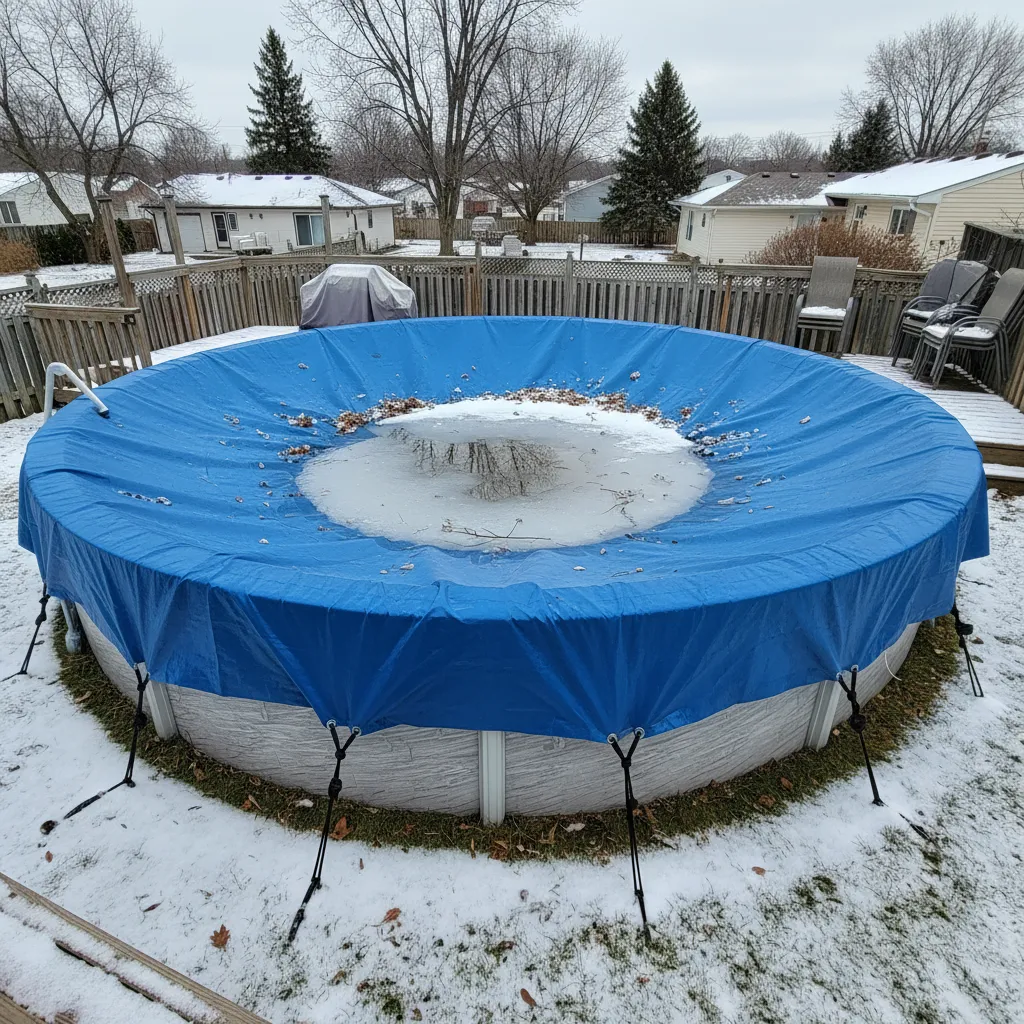
"Invest once to protect your liner and prevent a swamp in the spring."
Heavy-Duty Winter Pool Cover
Winter demand is high - check stock
How the Skimmer Basket Functions During Filtration
Water flows into the skimmer hole as the pump runs. The basket traps large debris, like twigs or hair, while letting water pass through. This stops clogs in the pump or pipes. If you skip the basket, even small bits can jam the system, costing you time and cash for fixes.
Importance Of the Skimmer Basket in Debris Collection
Leaving the basket in place during vacuuming adds a layer of safety. It catches bigger junk your vacuum might stir up, like pebbles or acorns. Without it, these items can block the pump impeller or damage the filter grids. A full basket also acts as a visual cue—when it’s half full, you know it’s time to empty it.
Now let’s break down when removing the basket helps—and when it could hurt your pool gear.
Should You Remove the Skimmer Basket When Vacuuming?
Pool owners often clash on whether to pull out skimmer baskets prior to vacuuming. This choice impacts suction strength, filtration quality, and pump functionality. Let’s sort through facts to clarify this common pool care puzzle. If you’re considering a thorough cleaning, renting a pool vacuum can be a great option. It allows you to tackle dirt and debris with ease, ensuring your pool remains sparkling clean.
Pros and Cons Of Removing the Skimmer Basket
Taking out your skimmer basket mid-vacuum can boost suction power by 30-50%, particularly useful for thick sludge or leaves. Without the basket blocking flow, hoses draw in big chunks without clogging. But this approach sends all junk straight to the pump basket, which may fill up fast and risk pump strain if not watched. Keeping the pool clean is essential for safe swimming. Ensuring the water is pure can even make it suitable for drinking in emergencies.
- Pros: Stronger suction, no mid-vacuum pauses to dump basket contents, works for stubborn dirt
- Cons: Pump basket clogs quicker, tiny particles (like sand) might slip into filter systems, requires constant monitoring
Scenarios When Removing the Basket is Necessary
Pull that skimmer basket if facing:
- Post-storm cleanups with branches or acorns
- Algae blooms needing intense scrubbing
- Cracked or ill-fitting baskets that block water paths
For vinyl pools, leaving the basket in might help avoid accidental tears from sharp objects caught in suction lines.
Risks Of Vacuuming With the Skimmer Basket in Place
A full skimmer basket during vacuuming acts like a traffic jam for water flow. This forces pumps to work harder, potentially tripping breakers or burning out motors. Baskets packed with wet leaves can also backflow debris into the pool, undoing your work. Always check basket capacity—if it’s more than half full mid-task, stop and dump it. Keeping your pool equipment in good shape ensures a safe environment for all users. Pool depth is also crucial for safety, especially when diving is involved.

Step-by-step Guide to Vacuuming Your Pool
Two main tactics exist for handling skimmer baskets during vacuum jobs. Your pool’s condition dictates which works best.
Method 1: Vacuuming Without Removing the Skimmer Basket
Ideal for routine maintenance with minimal debris:
- Switch pump to “waste” or “filter” mode
- Clear skimmer basket of existing junk
- Fit vacuum hose into skimmer inlet, locking it onto the plate
- Start vacuuming, pausing hourly to empty the basket
Method 2: Vacuuming With the Skimmer Basket Removed
Opt for this when tackling heavy messes:
- Shut off pump, lift out skimmer basket
- Attach vacuum hose directly to skimmer’s suction port
- Put pump basket in place—it’ll catch all incoming debris
Adjusting Valve Settings for Optimal Suction
Twist the pool’s diverter valve to focus 100% suction on the skimmer line. For systems with main drains, a 70/30 split (skimmer/drain) stops pump cavitation while prioritizing debris pickup. Taking care of your pool’s maintenance includes ensuring proper lighting, which is essential for safety and ambiance. If you need to enhance your pool’s lighting or replace the existing fixtures, consider replacing your Hayward pool light for better brightness and energy efficiency.
Connecting the Vacuum Hose to the Skimmer Port
Submerge the hose fully to push out air bubbles before locking it onto the skimmer’s threaded fitting. A tight seal stops suction loss—if the hose pops off mid-job, air in the system can stall the pump.
Proper skimmer basket handling during vacuuming impacts how your pool’s main drain operates. Upcoming tips will clarify balancing suction points for a spotless finish.
Also See: Frogs in Pool, is It Safe to Swim in a Pool With Frogs?
Managing the Main Drain and Skimmer During Vacuuming
Balancing water flow between the skimmer and main drain ensures efficient debris removal during pool vacuuming. The right setup prevents air leaks, maintains pump prime, and protects equipment from strain. Proper water drainage is also important when it’s time to empty your inflatable pool. By knowing how to drain your inflatable pool correctly, you can keep it in good shape for future use.
Should the Main Drain Be Open When Vacuuming?
Closing the main drain while vacuuming directs full suction to the skimmer, boosting debris pickup. This is critical when using methods like vacuuming with the skimmer basket off, as unrestricted flow prevents clogs. Exceptions include vacuuming fine sediment – partial drain suction (10-20%) can stabilize water levels without compromising skimmer performance. These practices can be particularly important when considering the right size for your swimming pool. Standard pool sizes can influence how efficiently you can vacuum and maintain your pool’s cleanliness.
Balancing Suction Between Skimmer and Main Drain
Adjust pool valves to prioritize skimmer suction. For single-valve systems, close the main drain completely. Multi-valve setups benefit from a 75% skimmer/25% drain ratio. Variable-speed pumps set to 2,400-3,000 RPM optimize flow without overwhelming the system. Monitor the pump pressure gauge – a 5-10 PSI rise signals proper suction. Once the pool is running efficiently, you may want to enhance the ambiance with lighting. Installing pool lights can make nighttime swimming enjoyable and safe.

Skimmer Basket Maintenance Tips
A well-maintained skimmer basket reduces the need to remove skimmer basket when vacuuming pool. Regular care prevents clogs, extends equipment life, and maintains water clarity. Keeping the pool clean is vital for a healthy swimming environment. This connects to the importance of technologies like pool urine detectors.
How Often Should You Clean the Skimmer Basket?
Inspect baskets daily during peak season or after storms. Empty when debris fills 50% capacity – typically every 2-3 days. For pools under trees or during pollen season, check twice daily. Always clean before vacuuming to prevent debris blowback into the pump. Keeping your pool clean is essential for accurate testing. Regular checks on pool test strips can help you know their lifespan and ensure they provide reliable results.
Signs Of a Clogged or Damaged Skimmer Basket
Watch for these red flags:
- Pump strainer basket collects debris meant for skimmer
- Visible cracks wider than 1/8 inch
- Water level drops despite normal evaporation (0.25-0.5 inches/day)
- Unusual pump sounds: cavitation (popping) or whining
Replace plastic baskets every 3-5 years; stainless steel versions last 7-10 years. A damaged basket requires immediate removal during vacuuming to prevent plastic shards from entering filtration systems.
Proper skimmer care directly impacts vacuum efficiency. Next, we’ll address common troubleshooting scenarios in our FAQ section.
Frequently Asked Questions
Can a Clogged Skimmer Basket Affect Vacuuming Performance?
Yes, even partially blocked baskets reduce suction efficiency by up to 40%. Debris buildup forces the pump to work harder, slowing debris pickup and potentially causing water to bypass the basket entirely. Always empty the basket before vacuuming and check it mid-session for leaves compacted against the mesh.
Is It Safe to Vacuum a Pool Without a Skimmer Basket Installed?
While possible for short periods, running the pump without a skimmer basket risks sending debris into sensitive equipment. Use a hair-and-lint pot or pump basket as a backup filter. Never exceed 20 minutes of basketless operation, and avoid this method entirely if your pump lacks a secondary strainer basket. Keeping the pool equipment clean is essential for maintaining water clarity. A clean pool screen ensures that dirt and leaves do not hinder the filtration process.
Do Automatic Pool Cleaners Require Skimmer Basket Removal?
It depends on the cleaner type:
- Suction-side cleaners: Keep the basket in—it protects the pump from large debris stirred up by the cleaner
- Robotic cleaners: Baskets stay in place since these units operate independently from the filtration system
- Pressure-side cleaners: Remove the basket if connected to the skimmer port
How Can I Increase Suction Without Removing the Skimmer Basket?
Boost power by:
- Closing main drain valves completely
- Using a skimmer plate to seal the hose connection
- Cleaning filter media before vacuuming
- Temporarily increasing pump speed to 3,000+ RPM (for variable-speed models)
What Alternatives Exist for Frequent Skimmer Basket Removal?
Install a vacuum plate with built-in debris collection or add an inline leaf canister. These $30-$50 accessories trap leaves before they reach the skimmer, reducing basket-removal needs by 80%. For heavy debris pools, consider a dedicated vacuum port installed away from the skimmer. Keeping your pool clean also involves maintaining proper water chemistry. One important aspect is to increase the pool’s calcium hardness to protect the surfaces and equipment from corrosion.

Closing Thoughts
Vacuuming your pool efficiently depends on whether you keep or remove the skimmer basket. Both methods work, but each has specific scenarios where it performs best. Leaving the basket in place helps catch larger debris, while removing it boosts suction for finer particles.
Proper valve adjustments and hose connections matter just as much as the skimmer basket decision. Balancing suction between the skimmer and main drain ensures thorough cleaning without straining your pool’s filtration system.
Regular skimmer basket maintenance—cleaning every few days and inspecting for cracks—keeps your pool running smoothly. For more detailed guides on pool care, check out My Pool Calculator to simplify your maintenance routine.
Useful References for You:
- Lowry, R. (2018). Pool Chemistry for Service Pros: The Ultimate Guide to Water Balance. Laguna Hills, CA: Pool Chemistry Training Institute.
- Vacuuming a Swimming Pool for Beginners – EZ Pool & Spa Supply
- Pool Vacuum Troubleshooting: Air Bubbles When Using Skimmer Q&A
A pool care geek who’s been testing water chemistry since she was tall enough to reach the skimmer.
Pool Cleaning & Maintenance, Routine Care, Skimming & Debris Removal