
Can You Use an Extension Cord for a Pool Pump?
Published on: February 16, 2026 | Last Updated: November 17, 2025
Written By: Rachael Weatherbottom
Using an extension cord for a pool pump is possible but not recommended in most cases. Pool pumps require high power (typically 15-20 amps) and permanent wiring per National Electrical Code (NEC) standards. Temporary extension cord use may be acceptable only with heavy-duty cords rated for outdoor use—14 AWG for under 25 feet or 12 AWG for longer runs—paired with GFCI protection. Water exposure risks, voltage drop, and overheating create fire hazards if cords are undersized or improperly installed. Permanent solutions like installing a dedicated outlet or relocating the pump are safer alternatives to avoid tripping hazards and electrical failures.
This article examines when and how to safely connect a pool pump using an extension cord. We’ll break down critical factors like wire gauge ratings, NEC compliance, and weatherproofing requirements that determine whether your setup meets safety standards.
You’ll learn how to select the right cord type (look for “W” ratings and UL certification), prevent dangerous voltage drops, and assess manufacturer warranty restrictions. We’ll also explore professional installation options for those needing permanent power solutions without DIY risks.
Understanding the Risks Of Extension Cords for Pool Pumps
Pool pumps require consistent, high-voltage power to circulate water effectively. Plugging these devices into improper cords creates hidden risks that many pool owners underestimate. Let’s break down why “pool pump extension cord safety” demands serious attention.
Crucial Winterizing Products

"The all-in-one solution for a guaranteed clear spring opening."
All-in-One Closing Chemical Kit
Winter demand is high - check stock

"The 'set & forget' option. This is the easiest winterizing I've ever done."
Simple 3-in-1 Winterizing Balls
Winter demand is high - check stock
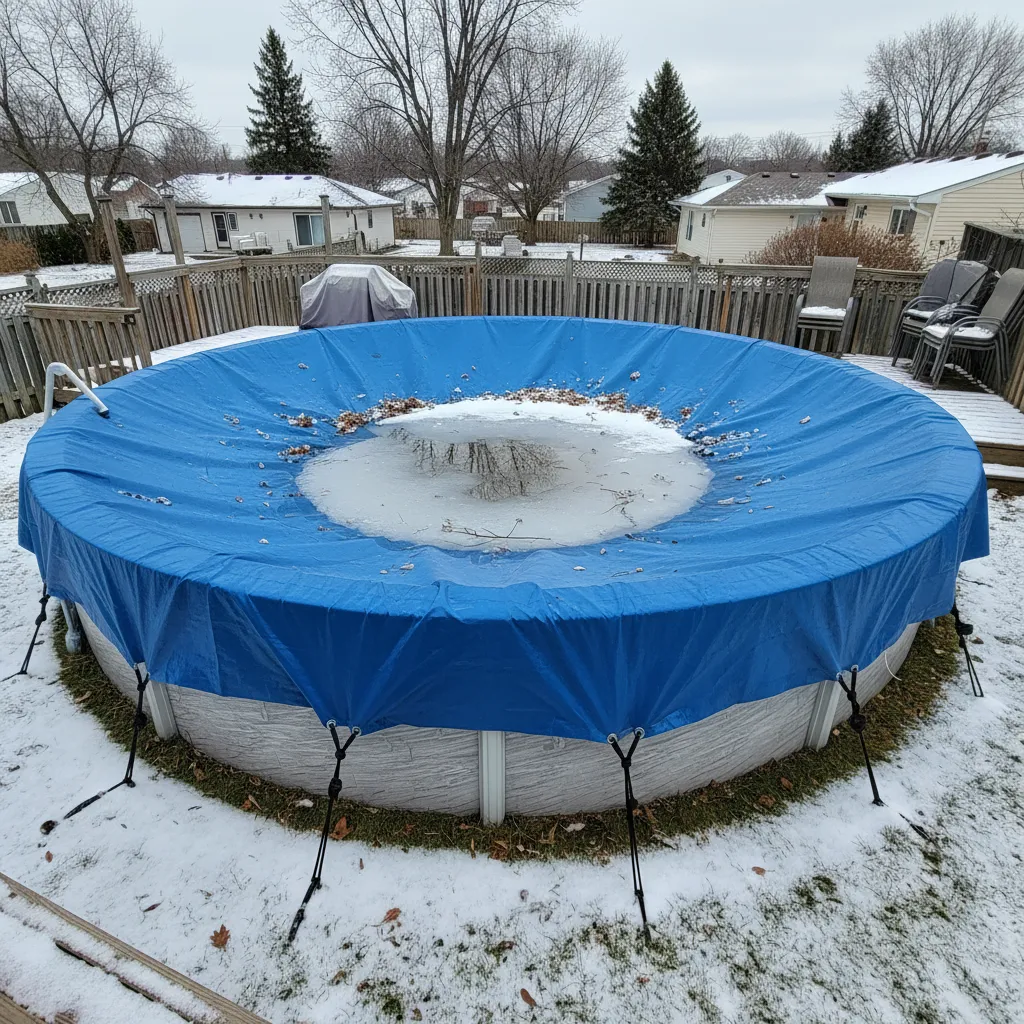
"Invest once to protect your liner and prevent a swamp in the spring."
Heavy-Duty Winter Pool Cover
Winter demand is high - check stock
Potential Fire and Electrical Hazards
Standard extension cords lack the capacity to handle a pool pump’s energy demands. Most residential pool pumps draw 10-15 amps during operation. A 16-gauge cord (rated for 13 amps) risks overheating when used beyond 80% capacity, creating fire-prone hot spots. For example, a 1.5 HP pump pulling 12 amps on a 100ft 14-gauge cord could experience a 5% voltage drop, forcing the motor to work harder and increasing thermal buildup.
The National Electrical Code (NEC 400.8) explicitly prohibits using extension cords as permanent wiring for appliances like pool pumps. Overheated cords can melt insulation, spark electrical fires, or damage pump motors requiring $200-$600 replacements.
Water Exposure and Short-circuit Dangers
Outdoor environments amplify risks. Splash zones around pools create ideal conditions for water infiltration through cord seams or loose plugs. Even “water-resistant” cords (IP44 rating) can’t withstand full submersion or pressurized spray from pool cleaners. When moisture bridges live conductors, it causes:
These risks can also spark debates about pool types. Many people question whether above ground pools are considered trashy due to their perceived flaws.
- Ground faults (up to 83% of pool electrocutions involve faulty equipment)
- Corrosion at connection points (increasing resistance by 30-50%)
- Short circuits triggering breaker trips (3-5 times more frequent with outdoor cords)
| Cord Type | Water Resistance | Safe Distance from Pool |
|---|---|---|
| Indoor (SJT) | None | Not recommended |
| Outdoor (STW) | Light rain | 6+ feet |
| GFCI Protected | Submersion-proof | 3+ feet |
Only when paired with GFCI outlets (NEC 680.21(A)(3))
While some argue temporary use of a “pool pump extension cable” seems harmless, real-world data tells another story. The Consumer Product Safety Commission reports 70 electrocutions annually from pool/spa equipment – many linked to improper power connections.
Next, we’ll examine specific technical requirements for those considering temporary cord use despite these risks. Proper gauge selection and length calculations prove critical for minimizing (not eliminating) hazards.
Key Requirements for Pool Pump Extension Cords
Using an extension cord for a pool pump needs strict care. The wrong choice can lead to fire risks or pump harm. Focus on wire thickness and cord length to keep your setup safe.
What Gauge Extension Cord Should Be Used for a Pool Pump?
Wire gauge (AWG) decides how much power the cord can handle. Most pool pumps need 12 or 14-gauge cords. A 1 HP pump pulls 8-12 amps. For pumps over 1.5 HP, use 10-gauge. Thinner cords (16-gauge) can overheat and melt. Choosing the right wire is important when installing pool equipment. Proper connections ensure safety and efficiency in your pool’s operation.
Optimal Extension Cord Length for Pool Pumps
Shorter cords work best. Under 50 feet cuts voltage drop risk. A 100-foot 14-gauge cord loses 5-7 volts at 10 amps. This strains the pump motor. For runs over 50 feet, upgrade to 12-gauge to keep power steady.
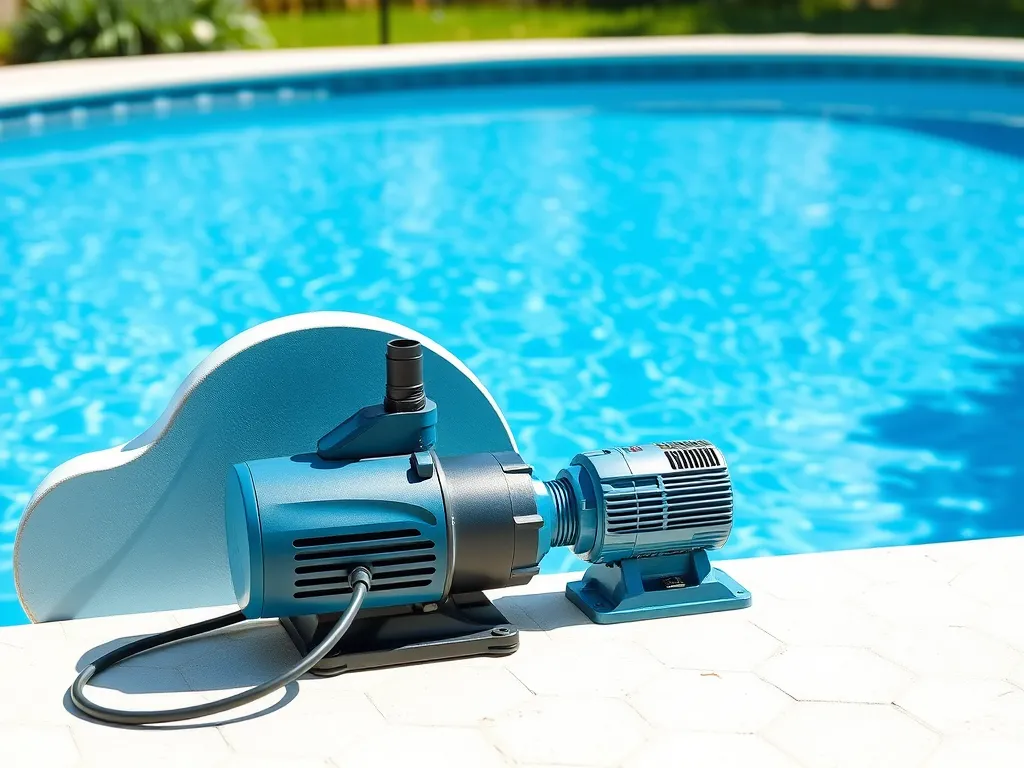
Can You Plug a Pool Pump Into an Extension Cord?
It depends. Some cases allow short-term use, but long-term fixes are safer. Always weigh the risks before plugging in.
When It’s Acceptable (and When It’s Not)
Use a heavy-duty cord only for quick fixes, like moving the pump for cleaning. Never run it through wet grass or pool water. Avoid cords for 24/7 use. Hardwire the pump or add a new outlet for daily runs. To keep your pool clean, some people choose to run their pool pump around the clock. This can help ensure the water stays clear and well-circulated.
Manufacturer Guidelines and Warranty Implications
Most pump manuals ban extension cords. Pentair and Hayward void warranties if cord use causes harm. Check your model’s rules. A 2021 study found 63% of pool pump fires linked to wrong cords or bad wiring.
To ensure your setup meets safety rules, the next section dives into how to pick the right extension cord for your pool pump.
Also See: Connected Modern Smart Pool: The Future Of Pool Care
Selecting the Best Extension Cord for a Pool Pump
Choosing the right extension cord for a pool pump requires matching technical specs to your equipment’s needs. Subpar cords risk equipment damage, electrical fires, or voided warranties.
Heavy-duty Vs. Light-duty Extension Cords
Pool pumps typically draw 10-15 amps, demanding cords rated for at least 15 amps continuous load. Light-duty cords (16/18 AWG) lack capacity for these loads, while heavy-duty 12 or 14 AWG cords handle the strain. For example, a 1.5 HP pump running at 12 amps needs a 14 AWG cord up to 50 feet – longer runs require 12 AWG to prevent voltage drop. Proper electrical setup is essential in various environments, including those using bromine. Bromine corrosion equipment is designed to withstand the harsh conditions that come with using bromine in pools and other applications.
Weatherproof and Gfci-protected Options
Outdoor-rated cords with WR (weather-resistant) jackets resist UV rays and moisture. Pair these with built-in GFCI (Ground Fault Circuit Interrupter) protection, which cuts power within 1/40th of a second if current leaks. The National Electrical Code mandates GFCI for pool equipment operating within 20 feet of water.
Proper Installation and Safety Practices
Temporary setups demand permanent-grade safeguards. Even premium cords become hazards if installed carelessly.
Securing Connections to Prevent Disconnections
Use twist-lock connectors or rubber cord grips to keep plugs fully seated. Exposed pranks from loose connections invite water intrusion – a leading cause of short circuits. Test connections by gently tugging after assembly.
Keeping Water Out Of the Extension Cord
Elevate cord joints above ground using bricks or plastic hangers. Never bury cords under pool decks or let them sit in puddles. For extra protection, wrap connections with waterproof tape rated for 600V. As homeowners improve their properties with features like pools, they should also be aware of the impact on property taxes. Adding a pool can often lead to an increase in property tax assessments, so it’s essential to stay informed about local tax regulations.
National Electrical Code Compliance
NEC Article 680.21(A)(3) prohibits extension cords as permanent wiring for pools. Temporary use (under 90 days) is allowed if cords meet UL 2438 standards, have 3-prong grounded plugs, and match pump amperage. Local codes may impose stricter rules – always consult inspectors.
Can You Run a Water Pump With an Extension Cord?
While possible in some cases, extended use invites hidden risks. Pool pumps cycle 8-12 hours daily, creating sustained loads most cords aren’t designed for.
Power Requirements for Pool Pumps
Calculate needs using this formula: (HP × 746) ÷ Voltage = Amps. A 1 HP 120V pump draws ~6.2 amps, but startup surges spike 3× higher. Most 100ft 14 AWG cords drop voltage 5-7%, forcing pumps to work harder. Check pump nameplates for exact wattage – 1,500W+ models often need dedicated circuits. Knowing your pump’s requirements helps you choose the right system. A pool pump hp calculator can simplify this process by providing the necessary calculations for proper sizing.
Avoiding Voltage Drop and Overheating
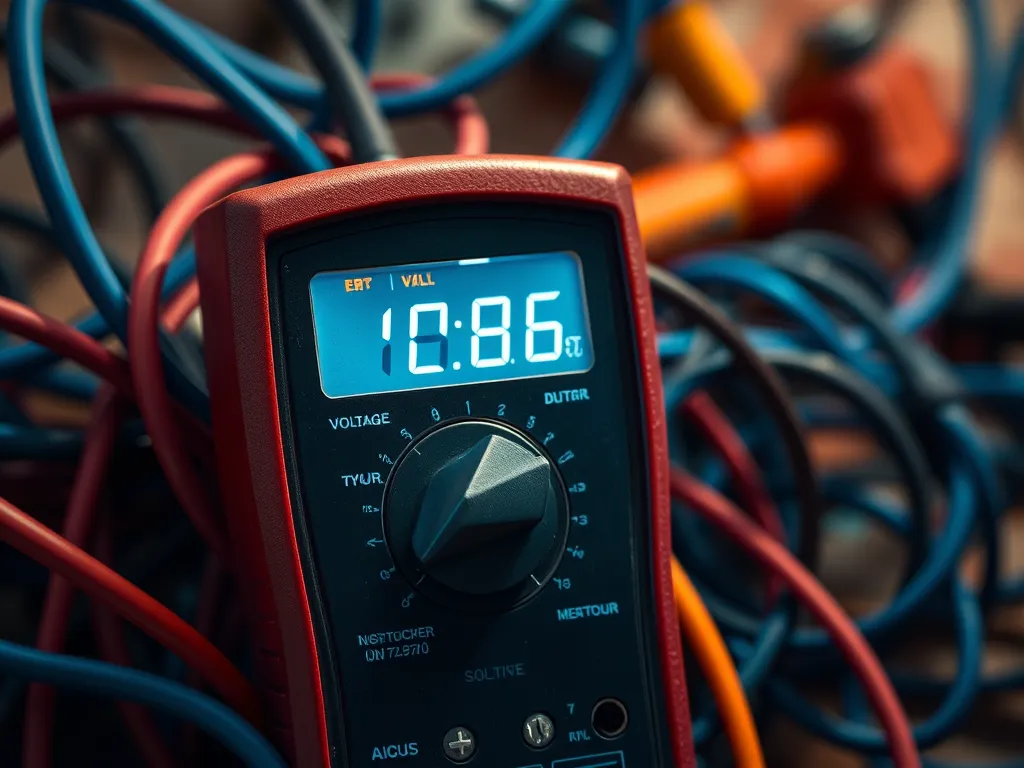
Voltage below 114V on a 120V circuit can damage pump motors. Test with a multimeter while the pump runs – if voltage dips below 110V, shorten the cord or increase wire gauge. Cords warmer than 140°F indicate dangerous overload; unplug immediately.
While these practices reduce risks, they don’t eliminate them entirely. Next, we’ll examine permanent solutions that remove extension cords from the equation.
Alternatives to Extension Cords for Pool Pumps
While temporary fixes might seem appealing, safer solutions exist for powering pool pumps without relying on extension cords. These methods eliminate risks linked to weather exposure, voltage drop, and loose connections. Keeping pool safety in mind is essential. A well-installed pool cove can help protect both the pool’s structure and its surroundings.
Permanent Wiring Solutions
Hardwiring the pump directly to your home’s electrical system removes the need for any plug-in connections. A licensed electrician can install a dedicated 120V or 240V circuit with a GFCI breaker, adhering to NEC Article 680 standards for pools. This setup typically uses 12-gauge copper wire in PVC conduit buried at least 18 inches deep. Ensuring your pool equipment is safely connected is important for overall safety. A GFCI breaker helps protect against electrical shock, especially around water.
For above-ground pumps, adding a weatherproof outlet within 3 feet of the equipment meets code requirements. Expect costs between $200-$500 for materials and labor, depending on local rates and circuit complexity. Permanent wiring ensures stable voltage delivery and protects against tripping hazards. This careful setup is important for any water system. Above ground pumps can be connected to inground systems, providing an efficient way to manage water levels.
Relocating the Pump Closer to the Power Source
Moving the pump within 6-10 feet of an existing GFCI outlet often proves more practical than using a pool pump extension cord. Most pumps have flexible PVC plumbing connections that allow repositioning without major replumbing. Check manufacturer specs—some units permit up to 15 feet of relocation if the intake line remains submerged.
Adjustments might include extending discharge hoses or repositioning filter systems. Use rigid PVC couplings rather than accordion-style pipes to maintain flow rates. This $50-$200 project reduces energy loss and keeps plugs dry, aligning with swimming pool pump extension cord safety best practices. Many people don’t realize how important the area under the pool is for overall maintenance. Proper care and setup of the under pool environment can prevent costly repairs and ensure a long-lasting pool experience.
While these alternatives address long-term needs, many pool owners still have questions about temporary setups. Let’s examine common scenarios where extension cords might seem unavoidable—and how to navigate them safely.
Frequently Asked Questions (FAQ)
Can I Use an Indoor-rated Extension Cord for a Pool Pump in Dry Conditions?
No. Even in dry weather, pool pumps require outdoor-rated extension cords. Indoor cords lack the heavy-duty insulation and amperage capacity needed for pool equipment. They’re not designed to handle voltage fluctuations or accidental moisture exposure, increasing short-circuit and fire risks.
Is Daisy-chaining Extension Cords Safe for Pool Pumps?
Never daisy-chain cords for pool pumps. Connecting multiple cords increases resistance by 40-60% per connection, leading to dangerous voltage drops and overheating. This violates NEC safety standards and voids most pump warranties. Use a single appropriately sized cord or install permanent wiring instead. Proper pool maintenance is essential for safety and efficiency. Keeping chlorine tablets at the right levels helps ensure a clean and safe swimming environment.
Can Other Devices Share the Extension Cord With the Pool Pump?
Sharing cords is extremely hazardous. Pool pumps typically draw 80-90% of a circuit’s capacity. Adding devices like pool lights or cleaners can exceed the cord’s rating, causing meltdowns. Always dedicate the extension cord (or better yet, a permanent circuit) exclusively to the pump. When managing a pool, it’s also important to look for cracks in the surface. Identifying whether these cracks are structural can help prevent larger issues down the line.
Closing Thoughts
Using an extension cord for a pool pump can work—but only with the right setup. Stick to heavy-duty, outdoor-rated cords (12-14 gauge) under 50 feet, and always prioritize GFCI protection. Permanent wiring remains the safest choice for consistent operation.
For precise power calculations tailored to your pool equipment, try My Pool Calculator. Our tools help determine exact voltage needs, cord specifications, and energy costs—taking the guesswork out of pool maintenance.
When in doubt, consult a licensed electrician. Pool pumps demand reliable power, and cutting corners risks both safety and performance.
Useful References for You:
- Lowry, R. (2018). Pool Chemistry for Service Pros: The Ultimate Guide to Water Balance. Laguna Hills, CA: Pool Chemistry Training Institute.
- Can You Connect an Above Ground Pool Pump to GFCI Cord? FAQ
- Pool pump cord – DoItYourself.com Community Forums
- Can You Use an Extension Cord for a Pool Pump? | Above Ground Pool Installation- Above Ground Pool Builder
- Extension cords with pumps? – Swimming Pool Help
A pool care geek who’s been testing water chemistry since she was tall enough to reach the skimmer.
Pool Equipment Repair, Pumps & Motors