Can You Partially Bury an Above Ground Pool? Here’s What You Need to Know
Published on: January 24, 2026 | Last Updated: November 17, 2025
Written By: Rachael Weatherbottom
Yes, you can partially bury an above ground pool by digging a slope or trench to sink part of its walls below ground level. This hybrid installation combines elements of in-ground and above-ground setups, but not all pools are built for it. Success depends on your pool’s frame material (steel or resin), local soil conditions, and strict adherence to manufacturer depth limits—usually 24-36 inches. Partial burial can enhance stability, blend the pool into your yard, and simplify entry/exit with built-in steps or natural slopes.
This guide breaks down the critical details. We’ll explore whether your pool’s structure can handle burial pressures and how soil types like clay or sand affect digging. You’ll learn why steel-frame pools often outlast resin models underground and why Intex pools rarely meet burial safety standards. We’ll also compare costs: partial burial projects typically add $1,500-$4,000 to installation fees due to excavation and reinforcement needs.
Expect clear steps for assessing your site, reinforcing walls with compacted backfill, and integrating drainage systems to prevent water buildup. We’ll cover design tricks like using retaining walls or terraced landscaping to hide exposed pool sections. Plus, get maintenance tips to combat corrosion and soil shifts that could warp your pool over time. Whether you’re DIY-ing or hiring pros, this article prepares you to make informed decisions.
Is Partially Burying an Above Ground Pool Feasible?
Partially burying an above ground pool is possible, but success depends on specific engineering and environmental factors. While manufacturers typically design these pools for fully above-ground use, 12″-36″ burial depths are achievable with proper reinforcement. Not all pools can handle ground pressure, so feasibility starts with verifying your model’s burial rating and local soil conditions.
Crucial Winterizing Products

"The all-in-one solution for a guaranteed clear spring opening."
All-in-One Closing Chemical Kit
Winter demand is high - check stock

"The 'set & forget' option. This is the easiest winterizing I've ever done."
Simple 3-in-1 Winterizing Balls
Winter demand is high - check stock
"Invest once to protect your liner and prevent a swamp in the spring."
Heavy-Duty Winter Pool Cover
Winter demand is high - check stock
Key Considerations for Partial Burial
Three primary factors determine if burying an above ground pool in the ground is viable:
| Factor | Requirement | Risks if Ignored |
|---|---|---|
| Soil Type | Stable, non-expansive soils (sandy loam, gravel) | Walls bowing, collapse from shifting |
| Drainage | Sloped terrain (1″ per 4 ft) + French drains | Hydrostatic pressure buildup (water pushing walls inward) |
| Local Codes | Permits often required for excavations >24″ | Fines, forced removal |
Clay-heavy soils retain moisture, increasing lateral pressure on pool walls by up to 30% compared to sandy soils. Drainage systems must redirect 10-15 gallons of water per minute during heavy rain to prevent flooding around buried sections. Always check manufacturer warranties—many void coverage if pools are buried without approval. Proper water management is key to pool longevity. A water seep pool cover can help manage excess water and protect your pool from damage.
Structural Integrity Requirements
Above ground pools require upgrades to withstand burial forces. Steel-frame models with 14-gauge galvanized walls (0.078″ thick) handle partial burial better than resin frames, which can warp under constant soil contact. Critical reinforcements include:
- Retaining Walls: Concrete or pressure-treated timber barriers installed 18″-24″ outside the pool walls to absorb ground pressure
- Backfill Material: Crushed stone (¾” aggregate) allows water drainage, unlike compacted earth
- Corrosion Protection: Rubberized coatings or zinc spray on steel components to prevent rust
Pool walls must maintain a 90° vertical angle during backfilling. Even slight tilting creates uneven stress points, risking collapse under 1,500–2,000 PSI water pressure in a standard 15,000-gallon pool.
With these factors addressed, partial burial becomes a realistic project. Next, we’ll examine how these preparations impact long-term performance and costs.
Pros and Cons Of Partially Burying an Above Ground Pool
Burying part of an above ground pool changes how it looks and works. Weigh the good and bad before you start.
Advantages: Stability, Aesthetics, and Accessibility
Soil around the walls adds strength. This helps the pool hold up to wind or bumps. A half-buried pool blends with yards better, looking less like a temp setup. Entry steps can sit flush with the ground, making it easier to get in and out. Some models gain up to 12″ of water depth, giving a deeper swim zone. To keep this setup clean and enjoyable, a sand filter pool pump can be very useful. This type of pump uses sand to filter out dirt and debris, ensuring the water stays clear and safe for swimming.
Disadvantages: Maintenance Challenges and Costs
Dirt holds moisture, which can rust steel frames or warp resin parts. Pool walls take 3x more force when buried, needing extra bracing. Digging costs $1,500-$4,000 based on soil type. Most makers void warranties if you bury pools not built for it. Leaks in buried sections are harder to fix, often needing full wall digs. These factors also contribute to the overall cost when it comes to draining a pool. It’s important to consider these expenses when planning pool maintenance or repairs.
Types Of Above Ground Pools Suitable for Partial Burial
Not all pools handle soil pressure. Check frame strength and wall thickness first.
Steel-frame Vs. Resin-frame Pools
Steel frames (16-20 gauge) handle burial best but need zinc coats to fight rust. Resin frames won’t corrode but may bend under heavy soil. Look for pools with 6″+ wide top rails and walls made of 7-10 mil galvanized steel. Brands like Doughboy and Radiant allow partial burials up to 24″ deep if prepped right.
Can You Partially Bury an Intex Pool?
Most Intex pools lack the build for burial. Their thin walls (0.5-0.7mm) and light frames can’t take soil weight. Even 6″ of dirt might warp walls or pop seams. Check your model’s guide—some newer Intex Ultra XTR frames allow up to 10″ burial but need stone backfill for drainage.
Intex Pool Burial Limits
Intex warns against any burial in most cases. If you try it, stay under 12″ depth. Use gravel, not dirt, to backfill. Add a French drain 2′ from the walls to pull water away. Still, expect a shorter life span—buried Intex pools last 2-4 years vs. 5-8 years above ground.
Ready to pick your pool type? The next step is learning how to prep the site and dig safely.
Also See: Can You Get in the Pool With a Spray Tan? Can You Tan in the Shade?
Step-by-step Guide to Partially Burying an Above Ground Pool
Partially burying an above ground pool requires precise execution to balance aesthetics with structural safety. Let’s break down the process for homeowners considering this modification. However, it’s important to note that adding a pool can also affect your property taxes. A new pool can lead to a significant increase in your property tax bill, as it adds value to your home.
Site Preparation and Safety Checks
Start by marking the pool’s perimeter with stakes and string. Call 811 to locate underground utilities before digging. Test soil composition – clay-heavy soils may require additional drainage layers. Remove rocks, roots, or debris within a 3-foot radius of the installation zone. Once the area is cleared, you can focus on designing the rest of your backyard. A well-planned pool area can enhance the overall look and feel of your outdoor space.
Digging Depth and Soil Requirements
Most manufacturers allow partial burial depths of 18″-24″. Use a laser level to maintain consistent excavation depths. Sandy or loamy soils work best for burying an above ground pool – compacted clay requires 4″-6″ of gravel base to prevent shifting. Slope excavation walls at a 15-degree angle for stability.
Leveling Techniques for Uneven Ground
Lay a 2″x4″ board across the site with a 4-foot level to check grade. For slopes exceeding 2″, build retaining walls with pressure-treated lumber. Install a 1″-thick sand layer over the base, compacted with a plate compactor to 95% density.
Backfilling and Wall Reinforcement
After positioning the pool, backfill with 3/4″ crushed stone at 6″ intervals. Compact each layer to avoid voids. Install steel wall braces every 32″ for pools buried deeper than 18″. Use corrosion-resistant #10 galvanized bolts for reinforcement. Once your pool is set up, it’s important to keep an eye on the liner. If you notice any tears, prompt repair is essential to prevent further damage.
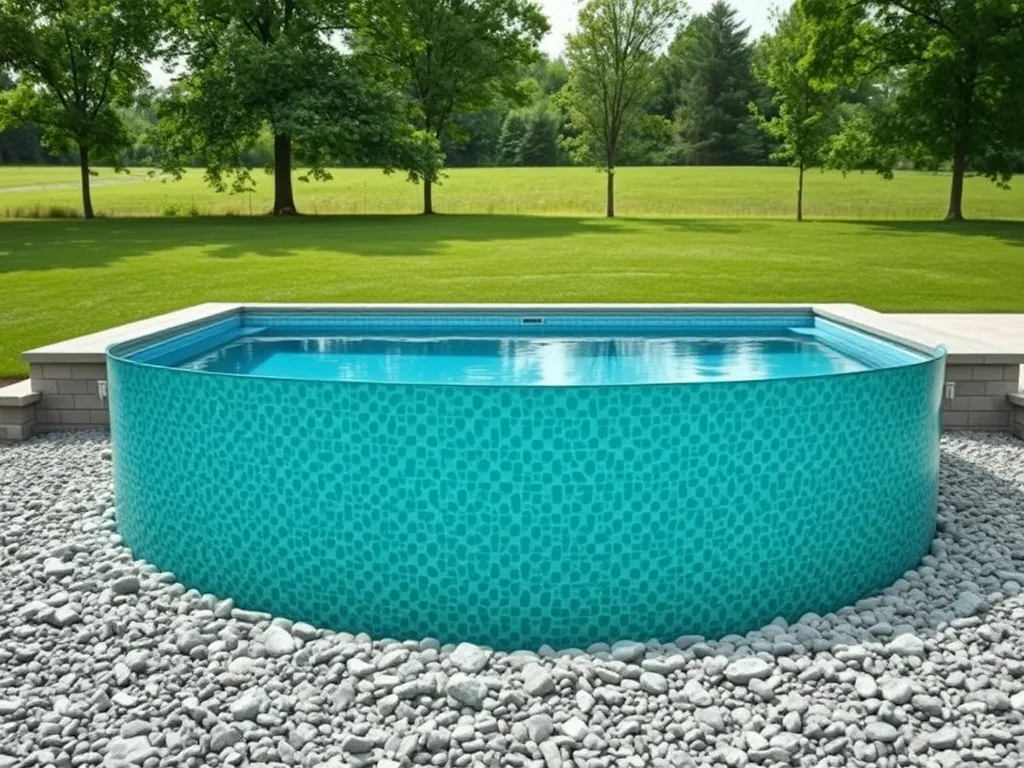
Maximum Burial Depth for Above Ground Pools
Exceeding burial limits risks catastrophic failure. These guidelines apply to both steel-frame and resin pools designed for partial burial.
Manufacturer Guidelines and Safety Limits
Doughboy and Radiant Pools permit 24″-36″ burial depths with reinforced walls. Standard models from Bestway or Intex shouldn’t exceed 12″ due to thinner gauge steel (28-32 vs. 14-18 gauge in burial-rated pools). Always verify certification labels stating “partial burial approved.”
Impact Of Partial Burial on Water Pressure
Buried sections experience 0.433 PSI per inch of water depth. A 48″ buried wall withstands 20.8 PSI – most above ground pool walls fail at 22-25 PSI. Install horizontal stiffener bars if burying beyond 24″ to distribute pressure. When considering the structure of a pool, it’s also important to think about the pool’s volume. A 21 foot round pool holds around 12,500 gallons of water.
Maintenance Considerations for Partially Buried Pools
Burying an above ground pool in the ground introduces unique upkeep challenges. Proactive measures prevent costly repairs.
Preventing Corrosion and Wall Collapse
Apply rubberized asphalt coating to buried steel walls (3mm minimum thickness). For resin pools, use UV-stabilized polymer panels. Inspect for rust spots annually with a borescope. Maintain water chemistry at 7.2-7.8 pH to reduce metal degradation.
Drainage Solutions for Buried Sections
Install a French drain 12″ below the pool’s base with 4″ perforated PVC pipe. Slope drain lines 1/4″ per foot away from the structure. Add 6″-12″ of washed gravel around buried walls to divert groundwater. Use geotextile fabric to prevent soil clogging. These preparations are important when considering an above-ground pool. Installing an above-ground pool inground can provide additional stability and aesthetics to your backyard.
With proper installation and ongoing care, a partially buried above ground pool can last 8-12 years. Next, we’ll explore design strategies to seamlessly integrate your pool with surrounding landscapes. Regular maintenance is also important for pool equipment. This includes understanding the lifespan of components like sand pool filters.
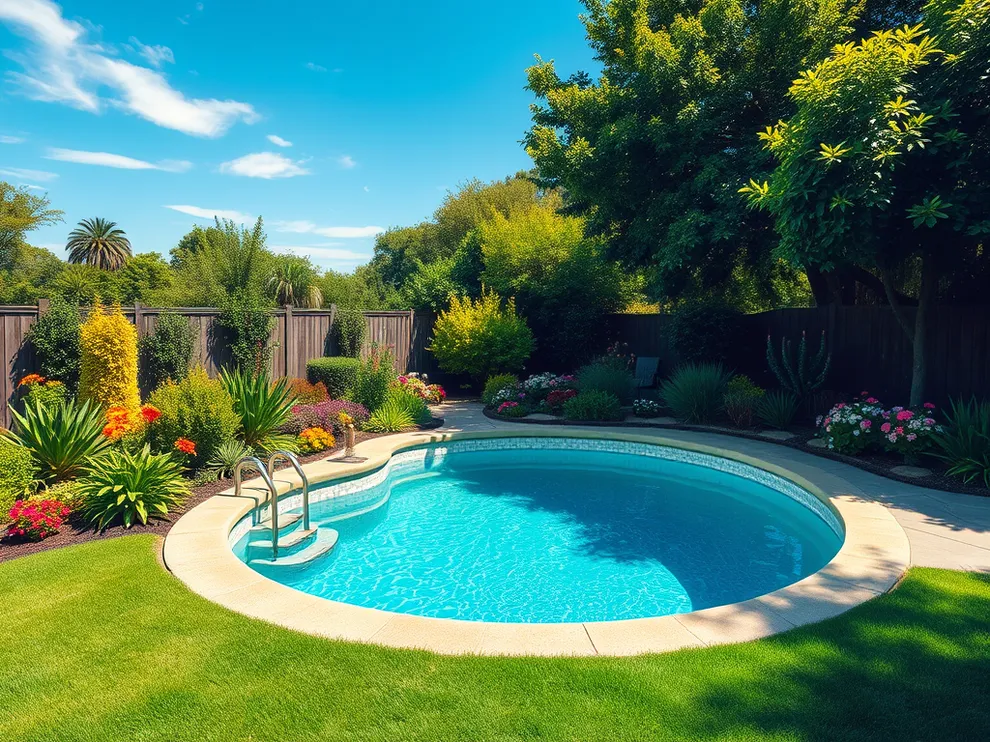
Design Integration and Landscaping
Blending a partially buried pool into your yard demands planning that balances practicality with visual harmony. This approach transforms a standard installation into a natural focal point, but it requires thoughtful coordination with your property’s layout. A few laps in the pool can enhance your fitness routine. Creating a space for some enjoyable swimming can also make your yard more inviting.
Blending Buried Sections With Existing Terrain
Matching a pool’s buried wall to surrounding slopes or flat zones starts with analyzing soil composition and grading. Opt for native plants like ornamental grasses or low shrubs around sunken portions to mask walls without blocking access. Retaining walls built from interlocking blocks or poured concrete (6-12 inches thick) can hold back soil on sloped lots, allowing partial burial depths of 18-24 inches without shifting.
Proper drainage is vital to avoid hydrostatic pressure buildup. A 4-inch layer of gravel behind buried walls, paired with French drains (perforated pipes wrapped in fabric), directs water away from structural supports. For pools buried 30% into hillsides, consult a civil engineer to confirm slope stability—angles steeper than 1:1 (45 degrees) risk landslides without reinforcement.
Deck Installation Around Partially Buried Pools
Decks attached to partially buried pools must account for height variations caused by burial depth. Cantilevered designs using pressure-treated lumber or composite materials (cost: $6-$12/sq.ft.) bridge gaps between raised and buried walls, creating a smooth transition. Multi-level platforms with built-in stairs work for pools sunk 2-3 feet, offering zones for lounging and diving.
- Material Choices: Composite decking resists rot near moist soil; steel framing adds rigidity if burying above ground pool walls past 18 inches
- Safety Upgrades: Install railings on elevated sections and non-slip coatings for wet surfaces
- Integration Tips: Match deck color to pool liners or patio stones; use potted plants to soften hard edges
For pools with partial burial on two sides, wrap-around decks can span 270 degrees, leaving one section open for maintenance access to pumps and filters.
Thinking through how partial burial affects daily use? Up next: common inquiries about slope limits and long-term care for hybrid installations.
Frequently Asked Questions
Will Partial Burial Affect My Home Insurance Coverage?
Many insurers classify partially buried pools as “non-standard installations,” which may require additional liability coverage. Contact your provider before digging—some demand engineering certifications or safety upgrades like locked fencing to maintain coverage.
Do Partially Buried Pools Require Specialized Liners?
Yes. Opt for 25-30 mil reinforced liners with UV inhibitors, as buried sections experience more abrasion from soil contact. Overlap liners work better than beaded models, allowing adjustment during ground settling.
How Can I Detect Early Signs Of Structural Failure?
Watch for inward wall bulging (>1″ deviation), rust streaks near burial lines, or sudden water level drops. Use a laser level quarterly to check for tilt exceeding 1/4″ per foot—a key indicator of soil shift.
Does Partial Burial Complicate Winterization?
Buried sections retain heat longer but trap moisture. Use submersible pumps to fully drain plumbing below frost lines, and wrap buried walls with insulated tarps. Avoid antifreeze in partially buried pools—chemicals may degrade backfill drainage layers. The maintenance of these structures is crucial as rain can bring new challenges. Cover pool night rain can lead to unexpected pooling, so proper precautions are essential for protection.
Can Solar Heaters Work With Partially Buried Pools?
Yes, but burial depth impacts efficiency. Position solar panels 2-3 feet above the pool’s buried edge to maintain water circulation. Ground-mounted systems require deeper footings (18″-24″) to avoid destabilizing excavated areas. It’s also important to consider the distance of power lines from the pool. Keeping power lines a safe distance from the pool helps prevent accidents and ensures safety for swimmers.
Closing Thoughts
Partially burying an above ground pool can enhance its stability and blend it seamlessly into your backyard. While it offers benefits like improved aesthetics and wind resistance, it requires careful planning regarding soil type, drainage, and structural reinforcement.
Always follow manufacturer guidelines for maximum burial depth—typically 12-24 inches for most steel-frame pools. Avoid burying soft-sided or Intex pools unless explicitly approved. Professional installation is recommended for complex terrain or deeper burial projects.
For precise water chemistry calculations or maintenance tips after installation, explore tools on My Pool Calculator. Proper care ensures your partially buried pool remains durable and leak-free for years.
Additional Resources for You:
- American National Standards Institute (ANSI). (2020). ANSI/PHTA Standards for Residential Swimming Pools. New York, NY: ANSI.
- Can You Bury an Above Ground Pool? | Zagers Pool & Spa
- Is it safe to bury an above ground pool? – Quora
- Can Above Ground Pools Be Partially Buried? – Clearwater Pools and Spas
- Is It Safe To Bury an Above Ground Pool?
A pool care geek who’s been testing water chemistry since she was tall enough to reach the skimmer.
Above ground pool, Pool Care By Type