Do You Need HOA Approval for a Pool?
Published on: February 3, 2026 | Last Updated: November 17, 2025
Written By: Rachael Weatherbottom
Yes, most homeowners associations (HOAs) require approval before installing a pool. HOAs enforce rules to preserve property values and community safety, often specifying pool types (above-ground or inground), fencing heights, setback distances from property lines, and even color schemes. Some communities ban pools entirely. Ignoring these guidelines can lead to fines starting at $100 per violation or demands to remove non-compliant features.
This article breaks down how HOAs regulate pools, including design standards like 4-foot safety fences or pump noise limits. Explore approval processes across states like Florida, Texas, and California, where laws differ on HOA authority. Discover how to navigate architectural review boards, submit site plans, and address common roadblocks like drainage concerns or shared utility conflicts.
You’ll get practical advice on avoiding penalties, from decoding CC&Rs (Covenants, Conditions, and Restrictions) to negotiating exceptions for medical needs. We outline timelines for approval (typically 30-60 days) and costs like $200-$500 application fees. Real-world examples show how to align spa placements or pool decks with HOA aesthetic rules without compromising your vision.
What is an HOA and Why Do They Regulate Pools?
Homeowners’ Associations (HOAs) oversee communities to ensure properties follow set standards outlined in governing documents. These groups hold power to regulate changes like installing pools to maintain visual harmony within the neighborhood. Their rules stem from Covenants, Conditions, & Restrictions (CC&Rs), which homeowners agree to upon purchasing property in HOA-managed zones.
Crucial Winterizing Products

"The all-in-one solution for a guaranteed clear spring opening."
All-in-One Closing Chemical Kit
Winter demand is high - check stock

"The 'set & forget' option. This is the easiest winterizing I've ever done."
Simple 3-in-1 Winterizing Balls
Winter demand is high - check stock
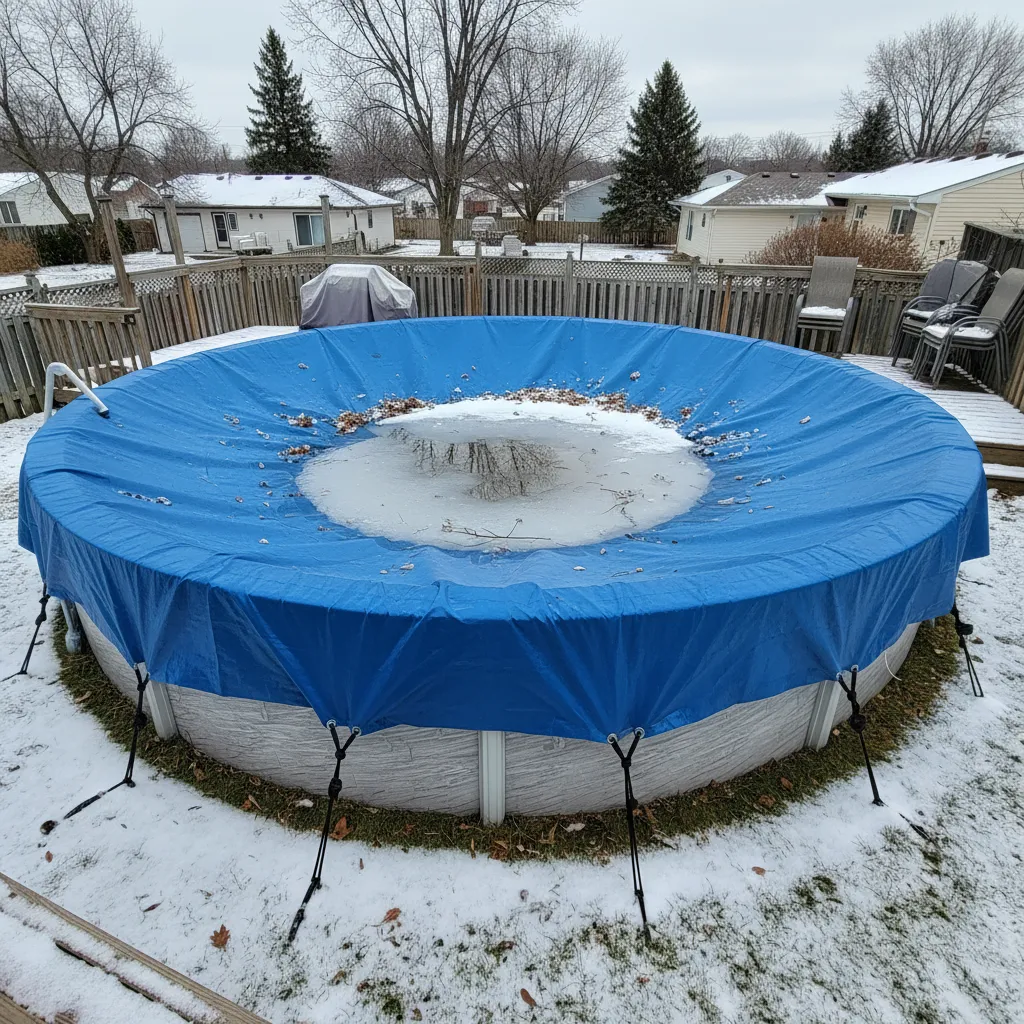
"Invest once to protect your liner and prevent a swamp in the spring."
Heavy-Duty Winter Pool Cover
Winter demand is high - check stock
Understanding HOA Authority Over Property Modifications
HOAs derive regulatory power from CC&Rs, which legally bind homeowners to specific guidelines. Governing documents typically require submitting plans for structural changes—including pools—to the HOA’s architectural review board. This board evaluates proposals based on factors like design compatibility, material choices, and compliance with setback rules. Violating these protocols might result in penalties ranging from fines ($100–$500 per incident) to mandated removal of non-compliant structures.
Why Pools Are a Common Focus Of HOA Guidelines
Pools draw specific attention due to their potential impacts on safety, property values, and community aesthetics. Inground designs might require excavation affecting shared utility lines, while above-ground versions could obstruct sightlines between homes. HOAs frequently enforce setback rules (e.g., pools must sit 10 feet from property lines), fencing heights (minimum 6 feet), and noise limits (below 60 decibels during evening hours). Liability concerns also play roles—unsecured pools might raise insurance premiums for the entire community.
Grasping these factors sets the stage for navigating the HOA pool approval process effectively.
Do You Need HOA Approval to Install a Pool?
Before breaking ground on a backyard oasis, check your HOA’s stance on pools. Most associations enforce strict rules about permanent structures, water features, and safety measures. The type of pool you choose plays a major role in approval requirements. As you consider these factors, think about how a building a pool can enhance your outdoor space. Building a pool can transform your backyard into a perfect spot for relaxation and fun.
Above-ground Vs. Inground Pool Approval Requirements
Inground pools almost always require formal approval due to their permanent nature. Many HOAs mandate setbacks (often 5-10 feet from property lines), fencing specs, and engineered plans. Above-ground pools face more variability—some communities ban them entirely, while others allow models under 48″ height without permits. Temporary inflatable pools might seem exempt, but rules about water storage or visibility from streets could apply. It’s also important to consider the distance of power lines from the pool area. Keeping a safe distance from pool power lines is crucial for safety and compliance.
Common HOA Pool Design and Safety Standards
Expect design rules covering materials (e.g., gunite vs. vinyl), color schemes matching community aesthetics, and noise control for attached equipment. Safety takes priority: 60% of HOAs require 4-foot non-climbable fencing with self-closing gates, per National Swimming Pool Foundation data. Some associations add rules about lighting, deck materials, or landscaping buffers to shield neighbor sightlines.
The HOA Pool Approval Process: A Step-by-step Guide
Navigating HOA approvals demands attention to detail. A rushed application risks delays or denials. Follow these phases to streamline your project.
Step 1: Reviewing Your Hoa’s Governing Documents
Start with the Declaration of Covenants, Conditions, and Restrictions (CC&Rs)—the rulebook for property modifications. Check sections labeled “architectural guidelines” or “recreational facilities.” Note pool-specific clauses about dimensions, enclosures, or contractor certifications. Missing something? Request clarification from the architectural review committee before proceeding.
Step 2: Preparing and Submitting Your Application
Gather a site plan showing pool placement, pump/filter locations, and fencing routes. Most HOAs want contractor licenses, proof of liability insurance, and material samples. Include a $100-$500 application fee, depending on community size. Submit during designated review cycles—some boards only process requests quarterly. Once your pool is approved, it’s important to maintain proper water balance, especially in a 10,000-gallon pool. A good stabilizer will help keep your chlorine effective and reduce the need for constant adjustments.
Step 3: Handling HOA Inspections or Revisions
After approval, expect 1-3 inspections during construction. Common sticking points: fence post depth (many require 36″ concrete footings) or equipment decibel levels. If flagged, you’ll typically have 30 days to submit revised plans. Keep communication documented—email timestamps protect against “missed deadline” disputes.
While this guide covers baseline steps, regional laws add another layer of complexity. Next, we’ll explore how state-specific codes intersect with HOA pool regulations.
Also See: Are Above Ground Pools Trashy? Discover the Facts
State-specific HOA Pool Regulations
While most homeowner associations follow similar frameworks, local laws shape how pools get regulated. Let’s break down three states with distinct rules affecting hoa pool approval processes.
Florida HOA Pool Approval: Key Considerations
Florida’s climate makes pools popular, but strict guidelines exist. State law requires pools to have barriers at least 4 feet high with self-latching gates. Many HOAs mandate materials like wrought iron or tempered glass to match community aesthetics. Some communities restrict saltwater systems due to corrosion risks. Building permits typically cost $500-$1,200 depending on county, but HOAs might impose extra fees for plan reviews. When planning a pool, working with a qualified general contractor is essential. They can help navigate regulations and ensure your pool meets all local requirements in Florida.
Texas HOA Pool Installation Rules
Texas property codes let HOAs enforce fencing rules beyond state minimums. For example, while Texas mandates 48-inch barriers, communities might require 6-foot privacy fencing. In cities like Houston, zoning laws limit pool placement within 5 feet of property lines. HOAs often require stamped engineer plans for inground pools due to soil stability concerns, adding $1,500-$3,000 to project costs. Keeping pool water balanced is also essential for maintaining your investment. Alkalinity levels play a key role in ensuring your pool is safe and pleasant to use.
California HOA Compliance for Residential Pools
California’s Title 24 energy standards impact pool equipment. HOAs frequently require variable-speed pumps (costing $800-$1,600) to meet efficiency rules. Drought-prone areas like Los Angeles County limit pool size—many cap designs at 500 square feet. Communities governed by CC&Rs might ban diving boards or slides outright, citing liability risks. These factors can influence the overall heat pool cost for homeowners. It’s important to consider both equipment and compliance expenses when budgeting for a heated pool.
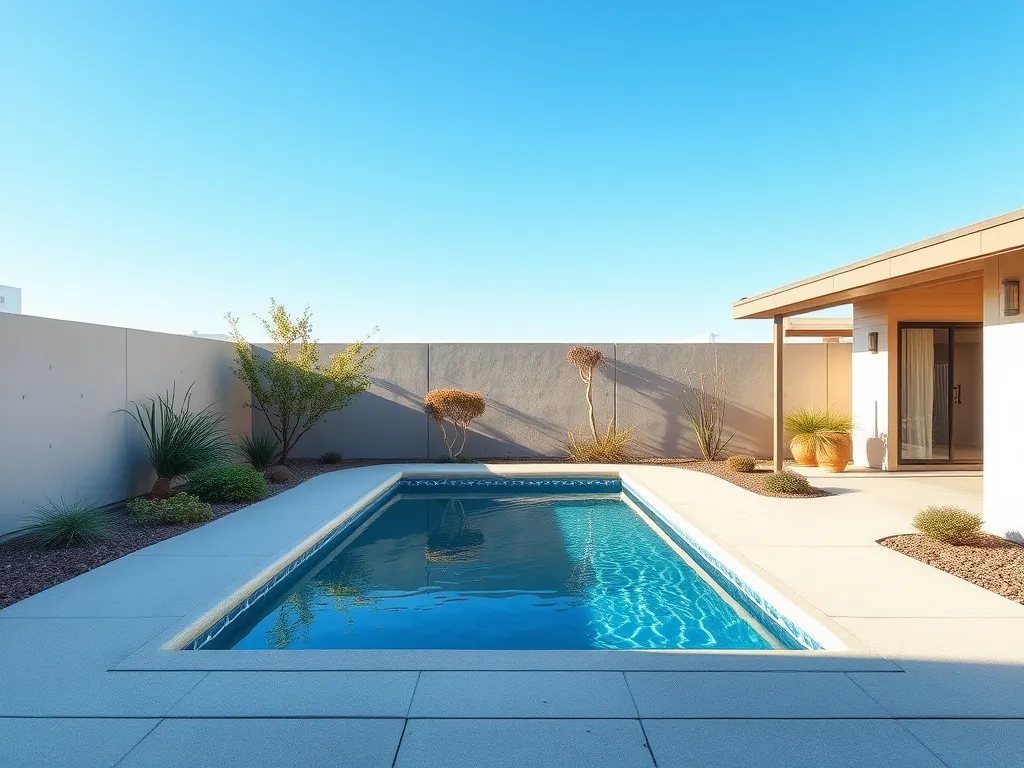
Consequences Of Skipping HOA Approval for Your Pool
Ignoring hoa pool regulations rarely ends well. Let’s explore the fallout homeowners face when bypassing protocols.
Fines, Liens, and Legal Disputes
HOAs levy daily fines until violations get resolved—typically $50-$200 per day. Unpaid fines become liens, blocking property sales. In 2022, a Phoenix homeowner paid $11,300 in fines plus legal fees after installing a pool without permits. Disputes over unapproved projects can drag through small claims court for months.
Forced Pool Removal or Modifications
Courts side with HOAs in 83% of cases involving unapproved structures. Removing an inground pool costs $15,000-$30,000—double the installation price in some markets. One Virginia family spent $22,000 dismantling their pool after losing a lawsuit, plus $8,000 to restore landscaping. This can lead many pool owners to consider using water trucks for filling their pools instead. The cost associated with water truck fills varies, usually ranging from $300 to $600 depending on distance and water volume.
Can You Bypass HOA Pool Rules? Risks and Workarounds
While some try circumventing hoa pool requirements, success depends on strategy—and luck.
The Reality Of “Hiding” an Above-ground Pool
Temporary pools under 24 inches tall sometimes bypass permits, but HOAs use satellite imagery or drone surveys to spot violations. One New Jersey HOA fined a homeowner $4,200 for a “hidden” pool obscured by tarps. Even inflatable models might breach rules if left up past 72 hours. It’s important to check local regulations before setting up any pool. An above ground pool permit may be necessary to avoid fines and ensure safety compliance.
Appealing HOA Decisions or Seeking Exceptions
Formal appeals work best with documented support. Presenting engineered drainage plans might overturn a denial for inground pools. Some HOAs grant variances if 75% of neighbors consent. Hiring a land-use attorney ($200-$400/hour) strengthens cases where rules conflict with state laws.
Next, let’s examine how ongoing maintenance ties into long-term compliance with hoa pool guidelines.
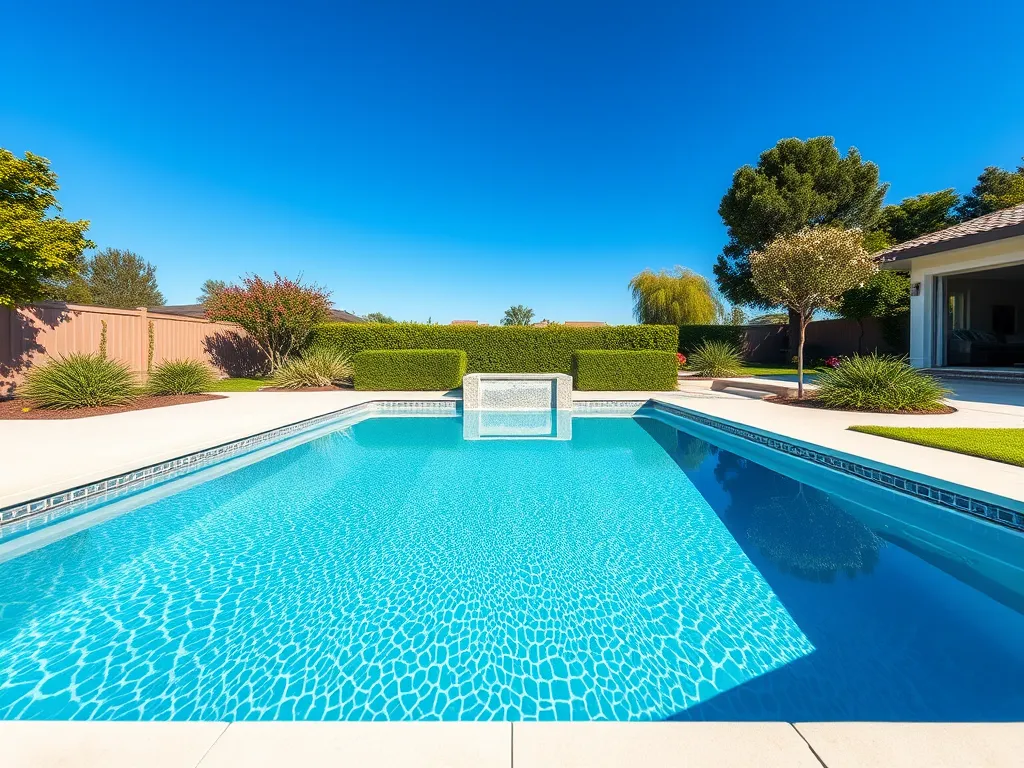
Maintaining Your Pool Under HOA Guidelines
Post-installation compliance with HOA standards is just as critical as initial approval. Many associations conduct annual inspections to confirm ongoing conformity to community rules. Violations can trigger fines starting at $100-$500 monthly or legal action if not fixed promptly.
Obligations for Safety Barriers and Fencing
Most HOAs follow International Swimming Pool and Spa Code (ISPSC) mandates, requiring a minimum 48-inch barrier with self-latching gates. Materials like aluminum, vinyl, or wrought iron must align with community aesthetics—chain-link fences might lack approval. In Florida, laws also demand pool alarms or safety covers, which HOAs typically adopt. Non-compliant setups risk daily penalties until upgrades occur. Alongside these safety features, many pools also utilize pool pillows. These pillows serve an important purpose by helping to keep debris out of the water and preserving the pool’s condition during the off-season.
Seasonal Maintenance and Aesthetic Requirements
HOAs often outline strict upkeep protocols. In arid climates like Texas, draining a pool for over 30 days may need prior authorization to avoid structural harm. During winter, Illinois or Missouri associations might ask for antifreeze in plumbing lines. Visual standards could limit patio furniture colors, ban inflatable toys, or require hiding filtration systems behind shrubbery. Cracked tiles or algae growth might prompt warnings within 7-10 days. Keeping a pool clear and inviting is often a priority of these regulations. A clear green pool can enhance the overall appearance of the community.
Sticking to HOA pool guidelines avoids disputes and maintains harmony. Up next: tackling common concerns about permits and restrictions in our FAQ section.
Frequently Asked Questions (FAQs)
Are Hot Tubs and Spas Subject to the Same HOA Rules As Pools?
Yes, most HOAs classify permanent hot tubs and spas under the same guidelines as pools due to similar safety and aesthetic concerns. They often require permits, fencing, and adherence to noise or placement rules. However, portable inflatable spas may have looser restrictions if they’re temporary and don’t require structural modifications.
Can an HOA Require Additional Liability Insurance for Pool Owners?
Many HOAs mandate increased liability coverage—often $500,000 or more—for pool owners to protect against accidents. Some communities even require umbrella policies. Check your HOA’s CC&Rs for specifics, as lapsed coverage could result in fines or pool access restrictions. If you’re considering starting a pool cleaning business, being aware of these regulations is crucial. Proper insurance will not only protect you but also build trust with your clients.
How Are Neighbor Disputes Over Pool Noise or Privacy Resolved by Hoas?
HOAs typically mediate complaints using noise ordinances (e.g., pumps below 60 decibels at night) or privacy screens. Repeated violations may lead to fines or mandatory landscaping adjustments. Documenting compliance with initial approval terms strengthens your position in disputes.
Do HOA Pool Rules Apply Retroactively After Installation?
Generally, HOAs can’t force modifications to pre-existing compliant pools unless safety hazards arise. However, major renovations might require bringing older pools up to current standards. Always review rule amendments annually to anticipate changes affecting maintenance or usage.
Are Lighting Restrictions for Pools Enforced by Hoas?
Yes, many HOAs regulate pool lighting to prevent glare, specifying LED color temperatures (e.g., 3000K warm white) or requiring downward-facing fixtures. Submerged lights may need approval to avoid bright colors that clash with community aesthetics. This focus on regulation also extends to pool maintenance practices. Using too much algaecide can pose risks to both swimmers and the environment.
Closing Thoughts
Navigating HOA approval for a pool requires careful planning. Review your community’s guidelines, submit detailed plans, and prepare for inspections. Skipping this process risks fines or forced removal.
State rules vary—Florida, Texas, and California each have unique requirements. Even above-ground pools often need approval. Safety barriers and maintenance standards apply post-installation.
For precise cost estimates and pool maintenance tools, explore My Pool Calculator. Our resources help simplify pool ownership, from planning to daily care.
Additional Resources for You:
- PoolPro Magazine (Industry News & Technical Articles)
- Adding a Pool to Your Home in an HOA: What to Expect – Beacon Community Management
- HOA permission to build a pool? (Wilson, Cameron: renting …
- Expert Answers on HOA Denying Inground Pool Requests
- FAQs • I live in an HOA. Do I need their approval before I p
A pool care geek who’s been testing water chemistry since she was tall enough to reach the skimmer.
Inground Pool, Pool Care By Type