How to Prevent Pool Pipes From Freezing: A Step-by-step Guide
Published on: December 2, 2025 | Last Updated: November 17, 2025
Written By: Lila Fairholme
Preventing pool pipes from freezing requires draining water from plumbing lines, adding insulation, and using freeze-protection equipment like pumps or heaters. Water expands when frozen, which can crack pipes, damage filters, and ruin pool equipment—repairs often costing $500-$2,000. This guide covers winterization steps for both above-ground and in-ground pools, lists materials like foam sleeves and RV-grade antifreeze ($15-$50 per gallon), and explains safety measures like GFCI outlets for heat tape.
You’ll learn exactly when to start winterizing (typically before temperatures drop below 32°F), how to blow out lines with an air compressor, and why underground pipes need special attention. We break down insulation options—from basic fiberglass wraps to heated cables—and share pro tips for protecting skimmers, pumps, and heaters during deep freezes.
The article also addresses emergency scenarios: keeping water moving during power outages using generators, temporary insulation fixes with pool covers, and preventing ice damage in above-ground models. Whether you’re handling DIY winterization or considering professional help ($200-$500 average cost), every step focuses on avoiding costly spring repairs and extending your pool’s lifespan.
Understanding the Risks Of Frozen Pool Pipes
Cold weather brings hidden threats to your pool’s pipes. Left unchecked, ice can crack lines, wreck pumps, and cost thousands in repairs. Let’s break down what puts your system in danger. Proper maintenance is key to preventing these issues. Additionally, keeping your shock pool hot tub in good condition can help ensure a safe and enjoyable experience.
Crucial Winterizing Products
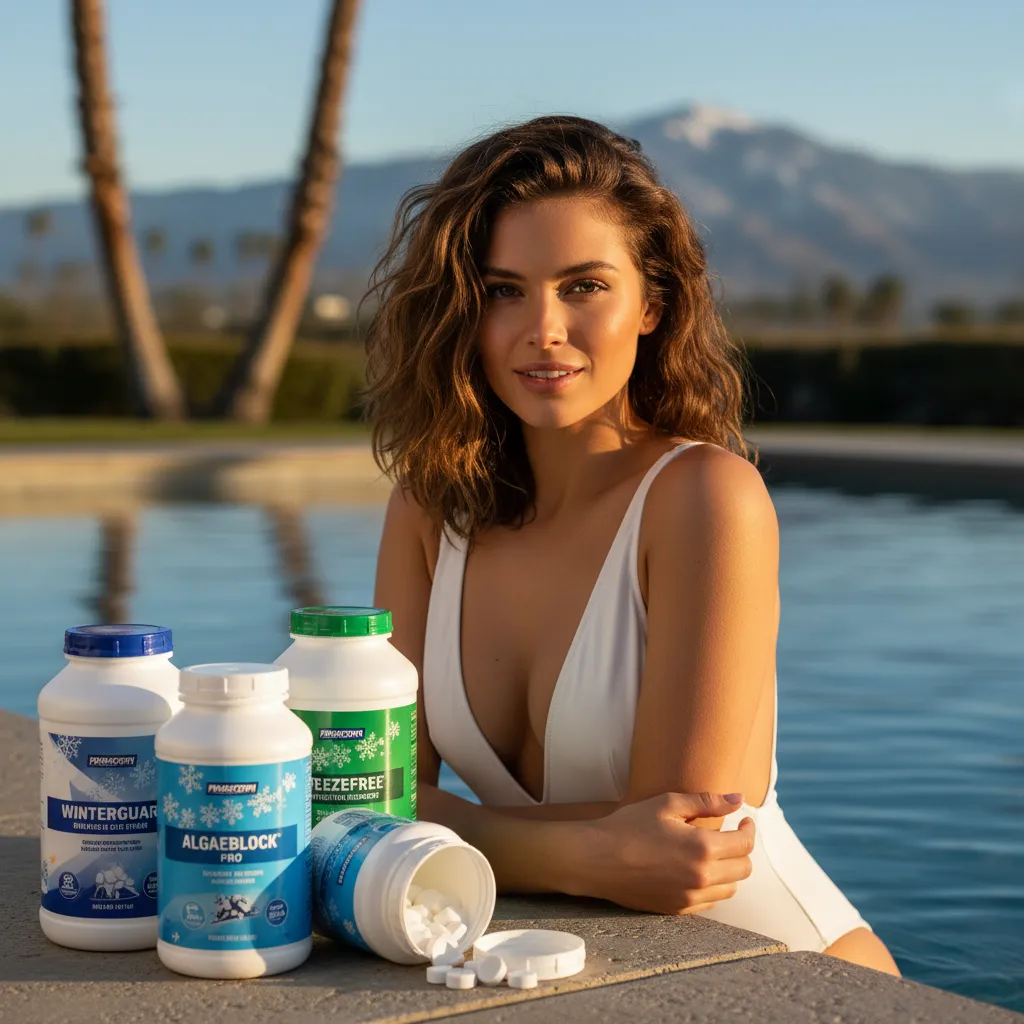
"The all-in-one solution for a guaranteed clear spring opening."
All-in-One Closing Chemical Kit
Winter demand is high - check stock

"The 'set & forget' option. This is the easiest winterizing I've ever done."
Simple 3-in-1 Winterizing Balls
Winter demand is high - check stock
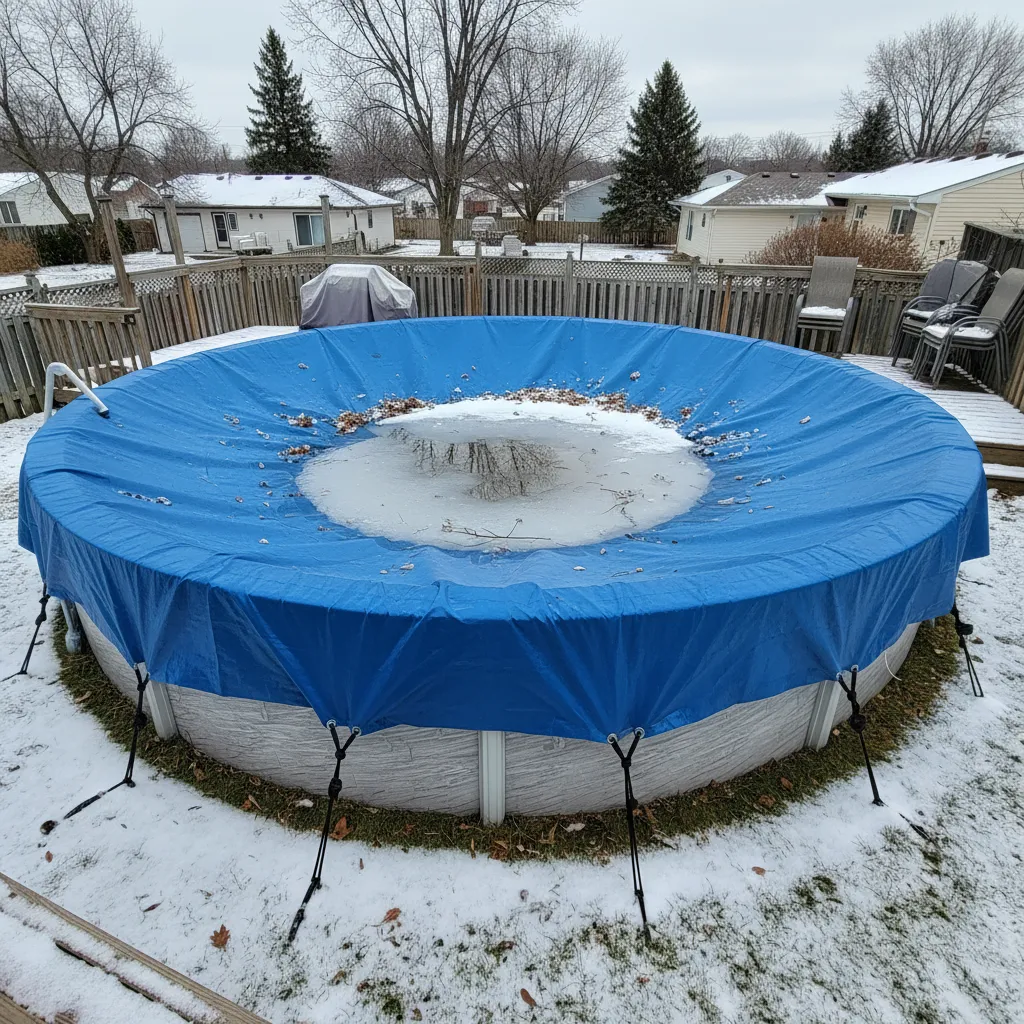
"Invest once to protect your liner and prevent a swamp in the spring."
Heavy-Duty Winter Pool Cover
Winter demand is high - check stock
At What Temperature Do Pool Pipes Freeze?
Water in pipes starts to freeze at 32°F, but pool lines face real risk once air temps hit 20°F. Underground pipes may hold out longer due to soil warmth, while exposed lines above ground freeze faster. PVC pipes burst at 20-25°F if water sits still. Pool pumps running non-stop can push this limit lower by 5-10°F.
How Long Does It Take for Pool Pipes to Freeze?
A hard freeze (below 20°F) can ice up still water in pipes within 3-6 hours. Wind chill cuts this time in half. Pipes near the surface or in unheated pump rooms freeze fastest. Moving water stays liquid longer—pumps set to run 24/7 during cold snaps add 12-24 hours of safety.
Signs Your Pool Plumbing is at Risk
Spot these red flags before ice forms: gurgling sounds from skimmers, weak water flow, or frost on pipe joints. Check for cracked valves or damp spots near equipment pads. Digital pool monitors showing temps below 35°F? Act fast. Above-ground pool lines stiffen first—flexible hoses turning rigid mean trouble.
Knowing these risks sets the stage for action. Next, let’s explore the steps to shield your pipes before winter hits hard.
Critical Steps Prior to Cold Months
Taking action prior to frost formation forms a strong foundation for avoiding costly plumbing issues. Pool owners must focus on two primary tasks: timing winterization correctly and fully draining water from all plumbing components. In addition, it’s important to consider how best to protect your above ground pool during the cold months. Proper winter preparation can ensure your pool remains in good shape for next summer.
When to Start Winterizing Your Pool
Initiate winterization when air hits 50-60°F consistently – typically 1-2 weeks prior to your location’s first frost date. This allows work during dry conditions, minimizing standing water in pipes that might turn to ice. For most northern states, aim for October; southern zones might wait until November.
Draining Pool Pipes: A Critical First Step
Water left in skimmers, pumps, or return lines expands by 9% when frozen, creating up to 40,000 PSI – enough to split PVC. Start by shutting off power to pumps and opening drain plugs on filtration systems.
How to Properly Blow Out Pool Lines
- Connect an air compressor (minimum 25 CFM capacity) to the pump’s drain port
- Blow air through main drain lines first until bubbles surface in the pool
- Repeat for skimmer lines, plugging each port as air clears water
- Cap open lines with winterizing plugs
Draining Above-Ground vs. In-Ground Pool Pipes
Above-ground systems demand full disassembly: detach hoses from pumps/filters, tilt equipment to drain residual water. In-ground plumbing requires blowing out lines with compressed air, as gravity drainage alone leaves 10-15% moisture in low spots.
Shielding Pipes From Frost With Insulation
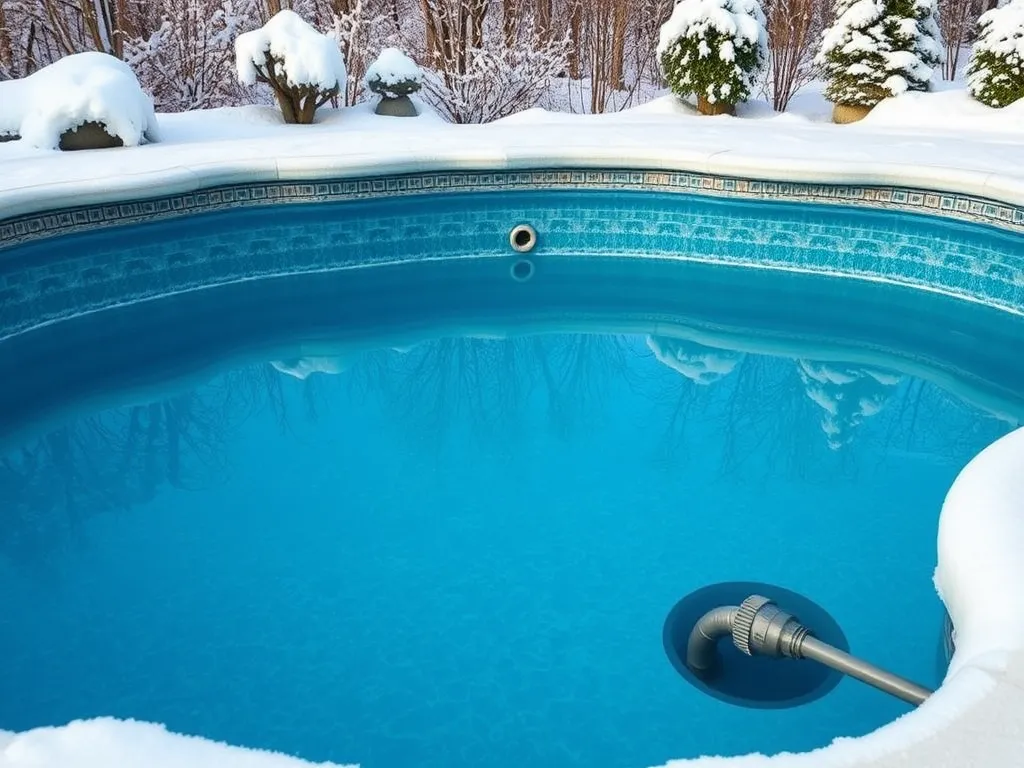
After draining, insulation adds a vital barrier against temperature dips. Focus on three key materials and high-risk plumbing zones.
Top Materials for Pipe Armor
Select insulation based on pipe location and local climate severity. Closed-cell foam works for most regions, while fiberglass suits areas with sub-zero weeks.
Foam Pipe Sleeves
Split foam tubes (R-value 2-3) slide onto pipes, blocking cold transfer. Use UV-resistant types (cost: $1.50-$3/linear foot) for outdoor sections. Seal joints with foil tape to stop heat loss.
Heat Tape (and Safety Precautions)
- Wrap self-regulating tape (35W/foot output) around pipes
- Never overlap tape – can trigger fires above 140°F
- Plug into GFCI outlets only
- Check for UL certification mark
Fiberglass Wrap Techniques
For -20°F zones, apply fiberglass insulation (R-4 to R-7) over pipes. Wear gloves and masks during installation – fibers irritate skin. Secure with zip ties, leaving no gaps.
Guarding Visible Plumbing Parts
Above-ground pumps and filters need foam covers (2” thick minimum). Wrap unions and valves with thermal blankets, using bungee cords to hold insulation in place. For equipment pads, build a wood box filled with loose-fill cellulose (R-3.7 per inch).
With pipes drained and insulated, focus shifts to active systems that combat frost. Up next: optimizing pumps and heaters for cold snaps.
Also See: Can You Empty My Pool in Winter? Intex Pool Tips
Using Pool Equipment to Prevent Freezing
Pool equipment serves as the first line of defense against frozen plumbing. Proper use of pumps, heaters, and built-in freeze protection systems can maintain water flow and temperature even during sudden cold snaps. Keeping your pool water balanced is also important for overall maintenance. Borate pool treatment can help stabilize pH levels and reduce the risk of algae growth.
Running Pool Pumps During Cold Spells
Moving water resists freezing better than stagnant water. Running pumps continuously when temperatures drop below 38°F keeps water circulating through pipes, filters, and heaters. This practice prevents ice blockages in vulnerable areas like skimmer lines or above-ground plumbing.
Adjusting Pump Timers for Freeze Protection
Variable-speed pumps with programmable timers should operate 24/7 during freeze risks. For single-speed models, set the timer to run 12-16 hours daily during peak cold periods. Pair this with a freeze guard module that automatically activates the pump when temperatures reach 34-36°F.
Utilizing Pool Heaters and Heat Pumps
Gas heaters or electric heat pumps set to 50-60°F provide thermal protection for plumbing systems. Heat pumps with COP ratings above 5.0 offer energy-efficient freeze prevention, while solar pool covers boost heat retention by 15-20%. Never rely solely on heaters during extended freezes—combine with circulation for best results. Pool pump heaters are essential for maintaining comfortable water temperatures. They ensure your pool remains enjoyable year-round, even in colder weather.
Automatic Freeze Protection Features Explained
Modern pool controllers like Pentair IntelliCenter or Hayward OmniLogic include freeze protection modes. These systems monitor temperature sensors, triggering pump activation and valve adjustments when needed. Ensure sensors are calibrated yearly—misreads over 3°F can leave pipes unprotected.
Winterizing Your Pool System
Full winterization remains the most reliable method for regions with temperatures consistently below freezing. This process combines water removal, antifreeze application, and physical barriers to protect dormant plumbing.
Step-by-step Pool Winterization Process
Begin by lowering water levels 4-6 inches below skimmers. Use an air compressor (CFM 80-100) to blow out lines, starting with main drains and moving to skimmer lines. Plug openings with winterizing gizmos or rubber expansion plugs rated for 25+ PSI. This process helps protect your pool equipment during winter. It’s also important to ensure that the drain pool below the skimmer is properly winterized to prevent freezing and damage.
Draining Water from Skimmers and Returns
Remove drain plugs from pumps, filters, and heaters. Blow residual water from vertical pipes using a cyclone blower. For inground pools, use check valves to prevent groundwater infiltration into empty lines.
Adding Pool Antifreeze (Non-Toxic Formulas)
Pour RV/marine-grade propylene glycol antifreeze (-50°F rating) into skimmer lines and return jets. Use 1 gallon per 10 feet of pipe—never use automotive ethylene glycol, which contaminates pool water. Pink-colored formulas help verify proper distribution.
Securing Winter Covers for Added Protection
Choose solid safety covers with 95% UV blockage or mesh covers allowing rainwater drainage. For extra insulation, layer bubble covers beneath primary covers. Secure edges with water tubes or sand bags spaced every 3 feet to block cold air penetration. These protective measures help maintain pool heat and reduce cleaning time. Pool pillows serve a similar purpose by preventing debris accumulation and improving overall pool care.
Emergency Measures During Power Outages
When storms knock out electricity, act quickly to prevent ice formation. Focus on manual water movement and temporary insulation while restoring power.
Keeping Water Moving Without Electricity
Use portable battery-powered transfer pumps (12V DC, 500 GPH minimum) to circulate water through main drains. Open drain valves slightly to create flow—remove 2-3 gallons per minute until power returns. For above-ground pools, stir water hourly with a pool brush. In this way, you can help ensure the water remains fresh and clean. Finding alternative methods to circulate pool water without a pump can also be beneficial in maintaining water quality.
Using Insulated Blankets As Temporary Fixes
Wrap exposed pipes with emergency pipe wrap (R-2 rating) or closed-cell foam sheets. Secure with zip ties, covering joints and valves completely. Place moving blankets over equipment pads, weighing down with bricks to block wind chill.
Preventing Ice Damage in Above-ground Pools
Install floating ice compensators like Aquador Winterizing Skimmer Guards. Lower water levels 12 inches below skimmers, then place partially filled plastic jugs in the pool to absorb ice expansion forces. Remove all ladders to prevent conductive freezing. Keeping the skimmers clear and functional is essential for maintaining pool health. This also helps to increase pool skimmer suction, ensuring better water circulation and cleanliness.
While these strategies significantly reduce freeze risks, some situations require specialized tools or expertise. Let’s examine scenarios where professional intervention becomes necessary.
When to Call Professional Pool Services
While many pool owners tackle basic winterization tasks, certain scenarios demand a licensed technician’s expertise. Plumbing layouts with multiple skimmers, booster pumps, or hidden underground lines often require specialized tools and diagnostic skills. Professionals also spot early signs of corrosion, valve malfunctions, or weak joints that DIY checks might miss. When the pool is properly winterized by experts, it sets the stage for deep pool clarity when spring arrives. Deep pool clarity makes swimming more enjoyable and safe, ensuring that every dip feels refreshing and clean.
Benefits Of Expert Winterization
Certified pool technicians bring precision to freeze protection. They perform pressure tests on lines (typically at 25-30 PSI) to confirm complete water removal and apply non-toxic propylene glycol antifreeze rated for -50°F. Experts also disassemble pumps and filters correctly, ensuring o-rings stay lubricated and housing gaskets remain sealed. Many services include infrared scans to detect trapped moisture in hard-to-reach pipes. Proper pool care can also make it easier to manage a pick up pools business. Offering reliable winterization services can attract more customers looking to maintain their pools effectively.
| DIY Winterization | Professional Service |
|---|---|
| Basic air blowing (3-5 CFM) | High-volume cyclone vacuums (15+ CFM) |
| Foam pipe sleeves (R-value 2-3) | Spray foam insulation (R-value 6.5) |
| Generic antifreeze | NSF-certified formulas |
Handling Complex Plumbing Systems
Multi-zone heating systems, solar pool loops, and in-floor cleaning networks pose unique risks. Professionals use air compressors paired with line-specific adapters to clear 1.5” to 3” PVC pipes without damaging check valves or sensors. For pools with attached spas or waterfalls, technicians create detailed shutdown sequences to prevent cross-contamination between lines. Maintaining a clean pool environment is essential for safety and enjoyment. Clean pool lines help ensure that water circulates properly and stays clear of debris.
Solar heating arrays need careful draining – a single overlooked panel can hold 5+ gallons of water, enough to crack manifolds during a hard freeze. Technicians also winterize saltwater chlorinators by bypassing cells and resetting control boards to standby mode, avoiding corrosion from residual brine.
For pools with auto-fill systems or perimeter overflow channels, pros install freeze plugs and blow out auxiliary lines that homeowners often overlook. These steps guard against ice-related cracks in concrete decks or bonded stone coping.
For common concerns about freeze protection methods, our FAQ section addresses pump runtime ratios, antifreeze alternatives, and saltwater system specifics.
Frequently Asked Questions
Can Adjusting Water Chemistry Lower the Freezing Point Of Pool Pipes?
While adding salt or antifreeze can slightly reduce water’s freezing temperature, these methods won’t reliably prevent pipe bursts. Standing water still risks freezing near 32°F—always prioritize draining pipes and using insulation over chemical adjustments.
What’s the Safest Way to Use a Generator for Pool Pump Backup Power?
Opt for a 3500+ watt generator connected via transfer switch. Position it 20+ feet from structures, and pair with GFCI outlets. Run pumps at low speeds to conserve fuel, and never exceed 80% of the generator’s load capacity during extended outages.
How Do I Thaw Frozen Pool Pipes Without Causing Damage?
Use a hair dryer on low heat, working from faucets toward frozen sections. Avoid open flames or sudden temperature spikes. After thawing, immediately shut off water and inspect for cracks using compressed air at 15 PSI before resuming use.
Do Solar Pool Covers Provide Enough Insulation During Freezes?
Solar covers reduce heat loss by 50-70% but work best when combined with running pumps. They’re ineffective on their own—always winterize pipes properly and use covers as supplementary protection against minor temperature dips. Using a solar blanket can help maintain a comfortable pool temperature. This allows for longer swimming seasons without relying too much on additional heating methods.
What Temperature Monitoring Systems Work Best for Pool Pipes?
Wireless sensors like TempAlert Flo-by or Insteon leak detectors provide real-time alerts via apps. For critical areas, install dual-sensor systems with battery backups and place probes on both exposed and buried pipe sections.
Closing Thoughts
Protecting your pool pipes from freezing isn’t just a seasonal task—it’s an investment in your pool’s longevity. From proper winterization techniques to emergency measures during power outages, each step plays a critical role in preventing costly damage. Regular maintenance and proactive insulation can save thousands in repairs when temperatures plummet.
For precise calculations on water flow rates, pump run times, or heater settings tailored to your pool’s specifications, explore the tools at My Pool Calculator. Our resources help simplify complex decisions, whether you’re adjusting freeze protection timers or selecting insulation materials.
Stay ahead of winter threats by revisiting this guide annually and updating your maintenance checklist. A well-prepared pool system withstands even the harshest freezes, ensuring you’ll enjoy a trouble-free opening when spring arrives.
Additional Resources for You:
- National Swimming Pool Foundation (NSPF) – Certification & Resources
- r/pools on Reddit: What to do to protect my pool from Freezing overnight???
- How To Prevent Pool From Freezing | Tropix Pools
- The Physics of Freezing and Freeze Protection | Trouble Free Pool
- How can I prevent pool pipes from freezing in cold weather? – Home Improvement Stack Exchange