Can Pool Pumps Get Wet? What Every Pool Owner Should Know
Published on: January 2, 2026 | Last Updated: November 17, 2025
Written By: Rachael Weatherbottom
Pool pumps are designed to handle water exposure during normal operation but aren’t fully waterproof. While their motors and electrical components are housed in water-resistant enclosures rated for outdoor use (like NEMA 3R or 4X standards), prolonged submersion or heavy rain can damage seals, corrode wiring, or short-circuit the system. Safety risks like electrical shock or motor failure arise when moisture breaches the pump’s internal parts, making proper placement, drainage, and maintenance critical for longevity.
This guide breaks down how pool pumps interact with water, from routine splashes to storm-related flooding. You’ll learn which components fail first under moisture, how weatherproof enclosures work, and why leaving pumps unprotected during storms risks $500+ repairs. We’ll also compare short-term rain exposure versus long-term water intrusion—like how a single downpour affects pumps differently than constant pool deck flooding.
By the end, you’ll know how to spot early signs of water damage (rust on volute casings, humming from wet bearings), apply protective measures like GFCI outlets or raised concrete pads, and decide whether to run pumps during storms. We’ll cover emergency protocols for submerged pumps, including drying steps and when to call a licensed electrician—ensuring your system stays efficient and safe through every season.
Understanding Pool Pump Water Exposure
Pool pumps face water exposure daily, but their tolerance depends on design and environmental factors. While built for outdoor use, not all models handle moisture equally. Let’s break down how water interacts with these systems during operation and downtime.
Crucial Winterizing Products

"The all-in-one solution for a guaranteed clear spring opening."
All-in-One Closing Chemical Kit
Winter demand is high - check stock

"The 'set & forget' option. This is the easiest winterizing I've ever done."
Simple 3-in-1 Winterizing Balls
Winter demand is high - check stock
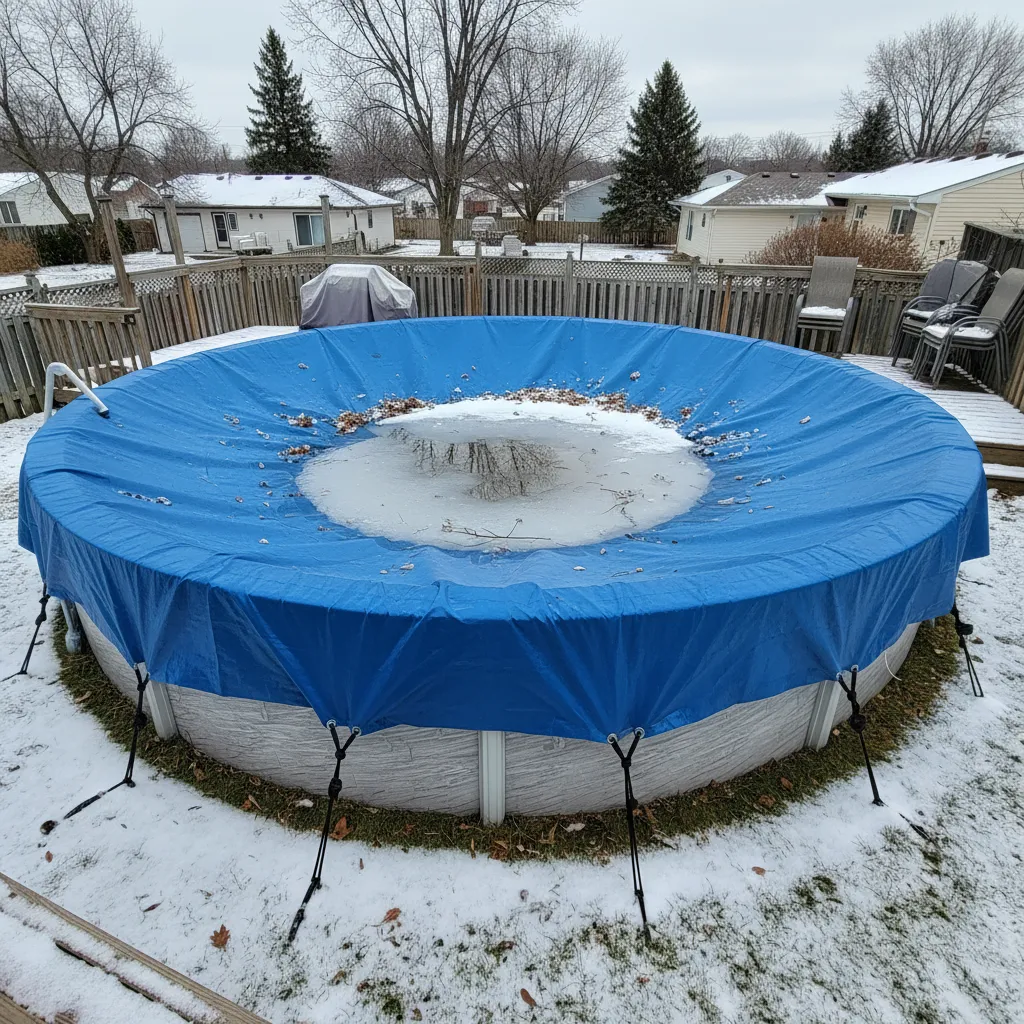
"Invest once to protect your liner and prevent a swamp in the spring."
Heavy-Duty Winter Pool Cover
Winter demand is high - check stock
Can Pool Pumps Function Safely When Wet?
Most pool pumps operate safely when exposed to rain or splashes. Manufacturers design them with weather-resistant materials, often meeting NEMA 3R standards for outdoor electrical equipment. This rating ensures protection against falling rain, sleet, and external ice formation. Pumps can run in light rain if positioned correctly, but submersion or direct hose spray risks internal damage. Avoid running the pump if water pools around the base or enters ventilation slots.
High-quality seals in the motor housing prevent moisture ingress during normal use. However, older pumps with worn gaskets or cracked housings may fail during wet conditions. For pumps operating in rainy climates, investing in models with enhanced corrosion resistance—like stainless steel hardware or epoxy-coated components—extends longevity.
Key Components Vulnerable to Moisture
Four elements demand attention when water infiltrates a pool pump:
Motor Windings: Copper coils inside the motor corrode when exposed to moisture, reducing efficiency by 15-20%. Persistent dampness creates electrical shorts, often requiring full motor replacement ($300-$800).
Capacitor Housing: This cylindrical component jump-starts the motor. Water seepage into its casing causes erratic starts or complete failure. Look for bulging or leaking capacitors as early warning signs.
Wiring Terminals: Corroded connections between the pump and power supply increase resistance, generating excess heat. This can melt insulation jackets or trip GFCI breakers. Annual dielectric grease applications prevent terminal oxidation.
Shaft Seals: These rubber-and-ceramic barriers keep water out of the motor chamber. Debris from storms or floodwater accelerates seal wear, leading to drips that degrade bearings over time.
Beyond component vulnerabilities, improper drainage turns minor leaks into major repairs. Standing water near the pump pad creates a 50% higher corrosion risk for metal parts compared to well-drained setups.
Now that we’ve mapped exposure limits and weak points, let’s examine waterproofing realities and enclosure strategies.
Is a Pool Pump Waterproof?
Pool pumps are built to handle water during normal use but lack full waterproofing. Most models use enclosures with NEMA 3R ratings, which block rain and dirt but not flooding. These covers shield parts like motors and wires from splashes but have limits. After surgery, swimming can be a refreshing activity. It’s important to ensure your body is ready for the water before diving in.
Understanding Pool Pump Enclosures
Enclosures guard key parts from weather. Look for these features:
- Sealed seams to block light rain
- Vents placed high to stop water entry
- Stainless steel bolts to slow rust
Check your pump’s IP code (like IPX4) to know its water resistance. Higher numbers mean better protection.
Electrical Component Vulnerability
Water harms these parts most:
- Motor windings – wet coils can short-circuit
- Wiring connections – moisture causes spark risks
- Capacitors – corrosion breaks start-up systems
Even small leaks near the power switch (120V or 240V) may trip GFCI breakers. Use dielectric grease on plugs to cut risk.
Can a Pool Pump Be Left Out in the Rain?
Brief rain showers rarely hurt pumps, but storms need action. Pool pumps cost $500-$1,200 to replace, so protection matters.
Risks Of Prolonged Rain Exposure
Days of wet weather cause:
- Rust on mounting bolts (galvanized steel lasts 2-3 years)
- Swollen shaft seals leading to leaks (repairs cost $150+)
- Mold in filter baskets from standing water
Short-term Vs. Long-term Exposure
A 30-minute downpour might only wet the housing. After drying, check for:
- Humming sounds (stuck bearings)
- Water in the strainer pot
Weeks of rain? Look for green corrosion on copper wires or cracks in capacitor housings. These need pro fixes.
Next, let’s explore how water damage impacts pump parts over time.
Also See: Can You Swim in a Pool With New Ear Piercings?
Effects Of Water Damage on Pool Pumps
Water exposure creates immediate and long-term risks for pool pump systems. While modern pumps handle light splashing, persistent moisture triggers structural and operational failures that escalate repair costs. To protect your pool equipment, consider taking extra precautions. One practical solution is to attach a solar pool cover to help minimize water exposure.
Corrosion and Rust Buildup
Metal components like housing bolts, motor shafts, and electrical terminals degrade when exposed to water. Chlorinated pool water accelerates oxidation, causing flaky rust deposits that jam moving parts. A study by the Association of Pool & Spa Professionals found pumps in humid climates fail 43% faster due to corroded bearings and seized impellers. Similarly, maintaining the natural beauty of local swimming spots is important. The Red Rock Pool offers a free and refreshing alternative for locals, promoting community enjoyment and environmental care.
Motor Malfunction and Electrical Hazards
Water infiltrating the motor housing creates short circuits in windings (copper coils powering rotation). This leads to erratic behavior: sudden shutdowns, overheating, or sparks near flammable debris. Faulty wiring increases shock risks, especially if GFCI outlets aren’t installed per National Electrical Code standards.
Reduced Efficiency and Lifespan
Moisture-damaged pumps work harder to maintain flow rates. A rust-clogged impeller might draw 20% more energy while moving 30% less water. Over time, strain on the motor reduces average lifespan from 8–12 years to under 5 years, based on data from Pentair and Hayward warranty claims. Similar factors can affect the lifespan of pool lights. Regular maintenance can help extend their life and performance.
What to Do With Your Pool Pump During Rain
Proactive measures minimize rain-related damage without requiring full relocation. Focus on shielding critical parts and redirecting water flow.
Using Protective Pool Pump Covers
Opt for vented, UV-resistant polyethylene covers with reinforced seams. Ensure the design allows airflow to prevent condensation while blocking direct rainfall. Covers should extend 6–8 inches beyond the pump’s footprint to deflect runoff.
Improving Drainage Around the Pump
Grade the surrounding soil to slope 1/4 inch per foot away from the pump pad. Install a gravel trench or French drain 12–18 inches deep to capture excess water. For concrete pads, add drainage grooves along the edges.
Insulating Electrical Connections
Apply silicone sealant to wire conduits and use waterproof junction boxes rated for wet locations. Wrap dielectric grease on terminal connections to repel moisture. Check local codes—some regions require rigid metal conduit for pool pump wiring. It’s important to ensure that the electrical components are safe, especially around water. Regularly chlorinating your pool can help keep the water clean and safe for swimmers.
Signs Of Water Damage in Pool Pumps
Catching issues early prevents catastrophic failures. Schedule biweekly inspections during rainy seasons.
Visible Rust or Corrosion
Check mounting brackets, shaft seals, and housing screws for reddish-brown flakes or pitting. Test suspicious areas with a magnet—rusted metal loses magnetic properties.
Unusual Noises or Vibrations
Grinding sounds indicate rusted bearings, while humming suggests water-logged windings. Place a level on the motor: vibrations exceeding 0.2 inches per second often signal internal water damage.
Frequent Circuit Breaker Trips
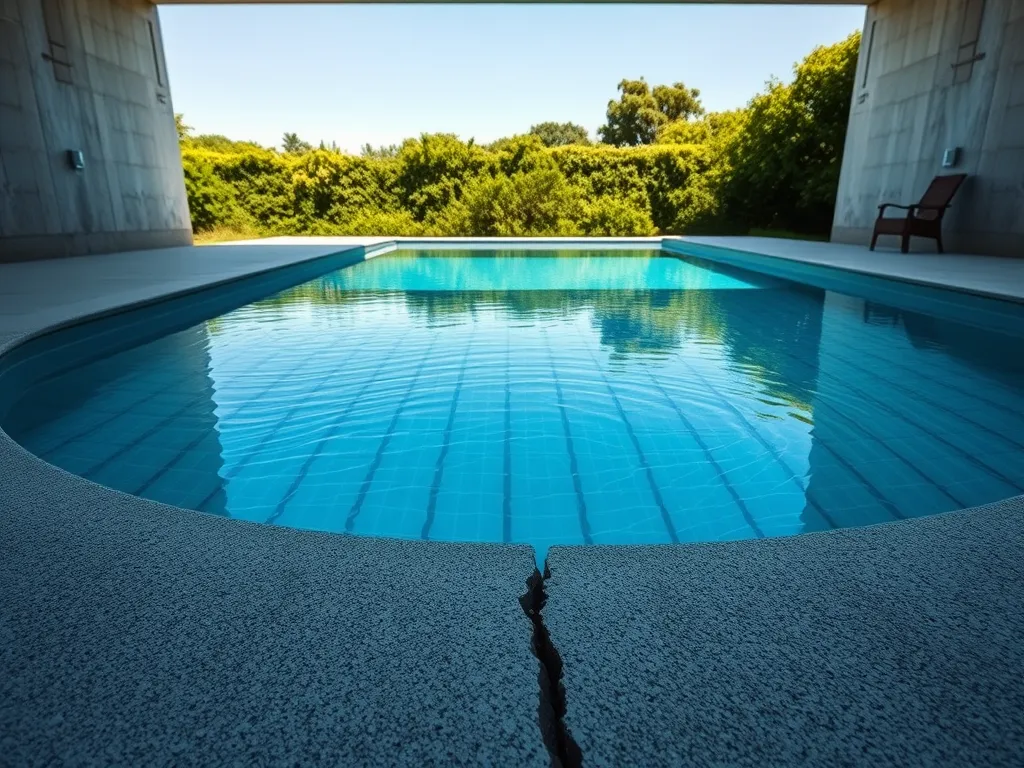
Breakers tripping 2–3 times weekly point to electrical faults. Use a multimeter to test for ground faults (readings under 1 megohm confirm leakage). Immediately power down the pump if you detect burning smells or warm breakers. This electrical issue can sometimes be linked to structural problems in the pool. It’s important to check if any cracks appear around the pool, as they can indicate underlying structural damage.
Recognizing these warning signs early allows targeted repairs before minor issues become system-wide failures. Next, let’s explore how strategic placement and maintenance routines further safeguard pumps from water intrusion.
Protecting Your Pool Pump From Water Exposure
Guarding your pool pump against unwanted moisture starts with smart planning and proactive habits. While most pumps handle light rain, continuous water contact or submersion can trigger costly issues. Follow these guidelines to maintain optimal function and avoid hazards linked to wet conditions. One way to further protect your pool system is to consider insulating the pipes. Insulating pool pipes helps prevent heat loss and can save energy costs.
Choosing the Right Location
Position your pump on a stable, elevated surface at least 3-5 feet from the pool’s edge. A 4-inch-thick concrete pad sloped 1/4 inch per foot away from the unit aids runoff. Avoid low spots where rainwater pools, and confirm overhead structures (like gutters) don’t direct water toward the motor. For above-ground setups, consider installing a weatherproof shed with ventilation gaps to block direct rain without trapping heat. Proper pool maintenance can help prevent issues not just with pumps but also with other systems. One such system is the toilet autofill valve pool, which ensures your pool stays at a consistent water level automatically.
Regular Maintenance Checks
Inspect pump seals and housing every 30 days. Look for cracks in the volute (the outer casing) or worn shaft seals that allow moisture into the motor. Lubricate O-rings with silicone-based grease to maintain watertight connections. Clear debris from drain ports and check that the bonding wire (a safety ground) shows no corrosion. During winterization, use antifreeze rated for plumbing systems to prevent freeze-related cracks.
Emergency Measures for Heavy Rainfall
If storms are forecasted, wrap the pump in a waterproof tarp secured with bungee cords—avoid plastic bags that trap condensation. Place sandbags around the base to block flooding, and verify nearby French drains or catch basins aren’t clogged. For pumps in flood-prone zones, shut off power at the breaker and disconnect wiring until water recedes. Post-storm, remove standing water with a wet-dry vacuum before restarting. After the rain stops, the landscape can look surprisingly different. The shock to the environment can bring both beauty and challenges as puddles form and plants respond to the sudden change.
Operating a Wet Pool Pump: Risks and Precautions
If your pump gets drenched, acting fast can stop minor issues from turning into major repairs. Moisture inside electrical parts may cause short circuits, motor burnout, or GFCI trips. Follow these protocols to minimize harm and restore function safely. Keeping an eye on chemical levels, especially chlorine, is also important for pool maintenance. Too much chlorine can turn your pool water green and create an unpleasant swimming environment.
Safety Steps Before Restarting
Cut power at the main panel and unplug the pump. Inspect the capacitor (a cylindrical component storing energy) for swelling or leaks. Test wiring with a multimeter—readings below 0.5 ohms indicate potential shorts. If the motor hums but doesn’t start, moisture might jam the bearings. Never bypass safety switches or use extension cords to power a damp pump. Keeping the pool’s rising pH level balanced is also crucial for its maintenance. A rising pH level can lead to cloudiness and affect water sanitation.
Drying Techniques for Submerged Pumps
For pumps hit by flooding, disassemble removable parts like the strainer basket and diffuser. Let the housing air-dry for 24-48 hours in a shaded area—direct sun warps plastic components. Use a hairdryer on low heat 6 inches from wet spots to vaporize trapped moisture. Apply dielectric grease to terminal connections to block future corrosion. If rust forms on the impeller shaft, replace it to avoid imbalance during operation.
Spotting early signs of water damage? Upcoming FAQs clarify common concerns about running pumps in rainy conditions and long-term fixes.

Frequently Asked Questions (FAQs)
Does Homeowners Insurance Cover Water-damaged Pool Pumps?
Most policies cover sudden, accidental damage (e.g., storm flooding) but exclude wear from gradual exposure. Check for “equipment failure” clauses and document pump placement to prove weather-related claims.
Are Saltwater Pool Pumps More Resistant to Moisture Damage?
Yes—saltwater-specific pumps use corrosion-resistant materials like titanium seals and epoxy-coated motors to withstand salt spray and humidity, unlike standard freshwater models.
Can I Use a Waterproofing Spray on Electrical Connections?
Avoid sprays that trap moisture. Instead, apply dielectric grease to terminals and use UL-listed waterproof conduit connectors for lasting protection without voiding warranties.
How Does Humidity Impact Pump Performance in Coastal Areas?
High humidity accelerates oxidation: bearings rust 30% faster, and motor windings lose insulation integrity. Monthly inspections and silica gel packs in enclosures help combat moisture buildup.
Should I Replace My Pump After Minor Flood Submersion?
Not necessarily. If dried properly within 24 hours and inspected by an electrician, pumps can often be salvaged. Replace motors showing >500Ω resistance in winding tests.
Are Weatherproof Covers Sufficient for Winter Protection?
Covers alone won’t prevent freeze damage. Winterize by draining pipes, blowing out residual water with an air compressor, and adding non-toxic antifreeze to the pump basket. It’s important to also think about keeping other pests away from your pool area. Taking steps to keep mosquitoes away can help you enjoy your pool even more.
Final Thoughts
Pool pumps can handle some water exposure, but they’re not fully waterproof. Rain, splashes, or flooding can damage electrical components, corrode parts, and shorten the pump’s lifespan. Taking simple precautions—like using covers, improving drainage, and inspecting for rust—keeps your pump running smoothly.
For precise calculations on pump runtime, energy costs, or water chemistry adjustments after heavy rain, try My Pool Calculator. Our tools help you maintain peak performance while navigating weather challenges.
Stay proactive with maintenance, and your pump will handle wet conditions without missing a beat.
Additional Resources for You:
- Lowry, R. (2018). Pool Chemistry for Service Pros: The Ultimate Guide to Water Balance. Laguna Hills, CA: Pool Chemistry Training Institute.
- Amazon.com: Customer Questions & Answers
- Pool Pump Was Under Water – Home Improvement | DSLReports Forums
- Does a swimming pool pump pull water from both the skimmer and the drain at the bottom of the pool? If the water level dips below the skimmer, will the pump still function properly using the lower drain only? – Quora
- Pool pump got wet during backwash | Trouble Free Pool
A pool care geek who’s been testing water chemistry since she was tall enough to reach the skimmer.
Pool Equipment Repair, Pumps & Motors