
Can You Survive a Tornado in a Pool? The Truth Revealed
Published on: February 2, 2026 | Last Updated: November 17, 2025
Written By: Lila Fairholme
No, you cannot safely survive a tornado while in a pool. Tornadoes produce wind speeds exceeding 200-300 mph (EF4-EF5 on the Enhanced Fujita scale), creating lethal hazards like airborne debris, extreme suction forces, and rapid pressure changes. Water offers no protection against collapsing structures, shattered glass, or uprooted trees – common threats during these storms. Even partially submerged pools become drowning risks if high winds overturn or drain them.
This guide examines why pools are dangerous tornado shelters and what actually happens when vortices interact with water. We analyze real-world examples of tornado-damaged pools, explain how wind dynamics impact water structures, and provide data-backed safety alternatives endorsed by NOAA and the National Weather Service.
Pool owners will learn actionable steps to secure equipment before storms, identify safe shelter locations, and minimize post-tornado cleanup costs. From debunking “pool as bunker” myths to detailing pre-storm chemical balancing for water preservation, we cover the science and strategies every pool household needs.
Can You Survive a Tornado in a Pool? The Direct Answer
No. While water might feel protective, pools pose extreme risks during tornadoes. Seeking shelter in or near bodies of water ignores the lethal physics of these storms. Immediate relocation to designated storm shelters or windowless interior rooms remains the only verified survival method.
Crucial Winterizing Products

"The all-in-one solution for a guaranteed clear spring opening."
All-in-One Closing Chemical Kit
Winter demand is high - check stock

"The 'set & forget' option. This is the easiest winterizing I've ever done."
Simple 3-in-1 Winterizing Balls
Winter demand is high - check stock
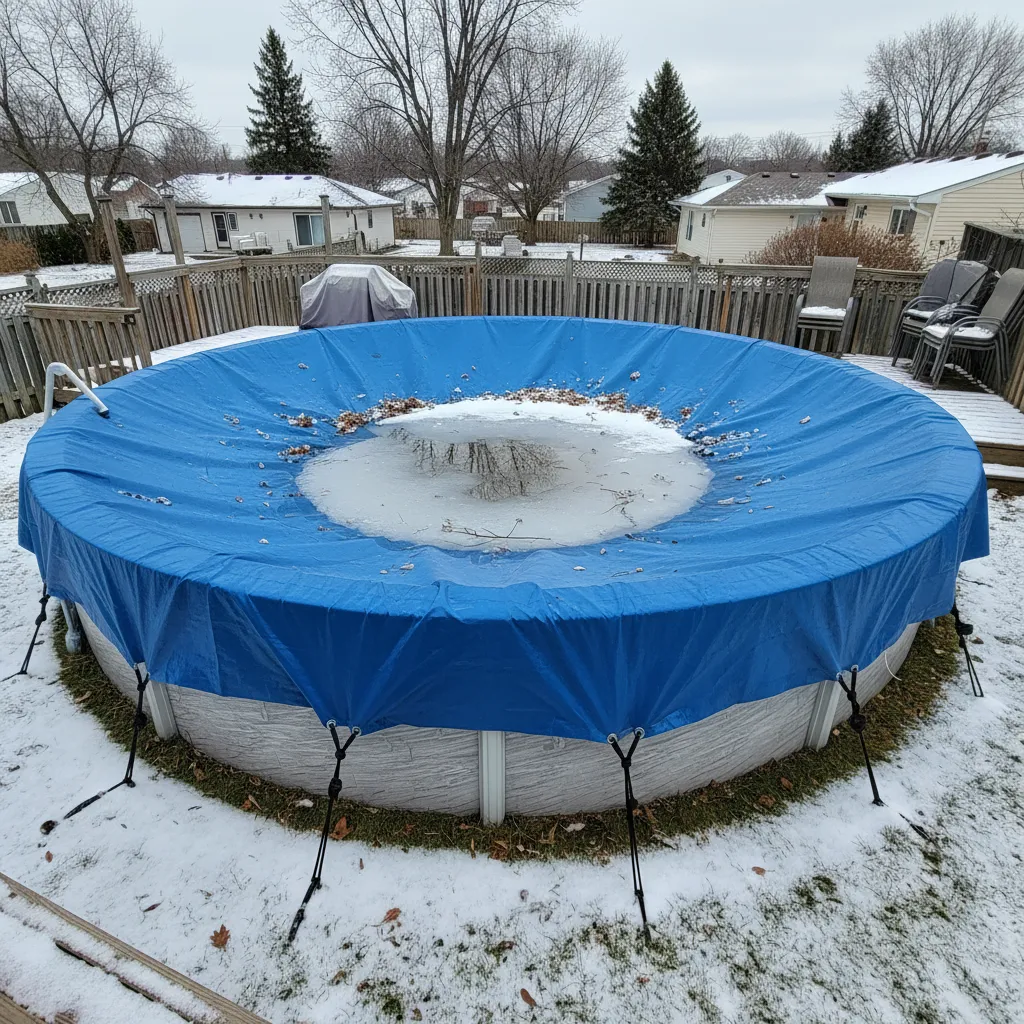
"Invest once to protect your liner and prevent a swamp in the spring."
Heavy-Duty Winter Pool Cover
Winter demand is high - check stock
Why Pools Are Not Safe Havens During Tornadoes
Pools lack structural protection from wind speeds exceeding 200 mph in EF4-EF5 tornadoes. Unlike basements or storm cellars, their open design offers zero defense against flying debris or sudden pressure changes. Water itself becomes hazardous when subjected to rotational forces capable of creating whirlpools or violent waves. Similarly, when choosing your survivor pool pick, it’s important to analyze the risks involved. Making the right pick can keep you safe and ahead in the competition.
Myth vs. Reality: Debunking Pool Survival Claims
Contrary to urban legends, water doesn’t neutralize tornado threats. The belief that “diving deep” evades danger fails to consider three factors: limited breath-holding capacity (typically under 3 minutes), lack of oxygen in churned water, and the impossibility of predicting debris trajectories. Storm cellars provide 10+ minutes of safe air supply—pools cannot replicate this.
Risks of Debris, Suction Forces, and Exposure
Tornadoes transform patio furniture, grills, and pool equipment into projectiles moving faster than 100 mph—enough to puncture concrete. Suction forces near the vortex can pull swimmers from the water, while wind chill from the storm’s downdraft induces hypothermia even in heated pools. Surviving requires avoiding both blunt force trauma and rapid heat loss.
With these risks outlined, let’s examine how tornadoes physically interact with pools—from structural damage to hydrological effects.
What Happens When a Tornado Hits a Pool or Pond?
When tornado winds exceed 200 mph (EF4-EF5 ratings), even sturdy water features face catastrophic stress. The vortex creates pressure shifts that distort water surfaces and surrounding structures. While pools rarely drain completely, damage occurs through airborne projectiles, hydrostatic forces, and rapid pressure changes. After major storms, it’s important to check your pool equipment. Pool test kits can expire, leading to inaccurate readings and potentially unsafe water conditions.
Can a Tornado Drain or Damage a Pool?
Tornadoes generate winds strong enough to lift 2,000+ gallons of water per second from a pool. While total drainage is rare, liners tear from flying debris like patio furniture or tree limbs. Concrete pools crack under hydrostatic uplift—when wind lifts water upward with over 500 psi force. Above-ground pools collapse at wind speeds above 50 mph, typical in EF1+ tornadoes. As summer ends, many people start thinking about pool safety and maintenance. This is especially important since pools commonly close for the season after Labor Day.
Effects Of Extreme Winds on Water Structures
Wind speeds dictate destruction levels: EF0 (65-85 mph) shifts pool covers, EF3 (136-165 mph) uproots diving boards. Tornadoes also create “debris missiles”—objects accelerated to 100+ mph. A single 2×4 plank can penetrate pool walls at these speeds. Pressure drops inside the vortex (up to 100+ millibars) risk rupturing underground plumbing lines, causing leaks. Protecting your pool from such disasters is essential for maintaining its integrity. A perfect vitality pool ensures safety and resilience against harsh weather conditions.
Tornado Safety Tips for Pool Owners
Prioritize human safety over pool protection. The National Weather Service confirms no recorded cases of surviving a tornado submerged in pools. Avoid relying on water to cushion impacts—tornadic winds turn pools into debris traps within seconds. In addition to safety, pool maintenance plays a crucial role in overall health. pH levels in pool water can affect the effectiveness of sanitizers and contribute to the water’s alkalinity balance.
Immediate Actions: Where to Shelter Instead
Exit the pool area at the first tornado warning. Seek interior rooms without windows, storm cellars, or community shelters. If caught outside, lie flat in ditches—not pools—to reduce projectile strikes. Pool houses or cabanas lack reinforced walls and anchor points, making them unsafe. Proper safety measures are essential for any pool area during severe weather. This is especially true for fiberglass pool liners, which require careful maintenance to ensure their longevity and safety.
Securing Pool Equipment Before a Storm
Shut off pool pumps and electrical systems to prevent post-storm fires. Bolt down filter housings using 3/8-inch galvanized steel anchors. Store chlorine tablets in waterproof containers away from wind paths. Remove solar covers—they become airborne sails at 45+ mph winds. For inground pools, lower water levels by 12-18 inches to reduce flooding risks. After a storm, it’s important to ensure that your pool remains clean and safe. Chlorine helps to maintain water quality, especially when using a sand filter.
With proper precautions, pool owners minimize property loss. Next, learn step-by-step methods to fortify pools against extreme weather cycles.
Also See: Can Pool Pumps Get Wet? Protect Your Equipment
Preparing Your Pool for Severe Weather
While pools offer no protection during tornadoes, proper preparation minimizes property damage and environmental hazards. Tornado-rated winds (up to 300 mph in EF5 storms) can turn pool equipment into dangerous projectiles. Follow these steps to secure your pool area before severe weather strikes. Additionally, homeowners should also consider the impact of their pool location in relation to the distance between pools and septic tanks. Maintaining proper distance between pools and septic tanks is crucial for ensuring safe, clean water and avoiding contamination.
Pre-storm Pool Maintenance Checklist
Start by clearing the pool deck: remove floats, cleaners, and furniture. Wind speeds as low as 75 mph (EF1 tornado) can launch 2×4 boards through concrete walls. Lower water levels by 12-18 inches to accommodate heavy rainfall overflow. Test hydrostatic relief valves (pressure-release mechanisms in pool walls) to prevent structural collapse from shifting groundwater. Shock the pool with 2-3x normal chlorine levels (10-30 ppm) to combat bacterial growth if debris enters. Secure subpanel breakers with waterproof covers to avoid electrical fires. It’s also important to consider how building a pool in a flood zone can impact safety and maintenance. Taking precautions can help ensure that the pool remains usable and safe during flood events.
Protecting Covers, Filters, and Chemicals
Anchored safety covers withstand winds better than flimsy solar blankets. Use stainless steel screw-down anchors ($50-$200 depending on pool size) for solid-cover models. Remove automatic pool cleaners and store filters indoors – unsecured sand filters (weighing 300+ lbs) still shift in EF2+ winds. For above-ground pools, wrap exposed PVC plumbing with foam insulation to reduce freeze-thaw cracking. Store chlorine tablets and algaecides in airtight containers elevated 12″ off garage floors. Never leave test kits outside – moisture ruins pH reagent accuracy within hours. As you prepare your pool for seasonal changes, consider the benefits of converting it to saltwater. This switch can lead to a more enjoyable swimming experience while reducing chemical use.
Proper preparation reduces flying debris risks, but survival demands sheltering indoors. Let’s examine the most urgent questions about tornado behavior around water features.
FAQ: Tornado Survival and Pool Safety
How Can I Safely Exit My Pool if a Tornado Suddenly Forms?
Exit the pool immediately and move indoors to a windowless, ground-floor room or storm shelter. Avoid lingering near the pool deck, fences, or trees. If debris is already flying, crouch low and cover your head while moving to safety.
Are There Temporary Pool Modifications to Improve Tornado Resistance?
While no temporary fixes guarantee tornado protection, using screw-down anchors for safety covers and installing windbreaks (like reinforced privacy screens) can reduce projectile risks. Always prioritize human safety over pool modifications during active storms.
What Post-tornado Inspections Should I Perform on My Pool?
Check for structural cracks, plumbing leaks, and electrical system damage. Test water pH and chlorine levels, as storm debris often introduces contaminants. Inspect pool equipment for displacement or corrosion caused by wind-driven rain. Additionally, the condition of your pool pump motor is crucial for maintaining water circulation. If the motor shows signs of wear, consider replacing it to ensure optimal performance.
Can Tornadoes Cause Long-term Damage to Pool Foundations?
Yes. EF2+ tornadoes can shift soil around inground pools, leading to settling cracks or compromised rebar. Above-ground pools may suffer bent support frames requiring full replacement. Always consult licensed pool engineers for post-storm assessments.
How Do I Handle Hazardous Debris in My Pool After a Tornado?
Wear thick gloves and waterproof boots when removing debris. Use pool nets for large objects and a shop vac for glass fragments. After clearing visible hazards, shock the pool with 20-30 ppm chlorine and run the filter continuously for 24+ hours. Once the pool is clean, it’s important to check the chemical balance. Properly balancing pool chemicals helps keep the water safe and clear.
Is It Safe to Swim in a Pool After a Tornado Has Passed?
Not until completing water quality tests and structural inspections. Tornadoes often introduce sewage, chemicals, or sharp objects into pools. Wait for professional clearance if you suspect underground pipe damage or electrical issues.

Closing Thoughts
Surviving a tornado in a pool is not just unlikely—it’s dangerous. The risks of debris impact, violent suction forces, and exposure make water one of the worst places to be during extreme winds. Prioritize getting to a sturdy, interior shelter like a basement or storm cellar.
For pool owners, preparation matters. Secure equipment, store chemicals safely, and follow pre-storm maintenance checks to minimize damage. While tornadoes can drain pools or ponds, structural damage poses greater threats.
Need help calculating pool volume for storm prep or chemical balancing? Try My Pool Calculator for precise measurements. Stay weather-aware, and always choose verified safety practices over myths when severe storms strike.