Can You Drain a Fiberglass Pool? Saltwater Compatibility &Amp; Safety Guide
Published on: January 10, 2026 | Last Updated: November 17, 2025
Written By: Rachael Weatherbottom
Yes, fiberglass pools can be drained, but it requires extreme caution to avoid structural damage. Unlike concrete or vinyl pools, fiberglass shells rely on water weight to counteract groundwater pressure. Emptying the pool completely risks “floating” the shell, where hydrostatic pressure lifts it out of the ground. For saltwater systems, fiberglass pools are compatible when properly maintained, but the gelcoat finish needs regular monitoring to prevent surface degradation from salt corrosion.
This guide examines when draining becomes necessary, like deep crack repairs or liner replacements, and how to execute it safely. You’ll learn why groundwater levels matter more than you think and how weather conditions like heavy rainfall can turn an empty pool into a hazard. We break down professional drainage techniques, including partial water removal and using submersible pumps with pressure monitors.
Beyond structural risks, we detail how saltwater impacts fiberglass over time. While salt systems reduce chlorine use by 50-70%, improper chemical balance can erode the gelcoat layer in 3-5 years. You’ll find maintenance strategies to protect your pool, including ideal salt concentrations (2,500-3,500 ppm) and oxidation prevention methods. Explore how fiberglass compares to concrete and vinyl in salt environments and when to call certified technicians for shell inspections.
Can You Drain a Fiberglass Pool?
Owners often wonder if removing water from their fiberglass pool is safe. While possible, this process requires precise planning to prevent costly structural issues. Let’s break down the risks and scenarios where draining becomes unavoidable. One important aspect is managing iron buildup in the water. Removing iron from the pool can help maintain the quality and clarity of the water.
Crucial Winterizing Products

"The all-in-one solution for a guaranteed clear spring opening."
All-in-One Closing Chemical Kit
Winter demand is high - check stock

"The 'set & forget' option. This is the easiest winterizing I've ever done."
Simple 3-in-1 Winterizing Balls
Winter demand is high - check stock
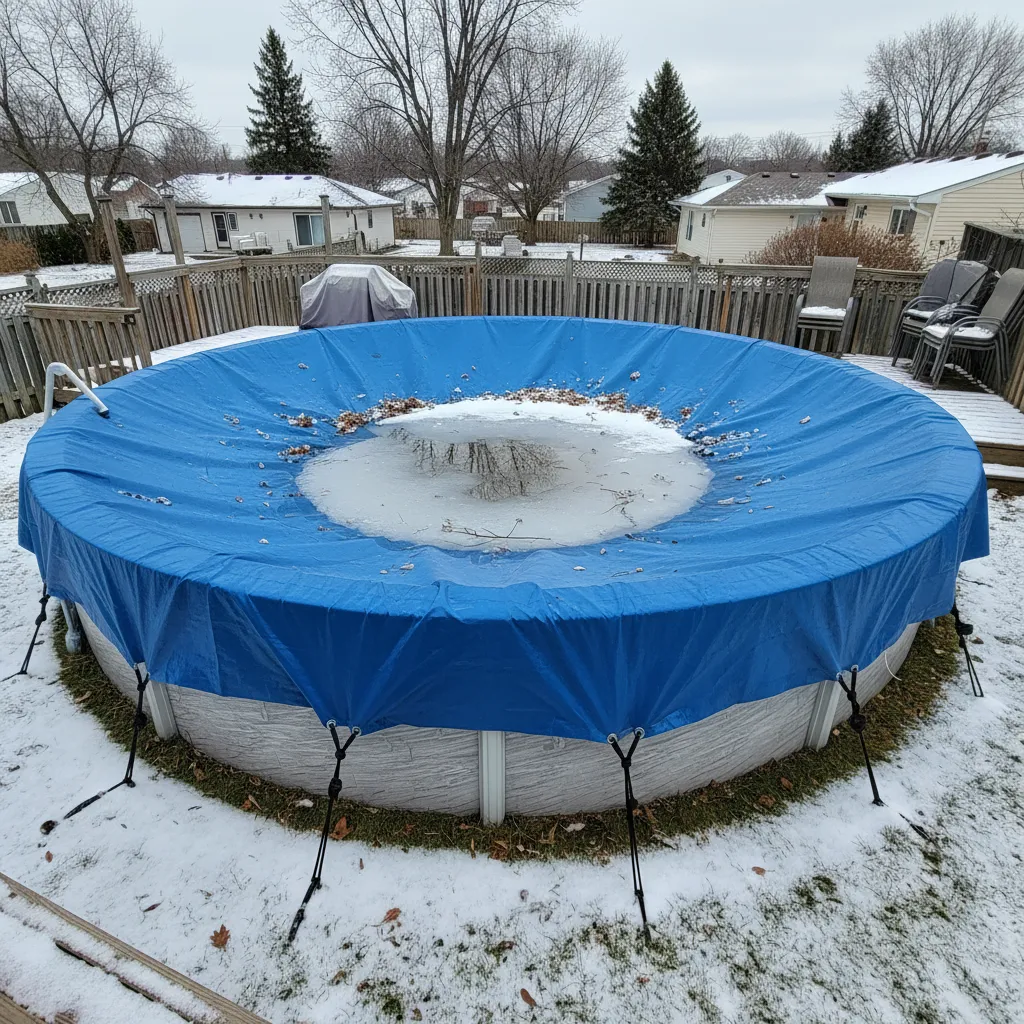
"Invest once to protect your liner and prevent a swamp in the spring."
Heavy-Duty Winter Pool Cover
Winter demand is high - check stock
Understanding the Risks Of Emptying Fiberglass Pools
Fiberglass pools rely on water weight to counterbalance external groundwater pressure. Removing more than 12-18 inches of water creates imbalance, risking the shell shifting or cracking. Hydrostatic pressure—force exerted by surrounding soil—can push upward at 4.3 psi per foot of groundwater depth, potentially lifting the 9,000–15,000 lb shell. Even minor cracks in the gelcoat (the pool’s protective resin layer) worsen when exposed to dry conditions, leading to leaks costing $1,200–$3,500 to repair. It’s crucial to monitor water levels to prevent these issues. Addressing the causes of disappearing pool costs can help save homeowners from expensive repairs down the line.
Environmental factors like heavy rain or high water tables amplify risks. In clay-rich soils, which expand by 10–15% when wet, drained pools face uneven ground forces. Freezing temperatures below 32°F worsen stress on the exposed structure. These variables make full draining unsafe without professional oversight.
When Draining a Fiberglass Pool is Necessary
Partial or complete draining becomes required during resurfacing every 15–20 years, major leak repairs, or relocating the pool. For saltwater systems, draining helps inspect gelcoat for erosion caused by chlorine generators producing 2,500–3,500 ppm salt levels. Technicians use submersible pumps removing 1,500–2,000 gallons per hour, leaving 6–12 inches of water to stabilize the shell. Post-drain refills must balance calcium hardness (200–400 ppm) and alkalinity (80–120 ppm) to protect surfaces.
In saltwater setups, professionals test for sodium chloride buildup in the plumbing or delamination spots on steps. Resurfacing costs $4–$7 per sq ft but prevents long-term corrosion. Never drain without checking weather forecasts—sudden rain can flood the empty shell within hours.
Next, we’ll explore why improper draining methods put your pool’s longevity on the line—and how to avoid common pitfalls.
Why Draining Fiberglass Pools is Risky
Removing water from fiberglass pools requires extreme care due to their unique construction. Unlike concrete or vinyl pools, fiberglass shells rely on water weight to counterbalance external forces. Without it, multiple risks emerge that could compromise structural integrity. When considering the safety features of fiberglass pools, it’s important to think about their surface texture. Many wonder whether fiberglass pools can be slippery when wet.
Structural Stress From Groundwater Pressure
Hydrostatic pressure (force exerted by groundwater) poses the greatest threat during draining. When water inside the pool is removed, surrounding soil moisture pushes against the shell. This imbalance may cause the pool to shift, crack, or even “pop” out of the ground. Regions with high water tables or heavy rainfall face elevated risks. For instance, pools in coastal zones with sandy soil often experience groundwater levels within 3-5 feet of the surface, making full draining hazardous. Keeping a safe distance from any structures, including the house, is important to minimize damage. Ideally, the above ground pool should be placed at least 10 feet away from your house to ensure safety and stability.
Environmental Factors Impacting Pool Stability
Soil composition, seasonal weather, and temperature swings influence stability. Clay-rich soil expands when saturated, exerting up to 1,000 PSF (pounds per square foot) of lateral force on empty pools. Freeze-thaw cycles in colder climates worsen stress by causing ground movement. Prior to draining, test soil moisture levels using probes or consult local geological surveys to gauge risk factors.

Step-by-step Fiberglass Pool Drain Procedure
While complete draining isn’t recommended, partial water removal might be needed for repairs or refinishing. Follow these protocols to minimize damage during the process.
Pre-drain Preparation Checklist
Check groundwater levels using piezometers or consult utility maps. Schedule draining during dry seasons when precipitation likelihood remains below 20%. Secure sump pumps capable of moving 1,500-3,000 gallons per hour, depending on pool size. Cover the shell with UV-resistant tarps to prevent gelcoat degradation from sun exposure.
Safe Water Removal Techniques
Never drain more than 50% of the pool’s volume unless directed by licensed technicians. Use submersible pumps with float switches to maintain 12-18 inches of water, preserving weight balance. Monitor drainage duration—most fiberglass pools should refill within 72 hours post-service to prevent shell warping. These guidelines are crucial for maintaining the integrity of a long drain pool. Proper care ensures that these pools function effectively and remain safe for use.
Post-drain Inspection Requirements
Once refilled, scan for cracks, blisters, or delamination using dye tests or electronic leak detection. Check the gelcoat for chalkiness or fading, which could indicate UV damage. If saltwater systems are installed, test chlorine generator cells for mineral buildup caused by temporary low-water conditions.
With proper draining methods covered, let’s examine how saltwater setups impact fiberglass pools over extended periods.
Also See: Can You Power Wash a Pool Liner? Here’s What to Know
Saltwater Compatibility for Fiberglass Pools
Fiberglass pools built with modern gelcoat finishes work effectively with saltwater chlorination systems. The non-porous surface resists corrosion better than concrete or plaster, but specific care protocols ensure longevity. These advancements make it easier for pool owners to maintain their pools. Smart pool technology further enhances the experience by automating cleaning and monitoring water quality.
Can Fiberglass Pools Handle Saltwater Systems?
Most manufacturers design fiberglass pools to tolerate salt concentrations up to 4,000 ppm—well beyond the 3,000 ppm typical for saltwater pools. Built-in gelcoat layers act as barriers against salt penetration, though proper water balance remains critical. Unlike vinyl liners prone to brittleness or concrete susceptible to pitting, fiberglass maintains structural integrity under salt exposure when maintained correctly. However, it is important to consider the longevity of fiberglass pools. With proper care, they are less likely to crack compared to other types of pools.
Long-term Effects Of Salt on Gelcoat Surfaces
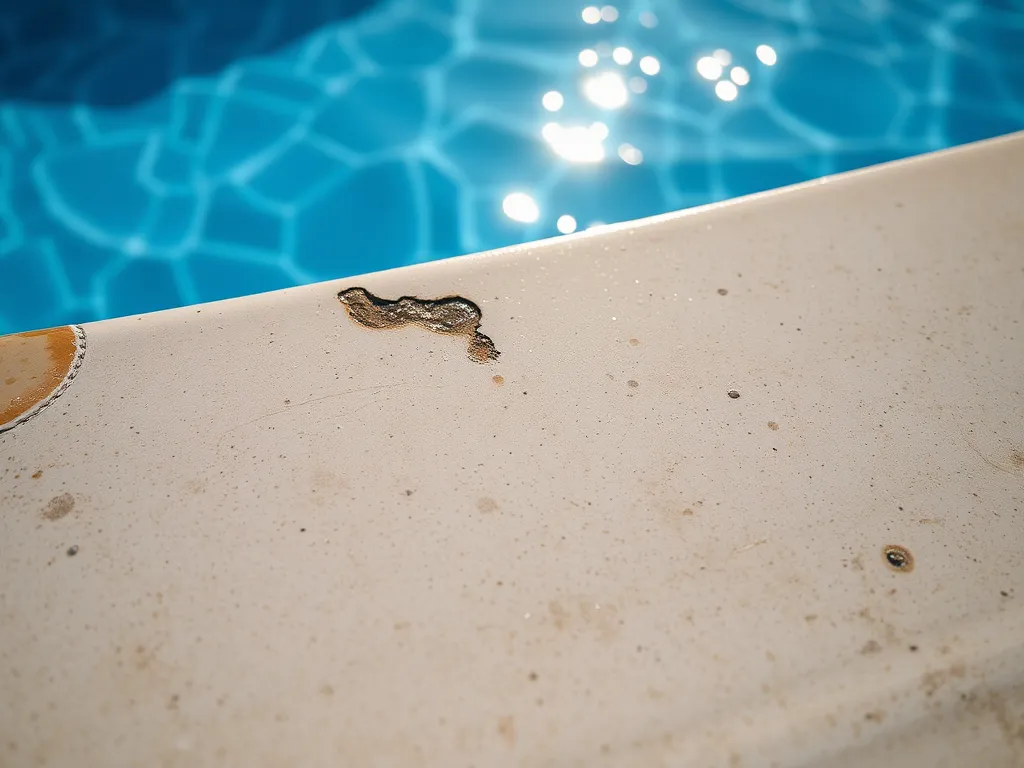
Over 5-7 years, high salt levels coupled with imbalanced pH (below 7.2) can cause gelcoat oxidation, leading to surface dullness or minor pitting. Studies show pools with consistent pH levels between 7.4-7.6 reduce gelcoat wear by 60%. Monthly inspections for “chalky” textures or discoloration help catch early signs of degradation. Protective sealants applied every 2-3 years restore UV resistance compromised by salt.
Maintaining Saltwater Fiberglass Pools
Optimal performance in saltwater environments relies on precise chemistry management paired with proactive surface care. Deviations in mineral levels or sanitizer output speed up wear patterns. Proper maintenance can also affect the sanitation level of the pool. Maintaining the right balance ensures that saltwater pools remain clean and safe for swimmers.
Balancing Water Chemistry for Durability
Keep these parameters in check:
- pH: 7.4-7.6 (prevents gelcoat erosion)
- Total alkalinity: 80-120 ppm (buffers pH swings)
- Calcium hardness: 175-250 ppm (reduces osmotic stress)
- Salt: 2,700-3,400 ppm (ensures efficient chlorine generation)
Test water weekly using digital testers calibrated for saltwater. Systems like the Hayward AquaRite or Pentair IntelliChlor provide real-time salt readings.
Preventing Surface Degradation
Brush walls twice monthly with nylon-bristle tools to dislodge salt crystals before they bond to the gelcoat. Use non-abrasive cleaners labeled for fiberglass—never acid-based products. For pools in sunny climates, apply UV-resistant wax every six months to minimize oxidative stress from salt-chlorine reactions. Maintaining your pool is essential, especially if you have an automatic cover. A DIY automatic pool cover can help protect your pool and make maintenance much easier.
Fiberglass Pool Draining Vs Other Pool Types
While fiberglass resists salt better than other materials, its drainage risks differ vastly from vinyl or concrete pools. Groundwater pressure poses unique challenges requiring distinct protocols.
Comparison With Concrete and Vinyl-lined Pools
| Pool Type | Max Drain Time | Saltwater Longevity | Drainage Risks |
|---|---|---|---|
| Fiberglass | 24-48 hours | 10-15 years | Shell lifting |
| Concrete | 7-10 days | 5-8 years | Cracking, delamination |
| Vinyl | Not recommended | 3-5 years | Liner shrinkage |
Saltwater Performance Across Materials
Concrete’s porous structure absorbs salt, causing rebar corrosion and surface spalling. Vinyl liners develop stiffness over time, leading to leaks at seams. Fiberglass outperforms both due to its impermeable shell, but only if drained properly during repairs or winterization. Never leave drained fiberglass pools exposed to direct sunlight—UV rays weaken the gelcoat faster when dry.
With the right maintenance, saltwater fiberglass pools offer lasting performance. Still, recognizing when to involve certified technicians prevents costly errors—something we’ll explore next. Adding a saltwater system to your pool can enhance the swimming experience. It provides a softer feel to the water and reduces the need for harsh chemicals.

FAQs: Draining & Saltwater Use
How Often Should Saltwater Fiberglass Pools Be Professionally Inspected?
Annual inspections by certified technicians are recommended for saltwater fiberglass pools. These check for gelcoat erosion, sealant integrity, and salt cell efficiency. Pools in coastal or high-humidity regions may require bi-annual checks due to accelerated corrosion risks.
What Immediate Actions Prevent Damage if a Pool Shell Shifts During Draining?
If the pool shows lifting or cracking, immediately refill it with water to restore weight balance. Contact a structural engineer to assess groundwater displacement and stabilize the surrounding soil with French drains or sump pumps. Proper water levels can also help improve pool skimmer suction. This ensures that debris is effectively removed, keeping your pool clean and clear.
Are Certain Salt Chlorine Generators Better Suited for Fiberglass Pools?
Systems with adjustable output (e.g., Hayward AquaRite® or Pentair IntelliChlor®) are ideal, as they allow precise control over salt levels (2,500–3,500 ppm). Look for models with built-in pH monitoring to minimize gelcoat stress. Keeping a well-balanced pool is important for swimmers’ comfort and safety. A shocked pool helps maintain clear water and prevents harmful bacteria from thriving.
Can You Detect Structural Compromise Before Refilling a Drained Pool?
Check for uneven settling, spiderweb cracks near steps, or gaps around fittings. Use a moisture meter on the shell’s exterior—readings above 15% indicate groundwater infiltration requiring soil stabilization.
Closing Thoughts
Draining a fiberglass pool requires careful planning to avoid structural damage from groundwater pressure. While partial draining for maintenance is common, complete water removal risks costly repairs. Fiberglass pools can safely use saltwater systems, but regular monitoring of gelcoat surfaces and proper chemistry balance (keep salt levels between 2,500-3,500 ppm) prevents premature wear.
Compared to concrete or vinyl pools, fiberglass holds up better against salt corrosion when maintained correctly. Always consult a professional before major water level changes and test salt concentrations monthly with a digital tester (accuracy ±200 ppm).
For precise water chemistry calculations and maintenance schedules, try the tools at My Pool Calculator. Our free resources help you manage salt levels, drainage timing, and chemical balances specific to fiberglass pools.
Useful References for You:
- CDC – Healthy Swimming & Pool Safety Guidelines
- Is salt water bad for fiberglass pools? – Quora
- Drain Fiberglass POOLS!? – Southern Scapes Pools & Spas
- 3 Reasons NOT to Drain a Fiberglass Pool!
- Salt Water System In A Fiberglass Pool – Imagine Pools Blog
A pool care geek who’s been testing water chemistry since she was tall enough to reach the skimmer.
Fiberglass, Pool Material Care