Can a Telescopic Pole Work With Any Pool Tool?
Published on: December 30, 2025 | Last Updated: November 17, 2025
Written By: Rachael Weatherbottom
Yes, telescopic poles work with most pool tools, but compatibility depends on two factors: connection types and weight limits. These adjustable poles use universal threaded or quick-release connectors to attach to brushes, nets, vacuums, and skimmers. Not every tool will fit, though—heavy-duty cleaners or non-standard attachments may require adapters or separate poles. To ensure compatibility, check your tool’s thread size (typically 1-1/4″ or 1.5″) and weight (most poles handle 5–15 lbs).
This article breaks down how telescopic poles pair with pool tools. You’ll learn which attachments work seamlessly, like standard brushes and skimmers, and which might struggle, such as motorized cleaners. We’ll explain how connection mechanisms (threaded vs. clamp-style) and pole materials (aluminum vs. fiberglass) impact performance. Weight distribution and diameter mismatches also play a role—overlook them, and you risk wobbling, leaks, or snapped locks.
By the end, you’ll know how to verify if your existing tools fit a telescopic pole, when to use adapters, and how to avoid overloading the pole. We’ll also cover maintenance tips to extend the pole’s lifespan and maximize its use across multiple seasons. Ready to simplify your pool care? Let’s dive in.
Introduction to Telescopic Poles and Pool Tool Compatibility
Telescopic poles let you reach all parts of your pool with ease. But not all pool tools fit every pole. The right fit keeps your gear secure and makes cleaning tasks work well. From skimmers to brushes, each tool has unique needs for how it locks onto a pole. Proper lighting in your pool area is also essential for safe and enjoyable swimming. Installing pool lights can enhance your nighttime experience and make maintaining your pool even easier.
Crucial Winterizing Products

"The all-in-one solution for a guaranteed clear spring opening."
All-in-One Closing Chemical Kit
Winter demand is high - check stock

"The 'set & forget' option. This is the easiest winterizing I've ever done."
Simple 3-in-1 Winterizing Balls
Winter demand is high - check stock
"Invest once to protect your liner and prevent a swamp in the spring."
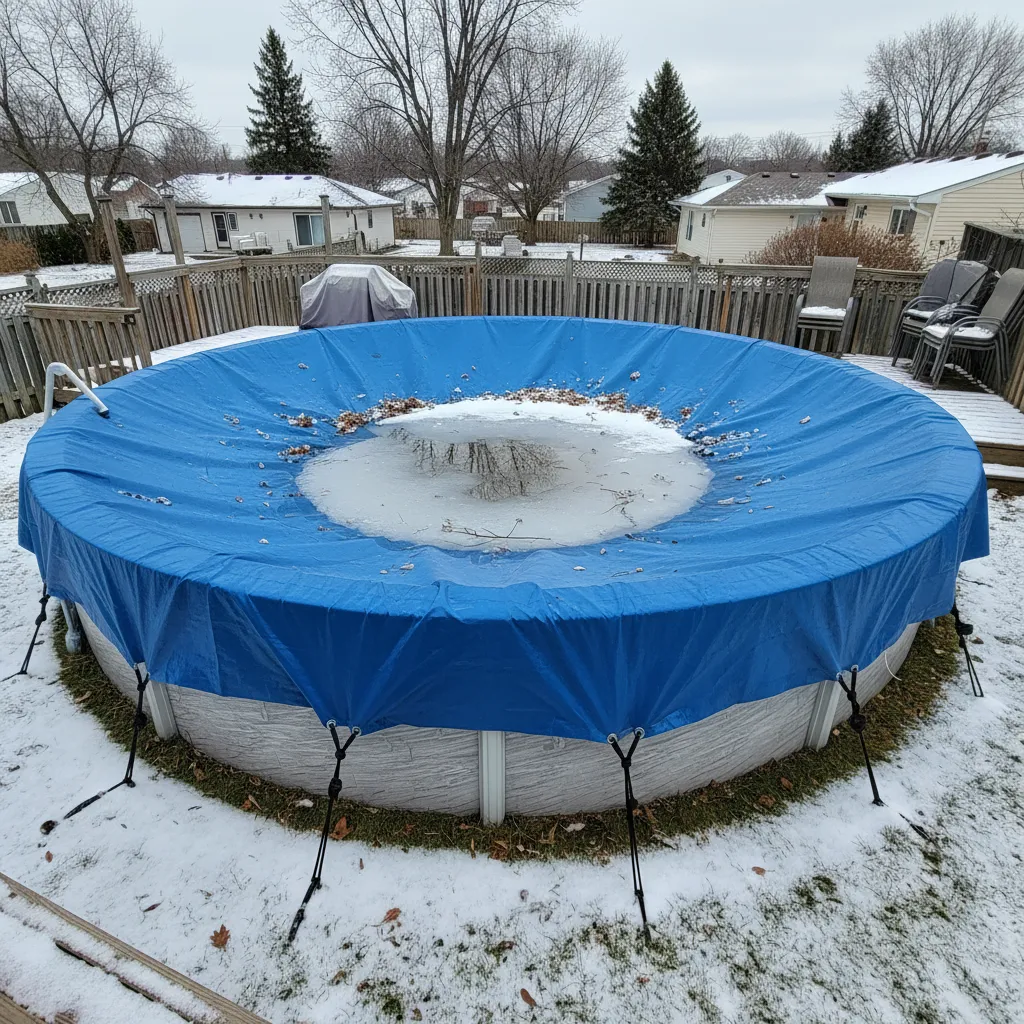
Heavy-Duty Winter Pool Cover
Winter demand is high - check stock
Why Compatibility Matters for Pool Maintenance
A good fit stops tools from coming loose in water. This keeps you safe and saves time. If a brush or net falls off mid-clean, you have to fish it out. Worse, a loose vacuum head can scratch the pool floor. To keep your swimming experience enjoyable, it’s important to also know how to balance pool chemicals. Balanced pool chemicals help maintain clear water and protect your equipment.
Most poles use a standard link, like a threaded tip or quick-lock clip. But some tools need special adapters. Weight also plays a role. Heavy gear can bend a slim pole, while light nets may wobble if the pole is too stiff. Always check the maker’s specs to avoid slips or breaks.
Up next: a deep dive into how telescopic poles are built and what makes them work with your go-to tools.
Let’s look at how telescopic poles are made and what sizes or styles impact their use.
What is a Telescopic Pole?
A telescopic pole is a tool used to clean pools. It can change length to reach far spots. Most have two or more parts that slide out and lock in place. This makes them easy to store and adjust for tasks like scrubbing walls or skimming leaves.
Basic Design and Functionality
These poles are built with light but strong stuff like aluminum or fiberglass. Each section fits inside the next. A twist lock or push button holds them tight when extended. The top end has a link to attach brushes, nets, or vacuums. This design works for many jobs but needs care to stay smooth over time.
Standard Sizes and Extension Capabilities
Most poles start at 8 feet and stretch up to 20 feet. In-ground pools often need 16-foot poles, while above-ground may use 12-foot ones. Widths range from 1.25 inches (common) to 1.5 inches. Heavier tools like deep-leaf rakes need thicker poles to avoid bends or breaks. Always check the maker’s max length and weight limits before use. When considering pool options, affordability is important. A cheaper inground pool can provide value without sacrificing quality.

Key Factors in Telescopic Pole Compatibility
Not all pool tools fit every pole. Three things decide if they work: link type, weight limits, and pole width. These details matter for safe, stable use.
Universal Connection Types
Most poles and tools use one of two links: threaded or quick-release. Threaded ends screw in, while quick-release snaps on. Some brands mix styles, but adapters can fix mismatches.
Threaded vs. Quick-Release Mechanisms
Threaded links twist tight (like a bottle cap). They’re standard for vacuums and brushes. Quick-release uses a spring clip for fast swaps—ideal for skimmers or nets. If your tool has the wrong link, a $5 plastic adapter can bridge the gap.
Weight Capacity and Material Durability
Aluminum poles hold up to 5 pounds; fiberglass handles 10. Heavy tools (e.g., wide vacuum heads) may bend aluminum or break locks. Always check the tool’s weight tag. A pole made for light nets won’t safely lift a silt bag full of debris.
How Weight Ratings Affect Tool Compatibility
Overloading strains locks and joints. For example, a 6-pound robotic scrubber on a 5-pound pole can snap the top section mid-use. Stick to the maker’s limits. When in doubt, pick fiberglass—it’s stiffer and lasts longer under stress.
Pole Diameter and Attachment Fit
Tools have collars sized for specific poles. A 1.25-inch pole fits most brushes and skimmers. Wider 1.5-inch poles suit heavy gear but need adapters for standard tools. A loose fit causes wobbling; too tight strains the lock. Test new tools at full extension before adding water force.
Now that we’ve covered what makes poles and tools work (or not), let’s see which pool gear pairs best with telescopic poles.
Also See: Can You Pressure Wash a Pool With Water in It?
Pool Tools Commonly Compatible With Telescopic Poles
Most telescoping pole pool tools work seamlessly with standard telescopic poles due to universal thread designs. These connections rely on common sizing, letting you swap attachments without swapping poles. From scrubbing walls to skimming debris, flexibility defines the telescoping pole for pool cleaning. With the rise of technology, many pool owners are now turning to robotic pool cleaners for convenience. These automated devices offer an efficient way to keep pools clean without manual effort.
Pool Brushes: Bristle Types and Pole Requirements
Telescopic pole pool brushes often feature nylon or stainless steel bristles. Both types connect via a 1-1/4″ threaded end, fitting most poles rated for 10-15 lbs. Steel brushes need sturdier poles—like fiberglass or reinforced aluminum—to handle scrubbing force without bending. Lightweight models work with basic telescoping pool poles, provided the locking collars stay secure during use.
Skimmers and Nets: Lightweight Attachments
Mesh skimmers and fine nets rarely exceed 3 lbs, making them ideal for telescoping poles. Most use quick-release clips or threaded tips, letting you switch between surface skimming or deep-leaf scooping. For larger debris, reinforced nets with wider frames still function if the pole’s weight capacity hits 8-10 lbs.
Vacuum Heads: Telescoping Pole Pool Vacuum Connections
Manual vacuum heads often pair with telescoping pole pool vacuums using threaded inserts. Look for heads with swivel joints to prevent hose tangling when extending the pole. Compatibility depends on matching the vacuum’s female threads (typically 1-1/4″) to the pole’s male end. Weight matters less here since water buoyancy offsets load during submersion. Keeping your pool water clean is crucial not just for swimming but also for ensuring safe drinking water. Proper purification methods can make a pool’s water safe for consumption in emergencies.
Leaf Rakes and Specialty Attachments
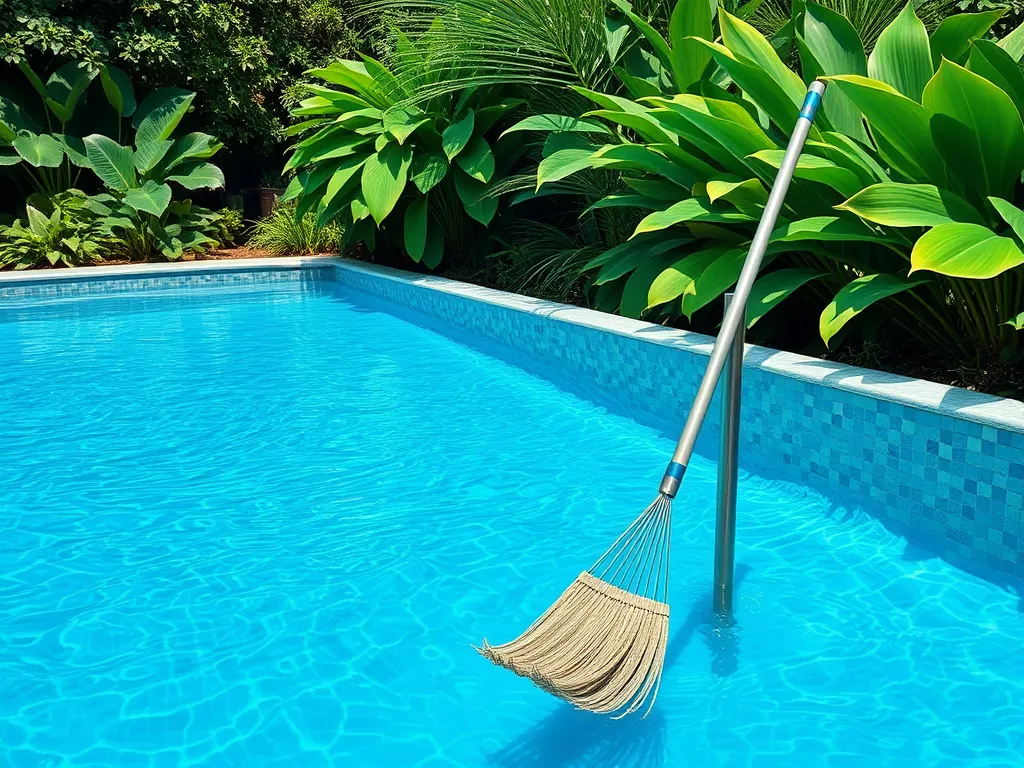
Deep-leaf rakes or tile scrubbers attach like standard tools but may need longer poles for inground pools. Specialty tools like algae brooms use the same threads but verify weight limits—bulky designs might strain collapsible poles. For poles extending beyond 16 feet, aluminum alloys offer better torque control than fiberglass.
Tools That May Not Work With Telescopic Poles
While telescopic poles for pool tools cover most needs, some gear demands specialized hardware. Weight limits, non-standard threads, or bulky shapes create mismatches. Recognizing these early prevents equipment damage or safety risks. A pool cover can help protect the equipment from damage. It is essential for maintaining a clean and safe swimming area.
Heavy-duty or Motorized Pool Cleaners
Robotic cleaners or pressure-side vacuums weigh 12-20 lbs dry, exceeding telescopic pole weight ratings. Their motorized parts also require sealed electrical connections, which universal poles lack. Stick to manual vacuums or dedicated cleaner hoses for these systems.
Non-standard Connection Designs
Older tools or niche brands sometimes use 1-1/2″ threads or proprietary clamps. Without adapters, these won’t lock onto standard telescoping pool poles. Check thread specs before buying replacements—most newer models follow the 1-1/4″ norm.
Oversized or Weight-prohibitive Accessories
Wide roller brushes or commercial-grade scrubbers built for concrete pools strain telescopic joints. If a tool weighs over 10 lbs dry, expect wobbling or joint slippage, especially when fully extended. Use rigid one-piece poles for such tasks. Maintaining a clean pool is essential for both safety and enjoyment. Automated cleaning systems can help streamline this process and ensure consistent results.
How to Verify Compatibility Before Use
Testing fit and function takes minutes but saves hours of frustration. Focus on three areas: connection type, load balance, and brand-specific rules.
Checking Thread Patterns and Adapter Needs
Measure thread width on both the pole and tool. Standard poles use male 1-1/4″ threads; if the tool has female threads of the same size, it’s compatible. For mismatched sizes, screw-on adapters (like 1-1/4″ to 1-1/2″) bridge the gap. Ensure adapters include rubber gaskets to prevent loosening mid-use.
Testing Weight Distribution and Stability
Attach the tool, extend the pole to its maximum length, and shake gently. If the joint rattles or the pole bows, the load’s too heavy. For vacuums, test submerged—water resistance adds strain. Fiberglass poles handle lateral force better than aluminum when fully extended.
Manufacturer Guidelines for Telescoping Pole Pool Tools
Brands like Hayward or Water Tech list weight limits and thread specs online. For example, Water Tech’s telescoping pole pool vacuum works only with poles supporting 1-1/4″ quick-release collars. Cross-reference manuals or product specs to confirm fit.
While most telescoping pole pool tools integrate smoothly, performance hinges on proper maintenance—something we’ll explore next.
Benefits Of Using a Telescopic Pole for Pool Tools
Switching to a telescopic pole for pool tools streamlines maintenance while offering practical advantages. These poles serve as a single solution for skimming, brushing, and vacuuming, cutting down on equipment clutter. Keeping your pool in good condition is important to prevent leaks. One common issue is the need to stop leaks in copper pipes, which can be easily managed with the right tools.
Cost Efficiency Through Multi-tool Use
A telescoping pole pool tool setup eliminates the need to buy separate poles for each accessory. For example, pairing one $50–$80 telescopic pole with interchangeable brush, net, and vacuum heads saves up to 70% compared to purchasing individual fixed-length poles. Most models support attachments from major brands like Hayward and Pentair, provided they use standard 1-1/4″ or 1-1/2″ threaded connections. When maintaining a pool, it’s also important to monitor water quality. Store pool test strips can make checking the water’s pH and chlorine levels quick and easy.
Adjustable Length for Versatile Cleaning
Telescopic poles extend from 8 to 16 feet, adapting to shallow wading areas or deep-end corners. This adjustability helps clean hard-to-reach spots around ladder rails or submerged steps without straining. Fiberglass or aluminum poles rated for 20–30 lbs handle most manual tools, though motorized cleaners may require fixed-length alternatives.
Potential Challenges and Solutions
While telescoping poles work with many pool tools, mismatched specs can create headaches. Identifying these issues early prevents equipment damage or safety risks.
Mismatched Threads or Adapter Issues
Not all telescoping pole pool vacuum or brush attachments share the same thread size. European brands often use M14 threads, while U.S. models favor 1-1/4″ coarse threads. A $5–$10 stainless steel adapter bridges this gap, ensuring cross-compatibility between poles and tools. Always verify thread patterns before attaching accessories. Maintaining a clean pool goes beyond just vacuums and brushes. Aerating the pool helps improve water quality and circulation.
Overextension Risks With Heavy Tools
Extending a telescopic pole for pool cleaning beyond 12 feet while using a 5-lb vacuum head increases wobble and stress on locking collars. To stabilize, collapse the pole to the shortest effective length and grip near the midpoint. For heavy-duty tasks, choose poles with reinforced aluminum cores and dual-lock systems. To keep your pool water clean and safe, regular testing and balancing of the water is essential. Using a Taylor pool test kit can help you monitor the chemical levels accurately.
Wear and Tear on Locking Mechanisms
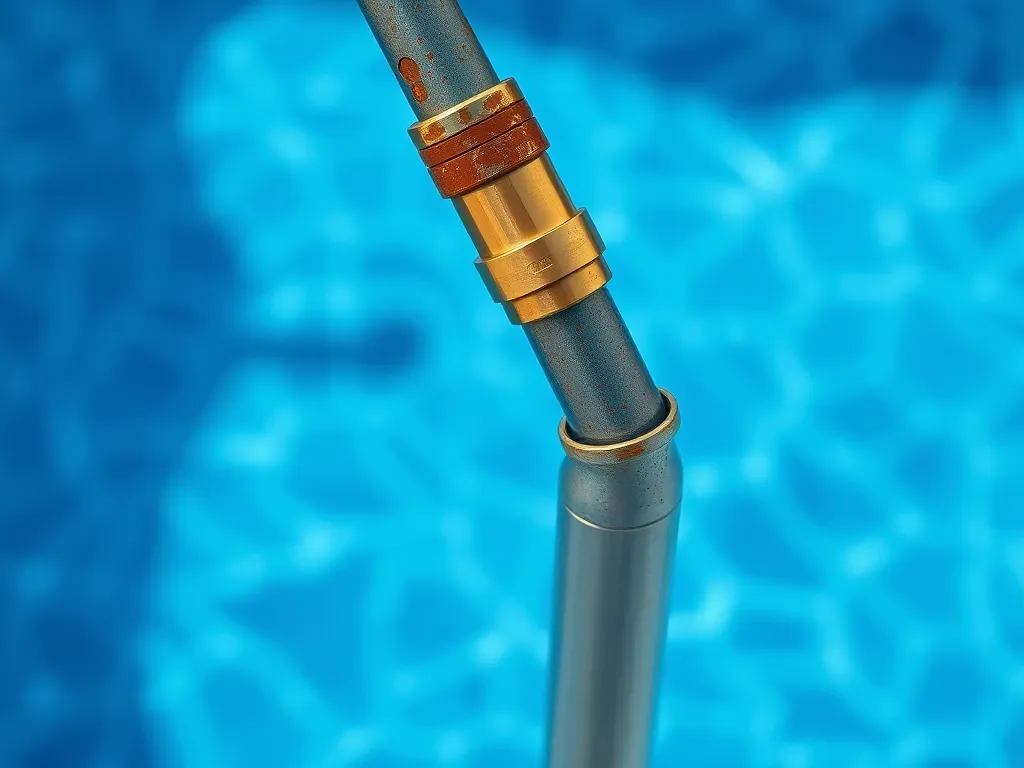
Twist-lock or push-button clamps degrade with repeated adjustments, especially in saltwater pools. Rinsing the pole after use and applying silicone lubricant every 3–4 months prevents corrosion. If sections slip despite maintenance, replace the O-rings or invest in a model with brass locking sleeves for added durability. Choosing a rust-resistant telescopic pool pole can make your maintenance routine easier. These poles are designed to withstand harsh conditions and last much longer than traditional options.
Next, let’s address common questions about pairing specific tools with telescopic poles.
FAQs: Telescopic Pole Pool Tool Compatibility
Are Third-party Pool Tools Compatible With Branded Telescopic Poles?
Most third-party tools work if they follow universal standards (e.g., 1-1/4″ threads). Always verify thread patterns and weight limits, as generic brands may vary in quality or sizing. Adapters can resolve minor mismatches.
How Do I Prevent Quick-release Attachments From Detaching During Use?
Ensure the quick-release collar clicks firmly into place. Regularly clean debris from the mechanism and inspect springs for wear. For heavy tools, wrap the connection with waterproof tape for added security.
Can a Slightly Mismatched Thread Size Damage the Telescopic Pole?
Forcing mismatched threads can strip the pole’s connector or warp attachments. Use a nylon adapter or thread sealant to fill minor gaps. Avoid metal adapters unless specified by the manufacturer.
Do Telescopic Poles From Different Brands Work Together Seamlessly?
Most brands adhere to 1-1/4″ or 1.5″ thread standards, but locking mechanisms may vary. Test combinations before full use—some poles may require brand-specific collars for stability.
Closing Thoughts
Telescopic poles offer impressive versatility for pool maintenance, but compatibility depends on connection types, weight limits, and attachment designs. Most standard tools—brushes, skimmers, and vacuum heads—work seamlessly with universal threaded or quick-release poles. Heavy-duty or non-standard tools may require adapters or alternative solutions.
Always verify thread patterns, weight ratings, and manufacturer specs before pairing tools. A well-matched telescopic pole system simplifies cleaning, reduces costs, and adapts to various pool depths. For precise calculations on pool maintenance equipment, check out My Pool Calculator to optimize your setup.
With the right pole and attachments, you’ll streamline upkeep and keep your pool pristine year-round.
Additional Resources for You:
- National Swimming Pool Foundation (NSPF). (2022). Pool & Spa Operator Handbook (4th ed.). Colorado Springs, CO: NSPF.
- Telescoping pole | Trouble Free Pool
- What is a Telescopic Pool Pole? – Skimlite
- Products | Primate Pool Tools
- Leslie’s Pool Supplies | Telescoping Pool Poles
A pool care geek who’s been testing water chemistry since she was tall enough to reach the skimmer.
Cleaning Tools, Pool Cleaning & Maintenance, Telescopic Poles