Does Being in a Pool Dehydrate You? A Pool Care Guide
Published on: March 6, 2026 | Last Updated: November 17, 2025
Written By: Lila Fairholme
Yes, being in a pool can dehydrate you despite being surrounded by water. Water immersion tricks your body into feeling cool, reducing visible sweat while still causing fluid loss through exercise, evaporation, and chlorine exposure. Swimmers often overlook thirst signals because pool water doesn’t hydrate skin or replace internal fluids. Even casual floating risks dehydration if you skip water breaks or ignore rising temperatures.
This guide explains why pools drain your body’s fluids faster than you’d expect. We’ll break down the science of how chlorine impacts skin moisture, why swimming burns more energy than walking, and how electrolyte imbalances occur. You’ll learn to spot early signs like dry lips or dizziness and address delayed fatigue after pool time.
We’ll also share pool maintenance hacks to support hydration. Discover ideal chlorine ranges (1-3 ppm), water temperatures under 85°F to reduce sweating, and why alcohol by the pool accelerates dehydration. From pre-swim hydration routines to post-swim electrolyte drinks, these strategies keep you safe without cutting into summer fun.
Understanding Pool Hydration Myths
Many assume water immersion automatically supports bodily hydration. This false belief stems from mixing physical sensations with biological processes. Let’s clarify two common myths about pools and fluid balance.
Crucial Winterizing Products
"The all-in-one solution for a guaranteed clear spring opening."
All-in-One Closing Chemical Kit
Winter demand is high - check stock

"The 'set & forget' option. This is the easiest winterizing I've ever done."
Simple 3-in-1 Winterizing Balls
Winter demand is high - check stock
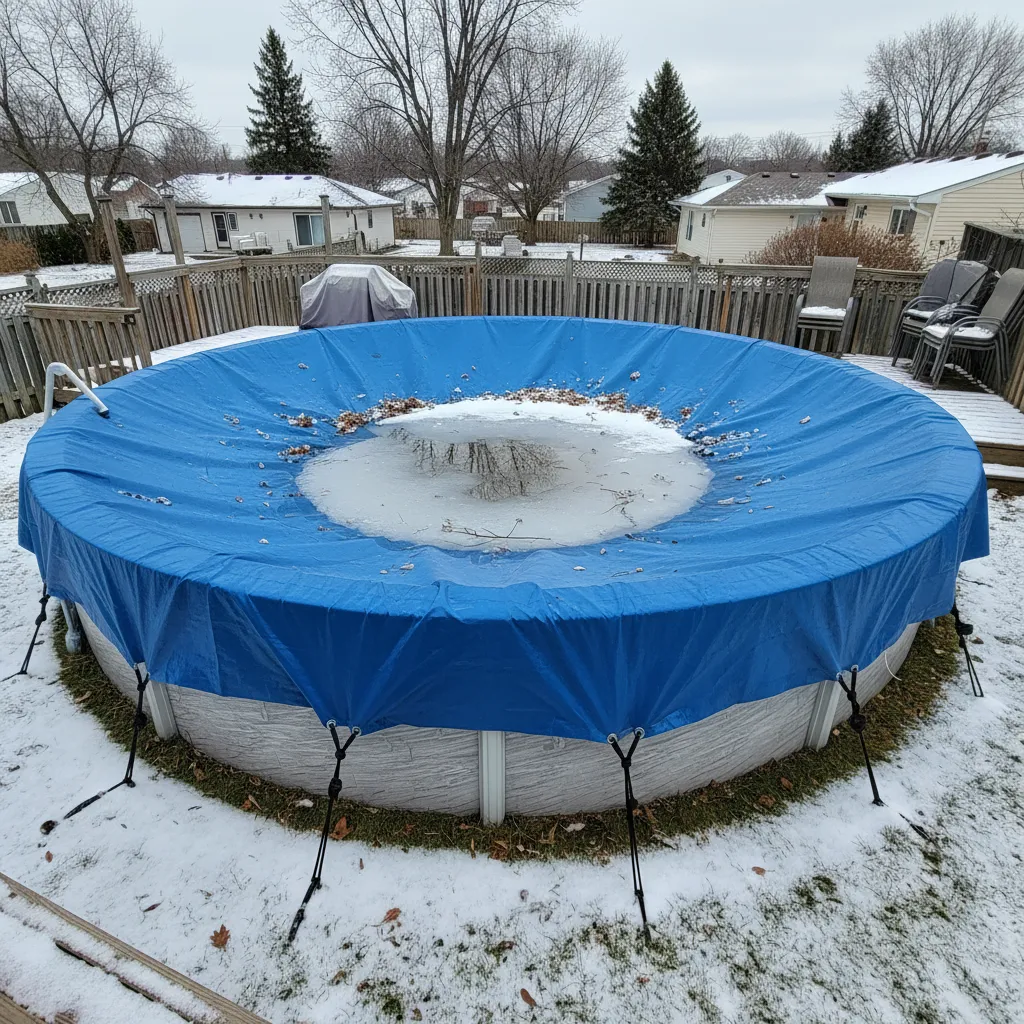
"Invest once to protect your liner and prevent a swamp in the spring."
Heavy-Duty Winter Pool Cover
Winter demand is high - check stock
Does Sitting in a Pool Hydrate You?
Aquatic immersion doesn’t hydrate skin or bodily tissues. Human skin acts as a barrier, blocking most fluid absorption. A 2020 study in the Journal of Applied Physiology found participants lost 17% more fluids through urination after 60 minutes of submersion compared to dry land. Cold water can tighten blood vessels, slowing blood flow to organs that manage hydration. Sitting still in water might feel refreshing, but it doesn’t replace fluids lost through normal bodily functions.
Can Pool Water Replace Drinking Fluids?
Pool water contains chlorine (1-4 ppm), algaecides, and pH balancers—none safe for consumption. Swallowing small amounts during play or laps won’t aid hydration. The CDC warns against using pool water as a drinking source due to risks of gastrointestinal issues from residual chemicals. Hydration requires not just H2O but also sodium, potassium, and magnesium. Pool water lacks these minerals, making it incapable of restoring what’s lost through sweat or diuresis (increased urination). Drinking 8 oz of plain water hydrates better than an hour of submersion.
While myths about pool hydration persist, actual factors like chlorine levels play a more direct role in fluid balance during aquatic activities.
How Chlorine Affects Hydration
Pool water with chlorine keeps germs at bay but raises questions about its impact on your body’s water balance. Let’s break down how this common pool chemical plays into hydration. Maintaining the right chemical balance in your pool is crucial for both health and enjoyment. One important aspect to monitor is the salt level in your pool water.
Does Chlorine Water Dehydrate You?
Chlorine itself doesn’t suck water from your skin. Yet pools with high chlorine levels (over 3 ppm) strip natural oils that help hold moisture. This leaves skin dry and tight, tricking some into thinking they’ve lost fluids. Real dehydration comes from sweat, not pool chemicals. Maintaining a low chlorine pool can help prevent this skin irritation. Low chlorine levels provide a more comfortable and enjoyable swimming experience.
Do Chlorinated Pools Deplete Electrolytes?
Saltwater pools use 3,000-4,000 ppm salt. Standard pools add chlorine tablets or liquid. Neither type steals sodium or potassium through skin. But swimmers still lose electrolytes via sweat – yes, you sweat in water! A 30-minute swim can shed 16 oz of sweat, taking key minerals with it. When preparing for an above ground pool, it’s important to consider water chemistry. Proper salt and chlorine levels will help maintain a healthy swimming environment.

Signs Of Dehydration in Swimmers
Water hides sweat, so thirst hits slower. Watch for these clues during and after pool time.
Physical Symptoms to Watch for
- Dry lips or cottonmouth mid-swim
- Headache behind eyes
- Cramps in calves or feet
- Dark pee post-swim (aim for pale yellow)
Delayed Effects After Pool Time
Some signs pop up hours later:
- Fatigue that feels like “pool hangover”
- Dizziness when standing fast
- Muscle twitches in back or arms
Spot these? Grab a drink with sodium and potassium ASAP. Up next: why water workouts drain fluids faster than you’d think.
Also See: Can Pool Test Strips Detect Metals Like Copper or Iron?
Why Swimming Causes Fluid Loss
Water immersion creates a deceptive environment where fluid loss goes unnoticed. Even with full-body contact with pool water, swimmers still experience significant fluid shifts that impact hydration levels. Let’s break down the science behind this phenomenon.
Do You Sweat in a Pool?
Yes, swimmers sweat during activity. Water conducts heat 25 times faster than air, prompting the body to cool itself through perspiration even in cooler temperatures. A 60-minute lap session can result in 16-32 oz of sweat loss. The surrounding water masks dampness, creating a false sense of hydration. Sweat rates vary based on intensity: competitive swimmers lose up to 64 oz per hour during races. This sweat loss can lead to dehydration if not addressed. In fact, this is where the concept of a ‘sweat pool’ comes in, highlighting the need for proper hydration and recovery after swimming sessions.
Exercise Vs. Immersion Dehydration
Two factors drive fluid loss: muscle exertion and hydrostatic pressure. Vigorous exercise increases core temperature, accelerating sweat production. Meanwhile, water pressure pushes blood toward the chest, triggering a 30% increase in urine output (immersion diuresis). Casual floaters might lose 8-12 oz of fluids hourly through this passive process, while active swimmers face dual depletion.

How to Rehydrate Properly After Swimming
Post-swim recovery requires more than gulping a glass of water. Effective rehydration addresses both volume replacement and mineral balance.
Immediate Rehydration Strategies
Drink 16-20 oz of fluid within 30 minutes of exiting the pool. Cool water (50-59°F) absorbs 40% faster than room-temperature liquids. For sessions exceeding 45 minutes, add 0.5-0.7 grams of sodium per liter to your drink—this enhances retention. A simple option: mix 8 oz orange juice with 16 oz water and a pinch of salt. Staying hydrated is especially important for activities like swimming in a water boatmen pool. This unique setting provides an enjoyable atmosphere while also allowing you to observe fascinating aquatic life.
Electrolyte Restoration Methods
Rebalance sodium, potassium, and magnesium levels with targeted intake:
| Mineral | Source | Dose Post-Swim |
|---|---|---|
| Sodium | Pickle juice, salted nuts | 400-600 mg |
| Potassium | Banana, coconut water | 300-450 mg |
| Magnesium | Spinach, dark chocolate | 50-100 mg |
Avoid sugary sports drinks unless engaging in high-intensity training—opt for low-sugar options with <6g carbohydrates per 8 oz.
Preventing Dehydration in Pools
Proactive hydration plans minimize risks during aquatic activities. Follow these evidence-based protocols.
Pre-swim Hydration Routine
Consume 17-20 oz of water 2 hours before entering the pool. For morning swimmers, drink 8 oz upon waking to counter overnight fluid loss. Check urine color—pale yellow indicates readiness. Darker shades mean delaying swim time for another 8-16 oz of water. Staying hydrated is crucial, especially in warm environments. Just like you wouldn’t brush new plaster, you need to let your body adjust without interference.
In-pool Fluid Intake Schedule
Schedule hydration breaks every 20 minutes, even without thirst signals. Keep a sealed bottle at poolside—sip 4-6 oz during rests. For extended sessions (>1 hour), alternate between water and electrolyte solutions at a 3:1 ratio. Children need 5 oz per 30 minutes due to higher surface-area-to-mass ratios.
Alcohol and Swimming Dangers
Ethanol acts as a diuretic, increasing fluid loss by 150-200% at blood concentrations of 0.1%. Combining alcohol with swimming triples dehydration risks—a single margarita can remove 24 oz of bodily fluids. It also impairs judgment of thirst signals, creating a dangerous cycle. Public pools with swim-up bars report 22% more dehydration incidents than alcohol-free facilities.
Monitoring hydration status becomes easier when combined with proper pool chemistry management. Let’s explore how water balance impacts fluid retention…
Pool Maintenance for Swimmer Health
Keeping swimmers hydrated involves more than just water intake—pool chemistry conditions directly influence fluid loss risks. Properly balanced water minimizes skin irritation, reduces eye strain, and prevents scenarios where bodily fluids deplete faster. Let’s break down two core factors impacting hydration during swim sessions. In addition to hydration with fresh water, many people are curious about the safety of drinking pool water. This topic is important because it raises questions about chemical exposure and the health effects on swimmers.
Balancing Chemical Levels
Chlorine concentrations above 3 ppm strip moisture from skin cells, creating dryness that speeds up fluid loss through pores. pH levels drifting beyond 7.2-7.8 intensify this effect, causing subtle irritation that stresses the body. Test kits measuring free chlorine, total alkalinity, and cyanuric acid (a stabilizer shielding chlorine from UV rays) should be used twice weekly. Combine this with shock treatments after heavy use to break down chloramines—compounds linked to respiratory dryness that may trigger thirst signals.
Saltwater pools aren’t exempt. Though gentler on skin, salt cells generating chlorine still require monitoring. Salt levels exceeding 4000 ppm create buoyancy changes that subtly increase physical exertion, raising metabolic rates by 12-15% compared to freshwater swimming. More exertion means more internal fluid turnover, even if sweat isn’t visibly present. This raises questions about the cleanliness of saltwater pools. Are they as sanitary as they seem, or do they have hidden risks?
Monitoring Water Temperature
Warmer pools (above 84°F) trick the body into underreporting sweat loss. While immersed, swimmers lose 16-34 ounces of fluid per hour through thermoregulation—comparable to light jogging. Cooler water (78-82°F) slows this process, but temperatures below 76°F may cause shivering, burning calories faster while masking thirst cues. Infrared thermometers give precise readings without needing to exit the pool. This is important for athletes who often utilize different temperatures in training. Float pools can provide unique benefits for recovery and performance enhancement.
Heated pools demand extra vigilance. For every 2°F rise beyond 82°F, metabolic rates climb roughly 5%, escalating fluid needs. Pair this with humid environments around indoor pools, where high moisture content in air slows sweat evaporation, tricking swimmers into thinking they’re retaining more fluids than they truly are. It’s essential to pay attention to how your body feels after swimming in such conditions. Taking a moment to let your body adjust before diving back in can help prevent overexertion and dehydration.
Maintaining these factors reduces risks tied to fluid loss, but individual habits still play the biggest role. Up next: tackling common questions about hydration myths versus realities in pool environments.
FAQs: Pool Hydration Concerns
How Long Can You Safely Swim Without Dehydration Risks?
Most adults experience fluid depletion after 45-60 minutes of moderate swimming. Factors like water temperature (warmer pools accelerate loss), intensity, and pre-hydration status affect timelines. For casual swimmers, limit sessions to 90 minutes with 4-6 oz water breaks every 20 minutes. Competitive athletes may need hourly electrolyte supplementation during training.
Are Saltwater Pools Better for Hydration Than Chlorinated Pools?
Saltwater pools (2,500-4,000 ppm salt) don’t inherently improve hydration but reduce chlorine-induced skin dryness. Both pool types cause equal fluid loss through sweat and immersion diuresis. The CDC notes saltwater swimmers still lose electrolytes at comparable rates—prioritize drinking balanced fluids regardless of pool type. When considering different pool types, the materials used in their construction can also impact the experience. Choosing the right swimming pool material, whether it’s concrete, fiberglass, or vinyl, can enhance comfort and maintenance.
Does Showering After Swimming Help Prevent Dehydration?
Rinsing post-swim removes chlorine residue that can irritate skin and mask thirst signals. While showers don’t directly rehydrate, they help restore skin’s natural moisture barrier, improving your ability to sense dehydration cues. Always pair post-swim showers with 16-20 oz of water or electrolyte drinks for optimal recovery. Similarly, taking care of your pool’s liner is important to avoid wrinkles in a pool liner. Wrinkles in a pool liner can affect both the look and durability of your pool.
Closing Thoughts
While pools provide refreshing relief, they aren’t hydration stations. The combination of chlorine exposure, unnoticed sweat, and physical activity can lead to fluid loss even when submerged. Recognizing dehydration signs like dry mouth or fatigue helps swimmers stay proactive.
Maintaining proper pool chemistry with balanced pH (7.2-7.8) and chlorine levels (1-3 ppm) reduces skin irritation risks. Pair this with pre-swim water intake (16 oz 30 minutes prior) and electrolyte-rich post-swim drinks for optimal recovery.
For precise pool maintenance guidance, explore tools at My Pool Calculator. Our resources help balance water health and swimmer safety—because clear water shouldn’t mean unclear hydration needs.
Additional Resources for You:
- Pentair Residential Pool Resources (Maintenance Guides)
- Swimming can put you at a higher risk of dehydration. Here’s why. | 13newsnow.com
- Can Swimmers Get Dehydrated? | Wonderopolis
- How to Stay Hydrated in Hot Weather: Tips for Summer Fun — Ultima Replenisher
- Osmosis hydration? Does my body hydrate while i swim?