Can You Swim After Adding Phosphate Remover? Pool Safety Explained
Published on: February 9, 2026 | Last Updated: November 17, 2025
Written By: Rachael Weatherbottom
Yes, swimming is generally safe immediately after using phosphate remover, but always check your product label first. These specialty chemicals work by binding to phosphates (algae food sources) through a process called sequestration, forming particles removed by your filter. Unlike chlorine shocks, most phosphate treatments don’t create harsh reactions, though some brands may require a 2-4 hour waiting period. Verify pH stays between 7.2-7.8 and free chlorine remains at 1-3 ppm before swimming.
This article analyzes how different phosphate removers function, from lanthanum-based formulas that trap minerals to enzyme treatments that break down organic matter. We’ll compare top products like SeaKlear’s liquid remover and Orenda’s PR-10,000, detailing their exact safety thresholds and effectiveness on phosphate levels above 500 ppb.
Learn how pool size impacts chemical distribution – a 20,000-gallon pool may clear faster than a 40,000-gallon one with poor circulation. We’ll outline post-treatment steps like cleaning cartridge filters within 12 hours or scheduling DE filter backwash cycles to remove trapped phosphate particles.
Understanding Phosphates in Pool Water
Phosphates enter pool water through multiple pathways, acting as silent fuel for algae outbreaks. While not directly harmful to swimmers, these compounds create conditions that demand extra maintenance and chemical adjustments. Keeping an eye on water balance is crucial. This includes monitoring the Langelier Saturation Index (LSI), which helps maintain pool water quality.
Crucial Winterizing Products
"The all-in-one solution for a guaranteed clear spring opening."
All-in-One Closing Chemical Kit
Winter demand is high - check stock

"The 'set & forget' option. This is the easiest winterizing I've ever done."
Simple 3-in-1 Winterizing Balls
Winter demand is high - check stock
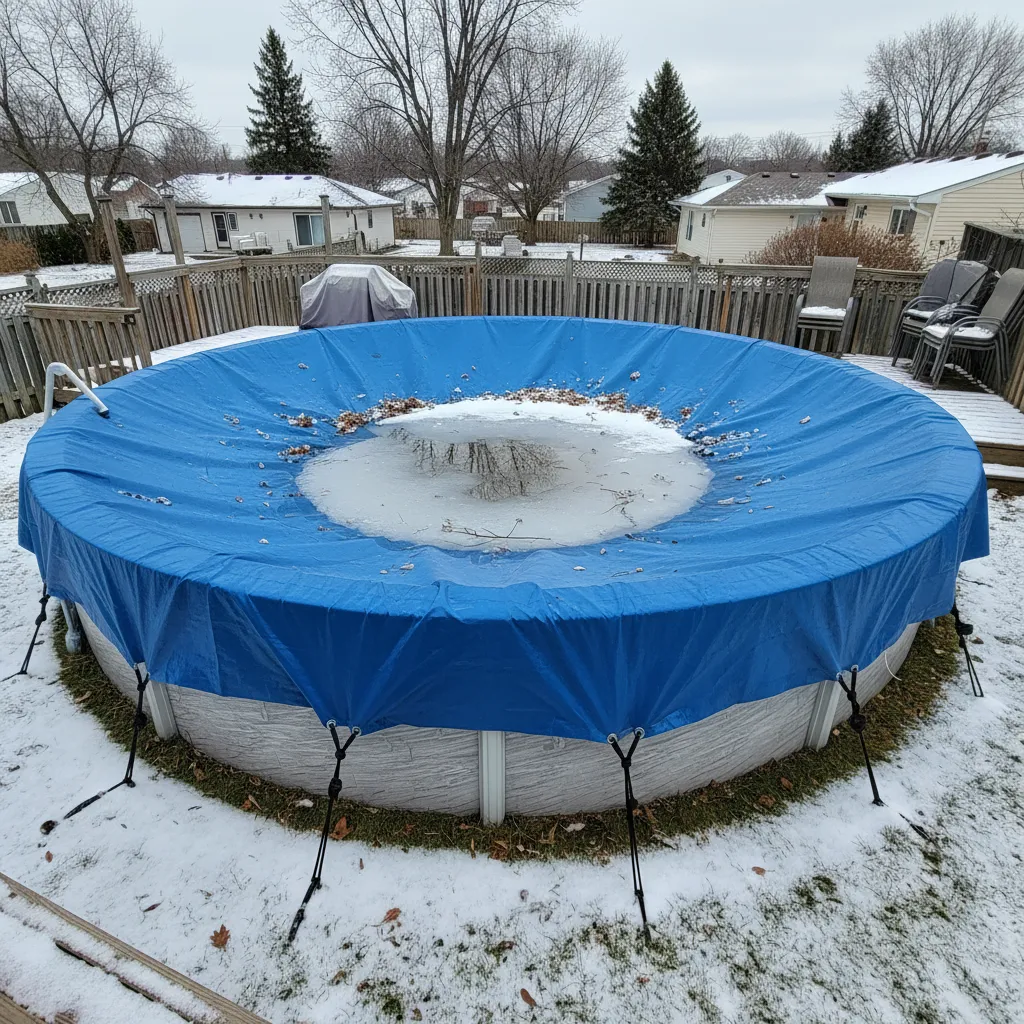
"Invest once to protect your liner and prevent a swamp in the spring."
Heavy-Duty Winter Pool Cover
Winter demand is high - check stock
Sources Of Phosphate Contamination
Common phosphate sources include:
- Lawn fertilizers drifting into the pool during rains
- Body oils, sweat, or hair products from swimmers
- Decaying leaves, pollen, or bird droppings
- Contaminated fill water with phosphate levels above 200 ppb
- Some algaecides or pH adjusters containing phosphates
Tests reveal pools near golf courses or landscaped yards often have phosphate levels exceeding 1,000 ppb—a threshold requiring immediate treatment.
Why High Phosphate Levels Are Problematic
Phosphates above 500 ppb reduce chlorine’s effectiveness by up to 40%, forcing increased sanitizer use. This nutrient surplus turns pools into algae incubators, with green blooms appearing within 12-48 hours under warm conditions.
Link Between Phosphates and Algae Growth
Algae consume phosphates rapidly, doubling biomass every 3-6 hours when levels surpass 300 ppb. Even after shocking, residual phosphates let algae rebound faster than chlorine can neutralize spores. Phosphate removers break this cycle by binding nutrients into filterable particles, starving existing growth and preventing new outbreaks.
With phosphate’s role clarified, the next step involves learning how removers tackle these invaders—and what swimmers need to know during treatment.
How Phosphate Removers Work
Phosphate removers tackle algae-fueling nutrients through targeted chemical reactions. These products bind to dissolved phosphates in water, transforming them into filterable particles for physical removal.
Chemical Process Of Phosphate Neutralization
Most removers use lanthanum carbonate (La₂(CO₃)₃) or aluminum-based compounds to create insoluble phosphate complexes. When added to pool water, these active ingredients attract phosphate molecules (PO₄³⁻), forming visible particles called precipitates. A properly functioning filter then traps these micron-sized particles, typically within 24-48 hours. Maintaining clean pool water also involves choosing the right sanitizing agent. Comparing pool chlorine and bleach can help determine the best option for effective water treatment.
Types Of Phosphate Removal Products
Two primary categories dominate the market:
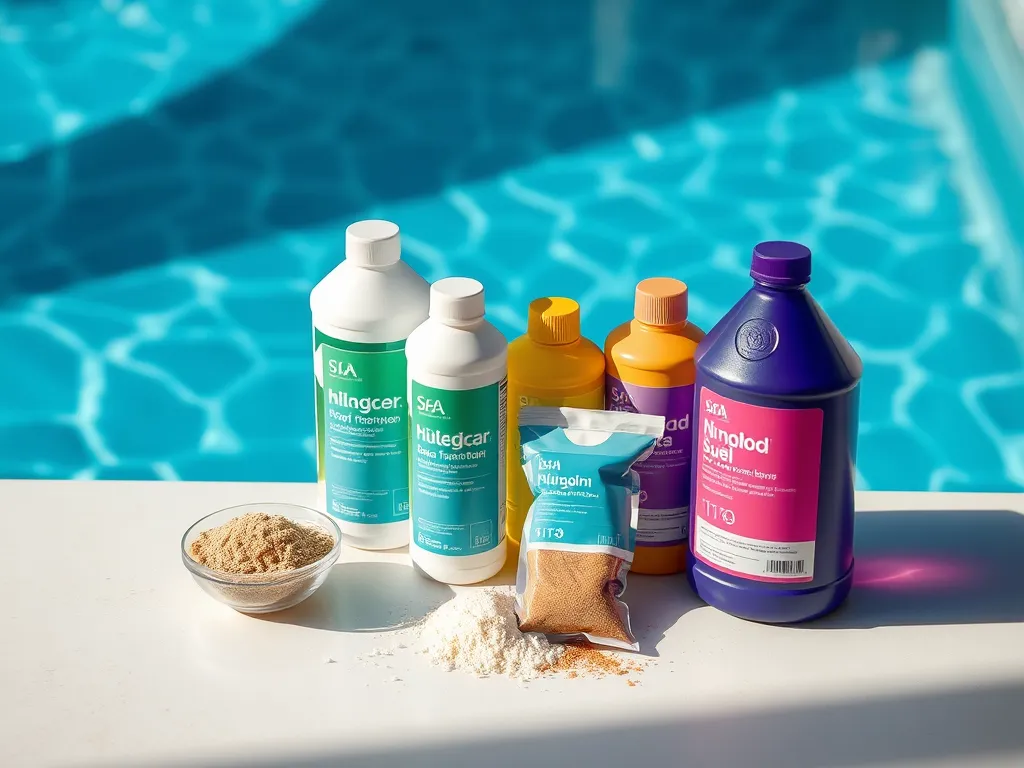
| Liquid Treatments | Fast-acting formulas (e.g., SeaKlear, PhosFree) costing $25-$50 per quart, treating up to 20,000 gallons |
|---|---|
| Granular Formulas | Pre-measured packets like Orenda PR-10,000, ideal for spot treatments at $30-$70 per container |
Some advanced blends combine phosphate removal with clarifiers or enzyme boosters for multi-stage contamination control.
Immediate Safety Considerations
While phosphate removers aren’t classified as harsh chemicals, their interaction with pool water demands cautious handling during application.
Is It Safe to Swim During Phosphate Treatment?
Manufacturers universally advise against swimming during active treatment phases. The initial 4-8 hour window post-application allows proper chemical distribution and particle formation without human interference. Ideally, these precautions help maintain a safe swimming environment. Rooftop pools are also popular for their unique views and atmosphere, making them a desirable place to swim and relax.
Chemical Exposure Risks
Direct contact with concentrated remover may cause:
- Skin irritation (pH levels reaching 10.5+ during dissolution)
- Eye discomfort from undissolved granules
- Respiratory issues if inhaling dust from dry products
Can You Swim With Phosphate Remover in the Pool?
Swim safety depends on three factors:
- Product formulation (liquid vs granular)
- Circulation time (minimum 2 full pump cycles)
- Water clarity (visible precipitates indicate ongoing treatment)
Always verify free chlorine levels remain at 1-3 ppm and pH stays between 7.2-7.6 before allowing swimmers post-treatment.
With proper timing confirmed, let’s examine how different waiting periods affect swim readiness after phosphate removal.
Also See: Can You Go in a Pool With Contacts? What to Consider
Waiting Periods After Use
Wait times change based on the product used. Most brands say to wait 24 hours before swim time. Check the label for exact hours. Some fast-acting removers, like those with lanthanum (a rare earth element), may clear in 8-12 hours if the pump runs non-stop.
How Soon Can You Swim After Adding Phosphate Remover?
Brands like SeaKlear or PhosFree list wait times on their packs. Yet, your pool’s traits matter too. Always run the pump for 4-6 hours after adding the treatment. This helps mix the product and trap phosphates in the filter. However, maintaining a clean pool cover is also essential. Algae can grow on pool covers if they’re not kept clean and dry.
Brand Guides vs Pool Owner Tips
While some products claim “swim right after,” pool pros urge waiting a full day. Why? Cloudy water or skin itch can occur if bits of the remover stay in the water. Play it safe: test first, swim later. It’s also important to keep an eye on other issues, such as wrinkles in the pool liner, which can lead to further problems if not addressed promptly.
Things That Change Wait Time
Big pools (over 20,000 gallons) may need more time. Hot days speed up the process. Sand filters clear faster than cartridge ones. If your pump is slow or the water’s below 65°F, add 4-6 extra hours before swim time. In these larger pools, a long drain pool system can be very effective. This design allows for faster draining and better water circulation.
Care After Treatment
Once phosphates drop below 100 ppb (test with strips or a kit), focus on clean-up. Brush the pool walls to loosen any stuck particles. Check chlorine levels—high phosphates can make sanitizers less effective. Lowering the oxidation-reduction potential (orp) in the pool is important after addressing phosphates. This helps improve water quality and enhances overall sanitation.
Must-do Steps Post-treatment
Backwash sand filters twice. Soak cartridge filters in a mild acid wash (1:4 muriatic acid to water) for 1 hour. Empty pump baskets—remover sludge can clog them fast. Run the pump another 2-3 hours after cleaning. Taking care of your filters helps maintain overall water quality. Backwash sand filters are an efficient way to keep your pool water clear and clean.
Filter Care Needs
Phosphate removers make gunk that sticks to filters. For DE filters, add 25% more DE powder after backwash. Check pressure gauges every 2 hours for the first day. A rise of 8-10 PSI means it’s time to clean again.
Test the Water Again
Use a test kit 24 hours post-treatment. Aim for 0-100 ppb phosphates. If still high, repeat the dose. Check pH (7.4-7.6) and alkalinity (80-120 ppm) too. Low alkalinity? Add baking soda (1.5 lbs per 10,000 gallons).
Options Beyond Chemicals
Cut phosphate risks without removers. Use lawn sprays with no phosphates. Rinse swimsuits before dips—sunscreen and sweat add 200-300 ppb per person. Seal deck cracks to stop soil runoff. Keeping the pool clean is essential for enjoyment and safety. Make sure to check the hours for Hancock Springs Pool, as it is now open for visitors.
Stop Problems Before They Start
Skim leaves daily—they hold 500+ ppb when wet. Use a pool cover in pollen season. Swap old sand in filters yearly—it traps fewer phosphates over time. Test water weekly with a $15-20 kit to catch spikes early.
Hands-on Clean-up
Vacuum slow (1 ft/sec) to grab phosphate-rich debris. Try a flocculant to clump particles for easy scooping. If levels hit 1000+ ppb, drain 1/3 of the pool and refill. Costs $80-150 for water, but skips chemical waits. Regular maintenance is key for any pool size. A 10,000-gallon pool can require consistent attention to keep water clean and safe.
Now that we’ve covered ways to skip or cut down on chemical use, let’s tackle common questions from pool owners about swim safety and phosphate treatments.
Phosphate Remover Safety FAQ
Does Long-term Phosphate Remover Use Affect Swimmer Health?
When used as directed, phosphate removers leave no harmful residues. However, swimmers with sensitive skin should rinse off after swimming, as residual particles may cause mild dryness. Always maintain pH balance (7.2–7.8) to minimize potential irritation.
Can Phosphate Removers Interfere With Saltwater Chlorine Generators?
Lanthanum-based products may form calcium-scale-like deposits on salt cell plates if phosphate levels exceed 1,500 ppb. For saltwater pools, use aluminum-based removers and clean cells within 48 hours of treatment. Test salinity weekly during phosphate removal cycles. Keeping the area around your pool tidy is also important. This includes regularly cleaning the pool pavers to prevent algae buildup and maintain a safe, inviting swimming environment.
Do Phosphate Removers Damage Pool Surfaces or Equipment?
Modern formulas are non-corrosive to vinyl liners and plaster when properly diluted. For fiberglass pools, avoid pouring concentrated remover directly near walls—pre-mix in a bucket first. Always run pumps during application to prevent settling on surfaces. When maintaining your pool, considering an add salt pool system can simplify the process. An add salt pool helps keep the water clean and soft, enhancing your swimming experience.
What Should I Do if Phosphate Remover Contacts Eyes or is Ingested?
Rinse eyes immediately with clean water for 15 minutes. If ingested accidentally, drink 8 oz of water and contact Poison Control (1-800-222-1222). While rare, symptoms like nausea or dizziness require urgent medical attention.
Are Phosphate Removal Byproducts Harmful to Wildlife?
Filter waste containing phosphate particles should be disposed of in sealed bags with regular trash—never backwash into gardens or storm drains. Lanthanum compounds bind tightly to phosphates, making them inert in landfill environments.
Closing Thoughts
Swimming with phosphate remover in your pool depends on the product type and manufacturer instructions. Most treatments require a 24-hour wait period before safe swimming resumes. Always verify phosphate levels drop below 100 ppb before reentering the water.
Proper pool maintenance prevents phosphate buildup. Regular brushing, vacuuming, and filter cleaning reduce organic debris that contributes to phosphate accumulation. Test water weekly using reliable kits to catch imbalances early.
For precise chemical dosing and water balance calculations, try My Pool Calculator. Our tools help maintain ideal conditions without guesswork, keeping your swim season trouble-free.
Useful References for You:
- PoolPro Magazine (Industry News & Technical Articles)
- Sky High Phosphate Levels – Swimming Pool Help
- The Truth About Phosphates in Pool Water
- Phosphates – All You Need To Know
- Safe to swim in phosphate remover? | Trouble Free Pool
A pool care geek who’s been testing water chemistry since she was tall enough to reach the skimmer.
Algae Treatment, Common Problems, Pool Chemistry