Do Above-ground Pools Increase Property Taxes? What Pool Owners Should Know
Published on: March 22, 2026 | Last Updated: November 17, 2025
Written By: Rachael Weatherbottom
Adding an above-ground pool may increase your property taxes, but the impact depends on how your local tax assessor classifies it. Temporary setups (think inflatable or seasonal frames) rarely trigger tax changes, while permanent installations with decks, fencing, or electrical work often count as “improvements” that raise your home’s assessed value. Unlike in-ground pools, which almost always boost taxes, above-ground models walk a line between recreational gear and permanent structures—and your tax bill hinges on that distinction.
This article breaks down exactly how pools affect property taxes, state by state and scenario by scenario. You’ll learn why some above-ground pools add $5,000 to your home’s value (and taxes) while others add $0. We’ll compare tax rules for permanent vs. temporary setups, explain how assessors evaluate features like saltwater systems or heating pumps, and share strategies to minimize surprises at tax time.
By the end, you’ll know how to estimate your potential tax increase using mill rates in your area, whether a pool could actually lower resale value in your neighborhood, and how structures like decks or fences double-dip into your wallet. We’ll also answer pressing questions, like why Texas homeowners sometimes see bigger tax jumps than Floridians or how semi-inground pools split the difference between above-ground and permanent designs.
Key Takeaways: Pools, Taxes, and Home Value
Adding a pool can impact property taxes and home value, but outcomes depend on pool type, local rules, and buyer preferences. Above-ground pools often face different tax treatment than in-ground designs. Tax assessors classify above-ground models as “temporary structures” in 60% of U.S. counties unless anchored permanently with decks or plumbing. Permanent installations may trigger tax reassessments, while seasonal setups typically avoid them. Over time, the choice of pool filtration system can also influence the maintenance costs associated with the pool. A sand pool filter’s lifespan, for example, typically spans 5 to 7 years before needing replacement, which is an important factor for homeowners to consider.
Crucial Winterizing Products

"The all-in-one solution for a guaranteed clear spring opening."
All-in-One Closing Chemical Kit
Winter demand is high - check stock

"The 'set & forget' option. This is the easiest winterizing I've ever done."
Simple 3-in-1 Winterizing Balls
Winter demand is high - check stock
"Invest once to protect your liner and prevent a swamp in the spring."
Heavy-Duty Winter Pool Cover
Winter demand is high - check stock
In-ground pools almost always qualify as capital improvements (long-term upgrades boosting home value). These installations can raise assessed property values by 5-15%, depending on materials like fiberglass ($25K-$50K) or concrete ($50K-$100K). Markets in warm climates like Arizona or Florida see stronger value boosts compared to colder regions. When considering a new pool, it’s important to look at the overall cost involved. In pool costs in Highland Park, costs can vary based on size and features, so budgeting accordingly is essential.
| Pool Type | Avg. Tax Impact | Home Value Change | Common Buyer Reactions |
|---|---|---|---|
| Above-Ground | 0-3% increase | Neutral or -10% to +5% | Mixed: families like them, others see maintenance hassles |
| In-Ground | 4-15% increase | +5% to +20% in warm climates | Positive in luxury markets; polarizing elsewhere |
Local tax codes heavily influence outcomes. For example, Texas excludes above-ground pools from assessments if not permanently affixed, while New Jersey taxes all pools as improvements. Check county appraisal district guidelines before installing. A $15K above-ground pool with a surrounding deck might add $7K to assessed value in one state but $0 in another.
Buyer demand also plays a role. In neighborhoods where 40% of homes have pools, adding one aligns with market norms. In areas where pools are rare, they might deter eco-conscious buyers or families worried about safety risks. Real estate agents report in-ground pools recoup 50-70% of installation costs at sale, while above-ground models rarely return more than 30%.
Next, let’s break down how tax assessors categorize pools and other upgrades during evaluations.
How Property Taxes and Home Improvements Work
Property taxes often shift when homeowners make changes that boost their home’s market value. Tax assessors track renovations through permits, satellite imagery, or physical inspections, focusing on upgrades that permanently alter the property. The key question: does the improvement make your home more desirable to future buyers?
What Qualifies As a Taxable Home Improvement?
Taxable improvements are permanent changes that enhance usability or appeal. Examples include adding a bathroom, expanding a patio, or installing solar panels. Above-ground pools fall into a gray area—they’re only taxable if classified as “fixed structures.” A basic seasonal pool with no plumbing or anchoring might not trigger reassessment, while one integrated with decks, fencing, or electrical systems often does.
How Assessors Evaluate Above-ground Vs. In-ground Pools
Assessors use three criteria to differentiate pool types:
- Installation permanence: In-ground pools require excavation and permits, automatically qualifying as capital improvements. Above-ground models may be deemed “temporary” if removable without structural damage.
- Integration with landscaping: Pools surrounded by stamped concrete, lighting, or custom fencing signal intentional design, increasing assessed value.
- Local classification rules: Some counties, like Maricopa County, AZ, exclude above-ground pools from assessments entirely, while others tax them at 50% of their installed cost.
Do Pools Increase Property Taxes?
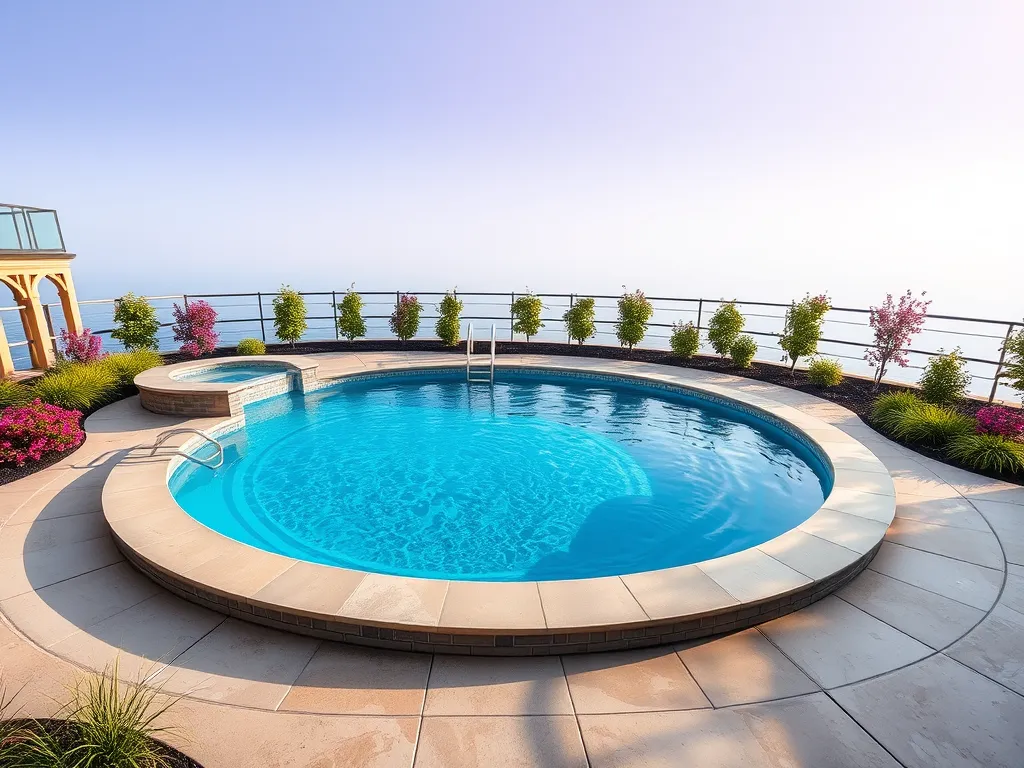
Whether a pool raises your tax bill depends on two factors: its classification as a temporary or permanent structure and your municipality’s tax rate. Expect variations—a $15,000 in-ground pool in Austin, TX, might add $300/year in taxes, while the same pool in Montclair, NJ, could add $900+. Considering the type of pool can also affect overall costs. For example, kayak pools tend to have different price points and maintenance requirements compared to traditional pools.
Above-Ground Pools: Temporary vs. Permanent Installations
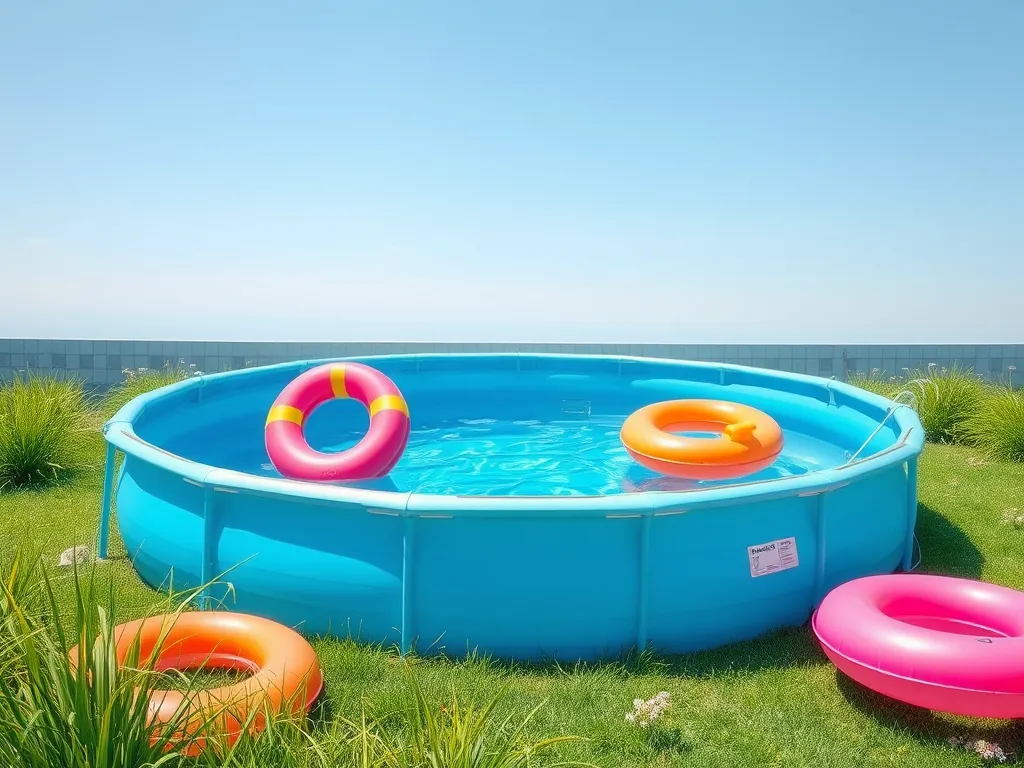
Portable vinyl-sided pools rarely affect taxes, but models with these features often do:
- Anchored to concrete footings
- Connected to permanent plumbing
- Surrounded by composite decking exceeding 120 sq. ft.
In Ohio’s Franklin County, for example, assessors add 30-50% of an above-ground pool’s cost to your home’s value if it includes a fixed deck. Unanchored inflatable pools? No impact.
In-Ground Pools as Capital Improvements
In-ground pools are capital improvements—durable upgrades that boost property value. They typically increase assessments by 5-15% of their construction cost. A $50,000 gunite pool in Florida might raise your assessed value by $3,750 (7.5%), translating to $75-$225 in annual taxes, depending on local millage rates. Fiberglass shells often appraise lower, adding 4-8% of their cost. Just like maintaining a pool is important to keep its value, knowing the rules of fouls pool is essential for fair play. Fouls in pool can change the outcome of a game, making it crucial for players to be aware of them.
Up next: How pool size, material choices, and local tax laws further shape your potential tax increase.
Also See: Are Above Ground Pools Trashy? Discover the Facts
Factors That Influence Property Tax Increases
Your pool’s effect on taxes depends on where you live and how it’s built. Let’s break down key factors.
Local Tax Laws and Assessment Criteria
Tax rules change by state or town. For example, Texas treats pools as “live better” upgrades, adding 5-15% to your home’s worth. In Ohio, pools may add $5,000-$15,000 to your tax base. Some towns skip taxes on above-ground pools if they’re easy to move. Check local codes first. Pools also require proper maintenance to ensure water quality. One important aspect of maintenance is managing alkalinity levels in your pool.
Pool Size, Materials, and Added Features
A 24-foot steel pool costs $4,500 but may lift taxes less than a resin model with a deck. Built-in lights or heaters push taxes higher. For in-ground pools, depth matters – a 6-foot pool often adds 7% more value than a 4-foot design. When considering features like a pool chiller, it’s essential to factor in additional costs. Pool chillers can vary significantly in price, affecting the overall investment for maintaining a comfortable swimming temperature.
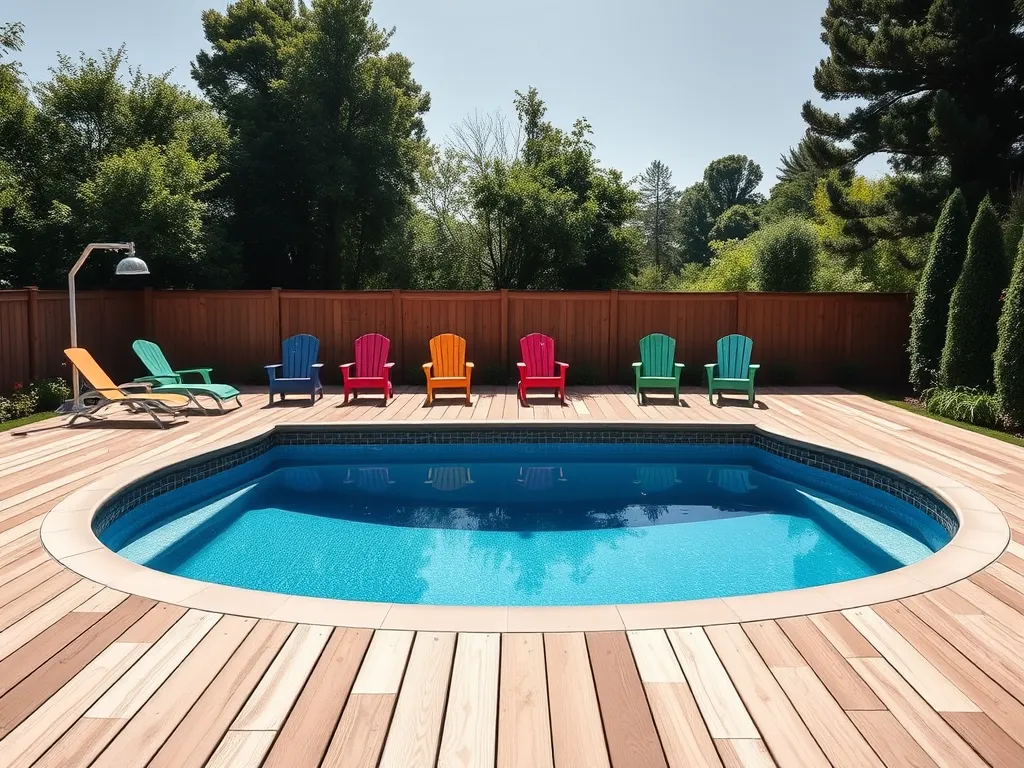
Do Pools Increase Home Value?
Pools can boost sales price, but not always. Let’s see how types compare.
Comparing Above-ground and In-ground Pool ROI
In-ground pools cost $50,000+ but may add 5-7% home value. Above-ground pools cost $8,000 but add 0-2% value. Data from Zillow shows homes with in-ground pools sell 3 days faster in Florida. In Maine, 40% of buyers ask to remove pools pre-sale. Maintaining a pool requires proper care and management. One important aspect is using a stabilizer for a 10,000-gallon pool to keep the chemicals balanced and the water clear.
How Buyers Perceive Pools in Your Market
In Phoenix, 68% of buyers pay more for homes with pools. In Michigan, pools cut buyer interest by 22% per Redfin reports. Ask local agents if pools help or hurt sales. Age matters too – pools older than 10 years may lower offers.
Calculating the Tax Impact Of a Pool
Use real math to guess tax hikes. We’ll show you how.
Estimating Assessment Value Increases
If your $30,000 pool adds $20,000 home value, multiply by local tax rate. At 2% rate: $20,000 x 0.02 = $400/year. But some towns cap pool value at 50% of cost. Example: $30,000 pool adds $15,000 to tax base. When considering overall pool costs, it’s also important to look at electricity expenses. A pool pump electricity cost calculator can help you estimate these ongoing energy costs accurately.
Tools to Project Long-term Tax Costs
Try the Pool Tax Calc app – plug in pool type, size, zip code. It shows 5-year tax estimates. Or call your tax office – they share mill rates and forms. Keep bills for 3 years to fight hikes if needed. When managing pool expenses, consider how much it costs to heat your pool. A pool heat pump calculator can help estimate the energy needed for optimal heating.
While pools can shift your tax bill, other upgrades like fences or decks also play a role. Let’s explore how they stack up.
Other Improvements That Affect Property Taxes
Adding a pool isn’t the only upgrade that might impact tax bills. Many outdoor installations trigger shifts in a property’s valuation. Knowing which modifications carry financial implications helps owners plan budgets and avoid surprises during annual assessments. One popular choice for homeowners is a small inground pool. When considering this option, it’s essential to factor in the overall cost of installation and maintenance.
Fences, Decks, and Outdoor Structures
Tax assessors typically classify permanent installations as “capital improvements” that lift a home’s worth. A 6-foot privacy fence built with vinyl or wrought iron, for instance, may add $3,000-$8,000 to a property’s valuation. Wooden decks costing $15,000 or more often boost tax bills by 1-3% in areas with a 1% tax rate. Gazebos, pergolas, and outdoor kitchens follow similar rules if fixed to the ground with footings or concrete pads.
- Non-taxable items: Portable fire pits, removable shade sails, or temporary above-ground hot tubs
- Taxable items: In-ground spas, brick patios, or three-season rooms with heating/cooling systems
How They Compare to Pool Additions
In-ground pools usually rank as high-impact upgrades, lifting tax valuations by 5-8% in markets favoring aquatic amenities. Above-ground pools, particularly those lacking decking or plumbing links, might not register on an assessor’s radar. A survey by the National Association of Realtors found that 62% of tax districts ignore temporary pools during appraisals, while 89% factor in permanent in-ground installations. This raises an interesting question about the perception of above-ground pools. Are they seen as less desirable or even trashy compared to their in-ground counterparts?
Contrast this with a $20,000 stamped concrete patio: its tax impact often falls midway between above-ground and in-ground pools. Fencing additions show similar variability—chain-link versions rarely affect values, but custom ironwork or stone walls can rival a pool’s fiscal footprint. Always verify local guidelines, as some towns tax all structures occupying over 100 sq. ft., regardless of mobility. When considering outdoor spaces with pools, it’s also important to think about water treatment methods. Using hydrogen peroxide can help lower chlorine levels, making the pool safer and more pleasant for swimmers.
Looking to grasp how tax laws apply to your pool project? Our next section breaks down common questions from owners navigating assessment rules.
Frequently Asked Questions
How Soon Will My Property Taxes Increase After Adding a Pool?
Property tax adjustments typically occur during your local assessor’s next evaluation cycle, which can range from 1 to 12 months after pool completion. Permitted installations are often flagged quickly via building department records, while unpermitted setups may delay detection until a physical inspection occurs.
Can I Appeal a Tax Assessment if My Pool’s Value Seems Inflated?
Yes. Gather evidence like contractor invoices, pre/post-installation appraisals, and photos showing pool specifications. Many counties allow formal appeals within 60 days of assessment notices, with success rates higher when comparable home data disputes the valuation.
Do Energy-efficient Pool Pumps Qualify for Tax Credits?
Some states offer incentives. For example, Arizona provides rebates for variable-speed pumps, while New York’s Clean Heat Program covers solar heaters. These credits won’t reduce property taxes but may offset upfront costs by 10-30%.
Does Pool Placement (Backyard Vs. Front Yard) Affect Tax Assessments?
Assessors prioritize functionality over placement, but non-compliant installations (e.g., pools encroaching on easements) may trigger fines instead of value boosts. Properly permitted backyard pools generally yield uniform tax treatment across zoning districts.
Closing Thoughts
Adding a pool to your property—whether above-ground or in-ground—can impact your taxes and home value. The exact effect depends on local tax laws, installation type, and market trends. Temporary above-ground pools often avoid assessments, while permanent structures may trigger tax increases.
Before installing a pool, research local assessment rules and consult your tax assessor’s office. Compare potential tax hikes against the enjoyment and resale value a pool brings. Some buyers see pools as a luxury, while others view them as maintenance burdens.
For precise cost projections, use My Pool Calculator to estimate tax impacts and long-term expenses. Our tools help you make informed decisions about pool ownership and property investments.
Useful References for You:
- Tamminen, T. (2019). The Complete Pool Manual for Homeowners: A Step-by-Step Maintenance Guide. New York, NY: Skyhorse Publishing.
- Do Swimming Pools Increase Property Taxes? | Pool Buyer Guide
- r/pools on Reddit: Property tax increase?
- How A Pool Can Increase Your Home’s Value – Aqua Spas and Pools
- Would Installing a Pool Increase Your Property Taxes? — RISMedia
A pool care geek who’s been testing water chemistry since she was tall enough to reach the skimmer.
Above ground pool, Pool Care By Type