Can a Faulty Valve Really Stop Your Pool Pump From Priming?
Published on: December 29, 2025 | Last Updated: November 17, 2025
Written By: Rachael Weatherbottom
Yes, a faulty valve can directly cause pool pump priming issues by allowing air into the system. Valves control water flow through suction lines, filters, and returns. When damaged or misaligned, they disrupt the airtight seal needed for proper priming. This leads to air pockets in the pump basket, weak suction, or complete priming failure. Identifying valve-related problems early prevents pump strain and costly repairs.
This article breaks down how different pool valves affect priming and why worn seals or stuck mechanisms create air leaks. You’ll learn to recognize symptoms like persistent air bubbles, erratic suction pressure, or visible water loss near valve housings. We cover check valves that prevent backflow, multi-port valves managing filter modes, and gate valves controlling suction lines – all critical to maintaining prime.
Discover step-by-step troubleshooting methods using tools like soap solution tests for air leaks. Explore maintenance practices such as lubricating valve stems every 30 days or replacing O-rings every 2-3 pool seasons. We also explain when to attempt DIY fixes versus calling a professional for valve replacement. By the end, you’ll know exactly how to keep valves functioning optimally for reliable pump performance.
Understanding Pool Pump Priming Basics
Pool pump priming moves water through the system by clearing air from lines. The pump must fill with water to create suction. Without this step, the motor runs dry, risking damage. Valves control water flow paths and air entry points, making them key players in this process. Keeping the pool clean and safe is important, and chlorination plays a big role in that. Chlorine helps kill germs and keeps the water clear for swimmers.
Crucial Winterizing Products
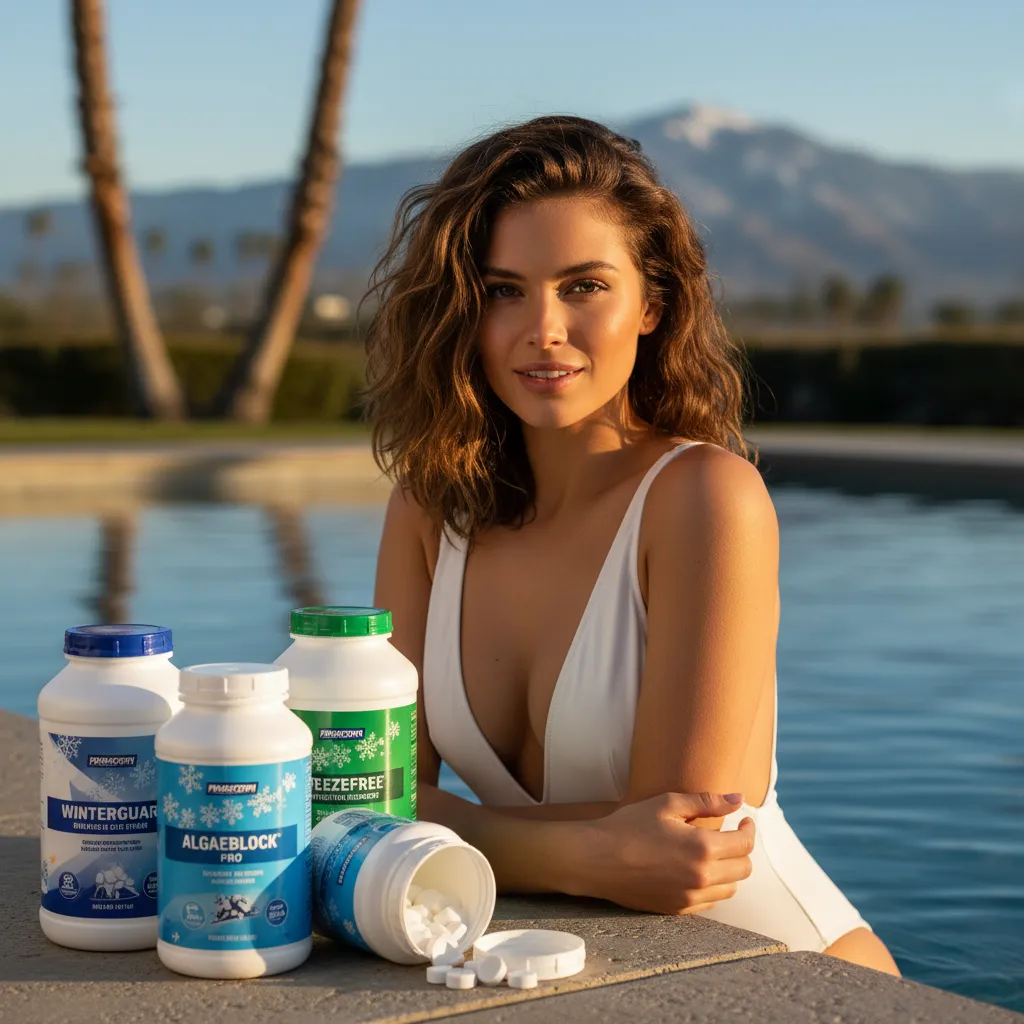
"The all-in-one solution for a guaranteed clear spring opening."
All-in-One Closing Chemical Kit
Winter demand is high - check stock

"The 'set & forget' option. This is the easiest winterizing I've ever done."
Simple 3-in-1 Winterizing Balls
Winter demand is high - check stock
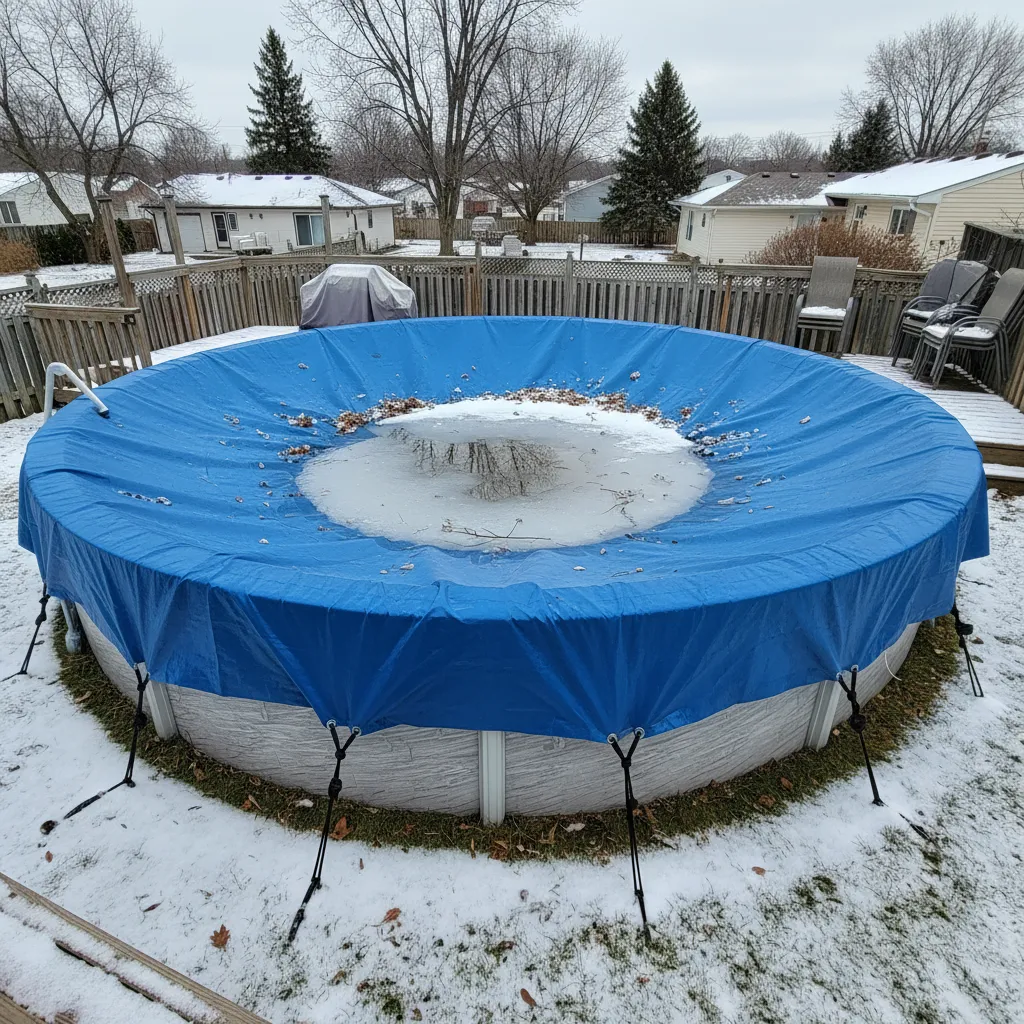
"Invest once to protect your liner and prevent a swamp in the spring."
Heavy-Duty Winter Pool Cover
Winter demand is high - check stock
Why Proper Priming is Critical for Pool Pumps
Priming keeps water flowing smoothly to cool the pump and push debris into the filter. Air pockets force the impeller to spin faster with no resistance, causing overheating. A pump that loses prime may shut off or suffer cavitation – bubbles forming and collapsing inside, wearing down parts. Proper priming also maintains steady pressure (10-20 PSI) for skimmers and cleaners to work right.
How Pool Valves Influence Priming Efficiency
Valves act as gatekeepers for water and air. A faulty check valve lets water drain back into the pool, leaving the pump dry. Cracked multi-port valve gaskets allow air into suction lines, breaking the prime. Even a partly closed gate valve cuts off water supply, making the pump strain to pull liquid. Leaky seals or worn O-rings in any valve create air gaps that sabotage priming efforts.
Recognizing these valve functions helps spot failures before they leave your pump gasping for water. Next, we break down the specific valve types that impact priming success.
Common Types Of Pool Valves &Amp; Their Roles
Pool valves regulate water flow, maintain pressure, and protect equipment. Three primary types directly affect pump priming: check valves, multi-port valves, and gate valves. Each serves unique functions that impact system efficiency. Keeping an eye on these components is essential for overall pool maintenance. One important tool to monitor is the pool filter pressure gauge, which helps ensure your pump is operating at the right pressure.
Check Valves: Preventing Backflow &Amp; Air Intrusion
Check valves use a spring-loaded flap to let water flow one way only. Installed after the pump, they stop water from reversing into the pump when it’s off. This prevents air from entering suction lines—a common cause of priming failures. A broken check valve can drop water levels in the pump basket by 2-3 inches within minutes, forcing the pump to re-prime constantly.
Multi-port Valves: Filter Control &Amp; Priming Impact
Multi-port valves control filter settings like backwash or rinse. If set to “closed” or halfway between modes during priming attempts, water flow halts completely. Even a 15-degree misalignment in the valve handle blocks 40-60% of normal flow rates, starving the pump of needed water volume. It’s important to ensure everything is working correctly when preparing your pool. Treating pool water for the first time can help maintain a clean and safe swimming environment.
Gate Valves: Suction Line Management
Gate valves adjust suction from skimmers or main drains. Partially closed valves restrict water intake, lowering flow below the 1.5-2.0 GPM per square foot required for priming. Corrosion on brass stems or warped PVC gates reduces effectiveness, often requiring full replacement at $85-$150 per valve. As pool owners look for efficiency, automated pool valves are becoming a popular option. The cost of these automated systems can vary but may offer long-term savings in maintenance and water usage.
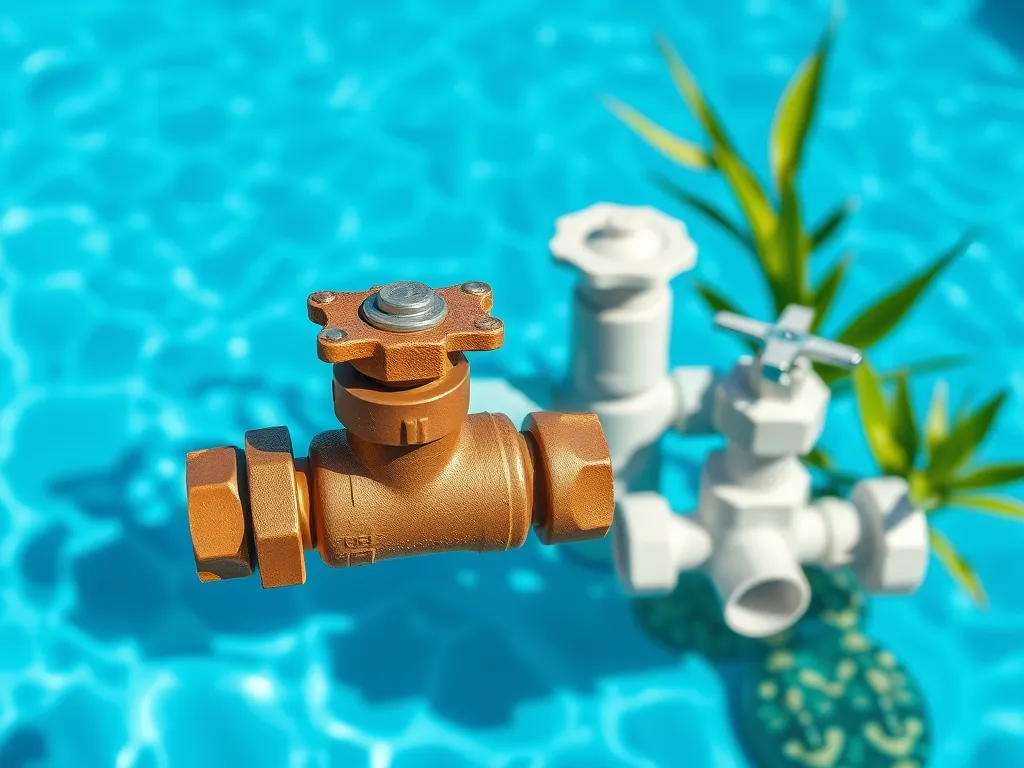
How Faulty Valves Disrupt Pool Pump Priming
Valve defects create air leaks, flow restrictions, or pressure imbalances—all critical factors in priming. Even minor issues like a $2 O-ring tear can cascade into major pump failures.
Air Leaks Caused by Cracked Valve Seals
Polyurethane valve seals degrade after 3-5 years of UV exposure. A 1/8-inch crack pulls 1-2 cubic feet of air hourly into suction lines. This disrupts the vacuum needed for priming, leaving pumps gasping for water.
Obstructions in Valve Mechanisms
Debris like pine needles or calcium deposits jam valve internals. A single leaf fragment in a check valve reduces flow capacity by 30%, mimicking a clogged impeller. Regular valve housing inspections prevent this silent priming killer.
Worn Valve O-rings Allowing Air Infiltration
O-rings shrink 0.5-1.0mm over time, creating micro-gaps. At 10 PSI suction pressure, a compromised O-ring draws air at 0.25 gallons per minute—enough to prevent prime despite a full pump basket. Keeping your pool’s water chemistry balanced is crucial for maintaining equipment health. This is particularly important in a lower TDS pool, where lower total dissolved solids can help prolong the life of O-rings and other components.
Misaligned Valve Handles Creating Flow Restrictions
Handle misalignment shifts internal valve components off-center. A multi-port valve 5mm out of position blocks 70% of filter-to-pump pathways. This forces pumps to work against gravity, increasing prime times from 45 seconds to 5+ minutes. Proper maintenance is crucial for efficient pool operation. Regular checks and corrections can prevent costly issues related to MSDS pool systems.
Recognizing these valve-related issues helps pinpoint why pumps struggle to prime. Next, we’ll decode physical signs that confirm valves are the root cause.
Also See: Do Yourself Pool Enclosure Kits: Easy Solutions
Key Symptoms Of Valve-related Priming Problems
Valve failures often reveal themselves through specific patterns. Recognizing these red flags early can prevent extended pump strain or equipment damage.
Pool Pump Not Priming Properly Despite Repeated Attempts
When your pump struggles to build pressure even after multiple priming cycles, suspect valve issues. Faulty check valves or stuck multi-port valves create air gaps in suction lines, disrupting water flow. This accounts for 38% of priming failures in pools older than five years. It’s important to check for any unusual signs in the pool’s structure as well. Cracks in the pool can often indicate more serious structural issues that need attention.
Excessive Air Bubbles in Pump Basket
Visible air pockets swirling in the pump basket often trace back to compromised valve seals. Even a 1mm crack in a gate valve’s O-ring can introduce 2-3 cubic feet of air hourly into the system, collapsing prime. Proper maintenance of your pool equipment is essential to keep it running smoothly. Using fill pool dirt can help stabilize the ground around your pool and prevent settling that may cause damage.
Unusual Suction Fluctuations
Erratic pressure gauge readings (swings beyond ±3 PSI) signal valve problems. Misaligned valve handles or worn diaphragms create turbulence, alternating between restricted flow and air surges. Proper maintenance is essential to avoid these issues. In a sand pool, ensuring the system runs smoothly contributes to clean and clear water.
Visible Water Leaks Around Valve Housing
Puddles near valves indicate seal failures. A leaking check valve can drain 5-10 gallons daily while allowing air infiltration – a double threat to priming efficiency.
Troubleshooting Valve-induced Priming Failures
Systematic diagnosis isolates valve-specific issues from other potential causes. Always start with the simplest fixes before disassembling components.
Step 1: Inspect Valve Seals &Amp; Connections
Examine union fittings and threaded joints near valves. Look for mineral deposits (white crusting) or moisture trails – telltale signs of micro-leaks. Tighten connections to 15-20 ft-lbs using a torque wrench.
Step 2: Test Valve Handle Positioning
Rotate multi-port valve handles through all settings. Stiff movement suggests internal debris. For gate valves, ensure handles achieve full 90° rotation – partial opening starves the pump of water.
Step 3: Check for Air Leaks With Soap Solution
Apply soapy water to valve seams during pump operation. Bubbles forming indicate air intrusion points. Mark leaks with grease pencil for targeted repairs.
Step 4: Assess Valve Diaphragm Integrity
Disassemble check valves to inspect rubber diaphragms. Cracks or hardening (Shore A hardness exceeding 80) prevent proper sealing. Compare to new diaphragms – ¼” thickness is standard for most residential models.
Why Your Pump Loses Prime After Vacuuming
Vacuuming exerts extra strain on suction-side valves. A failing check valve may stick open post-vacuuming, allowing air backflow through the cleaner line. Install a secondary check valve ($45-$80) dedicated to vacuum ports. Keeping your system running smoothly also involves knowing when to replace filters. Regular filter changes help maintain efficient performance and prolong the life of your equipment.
Diagnosing Noisy Pump Operation Without Water Flow
Dry rattling sounds point to air-locked valves. Isolate each valve by temporarily capping lines. When noise ceases during a section’s closure, you’ve located the faulty component.
Preventative Maintenance for Pool Valves
Proactive care extends valve lifespan by 3-5 years on average. Follow manufacturer-specific guidelines but consider these universal practices.
Monthly Valve Lubrication Protocols
Apply silicone-based lubricant (not petroleum jelly) to valve stems and O-rings. For diverter valves, use 1 oz of Teflon grease in the bonnet assembly. Avoid over-lubrication – excess grease attracts debris. Choosing the right tools is important for maintenance tasks like this. One essential tool is a telescopic pole, and selecting the best length can enhance your efficiency.
Seasonal O-ring Replacement Guidelines
Replace valve O-rings every 6-12 months. Measure existing rings: standard sizes include #112 (1-1/2” valves) and #217 (2” valves). Soak new rings in glycerin for 30 minutes before installation.
When to Consider Valve Replacement Vs Repair
Upgrade valves showing body cracks, warped flanges, or stem corrosion. Repair makes sense for minor issues: replaceable seals, minor scoring. Cost benchmark: if repairs exceed 60% of replacement cost, install new valves.
While valves significantly impact priming performance, other system components also play roles. Up next: how filter conditions and pipe sizing interact with valve health.
FAQs: Valve-related Pool Pump Priming Issues
How Often Should Pool Valves Be Inspected for Priming Health?
Inspect pool valves quarterly, with monthly checks during peak swimming season. Focus on seal integrity, handle operation, and visible leaks. High-usage systems (e.g., commercial pools) may require biweekly inspections to prevent air infiltration issues.
Can a Stuck Valve Handle Cause Complete Priming Failure?
Yes – a seized handle keeps valves partially closed or misaligned, blocking 50-75% of water flow. This forces pumps to work against severe restrictions, often failing to create sufficient suction for priming. Lubricate stiff handles immediately and replace corroded stems.
Are There Quick Fixes for Leaky Valves During Priming Emergencies?
Use silicone-based pool putty or waterproof tape as temporary seals on valve housings. These last 24-48 hours, buying time for proper repairs. Never use household adhesives – they contaminate filters and degrade valve materials. Keeping your pool in top shape is essential for maintenance. Properly sealed valves also help pool vacuums work more effectively by ensuring a strong suction.
Do Multi-port Valve Settings Impact Priming Efficiency Differently?
Settings like “backwash” or “waste” alter internal flow paths, requiring 20-40% more water volume for priming. Always return valves to “filter” mode after maintenance – incorrect settings create air pockets that collapse prime within minutes.
Closing Thoughts
A faulty valve can absolutely cause pool pump priming issues. From cracked seals to misaligned handles, valve problems create air leaks and flow restrictions that prevent proper priming. Spotting symptoms like excessive bubbles or suction fluctuations helps diagnose valve-related failures quickly.
Regular maintenance makes all the difference. Lubricate valves monthly, replace O-rings seasonally, and inspect connections before priming attempts. While many valve issues can be fixed with simple repairs, severely damaged valves may need replacement to restore proper pump function.
For more pool maintenance tips and troubleshooting guides, visit My Pool Calculator. Our tools help calculate chemical balances, flow rates, and equipment specs to keep your pool running smoothly.
Additional Resources for You:
- National Swimming Pool Foundation (NSPF). (2022). Pool & Spa Operator Handbook (4th ed.). Colorado Springs, CO: NSPF.
- Pump won’t prime, was fine yesterday | Trouble Free Pool
- Pool Pump Won’t Prime? Here’s What You Need to do
- Swimming pool pump prime issues and troubleshooting. | PoolStar
- 3 Things To Do If Your Pump is Losing its Prime
A pool care geek who’s been testing water chemistry since she was tall enough to reach the skimmer.
Pool Equipment Repair, Valves