Corrosion Protection for Pools: A Comprehensive Guide to Rust Prevention &Amp; Equipment Care
Published on: March 9, 2026 | Last Updated: November 17, 2025
Written By: Rachael Weatherbottom
Corrosion protection involves methods to prevent metal degradation in pool equipment caused by water, chemicals, and humidity. Unlike general rust prevention, pool-specific strategies address aggressive factors like chlorine exposure (1-3 ppm ideal), galvanic corrosion (electrical currents between metals), and pH imbalances (7.2-7.8 recommended). This includes using sacrificial zinc anodes, epoxy coatings, and materials like 316L stainless steel or PVC. Without proper care, corrosion can shorten equipment life by 50% or more, leading to costly replacements.
This guide explores why pool environments accelerate rust and how to stop it. Learn how chlorine weakens metal ladders, why saltwater pools demand titanium heat exchangers, and how galvanic corrosion attacks aluminum rails near copper wiring. We’ll break down the science behind protective methods like cathodic protection (using $40-$120 zinc anode kits) and elastomeric coatings (lasting 5-8 years).
Discover actionable steps to safeguard heaters, pumps, and hardware. Compare polymer paints versus ceramic-based sprays for ladder protection. Get pH adjustment tips to reduce chemical aggression and learn why calcium hardness below 200 ppm risks concrete erosion. We’ll also review top-rated products, from Lo-Chlor’s anode bags to Rust-Oleum’s 9100X epoxy, helping you build a defense plan tailored to your pool’s needs.
Understanding Corrosion in Pool Environments
Corrosion occurs when metals react with their environment, breaking down through oxidation or electrochemical reactions. Pool settings create a perfect storm for this process due to constant moisture, chemical exposure, and temperature fluctuations. Left unchecked, rust and degradation compromise structural integrity, create safety hazards, and lead to costly repairs. To help maintain a safe pool environment, it’s important to balance chemicals effectively. This is where pool chemical calculator apps can be very useful in guiding users to the right chemical levels for their specific needs.
Crucial Winterizing Products
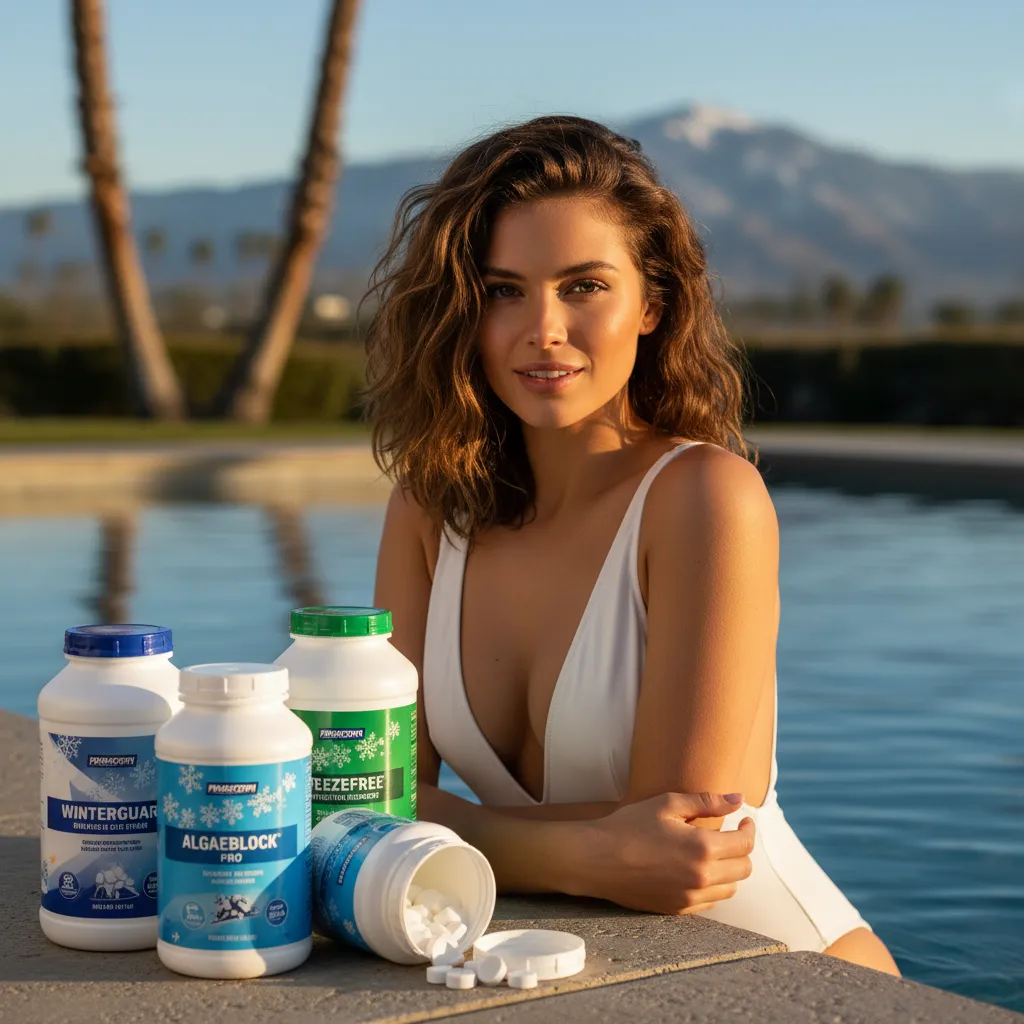
"The all-in-one solution for a guaranteed clear spring opening."
All-in-One Closing Chemical Kit
Winter demand is high - check stock

"The 'set & forget' option. This is the easiest winterizing I've ever done."
Simple 3-in-1 Winterizing Balls
Winter demand is high - check stock
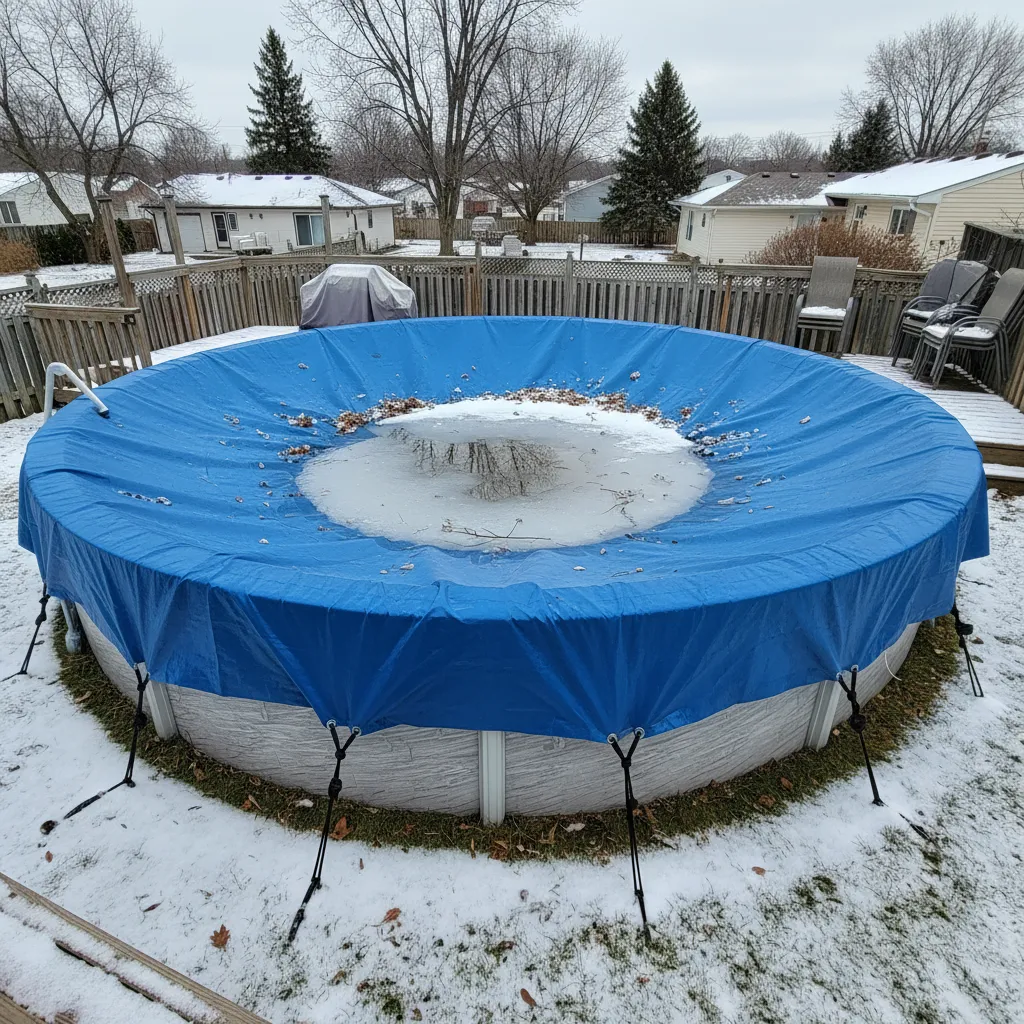
"Invest once to protect your liner and prevent a swamp in the spring."
Heavy-Duty Winter Pool Cover
Winter demand is high - check stock
What is Corrosion &Amp; Why is It a Problem for Pools?
In pools, corrosion refers to the gradual destruction of metal components like ladders, heaters, pumps, and screws through chemical or electrochemical reactions. Chlorine-based sanitizers, low pH levels (below 7.2), and dissolved salts accelerate electron transfer between metals and water. This weakens materials, causing leaks in plumbing, jagged edges on railings, or heater failures. A single corroded bolt can trigger cascading damage across connected parts.
The Impact Of Corrosion on Pool Equipment Lifespan
Galvanic corrosion—a reaction between dissimilar metals—can cut the lifespan of pool heaters by 40-60% when copper and steel parts interact. Stainless steel screws exposed to unbalanced water may pit within 12-18 months, while untreated aluminum light housings often warp after 3-5 seasons. Replacing a corroded pump motor averages $500-$1,200, not counting labor. Proactive corrosion prevention preserves equipment functionality and avoids unplanned replacements.
With corrosion risks identified, the next step involves pinpointing specific triggers that accelerate rust and degradation in aquatic settings.
Common Causes Of Corrosion in Swimming Pools
Pool corrosion starts with factors many owners miss. Spotting these triggers can add years to your pool’s parts and cut costs on fixes.
Chlorine &Amp; Chemical Imbalances
Chlorine above 3 ppm speeds up rust on metal fittings, ladders, and heater parts. Low pH (below 7.2) turns water acidic, dissolving protective layers on brass valves or copper wiring. High alkalinity (>120 ppm) causes scaling that traps moisture, creating hidden rust zones.
High Humidity &Amp; Moisture Exposure
Constant dampness attacks pool lights, bolts, and pump housings. Saltwater pools intensify this, with airborne salt particles lodging into crevices. Pool rooms with poor airflow face 3x faster rusting on tools stored nearby. Proper maintenance can help protect against these issues. One essential part of maintenance is shock treatment in saltwater pools to keep the water clean and clear.
Galvanic Corrosion in Metal Components
Dissimilar metals like steel screws in aluminum rails spark galvanic corrosion. This reaction drains ions from less noble metals, causing pitting. A 0.5V voltage difference between metals can trash a heater’s copper exchanger in two seasons.
Poor Maintenance Practices
Ignoring calcium hardness (below 200 ppm) lets water pull minerals from metal surfaces. Skipping anode checks in gas heaters leaves systems vulnerable. Dirt buildup on stainless steel ladder ruts traps chlorides, breaking down passivation layers.
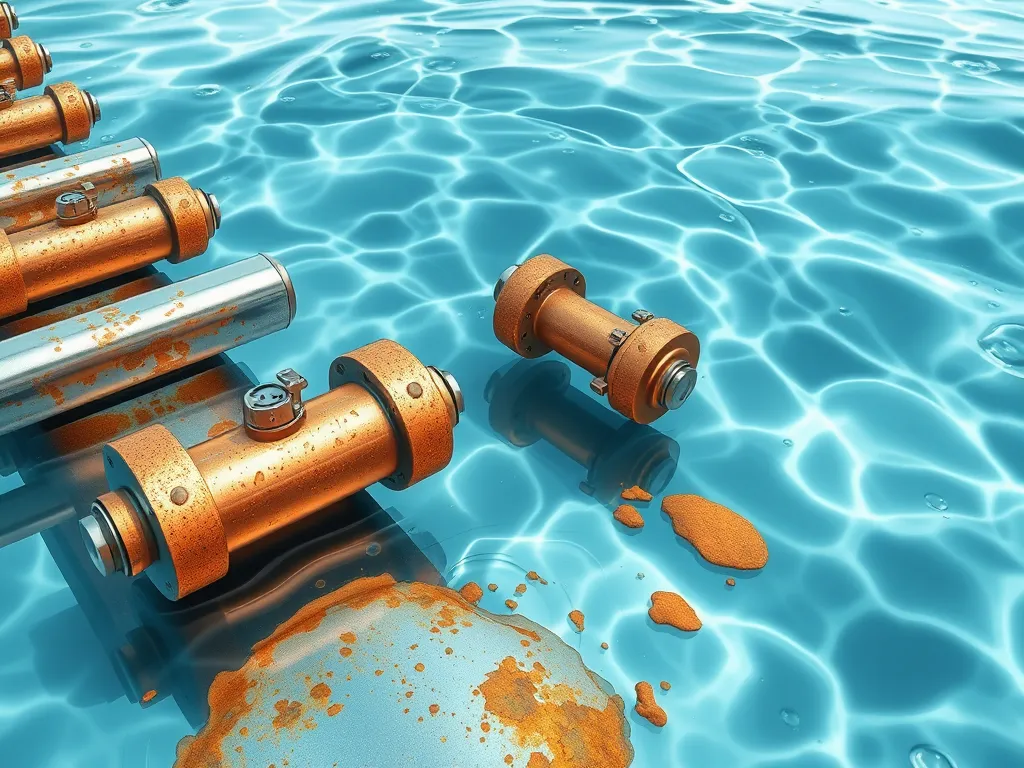
Essential Corrosion Prevention Methods for Pool Owners
Stopping rust needs a mix of smart tech and material choices. Focus on these tactics to shield your pool’s parts.
Sacrificial Anodes (Galvanic Protection)
Zinc or magnesium rods take the hit instead of your pool’s metal parts. These anodes lose ions to corrosive agents, lasting 2-5 years based on water chemistry.
Installing Zinc Anodes for Pool Heaters
Thread a ¾” zinc anode into your heater’s header plug. This $25 part can block up to 90% of corrosion in copper tubes. Swap it when 50% worn – usually during annual servicing.
Protective Coatings &Amp; Paints
Barrier films block water and chemicals from hitting metal. Pick coatings rated for constant submersion or UV exposure.
Using Anti-Corrosion Paint for Metal Fittings
Rust-Oleum 9100 epoxy paint adds a 5-mil shield on ladder bolts and light rings. Apply two coats after sanding to SSPC-SP 3 standards. Avoid painting over active rust – use a phosphoric acid converter first.
Anodizing Aluminum Pool Components
Anodizing builds a 0.002” oxide layer on rails or coping. Type III hardcoat anodizing withstands 3,500 hours in salt spray tests – ideal for coastal pools. Costs run $8-$15 per sq ft but last 15+ years.
Material Selection &Amp; Replacement
Swap problem metals with rust-proof options. Check ASTM grades – not all “stainless” steels work in pools.
Choosing Stainless Steel or Plastic Fasteners
316L stainless screws resist pitting in chlorine. For salt pools, switch to nylon-6/6 clips or titanium anchors. Plastic skimmer lids (HDPE) outlast metal ones by 7x in humid conditions. Maintaining these components is essential for optimal performance in long heat pools. Long heat pools benefit from high-quality materials that withstand extreme conditions over time.
With your corrosion prevention plan set, the next step is picking materials built to last. Up next: how 304 vs 316 stainless grades and PVC plumbing choices impact long-term rust battles.
Also See: Can You Swim in a Pool With Low Stabilizer? Here’s What to Know
Corrosion-resistant Materials for Pool Equipment
Selecting the right materials forms the first line of defense against pool equipment degradation. Durability varies widely between metals and synthetics, making informed choices critical for long-term performance. Copper pipes have their own set of pros and cons, which can significantly impact their suitability for different applications.
Stainless Steel Vs. Galvanized Metals
Stainless steel grades 304 and 316 dominate pool environments due to chromium content (18-20%), which forms a passive oxide layer for rust prevention. Grade 316 adds 2-3% molybdenum for enhanced chloride resistance, ideal for saltwater pools. Galvanized metals, dipped in zinc coatings (3-8 mils thick), offer budget-friendly protection but degrade faster in acidic water (pH <7). Visible white rust appears within 2-3 years if zinc erodes, requiring replacement. Keeping a pool clean is essential for its longevity and enjoyment. [flexible_link url="https://mypoolcalc.com/solar-pool-ionizers" type="permanent"]Solar pool ionizers[/flexible_link] can help maintain cleanliness while reducing the need for harsh chemicals.
PVC &Amp; Composite Materials for Plumbing
Schedule 40 PVC pipes withstand 180-300 PSI pressure and resist chlorine-induced pitting. For heated pools, CPVC handles temps up to 200°F. Fiberglass-reinforced composites like RPS combine polymer flexibility with structural rigidity, eliminating metal corrosion risks in pumps and skimmers. Choosing the right materials is essential for efficient pool plumbing. Proper installation of these pipes ensures a reliable and long-lasting plumbing system for your pool.
Rust-proof Fasteners &Amp; Hardware
Silicon bronze (C65500 alloy) or 316 stainless steel screws outlast galvanized options 3:1 in salt spray tests. Coated fasteners with zinc-aluminum flake (ZRC) or nylon-11 sheathing reduce electrolytic reactions between dissimilar metals, preventing galvanic corrosion at connection points.
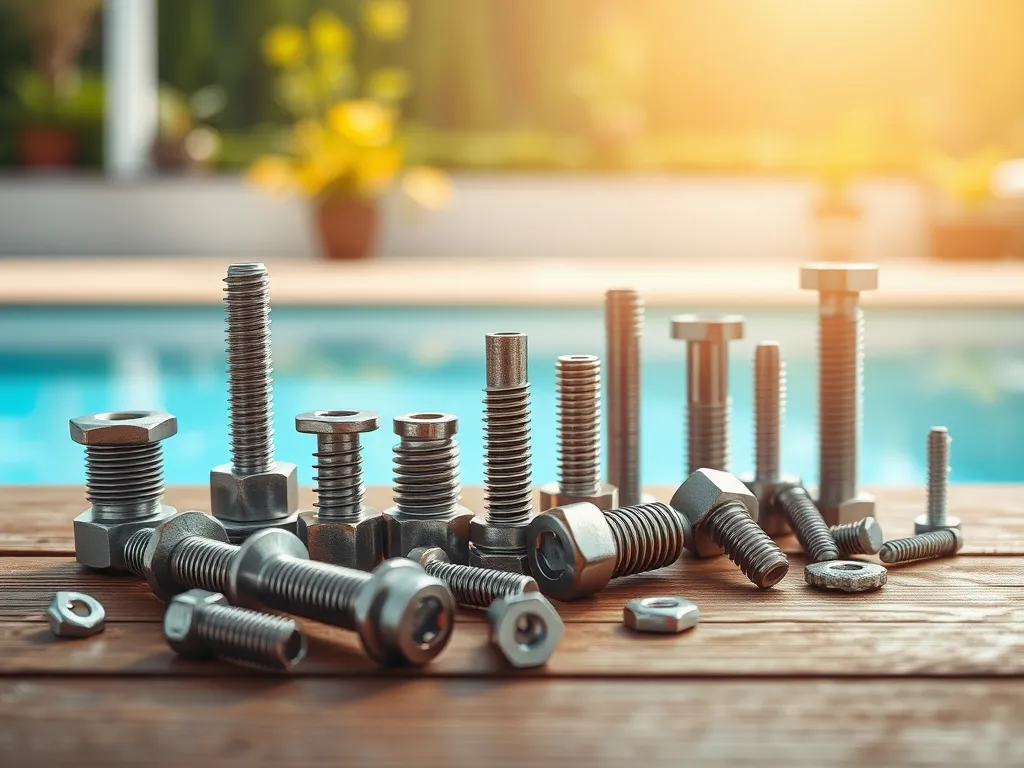
Protective Coatings for Corrosion Control in Pools
Specialized barrier systems shield vulnerable components from oxidants. Modern formulations bond chemically with substrates, creating impermeable shields against moisture and chemicals.
Anti-rust Paint for Above-ground Pool Frames
Two-part epoxy paints like Rust-Oleum 9100XT apply at 4-6 mils wet thickness, curing to a 3-mil film that blocks O2 diffusion. For existing rust, employ acrylic primers with tannin neutralizers (Krylon Rust Protector) before topcoating. Annual touch-ups maintain integrity.
Epoxy Coatings for Submerged Metal Parts
100% solids epoxy (Carboline 134) withstands 168-hour salt fog tests per ASTM B117. Applied via brush or spray at 10-15 mils, these coatings prevent pitting on ladder anchors and light niches. Cure times vary from 24 hours (ambient) to 2 hours (heat-accelerated).
Spray-on Rust Inhibitors for Pool Ladders
Water-based inhibitors like Corroseal convert iron oxide into stable magnetite, sealing pores at 1-2 microns thick. For high-wear areas, PTFE-infused sprays (WD-40 Specialist) reduce friction while repelling chlorinated water. Reapply every 6-8 weeks during swim season.
Maintaining Proper Water Chemistry to Prevent Corrosion
Balanced water minimizes electrochemical reactions that degrade metals. Regular testing paired with targeted treatments stabilizes corrosive factors.
Balancing Ph Levels &Amp; Alkalinity
Maintain pH 7.4-7.6 and total alkalinity 80-120 ppm. For every 0.1 pH drop below 7.2, corrosion rates double. Sodium bicarbonate raises alkalinity at 1.5 lbs per 10k gallons, while CO2 injectors fine-tune pH without affecting TDS. To help balance pool chemistry, Using soda ash helps raise pH and can prevent issues related to low alkalinity.
Monitoring Calcium Hardness
200-400 ppm calcium hardness prevents leaching from plaster or metal etching. Below 150 ppm, aggressive water strips protective scale from heaters and fittings. Calcium chloride (77% purity) adds 10 ppm per 1.5 lbs in 10k gallons. Proper pool maintenance goes beyond just calcium levels. Regularly testing the pool pump motor is essential for ensuring efficient water circulation and preventing costly repairs.
Using Corrosion Inhibitors in Pool Water
Orthophosphate-based inhibitors (Jack’s Magic Purple) sequester metals at 5-10 ppm concentration. Silicate blends form glass-like barriers on copper heat exchangers, reducing erosion rates by 70%. Test monthly with chelation kits to maintain efficacy.
While material choices and coatings form a robust defense, daily care determines their success. Next, explore routine practices that amplify these corrosion prevention methods.
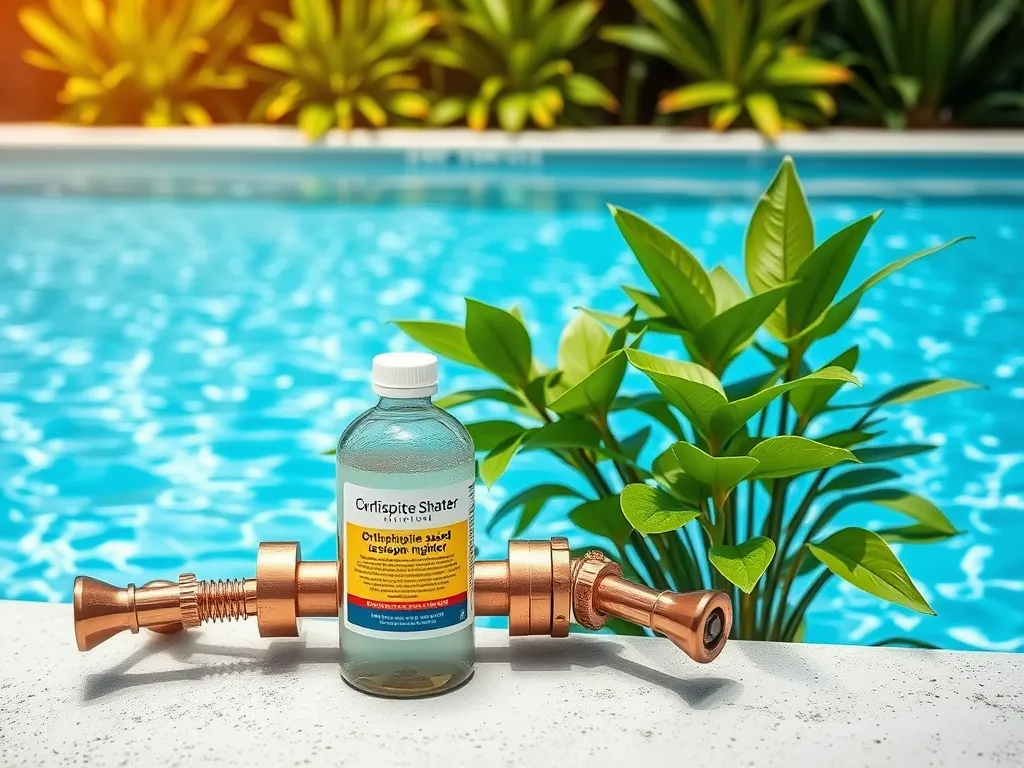
Routine Maintenance Practices to Protect Against Corrosion
Consistent upkeep forms the backbone of rust prevention in pool systems. Proper care extends equipment lifespan while minimizing repair costs linked to oxidation damage.
Cleaning &Amp; Drying Metal Components
Salt, chlorine residue, and mineral deposits accelerate corrosion on pool ladders, pump housings, and light fixtures. Scrub metal surfaces weekly with a nylon brush and pH-neutral cleaner. For stubborn buildup, mix 1 cup white vinegar per gallon of water. Rinse thoroughly with fresh water, then dry components immediately using compressed air or microfiber cloths. Pay attention to crevices where moisture lingers. Maintaining pool equipment is important for a safe swimming environment. One crucial aspect of this safety is the proper depth of diving pools.
| Tool | Purpose |
|---|---|
| Nylon brush | Gentle scrubbing without scratching |
| Air compressor | Blowing out trapped water |
| Desiccant packs | Absorbing humidity in enclosed spaces |
Inspecting for Early Signs Of Rust
Conduct monthly visual checks on metal parts. Focus on weld points, screw threads, and areas with chipped paint. Look for:
- Reddish-brown discoloration
- Pitting or rough textures
- Flaking protective coatings
Use a flashlight and magnifying glass to inspect hard-to-reach spots like behind heater panels. Document findings to track progression.
Lubricating Moving Parts With Rust-inhibiting Products
Friction wears down anti-corrosion coatings on hinges, valves, and motor shafts. Apply silicone-based lubricants or marine-grade greases containing zinc oxide every 3-6 months. For pool ladder rollers, try WD-40 Specialist Long-Term Corrosion Inhibitor. Avoid petroleum-based oils—they attract dust and degrade rubber seals.
Choosing the Best Corrosion Protection Products for Your Pool
Not all rust inhibitors work equally in chlorine-rich environments. Select materials rated for submersion or constant moisture exposure.
Sacrificial Anode Kits
Zinc or magnesium anode rods attract corrosive elements away from critical equipment. Install them on pool heaters (1-2 lbs. anode per 50k BTU) or metal ladder bases. Check anode depletion annually—replace when 50% eroded. Kits range from $40 for basic models to $120 for titanium-housed versions.
Rust-converting Primers
Convert existing rust into stable surfaces with primers like Rust-Oleum Stops Rust. These coatings penetrate oxidized metal, creating a bondable layer for topcoats. Apply in thin layers (6-8 mils wet thickness) after wire-brushing loose scale. Allow 24 hours curing before painting over rust with epoxy enamel.
Water-based Anti-corrosion Sprays
Low-VOC options like Corroseal Water-Based Metal Prep form a clear polymer barrier on cleaned surfaces. Ideal for bolts, light niches, and diving board hardware. Reapply every 4 months in high-splash zones. Test compatibility on plastics first—some formulas may cloud PVC.
With the right corrosion prevention methods, pool owners can tackle existing rust while stopping new formation. For those weighing options between coatings and inhibitors, our FAQ section clarifies how these solutions interact with different materials. Moreover, ensuring pool materials are well-maintained can enhance the local swimming experience. The red rock pool is a great spot for locals, offering a refreshing escape and free access to nature’s beauty.
FAQs About Corrosion Protection in Pool Care
Is WD-40 Sufficient for Long-term Pool Corrosion Prevention?
While WD-40 temporarily displaces moisture, its thin film degrades within 2-4 weeks in chlorinated water. For lasting protection, pair it with epoxy sealants or sacrificial anodes. Use WD-40 Specialist® Corrosion Inhibitor (rated for 336-hour salt spray resistance) on non-submerged parts like ladder hinges.
Can Pool Corrosion Protection Techniques Protect My Car?
Sacrificial anode systems and epoxy undercoatings used in pools also defend automotive parts. However, car-specific solutions like electronic rust inhibitors (ERI) differ from pool methods. Avoid using pool-grade zinc anodes on vehicles – they corrode 3x faster than magnesium auto variants.
How Often Should Corrosion Protection Measures Be Reapplied?
Protection timelines vary: • Sacrificial zinc anodes: 12-36 months • Epoxy coatings: 5-8 years • Silicone lubricants: 3-6 months • Water-based inhibitors: 60-90 days Saltwater pools and coastal climates shorten these intervals by 30-40%.
Do Saltwater Pools Require Different Corrosion Protection?
Yes – salt concentrations (3,000-6,000 ppm) demand titanium heat exchangers, 316L stainless steel hardware, and marine-grade anodes. Standard galvanized components fail 67% faster in saltwater versus chlorine pools. Always use double-lined sacrificial anode kits in salt systems. Saltwater pools require special materials to ensure durability. Thus, many pool owners are turning to saltwater stainless steel pools for their strength and corrosion resistance.
Are DIY Corrosion Protection Methods Effective?
Homemade solutions (vinegar rinses, petroleum jelly coatings) provide short-term fixes but lack durability. Professional-grade products like cathodic protection systems and ASTM-rated epoxies outperform DIY approaches by 4-7x in accelerated weathering tests.
How Does Temperature Affect Pool Corrosion Rates?
Every 18°F (10°C) increase doubles corrosion activity. Heated pools (86°F+) require: • Thicker epoxy coatings (12+ mils vs standard 6 mils) • Monthly anode inspections • 25% more frequent pH testing Insulate pipes and use thermal blankets to reduce temperature fluctuations. In managing pool operations, it’s essential to consider staffing needs. A float pool can provide the necessary support to maintain optimal conditions.
Closing Thoughts
Corrosion protection is vital for extending the life of your pool equipment. From sacrificial anodes to proper water chemistry, each method plays a role in rust prevention. Regular inspections and maintenance keep small issues from becoming costly repairs.
Material choices matter—stainless steel, PVC, and coated metals resist damage better than untreated options. Protective sprays, epoxy coatings, and zinc anodes add extra defense against moisture and chemicals.
For precise water balance to prevent corrosion, try My Pool Calculator. It helps maintain ideal pH, alkalinity, and calcium levels with easy-to-follow recommendations.
Stay proactive with these strategies, and your pool components will last longer while performing at their best.
Useful References for You:
- What is corrosion and how does corrosion protection work?
- What Is Corrosion Protection? – Cor Pro
- Corrosion Inhibitors for Metal | WD-40 Corrosion Inhibitor | WD-40
- 3M Corrosion Protection Coatings | 3M United States
A pool care geek who’s been testing water chemistry since she was tall enough to reach the skimmer.
Common Problems, Pool Chemistry, Stain & Scale Removal